Southern Serengeti Itinerary
7 Days on the Calving Plains: Ndutu, Naabi Hill, Gol Kopjes & Moru Kopjes
| Quick Facts
Route: Arusha → Lake Manyara → Ngorongoro Crater → Ndutu → Southern Serengeti plains (Naabi Hill, Gol Kopjes, Moru Kopjes) → Olduvai Gorge → Arusha Duration: 7 days / 6 nights (with optional fly-out from Ndutu or Seronera) Best time: December to March, with the wildebeest calving peak usually from late January to late February Ideal for: Great Migration seekers, big-cat and predator-action lovers, wildlife photographers, first-time and repeat Tanzania visitors Travel styles: Guided 4×4 safari, self-drive 4×4 with rooftop or ground tent, or fly-in lodge safari |
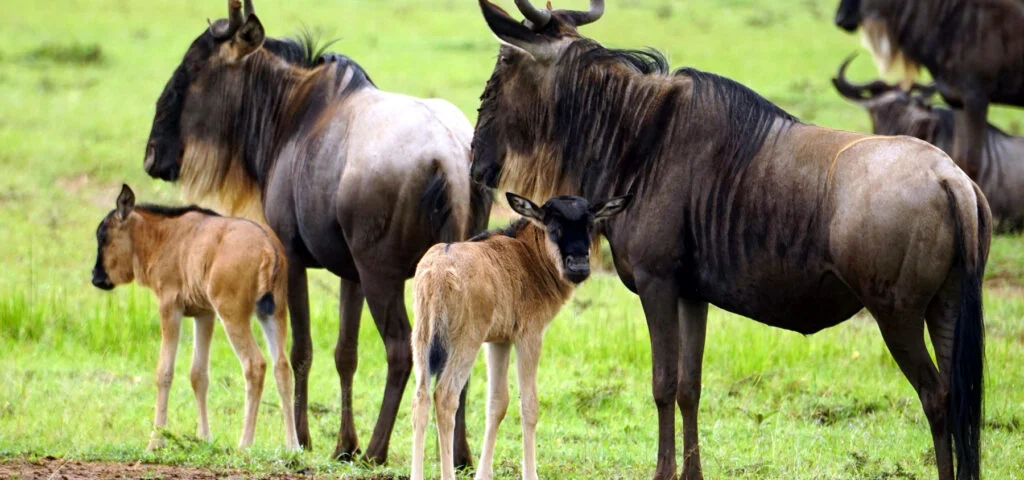
The Southern Serengeti is where the Great Migration begins its year. Every wet season, more than a million wildebeest, along with hundreds of thousands of zebra and gazelle, leave the northern woodlands and pour onto the short-grass plains that stretch from Ndutu and Lake Masek across to Naabi Hill, the Gol Kopjes and the edge of the Maswa Game Reserve. Here, on volcanic soils rich in minerals, the herds give birth to roughly half a million calves in a matter of weeks. Lions, cheetahs, spotted hyenas, leopards and wild dogs follow close behind, making this the most dramatic predator theatre in Africa.
This detailed 7-day Southern Serengeti itinerary is built around that spectacle. It combines the classic northern circuit warm-up stops of Lake Manyara and the Ngorongoro Crater with four full days on the southern plains, where you can track the herds by day and fall asleep to the calls of hyenas at night. You will find a day-by-day plan, driving times, accommodation options for every budget, 2026 park fee guidance, a month-by-month calendar, self-drive tips and a practical packing list.
Itinerary at a Glance
| Day | Route / Activity | Approx. Drive | Overnight |
| 1 | Arrive Arusha / Kilimanjaro Airport → Lake Manyara National Park game drive | 2–3 hrs | Karatu or Mto wa Mbu |
| 2 | Ngorongoro Crater floor game drive → descend to Ndutu | 4–5 hrs incl. crater | Ndutu area |
| 3 | Full day Ndutu: Lake Ndutu, Lake Masek, Big Marsh, Hidden Valley | Game drives | Ndutu area |
| 4 | Ndutu → Naabi Hill Gate → Gol Kopjes cheetah country | 1–2 hrs + drives | Southern Serengeti (Kusini / Naabi area) or Ndutu |
| 5 | Moru Kopjes, Gong Rock & Maasai rock art; Simba Kopjes | Game drives | Southern / Central Serengeti |
| 6 | Follow the herds; optional hot-air balloon; Shifting Sands | Game drives | Ndutu area |
| 7 | Olduvai Gorge → Ngorongoro highlands → Arusha (or fly from Ndutu) | 5–6 hrs | Depart / Arusha |
Why Visit the Southern Serengeti?
The Southern Serengeti is not a single park area but a landscape. The famous Ndutu region sits just inside the Ngorongoro Conservation Area, while the adjoining short-grass plains around Naabi Hill, the Gol Kopjes and the Moru Kopjes lie within Serengeti National Park itself. To the southwest lies the Maswa Game Reserve. The herds move freely across these boundaries, following fresh grazing after the rains.
- The calving season: Around 8,000 wildebeest calves can be born in a single day at the peak. Watching a calf stand and run within minutes of birth is one of the great sights in nature.
- Predator action: The abundance of vulnerable young draws lions, cheetahs, hyena clans and occasionally wild dogs. Hunts are frequent and often visible from the vehicle.
- Big skies and green plains: The wet season turns the plains a vivid green, broken by granite kopjes, acacia woodland and soda lakes lined with flamingos.
- Fewer crowds than the north: Outside the peak calving weeks, the southern plains feel far wilder and quieter than the Mara River crossing points in the north.
- Easy combination: The Ngorongoro Crater and Olduvai Gorge sit directly on the route, so you can add world-class wildlife and human-origins history without long detours.
Best Time to Visit the Southern Serengeti
Timing is everything in the south. The herds only stay on the short-grass plains while there is rain-fed grazing and surface water, which normally means December to April. By May they begin moving west and north towards the Western Corridor.
| Month | Migration Position | What to Expect |
| November | Herds arriving from the north | Short rains begin; herds stream south through central Serengeti; good value rates |
| December | Spreading across Ndutu & Naabi | Green plains, early births, festive-season demand at lodges |
| January | Settled on the southern plains | Calving builds; excellent predator sightings; dry spells between showers |
| February | Peak calving | The highlight of the year; highest predator activity; book 9–12 months ahead |
| March | Still in the south, starting to stir | Calves growing; herds grazing widely; long rains may start late in the month |
| April – May | Moving west & north-west | Long rains; muddy tracks; some camps close; lowest prices |
| June – October | Western Corridor & northern Serengeti | Southern plains are dry and quiet; resident wildlife only |
| Planning Tip
Migration timing depends on the rains, not the calendar. If your dates are flexible, aim for the first three weeks of February. Your guide (or our team, if you are self-driving) will check daily herd reports from rangers and other drivers so you always head to where the action is. |
Detailed Day-by-Day Itinerary
Day 1: Arusha to Lake Manyara National Park
Distance: approx. 125 km | Drive: 2–2.5 hours | Meals: Lunch, Dinner
Your safari begins with a pickup from Kilimanjaro International Airport or your Arusha hotel. After a short briefing and vehicle check (self-drivers receive a full handover of the 4×4, camping kit and route maps), you head west along the tarmac road past Maasai villages, coffee farms and the Great Rift Valley escarpment.
Arrive at Lake Manyara National Park in time for a picnic lunch, then spend the afternoon exploring its groundwater forest, hippo pool and the alkaline lake shore. The park is famous for tree-climbing lions, large troops of olive baboons, elephants and, seasonally, thousands of pink flamingos. Exit the park before 6:00 pm and climb the escarpment to Karatu, a cool highland town close to the Ngorongoro gate.
Highlights
- Groundwater forest with blue monkeys and baboons
- Hippo pool and lake-shore birdlife (over 400 species recorded)
- Sweeping views from the Rift Valley escarpment
Overnight: Karatu (e.g. Rhotia Valley Tented Lodge, Ngorongoro Farm House, or Karatu public campsites for self-drivers)
Day 2: Ngorongoro Crater, then Down to Ndutu
Distance: approx. 140 km | Drive: 4–5 hours including crater descent | Meals: Breakfast, Lunch, Dinner
Leave early after breakfast and pass through the Lodoare Gate into the Ngorongoro Conservation Area. Descend more than 600 metres into the Ngorongoro Crater, the world’s largest intact volcanic caldera, for a morning game drive. The crater floor holds one of the densest concentrations of predators in Africa and is one of the best places in Tanzania to see the endangered black rhino.
Enjoy a picnic lunch at the Ngoitokitok hippo pool, then ascend and continue west across the highlands. The road drops through Maasai grazing country with views over the Olbalbal depression before turning off towards Ndutu. As you arrive on the plains in the late afternoon, the first herds of wildebeest and zebra usually come into view.
Highlights
- Black rhino, lion prides and large hyena clans on the crater floor
- Flamingos on Lake Magadi inside the crater
- First sighting of the migration herds on the drive into Ndutu
Overnight: Ndutu area (e.g. Ndutu Safari Lodge, Lake Masek Tented Camp, seasonal luxury tented camps, or Ndutu special campsites)
Day 3: Full Day in the Ndutu Calving Grounds
Activity: Morning and afternoon game drives or full day with picnic lunch | Meals: Breakfast, Lunch, Dinner
Ndutu is the heart of the calving season. Head out at first light, when predators are most active and newborn calves are most vulnerable. Your guide will scan the herds for signs of births and hunts, and you may well witness a cheetah sprint or a lioness ambush in the long morning shadows.
Explore the shores of Lake Ndutu and Lake Masek, two shallow soda lakes surrounded by acacia woodland where leopards and lions often rest during the heat of the day. Continue to the Big Marsh and Small Marsh, magnets for elephants, buffalo and resident lion prides, and the Hidden Valley, a broad green depression where large concentrations of wildebeest often gather.
Because Ndutu lies within the Ngorongoro Conservation Area rather than the national park, guides have historically been allowed limited off-road driving here to follow sightings. Rules change from season to season, so always follow current NCAA regulations and keep a respectful distance from animals, especially mothers with newborns.
Highlights
- Wildebeest births and first steps on the open plains
- Cheetah, lion and hyena hunts at dawn and dusk
- Leopards in the acacia woodland around Lake Ndutu
- Bat-eared foxes, serval cats and honey badgers on the plains
Overnight: Ndutu area (same as Day 2)
Day 4: Naabi Hill Gate and the Gol Kopjes
Distance: approx. 40–70 km plus game drives | Meals: Breakfast, Lunch, Dinner
Today you cross into Serengeti National Park proper. Drive north to Naabi Hill Gate, the main southern entrance, where park permits are processed. Take a short walk up Naabi Hill for a panoramic view: during the wet season the plains below can be dotted with animals as far as the eye can see.
Continue east to the Gol Kopjes, a cluster of granite outcrops rising from the endless short-grass plain. This is classic cheetah country: the open terrain suits their high-speed hunting style and the kopjes provide lookout points and shelter for cubs. Lions and spotted hyenas use the rocks too, and the area attracts raptors such as tawny eagles and lappet-faced vultures. Note that off-road driving is not permitted inside the national park, so stay on the designated tracks.
Highlights
- Panoramic views from Naabi Hill
- Cheetah families hunting Thomson’s gazelle on the Gol Kopjes plains
- Herds of wildebeest and zebra grazing to the horizon
Overnight: Southern Serengeti (e.g. a seasonal tented camp near Naabi Hill or the Kusini area), or return to Ndutu
Day 5: Moru Kopjes, Gong Rock and Simba Kopjes
Activity: Full-day game drive with picnic lunch | Meals: Breakfast, Lunch, Dinner
Head north-west towards the Moru Kopjes, among the most scenic landmarks in the Serengeti. These giant granite boulders shelter lion prides, leopards and klipspringers, and the area is part of the park’s rhino conservation zone, so keep your eyes open for a rare black rhino.
Visit Gong Rock, a boulder covered in small depressions that produce a ringing tone when struck, once used by Maasai communities for signalling and ceremonies. Nearby rock shelters display Maasai paintings of shields and animals. In the afternoon, swing past the Simba Kopjes on the main road towards Seronera, a favourite resting spot for lion prides, before returning to camp at sunset.
Highlights
- Lions lounging on the Moru and Simba Kopjes
- Gong Rock and Maasai rock paintings
- Chance of black rhino in the Moru conservation zone
Overnight: Southern Serengeti or Central Serengeti (Seronera) if you plan to fly out from Seronera
Day 6: Follow the Herds and Optional Balloon Safari
Activity: Game drives, optional hot-air balloon | Meals: Breakfast, Lunch, Dinner
Rise before dawn for an optional hot-air balloon flight over the southern plains (seasonal, booked in advance). Drifting silently above the herds as the sun rises, with a champagne bush breakfast on landing, is one of the most memorable experiences of any Tanzania safari.
The rest of the day is flexible. Your guide will use the latest herd and predator reports to plan the drive, whether that means returning to Hidden Valley, exploring the eastern edge of the plains towards the Gol Mountains, or watching a lion pride with fresh cubs. Late afternoon is perfect for photography, with soft light across the green grass and storm clouds building on the horizon.
Highlights
- Sunrise hot-air balloon over the calving grounds (optional)
- Flexible game drives based on daily sighting reports
- Golden-hour photography on the plains
Overnight: Ndutu area
Day 7: Olduvai Gorge and Return to Arusha
Distance: approx. 270 km | Drive: 5–6 hours | Meals: Breakfast, Lunch
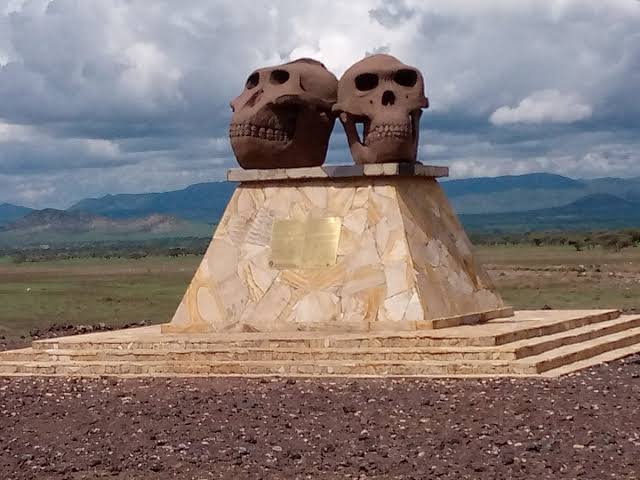
After a final early game drive, begin the return journey east. Stop at the Shifting Sands, a crescent-shaped black dune of volcanic ash that slowly migrates across the plains, and then at Olduvai Gorge, one of the most important paleoanthropological sites on earth. The small museum and viewpoint tell the story of the Leakey family discoveries and the early human ancestors who lived here nearly two million years ago.
Climb back over the Ngorongoro highlands, stop for a last look into the crater from the rim viewpoint, and continue to Arusha for your onward flight or an overnight stay. Alternatively, take a scheduled light-aircraft flight from the Ndutu or Seronera airstrip straight back to Arusha or Kilimanjaro and save most of a day on the road.
Highlights
- Shifting Sands dune
- Olduvai Gorge museum and viewpoint
- Final view over the Ngorongoro Crater from the rim
Overnight: End of safari (Arusha hotel or international departure)
Where to Stay in the Southern Serengeti
Accommodation in the south ranges from permanent lodges and seasonal mobile camps to public and special campsites. Many luxury camps operate only from December to March, when the herds are present, so book early for February.
| Tier | Example Options | What to Expect |
| Luxury | Lemala Ndutu, Sanctuary Kusini, andBeyond Serengeti Under Canvas (mobile), Entara Kusini-area seasonal camps | Spacious tents with en-suite bathrooms, private guides, gourmet dining, prime locations close to the herds |
| Mid-range | Ndutu Safari Lodge, Lake Masek Tented Camp, seasonal tented camps near Naabi Hill | Comfortable rooms or tents, full board, great value and excellent locations on the plains |
| Budget / Camping | Ndutu special campsites, Serengeti public campsites (Seronera), Karatu campsites | Ideal for self-drive rooftop or ground tent safaris; basic facilities; book special campsites in advance |
| Good to Know
Camp and lodge names, seasonal opening dates and locations change from year to year as mobile camps relocate to follow the herds. Always confirm current details at the time of booking. |
Park Fees and Estimated Costs
Park fees are a fixed cost on every Southern Serengeti safari. Because the route crosses both Serengeti National Park (managed by TANAPA) and the Ngorongoro Conservation Area (managed by the NCAA, which includes Ndutu), you will pay both authorities. All fees are charged per person per 24 hours, are paid electronically (Visa/Mastercard or approved cards), and cash is not accepted at the gates.
| Fee (Non-Resident Adult) | Approx. Amount (USD) | Notes |
| Serengeti National Park entry | $70.80 – $82.60 per 24 hrs | Rate depends on the TANAPA tariff in force on your travel date; includes VAT |
| Serengeti concession fee (lodges / camps) | $70.80 per night | Charged when sleeping inside the park; usually included in lodge quotes |
| Ngorongoro Conservation Area entry (incl. Ndutu) | approx. $70.80 – $82.60 per 24 hrs | Charged for each day or part of a day inside the NCA |
| Ngorongoro Crater service fee | $295 per vehicle per descent | Paid once per vehicle, not per person |
| Lake Manyara National Park entry | approx. $53 – $59 per 24 hrs | Mid-tier TANAPA park |
| Vehicle fees | From approx. $40 per entry (TANAPA) | Higher for NCA; based on vehicle registration and weight |
| Hot-air balloon (optional) | approx. $550 – $650 per person | Seasonal; book well in advance |
Estimated Total Cost per Person (7 Days, 2 People Sharing)
| Travel Style | Approx. Total (USD) | Typically Includes |
| Self-drive camping (rooftop or ground tent) | $1,600 – $2,400 | 4×4 rental with camping gear, fuel, park and camping fees, food supplies |
| Mid-range guided safari | $3,200 – $4,500 | Private 4×4 with driver-guide, mid-range lodges, full board, park fees |
| Luxury guided / fly-in safari | $6,500 – $11,000+ | Luxury tented camps, private guiding, light-aircraft flights, premium dining |
| Important Fee Notice
TANAPA and NCAA tariffs are reviewed periodically, and new rates often take effect from 1 July. The figures above are a guide only. Always confirm the latest official fees with TANAPA, the NCAA or your safari operator before you travel. |
Getting to the Southern Serengeti
By Road
Most travellers drive from Arusha via Karatu and the Ngorongoro Conservation Area. The tarmac ends at the Lodoare Gate; from there the road is gravel and dirt, and the final stretch to Ndutu crosses open plains on rough tracks that can become very muddy after heavy rain. A well-maintained 4×4 with high clearance is essential.
By Air
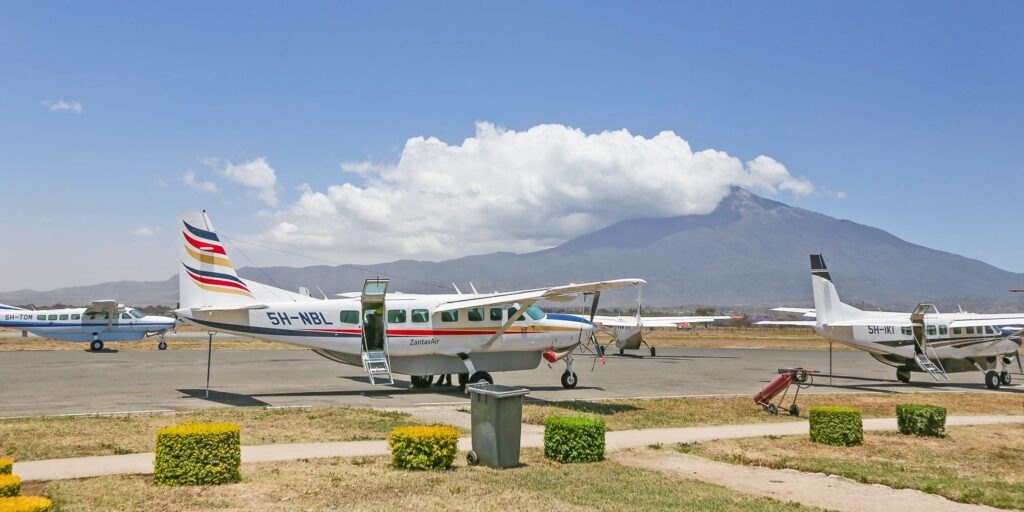
Scheduled light-aircraft flights operate from Arusha and Kilimanjaro airports to the Ndutu airstrip during the calving season, as well as year-round to Seronera and other Serengeti airstrips. Flying in saves a full day of driving each way and is ideal if you are short on time or combining the Serengeti with Zanzibar. Luggage limits are typically 15 kg per person in soft-sided bags.
| Route | Distance | Approx. Time |
| Arusha → Karatu | 140 km | 2.5 hrs (tarmac) |
| Karatu → Ndutu (via Lodoare Gate) | 120–130 km | 3–3.5 hrs (gravel / tracks) |
| Ndutu → Naabi Hill Gate | 30–40 km | 1 hr |
| Naabi Hill Gate → Seronera | 60 km | 1.5–2 hrs |
| Arusha → Ndutu (flight) | — | approx. 1–1.5 hrs |
Self-Drive Tips for the Southern Serengeti
A self-drive safari to the southern plains is very achievable with the right vehicle and preparation. Marriott Safaris Africa supplies fully equipped 4x4s such as the Toyota Land Cruiser and Hilux double cab with rooftop or ground tents, recovery gear and cross-border paperwork for travellers arriving from Uganda or Kenya.
- Choose the right vehicle: A Land Cruiser or Hilux with all-terrain tyres, a snorkel, two spare tyres and recovery boards is ideal for wet-season tracks.
- Carry extra fuel: There are no reliable fuel stations in Ndutu or the southern plains. Fill up in Karatu and carry jerrycans for at least 300–400 km of game driving.
- Download offline maps: Mobile signal is patchy. Use offline maps (Tracks4Africa, Maps.me or Google offline maps) and carry a paper map.
- Travel in daylight only: Driving inside the parks is not permitted after dark, and wildlife on the roads makes night driving dangerous.
- Respect park rules: Stay on designated tracks inside Serengeti National Park, keep to speed limits (usually 50 km/h) and never leave your vehicle except at designated areas.
- Book campsites in advance: Special campsites in Ndutu fill up quickly in February.
- Plan for mud: After heavy rain, black-cotton soil turns slippery. Wait for tracks to dry, engage 4WD early and avoid crossing flooded luggas.
What to Pack
| Category | Essentials |
| Clothing | Neutral-coloured layers (khaki, olive, beige), warm fleece or jacket for chilly mornings and the crater rim, lightweight rain jacket, hat, comfortable closed shoes |
| Gear | Binoculars (one pair per person), camera with 100–400 mm zoom lens, spare batteries and memory cards, power bank, dust-proof camera bag |
| Health | Antimalarials (consult your doctor), insect repellent with DEET, sunscreen, personal medications, basic first-aid kit, hand sanitiser |
| Documents | Passport (6+ months validity), Tanzania e-Visa, Yellow Fever certificate if arriving from an endemic country, travel insurance with evacuation cover |
| Self-drive extras | Driving licence and International Driving Permit, vehicle documents, tyre repair kit, headlamp, cool box, water containers |
Health, Safety and Responsible Travel
- Malaria: The Serengeti is a malaria area. Take prophylaxis as advised by a travel doctor, sleep under nets and cover up at dusk.
- Tsetse flies: Present in wooded areas. Avoid wearing dark blue and black, which attract them.
- Wildlife safety: Never feed animals, keep noise to a minimum and give mothers with newborn calves plenty of space. Do not crowd predators during a hunt.
- Water and food: Drink bottled or treated water. Lodges and camps follow good hygiene standards.
- Leave no trace: Take all rubbish out with you. Single-use plastic bags are banned in Tanzania.
- Support local communities: Buy crafts directly from Maasai cooperatives and consider a respectful cultural village visit on the way back through the highlands.
Photography Tips for the Calving Season
- Be on the plains at sunrise. The first two hours of light bring both the best colours and the most predator activity.
- Use a fast shutter speed (1/2000 s or faster) for running cheetahs and newborn calves.
- Bring a bean bag to stabilise long lenses on the vehicle window frame.
- Shoot wide too: storm skies over endless herds make powerful landscape images.
- Be patient. Waiting quietly with a herd is often rewarded with births, hunts or interactions.
Ways to Extend This Itinerary
- Central Serengeti (Seronera): Add 1–2 nights for year-round big-cat sightings in the Seronera River valley.
- Tarangire National Park: Add a day at the start for huge elephant herds and baobab-studded landscapes (best June–October, still rewarding in the wet season).
- Lake Eyasi: Spend a night with the Hadzabe hunter-gatherers and Datoga blacksmiths near Karatu.
- Zanzibar beach break: Fly from Ndutu or Seronera straight to Zanzibar for 3–4 nights on the Indian Ocean.
- Cross-border extension: Combine with Uganda or Kenya using a one-way 4×4 rental via the Mutukula or Namanga border.
Frequently Asked Questions
Is Ndutu part of the Serengeti?
Ecologically yes, administratively no. Ndutu lies inside the Ngorongoro Conservation Area on the southeastern edge of the Serengeti ecosystem. The migration crosses freely between Ndutu and Serengeti National Park, so most southern itineraries include both.
When is the best time to see the wildebeest calving?
The calving season runs from roughly late January to March, with the peak usually in February. December to March is generally excellent for seeing the herds on the southern plains.
How many days do I need for the Southern Serengeti?
Plan at least three full days on the southern plains. A 7-day itinerary like this one allows time for the Ngorongoro Crater and Lake Manyara as well, while 9–10 days lets you add Central Serengeti or Tarangire.
Can I self-drive to the Southern Serengeti?
Yes. With a well-equipped 4×4, extra fuel, offline maps and pre-booked campsites, a self-drive safari to Ndutu and the southern plains is very rewarding. Wet-season tracks can be challenging, so experience with off-road driving helps.
Will I see a river crossing in the Southern Serengeti?
No. The dramatic Mara and Grumeti river crossings happen in the northern and western Serengeti, roughly between June and October. The south is all about the calving and predator action.
Is the Southern Serengeti good for families?
Yes. The open plains offer constant wildlife action, and many lodges welcome children. Note that some hunts can be graphic, and long drives on rough tracks may be tiring for younger children.
Do I need a visa for Tanzania?
Most visitors need a Tanzania visa, best obtained as an e-Visa before travel through the official Tanzania Immigration portal. Check the latest requirements for your nationality before you book.
| Plan Your Southern Serengeti Safari with Marriott Safaris Africa
Whether you want a guided calving-season safari, a fully equipped self-drive 4×4 with rooftop tent, or a tailor-made fly-in adventure, our team will design the perfect Southern Serengeti itinerary for your dates and budget. Perfection Anytime. Contact us today to check availability for the next calving season. |