
Ngorongoro Crater – Big Five Safari in Tanzania’s Natural Wonder
The Ngorongoro Crater in Tanzania is situated within the Ngorongoro Conservation Area, encompassing extensive highland plains, savanna woods, and forests. Founded in 1959 as a multi-use region, it features wildlife cohabiting with semi-nomadic Maasai pastoralists engaged in traditional livestock grazing, encompassing the magnificent Ngorongoro Crater, the largest crater globally.
The property holds global significance for biodiversity protection owing to the existence of globally endangered species, the high density of wildlife in the region, and the annual migration of wildebeest, zebras, gazelles, and other fauna to the northern plains. Comprehensive archaeological investigations have produced a substantial array of evidence about human evolution and human-environment interactions, including early hominid footprints that are around 3.6 million years old.
The Ngorongoro Conservation Area (809,440 acres) encompasses extensive highland plains, savanna, savanna woods, and forests, extending from the Serengeti National Park in the northwest to the eastern arm of the Great Rift Valley. The region was designated in 1959 as a diverse land use area, facilitating the coexistence of wildlife and semi-nomadic Maasai pastoralists engaged in traditional cattle grazing.
It encompasses the magnificent Ngorongoro Crater, the largest crater globally, and Olduvai Gorge, a 14-kilometer-long steep canyon. The property holds global significance for biodiversity conservation due to the presence of globally threatened species, including the black rhino, the year-round density of wildlife in the Ngorongoro Crater and its vicinity, and the annual migration of wildebeest, zebra, Thompson’s and Grant’s gazelles, and other ungulates into the northern plains.
Where is Ngorongoro Crater Located
Ngorongoro Crater is situated in northern Tanzania, within the Eastern Great Rift Valley arm. The park, administered by the Ngorongoro Conservation Area Authority, is situated in the villages of Oloirobi district, which has experienced ongoing development due to the presence of the national park. Fees collected in Ngorongoro are reinvested to enhance the local communities, notably the village of Oloirobi, which has experienced advancements in infrastructure and well-being, such as schools, hospitals, and water and electricity projects.
How to get to Ngorongoro Crater
The majority of visitors to the Ngorongoro Crater include it in a Northern circuit safari, rendering transportation logistics a critical factor for planning activities in the Ngorongoro Crater. Ngorongoro is conveniently situated along the path to Serengeti National Park, approximately a 3-hour drive (180km/112mi) on a paved road from Arusha, the primary entrance point for exploring the remarkable attractions of Ngorongoro Crater. This advantageous location facilitates the combination of many places, hence enhancing your options to engage with the different activities available in Ngorongoro Crater during a thorough Tanzania safari journey.
From Arusha, one can traverse the parks of the Northern Circuit in small aircraft on chartered or scheduled flights, facilitating rapid access to the attractions in Ngorongoro Crater without enduring lengthy road travel. Alternatively, you may traverse the entire circuit or segments thereof via safari vehicle, facilitating picturesque pauses and unanticipated wildlife interactions that enrich your overall experience in Ngorongoro Crater. A prevalent choice is to arrive in Serengeti and thereafter return by safari vehicle through the Ngorongoro Crater, or vice versa, facilitating adaptable itineraries that cater to diverse tastes for activities in Ngorongoro Crater.
The journey from the Seronera region in Serengeti to the crater is around 140 km (90 mi), with a driving duration of around 3 hours; however, this may extend further if one pauses to appreciate wildlife watching chances that enhance the activities available in Ngorongoro Crater. The 80 km (50 mi) journey from Lake Manyara National Park to the crater requires approximately 2 hours, whilst the 180 km (110 mi) trip from Tarangire National Park takes around 4 hours, facilitating the combination of several parks when organizing your Ngorongoro Crater itinerary. The optimal route to reach Arusha is to fly into Kilimanjaro International Airport (JRO), located around 50 km/31 mi from Arusha, offering the most direct access to commence your Ngorongoro Crater excursions.
What is the best time to visit Ngorongoro Crater
Ngorongoro Crater boasts a diverse array of flora and wildlife and is accessible for visitation throughout the year. Nonetheless, certain seasons are particularly appealing for tourists to explore. During the wet seasons, animals are less prevalent in the park as they seek shelter, and the paths are typically slippery and impassable. Consequently, the majority of vacationers prefer the months of June to September and December to February, which are often arid. Animal species such as lions, cheetahs, elephants, and buffaloes emerge in large numbers in pursuit of water. The roads are easily navigable during these months. Consequently, these months represent the optimal period for tourists to explore the Ngorongoro Conservation Area.
What Items to park for a Safari to Ngorongoro Crater in Tanzania?
Properly packing for your Tanzania safari guarantees that you are adequately equipped to fully appreciate the myriad activities available in Ngorongoro Crater, irrespective of weather conditions or specific requirements. Crucial gear for engaging in activities at Ngorongoro Crater comprise lightweight, neutral-hued attire that offers sun protection while ensuring comfort during extended game drives and walking excursions. Your packing list for Ngorongoro Crater should emphasize layering, as temperatures can fluctuate considerably between early morning, midday, and nighttime, particularly throughout the seasons.
Camera equipment, supplemented with additional batteries and memory cards, is essential for capturing your experiences of the remarkable activities in Ngorongoro Crater, where wildlife photography possibilities are plentiful. High-quality binoculars significantly improve your wildlife observation experience in Ngorongoro Crater, enabling detailed viewing of distant animals and birds. Essential gear for ensuring comfort and safety while activities at Ngorongoro Crater are comfortable walking shoes, a wide-brimmed hat, high SPF sunscreen, and bug repellent.
Remember to carry a warm jacket for early morning game drives and nighttime activities, since temperatures can decrease considerably at the crater’s elevation, impacting your enjoyment of activities in Ngorongoro Crater during cooler times. Include personal prescriptions, a fundamental first aid kit, and any prescribed goods in your luggage for activities in Ngorongoro Crater to guarantee health and safety throughout your expedition. A reusable water bottle, snacks, and a compact daypack for transporting essentials while activities in Ngorongoro Crater can augment your comfort and convenience throughout this remarkable safari experience.
Accommodations, Dining, and Beverage Options in Ngorongoro Crater
Accommodation alternatives around Ngorongoro Crater accommodate many budgets and interests, guaranteeing a comfortable respite between days of exhilarating activities in Ngorongoro Crater. Budget-conscious guests can discover exceptional value at establishments such as Rhino Lodge and Ang’ata Ngorongoro Camp, which offer clean, comfortable accommodations and quality meals while maintaining proximity to the premier attractions in Ngorongoro Crater. These economical alternatives generally feature communal amenities, robust regional cuisine, and proficient personnel capable of offering valuable guidance to optimize your experiences in Ngorongoro Crater while adhering to your financial limitations.
Mid-range accommodations like Ngorongoro Wildlife Lodge and Kirurumu Ngorongoro Lodge provide superior luxury, private bathrooms, and refined dining experiences that seamlessly enhance your activities in Ngorongoro Crater. These facilities generally offer breathtaking vistas, swimming pools, and cultural performances that enhance your overall experience in Ngorongoro Crater without incurring luxury costs. The eating establishments at these mid-range lodgings offer both foreign and native Tanzanian cuisine, presenting a variety of culinary options following extensive exploration of activities in Ngorongoro Crater.
Affluent guests can immerse themselves in premier establishments such as Ngorongoro Crater Lodge and The Highlands, which provide outstanding service, exquisite cuisine, and unique experiences that enhance your activities in Ngorongoro Crater to remarkable heights. These luxurious lodges provide expansive rooms, private terraces with sweeping vistas, and tailored service that fosters indelible experiences among the natural marvels found in Ngorongoro Crater. Fine dining establishments within luxury estates offer meticulously crafted dishes utilizing fresh, local ingredients that embody the rich culinary heritage of Tanzania, while delivering ideal conclusions to days spent engaging in activities in Ngorongoro Crater.
Safety and Security On a safari in Tanzania to the Ngorongoro Crater
Safety concerns are essential when organizing and engaging in activities within Ngorongoro Crater, guaranteeing that your wildlife experience is both exhilarating and secure during your stay. Adhering to your guide’s directives and remaining within designated vehicles during game drives is the paramount safety protocol for experiencing activities in Ngorongoro Crater while safeguarding your wellbeing and minimizing disturbance to wildlife. Esteemed tour operators emphasize safety training and utilize well-equipped vehicles tailored to the distinct challenges and opportunities associated with activities in Ngorongoro Crater.
Interactions with wildlife necessitate courteous conduct and the maintaining of a suitable distance, as the animals observed in Ngorongoro Crater are inherently wild and unpredictable, even if they seem tranquil or habituated to vehicles. Do not feed animals, make abrupt moves, or leave vehicles without the clear consent of your guide, since these acts may generate perilous circumstances that jeopardize both human safety and animal welfare while activities in Ngorongoro Crater. Possessing comprehensive travel insurance that encompasses safari activities and medical evacuation offers crucial piece of mind when engaging in adventures within Ngorongoro Crater.
Personal safety considerations encompass maintaining hydration, utilizing suitable sun protection, and notifying your guide of any medical illnesses or concerns that may impact your engagement in activities at Ngorongoro Crater. Temperatures throughout the evening and early morning can be rather brisk; therefore, wearing layers and bringing warm attire guarantees comfort and mitigates the risk of illness during prolonged excursions in Ngorongoro Crater. Ensuring situational awareness, securing belongings, and adhering to camp safety rules fosters a safe environment that enables complete immersion in the remarkable activities available in Ngorongoro Crater, free from undue concern or distraction.
Participating in a Tanzania Safari at Ngorongoro Crater
Engaging in community involvement options enhances your experience in Ngorongoro Crater while positively impacting local conservation and development initiatives. Numerous tour companies provide cultural exchange programs that enable guests to interact with Maasai tribes, acquire traditional skills, and comprehend the coexistence of indigenous populations with wildlife, so enhancing the typical activities included in Ngorongoro Crater itineraries. Supporting local artisan cooperatives, women’s groups, and community-based tourism initiatives constitutes a significant means of amplifying your positive effect beyond merely experiencing activities in Ngorongoro Crater as a passive observer.
Occasionally, conservation volunteering opportunities arise for travelers eager to directly engage in animal protection initiatives while exploring unique activities in Ngorongoro Crater from exclusive behind-the-scenes viewpoints. Educational initiatives in local schools, cultural centers, and community facilities provide opportunities to disseminate knowledge, understand local issues, and cultivate enduring relationships that surpass conventional tourist experiences in Ngorongoro Crater. Engaging in community development projects, environmental cleanup campaigns, or conservation research fosters significant connections while promoting the enduring sustainability of activities in Ngorongoro Crater for future generations.
Responsible tourism techniques, such as selecting ethical tour operators, adhering to cultural customs, and reducing environmental damage, guarantee that your activities in Ngorongoro Crater have beneficial outcomes for local communities and ecosystems. Patronizing enterprises that hire local individuals, procure materials responsibly, and reinvest revenues into community development optimizes the positive impact of your expenditures in Ngorongoro Crater. Interacting respectfully with community residents, acquiring fundamental Swahili phrases, and expressing authentic interest in local customs and traditions enhances your experience in Ngorongoro Crater while showcasing cultural appreciation and sensitivity.
Reserving a Tanzania Safari to Ngorongoro Crater with Marriott Safaris Africa
Collaborating with seasoned operators such as Marriott Safaris Africa guarantees meticulous preparation and competent direction to optimize your Ngorongoro Crater experience through thorough planning and local knowledge. Marriott Safaris Africa specializes in crafting bespoke itineraries that highlight the premier activities in Ngorongoro Crater, while catering to personal preferences, financial constraints, and distinctive interests that render each safari exceptional and unforgettable. Our seasoned guides possess profound knowledge of wildlife behavior, excellent timing, and concealed attractions that elevate your experiences in Ngorongoro Crater beyond what individual travel can offer.
Activities in the Ngorongoro Conservation Area
The Ngorongoro Conservation Area hosts some of Africa’s most varied wildlife observation excursions. This conservation area in Tanzania is a UNESCO World Heritage Site situated in the Arusha region of Northern Tanzania. Visitors may sample locally cultivated and brewed coffee, embark on a crater safari, and ascend an additional crater to trace the path of early humans. The region includes extensive highland plains, savannas, savanna woodlands, and forests that attract people from many backgrounds. Ngorongoro is among Tanzania’s most renowned safari locations, drawing people globally.
The Ngorongoro Crater, the largest intact volcanic caldera globally and host to Africa’s highest concentration of huge wildlife, is among Ngorongoro’s most renowned attractions. The crater floor encompasses an area of 260 square kilometers and possesses a diameter of 19 kilometers. Its magnificent walls ascend to just over 610 meters. Currently, some 40,000 Maasai inhabit the region, rendering the Ngorongoro Conservation Area one of Tanzania’s primary tourist attractions. The conservation adjoins Serengeti National Park, necessitating passage via the conservation area to enter the Serengeti. The following enumerates the tourist activities inside the Ngorongoro Conservation Area.
Engaging with the Bushmen in Tanzania
The Bushmen are among the few communities in the vicinity of Lake Eyasi whose traditions and culture have remained intact. Tourists visiting the crater can observe both the unspoiled and traditional culture, along with its evident synergy with nature, which constitutes a remarkable cultural attraction. Accompanied by a qualified guide from Focus East Africa Tour, you can gain insights into the Bushmen’s lifestyle, their methods of procuring food, cultural norms, and culinary traditions. This cultural excursion across rural Tanzania offers a genuine glimpse into the past and constitutes a distinctive tourism experience that enhances your safari tour, particularly in the Ngorongoro Conservation Area.
Crater View Walk
The early morning and late afternoon walk along the western perimeter of the Ngorongoro crater is renowned for its expansive grasslands, lush green trees, and acacia woodlands, among various other natural ecosystems. Observe Schawlow’s wheatear and White Mountain Head, an uncomplicated yet gratifying birdwatching walk featuring African cytrills, golden-winged sunbirds, forest buzzards, and white-eyed slaty birdwatchers. During the journey, you may encounter Maasai herding their cattle.
Appreciate the African drummers.
The auditory experience of African music is distinctive, and it is an endeavor you should do to enhance the memorability of your holiday tour. Local drummers provide their guests with a unique cultural experience and expertise. Tanzanian culture features a distinctive instrument called the marimba, which possesses musical qualities and enables rapid toe-touching. The outdoor nature of the event renders it entirely contingent upon weather conditions and may result in some charges.
Hike the Empakai crater.
This is an intense full-day journey that traverses the verdant woodlands encircling Empakai Crater to the remarkable strangler fig trees inhabited by birds. During your safari trip to Empakai Crater, one may observe The Greys alongside the Grey-headed Black Finch, Crowned Adler, Barred Tailed Trogon, Greater and Lesser Flamingos, and Steppe Eagles.
Game Drives
The park provides game drives in two sessions; hence, based on your itinerary, you will be assigned a game drive either in the morning or evening. You will descend into the crater bay, a verdant mountain forest where you will observe a variety of avian species, and while entering the crater, you will be pleased to encounter an array of herbivorous and predatory fauna. Hippos may encounter a substantial herd of roses along the banks of Lake Magadi, along with various other animal species, contingent upon the season.
Photographic Safaris
If you have already participated in a game drive in the Ngorongoro Crater and appreciated the experience, you may arrange a second safari specifically to capture stunning animal photographs for social media. Birds, lakes, and savanna flora must all be incorporated into your photographic trip. Maasai tribesmen residing near the crater may express interest in engaging in your photography expedition.
Bird Watching
The Ngorongoro Crater is one of Tanzania’s premier birdwatching locations. Flamingos, Kori bustards, and crowned cranes are prevalent species to observe while your birding tour in Ngorongoro, Tanzania. Forest buzzards, golden-winged sunbirds, and white-eyed slaty are among the avian species observable from the crater rims.
Hot Air Ballooning
This is an expensive yet exhilarating method to observe the vast crater and its environs. Hot air ballooning is highly recommended for experiencing the beautiful Serengeti wildebeest migration when the wildebeest are grazing or calving beyond the crater and the nearby Serengeti. Hot air ballooning enables participants to witness and appreciate the breathtaking vistas within the crater.
A stroll around Lake Eyasi
Embark on a half-day excursion through Maasai towns and expansive grasslands to gain insight into the culture and lifestyle of the local inhabitants, while also appreciating the stunning vista of Lake Eyasi.
Visit Olduvai Gorge and the Shifting Sands.
The most ancient Homo sapiens fossils have been unearthed at Olduvai Gorge, an archaeological site and origin of humanity. You will thereafter traverse the crescent-shaped volcanic ash ridges referred to as shifting sands, which, influenced by the prevailing winds, inexorably advance across the desert terrain in an astonishing fashion. This extraordinary journey might lead you to your destination and evoke joy if you seek an exhilarating experience.
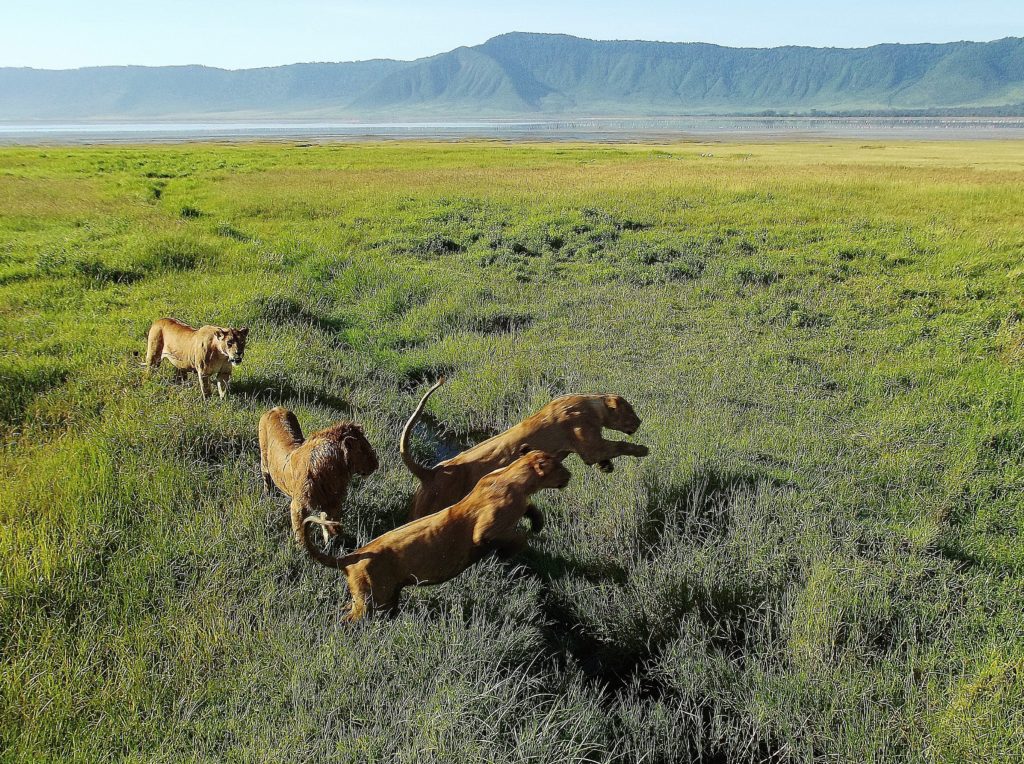
Due to the many ecosystems on the crater floor and slopes, Ngorongoro Crater hosts a remarkable array of avian and terrestrial species, including the Big Five, and offers visitors exceptional wildlife observation in picturesque settings. The Ngorongoro Crater, known as Africa’s Eden, hosts 25,000 animals, including ungulates and other large mammals. This area is also an excellent location to observe critically endangered species, such as black rhinoceroses, golden cats, and wild hunting dogs.
There is significantly more to explore and experience during your safari in the Ngorongoro Conservation Area. Therefore, do not hesitate to reach out to us Marriott Safaris Africa for optimal planning of your safari vacation in this premier African safari destination.