Ndabaka Gate
Ndabaka Gate is the principal western entrance to the Serengeti National Park, one of Africa’s most celebrated and biologically diverse wilderness areas. Situated along the Musoma–Mwanza highway close to the southern shores of Lake Victoria, this gate serves as the main portal for travellers arriving from Mwanza, Tanzania’s second-largest city, and from communities bordering the lake’s eastern shoreline. As the gateway into the park’s expansive Western Corridor, Ndabaka offers visitors direct and immediate access to one of the world’s most awe-inspiring wildlife spectacles — the annual Great Wildebeest Migration.
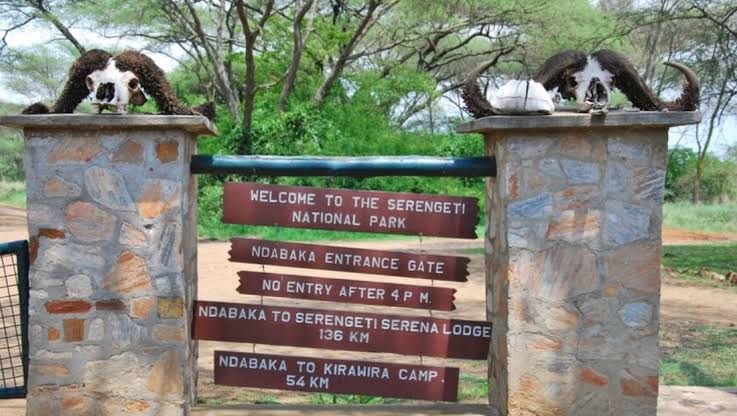
Unlike the more heavily trafficked Naabi Hill Gate in the south or the Ikoma Gate in the north, Ndabaka retains a quieter, more intimate character. It is widely regarded as one of the most preferred entry points by seasoned safari travellers who want to plunge directly into the western wilderness, far from the well-worn tourist corridors of the Seronera Valley. Whether you are arriving on a meticulously planned safari tour or embarking on a self-drive adventure from Mwanza, understanding Ndabaka Gate — its location, what it guards, its facilities, and the extraordinary wildlife experiences that await beyond its barriers — is the first step toward an unforgettable Serengeti journey.
Location and How to Get There
Ndabaka Gate is located on the western boundary of Serengeti National Park, in the Mara Region of northern Tanzania. It sits along the B6 road — the Musoma–Mwanza highway — placing it in an accessible corridor that connects the lakeside city of Mwanza to the north and the town of Musoma to the northeast. The gate lies approximately:
- 130 kilometres (about 2 hours) north of Mwanza City
- Approximately 2 hours west of Seronera, the central hub of Serengeti National Park
- Close to the lakeside town of Bunda, which serves as a convenient rest stop
- Roughly 8 hours by road from Arusha via the Ngorongoro Conservation Area
Arriving from Mwanza
The most popular approach to Ndabaka Gate is from Mwanza, Tanzania’s bustling lakeside port city on Lake Victoria. From the city centre, travellers head north on the B6 highway, passing through the towns of Misungwi and Bunda before reaching the gate. The road is paved for most of its length and is generally passable in a standard 4WD vehicle, though the final sections can become challenging during the rainy season (March to May). Travellers are strongly advised to use a 4WD vehicle even during the dry season, as the road inside the park is unpaved and uneven.
Arriving from Arusha
Travellers coming from Arusha — the most common starting point for Northern Circuit safaris — can reach Ndabaka Gate by driving westward through the Ngorongoro Conservation Area and continuing toward the western boundary of the Serengeti. This route covers approximately 500 kilometres and can take 8 or more hours depending on road conditions and stopovers. Those on package tours often fly into Mwanza Airport and are transferred by road directly to the gate, dramatically cutting travel time.
Arriving by Air
For those short on time or preferring greater comfort, charter flights are available directly into the Western Serengeti. The nearest airstrips to the Ndabaka Gate region include Kirawira B Airstrip and Fort Ikoma Airstrip, both of which are served by light aircraft operators such as Coastal Aviation and Auric Air. After landing, a short transfer by 4WD vehicle brings guests to their chosen camp or lodge inside the Western Corridor.
Gate Operating Hours and Entry Fees
Operating Hours
Ndabaka Gate, like all Serengeti National Park entry gates, operates on the following schedule:
- Official opening hours: 06:00 to 18:00 daily
- Last recommended entry time: by 16:00 to allow sufficient driving time before dark
- Night driving inside the park is strictly prohibited
Exceptions to the closing time may be granted by the Park Warden in special circumstances, but travellers should always plan to enter well before 16:00 to reach their accommodation safely. During peak season (June to September), the gate can experience a mild queue; arriving in the morning helps avoid delays.
Park Entry Fees
Entry fees to Serengeti National Park are managed by the Tanzania National Parks Authority (TANAPA) and are charged per person per 24-hour period. The fees are as follows (subject to revision by TANAPA):
- Non-resident adults (peak season): USD 82.60 per person per 24 hours
- Non-resident adults (low season, 15 March – 15 May): USD 70.80 per person per 24 hours
- East African residents and Tanzanian citizens enjoy significantly subsidised rates
- Vehicle fees are charged separately based on registration (foreign-registered vehicles are higher)
All payments at Ndabaka Gate are cashless. Accepted payment methods include Visa, Mastercard, and mobile money (such as M-Pesa). Cash payments in Tanzanian shillings or US dollars are not accepted at the gate itself. If you are on an organised safari, your tour operator will typically settle all park fees in advance through TANAPA’s online system (the Electronic Revenue Collection System, known as e-NCS).
The Western Corridor: What Lies Beyond the Gate
Stepping through Ndabaka Gate means entering the Western Corridor of the Serengeti, a long, narrow arm of the park that stretches westward toward Lake Victoria. This region is ecologically distinct from the more famous central plains around Seronera, and it rewards patient, curious visitors with a wilderness experience that feels genuinely off the beaten track.
Landscape and Ecology
The Western Corridor is defined by two major rivers — the Grumeti and the Mbalageti — which flow roughly parallel through the landscape, draining ultimately toward Lake Victoria. These rivers are fringed by dense riverine forests, tall fever trees, and fig galleries that form vivid green ribbons across the drier surrounding savanna. The terrain shifts dramatically between habitat types:
- Open short-grass plains closer to the park’s southern areas
- Acacia woodlands and rocky outcrops (kopjes) scattered across the central corridor
- Seasonally flooded grasslands and floodplains along the rivers
- Dense riverine forest along the Grumeti and Mbalageti river banks
This diversity of habitats supports an extraordinary variety of species year-round, making the Western Corridor a compelling destination even outside the peak migration window.
Wildlife Around Ndabaka Gate
The Western Corridor’s diverse ecosystems ensure that wildlife viewing at Ndabaka is productive throughout the year. The region supports both migratory and resident species, offering game drives rich in variety and encounter rates that match or exceed the central Serengeti in quieter months.
The Great Wildebeest Migration
The single most dramatic wildlife event associated with Ndabaka Gate is the annual passage of the Great Wildebeest Migration through the Western Corridor. Every year, more than 1.5 million wildebeest, accompanied by roughly 500,000 zebras and 300,000 Thomson’s gazelles, complete a clockwise loop of some 3,000 kilometres across the Serengeti–Mara ecosystem. By approximately May to July, the herds converge on the Western Corridor, moving north from the central plains in search of fresh grass stimulated by the region’s local rainfall patterns.
The highlight of this passage is the crossing of the Grumeti River. Unlike the Mara River crossings in the north — which are deep and fast-flowing and attract widespread attention — the Grumeti crossings are characterised by calmer waters and a unique predator: massive Nile crocodiles that have been lurking in the river pools for weeks, fattening in anticipation of the herds’ arrival. These ambush predators, some among the largest crocodiles in Africa, create dramatic and primal scenes as thousands of wildebeest wade across.
For visitors entering through Ndabaka Gate between May and early July, the chance of encountering the great herds is exceptionally high. The herd density can be staggering, with the gap between the leading and trailing wildebeest columns sometimes spanning three or more hours of driving time.
Resident Big Five and Large Mammals
Beyond the migration, the Western Corridor holds healthy populations of resident wildlife throughout the year:
- Lions: Pride territories in the Western Corridor are well-established; kopjes (rocky outcrops) are favourite resting spots
- Leopard: Found in the riverine forest margins and along kopje outcrops; sightings are rewarding but require patience
- Elephant: Often seen in family groups feeding in the acacia woodlands and riverine forests
- Buffalo: Large herds frequent the floodplains and waterholes
- Hippopotamus: Abundant in the deep pools of the Grumeti and Mbalageti rivers; frequently heard grunting after dark
- Giraffe: Commonly seen browsing in the acacia woodlands near the rivers
- Nile Crocodile: One of the most significant resident predators, reaching extraordinary sizes in the Grumeti pools
- Resident ungulates including impala, waterbuck, kongoni (Coke’s hartebeest), topi, and reedbuck
- Spotted hyena: Active at dawn and dusk; hyena dens are frequently located near the rivers
Primates and Smaller Mammals
The riverine forests bordering the Grumeti River are among the best primate-watching habitats in the Serengeti ecosystem. Visitors can encounter black-and-white colobus monkeys leaping through the treetops, patas monkeys on the woodland edges, and olive baboons in noisy troops along the riverbanks. Vervet monkeys are common at campsites. At night, bush babies (galagos) are heard and occasionally glimpsed with a spotlight.
Birdlife
The Western Corridor is a birdwatcher’s paradise, with over 500 bird species recorded in the broader Serengeti ecosystem. The varied habitats near Ndabaka Gate attract an impressive array of species:
- Rufous-tailed weaver — a Serengeti endemic and highly sought by birders
- Grey-breasted spurfowl — common in the woodlands and grasslands
- Fischer’s lovebird — easily spotted in acacia woodland flocks
- Helmet shrike — found in loose flocks in acacia woodlands
- Martial eagle, bateleur, and African fish eagle — frequently seen over the river corridors
- Saddle-billed stork, yellow-billed stork, and shoebill in marshy areas near the lake margins
- Vultures (white-backed, Rüppell’s, lappet-faced) gather in numbers during and after the migration
Best Time to Visit Ndabaka Gate
The best time to enter the Serengeti through Ndabaka Gate depends on what you most want to see. The gate is accessible throughout the year, but each season offers a different character.
May to July — Peak Migration Season
This is the premium window for entering through Ndabaka Gate. The wildebeest herds flood the Western Corridor, and Grumeti River crossings occur throughout June and into July. The landscape is green from the long rains that ended in May, wildlife is concentrated near water sources, and the drama of predator–prey interactions reaches its annual apex. Early mornings (departing camp by 06:00) offer the greatest chance of watching crossings. Temperatures are mild (14°C to 25°C), making game drives comfortable. This is also the high season for accommodation, so advance booking is essential.
August to October — Dry Season Wildlife Concentration
While the main migration herds have typically moved northward into the Masai Mara by August, the resident wildlife of the Western Corridor remains superb. The dry season depletes water sources, concentrating large mammals at permanent rivers and waterholes. Lion sightings become more reliable as prey animals cluster near water. Elephant, buffalo, and hippo are easily found along the Grumeti and Mbalageti rivers. Hot air balloon safaris operate during this season, offering a spectacular early-morning aerial view of the landscape.
November to February — Green Season
The short rains (November–December) bring lush green growth and dramatic cloud formations that make for extraordinary photography. While the wildebeest are on the southeastern plains calving (December–March), the resident wildlife remains active and the park is far less crowded. Birdlife is at its finest, as migratory birds from Europe and Asia arrive to join resident species. This period represents excellent value for money, with lower accommodation rates and uncrowded game drive tracks.
March to April — Long Rains and Low Season
The long rains (March–May) bring the heaviest precipitation, and some roads in the Western Corridor can become impassable, particularly the approach tracks from Ndabaka Gate toward Seronera. This is the lowest-occupancy period, with significantly reduced park fees (USD 70.80 per adult) and deeply discounted lodge rates. Travellers with high-clearance 4WD vehicles and flexibility will find a Serengeti that feels primordially wild, with fresh-washed skies and grass so tall and green the landscape seems impossibly verdant.
Safari Activities from Ndabaka Gate
Game Drives
Game driving is the foundational activity of any Serengeti safari. From Ndabaka Gate, the internal park road network fans east toward Seronera and the central Serengeti, with branches dropping south toward the Mbalageti River and north toward the Grumeti. Expert guides are essential for navigating the unmarked tracks and locating wildlife; visitors on self-drive safaris should carry detailed maps, offline GPS navigation (apps like maps.me or iOverlander), and emergency supplies. Recommended game drive schedules:
- Morning game drive: Depart camp between 06:00 and 06:30 to catch predators returning from night hunts
- Evening game drive: Depart around 15:30 to watch wildlife at waterholes as the day cools
- Full-day game drive: Pack a picnic lunch and spend 10–12 hours exploring the corridor; ideal during migration season
Hot Air Balloon Safari
One of the most memorable experiences in the Serengeti, a hot air balloon safari over the Western Corridor typically operates from June to October. Flights launch at dawn and last approximately 60 minutes, drifting silently over the landscape as the rising sun illuminates the plains below. After landing, a traditional bush champagne breakfast is served in the wilderness. This activity is offered by specialist operators from camps and lodges within the Western Corridor and must be booked well in advance during peak season.
Walking Safari
Walking safaris in the Western Corridor offer an entirely different perspective on the ecosystem — the smell of crushed grass, insect calls, and reading animal signs on the ground. Walks are guided by armed Tanzania National Parks rangers or licensed walking guides, and are available as either short (2–4 hour) or longer (half-day) excursions. Essential tips for walking safaris near Ndabaka Gate:
- Wear neutral colours (khaki, olive, or beige); avoid blue or black clothing, which attracts tsetse flies
- Closed-toe shoes are essential; long trousers protect against thorns and insects
- Early morning departures (06:30–07:00) offer cooler temperatures and more active wildlife
Grumeti River Watching
During migration season, positioning at the Grumeti River banks and waiting patiently for wildebeest crossings is one of the most viscerally rewarding activities a visitor can undertake. The process demands stillness and patience — sometimes hours of waiting near a crossing point, engines off, until the first wildebeest tentatively approaches the water. When the surge comes, the explosive energy of thousands of animals crashing into the river, with enormous Nile crocodiles erupting from the water, is an experience that defies description.
Accommodation Near Ndabaka Gate
A range of accommodation options exist within the Western Corridor, from public campsites to luxury tented camps. Proximity to Ndabaka Gate varies, but most lodges and camps are within a 1–2 hour drive of the gate along the internal park road.
Luxury Lodges and Tented Camps
- Mbalageti Serengeti: A mid-range lodge overlooking the Mbalageti River and open plains; popular for its scenic sundowner views
- andBeyond Grumeti Serengeti River Lodge: Luxury camp set on the Grumeti River; excellent access to hippo pools and forest trails
- andBeyond Grumeti Serengeti Tented Camp: Mobile-style camp offering immersive wilderness experiences in the migration corridor
- Speke Bay Lodge: Located outside the park near Lake Victoria and the Speke Bay; a base for lake activities combined with Serengeti day trips
- Little Okavango Camp: Intimate camp offering personalised safari experiences in the western sector
Public and Special Campsites
For self-drive safari travellers, TANAPA operates public campsites within the Western Corridor. These are basic facilities with pit latrines and limited amenities — travellers must be entirely self-sufficient with food, water, fuel, and equipment. The Ndabaka Campsite, situated close to the gate, is a popular first-night stop for independent travellers.
Special campsites are exclusive, non-public sites with no other parties sharing the bush camp location. These require advance booking through TANAPA and offer a truly wild overnight experience. Availability is limited, and they are extremely popular during migration season.
Practical Tips for Visiting Ndabaka Gate
Vehicle Requirements
- A 4WD vehicle with high ground clearance is mandatory for driving inside the park
- Carry a full spare tyre and a basic puncture repair kit; roads can be rough and stony
- Carry sufficient fuel; there is no fuelling station inside the Western Corridor
- Fuel up in Mwanza or Bunda before proceeding to the gate
What to Pack
- Binoculars (8×42 or 10×42 magnification recommended)
- Quality camera with a telephoto lens (minimum 200mm for wildlife; 400mm preferred)
- Neutral-coloured safari clothing (khaki, beige, olive, grey)
- Broad-spectrum sunscreen (SPF 50+) and wide-brimmed hat
- DEET-based insect repellent; malaria prophylaxis (consult your doctor before travel)
- Warm layer for early morning and evening drives; temperatures drop sharply
- Sufficient drinking water (minimum 2 litres per person per day)
- Downloaded offline maps for the Western Serengeti road network
Park Rules and Responsible Conduct
- Remain inside your vehicle at all times during game drives unless at designated walk areas
- Observe the park speed limit of 50 km/h on main roads, 25 km/h in wildlife areas
- No littering — carry all waste out with you; leave the wilderness as you found it
- No off-road driving except on designated tracks
- No excessive noise, especially near wildlife; switch off your engine when watching animals
Strictly no feeding of wildlife
Health Considerations
- Malaria is endemic; prophylaxis and mosquito precautions are essential
- Yellow fever vaccination may be required for entry into Tanzania (check current requirements)
- The nearest medical facilities are in Bunda town or Mwanza City; carry a comprehensive first-aid kit
- Travel insurance that covers emergency medical evacuation is strongly recommended
Nearby Attractions and Combining Your Safari
Ndabaka Gate’s proximity to Lake Victoria makes it an ideal base for combining a Serengeti safari with broader regional experiences:
- Lake Victoria: Africa’s largest lake (by area) and the world’s second-largest freshwater lake offers boating, fishing for Nile perch, and visits to islands such as Rubondo Island National Park
- Rubondo Island National Park: A little-known gem in Lake Victoria, home to chimpanzees, sitatunga antelopes, fish eagles, and excellent sport fishing
- Mwanza City: Tanzania’s gateway to Lake Victoria with bustling lakeside markets, rock formations, and the Sukuma Museum
- Handajega Gate: Located slightly south of Ndabaka and offering access to the same western corridor; useful when Ndabaka experiences peak traffic
Conclusion
Ndabaka Gate stands as more than just a checkpoint — it is the threshold between the ordinary world and one of Earth’s last great wildlife spectacles. Entering through this western gateway, travellers immediately sense the raw, untamed energy of the Serengeti: the distant rumble of a wildebeest herd, the bark of a baboon in the riverine forest, the silhouette of a giraffe browsing against an amber sky. Whether you are here to witness the thundering Grumeti crossings of the Great Migration, to track lions across sun-scorched kopjes, or simply to sit quietly at the river and watch time flow with the hippos, the Serengeti entered through Ndabaka delivers an experience that will remain with you for a lifetime.
With its cashless payment system, relatively uncrowded entry experience, and direct access to the wildlife-rich Western Corridor, Ndabaka Gate is an outstanding choice for first-time and returning visitors alike. Plan carefully, arrive before mid-afternoon, and let the Western Serengeti work its ancient, irreplaceable magic.