
Fort Ikoma Gate
Perched on the northwestern edge of one of the world’s most celebrated wilderness areas, Fort Ikoma Gate stands as far more than a mere entry point into Serengeti National Park. It is a threshold between the modern world and an ancient landscape — a place where the red dust of Tanzania’s savanna meets over a century of layered human history. For wildlife enthusiasts, safari-goers, and history buffs alike, Fort Ikoma Gate offers an experience unlike any other park entrance in Africa.
The gate takes its name from the nearby Fort Ikoma, a colonial-era military stronghold built by German forces in the early twentieth century. Today, the fort has been designated a heritage site within the park, and its presence lends the entire Ikoma region a unique cultural depth that complements the extraordinary natural spectacle of the Serengeti ecosystem. Whether one arrives in the dry season to witness the drama of the Great Wildebeest Migration or during the green season to explore the quieter western corridor, the journey through Fort Ikoma Gate is a defining moment of any Tanzanian safari.
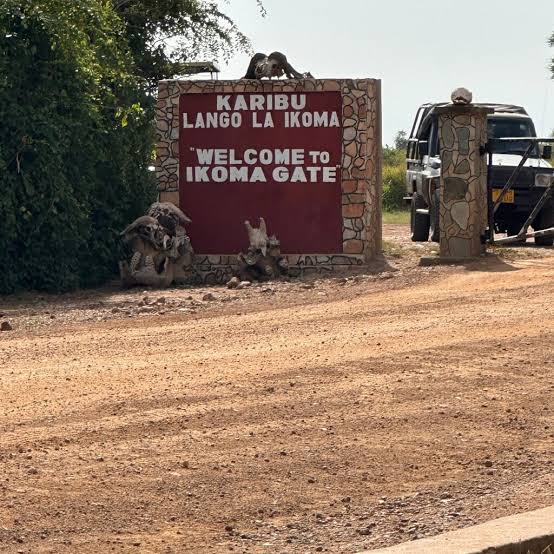
This comprehensive guide explores the history, geography, wildlife, facilities, and practical travel information associated with Fort Ikoma Gate, equipping every visitor with the knowledge to make the most of this extraordinary destination.
Location and Geography
Fort Ikoma Gate is located on the northwestern boundary of Serengeti National Park, in the Serengeti District of Mara Region, Tanzania. The gate sits at approximately 1,500 metres above sea level and serves as the primary access point for travellers arriving from the direction of Mwanza, Musoma, and the Lake Victoria basin. The surrounding landscape is characterised by rolling savanna interspersed with granite kopjes — ancient rocky outcrops that have punctuated the Serengeti plains for millions of years — acacia woodlands, and the seasonally flowing tributaries of the Grumeti River system.
The town of Ikoma, one of the largest settlements in proximity to Serengeti National Park’s administrative infrastructure, lies a few kilometres from the gate. Fort Ikoma itself — the historical military fortress after which the gate is named — is situated approximately 22 kilometres from the gate, perched on the most easterly of a series of low hills known locally as Nyabuta, about one mile north of the Grumeti River.
The western Serengeti accessible from this gate is distinct in character from the more visited central Seronera zone. This region forms part of the critical calving corridor and migration route used annually by the Great Wildebeest Migration, and its proximity to the Grumeti River makes it an exceptional destination for river crossing spectacles during certain seasons. The landscape transitions from open grassland plains to denser woodlands as one moves northward, creating a diverse mosaic of habitats that supports an extraordinary variety of wildlife.
Key Distances from Fort Ikoma Gate
| Destination | Approximate Distance | Travel Time |
| Seronera (Park HQ) | ~85 km | ~1 hour |
| Mwanza City | ~200 km | 4–5 hours |
| Butiama Town | ~90 km | ~2 hours |
| Musoma Town | ~120 km | ~2.5 hours |
| Grumeti River Crossings | ~40 km | ~45 minutes |
| Fort Ikoma (Heritage Site) | ~22 km | ~30 minutes |
| Naabi Hill Gate | ~140 km | ~2 hours |
Historical Background
German Colonial Origins (1890s–1917)
The story of Fort Ikoma Gate is inseparable from the colonial history of German East Africa, the vast territory that encompassed present-day Tanzania, Rwanda, and Burundi under German imperial administration from 1885 to 1919. The Ikoma region, inhabited by the Ikoma people — a Bantu-speaking community renowned for their cattle-herding traditions and fierce independence — became a focal point of German efforts to extend administrative control over the interior of Tanganyika during the late nineteenth century.
German explorer Dr. Oscar Baumann was among the first Europeans to pass through the Ikoma area during his expeditions through central Africa. His accounts of the region’s strategic geography, natural resources, and existing trade routes attracted the attention of German colonial administrators who sought to establish a permanent military presence in the area. By 1901, tensions between German colonial forces and the local Ikoma community had reached a critical point. A large Maasai raiding party — either allied with or exploited by anti-German factions — attacked approximately thirty German askaris (African soldiers serving under German colonial command) in the Ikoma area. The fighting was fierce, lasting the entire day, with the German forces ultimately withdrawing into the fort’s boma (a fortified enclosure) by evening. The Maasai pressed their attack through the night but were eventually driven off.
In direct response to this vulnerability, the German colonial administration constructed Fort Ikoma in 1905, positioning it strategically on the most easterly of the Nyabuta hills, overlooking the Grumeti River valley. The fort was designed as both a military stronghold and an administrative centre, fulfilling multiple colonial functions simultaneously: suppressing local resistance, monitoring enemy troop movements across mainland Tanganyika, controlling regional trade routes, and serving as a base for punitive expeditions against communities that resisted colonial taxation and forced labour policies.
Architecture and Construction
Fort Ikoma was constructed using locally sourced stone, a material chosen for its durability, abundance, and strategic advantages over timber. The fort’s thick stone walls — in places several feet thick — were designed to withstand attack and provided natural insulation against the heat of the Serengeti sun. Characteristic of German colonial military architecture of this period, the structure incorporated defensive loopholes (narrow apertures through which soldiers could fire without exposing themselves), elevated watchtowers providing commanding views of the surrounding plains, and a central courtyard that served as a mustering ground.
The construction reveals a distinctive European architectural sensibility adapted to tropical conditions — an aesthetic blend that set Fort Ikoma apart from the vernacular architecture of the region and established it as a visible symbol of colonial power. Contemporary visitors and journalists have noted the fort’s intricate stone carvings, which suggest that German builders employed local artisans whose indigenous craftsmanship found expression even within this explicitly colonial structure. The result is a building that tells multiple stories simultaneously: the story of imperial ambition, local resistance, and the complex cultural negotiations that characterised the colonial encounter in East Africa.
World War I and British Occupation (1917–1961)
The outbreak of World War I in 1914 transformed Fort Ikoma from an administrative centre into an active military installation of strategic significance. During the East African campaign of World War I — in which British, Belgian, and South African forces engaged German colonial troops in one of the war’s most protracted and geographically dispersed theatres — Fort Ikoma was used as a heliograph station, employing reflected sunlight to transmit coded messages warning of British troop movements across the vast Tanganyikan interior.
British forces captured Fort Ikoma in 1917, and the structure passed into British colonial custody under the terms of the post-war mandate system that transferred German East Africa to Britain as the territory of Tanganyika. Under British administration, the fort continued to serve administrative functions, though its military character was gradually softened as the new colonial administration pursued a different style of governance. The British retained the fort’s infrastructure but repurposed many of its spaces for civilian administrative use, introducing a new chapter in the building’s long and complicated history.
Post-Independence Era (1961–Present)
Tanzania gained independence in December 1961, and Fort Ikoma entered yet another phase of its multifaceted history. In the immediate post-independence decades, the fort served as a post for the Tanzania People’s Defence Forces (TPDF), maintaining its military character under a newly sovereign nation that sought to exercise control over its borders and natural resources. The fort’s location near what would eventually become a heavily protected national park made it a valuable asset in anti-poaching operations and wildlife management efforts.
A landmark transition occurred in 1997, when the Tanzanian government transferred the Fort Ikoma site to the Tanzania National Parks Authority (TANAPA), signalling a decisive shift in the fort’s identity from a military installation to a cultural and heritage attraction. TANAPA designated the site as a heritage landmark within Serengeti National Park, recognising its exceptional historical and architectural significance as one of the best-preserved examples of German colonial military architecture in East Africa.
In 2017, in a remarkable act of post-colonial cultural diplomacy, the German government contributed funding to the construction of modern office and residential buildings within the fort compound, providing improved facilities for TANAPA park staff stationed in the area. This German investment represents a form of historical acknowledgment and practical partnership that has strengthened the fort’s infrastructure while preserving its heritage character. The fort has increasingly gained recognition as a “living museum of struggle, survival and transformation” — a place where the full complexity of Tanzania’s colonial and post-colonial history can be encountered in a single location.
Fort Ikoma Gate Today
Role as a Park Entry Point
Fort Ikoma Gate is one of several official entry and exit points serving Serengeti National Park, which at 14,763 square kilometres is one of Africa’s largest and most iconic wildlife reserves. As an entry gate, Fort Ikoma serves travellers arriving from the northwestern direction — primarily those coming from Mwanza (Tanzania’s second-largest city on the shores of Lake Victoria), from the Mara Region towns of Musoma and Butiama, and from the Grumeti Game Reserve immediately to the north.
The gate provides access to the western Serengeti corridor — an ecologically distinct zone characterised by its acacia woodlands, rocky kopjes, and the seasonally dramatic Grumeti River. This region is less heavily visited than the central Seronera area, giving travellers arriving through Fort Ikoma Gate a more intimate and less crowded safari experience, particularly during peak migration season when the central plains can become congested with tourist vehicles.
Gate Facilities and Services
Fort Ikoma Gate is a fully operational park entry facility managed by the Tanzania National Parks Authority. Its infrastructure has been progressively upgraded to meet the needs of the growing number of visitors who pass through each year. Current facilities at the gate include:
TANAPA Administrative Offices: Staffed by park rangers and administrative personnel who process entry permits, provide visitor orientation, and coordinate with patrol units within the park.
Entry Fee Payment Facilities: All park entry fees are collected electronically using internationally accepted debit and credit cards. Cash transactions are not standard at the gate, so visitors should ensure they have accessible digital payment methods before arrival.
Security Office: A dedicated security checkpoint where vehicles and documentation are inspected. All vehicles entering the park must be registered, and their occupants’ permits verified.
Basic Amenities: Restroom facilities are available at the gate for travellers arriving after long journeys from Mwanza or other regional towns.
Information and Orientation: Gate staff can provide basic orientation information about road conditions within the park, wildlife sightings in the western corridor, and directions to key destinations such as Seronera, Grumeti River crossing points, and designated campsites.
Opening Hours
Fort Ikoma Gate operates standard Serengeti National Park hours, with entry permitted from 06:00 and vehicle exit required no later than 18:00. After closing time, the gates are secured and no vehicles are permitted to enter or exit without special authorisation from the Park Warden. Exceptions may be granted in documented emergencies — such as vehicle breakdowns requiring rescue, medical situations, or severe weather events that render roads impassable before the 18:00 deadline. Travellers planning to exit through Fort Ikoma Gate should allow adequate time, particularly during the rainy seasons when road conditions in the western corridor can deteriorate rapidly.
Park Entry Fees
All visitors to Serengeti National Park, including those entering through Fort Ikoma Gate, are required to pay official TANAPA park entry fees. These fees contribute directly to wildlife conservation, anti-poaching operations, habitat management, and the maintenance of park infrastructure. Fee structures are periodically reviewed by TANAPA and may change; visitors are advised to verify current rates with their tour operator or directly with TANAPA before travel.
| Visitor Category | Entry Fee (per 24 hours) |
| Non-resident adults | USD 70 per person |
| Non-resident children (5–15 yrs) | USD 20 per person |
| Resident adults | TZS equivalent (discounted) |
| East African citizens | TZS equivalent (further discounted) |
| Tanzanian citizens | TZS (subsidised national rate) |
| Vehicle fee (non-resident) | USD 40–60 (depending on seats) |
Note: Fees are subject to change. Visitors are advised to confirm current rates with TANAPA or their licensed tour operator before travel.
Wildlife of the Fort Ikoma Region
The western Serengeti corridor accessible from Fort Ikoma Gate is one of the most ecologically rich zones of the entire national park ecosystem. Its combination of open grassland plains, dense acacia woodlands, riverine forest galleries along the Grumeti River, and the distinctive granite kopje formations creates an exceptional diversity of habitats that supports an extraordinary array of wildlife.
The Great Wildebeest Migration
The western Serengeti corridor is a critical stage in the annual circuit of the Great Wildebeest Migration — arguably the most spectacular wildlife phenomenon on Earth. Each year, approximately 1.5 million wildebeest, accompanied by some 400,000 zebras and 300,000 Thomson’s gazelles, undertake a clockwise circuit of the Serengeti-Mara ecosystem in search of fresh grazing and water.
The western corridor, accessible from Fort Ikoma Gate, is typically reached by the migration herds between May and July, when the animals move northward from the southern Serengeti calving grounds toward the Grumeti River. The Grumeti River crossings — where enormous crocodiles have waited in ambush for the same herds for generations — represent one of the most dramatic natural spectacles the region has to offer. Large concentrations of wildebeest can often be spotted near the Fort Ikoma area during August and September as the herds move through the northwestern Serengeti before crossing into Kenya’s Masai Mara. The proximity of Fort Ikoma Gate to these migration corridors makes it an excellent entry point for visitors specifically seeking migration-focused experiences.
Big Cats and Large Predators
The western Serengeti supports robust populations of all three of Africa’s large cat species. Lions are frequently encountered in the Ikoma area, particularly around the kopjes where they rest during the heat of the day and from which they survey the surrounding plains for prey. The Grumeti River forest galleries and surrounding woodlands also harbour leopards — the most secretive of Africa’s big cats — which are more frequently spotted in this forested western zone than in the open grasslands of the central Serengeti.
Cheetahs are present on the more open grassland sections of the western corridor, though they are less numerous here than on the southern plains. The Grumeti area is particularly renowned for its Nile crocodiles — among the largest populations in Africa — which congregate at river crossing points during the migration. Spotted hyenas, wild dogs, and black-backed jackals are frequently seen, completing the full predator-prey dynamic that makes the Serengeti ecosystem so compelling.
Elephants, Giraffes, and Herbivores
The western corridor is home to significant elephant populations that move through the acacia woodlands in family groups. Giraffes — both the reticulated and Masai subspecies — are a defining feature of the kopje landscape near Fort Ikoma, their elegant silhouettes against golden savanna creating some of the most iconic safari imagery in Africa. Buffalo herds numbering in the hundreds are regularly encountered, particularly near permanent water sources along the Grumeti River system.
Topi, kongoni (Coke’s hartebeest), impala, Grant’s gazelle, and eland are resident throughout the year. During the migration season, the addition of hundreds of thousands of wildebeest and zebras transforms the landscape into one of the most densely populated wildlife spectacles on the continent. Hippopotamus populations are resident in the deeper pools of the Grumeti River, emerging at dusk to graze on the surrounding grasslands.
Birdlife
The Fort Ikoma region and western Serengeti corridor are exceptionally rich in birdlife, with over 500 species recorded within the national park as a whole. The variety of habitats — open grassland, acacia woodland, riverine forest, kopje — creates exceptional birding opportunities throughout the year. Notable species include the grey-crowned crane (Tanzania’s national bird), secretary birds striding across the open plains, martial eagles and bateleur eagles soaring on thermals above the kopjes, and a rich diversity of kingfishers, herons, and storks along the Grumeti River.
The acacia woodlands near Fort Ikoma Gate are home to numerous sunbird species, rollers, bee-eaters, and hornbills, while the open grasslands attract ground-dwelling species such as ostriches, kori bustards, and various plovers. During the European and Palaearctic migratory seasons (October–April), the region receives large influxes of migratory waders, raptors, and passerines, dramatically increasing species diversity.
Best Time to Visit Fort Ikoma Gate
The optimal time to visit through Fort Ikoma Gate depends significantly on what a visitor hopes to experience. The Serengeti ecosystem supports outstanding wildlife viewing throughout the year, but each season offers distinct and different spectacles.
June to October — Dry Season and Migration Peak
The dry season from June to October is widely considered the prime period for visiting the Fort Ikoma area. The absence of rain means that tracks and roads within the park are at their most accessible, game viewing is excellent as animals concentrate around permanent water sources, and the skies are clear and dust-free. For migration enthusiasts, the period from June to August is particularly spectacular, as the wildebeest herds move through the western corridor and encounter the crocodile-filled Grumeti River.
August and September bring particularly large concentrations of wildlife near Fort Ikoma, as described by safari operators who regularly track the herds in this area. The combination of late dry season vegetation conditions (grass depleted, wildlife highly visible) with the ongoing migration makes this one of the most rewarding periods for game drives accessible from Fort Ikoma Gate.
November to May — Green Season
The two rainy seasons (the short rains of November–December and the long rains of March–May) transform the western Serengeti into a lush green landscape of exceptional beauty. While road conditions may become challenging — particularly in the western corridor — the rewards are substantial. Fewer tourists mean more exclusive wildlife encounters, accommodation rates are generally lower, and the landscape takes on a photographic quality impossible to replicate in the dry season.
The calving season in January and February, centred in the southern Serengeti, draws large predator concentrations that gradually move northward through the system. Migratory birds are present in the greatest numbers during the green season, making this the optimal period for birding enthusiasts. Visitors should inform themselves about current road conditions before attempting entry through Fort Ikoma Gate during heavy rain periods.
Accommodation Near Fort Ikoma Gate
The area surrounding Fort Ikoma Gate offers a range of accommodation options suited to different budgets and safari styles, from intimate tented camps with direct wildlife access to more comfortable lodge facilities near the park boundary.
Ikoma Tented Camp: A comfortable mid-range tented camp located just outside the park boundary near the Fort Ikoma Gate area, offering classic safari ambience with en-suite facilities and guided game drives into the western corridor.
Ikoma Wild Camp: A more rustic bush camp option catering to travellers seeking an authentic wilderness experience with minimal infrastructure, emphasising proximity to nature over luxury.
Osinon Camp: A smaller boutique camp offering personalised safari experiences in the western Serengeti, with guides particularly knowledgeable about the migration patterns in the Grumeti corridor.
Grumeti Migration Camp: Positioned near the Grumeti River crossings, this camp offers exceptional access to one of the most dramatic events of the annual migration, with the advantage of elevated viewing positions over key crossing sites.
Mapito Tented Camp: A well-regarded tented camp offering a balance of comfort and bush authenticity, popular with families and small groups seeking a mid-range western Serengeti experience.
Africa Safari Serengeti Ikoma: A locally managed accommodation option offering competitive rates and insights from guides with deep knowledge of the Fort Ikoma area and its historical significance.
Fort Ikoma Heritage Site: A Cultural Landmark
No visit to the Fort Ikoma Gate area would be complete without exploring the fort itself — a heritage site of national significance that has been increasingly recognised as one of Tanzania’s most important cultural landmarks. Under the stewardship of TANAPA since 1997, Fort Ikoma has undergone gradual restoration and development as a heritage tourism destination, complementing the natural wildlife experiences of the surrounding national park.
Visitors to Fort Ikoma can explore the original stone walls, examine the defensive architecture of the colonial military era, visit underground caves associated with the fort’s history, and appreciate the panoramic views of the Serengeti plains that made this hilltop location so strategically valuable to its original builders. The fort’s elevated position on the Nyabuta hills provides sweeping vistas that, particularly at dawn and dusk, offer extraordinary opportunities to observe the interplay of light across the Serengeti landscape.
TANAPA’s Community Relations Officer Abed Mwesigwa has described Fort Ikoma as “a place where history and wildlife meet” — a characterisation that captures the site’s unique dual identity. The fort has been featured in various academic publications examining the construction history and condition of colonial heritage buildings in Tanzania, with researchers noting its exceptional state of preservation relative to comparable structures elsewhere in the country.
Bernard Grzimek — the German zoologist whose documentary film “Serengeti Shall Not Die” won the Academy Award for Best Documentary Feature in 1960 and played a pivotal role in establishing the case for Serengeti’s protection as a national park — referenced Fort Ikoma in his descriptions of the region, lending the site an additional layer of significance in the story of conservation in East Africa.
Practical Travel Information
How to Reach Fort Ikoma Gate
By Road from Mwanza: The most common approach to Fort Ikoma Gate from the west is via the Mwanza–Musoma road, branching off toward Bunda and then following the western park boundary road to the gate. The journey covers approximately 200 km from Mwanza city centre and typically takes four to five hours depending on road conditions. A four-wheel-drive vehicle is strongly recommended for the final approaches, particularly during rainy seasons.
By Road from Musoma/Butiama: From the northern lake towns of Musoma and Butiama, Fort Ikoma Gate is approximately 90–120 km and can be reached in 2–2.5 hours via the Serengeti District road network.
By Air: Domestic flights operate to several airstrips within or near the western Serengeti, including the Grumeti airstrip. Flightlink and other regional carriers provide scheduled and charter services connecting Dar es Salaam, Arusha, and Kilimanjaro with the western Serengeti. Visitors arriving by air are typically met by tour operators for ground transfer to their chosen accommodation.
From Seronera (Central Serengeti): Travellers moving through the park from the central Seronera area can reach Fort Ikoma Gate via the park’s internal road network. The distance is approximately 85 km and the journey takes roughly one hour in dry season conditions.
Essential Travel Tips
Vehicle Requirements: A reliable four-wheel-drive vehicle with high clearance is essential for game drives in the western Serengeti. Carry extra fuel, as petrol stations within the park are extremely limited. A good spare tyre (or two) and a comprehensive recovery kit are strongly advisable.
Park Permits and Documentation: All visitors must carry valid park entry permits, which can be arranged through licensed tour operators or directly with TANAPA. Permits are electronic and payments are processed at the gate by card only.
Water and Supplies: Carry adequate drinking water (a minimum of 2 litres per person per day for game drives). Snacks and food supplies should be sourced before entering the park, as commercial facilities within the western corridor are extremely limited.
Wildlife Safety: All wildlife in Serengeti National Park is wild and unpredictable. Visitors must remain in their vehicles during game drives unless at designated safe areas. Never feed animals. Follow the instructions of TANAPA rangers and licensed guides at all times.
Photography: The western Serengeti offers extraordinary photographic opportunities. Early morning and late afternoon provide the best light. A telephoto lens (300mm minimum) is recommended for wildlife photography.
Health Precautions: Malaria prophylaxis is strongly recommended for all visitors to the Serengeti region. Carry a good insect repellent, sunscreen, and a first-aid kit. Yellow fever vaccination may be required depending on your country of departure.
Communication: Mobile phone coverage in the western Serengeti is limited. Inform your accommodation and tour operator of your planned itinerary before entering the park. Satellite communication devices are advisable for independent travellers.
Conservation and Community
Serengeti National Park has been ranked as Africa’s top national park for five consecutive years (2019–2023), a distinction that reflects the extraordinary quality of its natural heritage and the effectiveness of TANAPA’s conservation management. The Fort Ikoma Gate area plays an important role in this conservation success story, serving as the entry point to the ecologically critical western corridor and providing the gateway through which conservation resources, patrol rangers, and wildlife monitoring personnel access this less-visited but vitally important zone.
The Ikoma community — historically connected to this landscape through generations of cattle-herding and subsistence agriculture — has increasingly been integrated into the park’s conservation and tourism economy through community benefit programmes managed by TANAPA. The designation of Fort Ikoma as a heritage site within the national park represents a form of recognition of this community’s long and complex relationship with the land, acknowledging that the Serengeti’s conservation story is inseparable from the human stories that have shaped the region over centuries.
The fort itself stands as a powerful symbol of this layered history — built by colonial forces as an instrument of control, occupied by independence-era military, transferred to a conservation authority, and now increasingly positioned as a bridge between Tanzania’s natural and cultural heritage. In this sense, Fort Ikoma Gate is not merely a point of entry to a wildlife park; it is an invitation to engage with the full depth of a landscape that has been shaped, contested, and cherished by human beings and wildlife alike for millennia.
Conclusion
Fort Ikoma Gate stands at the confluence of history, culture, and one of the world’s greatest wildlife spectacles. As a gateway to the western Serengeti, it offers travellers an alternative entry point that combines the drama of the Great Wildebeest Migration and the abundance of East African wildlife with a depth of historical context rarely encountered at other park gates. The nearby Fort Ikoma heritage site — a 120-year-old stone fortress that has served colonial armies, post-independence military forces, and conservation authorities — adds a dimension of human story that enriches the natural experience immeasurably.
Whether approaching from the lakeside city of Mwanza, the historic town of Musoma, or the central park at Seronera, the journey to and through Fort Ikoma Gate rewards the traveller with landscapes, wildlife encounters, and historical revelations that justify the extra miles. In the words of TANAPA’s community relations team, this is a place where “history and wildlife meet” — and it is a meeting that leaves its mark on all who pass through.