Zambia Safaris
The Complete Guide to South Luangwa, Lower Zambezi, Kafue & Victoria Falls
Zambia is the country that gave the world the walking safari, and it remains one of the last places in Africa where a safari still feels genuinely wild. There are no gates to Victoria Falls’ spray on the Zambian side, no queues of vehicles jostling for a sighting, and no crowds pressing in on a pride of lions in South Luangwa. What Zambia offers instead is space — vast, unfenced wilderness threaded by three great rivers (the Zambezi, the Luangwa, and the Kafue), watched over by some of the finest professional guides on the continent.
This guide covers everything a first-time or returning visitor needs to plan a Zambian safari: the national parks worth prioritising, when to go, how to get in, what a trip costs, sample itineraries from five to fourteen days, where to stay by budget, and the practical details — visas, health, packing, and safety — that make the difference between a good trip and a great one.
How to get to Zambia
International flights land at Kenneth Kaunda International Airport in Lusaka or Harry Mwanga Nkumbula International Airport in Livingstone, both served by regional carriers connecting through Johannesburg, Nairobi, Addis Ababa, and Doha. From Lusaka, onward travel into the parks is almost always by light aircraft — a defining feature of a Zambian safari and, for most itineraries, the most time-efficient way to link multiple parks in a single trip.
Self-drivers should note that Zambia’s park road network is far less developed than Uganda’s, Kenya’s, or Tanzania’s; a high-clearance 4×4 is essential outside the dry season, and some parks (North Luangwa, much of Kafue’s Busanga Plains) are best reached by charter flight regardless of experience level.
Why Zambia Is Africa's Benchmark for Exclusive Safaris
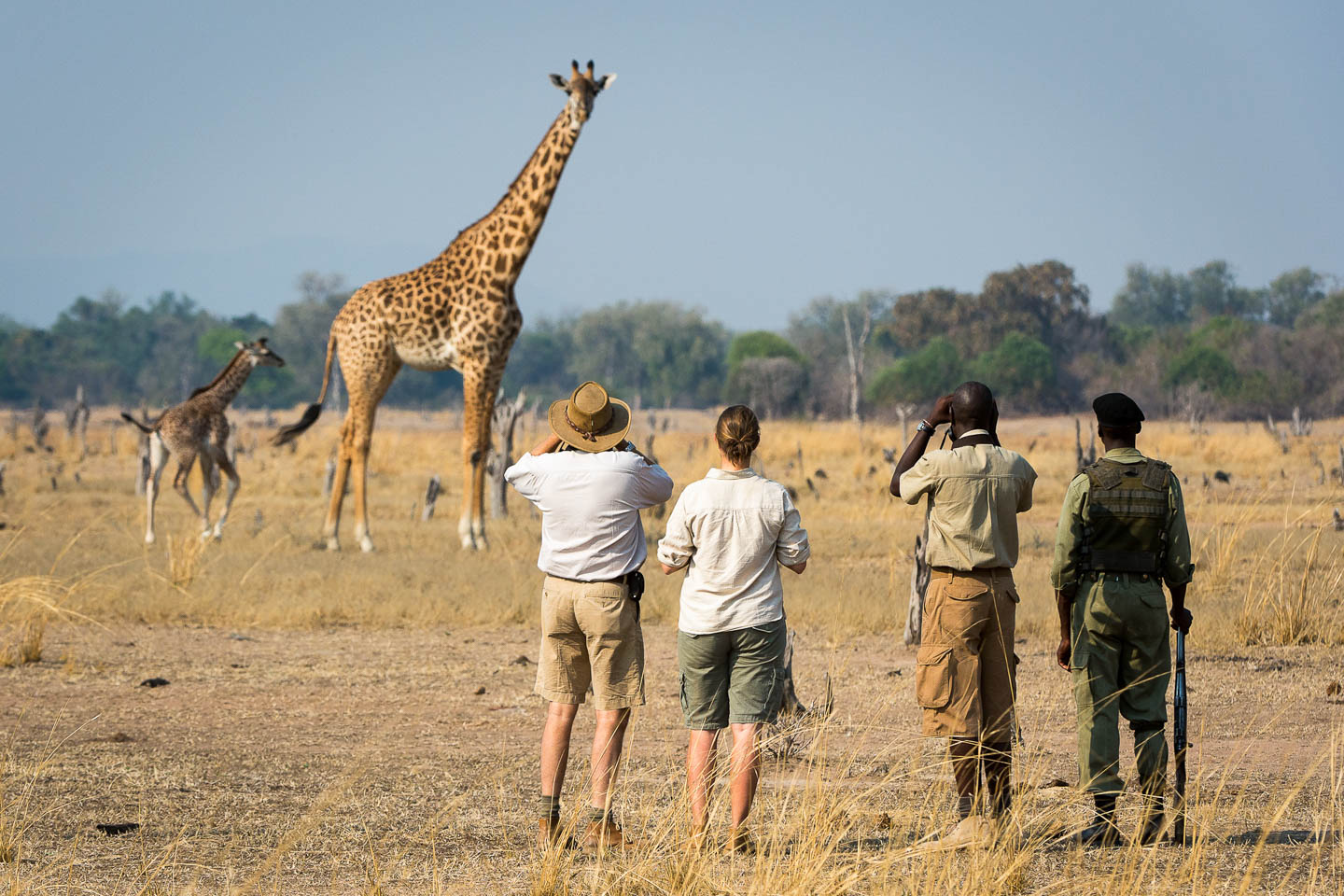
In the 1950s, conservationist Norman Carr pioneered the idea that safari guests should experience the bush on foot, at the pace of the animals, rather than only from behind a windscreen. That philosophy still defines Zambia’s camps today: small, intimate, and led by some of the most rigorously trained guides on the continent. A handful of structural features keep the experience exclusive rather than merely expensive.
- Low bed density: most flagship camps have six to twelve rooms, and several cap at four to eight, so guests routinely have entire game-viewing areas to themselves.
- Owner-run camps: many of Zambia’s best-known properties are still owned and operated by the same families or small companies that built them, which shows up in the food, the guiding, and the pace of the day.
- Night drives and walking safaris permitted: South Luangwa is one of the few parks in Africa where spotlighted night drives are allowed, opening up leopard, genet, and civet sightings unavailable elsewhere.
- Genuine remoteness: parks such as Kafue’s Busanga Plains and Liuwa Plain see a fraction of the visitor numbers of East or Southern Africa’s marquee reserves.
Top National Parks In Zambia
South Luangwa National Park
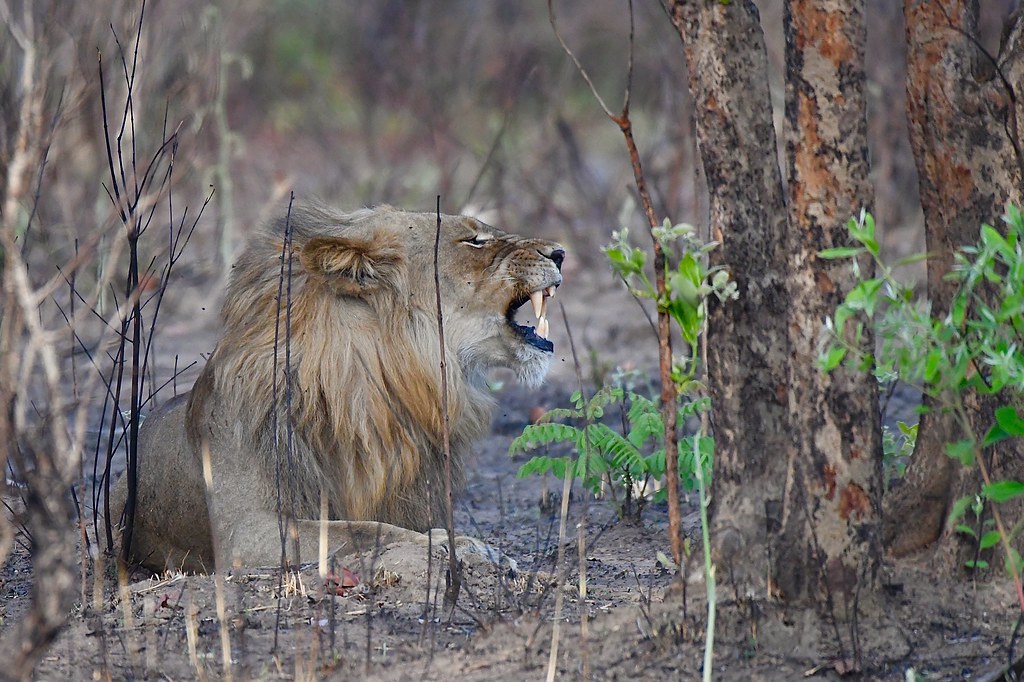
Known locally as ‘South Park’ and nicknamed the ‘Valley of the Leopard,’ South Luangwa is Zambia’s flagship reserve and, for many operators, the birthplace of the modern walking safari. The Luangwa River winds through the park and draws enormous concentrations of elephant, buffalo, hippo, and crocodile, while the surrounding woodland and lagoons hold some of the highest leopard densities anywhere in Africa, along with exceptional daytime leopard sightings that are rare elsewhere.
Lower Zambezi National Park
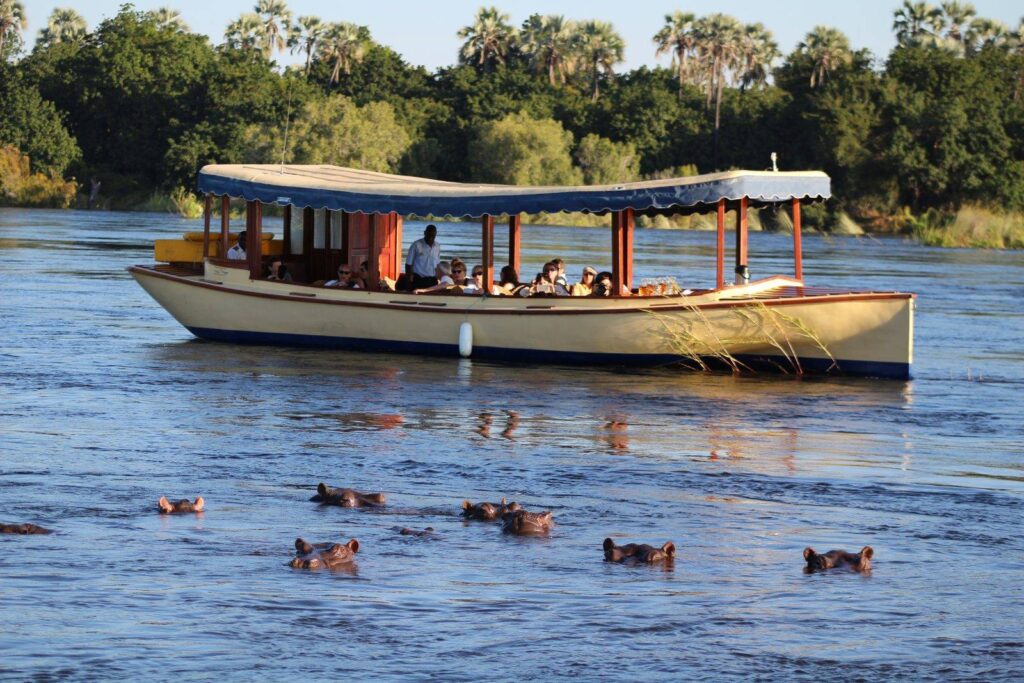
Facing Zimbabwe’s Mana Pools across the Zambezi River, Lower Zambezi is defined by water. Canoe safaris drift past pods of hippo and grazing elephant, boat cruises and catch-and-release tiger fishing fill the afternoons, and 4×4 game drives and walking safaris cover the escarpment and floodplain behind camp. The combination of river-based and land-based activities makes it an excellent complement to a drier, more traditional park like South Luangwa or Kafue.
Kafue National Park
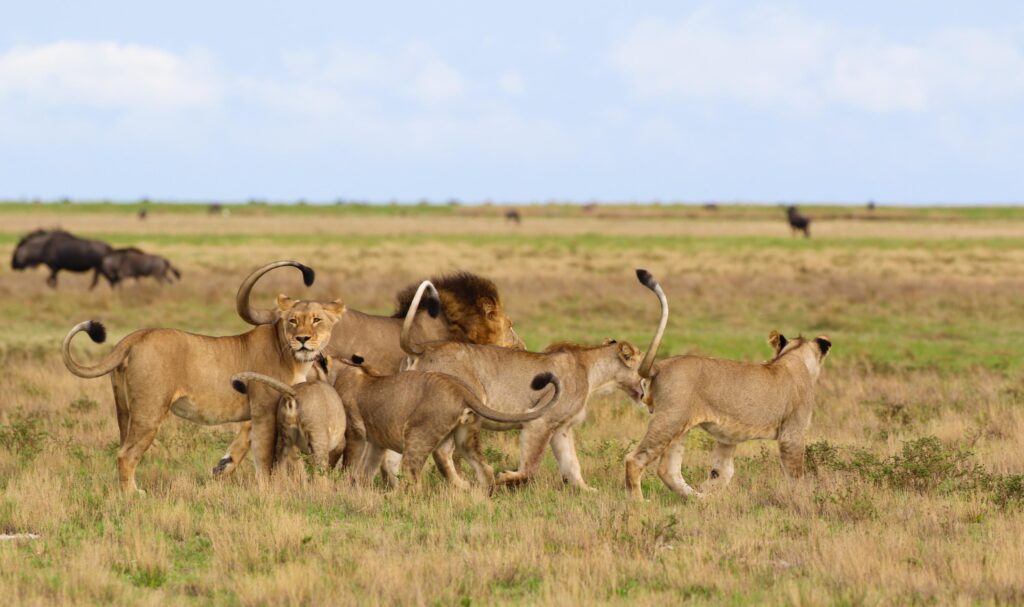
Kafue is one of the largest national parks in Africa and Zambia’s oldest protected area, yet it remains comparatively undeveloped and lightly visited. Its size delivers remarkable diversity: the Busanga Plains in the north flood into a Serengeti-like grassland thick with lechwe, puku, and their predators, while the Kafue River and its miombo woodland further south hold healthy populations of lion, leopard, wild dog, and one of Zambia’s most important cheetah populations.
Liuwa Plain National Park
In Zambia’s remote Western Province, Liuwa Plain hosts the second-largest wildebeest migration in Africa, alongside excellent hyena and cheetah viewing across an open, grass-covered floodplain. Infrastructure is minimal by design, and camps operate on a small, seasonal basis — this is a park for travellers who have already done a more conventional safari and want genuine wilderness. The avian population is plentiful, accompanied by striking storms and lightning emerging
Mosi-oa-Tunya National Park & Victoria Falls
On the Zambian side of Victoria Falls, Mosi-oa-Tunya National Park combines the falls themselves with a small but rewarding wildlife area home to white rhino, giraffe, and zebra. Livingstone town nearby has grown into Zambia’s adventure-tourism hub, with white-water rafting, bungee jumping, sunset cruises, and the historic Victoria Falls Bridge all within easy reach — making it a natural bookend to a safari itinerary rather than a full safari destination in its own right.
North Luangwa National Park
North Luangwa is Zambia at its wildest: no permanent lodges, walking-safari-only access, and some of the continent’s most authentic bush experiences, including intimate encounters with the park’s black rhino reintroduction project. The allure of exploring North Luangwa lies in the extraordinary chances to encounter Africa in its authentic state. It is untamed and pristine, and you are merely a discreet observer of its inherent splendor and theatricality.
Victoria Falls Zambia
About Victoria Falls
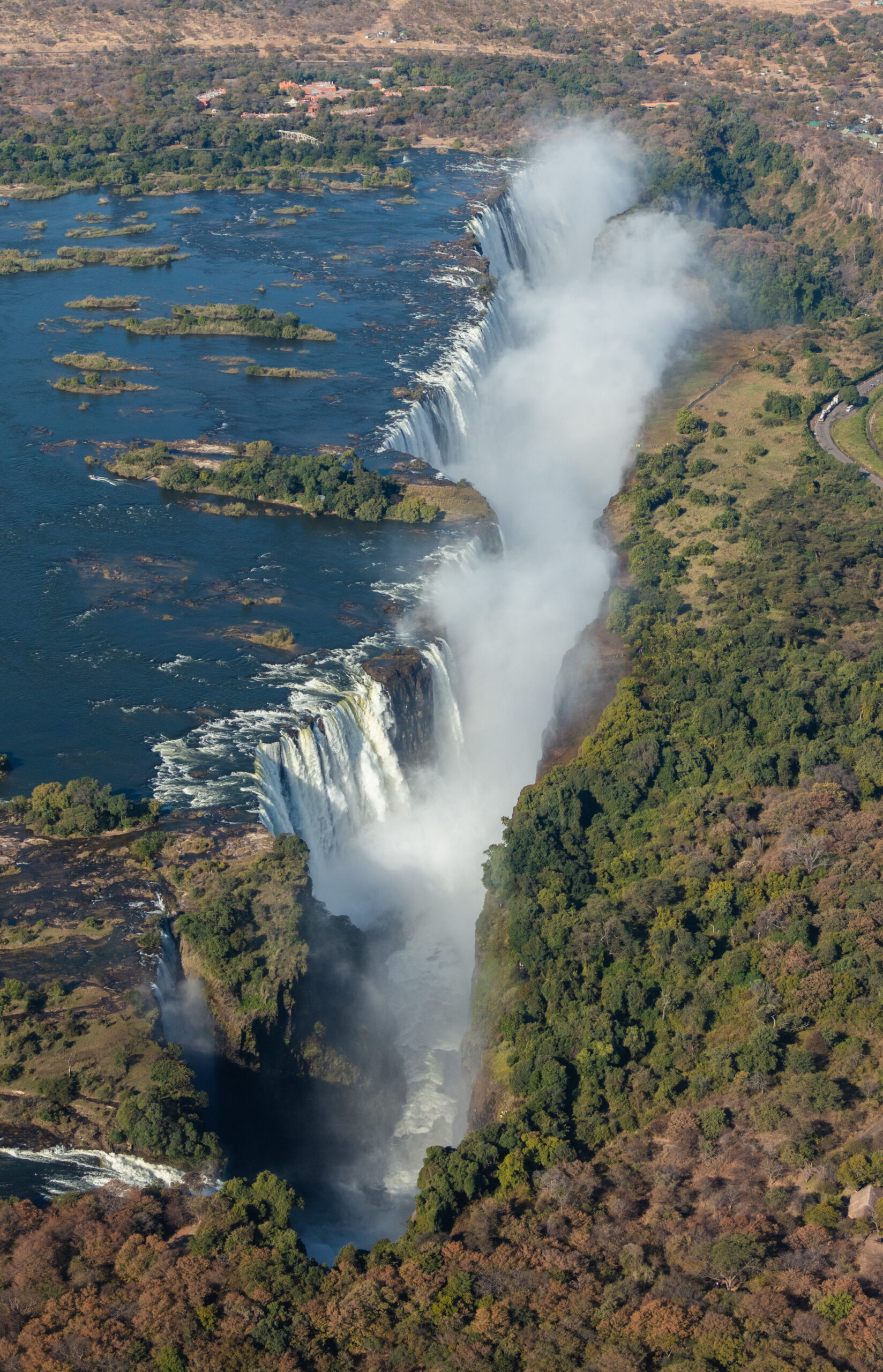
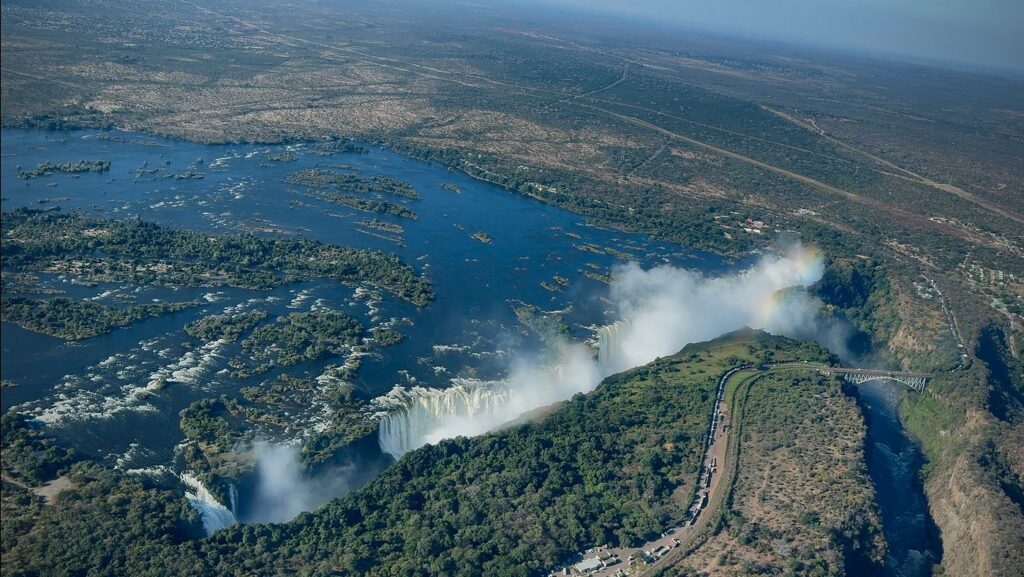
Victoria Falls is the single most dramatic sight on the African continent: a 1,708-metre curtain of water dropping 108 metres into a narrow basalt gorge on the Zambezi River, straddling the border between Zambia and Zimbabwe
Visit Victoria Falls
Locally it is known as Mosi-oa-Tunya, “the smoke that thunders,” for the plume of spray that rises hundreds of metres into the sky and can be seen — and heard — from kilometres away. Recognised as one of the Seven Natural Wonders of the World and inscribed as a UNESCO World Heritage Site, the falls anchor one of Southern Africa’s great adventure and safari hubs, with white-water rafting, bungee jumping, sunset cruises, and wildlife-rich national parks on both banks.
This guide covers everything a first-time or returning visitor needs: when to go, how the two sides differ, how to cross the border, what it costs, where to stay, and how to build a Victoria Falls stop into a wider Southern or East African safari itinerary.
Limited Time Offer!
Book Your Safaris To Zambia Today

Zimbabwe Side vs. Zambia Side: Which Should You Choose?
The falls can be visited from either country, and many travellers do both, crossing on foot or by vehicle over the historic Victoria Falls Bridge. The two sides offer genuinely different experiences rather than a simple better-or-worse choice. Best Time to Visit Victoria Falls looks dramatically different depending on the month, because the Zambezi's flow swings more widely across the year than almost any other major waterfall's. There is no single "best" month — it depends on whether you prioritise raw power and spray, clear photography, or water-based adventure activities.

Top Recommended Gorilla Trekking Packages
Corrupti Explicabo Congue Placea Felis
Dolor eum doloremque, commodo odit esse recusandae donec nulla commod
Lobortis Sapien, Nisi Donec Perferendis
Dolor eum doloremque, commodo odit esse recusandae donec nulla commod
Nunc Officiis Tenetur Ad Duis Ipsam Magni Vehicula
Dolor eum doloremque, commodo odit esse recusandae donec nulla commod
Corrupti Explicabo Congue Placea Felis
Dolor eum doloremque, commodo odit esse recusandae donec nulla commod
Lobortis Sapien, Nisi Donec Perferendis
Dolor eum doloremque, commodo odit esse recusandae donec nulla commod
Nunc Officiis Tenetur Ad Duis Ipsam Magni Vehicula
Dolor eum doloremque, commodo odit esse recusandae donec nulla commod