4 Days Zambia Wildlife Safari
The Complete Itinerary, Costs & Travel Guide to South Luangwa and Beyond
Walking safaris • Night drives • Leopards • Wild dogs • Luangwa River
Why a 4-Day Zambia Wildlife Safari Works
Zambia is one of Africa’s most rewarding safari destinations, and it is also one of the least crowded. It is the country that pioneered the walking safari, it has some of the highest leopard densities on the continent, and it still offers the kind of raw, uncommercialized wilderness that has become rare elsewhere. A 4-day Zambia wildlife safari is long enough to experience all of that in depth, yet short enough to fit around a business trip, add onto Victoria Falls, or combine with a beach holiday in Malawi or Mozambique.
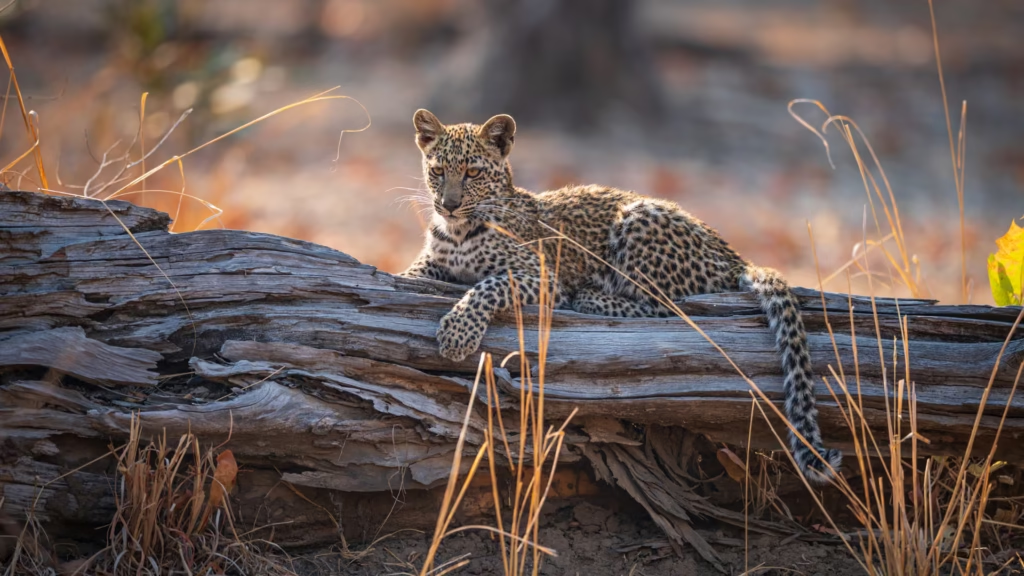
This guide focuses on the classic 4-day South Luangwa safari, the itinerary most travelers choose for a short Zambian trip, and then shows three alternative 4-day routes through Lower Zambezi, Kafue, and Livingstone with a Chobe day trip. You will also find 2026 park fees, realistic budgets by travel style, the best time to visit, accommodation recommendations, packing lists, and answers to the questions travellers ask most often.
| Quick Facts: 4 Days Zambia Wildlife Safari
Main destination: South Luangwa National Park, eastern Zambia Gateway: Kenneth Kaunda International Airport (Lusaka) → Mfuwe Airport (approx. 1h 15m flight) Signature experiences: Walking safaris, night drives, leopard sightings, Thornicroft’s giraffe, Luangwa River hippos Best time to visit: June to October (dry season); November to March for the “Emerald Season” Budget guide: approx. US$1,100–1,600 (budget), US$2,400–3,800 (mid-range), US$4,500–8,000+ (luxury) per person Ideal for: First-time safari-goers, photographers, walking safari enthusiasts, Victoria Falls add-ons |
What Makes Zambia Different
- The home of the walking safari. The late Norman Carr began guided walks in the Luangwa Valley in the 1950s. Walking with an armed scout and an expert guide is still the defining Zambian experience.
- Night drives inside the parks. Unlike many East African parks, Zambian national parks allow spotlit night drives, revealing leopards, genets, civets, porcupines, and hyenas.
- Low visitor numbers. South Luangwa covers about 9,050 km², yet you will rarely share a sighting with more than one or two other vehicles.
- Endemic and rare species. Thornicroft’s giraffe, Cookson’s wildebeest, and Crawshay’s zebra are found in the Luangwa Valley and nowhere else in such numbers.
- Exceptional guiding. Zambian guides are rigorously licensed, and walking guides undergo some of the toughest qualification exams in Africa.
4-Day Zambia Wildlife Safari Itinerary at a Glance
The itinerary below is based on two nights at a camp near the Mfuwe Gate and one night at a remote bush camp or lodge deeper inside the park. It can be booked as a fully guided fly-in safari or adapted for a lodge-based self-drive trip.
| Day | Route / Location | Main Activities | Overnight |
| Day 1 | Lusaka → Mfuwe (flight) → South Luangwa | Transfer to camp, afternoon game drive into sunset, night drive | Mfuwe area lodge |
| Day 2 | South Luangwa (Mfuwe sector) | Morning walking safari, midday at camp, afternoon/night drive | Mfuwe area lodge |
| Day 3 | South Luangwa (Nsefu or southern sector) | Full-day exploration, river and lagoon wildlife, sundowner | Bush camp or riverside lodge |
| Day 4 | South Luangwa → Mfuwe → Lusaka / onward | Early morning game drive, brunch, flight out | — |
Detailed Day-by-Day Itinerary
Day 1: Arrival in Mfuwe and Your First Game Drive
Your safari begins with a morning scheduled flight from Lusaka to Mfuwe on Proflight Zambia. The flight takes about an hour and fifteen minutes and gives you sweeping views over the Muchinga Escarpment before you drop into the Luangwa Valley. Travellers coming from Malawi can also fly or drive in from Lilongwe, which is roughly a five to six hour road transfer via the Mwami/Mchinji border.
Your guide meets you at Mfuwe Airport for the 30 to 45 minute transfer to your camp, passing through villages and craft stalls along the way. After check-in, lunch, and a short rest during the heat of the day, you set off on your first afternoon game drive at around 15:30.
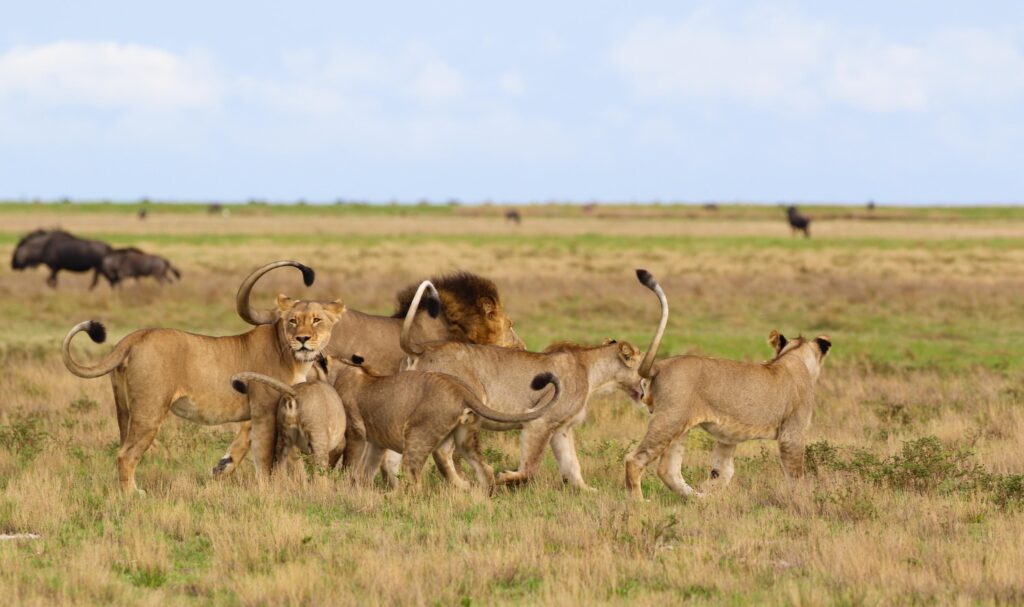
The Mfuwe sector is the most wildlife-dense part of the park. Expect large herds of elephant and buffalo, pods of hippo crowding the Luangwa River, Thornicroft’s giraffe browsing in the mopane woodland, and puku and impala grazing on the floodplains. As the sun sets you stop for a sundowner drink, and then the drive continues after dark with a spotlight. Night is when leopards become active, and South Luangwa is widely regarded as one of the best places in Africa to see them.
| Day 1 Highlights
Scenic flight into the Luangwa Valley First game drive in the wildlife-rich Mfuwe sector Sundowner on the banks of the Luangwa River Spotlit night drive in search of leopard, genet, civet and hyena |
Day 2: Walking Safari and Night Drive
Wake at around 05:30 to tea, coffee, and a light breakfast around the campfire. Today you experience what Zambia is famous for: a guided walking safari. Walks typically last three to four hours and are led by a licensed walking guide and an armed Zambia Wildlife Authority (DNPW) scout. Groups are small, usually no more than six guests.
On foot, the bush comes alive in ways you never notice from a vehicle. Your guide reads tracks in the sand, explains the medicinal uses of plants, identifies birdsong, and shows you the small details, from dung beetles to termite mounds, that make the ecosystem work. Approaching elephants or a herd of buffalo on foot, at a safe and respectful distance, is an unforgettable experience.
Return to camp for brunch and spend the middle of the day relaxing. Many lodges overlook a lagoon or river where elephants come to drink, so your siesta often doubles as a game-viewing session. In the afternoon you head out on a combined game and night drive, focusing on predators. Lion prides are common in the Mfuwe area, and the valley is one of Zambia’s strongholds for the endangered African wild dog.
| Walking Safari Tips
Minimum age is usually 12 to 16 years depending on the camp Wear neutral colours (khaki, olive, brown) and avoid white or bright colours Closed walking shoes and a hat are essential Walks are offered mainly from June to October, when the ground is dry |
Day 3: Exploring Deeper into South Luangwa
After an early breakfast, you transfer deeper into the park for a full day of exploration. There are two excellent options, depending on where your third-night camp is located.
Option A: Nsefu Sector (North)
Nsefu was Zambia’s first private game reserve and is now part of the national park. It is known for its open plains, hot springs, large lagoons, and impressive concentrations of game. In the dry season, the carmine bee-eater colonies along the river banks are a spectacular sight from August to October.
Option B: Southern Sector (Luangwa River Bush Camps)
The southern section of the park is remote and wild, with seasonal bush camps that operate only during the dry season. This area offers an intimate, off-grid experience with very few vehicles, and some camps offer walk-in options between camps.
Wherever you go, the day combines a morning game drive with a picnic lunch or lunch at your new camp, followed by an afternoon drive and a final sundowner. Your last evening is typically spent around a campfire under a sky full of stars, listening to lions roar and hippos grunting from the river.
| Day 3 Highlights
Visit the Nsefu sector or a remote southern bush camp Lagoons crowded with hippo, crocodile, and waterbirds Carmine bee-eater colonies (August–October) Final sundowner and bush dinner |
Day 4: Final Morning Game Drive and Departure
Make the most of your final morning with an early game drive or a short walk. Mornings are often the most productive time for predator sightings, as lions and leopards return from the night’s hunt. Return to camp for a hearty brunch, pack up, and transfer back to Mfuwe Airport for your flight to Lusaka.
From Lusaka you can connect to international flights home, continue to Livingstone for Victoria Falls, or fly to the Lower Zambezi for a canoeing safari. Many visitors on the way to Mfuwe Airport also stop at the Tribal Textiles workshop or local craft markets for authentic souvenirs.
Alternative 4-Day Zambia Safari Routes
South Luangwa is the classic choice, but Zambia offers several other excellent 4-day safari options. Choose based on your interests, budget, and whether you plan to combine your safari with Victoria Falls.
Option 1: 4 Days Lower Zambezi Safari
Lower Zambezi National Park lies along the Zambezi River opposite Zimbabwe’s Mana Pools. It is about 3 to 4 hours by road from Lusaka or a 30 minute light aircraft flight to Jeki or Royal airstrips. The park is famous for its water-based activities.
- Day 1: Fly or drive from Lusaka, afternoon boat cruise on the Zambezi
- Day 2: Morning canoe safari along the side channels, afternoon game drive
- Day 3: Walking safari, tiger fishing (catch-and-release), sunset cruise
- Day 4: Morning game drive and return to Lusaka
Option 2: 4 Days Kafue National Park Safari
Kafue is Zambia’s oldest and largest national park, covering more than 22,000 km². It is the most accessible park for self-drivers, with good roads from Lusaka (about 3 to 4 hours to the Nalusanga Gate).
- Day 1: Drive from Lusaka to central Kafue / Lake Itezhi-Tezhi area
- Day 2: Game drives and boat cruise on the Kafue River
- Day 3: Head north toward the Busanga Plains (June–October) for lion, cheetah, red lechwe
- Day 4: Morning drive and return to Lusaka
Option 3: 4 Days Livingstone, Victoria Falls & Chobe
This option suits travellers who want to see Victoria Falls and still enjoy excellent wildlife viewing. Livingstone is linked by international flights to Johannesburg, Cape Town, and Nairobi.
- Day 1: Arrive in Livingstone, Zambezi sunset cruise
- Day 2: Guided tour of Victoria Falls, rhino walk in Mosi-oa-Tunya National Park
- Day 3: Day trip to Chobe National Park, Botswana (game drive and river cruise)
- Day 4: Optional microlight or helicopter flight over the Falls, departure
| Route | Best For | Access from Lusaka | Highlights |
| South Luangwa | Leopards, walking safaris, first-timers | 1h 15m flight | Night drives, high game density |
| Lower Zambezi | Water activities, couples | 30 min flight / 3–4h drive | Canoeing, elephants on the river |
| Kafue | Self-drivers, budget travellers | 3–4h drive | Busanga Plains, vast wilderness |
| Livingstone & Chobe | Combining the Falls with wildlife | 1h flight | Victoria Falls, Chobe elephants |
Best Time to Go on a 4-Day Zambia Safari
Zambia has a clear dry season and wet season, and timing will shape your experience more than almost anything else.
| Period | Season | What to Expect | Rating |
| Jan – Mar | Emerald (green) season | Lush landscapes, migrant birds, baby animals, lower rates; some camps closed and roads muddy | Good for birders |
| Apr – May | End of rains | Bush still green, camps reopening, quiet and great value | Good |
| Jun – Aug | Cool dry season | Mild days, cold mornings, thinning vegetation, walking safaris begin | Excellent |
| Sep – Oct | Hot dry season | Peak game viewing at water sources, very hot afternoons, carmine bee-eaters | Best wildlife |
| Nov – Dec | Early rains | First storms, dramatic skies, prices drop, some camps close | Fair |
| Our Recommendation
For the best overall wildlife viewing on a 4-day safari, travel between late June and October. For lower prices, fewer visitors, and spectacular birdlife, consider the Emerald Season from January to March, choosing a lodge near Mfuwe that stays open year-round. |
Wildlife You Can Expect to See
| Animal | Where & When | Likelihood (4 days) |
| Leopard | Throughout South Luangwa, especially on night drives | Very high |
| Elephant | River banks and lagoons, year-round | Almost certain |
| Lion | Mfuwe and Nsefu sectors; Busanga Plains in Kafue | High |
| African wild dog | Luangwa Valley and Kafue, most often June–October | Moderate |
| Thornicroft’s giraffe | Endemic to the Luangwa Valley | Almost certain |
| Hippo & crocodile | Luangwa and Zambezi rivers | Guaranteed |
| Buffalo | Large herds in the dry season | Very high |
| Crawshay’s zebra | Luangwa Valley | Very high |
| Nocturnal species | Genet, civet, porcupine, hyena, bushbaby on night drives | High |
| Birds (400+ species) | Carmine bee-eaters, African fish eagle, Lilian’s lovebird | Excellent |
Zambia National Park Fees 2027
Park fees in Zambia are charged per person per day, with a “day” counted from 06:00 to 18:00. Guided safari packages usually include park fees, but check the fine print. Camps located inside the park also add concession and community levies on top of the gate fee.
| National Park | International Visitors | Residents / SADC | Self-Drive Visitors |
| South Luangwa | US$25 | US$20 | US$30 |
| Lower Zambezi | US$25 | US$20 | US$30 |
| North Luangwa | US$20 | US$15 | US$25 |
| Kafue (most areas) | US$20 | US$15 | US$25 |
| Mosi-oa-Tunya (Victoria Falls) | US$20 (Falls entry) | Varies | — |
| Other Fees | Non-Resident Rate |
| Foreign-registered vehicle (under 3 tonnes) | US$15 per vehicle per day |
| Camping (excluding accommodation) | US$5 per person per night |
| Boating / canoeing | US$20 per person |
| Children aged 5–13 | 50% of adult park fee |
| Children under 5 | Free |
| In-park lodge concession & community levies | Approx. US$50–110 per person per night (varies by camp) |
| Fee Note
Fees are set by Zambia’s Department of National Parks and Wildlife and can change at short notice. Figures here reflect published rates at the time of writing; always confirm current fees with your safari operator before travel. |
How Much Does a 4-Day Zambia Wildlife Safari Cost?
The cost of a 4-day Zambia safari depends mainly on your choice of accommodation, the season, and whether you fly or drive between Lusaka and the park. The table below shows typical per-person costs based on two people sharing, for a South Luangwa safari in peak season.
| Cost Item | Budget | Mid-Range | Luxury |
| Accommodation (3 nights, full board + activities) | US$450–750 | US$1,500–2,700 | US$3,600–7,000+ |
| Lusaka–Mfuwe return flight | US$450–600 | US$450–600 | US$450–600 |
| Park fees (4 days) | US$100 | US$100 | Usually included |
| Concession / community levies | US$0–50 | US$150–300 | Usually included |
| Tips for guides and staff | US$40–80 | US$80–150 | US$120–250 |
| Approx. total per person | US$1,100–1,600 | US$2,400–3,800 | US$4,500–8,000+ |
Budget-saving tip: Travelling overland from Lilongwe in Malawi, or by road from Lusaka via the Great East Road (about 9 to 10 hours), can cut the flight cost entirely. Staying at a camp just outside the Mfuwe Gate also avoids in-park concession levies.
What is usually included: Accommodation, all meals, game drives, guided walks, park fees (on most packages), airport transfers, and local drinks at mid-range and luxury camps.
What is usually excluded: International flights, visas, travel insurance, premium drinks, gratuities, and personal expenses.
Where to Stay: Accommodation by Budget
Budget Options
- Croc Valley Camp – Riverside camping, safari tents, and chalets near Mfuwe Gate, popular with backpackers and overlanders.
- Marula Lodge – Affordable chalets and camping on the Luangwa River with a friendly, relaxed atmosphere.
- Wildlife Camp – Long-established camp with chalets and campsites, run in support of local conservation.
Mid-Range Options
- Flatdogs Camp – Award-winning riverfront camp with treehouses and chalets, known for excellent guiding.
- Kafunta River Lodge – Elevated chalets overlooking the floodplains, with a hot spring pool.
- Mfuwe Lodge – Famous for the elephants that walk through its reception during the mango season (October–December).
Luxury Options
- Time + Tide Chinzombo – Ultra-luxury villas with private plunge pools on the Luangwa River.
- Puku Ridge – Elevated tented suites with panoramic views over the plains, deep inside the park.
- Robin Pope Safaris (Tena Tena / Nsefu) – Classic seasonal camps with a strong walking safari tradition.
- The Bushcamp Company – A network of small, intimate bush camps in the remote southern sector, ideal for walking between camps.
Getting to Zambia and South Luangwa
International Arrivals
Most visitors fly into Kenneth Kaunda International Airport in Lusaka or Harry Mwanga Nkumbula International Airport in Livingstone. Key connections include Johannesburg, Nairobi, Addis Ababa, Dubai, and Doha. Travellers from East Africa can connect easily via Nairobi (Kenya Airways) or Addis Ababa (Ethiopian Airlines), and there are direct regional routes from Entebbe on some carriers.
From Lusaka to South Luangwa
| Option | Duration | Notes |
| Scheduled flight (Proflight Zambia) | Approx. 1h 15m | Fastest and most popular; daily flights to Mfuwe |
| Charter flight | Approx. 1h 30m | Flexible timing, good for groups or private safaris |
| Road via Great East Road | 9–10 hours | Paved to Chipata, then to Mfuwe; best split over two days |
| Road from Lilongwe, Malawi | 5–6 hours | Popular overland route via Mchinji/Mwami border and Chipata |
| Self-Drive Tip
If you are self-driving, a high-clearance 4×4 is strongly recommended, especially inside the park and during the rains. Remember that self-drive visitors pay a higher park fee (US$30) plus a vehicle fee, and that night driving inside the park is only permitted with licensed operators. |
Visa and Entry Requirements for Zambia
Zambia has introduced visa-free entry for many nationalities, including citizens of the UK, the United States, the European Union, Australia, and a number of other countries, for tourist stays of up to 90 days. Many African nationals, including most SADC and COMESA citizens, also enter visa-free. Other nationalities can apply for an e-Visa in advance through the Zambia Department of Immigration website.
- KAZA Univisa: Valid for Zambia and Zimbabwe (plus day trips into Botswana via Kazungula), ideal if you are combining your safari with Victoria Falls. Availability has varied, so confirm before travel.
- Passport: Valid for at least six months beyond your departure date, with at least two blank pages.
- Yellow fever: A vaccination certificate is required if you are arriving from, or have transited through, a country with risk of yellow fever transmission, including Uganda, Kenya, and Tanzania.
Visa policies change regularly, so always check the latest requirements with the Zambian Department of Immigration or your nearest embassy before booking.
Health and Safety on a Zambia Safari
- Malaria: South Luangwa, Lower Zambezi, and Kafue are malaria areas. Consult a travel doctor about antimalarial medication and use insect repellent, long sleeves, and mosquito nets in the evenings.
- Tsetse flies: Present in parts of the Luangwa Valley and Kafue. Avoid dark blue and black clothing, which attracts them.
- Heat: Temperatures can exceed 40°C in October. Drink plenty of water and rest during the middle of the day.
- Wildlife safety: Many camps are unfenced. Always follow your guide’s instructions, never walk alone at night, and use the escort service to and from your room after dark.
- Travel insurance: Choose a policy that includes emergency medical evacuation, as the parks are remote.
- General safety: Zambia is one of the most peaceful and stable countries in Southern Africa, and visitors generally find it welcoming and safe.
What to Pack for a 4-Day Zambia Safari
Light aircraft flights to Mfuwe and other bush airstrips often have luggage limits of 15 to 20 kg, preferably in soft-sided bags. Pack light and smart.
| Category | Essentials |
| Clothing | Neutral-coloured shirts and trousers, a warm fleece or jacket (June–August mornings), lightweight long sleeves, wide-brimmed hat, swimwear |
| Footwear | Comfortable closed walking shoes or light boots for walking safaris, sandals for camp |
| Gear | Binoculars (one pair per person), camera with zoom lens, spare batteries and memory cards, power bank, headlamp |
| Health | Antimalarials, insect repellent with DEET, sunscreen, lip balm, personal medication, basic first-aid kit |
| Documents | Passport, visa or e-Visa, yellow fever certificate if applicable, travel insurance details, printed itinerary |
| Extras | Reusable water bottle, small daypack, dust cover for your camera, US dollars in small notes for tips |
Practical Tips for Your 4-Day Zambia Safari
- Book 6 to 12 months ahead for travel between July and October, especially for small luxury camps.
- Split your stay between two camps to experience different areas of the park and both drive- and walk-based activities.
- Always include at least one walking safari and one night drive; these are Zambia’s two signature experiences.
- Carry small-denomination US dollars for tipping, but expect to settle most local transactions in Zambian Kwacha.
- Add Victoria Falls before or after your safari: Livingstone is a short connecting flight from Lusaka.
- Ask whether your camp contributes to conservation organisations such as Conservation South Luangwa, which works on anti-poaching and community programmes.
- Respect local customs. Ask permission before photographing people in villages around Mfuwe.
Frequently Asked Questions
Is 4 days enough for a safari in Zambia?
Yes. Four days, or three nights, in South Luangwa is enough to enjoy several game drives, a walking safari, and night drives, with a very good chance of seeing leopard, lion, elephant, and Thornicroft’s giraffe. If you have more time, adding Lower Zambezi or Victoria Falls makes an excellent 7 to 10 day trip.
Which is the best national park for a short Zambia safari?
South Luangwa is the top choice for a 4-day safari because of its high game density, outstanding guiding, walking safaris, and easy flight access from Lusaka. Lower Zambezi is a great alternative if you prefer canoeing and boat safaris.
How much does a 4-day Zambia safari cost?
Expect around US$1,100 to US$1,600 per person on a budget, US$2,400 to US$3,800 for mid-range, and from US$4,500 to over US$8,000 for luxury, including internal flights but excluding international flights.
Can I do a self-drive safari in Zambia?
Yes. Kafue and South Luangwa are both accessible by road, and many travellers self-drive in a 4×4. However, night drives and walking safaris must be done with licensed operators, so most self-drivers book activities through their lodge.
Is it safe to walk with wild animals in Zambia?
Walking safaris in Zambia have an excellent safety record. Every walk is led by a highly qualified guide and accompanied by an armed wildlife scout, and groups are kept small. Following your guide’s instructions is essential.
When is the best time to see leopards in South Luangwa?
Leopards can be seen year-round, but the dry season from June to October, when vegetation is thinner, offers the best sightings, particularly on night drives.
Can I combine a 4-day Zambia safari with Victoria Falls?
Absolutely. Fly from Mfuwe to Lusaka and connect to Livingstone, or reverse the route. Two nights in Livingstone after four days in South Luangwa is one of the most popular Zambia combinations.
Do I need a visa to visit Zambia?
Many nationalities, including UK, US, EU, and Australian passport holders, can now enter Zambia visa-free for tourism. Others can apply for an e-Visa. Check the latest rules before travelling, as policies change.
Plan Your 4-Day Zambia Wildlife Safari
A 4-day Zambia wildlife safari offers a rare combination of world-class game viewing, authentic walking safaris, thrilling night drives, and genuine wilderness without the crowds. Whether you choose the leopard-rich Luangwa Valley, the waterways of the Lower Zambezi, the vast plains of Kafue, or a Victoria Falls and Chobe combination, Zambia rewards even a short visit with unforgettable experiences.
| Ready to Book?
Marriott Safaris Africa can tailor your 4-day Zambia safari to your dates, budget, and interests, including flights, park fees, lodges, and add-ons to Victoria Falls, Botswana, Malawi, or East Africa. Contact our team to start planning your Zambian adventure. |