
7 days Mosi- oa- Tunya national park, Victoria falls and walking with lions
7 days Mosi- oa- Tunya national park, Victoria falls and walking with lions, Mosi-oa-Tunya — “The Smoke That Thunders” — is one of Africa’s most extraordinary destinations. Straddling the border between Zambia and Zimbabwe, the Victoria Falls is the world’s largest waterfall by combined width and height, a UNESCO World Heritage Site, and the beating heart of one of Africa’s most remarkable ecosystems.
The Mosi-oa-Tunya National Park, nestled along the banks of the mighty Zambezi River in Livingstone, Zambia, is a compact yet wildlife-rich reserve that packs an astonishing variety of experiences into its 66 square kilometres. Home to the southern white rhino, plains game, abundant birdlife, and one of Africa’s most iconic adventure hubs, this park offers a seamlessly layered safari experience unlike any other on the continent.
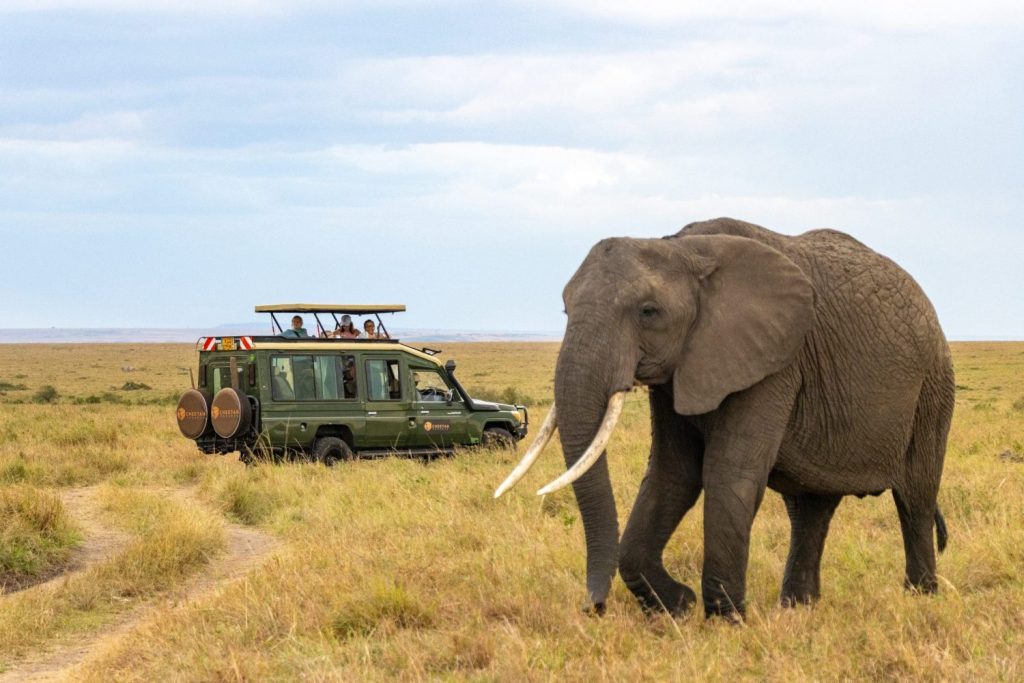
This 7-day itinerary has been carefully designed to immerse you in the full spectrum of what Mosi-oa-Tunya has to offer: thundering waterfall hikes, intimate wildlife game drives, the deeply moving experience of walking alongside young lions through the African bush, sunset cruises on the Zambezi, and cultural encounters with the warm-hearted people of Livingstone.
| 📍 Location | Livingstone, Southern Province, Zambia. The nearest international airport is Harry Mwanga Nkumbula International Airport (LVI), approximately 5 km from Livingstone town centre. |
Quick Reference: Park Essentials
| Park Name | Mosi-oa-Tunya National Park |
| Country | Zambia (with Zimbabwean viewpoint access nearby) |
| Area | 66 km² (Zambia side); part of the KAZA Transfrontier Park |
| Established | 1972 (National Park status) |
| UNESCO Status | World Heritage Site (shared with Zimbabwe), inscribed 1989 |
| Entry Fees (2025) | US$10 per adult per day (nationals: ZMW 50); falls: US$20 |
| Game Drive Timing | 06:00 – 18:00 daily |
| Park HQ | Livingstone, Zambia |
| Key Wildlife | White rhino, elephant, buffalo, giraffe, zebra, warthog, vervet monkey |
| Key Birds | African fish eagle, Zambezi wheatear, rock pratincole, taita falcon |
| Lion Encounter | Livingstone’s Lion Encounter — adjacent to the national park |
Day 1: Arrival in Livingstone — Gateway to the Smoke That Thunders
Morning: Arrival & Orientation
Your adventure begins the moment you land at Harry Mwanga Nkumbula International Airport. Clear Zambian immigration and collect your luggage before meeting your private safari guide or transfer driver in the arrivals hall. The drive into Livingstone town is itself a gentle introduction — a leafy colonial-era town that has reinvented itself as southern Africa’s adventure capital.
Check into your chosen accommodation and take time to settle in. Livingstone offers lodging options spanning every budget, from luxury bush lodges perched above the Zambezi to well-appointed mid-range guesthouses and comfortable backpacker hostels.
| 🏨 Stay | Recommended: Avani Victoria Falls Resort, The Royal Livingstone Hotel, or Fawlty Towers (budget). Book well in advance during peak season (June–August). |
Afternoon: Livingstone Town & Museum
After a welcome lunch, head into Livingstone’s compact town center. Visit the Livingstone Museum, Zambia’s oldest and largest museum, which chronicles the history of the Zambezi corridor, the life of David Livingstone (the Scottish missionary and explorer who introduced the falls to the Western world in 1855), and the ethnography of the Lozi and Tonga peoples.
Stroll the town’s craft markets — particularly the Mukuni Park Curio Market — where local artisans sell hand-carved wooden sculptures, woven baskets, beaded jewellery, and vibrant fabrics. Bargaining is expected and part of the cultural experience.
Evening: Welcome Sunset Cruise on the Zambezi
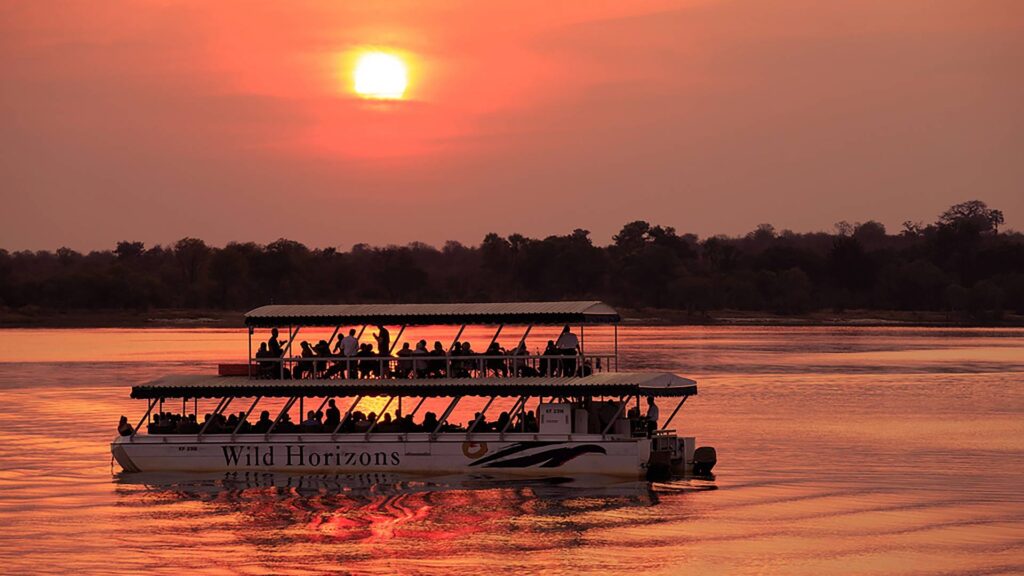
There is no finer introduction to your week than a classic Zambezi sunset cruise. Board a double-deck pontoon boat at the Royal Livingstone pontoon jetty and drift upstream past the Zambia/Zimbabwe border, watching hippos grunt and snort in the shallows as enormous African fish eagles circle overhead.
The Upper Zambezi above the falls is a placid, island-dotted waterway fringed with wild date palms and sausage trees. As the sun dips toward the Zambian horizon, painting the river in shades of copper and rose gold, your crew will serve sundowner cocktails and light snacks on deck.
| 🌅 Tip | The sunset cruise typically departs at 15:30 and returns around 17:30. Book via your accommodation or directly with operators such as Bush tracks Africa or Safari Par Excellence. |
Day 2: Victoria Falls — The World’s Greatest Waterfall
Early Morning: First Light at the Falls
Wake before dawn and arrive at the Victoria Falls Rainforest on the Zambian side when the gates open at 06:00. In the early morning light, with mist rising in columns hundreds of metres into the sky and the roar building as you approach, the experience is genuinely humbling. The Zambian side offers some of the most intimate, close-up views of the falls — you can walk right to the lip of the gorge at the Eastern Cataract.
The Victoria Falls is approximately 1,708 metres wide and 108 metres tall at its highest point, and during peak flood season (February–May) discharges up to 500,000 cubic metres of water per minute. Even in the dry season, the Zambian side’s main falls remain spectacular and far less crowded than the Zimbabwean viewpoints.
Morning: Rainforest Walk & Viewpoints
Follow the well-maintained pathway through the lush rainforest created by the perpetual spray. Carry a rain poncho — you will be thoroughly soaked regardless of the weather. The path leads past 16 numbered viewpoints, each revealing a different angle of the falls and the dramatic Batoka Gorge below.
- Viewpoint 1 – The Devil’s Cataract view: the thundering cascade on the extreme left
- Viewpoint 7 – The main falls face: a wall of white water stretching across the horizon
- Viewpoint 11 – The Eastern Cataract: the most powerful section visible from Zambia
- Viewpoint 16 – The Boiling Pot: the turbulent confluence at the base of the gorge
| 🌧️ Gear | A waterproof rain poncho is essential. Bring a waterproof phone case or a dry bag for your camera. The mist is constant regardless of season. Sandals or quick-dry shoes recommended over hiking boots. |
Late Morning: Devil’s Pool (Seasonal — Sep–Dec)
If your visit falls between September and December, book the extraordinary Devil’s Pool experience. Guides lead small groups across Livingstone Island — a small rocky outcrop at the lip of the falls — and into Devil’s Pool, a natural rock formation that creates a calm plunge pool right at the very edge of the main falls. Swimming here, with the full cascade crashing down beside you, is an experience that few can fully articulate in advance and none forget afterwards.
| ⚠️ Safety | Devil’s Pool is only open when water levels are safe — typically September to mid-December. It is always guided; independent access is not permitted. Book through Tongabezi Lodge, the sole operator. |
Afternoon: The Gorge Below the Falls — Bridge Tour & History
After lunch at the falls-side café or a picnic in the rainforest, cross to the Victoria Falls Bridge viewpoint. The bridge, completed in 1905, was originally part of Cecil Rhodes’ ambitious Cape-to-Cairo railway project, and today straddles the second gorge 128 metres above the Zambezi. The view from the bridge walkway, peering down into the churning rapids while spray billows up from below, is one of Africa’s great views.
Evening: Traditional Boma Dinner
End your day with a traditional Zambian boma dinner, an outdoor feast around a fire featuring local dishes such as nshima (maize porridge), game meat braaied over open coals, samp, beans, and kapenta (dried Zambezi sardines). Most lodges offer boma evenings; the Victoria Falls Hotel’s boma is legendary. Drummers and dancers from local cultural groups typically perform throughout the evening.
Day 3: Mosi-oa-Tunya National Park — Game Drive & Rhino Tracking
Early Morning: Dawn Game Drive
Rise early and enter Mosi-oa-Tunya National Park’s game-viewing area, which runs along the Zambezi River upstream of the falls. This is the best time of day for wildlife activity — predators return from nocturnal hunts, elephants move to the riverbank to drink, and the golden morning light makes every sighting photogenic.
The park’s vehicle tracks meander through riverine woodland, open savannah, and dense jesse bush, offering diverse habitats that support a wide range of species. Your guide will pause at every sighting and explain animal behavior, ecology, and the complex web of relationships that characterize this ecosystem.
Morning: White Rhino Tracking on Foot
Mosi-oa-Tunya National Park is home to Zambia’s only wild population of southern white rhinos — a critically important conservation success story. The rhinos are monitored daily by a dedicated team of armed wildlife police who accompany all rhino trekking experiences on foot.
Your guide and an armed ZAWA (Zambia Wildlife Authority) officer will lead a small group of visitors on foot through the park’s northern sector, following the rhinos’ overnight movements. The white rhino is the world’s second-largest land mammal, and encountering one on foot — just 20 to 30 metres away — is a transformative experience that no vehicle-based game drive can replicate.
- Average group size: 4–8 people (book small groups for a more personal experience)
- Duration: approximately 2–3 hours including walking time
- Fitness level required: moderate; terrain is flat with occasional rough ground
- Current population: approximately 6–8 southern white rhinos
| 🦏 Conservation Note | The Mosi-oa-Tunya rhinos are under 24/7 armed guard due to historic poaching threats. Your visit fee directly contributes to their ongoing protection. Always follow ranger instructions precisely during the rhino encounter. |
Afternoon: Birdwatching Along the Zambezi
The Zambezi River corridor within the park is an Outstanding birding location, regularly attracting over 400 species. An afternoon spent slowly driving or walking the river road with binoculars is deeply rewarding. Key species to watch for include:
- African fish eagle — the unmistakable call of Africa, frequently seen along the bank
- African skimmer — elegant tern-like birds that skim the water surface with their lower mandible
- Rock pratincole — found on exposed rocks in the gorge below the falls
- Taita falcon — rare raptor that nests in the gorge walls
- Collared palm thrush — often seen in the riparian forest along the water’s edge
- Böhm’s bee-eater — a Zambian speciality found in the riverine vegetation
Evening: Zambezi River Sundowner & Bush Dinner
Return to the river at dusk for a private bush sundowner on the banks, watching pods of hippos and groups of elephants moving to the water’s edge. If your operator arranges it, a bush dinner under the stars — torches illuminating a table set in the open savannah — is an unforgettable end to a day of wildlife encounters.
Day 4: Walking With Lions — A Once-in-a-Lifetime Encounter
Morning: Pre-Briefing & Preparation
Today is centred on Livingstone’s world-famous Lion Encounter — arguably the most intimate lion experience available anywhere in Africa. The Lion Encounter is operated adjacent to Mosi-oa-Tunya National Park and uses semi-wild young lions as part of a carefully managed rehabilitation and rewilding programmer that has attracted both conservation praise and ongoing academic scrutiny.
Arrive at the Lion Encounter base by 07:30 for your full safety and programme briefing. The professional guides — known as lion handlers — will explain the lions’ history, their current stage in the rehabilitation programme, and the strict behavioral protocols you must follow during the walk.
| ⚠️ Important Rules | Do not walk in front of the lions. Do not run under any circumstances. Never attempt to touch a lion’s face or head. Always keep your walking stick vertical. Follow handler instructions immediately and without question. Children under 5 are not permitted. |
Mid-Morning: The Lion Walk
The walk itself typically lasts 60 to 90 minutes, moving through a designated area of indigenous bush with 2–4 young lions accompanying the group. The lions — typically 12 to 24 months old — walk freely around and among the group, occasionally brushing against visitors, flopping down in patches of shade, or stopping to observe prey species such as warthogs and impalas in the distance.
Walking alongside a lion in its natural habitat, hearing the rhythm of its breathing, watching its muscles ripple beneath its tawny coat as it moves through the grass, is a deeply moving experience. The scale, power, and complete otherness of even a young lion are impossible to fully convey; they must be felt directly.
About the Programmed
The Lion Encounter’s lions were born in captivity and hand-raised after being rejected or orphaned. The programme moves lions through staged levels of wilderness exposure, with the goal of eventually releasing them or their offspring into suitable protected areas. The model is controversial among some conservationists, and visitors are encouraged to read about the programme’s conservation philosophy before and after their visit.
| 📸 Photography | A professional photographer accompanies every walk and captures high-resolution images and video that are available for purchase afterwards. Your own photography is also welcome. Wear neutral-coloured clothing — khaki, olive, brown — and avoid bright colours or loud patterns. |
Afternoon: Livingstone Island & The Falls from Above
After the emotional high of the morning’s lion walk, spend your afternoon on a guided tour of Livingstone Island — the small island in the middle of the Zambezi where David Livingstone first witnessed the falls in November 1855 and named them after Queen Victoria. The island is reached by small boat and offers an extraordinary perspective: looking directly down the full face of the falls, with nothing between you and the abyss.
During the right season (September–December), this is where Devil’s Pool swimming takes place. Outside those months, the island tour offers equally stunning photography opportunities and a richly informative historical narrative from your guide.
Evening: Dinner at the Royal Livingstone
Reward your extraordinary day with dinner at the Royal Livingstone Hotel’s Sunga restaurant, which overlooks the Zambezi just 200 meters upstream of the falls. As wild zebras graze on the hotel’s lawns and the last light fades over the river, this is dining at its most atmospheric. The menu blends contemporary Zambian flavours with international cuisine, and the wine list is excellent by regional standards.
Day 5: Adventure Day — Gorge Activities & Cultural Village
Morning: Adventure Activities in the Batoka Gorge
The Victoria Falls area is justifiably known as the adventure capital of Africa, and today offers the chance to engage with its adrenaline-fuelled options. The dramatic Batoka Gorge, carved by the Zambezi over millennia of relentless erosion, is the stage for a menu of world-class adventure activities.
White Water Rafting — Grade 5 Rapids
Rafting the Zambezi below Victoria Falls is widely regarded as one of the world’s top white-water experiences. The Batoka Gorge contains 23 named rapids, ranging from Grade 3 to a terrifying Grade 5 — names like Commercial Suicide, Gnashing Jaws of Death, and The Terminator give a flavour of what awaits. Full-day rafting trips run from Rapid 1 (just below the falls) to Rapid 23, covering approximately 24 kilometres of the gorge.
| 🌊 Operator | Book with Bundu Adventures, Safari Par Excellence, or Livingstone’s Adventure. All provide full safety equipment, experienced guides, safety kayakers, and rescue support throughout the run. |
Optional Morning Activities (Choose One)
- Gorge Swing — a terrifying 70-metre free-fall swing from the gorge rim, converting to a 120-metre pendulum arc; run by Shearwater Adventures
- Bungee Jump — the iconic 111-metre leap from the Victoria Falls Bridge, operated by African Extreme
- Helicopter Scenic Flight — 15-minute “Flight of Angels” over the falls and gorge; the aerial perspective is staggering
- Kayaking on the Upper Zambezi — a calmer option, paddling through the island-studded upper river with hippos and crocodiles as neighbours
- Zip Line across the gorge — seven interconnected zip lines traversing the gorge from Zimbabwe to Zambia
Afternoon: Mukuni Cultural Village
After your adventure activities, visit Mukuni Village — one of the oldest settlements in the Victoria Falls area, home to the Leya people of the Tokaleya clan who have inhabited this area for over 300 years. Chief Mukuni, the paramount chief of the Leya people, is still in residence, and organised visits provide genuine, respectful engagement with living cultural practices.
Your guide will walk you through the village’s traditional layout, explaining the role of the chief’s royal compound, the practice of bride wealth, the agricultural calendar, and the Leya people’s historical relationship with the falls and the Zambezi. Village women demonstrate traditional crafts including basket weaving, pottery, and millet pounding.
| 🤝 Cultural Respect | Dress modestly when visiting the village — covered shoulders and knees are appreciated. Ask permission before photographing individuals. Purchase crafts directly from artisans rather than from third-party vendors to ensure the community receives the full benefit. |
Evening: Zambian Cooking Class & Local Dinner
If your accommodation offers a cooking class — or if you arrange one through a local culinary operator such as the Livingstone Island Experience — spend your evening learning to prepare classic Zambian dishes: nshima with three relishes, fried matemba (small dried fish), musamba (pumpkin leaves), and ifisashi (peanut-based greens). Eating what you’ve cooked together, swapping stories with your hosts, is one of travel’s genuine pleasures.
Day 6: Upper Zambezi — Canoe Safari & Sunset on the River
Early Morning: Guided Canoe Safari
Today your relationship with the Zambezi deepens in the most intimate way possible: from the seat of a canoe, just centimeters above the water’s surface. Canoe safaris on the Upper Zambezi, above the falls, offer a uniquely silent and immersive wildlife experience that vehicle-based game drives simply cannot replicate.
Guided by a certified river guide, you paddle a Canadian canoe through the Zambezi’s main channel and its dozens of quiet side channels, gliding past sandbanks where Nile crocodiles bask, papyrus islands where sitatungas wade, and open water where African skimmers carve elegant arcs across the surface. Elephants swim between islands. Hippos surface explosively five metres from your boat.
| 🛶 Operators | Bundu Adventures and Makoro Quest both offer outstanding guided canoe safaris. Full-day safaris include lunch on a sandbank and are typically 25–30 km in length. Half-day options (morning only) are also available. |
Morning: Birds, Big Game & River Islands
The Upper Zambezi above the falls supports some of the highest concentrations of riverine wildlife in southern Africa. The islands between Zambia and Zimbabwe — many of them uninhabited — serve as refuges for breeding crocodiles, nesting birds, and elephant herds that cross between countries depending on food availability.
Look for the massive Goliath heron, Africa’s largest heron, standing motionless on exposed rocks. Watch for the aptly-named open-billed stork, which specialises in extracting freshwater mussels from the riverbed. On the Zambian bank, watch for the distinctive chestnut-and-blue plumage of the malachite kingfisher and the bright red bill of the African jacana.
Afternoon: Free Time & Spa
Your afternoon is intentionally free. After the intensity of the week’s earlier days, this is time to slow down, revisit favourite viewpoints independently, browse Livingstone’s craft markets for final gifts, or book a spa treatment at your lodge. The Royal Livingstone and Avani both have full-service spas offering African-inspired treatments.
Late Afternoon: Photography Walk Along the Falls
Return to the Zambian side of the falls for a late-afternoon photography walk. The afternoon light — particularly in the hour before sunset — illuminates the mist columns in extraordinary ways, creating rainbow arcs that arc across the full width of the falls. With fewer visitors than the morning peak, this is an ideal time for unhurried, contemplative photography.
| 📷 Photography Tip | Position yourself at Viewpoint 3 or 4 between 15:00 and 17:00 for the best rainbow light. A circular polarising filter dramatically enhances the rainbow and reduces glare from the mist. A tripod is useful if you have one. |
Evening: Farewell Dinner on the Zambezi
Your penultimate evening calls for something memorable. Book a private floating dinner on the Zambezi, available through operators such as the Tamarind Tree or Safari Par Excellence — a small boat with a table set for two (or a small group) on the water, steaks or fresh Zambezi bream cooked on a portable grill, wine from the Cape, and the sounds of Africa surrounding you as the river glides silently past in the darkness.
Day 7: Final Morning Game Drive & Departure
Early Morning: Last Game Drive — A Final Farewell to the Zambezi
Your final morning begins before dawn with one last game drive through Mosi-oa-Tunya National Park. There is something poignant and profound about returning to a landscape you’ve spent the week coming to know, this time with the layered appreciation that comes from accumulated experience. The giraffe you photographed on Day 3 may be drinking at the same spot. The family of elephants you watched cross the road may be doing so again.
Your guide will focus this final drive on whatever you most want to revisit: the rhinos if you want another encounter, the birdlife along the river channel, or simply the pleasure of being in the African bush one last time before departure.
Mid-Morning: Packing, Checkout & Last Impressions
Return to your accommodation for a final breakfast and checkout. Use any remaining time to purchase last-minute gifts at the lodge curio shop, write postcards, or simply sit on your veranda and absorb the sounds: the distant roar of the falls carried on the breeze, the liquid whistle of an African golden oriole, the bark of a bushbuck in the scrub below.
| 🛍️ Souvenirs | Livingstone’s best craft buys: hand-carved Zimbabwean stone sculptures (on the bridge), Zambian chitenge fabric, locally produced honey and gin, hand-painted ceramics, and woven makenge baskets from western Zambia. |
Afternoon: Transfer to Airport & Departure
Your transfer to Harry Mwanga Nkumbula International Airport typically takes 15–20 minutes from town. Check in for your onward flight well in advance, particularly during peak season when the airport can be busy. The airport has a pleasant departure lounge with a café and souvenir shop.
As your aircraft climbs out over the Zambezi and banks toward its destination, look out of the left-side window for a final aerial view of the falls — a column of white mist rising from the green bush, the falls themselves a thread of silver in the gorge below. The Smoke That Thunders will have, by now, become a permanent part of your own personal geography.
Practical Travel Information
Getting There
Harry Mwanga Nkumbula International Airport (IATA: LVI) serves Livingstone and is well-connected via Lusaka (Kenneth Kaunda International Airport, LUN) to international hubs including Johannesburg, Nairobi, Dubai, and London. Ethiopian Airlines, Kenya Airways, South African Airways, and Proflight Zambia offer regional connections.
Visa & Entry Requirements
Most nationalities require a visa to enter Zambia, available on arrival (USD 50 for single entry, USD 80 for KAZA UNIVISA which also covers Zimbabwe) or in advance through the e-visa portal at eservices.zambiaimmigration.gov.zm. The KAZA UNIVISA is strongly recommended if you plan to cross into Zimbabwe for the Zimbabwean viewpoint of the falls.
Health & Vaccinations
Zambia is a malaria-endemic country. Consult your travel health clinic at least 6–8 weeks before departure for advice on prophylaxis. Yellow fever vaccination is required if arriving from a yellow fever-endemic country. Ensure routine vaccinations (hepatitis A and B, typhoid, tetanus) are up to date. Travel with a comprehensive first-aid kit including water purification tablets.
Currency & Payments
The Zambian kwacha (ZMW) is the local currency. US dollars are widely accepted in tourist establishments. ATMs are available in Livingstone town centre. Credit cards (Visa and Mastercard) are accepted at most lodges and restaurants. Carry small-denomination USD notes for tips, park fees, and craft purchases.
Climate & Best Time to Visit
| Peak Season (Jun–Aug) | Cool, dry; best game viewing; clear skies; moderate falls levels |
| Shoulder Season (Apr–May, Sep–Oct) | Warm; excellent birding; higher falls in April–May; Devil’s Pool in Sep–Oct |
| Green Season (Nov–Mar) | Hot, wet; lush landscapes; fewer tourists; highest falls volume |
| Avoid | February–April for Devil’s Pool; March for high flood levels reducing falls views |
Packing List
- Lightweight khaki or olive clothing (long sleeves for evening mosquito protection)
- Waterproof poncho or rain jacket (essential for falls visit)
- Comfortable walking shoes or light hikers
- Sandals for canoe safaris and boat trips
- High-SPF sunscreen and lip balm
- Wide-brimmed hat and polarised sunglasses
- Binoculars (8×42 recommended for both game viewing and birding)
- Camera with extra memory cards and batteries
- Waterproof dry bag for river activities
- Personal medication and insect repellent (DEET-based)
- Universal plug adapter (Type C and G sockets used in Zambia)
ABOUT MARRIOTT SAFARIS AFRICA
This itinerary was crafted by the destination specialists at Marriott Safaris Africa, a premier East and Southern African safari consultancy. We design bespoke safari experiences across Uganda, Rwanda, Tanzania, Kenya, and Zambia, combining deep destination knowledge with a commitment to responsible, community-based tourism.

📧 info@marriottsafarisafrica.com | 🌐 www.marriottsafarisafrica.com