
Central Serengeti
The Central Serengeti — locally known as the Seronera Valley — is the beating heart of one of Africa’s most celebrated national parks. Covering roughly 1,500 km² of open savannah, acacia woodland, and kopje-dotted plains, it anchors the southern reaches of Tanzania’s Serengeti National Park, a UNESCO World Heritage Site spanning over 14,750 km². Few places on earth deliver wildlife encounters with such consistency and drama, and Central Serengeti does so year-round.
Unlike the outer zones of the park, the Seronera region does not depend on the seasons to deliver extraordinary sightings. The permanent waters of the Seronera and Orangi rivers sustain resident populations of lion, leopard, cheetah, elephant, hippo, and giraffe even during the dry months when other areas empty of game. This makes Central Serengeti the single most reliable safari zone in the entire ecosystem.
For first-time visitors and returning safari enthusiasts alike, Central Serengeti is the essential reference point — a destination that consistently exceeds expectations and justifies its reputation as the pinnacle of East African wildlife viewing.
| 🌍 Quick Facts |
| Location: Mara Region, Tanzania | Elevation: 920–1,850 m | Area: ~14,750 km² (full park) | UNESCO Status: World Heritage Site (1981) | Best Zone for Year-Round Safaris: Seronera Valley, Central Serengeti | Closest Major Town: Arusha (335 km south-west) |
Geography & Landscape
Central Serengeti sits in the geological heart of the Great Rift Valley ecosystem. The Seronera Valley stretches across the park’s midsection, defined by two permanent rivers — the Seronera River running west and the Orangi River running north-east — whose confluence creates a lush riparian corridor that acts as a year-round wildlife magnet.
Kopjes: Serengeti’s Ancient Sentinels
Among the most iconic features of Central Serengeti are the kopjes (pronounced “copies”) — ancient granite inselbergs that rise abruptly from the flat plains. These weathered rock outcroppings, some over three billion years old, are far more than scenic landmarks. They serve as essential ecological niches:
- Lion prides use kopjes as elevated lookout points and denning sites for cubs.
- Leopards drag kills onto rock faces to protect them from scavengers.
- Rock hyraxes, Verreaux’s eagles, and klipspringers call kopjes home.
- Seasonal pools form in kopje depressions, drawing birds and small mammals during the dry months.
Notable kopjes in the central zone include Simba Kopjes, Moru Kopjes (accessible from the southern reaches), and Gol Kopjes to the east.
River Systems
The Seronera and Orangi rivers are the lifeblood of Central Serengeti. Fed by seasonal rains and groundwater, they retain permanent pools throughout even the harshest dry season. Hippo pools along the Seronera River are among the most visited wildlife spots in the park, often hosting 40–60 hippos alongside Nile crocodiles, yellow-billed storks, and marabou storks.
Wildlife of Central Serengeti
Central Serengeti supports one of the highest densities of large predators anywhere in Africa. The permanent water sources and mixed habitat of savannah, woodland, and riverine forest create ideal conditions for a staggering diversity of mammals, birds, and reptiles.
The Big Five & Beyond
Lions
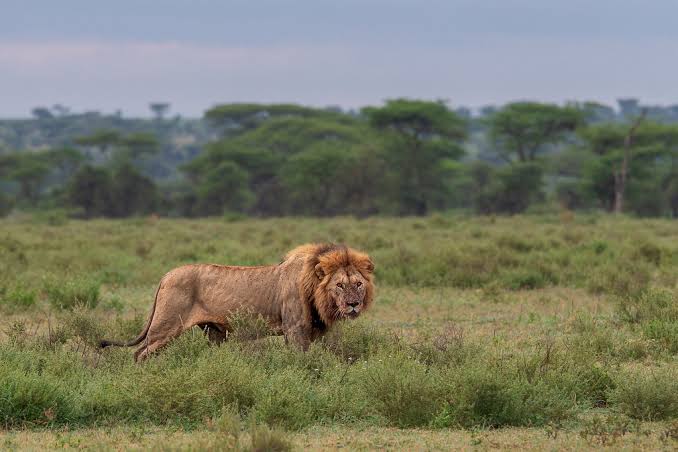
Central Serengeti harbours some of the most studied and observable lion prides on the continent. The Seronera Valley’s resident prides — many of which have been monitored for decades under the Serengeti Lion Project — frequently lounge on kopjes, rest beneath acacia trees, or stalk prey along the river. It is not uncommon to encounter multiple prides on a single morning game drive. Cubs are often present, providing extraordinary close-up viewing opportunities.
Leopards
The Seronera River corridor is widely regarded as the finest leopard-viewing terrain in East Africa. Leopards are habitually found draped across acacia branches overhanging the river, often with kills stashed in the fork of a tree above them. Early mornings and late afternoons offer the best sightings. Central Serengeti’s leopard density is exceptional — patient guides often locate multiple individuals within a few kilometres of the main Seronera circuit.
Cheetahs
The open short-grass plains flanking the central zone are prime cheetah habitat. These elegant cats favour elevated termite mounds as vantage points for scanning the plains, and their daytime hunting activity makes them some of the most thrilling subjects for wildlife photography. Coalition groups of two or three male cheetahs are regularly sighted in this area.
Elephants
Resident elephant herds frequent the riverine woodlands throughout the year. Matriarch-led family groups of 10–30 individuals are common sightings, especially near water sources in the dry season (June–October). Bull elephants often range solo across the central plains.
Hippos & Crocodiles
The Seronera hippo pools are among the park’s signature highlights. Up to 60 hippos can be observed here simultaneously, with Nile crocodiles basking on adjacent sandbanks. At dusk, the sight and sound of hippos emerging from the water to graze is an unforgettable experience.
Buffalo
Large buffalo herds of several hundred individuals move through the central zone regularly, particularly after the short rains (November–December). Their presence invariably attracts lions, creating high-tension predator–prey dynamics.
Giraffes
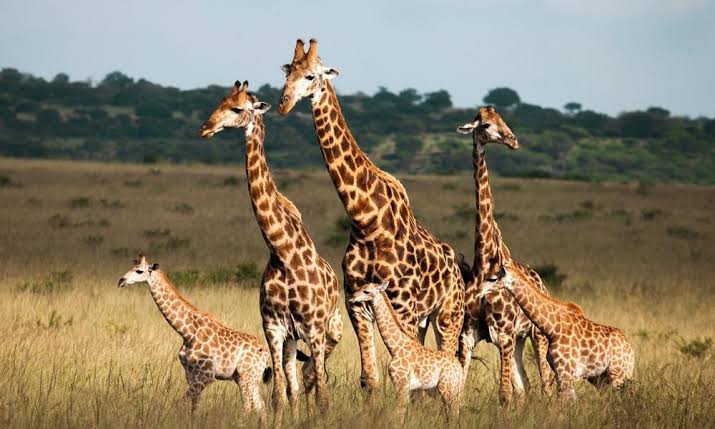
Masai giraffes are prolific throughout the acacia woodlands of Central Serengeti. Their height makes them impossible to miss, and their unhurried browsing along the roadside makes for outstanding photography.
African Wild Dogs
Although rare in the central zone, African wild dogs occasionally venture through on extended pack movements. Any sighting should be reported to your guide and the park’s conservation desk.
The Great Migration: Central Serengeti’s Role
While the most dramatic river crossings occur in the northern Serengeti (Kogatende) and the Masai Mara in Kenya, Central Serengeti plays a critical role in the annual Great Migration cycle. Between December and March, the southern short-grass plains fill with an estimated 1.5–2 million wildebeest, 500,000 zebra, and 300,000 Thomson’s gazelle that have moved south from the central and northern zones to calve.
By April and May, the herds begin drifting northward through the Seronera Valley on their journey toward the Western Corridor and eventually the Mara River. This transitional movement, while less dramatic than the crossings, creates vast columns of wildebeest moving through the central landscape — a mesmerising spectacle in its own right.
| 🦁 Predator Density Alert |
| Central Serengeti records among the highest predator densities in Africa. Research stations have documented up to 70 lions per 100 km² in peak periods along the Seronera Valley. Leopard sightings here are more reliable than virtually anywhere else on the continent. |
Birdlife
Central Serengeti is a birding paradise, with over 500 species recorded across the park. The riparian woodlands along the Seronera River are particularly rich:
- African fish eagles nest along the riverbanks, their calls defining the soundscape.
- Lilac-breasted rollers and superb starlings add vivid colour to open savannah.
- Secretary birds stalk the plains hunting snakes and large insects.
- Grey crowned cranes, kori bustards, and ostriches are regular open-country sightings.
- Martial eagles, bateleur eagles, and long-crested eagles are frequently seen soaring.
- The Seronera hippo pools attract yellow-billed storks, saddle-billed storks, and hamerkops.
Serious birders should dedicate at least one full morning to a slow drive along the river circuit with binoculars and a field guide.
Best Time to Visit Central Serengeti
Central Serengeti’s genius lies in its year-round productivity. While specific wildlife events peak at different times, no month passes without exceptional sightings in the Seronera Valley.
| Month | Season | Migration Activity | Predator Activity | Crowds | Overall Rating |
| January | Short dry | Calving on southern plains | Excellent | Moderate | ★★★★★ |
| February | Short dry | Calving peak | Excellent | Moderate | ★★★★★ |
| March | Long rains begin | Herds moving north | Very Good | Low | ★★★★☆ |
| April | Long rains | Herds in transit north | Good | Low | ★★★☆☆ |
| May | Long rains | Herds entering W. Corridor | Good | Very Low | ★★★☆☆ |
| June | Dry season begins | Herds in W. Corridor/North | Excellent | High | ★★★★★ |
| July | Dry season | Herds north & Mara crossings | Excellent | Peak | ★★★★★ |
| August | Dry season | Mara crossings peak | Excellent | Peak | ★★★★☆ |
| September | Dry season | Herds returning south | Excellent | High | ★★★★★ |
| October | Short rains begin | Herds moving south | Very Good | Moderate | ★★★★☆ |
| November | Short rains | Herds arriving south | Good | Low | ★★★☆☆ |
| December | Short dry | Herds on southern plains | Excellent | Moderate | ★★★★★ |
Peak Season: June – October (Dry Season)
The long dry season is widely considered the best time to visit Central Serengeti for general wildlife viewing. Grass cover thins, water sources concentrate, and animals gather predictably around rivers and waterholes. Game drive circuits along the Seronera River are at their most productive, with lions, leopards, elephants, and buffalo all highly visible.
Road conditions are at their best during this period, making self-drive and guided game drives equally accessible. Early morning temperatures can be cool (12–16°C), so pack layers for dawn game drives.
Green Season: November – May
The wet season transforms Central Serengeti into a lush, verdant landscape. While longer grass can make predator sightings slightly more challenging, the resident wildlife remains abundant. The short rains (November–December) and long rains (March–May) bring:
- Calving season (January–February) on the southern Serengeti plains — an unforgettable spectacle.
- Dramatic skies ideal for landscape and wildlife photography.
- Fewer tourists and lower accommodation rates at many lodges.
- Superb birdwatching as migratory species arrive from Europe and Asia.
| 📅 Pro Tip: Shoulder Season Value |
| May and November offer the best value for money in Central Serengeti. Wildlife activity remains strong, roads are passable, accommodation rates drop significantly, and you will share game drive circuits with far fewer vehicles — enhancing the feeling of wilderness exclusivity. |
Game Drives & Activities
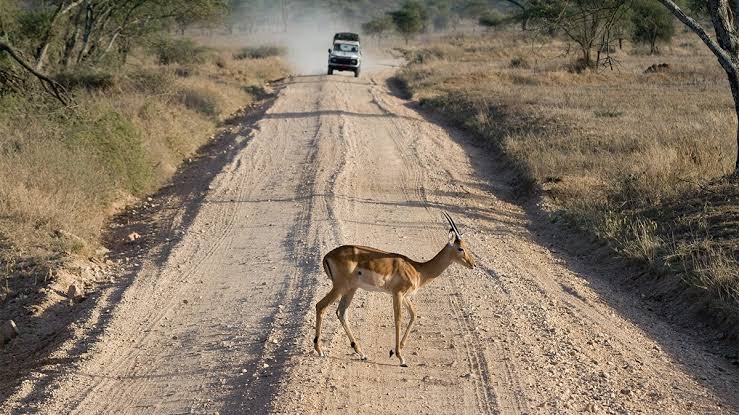
Central Serengeti offers one of the most accessible and rewarding game drive circuits in Africa. The Seronera Valley road network is extensive, well-maintained (by dry-season standards), and passes through every key habitat type — from open plains and acacia woodland to riverine forest and kopje clusters.
The Seronera River Circuit
The classic Seronera River circuit runs for approximately 50 km and can be completed in a morning or afternoon game drive of 3–4 hours, though many guides extend it to a full day. Key stops and viewing areas include:
- Seronera Hippo Pools: The park’s most reliable hippo congregation, often visited at dusk.
- Simba Kopjes: Prime lion-viewing terrain with elevated viewing angles across the valley.
- Retina Hippo Pool: A secondary pool that hosts crocodiles and herons year-round.
- Orangi River Junction: A productive area for leopard sightings, particularly in the fig trees.
- Maasai Kopjes: Less-visited granite outcrops often sheltering cheetah families.
Morning vs. Afternoon Game Drives
Both morning and afternoon game drives offer distinct advantages in Central Serengeti. Morning drives (departing at first light, 06:00–06:30) catch predators returning from nocturnal hunts and offer the most dynamic hunting activity. Golden-hour photography in the morning light across the valley is incomparable.
Afternoon drives (departing around 15:30–16:00) catch animals as they begin their late-day feeding, and the final hour before sunset — the magic hour — delivers extraordinary light for photography and high predator activity as lions, leopards, and cheetahs begin their twilight hunts.
Full-Day Game Drives
Full-day drives allow exploration of the wider Central Serengeti beyond the core Seronera circuit. With a packed lunch from your lodge, game drives can range south toward Ndutu (a separate concession, but accessible via park routes) or north toward the boundary of the central and northern zones. Full-day drives maximise sighting diversity and are particularly rewarding during the migration transition months (March–May and September–November).
Hot Air Balloon Safaris
One of the most iconic experiences in the entire Serengeti ecosystem, hot air balloon safaris launch from the central zone at dawn and drift silently over the savannah for approximately one hour. From an altitude of 300–1,000 m, the perspective transforms: elephant herds move like dots across the landscape, lion prides are spotted from above, and the Seronera River glitters in the morning light.
Following the flight, a bush champagne breakfast is served in the field — an elegant conclusion to a genuinely world-class experience. Balloon safaris must be booked well in advance, particularly during peak season.
- Duration: Approximately 1 hour in flight, with pre-flight briefing and breakfast.
- Departure: Dawn (approximately 06:00), subject to weather.
- Cost: Approximately USD 500–600 per person (2024/2025 rates; subject to change).
- Booking: Arrange through your lodge or directly with operators such as Serengeti Balloon Safaris.
Walking Safaris
Walking safaris within the main Serengeti National Park are permitted only in designated areas and must be conducted with a licensed armed ranger. Central Serengeti walking options are more limited than in some other Tanzanian parks, but short interpretive walks around certain lodge areas and bush camp environs are available through select operators.
Night Game Drives
Night drives are permitted within private concessions adjacent to the national park boundary (such as Grumeti Reserves and certain Ndutu concessions) but are not permitted within the main national park. Many premium lodges and camps in concession areas offer night game drives as part of their all-inclusive packages. These drives reveal a different world: serval cats, bushbabies, porcupines, genets, civets, and honey badgers emerge after dark.
| 🎈 Balloon Safari Booking Tip |
| Hot air balloon slots during peak season (July–September) sell out months in advance. If a balloon safari is a priority, book it simultaneously with your accommodation — not as an afterthought on arrival. |
Accommodation in Central Serengeti
Central Serengeti hosts some of the finest safari accommodation in Africa, ranging from fly-camp bivouacs to ultra-luxury tented suites that rank among the continent’s most prestigious retreats. The concentration of world-class lodges and camps in this zone reflects its unmatched wildlife productivity.
Ultra-Luxury Tented Camps & Lodges
Four Seasons Safari Lodge Serengeti
The Four Seasons Serengeti is the park’s only five-star hotel in the conventional sense — a permanent lodge with infinity pools, a spa, and 77 suites and villas positioned to overlook a natural hippo pool. Wi-Fi, conference facilities, and air-conditioned rooms make it a unique offering among Serengeti properties. Resident hippos and visiting elephants use the watering hole day and night, viewable from the main lodge deck. This property suits guests seeking luxury hotel comforts within a genuine wildlife setting.
Singita Sasakwa Lodge & Faru Faru River Lodge
Singita operates multiple properties within the 350,000-acre Grumeti Reserves concession on the western boundary of the Serengeti ecosystem. Sasakwa Lodge — a Edwardian-style manor on a hilltop — and Faru Faru River Lodge — an intimate six-suite retreat on the Grumeti River — are consistently ranked among the top safari lodges in Africa. Exclusive game drives on private concession land, night drives, and walking safaris are available here.
Nomad’s Serengeti Safari Camp
Nomad Tanzania operates a highly regarded mobile camp in the Central Serengeti, repositioned seasonally to follow optimal wildlife areas. With six classic canvas tents, en-suite facilities, and an emphasis on intimate guiding by experienced naturalists, it offers a genuine bush camp experience at a luxury price point.
Mid-Range Tented Camps
Serengeti Serena Safari Lodge
Perched on a kopje with sweeping views across the central plains, Serena Lodge is a landmark property that blends into its rocky surroundings. With 66 rooms, a swimming pool, and reliable Wi-Fi, it balances comfort with accessibility and is particularly well regarded for its service and central location near the Seronera airstrip.
Kubu Kubu Tented Lodge
An intimate camp with 20 en-suite tents on an elevated kopje overlooking the Seronera Valley, Kubu Kubu offers excellent value at the mid-range luxury tier. Its elevated position provides natural ventilation and a panoramic vista. Early morning and evening sightings from the camp itself are common.
Olakira Camp (Asilia Africa)
Olakira is a semi-permanent tented camp that moves seasonally between Central Serengeti and the northern migration zone near the Mara River. During months when it occupies its central position, it delivers an authentic tented camp atmosphere with attentive guiding by Asilia’s experienced ranger team.
Budget & Camping Options
Seronera Public Campsite
The park authority (TANAPA) operates several public campsites near the Seronera Visitor Centre. These are genuinely wild — unfenced, with basic pit latrines and limited facilities. Campers share the landscape with the park’s resident wildlife, and encounters with hyenas, vervet monkeys, and elephants at night are not unusual. This option suits self-sufficient campers or those on organised overland camping safaris.
Special Campsites
TANAPA designates a number of exclusive-use special campsites across Central Serengeti, each bookable for private occupation. These remote sites offer a truly wilderness experience, sleeping under canvas with no other campers nearby. Mobile camp operators often utilise these sites for private groups.
| Property | Category | Approx. Rate (USD/person/night) | Key Feature |
| Four Seasons Safari Lodge | Ultra-Luxury | 1,200 – 2,500 | Natural hippo pool, permanent lodge |
| Singita Sasakwa Lodge | Ultra-Luxury | 2,500 – 4,500 | Private concession, night drives |
| Singita Faru Faru | Ultra-Luxury | 1,800 – 3,500 | River location, intimate setting |
| Serengeti Serena Lodge | Mid-Range Luxury | 450 – 750 | Kopje views, central location |
| Kubu Kubu Tented Lodge | Mid-Range Luxury | 350 – 600 | Elevated position, panoramic views |
| Olakira Camp (Asilia) | Mid-Range Luxury | 500 – 850 | Mobile camp, expert guides |
| Nomad Serengeti Camp | Luxury | 600 – 1,200 | Intimate, mobile, naturalist guides |
| Seronera Public Campsite | Budget | 30 – 50 (site fee) | Unfenced, wild camping |
Rates above are indicative for 2024/2025 and typically include accommodation, meals, and scheduled game drives. Always confirm inclusions at time of booking.
Getting to Central Serengeti
Central Serengeti is accessible by air and by road. Most visitors arriving on a standard safari itinerary fly in; self-drive visitors and overland safari groups typically drive from Arusha or Moshi.
By Air: Charter and Scheduled Flights
The quickest and most scenic way to reach Central Serengeti is by light aircraft. Seronera Airstrip is the primary aviation gateway for the central zone.
- Arusha (Kilimanjaro International Airport / Arusha Airport) to Seronera: Approximately 1 hour 10 minutes by charter flight.
- Dar es Salaam to Seronera: Approximately 2 hours 15 minutes, often with a brief stop.
- Zanzibar to Seronera: Approximately 1 hour 45 minutes via charter.
Airlines operating scheduled and charter services include Auric Air, Air Excel, Coastal Aviation, and Regional Air. Flights book out during peak season (July–October) — secure seats well in advance.
By Road: Self-Drive & Guided Drive
The overland journey from Arusha to Seronera covers approximately 335 km and typically takes 5–7 hours depending on road conditions and game-drive detours within the park. The route runs:
- Arusha → Makuyuni → Ngorongoro gate (Lodoare) → Ngorongoro Crater rim → Naabi Hill Gate (Serengeti) → Seronera.
The road is tarmac as far as Makuyuni, then murram (gravel) through Ngorongoro Conservation Area to Naabi Hill Gate. Inside the park, roads range from maintained gravel tracks to rougher seasonal routes. A high-clearance 4WD vehicle is strongly recommended; in the rainy season (April–May) it is essential.
Self-drive visitors should note:
- Fuel is not available inside the national park. Fill up in Arusha, Karatu, or Mto wa Mbu before entering.
- Park entry fees are payable at Naabi Hill Gate (Serengeti) using the TANAPA TAZARA card system (credit card or pre-registered account).
- A GPS unit or downloaded offline maps (Maps.me, iOverlander) are strongly recommended.
- Speed limits inside the park are strictly enforced: 50 km/h on main roads, 25 km/h in special zones.
Entry Gates: Central Serengeti
| Gate | Approach From | Distance to Seronera | Notes |
| Naabi Hill Gate | Ngorongoro / Arusha (east) | 75 km | Main gate for road visitors from Arusha; pay fees here |
| Ikoma Gate | Mwanza / Lake Victoria (west) | 95 km | Western approach; used by overland safaris from Mwanza |
| Ndabaka Gate | Mwanza (south-west) | 110 km | Lake Victoria route; less commonly used |
| Klein’s Gate | Loliondo (north-east) | 180 km | Remote northern entry; permit required |
Park Entry Fees (Central Serengeti / TANAPA 2024)
| Category | Fee per 24 Hours |
| Non-resident adult | USD 70 |
| Non-resident child (5–15 years) | USD 20 |
| East African resident adult | TZS 15,000 |
| East African resident child | TZS 5,000 |
| Vehicle fee (non-resident) | USD 40 (< 2,000 cc) / USD 150 (> 2,000 cc) |
| Camping — public site | USD 30 per person per night |
| Camping — special site (exclusive) | USD 50 per person per night |
All fees are subject to change. Confirm current rates with TANAPA (www.tanzaniaparks.go.tz) before travel.
Sample Itineraries: Central Serengeti
3-Day Central Serengeti Safari
Day 1 — Arrival & Seronera River Circuit
Depart Arusha by light aircraft (or early morning road transfer) and arrive at Seronera Airstrip by mid-morning. After a light lunch at your lodge, embark on an afternoon game drive along the Seronera River circuit. Specific focus: hippo pools, Simba Kopjes for lion sightings, and the acacia woodland flanking the Orangi River for leopard. Sundowner drinks in the field before returning to camp for dinner under the stars.
Day 2 — Full-Day Game Drive
Full-day drive departing at dawn, with a packed breakfast served in the bush. Explore the kopje clusters south of Seronera, the open plains toward the southern zone boundary, and the fig-tree galleries along the river for leopard. Afternoon focus on cheetah on the open plains east of Seronera. Return to lodge for a guided bush walk (where permitted) and sundowner.
Day 3 — Dawn Balloon Safari & Morning Game Drive
Rise at 05:00 for transfer to the balloon launch site. After a one-hour flight over the central plains, enjoy a bush champagne breakfast in the field. Return to lodge, check out, and depart by mid-morning: either fly back to Arusha/Zanzibar, or drive east via Ngorongoro Crater for a rim-view stop en route back to Arusha.
7-Day Central Serengeti & Northern Circuit Safari
| Day | Location | Key Activities |
| Day 1 | Arusha — Tarangire NP | Afternoon game drive; elephant herds and baobabs |
| Day 2 | Tarangire NP | Full-day game drive; Lions and large herbivores |
| Day 3 | Lake Manyara / Ngorongoro Rim | Lake Manyara tree-climbing lions; rim drive |
| Day 4 | Ngorongoro Crater | Full-day crater floor game drive; Big Five in one caldera |
| Day 5 | Central Serengeti — Seronera | Fly or drive to Seronera; afternoon Seronera circuit |
| Day 6 | Central Serengeti | Dawn balloon safari; full-day game drives |
| Day 7 | Central Serengeti — Arusha | Morning game drive; depart to Arusha / Zanzibar |
Health, Safety & Practical Information
Health Precautions
- Malaria: Malaria prophylaxis is strongly recommended for the Serengeti region. Consult a travel medicine clinic at least 4–6 weeks before departure.
- Yellow Fever: Yellow fever vaccination is required for entry into Tanzania if arriving from a yellow fever-endemic country. Carry your International Certificate of Vaccination.
- First Aid: Pack comprehensive first aid supplies for self-drive visitors; medical facilities are limited within the park.
- Hydration: The Serengeti is situated at 920–1,200 m elevation in the central zone — heat can be intense during the dry season midday hours. Hydrate consistently.
- Tsetse Flies: Tsetse flies are present in some areas, particularly near woodland and water. Wear neutral-coloured, long-sleeved clothing and avoid dark blue clothing, which attracts them.
Wildlife Safety
- Never exit your vehicle in the main national park except at designated picnic sites.
- Do not feed any wildlife — including vervet monkeys and baboons at campsites.
- At campsites, secure food inside locked vehicles or storage boxes; hyenas and baboons are persistent raiders.
- Maintain a 20-metre distance from large wildlife unless a qualified ranger advises otherwise.
- Respect speed limits — excessive speed contributes to wildlife road casualties.
What to Pack
- Neutral-coloured safari clothing (khaki, olive, brown) — avoid bright colours and white.
- Lightweight fleece or warm layer for dawn game drives and balloon safari.
- Wide-brimmed hat, UV-protective sunscreen (SPF 50+), and UV-protective sunglasses.
- Binoculars (8×42 or 10×42 recommended for wildlife viewing).
- Camera with telephoto lens (minimum 300 mm equivalent); extra batteries and memory cards.
- Insect repellent (DEET-based, 30–50% concentration).
- Dust-sealed dry bag or camera bag for protecting gear from red dust on game drives.
- Reusable water bottle (lodges and camps provide filtered water; single-use plastics are discouraged).
- Offline maps downloaded before entering the park (cell signal is absent in most of the Serengeti).
| 📡 Connectivity Note |
| Mobile data and cellular connectivity is essentially absent throughout Central Serengeti. Download offline maps (Maps.me, Google Maps offline), save PDF guides, and ensure your safari contacts have emergency HF radio access. Most lodges and camps have satellite phones for emergencies. |
Conservation & Responsible Tourism
The Serengeti ecosystem faces pressure from several directions: expanding agricultural land at park boundaries, infrastructure projects, human–wildlife conflict, and the cumulative impact of tourism itself. Responsible safari operators and visitors can make a measurable difference.
The Serengeti Lion Project
Operating since 1966, the Serengeti Lion Project is one of the world’s longest-running wildlife studies. Research conducted here fundamentally reshaped our understanding of lion ecology, social behaviour, and population dynamics. Many of the lions you encounter in Central Serengeti carry years of documented research history. Supporting lodges affiliated with lion conservation funding contributes directly to the project’s continuation.
Anti-Poaching Initiatives
TANAPA and NGO partners including the Frankfurt Zoological Society and Wildlife Conservation Society (WCS) operate active anti-poaching patrols throughout the Serengeti. Tourism revenue is the primary funding mechanism for these operations — your park entry fees and accommodation spending directly fund ranger salaries and equipment.
Community Conservation: The Buffer Zone
The villages bordering the Serengeti — in Loliondo, Ngorongoro District, and the Ikoma–Isenye corridor — coexist with wildlife whose movements extend far beyond park boundaries. Community-based conservancies and benefit-sharing arrangements (where tourism revenue flows to local communities) are essential to reducing poaching pressure and preventing encroachment. Choosing lodges with demonstrable community benefit programs amplifies the positive impact of your visit.
Responsible Visitor Code
- Follow your guide’s instructions at all times; they know the ecology and have your safety in mind.
- Do not pressure guides to drive off-road for closer wildlife views — it damages fragile soils and sets a harmful precedent.
- Remove all waste from the park — leave no trace.
- Do not play loud music or use artificial light to attract nocturnal animals.
- Purchase crafts and souvenirs from certified community shops rather than roadside vendors of questionable origin.
- Report suspected poaching activity to your guide, lodge, or the TANAPA anti-poaching hotline immediately.
Frequently Asked Questions
Is Central Serengeti good year-round?
Yes. The Seronera Valley’s permanent river system sustains exceptional wildlife populations throughout all 12 months. While the Great Migration passes through the central zone during specific windows (April–June northbound; September–October southbound), the resident predators and herbivores — including lions, leopards, elephants, hippos, and giraffes — are present every month of the year.
How many days should I spend in Central Serengeti?
A minimum of three nights allows you to explore the core Seronera circuit thoroughly and experience both morning and afternoon game drives at their best. Five to seven nights allows full-day drives to peripheral areas, a balloon safari, and a relaxed pace that dramatically increases the quality of sightings.
Do I need a guide, or can I self-drive?
Self-driving is permitted in Central Serengeti with a suitable vehicle. However, a qualified guide transforms the experience: they read animal behaviour, interpret tracks and signs, navigate efficiently to productive areas, and ensure your safety at all times. For first-time visitors or those with specific wildlife interests (birdwatching, photography), a certified Tanzania Wildlife Guide (at least Bronze level) is strongly recommended.
What vehicle do I need for a Central Serengeti self-drive?
A high-clearance 4WD is strongly recommended, particularly for travel during or immediately after the rainy season (March–May, November). A Toyota Land Cruiser 76/79 series or Land Cruiser Prado 150, Toyota Hilux double cab, or equivalent is ideal. Standard sedans and compact SUVs are unsuitable for the rougher seasonal tracks within the park.
Can I book a balloon safari on arrival?
Technically yes, but availability cannot be guaranteed. Balloon slots during peak season (July–September) sell out weeks and sometimes months in advance. We strongly recommend booking your balloon safari at the same time as your accommodation.
Is Wi-Fi available in the Serengeti?
Some premium lodges (such as Four Seasons) offer Wi-Fi. Most tented camps and mid-range properties do not, and connectivity throughout the central zone is very limited. This is widely regarded as a feature rather than a limitation — the Serengeti offers a rare opportunity to disconnect entirely.
What currency do I need?
USD is the standard currency for safari expenses in Tanzania. Most lodges, camps, and park fee payments accept USD cash or major credit cards (Visa/Mastercard). ATMs are not available within the park — carry sufficient cash for tips, souvenirs, and incidental expenses.
What are the tipping norms?
Tipping is customary and deeply appreciated by safari staff. Standard guidelines: guide/driver — USD 20–30 per person per day; camp staff (shared) — USD 10–15 per person per day. Tips are typically given in USD at the end of your stay.