10 Days Burundi & Tanzania Wildlife Safari
Lake Tanganyika, the Source of the Nile, Royal Drummers, Burigi-Chato, the Serengeti & Ngorongoro Crater
A detailed day-by-day itinerary with routes, drive times, park fees, costs, border crossing guidance, packing advice and FAQs
Why Combine Burundi and Tanzania?
10 Days Burundi & Tanzania Wildlife Safari, Few safari circuits in Africa offer the contrast of this 10 days Burundi Tanzania wildlife safari. You begin in Burundi, one of the least-visited countries on the continent, where hippos wallow at the mouth of the Rusizi River, the royal drummers of Gishora keep a centuries-old tradition alive, and a small stone pyramid marks the southernmost source of the Nile. You then cross overland into Tanzania and finish in two of the most celebrated wildlife destinations on Earth: the Serengeti National Park and the Ngorongoro Crater.
The route is designed as a one-way overland journey from Bujumbura to Arusha, crossing at the Kobero–Kabanga border post in north-eastern Burundi. Along the way you visit Burigi-Chato National Park, one of Tanzania’s newest and least-crowded parks, before entering the Serengeti through the Western Corridor. The result is a safari that blends culture, lake scenery, rainforest, savannah and the full Big Five experience in a single trip.
Safari Highlights
- Rusizi National Park: boat and walking safari among hippos, Nile crocodiles, sitatunga and wetland birds on the shores of Lake Tanganyika.
- Kibira National Park: montane rainforest walks in search of chimpanzees, L’Hoest’s monkeys and black-and-white colobus, framed by the Rwegura tea estates.
- Gishora Drum Sanctuary: a live performance by Burundi’s UNESCO-recognised royal drummers in Gitega, the country’s political capital.
- Source of the Nile & Karera Falls: the Kasumo pyramid at Rutovu and the multi-tiered Karera waterfalls in Rutana province.
- Ruvubu National Park: Burundi’s largest park, home to buffalo, hippos, waterbuck and over 400 bird species along the Ruvubu River.
- Burigi-Chato National Park: a quiet, lake-studded wilderness in north-western Tanzania with giraffe, elephant, zebra and antelope herds.
- Serengeti National Park: game drives in the Western Corridor and Seronera, famous for lions, leopards, cheetahs and the Great Migration.
- Ngorongoro Crater: a half-day descent into the world’s largest intact volcanic caldera, one of the best places in Tanzania to see black rhino.
Trip Snapshot
| Detail | Information |
| Duration | 10 days / 9 nights |
| Start point | Bujumbura, Burundi (Melchior Ndadaye International Airport) |
| End point | Arusha / Kilimanjaro International Airport (JRO), Tanzania |
| Countries | Burundi and Tanzania |
| Safari style | Private guided safari in a 4×4 Land Cruiser with pop-up roof (self-drive possible for experienced drivers) |
| Border crossing | Kobero (Burundi) – Kabanga (Tanzania) |
| Best time to travel | June to September and December to February (dry seasons) |
| Ideal for | Repeat Africa travellers, photographers, culture lovers and wildlife enthusiasts |
| Physical level | Moderate: long drives on some days and optional forest walks |
Detailed Itinerary
| Day | Route / Activity | Overnight |
| Day 1 | Arrive Bujumbura – Lake Tanganyika sunset | Bujumbura |
| Day 2 | Rusizi National Park & Livingstone–Stanley Monument | Bujumbura |
| Day 3 | Kibira National Park (Rwegura sector) primate walk | Rwegura / Kibira area |
| Day 4 | Gitega – Gishora Drum Sanctuary & National Museum | Gitega |
| Day 5 | Source of the Nile, Nyakazu Gorge & Karera Falls | Gitega |
| Day 6 | Ruvubu National Park game walk & river safari | Ruvubu / Muyinga area |
| Day 7 | Cross into Tanzania at Kobero–Kabanga – Burigi-Chato NP | Burigi-Chato National Park |
| Day 8 | Drive to Serengeti Western Corridor via Ndabaka Gate | Western Serengeti |
| Day 9 | Full-day game drive in Central Serengeti, transfer to crater rim | Ngorongoro Crater rim / Karatu |
| Day 10 | Ngorongoro Crater descent – Arusha – departure | End of safari |
| Route Map in Words
Bujumbura → Rusizi NP → Kibira NP → Gitega → Rutovu & Rutana → Ruvubu NP → Kobero/Kabanga border → Burigi-Chato NP → Ndabaka Gate → Western & Central Serengeti → Ngorongoro Crater → Arusha / JRO. Total overland distance is roughly 1,400–1,600 km, depending on detours. |
Detailed Day-by-Day Itinerary
Day 1: Arrival in Bujumbura and Lake Tanganyika Sunset
| Day at a Glance | |
| Route | Melchior Ndadaye International Airport → Bujumbura (approx. 15 km, 25 minutes) |
| Activities | Airport welcome, safari briefing, Lake Tanganyika beach sunset |
| Meals | Dinner |
| Overnight | Hotel Club du Lac Tanganyika (mid-range) or a lakeside boutique hotel |
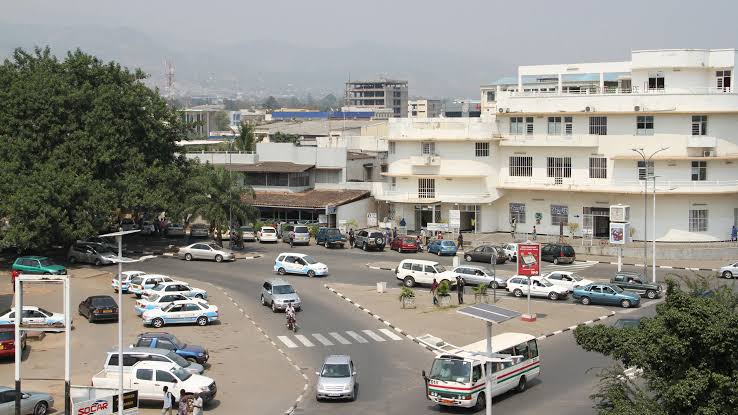
Your safari begins when you land at Melchior Ndadaye International Airport in Bujumbura, Burundi’s largest city and economic hub. Your Marriott Safaris Africa guide meets you in the arrivals hall, helps with any remaining entry formalities and transfers you to your lakeside hotel.
After checking in and freshening up, your guide holds a short safari briefing covering the route, border procedures, park rules and what to expect over the coming ten days. In the late afternoon, head to one of the sandy beaches on the northern shore of Lake Tanganyika, the second-deepest and one of the oldest lakes in the world. The sunset here, with the mountains of the Democratic Republic of Congo glowing on the far side of the water, is one of the most beautiful in East Africa.
Dinner tonight is a chance to try mukeke, a prized Lake Tanganyika fish usually served grilled with plantains or rice.
| Guide Tip
Keep your Yellow Fever certificate, passport and visa paperwork in your hand luggage. Burundi checks Yellow Fever certificates on arrival, and you will need the same documents again at the Tanzanian border on Day 7. |
Day 2: Rusizi National Park and the Livingstone–Stanley Monument
| Day at a Glance | |
| Route | Bujumbura → Rusizi National Park (approx. 15 km, 30 minutes) → Mugere (approx. 12 km south of the city) |
| Activities | Boat safari in the Rusizi Delta, guided nature walk, historical site visit, city orientation |
| Meals | Breakfast, lunch, dinner |
| Overnight | Bujumbura |
After an early breakfast, drive a short distance north of the city to Rusizi National Park, where the Rusizi River flows into Lake Tanganyika. The park protects a mosaic of papyrus swamps, reed beds, sandbanks and dry savannah, and it is one of the best places in Burundi to see large animals close to a capital city.
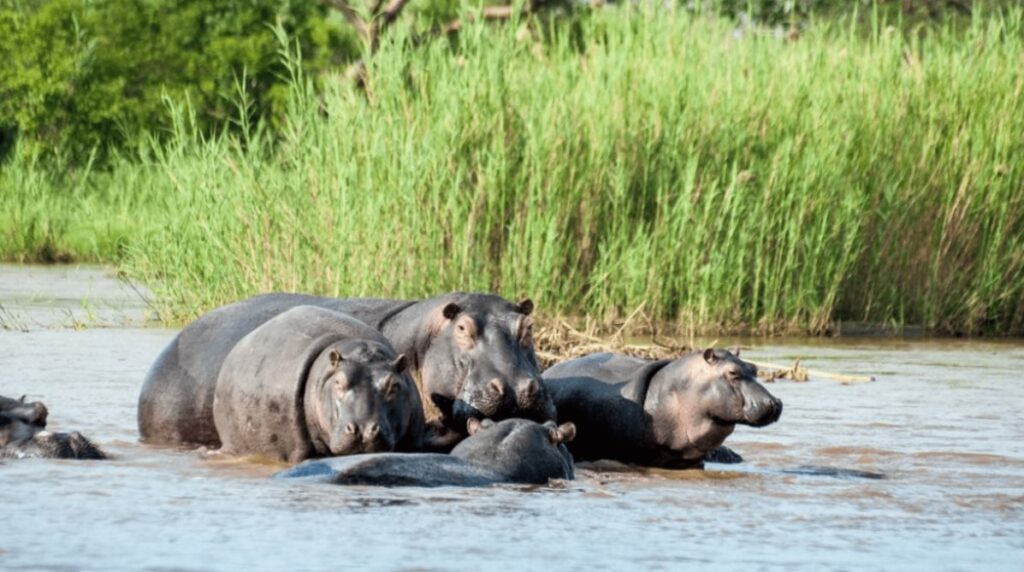
A guided boat excursion through the delta brings you within safe viewing distance of large pods of hippos and basking Nile crocodiles. On foot, your ranger guide leads you along trails where you may spot sitatunga, the shy swamp-dwelling antelope, as well as monitor lizards and a remarkable variety of water birds, including African fish eagles, pied kingfishers, goliath herons, pelicans and seasonal Palearctic migrants.
In the afternoon, drive south along the lakeshore to Mugere, where a stone monument marks the spot where explorers David Livingstone and Henry Morton Stanley camped in November 1871 during their exploration of the northern end of Lake Tanganyika. Return to Bujumbura with time for a short orientation of the city, including the central market area, the independence monument and the lakeside promenade.
Wildlife to Look For
- Hippopotamus and Nile crocodile
- Sitatunga antelope
- African fish eagle, goliath heron and great white pelican
- Kingfishers, weavers and wetland warblers
Day 3: Kibira National Park – Rainforest Primate Walk
| Day at a Glance | |
| Route | Bujumbura → Rwegura sector of Kibira National Park (approx. 90 km, 2.5–3 hours) |
| Activities | Scenic mountain drive, guided rainforest walk, tea estate visit |
| Meals | Breakfast, picnic lunch, dinner |
| Overnight | Rwegura guesthouse or simple lodge near the park (basic standard) |
Leave the warm lakeshore behind and climb into the cool highlands of the Congo–Nile Divide. The road winds through terraced hillsides and banana plantations before reaching the Rwegura tea estates, a sea of bright green bushes on the edge of Kibira National Park.
Kibira is Burundi’s largest montane rainforest and forms a continuous forest block with Nyungwe National Park in Rwanda. With a park ranger, you set off on a guided walk beneath tall mahogany, tree ferns and bamboo in search of primates. Chimpanzees live here, although sightings are not guaranteed, and you are more likely to encounter black-and-white colobus, L’Hoest’s monkeys, blue monkeys and olive baboons. Birders can look for the great blue turaco and several Albertine Rift endemics.
In the afternoon, walk through the Rwegura tea plantations, where you can learn how the leaves are picked and processed, before settling into your overnight accommodation.
| Safety Note on Kibira
Some government travel advisories have previously warned against travel near parts of Kibira National Park and the north-western border provinces. We only operate this day after checking the latest advisories and local security information. If conditions are not suitable, we replace Day 3 with an extra day on Lake Tanganyika (beach time, boat trip and a visit to the Kiriri hills viewpoint) or continue directly to Gitega. |
Day 4: Gitega – Gishora Drum Sanctuary and the National Museum
| Day at a Glance | |
| Route | Kibira → Gitega (approx. 120 km, 3 hours) or Bujumbura → Gitega (approx. 100 km, 2 hours) |
| Activities | Royal drum performance, National Museum of Gitega, cultural walk |
| Meals | Breakfast, lunch, dinner |
| Overnight | Gitega (mid-range hotel or guesthouse) |
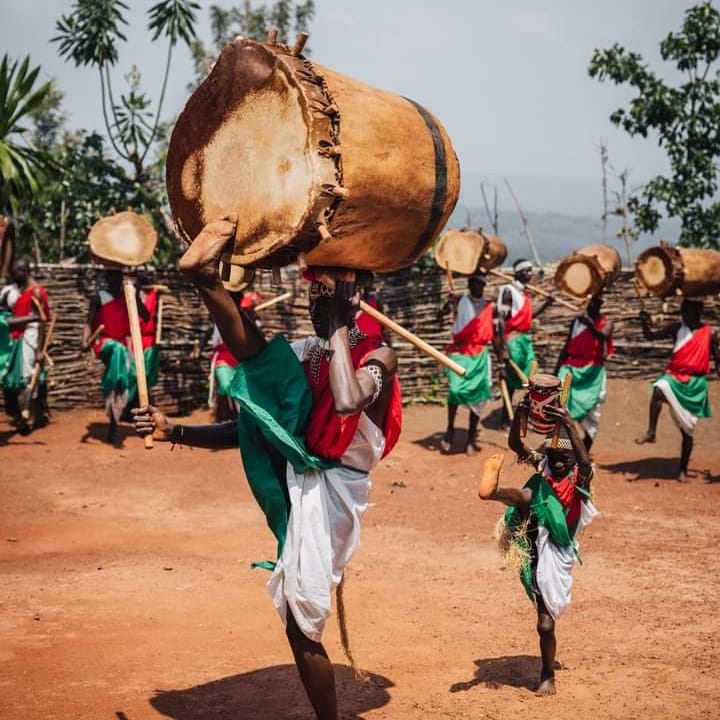
Today is dedicated to Burundi’s rich cultural heritage. Drive to Gitega, the country’s political capital and former seat of the Burundian monarchy. Just outside town lies the Gishora Drum Sanctuary, founded in the early twentieth century by King Mwambutsa IV to protect the royal drums, which were treated as sacred symbols of the kingdom.
Here you will watch a live performance by the Gishora drummers. Dressed in red, white and green, the drummers carry the large drums on their heads, form a semicircle and play thunderous, perfectly synchronised rhythms while performers leap and dance in front of them. The ritual dance of the royal drum was inscribed on UNESCO’s Representative List of the Intangible Cultural Heritage of Humanity in 2014, and seeing it in its home sanctuary is one of the highlights of any trip to Burundi.
In the afternoon, visit the National Museum of Gitega, which houses traditional tools, royal artefacts, musical instruments and exhibits on Burundian history. If time allows, take a short walk through the town market to see local crafts, baskets and pottery.
| Cultural Etiquette
Ask your guide before photographing the drummers or the sanctuary interior; a photography fee may apply. Small donations or purchasing local crafts directly support the drumming families and the sanctuary’s upkeep. |
Day 5: Source of the Nile, Nyakazu Gorge and Karera Falls
| Day at a Glance | |
| Route | Gitega → Rutovu (Source of the Nile) → Rutana (Karera Falls & Nyakazu) → Gitega (approx. 250 km loop, 6–7 hours driving) |
| Activities | Source of the Nile pyramid, waterfall hike, gorge viewpoint, rural village scenery |
| Meals | Breakfast, picnic lunch, dinner |
| Overnight | Gitega |
A full day of sightseeing in southern Burundi begins with a drive to Rutovu in Bururi province. On a hilltop here stands the Kasumo pyramid, a small stone monument marking the spring often described as the southernmost source of the Nile. Water from this spring flows into the Ruvyironza and Ruvubu rivers, then on to Lake Victoria and eventually the Mediterranean, a journey of around 6,800 km. Your guide will explain the history of the nineteenth-century expeditions that searched for the Nile’s origins, including the German explorer Burkhart Waldecker, who identified this spring in 1937.
Continue to Rutana province and the Nyakazu Gorge, known locally as the “Faille des Allemands” (the Germans’ Gorge). A viewpoint on the edge of the escarpment offers dramatic views over a deep, eroded canyon and across to the plains near the Tanzanian border.
Nearby are the Karera Falls, a series of four cascading waterfalls tumbling over rocky ledges surrounded by lush vegetation. A short hike takes you to the base of the main fall, where you can enjoy a picnic lunch to the sound of rushing water before returning to Gitega in the late afternoon.
Day 6: Ruvubu National Park – Burundi’s Largest Wilderness
| Day at a Glance | |
| Route | Gitega → Ruvubu National Park (approx. 110 km, 2.5–3 hours) |
| Activities | Guided game walk, game drive on park tracks, riverside birding |
| Meals | Breakfast, lunch, dinner |
| Overnight | Park guesthouse / campsite or hotel in Muyinga or Cankuzo (basic standard) |
Head north-east to Ruvubu National Park, Burundi’s largest protected area, covering roughly 500 square kilometres along the Ruvubu River valley. The park is a mix of open grassland, wooded savannah, gallery forest and riverine swamps, and it is the closest Burundi comes to a classic savannah safari.
With an armed park ranger, explore the park on foot and by vehicle. Cape buffalo are the signature large mammal here, and you may also see hippos and crocodiles in the river, waterbuck, bushbuck, duikers, olive baboons and vervet monkeys. Ruvubu is also a rewarding birding destination with more than 400 recorded species, including the shoebill (rarely seen), African finfoot, palm-nut vulture and a variety of raptors.
Ruvubu sees very few tourists, so expect a genuinely wild and uncrowded experience. Facilities are simple, which is part of its appeal. Tonight is your last evening in Burundi.
| What to Expect at Ruvubu
Game viewing in Ruvubu is about quality of wilderness rather than quantity of animals. Wildlife populations are recovering, so think of today as an off-the-beaten-track nature experience that builds anticipation for the big game of the Serengeti. |
Day 7: Cross into Tanzania – Burigi-Chato National Park
| Day at a Glance | |
| Route | Ruvubu → Kobero/Kabanga border (approx. 100 km, 2–2.5 hours) → Burigi-Chato National Park (approx. 150 km, 3 hours) |
| Activities | Border crossing, afternoon game drive |
| Meals | Breakfast, lunch, dinner |
| Overnight | Tented camp or TANAPA accommodation in or near Burigi-Chato National Park |
After breakfast, drive to the Kobero border post, the main crossing between north-eastern Burundi and Tanzania. Your guide assists with exit formalities, vehicle paperwork and the Tanzanian immigration process at Kabanga on the other side. Allow one to two hours for the full crossing, depending on traffic and queues.
Once in Tanzania, continue through Ngara district to Burigi-Chato National Park, gazetted in 2019 from former game reserves. Covering more than 4,700 square kilometres, the park is named after Lake Burigi and the town of Chato, and it includes a chain of lakes along its western edge. Its rolling hills, miombo woodland and open grassland support giraffe, elephant, zebra, buffalo, sable and roan antelope, impala, eland and hippos, with lions and leopards also present.
In the afternoon, enjoy your first Tanzanian game drive. Burigi-Chato receives a tiny fraction of the visitors of the northern circuit, so you often have sightings entirely to yourself. End the day with a sundowner overlooking Lake Burigi.
| Border Crossing Checklist
Passport valid for at least six months with blank pages; Tanzania visa (e-Visa approved in advance is strongly recommended); Yellow Fever certificate; vehicle logbook and cross-border permit; COMESA Yellow Card insurance; rental authorization letter if self-driving. |
Day 8: Burigi-Chato to the Serengeti Western Corridor
| Day at a Glance | |
| Route | Burigi-Chato → Chato → Geita → southern shore of Lake Victoria → Ndabaka Gate, Serengeti (approx. 330–380 km, 7–8 hours including stops) |
| Activities | Early morning game drive, scenic transfer, en-route game drive in the Western Corridor |
| Meals | Breakfast, packed lunch, dinner |
| Overnight | Western Serengeti lodge or tented camp (e.g. Grumeti area) |
Rise early for a short morning game drive in Burigi-Chato, when animals are most active, before setting off east. This is the longest driving day of the safari, passing through Chato and the gold-mining town of Geita and skirting the southern shores of Lake Victoria, Africa’s largest lake.
By mid-afternoon you reach Ndabaka Gate, the western entrance to the Serengeti National Park. The game drive begins as soon as you enter. The Western Corridor is a narrow strip of the park that reaches almost to Lake Victoria, and it is dominated by the Grumeti River, home to some of the largest Nile crocodiles in Africa. From roughly late May to July, the Great Migration herds pass through this area and must cross the Grumeti, creating dramatic river crossing scenes. Resident wildlife includes lions, giraffe, topi, eland and black-and-white colobus in the riverine forest.
| Fly-In Alternative
If you prefer to avoid the long drive, you can fly from Mwanza to a Serengeti airstrip on a scheduled light aircraft and meet your safari vehicle there. Ask us for a quote, as this option changes the route between Day 7 and Day 8. |
Day 9: Central Serengeti (Seronera) Game Drive and Transfer to the Crater Rim
| Day at a Glance | |
| Route | Western Serengeti → Seronera (approx. 90 km, game drive en route) → Naabi Hill Gate → Ngorongoro Crater rim / Karatu (approx. 150 km, 3.5–4 hours) |
| Activities | Morning game drive in the Seronera Valley, afternoon transfer via the southern plains |
| Meals | Breakfast, picnic lunch, dinner |
| Overnight | Crater-rim lodge (luxury) or Karatu lodge (mid-range) |
Start at dawn and drive east into the heart of the Serengeti. The Seronera Valley is the wildlife capital of the park, with year-round water supporting one of the highest densities of predators in Africa. This is prime territory for lions lounging on granite kopjes, leopards draped along the branches of sausage trees beside the Seronera River, and cheetahs hunting on the open plains. Elephants, giraffes, buffalo, hippos and huge numbers of gazelle and topi are also regularly seen.
After a picnic lunch at a designated site, continue south-east across the short-grass plains. Between roughly December and March, these plains host the wildebeest calving season and the great herds. Exit the park at Naabi Hill Gate and enter the Ngorongoro Conservation Area, passing Maasai villages before climbing to the forested rim of the Ngorongoro Crater for your overnight stay.
Serengeti Big Cat Checklist
- Lion: Seronera kopjes, Simba Kopjes and Moru Kopjes
- Leopard: sausage and acacia trees along the Seronera River
- Cheetah: open short-grass plains towards Naabi Hill
- Serval and caracal: rarer sightings in long grass on early morning drives
Day 10: Ngorongoro Crater Descent and Departure from Arusha
| Day at a Glance | |
| Route | Crater rim → crater floor (half-day game drive) → Arusha (approx. 190 km, 3.5–4 hours) → Kilimanjaro International Airport (approx. 50 km, 1 hour) |
| Activities | Ngorongoro Crater game drive, transfer to Arusha, airport drop-off |
| Meals | Breakfast, picnic lunch |
| Overnight | End of safari (evening international flight, or optional extra night in Arusha) |
Descend into the Ngorongoro Crater at first light, when the mist is still rising off the crater floor. The caldera is around 260 square kilometres in size, with walls rising roughly 600 metres, creating a natural enclosure that supports an extraordinary concentration of wildlife.
This is one of the best places in Tanzania to see the critically endangered black rhino, along with lions, spotted hyenas, elephants (mainly large bulls), buffalo, wildebeest, zebra and the flamingos of Lake Magadi. Enjoy a picnic lunch beside the Ngoitokitok hippo pool before ascending the crater wall around midday.
Drive back through Karatu and the Great Rift Valley escarpment, past Mto wa Mbu, to Arusha. Depending on your flight time, you can stop for souvenirs, freshen up at a day room, or transfer straight to Kilimanjaro International Airport for your onward journey. Your 10 days Burundi Tanzania wildlife safari ends here.
| Extend Your Safari
Popular extensions include a beach stay in Zanzibar (short flight from Arusha), a day in Tarangire National Park for elephants and baobabs, Lake Manyara for tree-climbing lions, or a Mount Kilimanjaro day hike. |
Park Fees and Permits (Indicative 2027)
The table below lists indicative entry fees for non-resident adults. Fees are set by Burundi’s Office Burundais pour la Protection de l’Environnement (OBPE), Tanzania National Parks (TANAPA) and the Ngorongoro Conservation Area Authority (NCAA), and can change at short notice. Always confirm current rates before you travel.
| Park / Fee | Approx. Cost (USD) | Notes |
| Rusizi National Park | 10 – 20 per person | Boat excursion charged separately |
| Kibira National Park | 20 – 30 per person | Includes ranger guide on most walks |
| Ruvubu National Park | 20 – 30 per person | Ranger escort required |
| Gishora Drum Sanctuary | 10 – 20 per person | Photography fee may apply |
| Burigi-Chato National Park | 30 + 18% VAT per person / 24 hrs | TANAPA fee |
| Serengeti National Park | 70 + 18% VAT per person / 24 hrs | TANAPA fee; vehicle fees extra |
| Ngorongoro Conservation Area | 70.80 per person / 24 hrs | Charged per entry and per night inside |
| Ngorongoro Crater service fee | Approx. 295 per vehicle per descent | Paid by the operator |
Estimated Safari Costs
Prices below are indicative per person sharing for a private safari, including vehicle, guide, fuel, accommodation, meals as listed, park fees and activities. International flights, visas, tips and travel insurance are excluded.
| Travel Style | Accommodation Standard | Approx. Price per Person (USD) |
| Budget | Guesthouses in Burundi, budget camps and campsites in Tanzania | 3,800 – 4,800 |
| Mid-range | Comfortable hotels in Burundi, mid-range tented camps and lodges in Tanzania | 5,500 – 7,000 |
| Luxury | Best available hotels in Burundi, luxury tented camps and crater-rim lodges | 8,500 – 12,000 |
What Is Included
- Private 4×4 safari vehicle with pop-up roof and English-speaking driver-guide
- All accommodation as described in the itinerary
- Meals as listed, plus drinking water in the vehicle
- All park entry fees, ranger fees and listed activities
- Cross-border vehicle permits and COMESA insurance
- Airport transfers on arrival and departure
What Is Not Included
- International flights and visa fees
- Travel and medical insurance
- Tips for guides, rangers and camp staff
- Alcoholic drinks, laundry and personal expenses
- Optional activities such as hot-air balloon safaris over the Serengeti
Best Time to Do This Safari
| Period | Burundi Conditions | Tanzania Conditions | Verdict |
| June – September | Long dry season; best road conditions | Dry season; excellent game viewing; Grumeti crossings until about July | Best overall |
| December – February | Short dry spell | Calving season on the southern Serengeti plains | Excellent |
| October – November | Short rains begin | Short rains; fewer crowds; good value | Good |
| March – May | Long rains; muddy forest and park tracks | Long rains; some camps close; lush scenery | Least suitable |
Visa, Entry and Border Requirements
Burundi
- Most nationalities can obtain a visa on arrival at Bujumbura airport or apply online in advance; fees are approximately US$90 for a single-entry tourist visa, but check the current rate before travel.
- A valid Yellow Fever vaccination certificate is mandatory for entry.
- Your passport must be valid for at least six months beyond your travel dates.
Tanzania
- Apply for the official Tanzania e-Visa before departure; the standard single-entry tourist visa costs US$50 for most nationalities and US$100 for US citizens.
- Carry your Yellow Fever certificate, as you are arriving from Burundi, a country with risk of Yellow Fever transmission.
- Tanzania has strict plastic bag rules; avoid packing single-use plastic carrier bags.
Kobero–Kabanga Border Crossing Steps
| Step | What Happens |
| 1. Burundi exit | Passport stamped at Kobero immigration; vehicle documents checked by customs |
| 2. Vehicle clearance | Temporary export paperwork and cross-border permit verified |
| 3. Tanzania entry | Visa or e-Visa approval presented at Kabanga; Yellow Fever certificate checked |
| 4. Vehicle entry | Temporary Import Permit and COMESA Yellow Card insurance confirmed; road tolls paid |
| 5. Continue | Drive on to Ngara and Burigi-Chato National Park |
Health, Safety and Practical Tips
Health
- Consult a travel health clinic at least six weeks before departure about vaccinations and malaria prevention; both countries are malaria zones.
- Use insect repellent, long sleeves in the evenings and mosquito nets where provided.
- Drink bottled or treated water only.
- Comprehensive travel insurance with medical evacuation cover is strongly recommended.
Safety
- Check your government’s latest travel advice for Burundi and Tanzania before booking and again before departure.
- Avoid travel after dark on rural roads in both countries.
- Keep valuables out of sight in Bujumbura and in busy markets.
- Always follow your guide’s and rangers’ instructions in national parks, especially on foot and near water.
Money and Communication
- The Burundian franc (BIF) and Tanzanian shilling (TZS) are the local currencies; carry clean US dollar notes printed after 2013 for park fees and exchange.
- Card payments are limited in Burundi; plan to use cash for most expenses there.
- French and Kirundi are widely spoken in Burundi, Swahili in both countries; English is common in the Tanzanian tourism industry.
- Buy a local SIM card in each country for mobile data.
Packing List
| Category | What to Pack |
| Clothing | Neutral-coloured shirts and trousers, a warm fleece for the crater rim and Kibira highlands, rain jacket, hat, comfortable walking shoes |
| Documents | Passport, visas, Yellow Fever certificate, travel insurance details, printed itinerary, copies of all documents |
| Safari gear | Binoculars, camera with zoom lens, spare batteries and memory cards, power bank, dust cover for camera |
| Health | Personal medication, malaria tablets, insect repellent, sunscreen, hand sanitiser, basic first-aid kit |
| Extras | Reusable water bottle, headlamp, small daypack, universal adapter (Type C/E in Burundi, Type D/G in Tanzania) |
Frequently Asked Questions
Is it safe to travel to Burundi on a safari?
Many visitors travel to Burundi without problems, particularly in Bujumbura, Gitega and the main tourist sites. However, some border areas carry travel warnings. We follow official advisories closely, travel only in daylight and adjust the route if necessary.
Can I see the Big Five on this safari?
Yes, in Tanzania. Lion, leopard, elephant and buffalo are regularly seen in the Serengeti, and the Ngorongoro Crater offers one of the best chances in the country to see black rhino. Burundi’s parks focus on hippos, crocodiles, buffalo, primates and birds.
Can I do this itinerary as a self-drive?
Experienced drivers can self-drive with a properly equipped 4×4, cross-border authorisation and COMESA insurance. However, a driver-guide is recommended because of the language barrier in Burundi, border procedures and the remote roads around Ruvubu and Burigi-Chato.
Can the route be reversed?
Yes. The safari can start in Arusha and end in Bujumbura. Simply check flight availability out of Bujumbura, which has fewer international connections than Kilimanjaro.
Will I see the Great Migration?
It depends on your travel dates. The herds are usually in the Western Corridor around late May to July and on the southern Serengeti plains from roughly December to March. Outside these months, the resident Serengeti wildlife still offers excellent game viewing.
How much driving is involved?
Most days involve two to four hours of driving, with Day 8 the longest at around seven to eight hours. A fly-in option from Mwanza to the Serengeti is available to shorten this day.
Is this safari suitable for children?
Older children who are comfortable with long drives will enjoy it. Note that walking safaris in Burundi’s parks and some activities may have minimum age limits.
Book Your Burundi & Tanzania Safari
This 10 days Burundi Tanzania wildlife safari can be fully tailored to your dates, budget and interests. Marriott Safaris Africa arranges private guided safaris and 4×4 rentals across East Africa, handles cross-border paperwork and supports you around the clock from arrival to departure.
| Ready to Plan Your Trip?
Contact Marriott Safaris Africa with your preferred travel dates, group size and travel style, and our team will send a personalized itinerary and quote. Perfection Anytime. |