
Lake Tanganyika & Bujumbura
Beaches, Sunsets and City Life on the Shores of Africa’s Deepest Lake
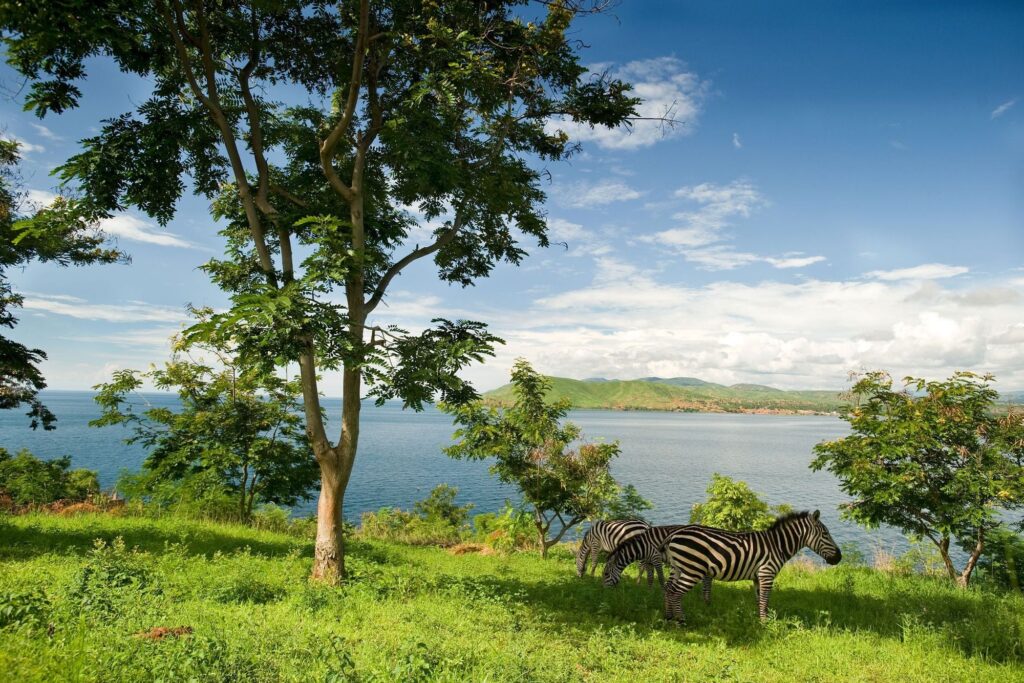
Few cities in Africa sit as dramatically as Bujumbura. Squeezed between the misty Mirwa hills and the vast, glittering expanse of Lake Tanganyika, Burundi’s largest city wakes to fishermen hauling in their nets and ends each day with some of the most spectacular sunsets on the continent, as the sun slides behind the mountains of the Democratic Republic of Congo on the far shore.
This guide covers everything you need to plan a visit: the best beaches around Bujumbura, where to watch the sunset, what city life looks like after dark, the food you have to try, day trips to Rusizi National Park and the Livingstone–Stanley Monument, entry requirements, safety advice, awhere to stay and a ready-made three-day itinerary.
| Quick Facts at a Glance
Location: Western Burundi, on the north-eastern shore of Lake Tanganyika Status: Burundi’s largest city and economic capital (the political capital moved to Gitega in 2019) Languages: Kirundi, French and English; Swahili is widely spoken around the port and markets Currency: Burundian franc (BIF); US dollars in clean, recent notes are widely accepted for larger payments Airport: Melchior Ndadaye International Airport (BJM), about 11 km north of the city centre Best time to visit: June to September (long dry season) and December to January (short dry spell) Sunset: roughly 6:00–6:30 pm year-round, thanks to Bujumbura’s position just south of the equator |
Lake Tanganyika: A Lake Like No Other
Lake Tanganyika is not simply a big lake; it is one of the great natural wonders of Africa. Stretching roughly 673 km from Bujumbura in the north to Zambia in the south, it is the longest freshwater lake in the world and, at close to 1,470 metres at its deepest point, the second deepest after Russia’s Lake Baikal. Four countries share its shoreline: Burundi, Tanzania, the Democratic Republic of Congo and Zambia.
Formed millions of years ago in the Albertine branch of the Great Rift Valley, the lake is also one of the oldest on Earth. That age has produced remarkable biodiversity. Tanganyika is home to more than 250 species of cichlid fish, the vast majority found nowhere else, which is why aquarium keepers and biologists around the world know its name. For visitors, the result is water so clear and blue that stretches of the Burundian shoreline feel more like the Indian Ocean coast than the heart of the continent.
| Feature | Detail |
| Length | About 673 km – the longest freshwater lake in the world |
| Maximum depth | Around 1,470 m – second deepest lake on Earth |
| Surface elevation | About 773 m above sea level |
| Bordering countries | Burundi, Tanzania, DR Congo, Zambia |
| Signature wildlife | 250+ cichlid species, hippos, Nile crocodiles, fish eagles, kingfishers |
| Key fish on the menu | Mukeke, ndagala (small sardine-like fish), sangala (Nile perch relative), tilapia |
Bujumbura: Burundi’s Lakeside Heart
Bujumbura began life in the late nineteenth century as a German military post known as Usumbura and later became the administrative centre of Belgian-ruled Ruanda-Urundi. Although the seat of government officially moved to Gitega in 2019, “Buja” remains the country’s commercial hub, its main port and, for most visitors, the gateway to Burundi.
The city has a relaxed, lakeside rhythm. Wide colonial-era avenues lined with palms and flame trees give way to busy markets, hillside residential districts and a waterfront dotted with beach clubs. French is the language of street signs and menus, Kirundi is heard everywhere, and Swahili drifts up from the port where boats from Tanzania and the DRC unload their cargo.
Neighbourhoods Worth Knowing
- Centre-ville (Downtown): banks, government buildings, Independence Square and the main shopping streets. Busy by day, quiet at night.
- Rohero and Kiriri: leafy upmarket districts with many of the city’s better hotels, embassies and restaurants. Kiriri climbs the hills behind the city and offers excellent views over the lake.
- Kinindo and Kibenga: southern residential areas close to the lakeshore, popular with expatriates and home to several beach-side bars and restaurants.
- The Lakeshore Strip: the stretch from the port south towards Kinindo and north towards the Rusizi delta, where most beach clubs and sunset bars are found.
The Best Beaches in and Around Bujumbura
Burundi may be landlocked, but Bujumbura’s beaches rival many ocean resorts. Fine golden sand, palm trees, thatched umbrellas and the lake’s gentle waves make for easy days of swimming, sunbathing and people-watching. Weekends are lively, with Burundian families, music and grilled fish; weekdays are much quieter.
1. Saga Beach (Plage des Cocotiers)
Bujumbura’s best-known beach lies a short drive north of the city centre. Coconut palms shade the sand, and a string of bars and restaurants serve cold Primus beer, grilled brochettes and fresh fish. It is the classic place to spend a Sunday afternoon, and it becomes a party spot on weekend evenings with music playing late.
- Best for: atmosphere, weekend buzz, sunset drinks
- Tip: arrive mid-afternoon, claim a table near the water, and stay for sunset
2. Bora Bora Beach
A more polished beach-club experience, Bora Bora combines a stretch of groomed sand with a swimming pool, loungers and a restaurant-bar. It draws a mix of expatriates, business travellers and well-heeled locals, and is a comfortable choice if you want reliable service and a calmer setting.
- Best for: couples, relaxed afternoons, pool-and-beach combination
- Tip: there is usually a small entry or minimum-spend charge; bring cash
3. Hotel Club du Lac Tanganyika Beach
One of the city’s long-established lakeside hotels has its own private beach, gardens and pool facing directly west over the water. Even if you are not staying here, the terrace restaurant is a favourite for sundowners and a secure, comfortable place to watch the sky change colour.
- Best for: secure setting, families, sunset dinners
4. Saga Resha (Rumonge Coast)
For a true escape, head about 60–70 km south along the RN3 lakeshore road towards Rumonge. Saga Resha is a quiet, palm-fringed beach with clearer water, far fewer people and a handful of simple lodges. The drive itself is one of the most scenic in Burundi, with the lake on one side and steep green hills on the other.
- Best for: overnight getaways, peace and quiet, photography
- Tip: travel in daylight and check current road conditions before setting off
| Swimming Safely in Lake Tanganyika
Swim only at established beaches used by resorts and local families, and follow staff advice. Hippos and crocodiles live along parts of the shoreline, especially near the Rusizi River delta north of the city. Never swim near river mouths, reed beds or at dusk. Bilharzia (schistosomiasis) has been recorded in some shallow, reedy shoreline areas. Open sandy beaches carry lower risk, but it is worth discussing with a travel health clinic before your trip. Currents can pick up in the afternoon when the wind rises. Keep children close and avoid swimming after drinking alcohol. |
Sunsets Over Lake Tanganyika
If there is one experience that defines Bujumbura, it is the sunset. Because the city faces due west across the lake, the sun sinks each evening behind the Mitumba Mountains of the DRC, turning the water gold, then copper, then deep violet. Fishing boats head out as the light fades, their lanterns later dotting the dark lake like a second night sky.
| Sunset Spot | Why Go | Style |
| Saga Beach | Palm silhouettes, music and a lively crowd | Casual, social |
| Bora Bora Beach | Loungers on the sand and cocktails from the bar | Relaxed, upmarket |
| Hotel Club du Lac Tanganyika | Uninterrupted western view from terrace and gardens | Dinner, families |
| Kiriri Hills viewpoints | Panoramic view of the whole city, port and lake | Photography |
| Sunset boat trip | See the fishing fleet head out as the sky changes colour | Memorable, private |
| Rusizi Delta (Palmeraie) | Hippos in the water, palms and birdlife at golden hour | Wildlife, nature |
| Sunset Photography Tips
Arrive 45 minutes before sunset. The best colours often come 10–20 minutes after the sun disappears. June to September brings the clearest skies; dust haze late in the dry season produces deep orange and red tones. Use fishing boats, palm trees or people on the beach as silhouettes to give your shots scale. Important: never photograph government buildings, police, military personnel, the port or the airport. Photography restrictions are enforced strictly in Burundi. |
City Life: Things to Do in Bujumbura
Landmarks and Culture
- Independence Square (Place de l’Indépendance): the symbolic heart of downtown, with its independence monument and surrounding colonial-era buildings.
- Monument de l’Unité: a striking hilltop monument in Kiriri celebrating national unity, with sweeping views of the city and lake.
- Prince Louis Rwagasore Mausoleum: the resting place of Burundi’s independence hero on Vugizo hill, a respectful and interesting stop for history lovers.
- Musée Vivant (Living Museum): a small cultural centre traditionally featuring reconstructed royal huts, crafts, reptiles and drumming. Opening status has varied over the years, so confirm before you go.
- Traditional drumming: Burundi’s royal drumming (Ingoma) is recognised by UNESCO as Intangible Cultural Heritage. Ask your hotel or tour operator about performances in the city, or visit the Gishora Drum Sanctuary near Gitega.
Markets and Shopping
Local markets are the best places to see everyday Burundian life: piles of bananas, cassava, beans, colourful kitenge fabrics, baskets and heaps of silvery ndagala drying in the sun. Burundi also produces excellent arabica coffee and tea, both of which make great souvenirs. Look for finely woven Burundian baskets (agaseke), wood carvings and small ceremonial drums.
Note that the former Central Market on Chaussée Prince Louis Rwagasore, destroyed by fire in 2013, is flagged by the U.S. government as an area to avoid entirely. Visit neighbourhood markets with a local guide instead.
Food and Drink
Bujumbura’s food scene blends Burundian, Congolese, Belgian, Indian and Swahili influences. Evenings revolve around brochettes grilling over charcoal and a cold beer shared among friends.
| Dish / Drink | What It Is |
| Mukeke | A prized Lake Tanganyika fish, usually grilled or fried whole – Burundi’s signature dish |
| Ndagala | Tiny sardine-like lake fish, fried crisp or cooked in a tomato and onion sauce |
| Brochettes | Skewers of goat, beef or fish grilled over charcoal, often served with fried plantain or chips |
| Isombe | Pounded cassava leaves cooked with palm oil, onion and sometimes peanuts |
| Ibiharage | Slow-cooked beans, a staple found on almost every local menu |
| Primus & Amstel | The two beers brewed locally by Brarudi, served in large bottles |
| Burundian coffee | High-altitude arabica with fruity, bright flavours – try it in the city’s cafés |
Nightlife
Bujumbura has a reputation across the region for its lively nightlife. Weekends bring music-filled beach bars at Saga, rooftop lounges and nightclubs playing Congolese rumba, Afrobeats and Burundian pop. Bars often open late and stay busy well past midnight. Enjoy it, but plan your transport: use a hotel-arranged car or trusted driver, and never walk between venues after dark.
Day Trips from Bujumbura
Rusizi National Park
Just 15 km north of the city, Rusizi National Park protects the delta where the Rusizi River flows into Lake Tanganyika. It is the easiest wildlife excursion in Burundi and a highlight for many visitors. The Delta sector is known for hippos, Nile crocodiles, sitatunga antelope and superb birdlife, best seen by boat. The Palmeraie sector features beautiful groves of wild palms and wetlands.
- Allow: a half day
- Best time: early morning or late afternoon for wildlife and light
- Birding highlights: African fish eagle, pelicans, herons, cormorants, kingfishers and seasonal migrants
Livingstone–Stanley Monument, Mugere
About 12 km south of Bujumbura, a stone monument at Mugere marks the spot where explorers David Livingstone and Henry Morton Stanley stopped in November 1871, shortly after their famous meeting at Ujiji in present-day Tanzania. The site sits on a hillside above the lake with lovely views, and combines well with a lunch stop at a southern beach.
Further Afield
- Gishora Drum Sanctuary (near Gitega): about 2–2.5 hours by road; watch the famous royal drummers perform.
- Karera Falls: a series of cascades in the south-east, best as part of a multi-day Burundi itinerary.
- Source of the Nile Pyramid (Rutovu): the marker at the southernmost source of the Nile, for geography enthusiasts.
| Areas to Avoid
Several governments currently advise against all travel to provinces bordering the DRC in the north-west, including Cibitoke and Bubanza provinces and Kibira National Park, as well as parts of rural Bujumbura province west of Gatumba. Do not plan day trips into these areas, and check the latest advisories before any excursion outside the city. |
Top Things to Do: Summary
| Activity | Where | Time Needed | Best For |
| Beach day & swim | Saga, Bora Bora, Club du Lac | Half / full day | Relaxation |
| Sunset drinks | Lakeshore beach bars | 2–3 hours | Couples, groups |
| Hippo & bird boat trip | Rusizi National Park | Half day | Wildlife, birding |
| History stop | Livingstone–Stanley Monument | 2–3 hours | History lovers |
| City landmarks tour | Downtown & Kiriri | Half day | First-time visitors |
| Food & market walk | Neighbourhood markets | 2–3 hours | Foodies |
| Nightlife | Saga & city lounges | Evening | Social travellers |
| Coastal escape | Saga Resha / Rumonge | Overnight | Peace and quiet |
Best Time to Visit Lake Tanganyika & Bujumbura
Bujumbura is hot and humid year-round, with daytime temperatures typically in the high 20s to low 30s °C. Rainfall, rather than temperature, shapes the seasons.
| Period | Season | What to Expect |
| June – September | Long dry season | Sunny days, low humidity, clearest sunsets and best beach weather. Peak time to visit. |
| October – November | Short rains | Afternoon showers and storms; mornings usually fine. Greener landscapes. |
| December – January | Short dry spell | Warm and generally pleasant; good for beaches and festive-season nightlife. |
| February – May | Long rains | Heaviest rainfall and humidity; rural roads can be difficult. Dramatic stormy sunsets. |
Getting There and Getting Around
By Air
Melchior Ndadaye International Airport (BJM) is Burundi’s main gateway, about 20 minutes’ drive north of the city centre. Regional carriers including Ethiopian Airlines and Kenya Airways connect Bujumbura with Addis Ababa and Nairobi, from where onward connections reach Europe, the Middle East and the rest of Africa. Schedules change regularly, so check current routes when booking.
By Road
Overland travellers most commonly enter Burundi from Tanzania via crossings such as Kobero (from Ngara/Kagera) or Manyovu (from Kigoma). At the time of writing, land borders between Burundi and Rwanda are reported closed, so routes from Uganda and Rwanda need to be planned via Tanzania. Cross-border self-drive travellers must carry the full set of vehicle documents, including a COMESA Yellow Card insurance certificate and written authorisation from the rental company.
By Lake
Bujumbura’s port handles cargo and passenger vessels on Lake Tanganyika. Passenger services to Kigoma in Tanzania have operated intermittently over the years; confirm availability locally before relying on them.
Getting Around the City
- Private driver or hotel car: the safest and most convenient option, especially at night.
- Taxis: agree the fare before setting off; ask your hotel to recommend a trusted driver.
- Motorbike taxis and bicycle taxis: restricted in central Bujumbura and not recommended for visitors.
- Self-drive: possible with a 4×4 or SUV, but daytime driving only and with offline maps downloaded. Fuel availability can be irregular; fill up whenever you can.
Visa and Entry Requirements
| Requirement | Details |
| Passport | Valid for at least six months beyond arrival, with blank pages |
| Visa | Visa on arrival is available at Bujumbura airport and land borders for most nationalities; an e-visa can also be requested through the official migration portal (migration.gov.bi) |
| Visa cost | Commonly reported at around USD 90 for a 30-day tourist visa; carry exact US dollar cash and confirm current fees before travel |
| Yellow fever | A valid yellow fever vaccination certificate is required – carry the original |
| Online registration | Travellers are required to complete an online pre-travel registration form before arrival |
| Health screening | Temperature checks are in place on arrival due to regional Ebola outbreaks |
| Onward travel | Immigration may ask for your hotel address and proof of onward or return travel |
| Always Verify Before You Fly
Burundi’s entry rules can change with little notice. Confirm visa type, fees and registration requirements with the nearest Burundian embassy, the official migration portal or your airline shortly before departure. |
Is Bujumbura Safe for Tourists?
Honest planning matters in Burundi. Government travel advisories from the US, UK, Canada and Australia rate Burundi as a higher-risk destination overall, citing political tension, crime and instability near the DRC border. In March 2026 the UK Foreign Office eased its advice for Bujumbura city and parts of Bujumbura province, while continuing to advise against travel to other areas. Advisory levels differ between governments and change over time.
In practice, most visitors who stay in Bujumbura and along the lakeshore, travel with a reputable operator and follow sensible precautions have trouble-free trips. The following steps make a real difference:
- Check your government’s latest travel advisory before booking and again before departure, and make sure your travel insurance covers Burundi.
- Stay in established hotels with security, and use hotel-arranged transport, particularly after dark.
- Avoid political gatherings and demonstrations, and do not discuss politics loudly in public.
- Keep valuables out of sight, carry a photocopy of your passport, and leave the original in your hotel safe.
- Do not photograph officials, security forces or government infrastructure.
- Stay well away from the DRC border provinces and Kibira National Park.
Where to Stay in Bujumbura
| Tier | Options | What to Expect |
| Upmarket | Hotel Club du Lac Tanganyika, Roca Golf Hotel, Kiriri Garden Hotel | Pools, secure grounds, restaurants, lake or hillside views, reliable generators and Wi-Fi |
| Mid-range / boutique | Hotel Botanika, Hotel Source du Nil and smaller lakeside guesthouses | Characterful rooms, garden settings, good restaurants and friendly service |
| Budget | Guesthouses in Rohero, Kinindo and near the centre | Simple, clean rooms; check security, water and power backup before booking |
| Beach escape | Lodges at Saga Resha / Rumonge coast | Rustic lakeside stays with direct beach access and very quiet nights |
Rates vary with season, exchange rates and demand. Many hotels quote in US dollars, and card payments are not always accepted, so confirm payment methods when you book.
Money and Practical Tips
- Cash is king. Bring clean US dollar notes (ideally printed after 2013) in a mix of denominations. ATMs and card acceptance are limited outside a handful of hotels and banks.
- Exchange money at banks or licensed bureaux; ask your hotel for current guidance on rates.
- Language: a few words of French or Kirundi go a long way. “Amahoro” (peace/hello) always earns a smile.
- Power and connectivity: outages happen. Pack a power bank and buy a local SIM (Lumitel or Econet Leo) for data.
- Health: take malaria prophylaxis, use insect repellent, drink bottled or filtered water, and carry a basic medical kit.
- Dress: light, breathable clothing for the heat; modest dress in the city and swimwear only at the beach.
- Fuel: shortages occur periodically; build flexibility into any road trip.
Sample 3-Day Bujumbura & Lake Tanganyika Itinerary
| Day | Morning | Afternoon | Evening |
| Day 1 – City & Culture | Arrive at BJM, check in, coffee in Rohero | Independence Square, Rwagasore Mausoleum, Monument de l’Unité | Sunset and dinner on the terrace at Club du Lac Tanganyika |
| Day 2 – Wildlife & Beach | Early boat trip in Rusizi National Park for hippos and birds | Lunch and swim at Bora Bora Beach | Sunset at Saga Beach with grilled mukeke and brochettes |
| Day 3 – History & Coast | Drive south to the Livingstone–Stanley Monument at Mugere | Continue to Saga Resha for a quiet beach afternoon (or overnight) | Return to Bujumbura before dark, or stay for a peaceful lakeside night |
Extend your trip: add two or three days to visit the Gishora Drum Sanctuary and Gitega, Karera Falls and the Source of the Nile Pyramid, or combine Burundi with western Tanzania via Kigoma and Gombe Stream National Park’s chimpanzees.
What to Pack
| Category | Essentials |
| Clothing | Lightweight cotton and linen, a light layer for evenings, swimwear, sun hat, sandals and walking shoes |
| Health | Malaria tablets, strong insect repellent, sunscreen, rehydration salts, personal medication, basic first aid kit |
| Documents | Passport, yellow fever certificate, visa/registration printouts, insurance details, hotel address, passport photocopies |
| Money | Clean US dollar notes in mixed denominations, a small amount of euros as backup |
| Gear | Power bank, universal adaptor (Type C/E sockets), torch/headlamp, binoculars for Rusizi, dry bag for boat trips |
Frequently Asked Questions
Can you swim in Lake Tanganyika at Bujumbura?
Yes. Swimming is popular at established beaches such as Saga Beach, Bora Bora and hotel beaches. Avoid river mouths, reed beds and the Rusizi delta, where hippos and crocodiles live, and do not swim at dusk or after dark.
Is Bujumbura still the capital of Burundi?
Bujumbura is Burundi’s largest city and economic capital. The political capital officially moved to Gitega in 2019, but most embassies, businesses and international flights remain in Bujumbura.
What is the best time to visit Bujumbura?
June to September is the best time, with dry weather, clear skies and the finest sunsets. December and January are also pleasant.
How far is Rusizi National Park from Bujumbura?
The park is about 15 km north of the city, roughly 20–30 minutes by road, making it an easy half-day trip.
Do I need a visa for Burundi?
Most nationalities need a visa. A visa on arrival is available at Bujumbura airport and land borders for most travellers, and an e-visa can be requested online. You must also carry a yellow fever certificate and complete pre-travel online registration. Always confirm current rules before you travel.
Is Bujumbura safe for tourists?
Several governments advise caution for Burundi as a whole and against travel to specific border regions. Many visitors enjoy Bujumbura and the lakeshore without incident by travelling with a reputable operator, using secure transport and avoiding restricted areas. Check your government’s latest advisory before you book.
What food should I try in Bujumbura?
Try mukeke (the lake’s signature fish), fried ndagala, goat brochettes, isombe and beans, washed down with a local Primus beer or a cup of Burundian arabica coffee.
Can I combine Bujumbura with a safari in Tanzania or Uganda?
Yes. Bujumbura pairs well with western Tanzania (Kigoma, Gombe and Mahale chimpanzee parks) or can be added to a longer East African overland route via Tanzania. A cross-border 4×4 rental with the correct documents makes this straightforward.
| Plan Your Lake Tanganyika Escape with Marriott Safaris Africa
From airport transfers and trusted city drivers to Rusizi boat trips, beach stays and cross-border 4×4 rentals linking Burundi with Tanzania, Uganda and beyond, our team can build a Bujumbura itinerary around your dates, budget and travel style. Perfection Anytime. Contact us to start planning your trip to the shores of Africa’s deepest lake. |