
Rusizi National Park
Rusizi National Park, Just a short drive from the heart of Bujumbura, where the brown waters of the Rusizi River slide into the deep blue of Lake Tanganyika, lies one of East Africa’s most accessible and least crowded wildlife destinations. Rusizi National Park (Parc National de la Rusizi) is a compact wetland sanctuary of reed beds, floodplains, palm savannah and river channels, home to large pods of hippos, Nile crocodiles, the shy sitatunga antelope and more than 200 recorded bird species.
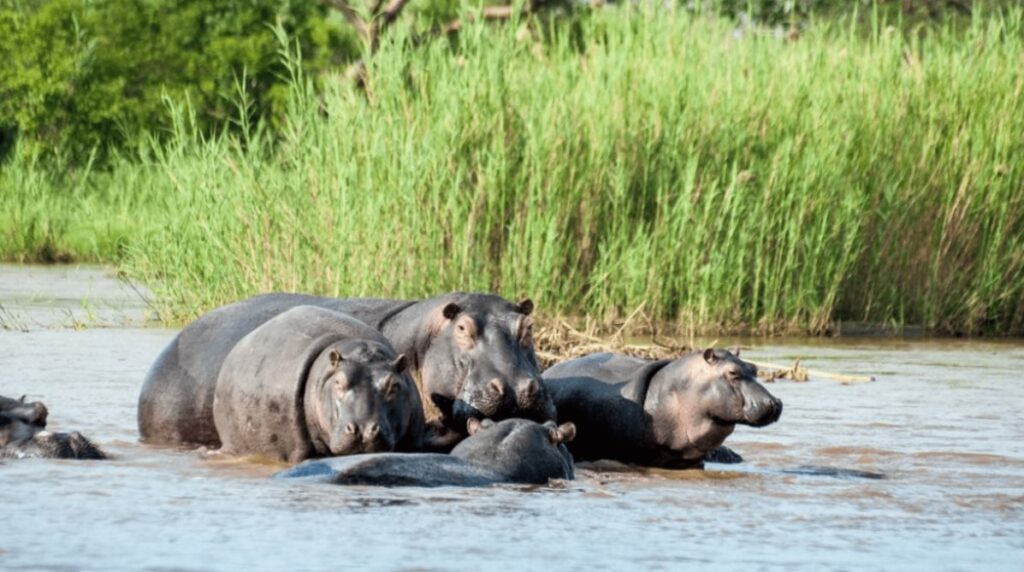
Few national parks in Africa sit this close to a capital city. You can leave your Bujumbura hotel after breakfast, be watching hippos from a boat within the hour and be back in town for lunch on the lakeshore. This guide covers everything you need to plan your visit: how to get to Rusizi National Park, its main attractions, the best things to do, what a game drive here is really like, where to stay and what you can expect to pay in entrance and activity fees.
Rusizi National Park at a Glance
| Fact | Details |
| Official name | Parc National de la Rusizi (also called Rusizi Nature Reserve) |
| Country | Burundi, on the western border with the Democratic Republic of Congo |
| Distance from Bujumbura | Roughly 10 to 15 km from the city centre; about 20 to 30 minutes by road |
| Size | Approximately 90 km² |
| Established | 1980 |
| International status | Ramsar Wetland of International Importance (designated 2002) |
| Managed by | Office Burundais pour la Protection de l’Environnement (OBPE) |
| Main sectors | The Delta sector (river mouth at Lake Tanganyika) and the Palm Grove sector (Palmeraie), separated by the Bujumbura–Uvira road (RN4) |
| Headline wildlife | Hippos, Nile crocodiles, sitatunga, bushbuck, vervet monkeys and 200+ bird species |
| Best activities | Boat safari, guided nature walks, birdwatching, photography, short game drives |
| Best time to visit | Dry seasons: June to September and December to January |
| Accommodation | No lodges inside the park; stay in Bujumbura |
About Rusizi National Park
Rusizi National Park was created in 1980 to protect the wetland ecosystem of the lower Rusizi River, the waterway that drains Lake Kivu southwards and forms the border between Burundi and the Democratic Republic of Congo before emptying into the northern tip of Lake Tanganyika. The park was originally gazetted largely to protect the hippo population that thrives in the delta, and in 2002 it was listed as a Ramsar site in recognition of its importance for waterbirds and wetland biodiversity.
Although it covers only around 90 square kilometres, the park packs a surprising variety of habitats into a small area: open water, papyrus and reed swamps, seasonal floodplains, sandy lake beaches, acacia thickets and a distinctive stand of palm savannah. The Bujumbura–Uvira highway (RN4, also known locally as the Route de Gatumba or Chaussée d’Uvira) cuts through the park and splits it into two main sectors.
The Two Sectors of the Park
The Delta sector. This is the classic Rusizi experience, where the river fans out into channels and lagoons before meeting Lake Tanganyika. It holds the largest concentrations of hippos and crocodiles and the richest waterbird life. Most boat trips operate here, and the contrast where the silty river water meets the clear lake is one of the park’s signature sights.
The Palm Grove sector (Palmeraie). Upriver and inland, this drier sector is characterised by palm savannah, grassland and thicket. It is better suited to walking and short drives along park tracks, and it is where you have the best chance of seeing sitatunga, bushbuck, monkeys and woodland birds.
| Good to Know: Rising Lake Levels
Lake Tanganyika rose sharply in recent years, flooding low-lying parts of the Rusizi plain and nearby Gatumba. At times sections of the park, trails and access points have been under water or temporarily closed. Always confirm with OBPE, your tour operator or your hotel which areas are open before you set off. |
How to Get to Rusizi National Park
Getting to Rusizi is refreshingly simple once you are in Bujumbura. The real planning is in getting to Bujumbura itself, whether you fly in or drive across a regional border.
Step 1: Getting to Bujumbura
By Air
Most international visitors arrive at Melchior Ndadaye International Airport (BJM) in Bujumbura, a short drive from the city centre. The airport is served by regional and international carriers, with Ethiopian Airlines, Kenya Airways and Brussels Airlines among the most commonly used connections via Addis Ababa, Nairobi and Brussels. Schedules change often in this region, so check current routes and frequencies when you book.
From the airport, the park is conveniently located on the western side of the city, so you can even visit on the day you arrive or leave if your flight times allow.
By Road (Overland and Self-Drive)
For travellers on a multi-country self-drive or overland safari, Bujumbura can be reached by road from neighbouring countries. Distances and times below are approximate and depend heavily on road works, border queues and weather.
| Starting Point | Main Route / Border | Approx. Distance | Approx. Drive Time |
| Kigali, Rwanda | Via Huye to the Akanyaru/Kanyaru border | 290 km | 6 to 7 hours |
| Kigoma, Tanzania | Via the Manyovu–Mugina border | 230 km | 5 to 6 hours |
| Northwest Tanzania | Via the Kabanga–Kobero border | Varies by origin | Full-day drive |
| Kampala, Uganda | Via Rwanda (Katuna/Gatuna) or via Tanzania (Mutukula, then Kabanga) | 800 km+ via Rwanda; considerably longer via Tanzania | 2 days recommended |
| Border Status Check
Rwanda–Burundi: Burundi closed its land border with Rwanda in January 2024. Confirm whether it has reopened before planning an overland route through Rwanda; if it is still closed, route via Tanzania or fly. DRC–Burundi (Gatumba): The Gatumba crossing to Uvira sits right next to the park, but eastern DRC has experienced serious insecurity. Do not plan to enter or leave via DRC without current, reliable security advice. Cross-border rentals: Self-drivers need the vehicle logbook, a rental authorisation letter, COMESA Yellow Card insurance and the correct temporary import paperwork. A Yellow Fever vaccination certificate is required to enter Burundi. |
Step 2: Bujumbura to Rusizi National Park
The park lies roughly 10 to 15 kilometres northwest of central Bujumbura along the RN4 towards Gatumba and the DRC border. The drive normally takes 20 to 30 minutes, depending on city traffic.
- Private vehicle or rental car: The most flexible option. Head west out of the city on the RN4; the park entrance and boat launch points are signposted along the road, though signs can be faded, so a local guide or driver who knows the turn-offs helps.
- Tour operator transfer: The easiest way to visit. Most Bujumbura operators offer half-day Rusizi trips that include transport, park entry, a guide and the boat.
- Taxi: Taxis can be hired in the city; agree a return price and waiting time in advance.
- Public minibus: Minibuses towards Gatumba pass the park and are very cheap, but they are crowded and you will still need to arrange a guide and boat on arrival. Not recommended for first-time visitors.
Attractions in Rusizi National Park
Rusizi is not a Big Five destination. Its appeal lies in intimate, close-range encounters with wetland wildlife, excellent birding and dramatic scenery where a great river meets one of the world’s oldest and deepest lakes.
1. The Rusizi River and Delta
The river itself is the park’s centrepiece. Meandering through reed beds and floodplains, it creates a maze of channels, sandbanks and lagoons that shelter most of the park’s wildlife. At the delta, the silt-laden river water meets the clear blue of Lake Tanganyika in a visible colour line that visitors consistently rank as a highlight of the boat trip.
2. Hippos
Rusizi holds one of the largest concentrations of hippopotamuses in Burundi. Pods (or “bloats”) gather in the shallows and sandbanks of the delta, and a boat trip almost always brings sightings at close quarters. Hippos are most visible in the morning and on calm days; in the breezy afternoons they tend to stay submerged with only their eyes and nostrils showing.
3. Nile Crocodiles and the Legend of Gustave
Nile crocodiles bask on the banks and sandbars of the river, and the park is linked to one of Africa’s most famous animal legends: Gustave, a giant male Nile crocodile believed to have lived along the Rusizi and the northern shores of Lake Tanganyika. Gustave became the subject of documentaries and local folklore, with estimates suggesting he was over six metres long. His current status is unknown and you are very unlikely to see him, but his story is part of every guide’s commentary.
4. Sitatunga and Other Mammals
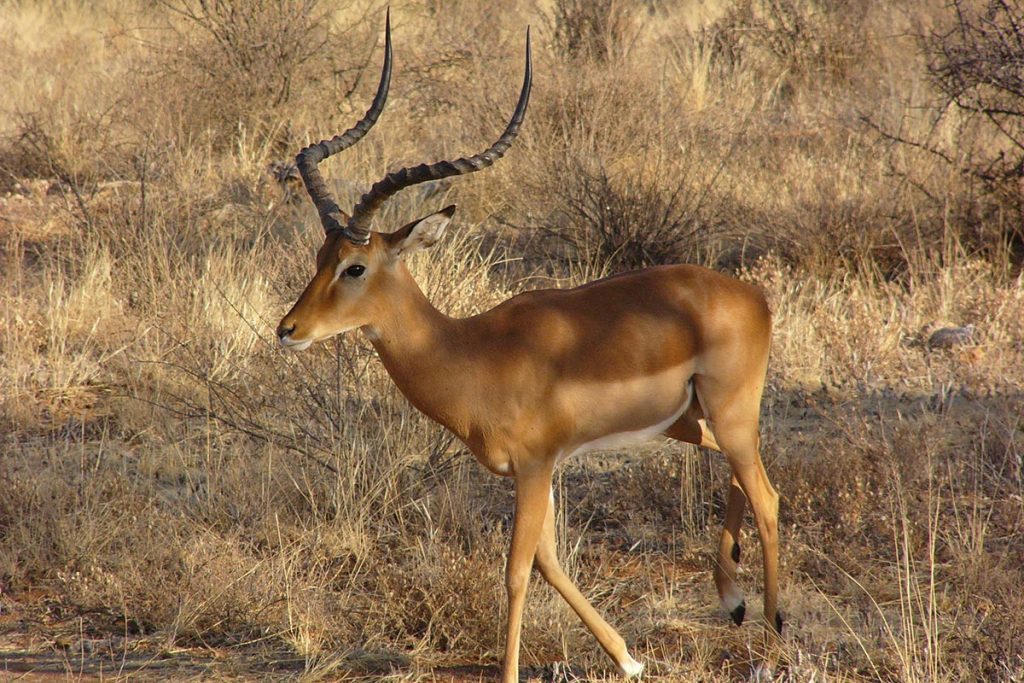
The sitatunga, a semi-aquatic antelope with long splayed hooves adapted for swampy ground, is Rusizi’s special mammal. It is shy and best looked for in the reed beds and palm grove sector early in the morning. Other mammals include bushbuck, vervet monkeys, warthogs, cane rats and a variety of small mammals adapted to wetland life.
5. Birdlife (200+ Species)
For many visitors, birds are the real reason to come. More than 200 species have been recorded in the park, including resident waterbirds and Palearctic migrants that arrive during the northern winter. Look out for:
| Group | Species to Look For |
| Raptors | African fish eagle, osprey (seasonal), harriers over the floodplain |
| Large waterbirds | Pelicans, cormorants, darters, grey and goliath herons, great egret |
| Storks and allies | Open-billed storks, yellow-billed storks, spoonbills, ibises |
| Shorebirds and terns | African skimmer, terns, plovers, sandpipers and other waders |
| Kingfishers | Pied, malachite and giant kingfishers |
| Woodland and reed birds | Weavers, bee-eaters, sunbirds, warblers and babblers |
6. The Palm Grove Savannah
The Palmeraie sector offers a completely different landscape from the delta: tall palms rising from grassland and thicket, with views across the valley to the mountains of eastern DRC. It is the best part of the park for walking and short drives, and it is especially photogenic in the soft light of early morning and late afternoon.
7. Lake Tanganyika Shoreline and Views
The park borders the northern tip of Lake Tanganyika, the longest freshwater lake in the world and the second deepest. On clear days the views stretch across the water to the Congolese highlands, and sunsets over the lake from the delta are memorable.
Things to Do in Rusizi National Park
1. Boat Safari on the Rusizi River
The boat trip is the park’s signature activity and the best way to see hippos and crocodiles safely at close range. Trips typically last 40 minutes to an hour and a half, cruising the river channels and out towards the lake mouth. A pilot, a park guide and sometimes a ranger accompany each boat.
- Go early in the morning for calmer water, more active wildlife and better light.
- Boats are usually priced per boat, not per person, so trips are far better value in a group of three to six.
- Agree the price, duration and route clearly before departure.
2. Guided Nature Walks
Walking trails in the Palm Grove sector and along the riverbanks let you explore reed beds, grassland and palm savannah on foot with a park guide (and, where required, an armed ranger). Walks are leisurely and ideal for spotting sitatunga, monkeys, warthogs and small birds. Some areas have been off-limits to walkers at times for security or flooding reasons, so check on the day.
3. Birdwatching
Combine a boat trip with a walk for the widest range of species. The delta is best for waterbirds and waders, while the palm grove produces woodland species. November to April brings migrant birds from Europe and Asia, boosting both numbers and variety.
4. Game Drives
Short drives along park tracks, mainly in the Palm Grove sector, are possible. See the dedicated section below for what to realistically expect.
5. Photography
Hippos at eye level from the boat, crocodiles on sandbanks, fish eagles in flight and the river-meets-lake colour line all make superb images. A 100–400mm lens (or equivalent zoom) is ideal. Do not photograph military, police or government installations along the RN4 or near the border.
6. Sport Fishing
Fishing may be permitted on parts of the river with a licence arranged in advance through the park authority or your tour operator. Never fish from the banks without a guide: crocodiles and hippos make the water’s edge genuinely dangerous.
7. Sunset on Lake Tanganyika
Finish your day at one of the beach clubs along the lakeshore road between the park and Bujumbura, where you can relax with a drink as the sun sets over the Congolese mountains.
8. Combine with Bujumbura and Beyond
Because Rusizi is so close to the city, it pairs easily with a Bujumbura city tour, the lakeshore beaches, the Livingstone–Stanley Monument at Mugere south of the city, and longer excursions to Kibira National Park, Karera Falls or the Gishora Drum Sanctuary near Gitega.
Game Drive in Rusizi National Park
If you are used to the long game drives of the Maasai Mara, Serengeti or Queen Elizabeth National Park, it is important to set realistic expectations. Rusizi is a small wetland park, and a game drive here is short, gentle and focused on specific habitats rather than large herds and predators.
What a Rusizi Game Drive Looks Like
- Where: Mainly along the tracks of the Palm Grove sector and the approaches to the river, where the ground is firm enough for vehicles.
- Duration: Typically one to two hours, often combined with a walk and a boat trip in a half-day outing.
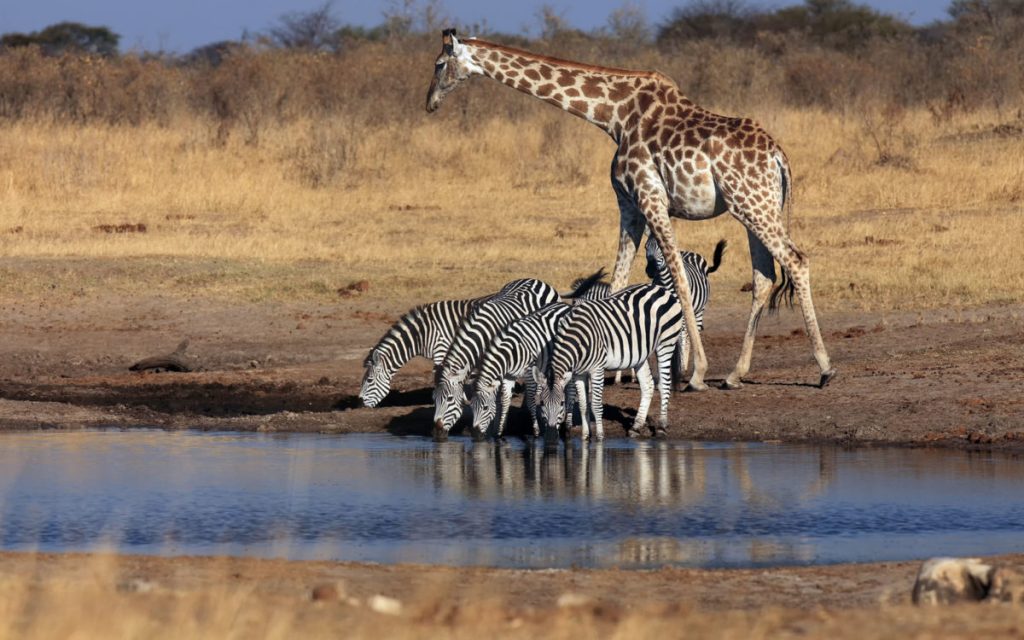
- Wildlife: Sitatunga, bushbuck, warthogs, vervet monkeys, abundant birdlife and hippos at the river edge. There are no big cats, elephants or giraffes.
- Guide: A park guide is required and usually rides in your vehicle to direct you along the correct tracks.
Game Drive Tips
- Go at dawn or late afternoon, when animals are most active and the light is best.
- A 4×4 is strongly recommended, especially in the rainy season when tracks become muddy or waterlogged.
- Stay in your vehicle unless your guide says it is safe to get out, and never approach hippos on land.
- Pair the drive with the boat safari: the boat is where Rusizi really shines.
Sample Half-Day Rusizi Safari
| Time | Activity |
| 6:30 am | Depart your Bujumbura hotel with packed breakfast |
| 7:00 am | Arrive at the park, pay entry fees and meet your park guide |
| 7:15 am | Game drive and short guided walk in the Palm Grove sector |
| 9:00 am | Transfer to the delta launch point |
| 9:15 am | Boat safari to the river mouth: hippos, crocodiles and waterbirds |
| 10:30 am | Return to shore; optional birding along the shoreline |
| 11:30 am | Lunch at a lakeshore restaurant or back to Bujumbura |
Best Time to Visit Rusizi National Park
Rusizi can be visited year-round, but conditions vary noticeably with Burundi’s two dry and two wet seasons.
| Period | Season | What to Expect |
| June – September | Long dry season | Best overall. Firm tracks, calm mornings, wildlife concentrated near water. |
| December – January | Short dry season | Good conditions, green scenery, migrant birds present. |
| October – November | Short rains | Showers mostly in the afternoon; migrants arriving; some muddy tracks. |
| February – May | Long rains | Heaviest rain and highest flood risk; some areas may close. Rewarding for birders. |
Where to Stay When Visiting Rusizi National Park
There are no lodges or campsites inside Rusizi National Park, so visitors base themselves in Bujumbura, which is close enough for an easy day or half-day trip. Hotels along the lakeshore are the most convenient, as they sit on the same side of the city as the park.
Upmarket
- Hotel Club du Lac Tanganyika: A long-established lakeside hotel with a pool, beach frontage and gardens, popular with business travellers and safari groups.
- Roca Golf Hotel: A well-known upmarket option in Bujumbura with modern rooms and conference facilities.
Mid-Range
- Hôtel Source du Nil: A central, established hotel with a pool, convenient for city sightseeing.
- Safari Gate Hotel: A lakeshore hotel with a beach setting, close to the road towards the park.
- Botanika Hotel: A small boutique hotel with garden rooms and a relaxed atmosphere.
Budget
- Guesthouses and small hotels in central Bujumbura offer simple, affordable rooms. Book those with recent positive reviews and secure parking if you are self-driving.
| Booking Tip
Hotel standards, names and ownership change over time in Bujumbura. Check recent reviews, confirm airport transfers and ask the hotel whether it can arrange your Rusizi boat trip, which often works out cheaper and easier than arranging it on the spot. |
Rusizi National Park Entrance Fees
Park fees are set by the Office Burundais pour la Protection de l’Environnement (OBPE) and are generally low by East African standards. However, official published tariffs are hard to find online and prices change, so treat the figures below as a planning guide and confirm current rates before you travel.
| Item | Indicative Cost | Notes |
| Park entry (foreign visitors) | Around 20,000 BIF per person | Visitor-reported rate; residents and nationals pay less |
| Park guide | Small fee or tip; often included in entry | A guide is required for walks and drives |
| Boat safari (per boat) | Roughly US$50 – US$100 | Priced per boat for up to about six people; negotiate and agree in advance |
| Vehicle entry | Small additional fee may apply | Confirm at the gate |
| Sport fishing licence | On request | Arrange in advance through OBPE or your operator |
| Guided half-day tour from Bujumbura | Varies by operator and group size | Usually includes transport, entry, guide and boat |
| Payment Tips
Carry cash. Card payments are rarely accepted at the park. Bring Burundian francs (BIF) for entry fees and clean, recent US dollar notes for boat hire. Change money in Bujumbura. ATMs that accept foreign cards are limited, so arrange cash before leaving the city. Ask for a receipt. Pay official fees at the gate and ask for a receipt for everything you pay. |
Practical Tips for Visiting Rusizi National Park
- Visa and documents: Check Burundi’s current visa options before travel and carry your passport and Yellow Fever vaccination certificate, which is required for entry.
- Safety: Check your government’s latest travel advice for Burundi and the DRC border area. Visit with a reputable guide or operator, and follow park staff instructions on which areas are open.
- Wildlife safety: Never swim in the river or delta, keep well back from the water’s edge and give hippos a wide berth.
- Health: Rusizi is a low-lying, humid wetland. Take malaria prophylaxis, wear long sleeves at dawn and dusk and use insect repellent.
- What to bring: Binoculars, a zoom lens, sun hat, sunscreen, water, light rain jacket and closed walking shoes.
- Language: Kirundi and French are widely spoken; English is increasingly common in tourism, but a few French phrases go a long way.
- Photography: Avoid photographing security installations, officials or border posts.
Frequently Asked Questions
Where is Rusizi National Park?
Rusizi National Park is in western Burundi, about 10 to 15 km northwest of Bujumbura, where the Rusizi River flows into Lake Tanganyika along the border with the Democratic Republic of Congo.
Is Rusizi National Park the same as Rusizi District in Rwanda?
No. Rusizi District (around Kamembe and Cyangugu) is in southwestern Rwanda on the southern end of Lake Kivu. Rusizi National Park is in Burundi near Bujumbura. Both take their name from the Rusizi River, which flows between the two lakes.
How long do I need at Rusizi National Park?
A half day is enough for most visitors, covering a boat safari, a short walk or drive and some birding. Keen birders and photographers may want a full day or two separate visits.
Can I see the Big Five in Rusizi?
No. Rusizi is a wetland park known for hippos, crocodiles, sitatunga and birdlife rather than large predators or elephants.
Is it safe to visit Rusizi National Park?
Many visitors enjoy the park without problems, but the area lies next to the DRC border and some sectors have been closed at times for security reasons or flooding. Visit with a reputable guide, check current travel advisories and confirm which areas are open before going.
Can I self-drive to Rusizi National Park?
Yes. The park is on the main RN4 road west of Bujumbura. A 4×4 is recommended for driving inside the park, and you will still need a park guide for activities.
Will I see Gustave the crocodile?
Almost certainly not. Gustave’s current whereabouts and status are unknown, but you will very likely see other Nile crocodiles on the river.
Plan Your Rusizi National Park Safari
Rusizi National Park proves that a rewarding safari does not have to mean long drives into remote wilderness. Within half an hour of Bujumbura you can drift past pods of hippos, watch crocodiles basking on sandbanks, spot a sitatunga in the reeds and see the Rusizi River pour into Lake Tanganyika. Add it to a Burundi itinerary with Kibira National Park, Karera Falls and the lakeshore, or combine it with a wider East Africa self-drive or guided safari.
| Ready to Explore Burundi?
Contact Marriott Safaris Africa to arrange a Rusizi National Park day trip, a full Burundi safari or a 4×4 rental for your East Africa road trip. We handle transfers, park fees, guides and boat bookings so you can simply enjoy the journey. |