Kibira National Park, Burundi
Kibira National Park, Draped across the misty crest of the Congo-Nile Divide in north-western Burundi, Kibira National Park is the country’s largest rainforest and one of the least-visited primate destinations in East and Central Africa. Once the sacred hunting ground of Burundi’s kings, the park protects roughly 400 km² (40,000 hectares) of montane forest, bamboo stands and bogs that flow seamlessly across the border into Rwanda’s famous Nyungwe Forest National Park.
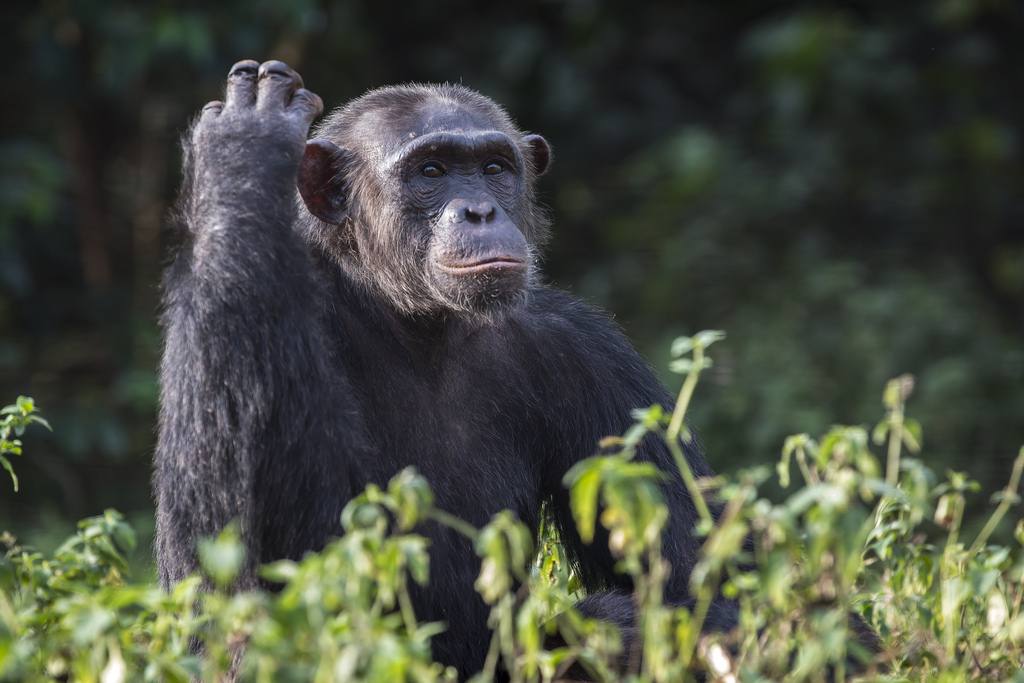
For travellers who want forest trails without crowds, Kibira delivers chimpanzees, black-and-white colobus, L’Hoest’s monkeys, more than 200 bird species including Albertine Rift endemics, emerald-green tea estates at Teza and Rwegura, cascading streams and genuine cultural encounters. This guide covers everything you need to plan a visit: how to get to Kibira National Park, its key attractions, the best things to do, what a “game drive” really looks like here, where to stay, and current entrance fees.
Kibira National Park at a Glance
| Feature | Details |
| Country / Region | North-western Burundi, bordering Rwanda |
| Size | Approx. 400 km² (40,000 hectares) |
| Altitude | Approx. 1,550 m – 2,660 m above sea level |
| Established | Gazetted as a national park in 1980 |
| Habitat | Montane rainforest, bamboo stands, montane bogs, streams |
| Key wildlife | Eastern chimpanzee, L’Hoest’s monkey, black-and-white colobus, blue & red-tailed monkeys, olive baboons, bushbuck, duikers |
| Birdlife | 200+ species, including Albertine Rift endemics |
| Main access sectors | Teza (south, near Bugarama) and Rwegura (north, Kayanza area) |
| Managed by | Office Burundais pour la Protection de l’Environnement (OBPE) |
| Nearest city | Bujumbura – roughly 1–2.5 hours by road depending on the sector |
| Transboundary link | Contiguous with Nyungwe Forest National Park, Rwanda |
Overview and History of Kibira National Park
Kibira sits atop the Congo-Nile Ridge, the mountain spine that splits Africa’s two great river basins. Rain falling on one side of the ridge drains west toward the Congo River, while water on the other side eventually feeds the Nile. Because it receives some of the highest rainfall in Burundi, the forest acts as a giant sponge that supplies streams, rivers, hydroelectric schemes and farmland across much of the country.
Long before it became a protected area, Kibira was revered. Until 1933 the forest served as a royal hunting reserve for the Burundian kings, and local communities regarded it as a place of spiritual power. That sacred status helped preserve the woodland through the colonial era. Between 1933 and 1980 it was managed as the Congo-Nile Ridge Forest Reserve, first under Belgian administration and later under independent Burundi, before being upgraded to full national park status in 1980.
Today the park spans parts of four provinces and is bordered by two large tea estates, Teza in the south and Rwegura in the north. Together with Nyungwe in Rwanda it forms one of the largest blocks of montane forest in the Albertine Rift, a global biodiversity hotspot known for exceptional levels of endemism.
How to Get to Kibira National Park
Most visitors reach Kibira by road from Bujumbura, Burundi’s largest city and main entry point, or overland from Rwanda. There is no airstrip in or near the park, so every itinerary ends with a scenic drive through the highlands.
By Air: Flying into Bujumbura
International travellers fly into Melchior Ndadaye International Airport in Bujumbura (formerly Bujumbura International Airport). Regional connections run from hubs such as Nairobi, Entebbe, Kigali, Addis Ababa and Dar es Salaam. From the airport, your driver-guide or rental vehicle takes you north-east along the RN1 highway toward the park.
By Road from Bujumbura
The RN1 climbs steeply out of the Lake Tanganyika basin into the cool highlands. The southern Teza sector is reached via Bugarama, roughly 1 to 1.5 hours from Bujumbura, while the northern Rwegura sector in Kayanza Province takes around 2 to 2.5 hours. Road surfaces on the main highway are tarmac, but the final stretches to trailheads and tea estates are murram and can be slippery after rain.
Overland from Kigali, Rwanda
Many travellers combine Kibira with Rwanda. From Kigali, drive south through Huye (Butare) to the Akanyaru / Kanyaru-Haut border crossing, then continue to Kayanza and on to Rwegura. The journey typically takes 4 to 5 hours plus border time. This route pairs beautifully with chimpanzee tracking in Nyungwe, giving you both halves of the same forest ecosystem on one trip.
From Gitega
Burundi’s political capital, Gitega, lies east of the park. The drive via Muramvya to the Teza side takes roughly 2 hours depending on conditions.
| Starting Point | Destination Sector | Approx. Drive Time | Notes |
| Bujumbura | Teza (via Bugarama) | 1 – 1.5 hrs | Steep, winding tarmac climb on RN1 |
| Bujumbura | Rwegura (Kayanza) | 2 – 2.5 hrs | Final section on murram through tea estates |
| Kigali, Rwanda | Rwegura (via Akanyaru border) | 4 – 5 hrs + border | Carry cross-border vehicle documents |
| Gitega | Teza (via Muramvya) | Approx. 2 hrs | Scenic highland route |
| Self-Drive Tip
A 4×4 vehicle such as a Toyota Land Cruiser Prado or RAV4 is strongly recommended, especially between March–May and October–December when access tracks turn muddy. If you are driving a Ugandan or Rwandan-registered rental into Burundi, make sure you carry the vehicle logbook, rental authorisation letter, COMESA Yellow Card insurance and a Temporary Import Permit. Fuel up in Bujumbura or Kayanza; there are no fuel stations inside the park. |
Attractions in Kibira National Park
1. Primates, Including Wild Chimpanzees
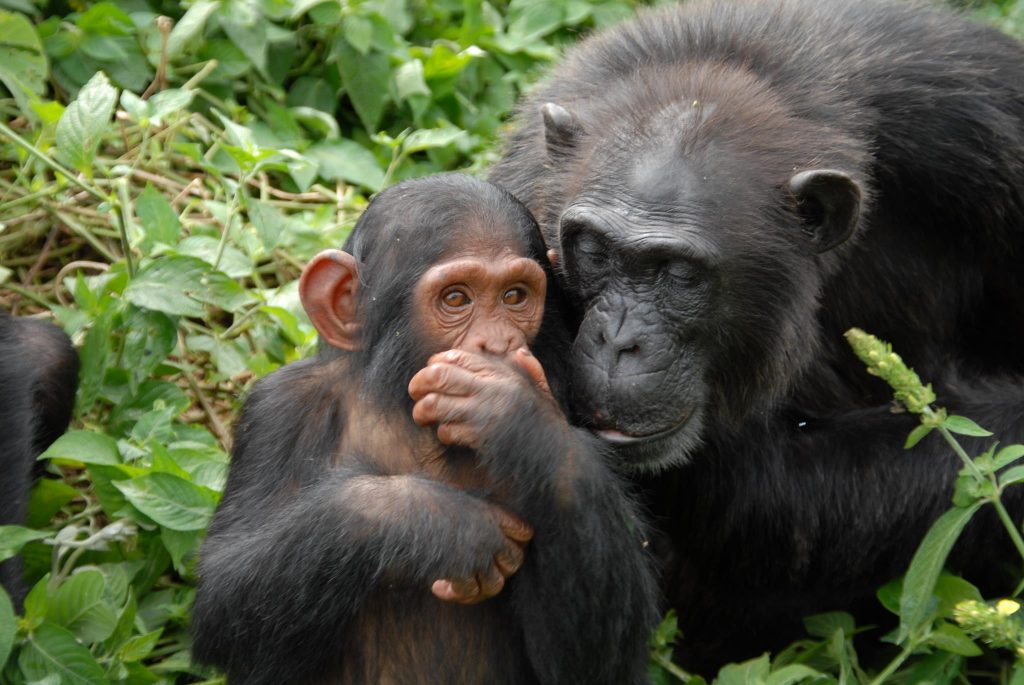
Kibira is home to around a dozen primate species. The headline act is the endangered eastern chimpanzee, living in unhabituated communities that roam widely through the forest. Sightings are never guaranteed, which makes an encounter all the more rewarding. You are more likely to see black-and-white colobus leaping through the canopy, L’Hoest’s monkeys on the forest floor, plus blue monkeys, red-tailed monkeys, grey-cheeked mangabeys and troops of olive baboons near forest edges.
2. Other Mammals
Around 98 mammal species have been recorded, including bushbuck, several duiker species, bushpigs, civets, genets, mongooses, squirrels and a variety of bats. Most are shy and nocturnal, so look for tracks and listen for movement in the undergrowth.
3. Over 200 Bird Species
Kibira is widely considered Burundi’s best birding destination. Highlights include the great blue turaco, bar-tailed trogon, black-and-white-casqued hornbill, mountain buzzard, white-spotted flufftail, grey parrot, and a range of Albertine Rift endemics such as sunbirds, apalises and flycatchers shared with Nyungwe.
4. Teza and Rwegura Tea Plantations
Entering the park, you pass through the vast, manicured tea estates of Teza and Rwegura. The bright green rows contrast dramatically with the dark wall of forest behind them and offer superb photography, especially in early morning mist. Where arranged in advance, visitors can learn how tea is plucked and processed.
5. Rwegura Hydroelectric Dam and Reservoir
In the northern sector, the Rwegura dam holds back a tranquil reservoir framed by forested hills. It is a popular picnic stop and a peaceful spot to scan for birds along the water’s edge.
6. Waterfalls, Streams and Montane Bogs
Countless clear streams tumble down the ridge, forming small waterfalls and pools along the trails. Higher areas feature montane bogs and bamboo stands that add variety to hikes and support specialised plants and birds.
7. Ancient Trees and Rich Flora
More than 600 plant species grow in Kibira. Dominant trees include Symphonia globulifera, Newtonia buchananii, Albizia gummifera and the towering Entandrophragma excelsum, alongside tree ferns, orchids and medicinal plants that guides love to explain.
8. Batwa Community at Busekera
Near the park edge, the Batwa community at Busekera offers a window into the traditional forest-based way of life of one of the region’s indigenous peoples, including pottery, songs and dance. Visits are best arranged through your guide so that they are respectful and benefit the community directly.
Things to Do in Kibira National Park
Chimpanzee Tracking
Setting out early with a park ranger, you follow fresh signs such as feeding remains, calls and nests to locate a chimp community. Because the chimps are not habituated like those in Nyungwe or Kibale, treks can be long and sightings brief, but the sense of genuine wilderness is unmatched. Allow 3 to 6 hours and wear sturdy waterproof boots.
Guided Forest Walks and Hiking
Ranger-led nature walks range from gentle 1 to 2-hour loops near Teza to full-day hikes that climb ridges and cross streams. Longer routes of 20 km or more are possible for fit hikers. Trails are unmarked, muddy in places and steep, so a guide is mandatory.
Primate Viewing
Even without chimps, you can spend rewarding hours watching colobus, L’Hoest’s and blue monkeys feeding and grooming along forest edges near the tea estates, where visibility is better.
Birdwatching
Early mornings along the forest edge and the Rwegura reservoir are best for birding. Bring binoculars and a field guide covering the Albertine Rift; a specialist bird guide can be arranged through your tour operator.
Tea Estate Tours
Walk through the Teza or Rwegura plantations, photograph pickers at work, and learn about one of Burundi’s most important export crops.
Picnics at Rwegura Dam
Pack a lunch and enjoy it beside the reservoir with forest views, an ideal break after a morning hike.
Cultural Encounters
Visit the Batwa community at Busekera, or combine Kibira with a trip to the Gishora Drum Sanctuary near Gitega to experience Burundi’s famous royal drumming tradition.
Photography
Mist-wrapped ridges, sunlit tea terraces, waterfalls and primates make Kibira a quietly spectacular photography destination with almost no other visitors in the frame.

Game Drives in Kibira National Park: What to Expect
It is important to set honest expectations. Kibira is a dense montane rainforest, not an open savannah, and it does not have a network of game-drive circuits like Queen Elizabeth, Serengeti or Akagera. There are no big herds or big cats to track by vehicle, and most wildlife viewing happens on foot.
What you can enjoy is a scenic forest and tea-estate drive. The roads leading to Teza and Rwegura skirt the forest edge, and slow drives along these tracks, especially early in the morning or late afternoon, often produce sightings of baboons, colobus and L’Hoest’s monkeys crossing or feeding near the road, plus plenty of forest-edge birds. Combined with stops at viewpoints, the tea estates and Rwegura dam, a half-day drive is an excellent way to see the park’s landscapes.
| Want a Classic Game Drive in Burundi?
Head east to Ruvubu National Park, Burundi’s largest park, where savannah and riverine woodland support buffalo, hippos, antelopes and crocodiles along the Ruvubu River. Pairing Kibira’s forest walks with Ruvubu’s game drives, or with Rusizi National Park near Bujumbura for hippos and sitatunga, gives you a well-rounded Burundi safari. |
Best Time to Visit Kibira National Park
Kibira can be visited year-round, but conditions vary considerably with the seasons.
| Season | Months | What to Expect |
| Long dry season | June – August/September | Firmest trails, easiest hiking and access roads; best overall time to visit |
| Short dry spell | December – January/February | Good hiking conditions with fewer showers; lush scenery |
| Short rains | October – November | Some rain, green forest, good birding; chimps often active with fruiting trees |
| Long rains | March – May | Heaviest rainfall, very muddy trails and tracks; 4×4 essential |
At altitude, temperatures are cool, often 12–20°C during the day and colder at night, so pack warm layers whatever the month.
Where to Stay in Kibira National Park
Tourism infrastructure around Kibira is modest, which is part of its charm. Accommodation ranges from simple lodges near the park to comfortable hotels in Bujumbura for those who prefer day trips.
Near the Park
- Kibira Park Lodge (Bugarama) – A convenient base on the RN1 about an hour from Bujumbura, close to the Teza sector. Offers comfortable rooms, a restaurant and easy access to guides.
- Tea estate guesthouses (Teza and Rwegura) – Simple guesthouses linked to the tea estates may accept visitors when arranged in advance. Availability varies, so book through your operator.
- Kayanza town guesthouses – Budget options for travellers exploring the northern Rwegura sector or arriving from Rwanda.
- Camping – Basic camping may be permitted at designated ranger posts with prior OBPE approval. Bring fully self-sufficient gear; a rooftop or ground tent setup works well for self-drivers.
In Bujumbura (Day-Trip Base)
- Hotel Club du Lac Tanganyika – Upmarket lakeside hotel with pool and gardens.
- Roca Golf Hotel – Well-known mid-range to upmarket option in the city.
- Mid-range and budget hotels – A wide range of guesthouses around the city centre and along the lakeshore.
| Tier | Option | Best For |
| Upmarket | Lakeside hotels in Bujumbura | Comfort, day trips to Teza |
| Mid-range | Kibira Park Lodge, Bugarama | Early starts in the Teza sector |
| Budget | Kayanza guesthouses / tea estate lodging | Rwegura sector, overland from Rwanda |
| Camping | Ranger posts (with permission) | Self-drivers with own camping gear |
Kibira National Park Entrance Fees
Park fees are set and collected by the Office Burundais pour la Protection de l’Environnement (OBPE). Fees in Burundi are low by East African standards, but they are not widely published online and can change without notice. The figures below are indicative based on recent visitor reports.
| Fee Type | Foreign Non-Residents | Notes |
| Park entrance | Approx. USD 20 per person | Reported rate for foreign visitors; residents and Burundian citizens pay lower local rates in BIF |
| Ranger / guide fee | Payable separately | A guide is mandatory; fees are often agreed directly with the guide |
| Chimpanzee tracking | On request | Priced and arranged through OBPE or your tour operator |
| Vehicle entry | May apply | Confirm at the park office on arrival |
| Camping | On request | Requires prior approval from OBPE |
| Before You Pay
Always confirm current fees with OBPE or your tour operator before travel, as rates are subject to change. Carry cash in US dollars (clean, post-2013 notes) and Burundian francs, since card payments are rarely accepted at park offices. Keep your receipt for the duration of your visit. |
Practical Tips and Safety
- Check travel advisories – Review your government’s latest Burundi advisory before booking and travel with a reputable operator who monitors local conditions.
- Visa and health – Burundi requires a valid visa (e-visa or visa on arrival options exist) and a Yellow Fever vaccination certificate. Malaria prophylaxis is advised.
- Always hike with a ranger – Trails are unmarked and guides are mandatory for safety and navigation.
- Pack for rain and mud – Waterproof hiking boots, rain jacket, gaiters, long trousers and warm layers.
- Bring binoculars and a camera with a zoom lens for primates and birds in the canopy.
- Language – Kirundi and French are widely spoken; English is limited outside tourism businesses, so an English-speaking guide is valuable.
- Respect wildlife – Keep at least 7 metres from primates, never feed animals and avoid visiting if you are unwell.
Sample 2-Day Kibira National Park Itinerary
Day 1: Bujumbura to Teza Sector
Depart Bujumbura early and climb the RN1 into the highlands. Register at the Teza park office, then enjoy a guided forest walk in search of colobus, L’Hoest’s monkeys and forest birds. After lunch, tour the Teza tea plantation and return to Kibira Park Lodge in Bugarama for dinner.
Day 2: Chimpanzee Tracking and Rwegura
Set out at dawn with rangers to track chimpanzees. In the afternoon, drive north through the tea estates to Rwegura dam for a picnic and birding, then continue to Kayanza for Rwanda or return to Bujumbura.
| Extend Your Trip
Add Nyungwe Forest National Park in Rwanda for habituated chimps and the canopy walkway, Ruvubu National Park for game drives, or Lake Tanganyika beaches and Rusizi National Park near Bujumbura. |
Frequently Asked Questions
Where is Kibira National Park located?
In north-western Burundi on the Congo-Nile Divide, bordering Rwanda, where it joins Nyungwe Forest National Park.
How far is Kibira National Park from Bujumbura?
Roughly 1 to 1.5 hours to the Teza sector and 2 to 2.5 hours to the Rwegura sector by road.
Can I see chimpanzees in Kibira?
Yes, but the chimps are not habituated, so sightings are possible rather than guaranteed. For more reliable encounters, combine Kibira with Nyungwe in Rwanda.
Are there game drives in Kibira National Park?
Not in the classic savannah sense. You can enjoy scenic forest-edge and tea-estate drives with good chances of seeing monkeys and birds. For traditional game drives, visit Ruvubu National Park.
How much is the Kibira National Park entrance fee?
Foreign visitors have recently reported paying around USD 20 per person, with guide fees separate. Confirm current rates with OBPE before travelling.
Do I need a guide?
Yes. A park ranger or guide is mandatory for all forest activities.
Can I self-drive to Kibira?
Yes. A 4×4 is recommended, and cross-border rentals from Uganda or Rwanda need proper documentation including COMESA insurance.
What is the best time to visit?
The dry months of June to September and December to February offer the easiest hiking conditions.
Plan Your Kibira Adventure with Marriott Safaris Africa
Kibira National Park rewards travellers who seek authentic, uncrowded rainforest experiences: wild chimpanzees, rare monkeys, endemic birds and misty tea country far from the tourist trail. Whether you want a guided Burundi safari, a self-drive 4×4 with camping gear, or a cross-border itinerary linking Kibira with Nyungwe and beyond, Marriott Safaris Africa can arrange vehicles, permits, guides and accommodation so you can simply enjoy the journey.
| Ready to Explore Kibira?
Contact Marriott Safaris Africa today for a tailor-made Burundi itinerary. Perfection Anytime. |