5 Days Burundi Chimpanzee & Wildlife Safari
5 Days Burundi Chimpanzee & Wildlife Safari, Burundi is one of East Africa’s least-visited safari destinations, and that is exactly its appeal. Tucked between Rwanda, Tanzania and the Democratic Republic of Congo, this small, hilly country packs montane rainforest, Lake Tanganyika shoreline, river deltas and open savannah into a territory you can cross in a few hours. You will rarely share a trail or a viewpoint with another vehicle.
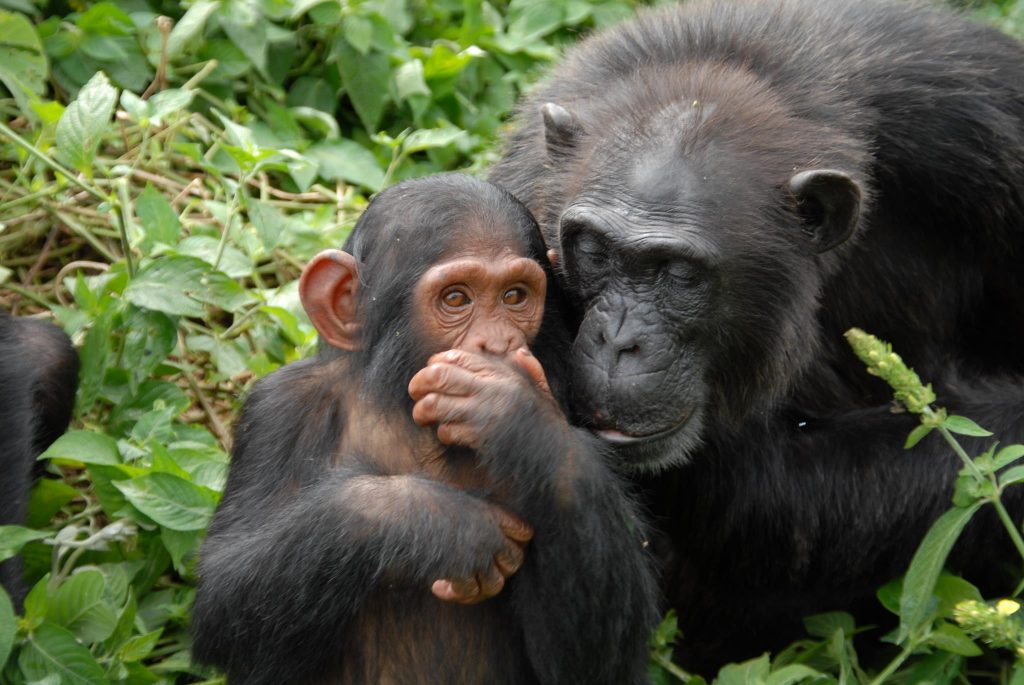
This 5 days Burundi chimpanzee and wildlife safari is designed for travellers who want primates, classic big-game water life and authentic culture in one compact loop. You track wild chimpanzees in Kibira National Park, watch hippos and Nile crocodiles in Rusizi National Park, walk the grassy river valleys of Ruvubu National Park (Burundi’s largest park), and experience the UNESCO-listed ritual drumming at the Gishora Drum Sanctuary near Gitega, all bookended by sunsets on Lake Tanganyika.
Who this safari suits
|
5 Days Burundi Chimpanzee & Wildlife Safari Itinerary
| Day | Route / Highlights | Activities | Overnight | Meals |
| 1 | Arrive Bujumbura | Airport pickup, city orientation, Lake Tanganyika sunset | Bujumbura | D |
| 2 | Bujumbura → Rusizi NP → Kibira NP | Morning hippo & croc safari, scenic drive to tea country | Teza / Kibira area | B, L, D |
| 3 | Kibira NP → Gitega | Chimpanzee tracking, forest & tea walk, drive to Gitega | Gitega | B, L, D |
| 4 | Gitega → Ruvubu NP → Gitega | Wildlife walk & drive in Ruvubu, Gishora royal drummers | Gitega | B, L, D |
| 5 | Gitega → Bujumbura | National Museum, highland drive, departure | — | B, L |
B = Breakfast, L = Lunch, D = Dinner. Itinerary runs as a private, chauffeur-guided safari in a 4×4 Land Cruiser or Prado.
Route, Distances and Driving Times
| Leg | Approx. Distance | Approx. Drive Time | Road Notes |
| Bujumbura airport → city hotel | 10–15 km | 20–30 min | Paved |
| Bujumbura → Rusizi NP (Delta sector) | 10–20 km | 20–40 min | Paved, short track to the river |
| Rusizi NP → Teza (Kibira NP) | 80–100 km | 2.5–3.5 hrs | Paved RN1 climb, then winding tea-estate roads |
| Kibira NP → Gitega | 90–110 km | 2.5–3 hrs | Mostly paved via Muramvya |
| Gitega → Ruvubu NP | 90–120 km | 2.5–3 hrs | Paved to Karuzi/Muyinga side, murram inside park |
| Gitega → Bujumbura | 100–110 km | 2–2.5 hrs | Paved RN2 with steep escarpment descent |
Distances and times are planning estimates. Rain, road works and checkpoints can add time, so your guide will a2djust start times on the day.
Detailed Day-by-Day Itinerary
Day 1: Arrival in Bujumbura – Lake Tanganyika Welcome
Your safari begins at Melchior Ndadaye International Airport in Bujumbura, Burundi’s largest city and economic hub, sitting on the northern tip of Lake Tanganyika with the Mitumba Mountains of the DRC rising across the water. Your Marriott Safaris Africa driver-guide meets you in arrivals with a name board, helps with currency exchange and a local SIM card, and transfers you to your lakeside hotel.
Afternoon
After check-in and lunch at leisure, set out on a relaxed orientation drive. Depending on your energy levels, options include:
- Central Bujumbura: the busy central market area, colonial-era architecture and the Independence Monument.
- Livingstone–Stanley Monument at Mugere (about 12 km south): the stone marking the spot where the two explorers are said to have camped in 1871 while surveying Lake Tanganyika.
- Saga Beach and the lakeshore: the classic Bujumbura sunset, with fishing boats heading out at dusk and the DRC mountains turning purple.
Evening
Welcome dinner with fresh mukeke (a Lake Tanganyika fish found nowhere else) and a pre-safari briefing covering the route, chimpanzee tracking rules and what to pack for the forest.
| Day 1 Snapshot
Overnight: Hotel Club du Lac Tanganyika (comfort), Roca Golf Hotel (mid-range) or a clean guesthouse in Rohero (budget) Meals: Dinner Driving: Under 1 hour |
Day 2: Rusizi National Park Safari – Drive to Kibira
Morning: Hippos, crocodiles and wetland birds
After an early breakfast, drive a short distance north-west of the city to Rusizi National Park, a protected wetland where the Rusizi River flows into Lake Tanganyika. Its proximity to the capital makes it one of the most accessible wildlife areas in East Africa.
Explore the Delta sector on foot and, water levels permitting, by small boat with a park ranger. Expect large pods of hippos surfacing in the channels, Nile crocodiles basking on sandbanks, and, with luck, the shy sitatunga antelope in the reeds. Rusizi is also excellent for birding: look for African fish eagles, pied and malachite kingfishers, goliath herons, open-billed storks, cormorants and, in season, Palearctic migrants. The Palmeraie sector further north protects stands of Hyphaene palms and drier savannah.

Afternoon: Into the highlands
Return briefly to Bujumbura for lunch, then climb the escarpment of the Congo–Nile Ridge. The air cools noticeably as you rise through banana groves and terraced hillsides into the Teza and Rwegura tea estates that border Kibira. Stop at viewpoints overlooking the Rift Valley and Lake Tanganyika before arriving at your lodging near the forest edge in the late afternoon.
| Day 2 Snapshot
Activities: Rusizi boat/walking safari (2–3 hrs), scenic highland drive Overnight: Teza tea estate guesthouse or simple lodge near the Kibira gate (facilities are basic; this is the closest base for an early chimp start) Meals: Breakfast, lunch, dinner Driving: About 3–4 hours in total |
Day 3: Chimpanzee Tracking in Kibira National Park – Transfer to Gitega
Early morning: Ranger briefing
Rise before dawn for a light breakfast and drive to the park post for a briefing by OBPE (Office Burundais pour la Protection de l’Environnement) rangers. Kibira National Park protects around 400 km² of montane rainforest along the Congo–Nile watershed and is Burundi’s largest remaining natural forest. It adjoins Rwanda’s Nyungwe forest, forming part of the wider Albertine Rift ecosystem.
The trek
Following trackers who head out earlier to locate the chimpanzees’ night nests, you hike along forest trails, through bamboo zones and across mossy ridges. Tracking typically takes 2 to 4 hours depending on where the community is feeding, and the terrain is steep and often muddy. Once the chimps are found, you spend up to one hour observing them feeding, grooming, calling and moving through the canopy.
Kibira chimpanzees are less habituated than those in Uganda’s Kibale Forest, so sightings can be shorter and partly in the treetops. The reward is a genuinely wild encounter with very few other visitors. Along the way, watch for L’Hoest’s monkeys, black-and-white colobus, blue monkeys, red-tailed monkeys and olive baboons, plus Albertine Rift endemic birds such as the Rwenzori turaco and red-collared mountain babbler.
Afternoon
After a picnic or late lunch, take an optional short walk through the Rwegura or Teza tea plantations to see pickers at work, then drive east via Muramvya to Gitega, Burundi’s political capital and historic royal heartland. Check in and relax.
Day 3 Snapshot
|
Day 4: Ruvubu National Park Wildlife Safari – Gishora Drum Sanctuary
Morning: Burundi’s largest wilderness
Depart early for Ruvubu National Park, which covers roughly 500 km² along the Ruvubu River in the north-east. This is Burundi’s classic savannah park: rolling grassland, gallery forest and papyrus swamps that feel far removed from the forested west.
With an OBPE ranger, explore by vehicle and on foot along the river. Ruvubu is home to African buffalo, hippos, Nile crocodiles, waterbuck, bushbuck, reedbuck, duikers, olive baboons and vervet monkeys, and leopards and servals are present though rarely seen. Birdlife is outstanding, with over 400 species recorded, including hamerkops, crowned cranes, African fish eagles and numerous kingfishers. Ruvubu is not a Big Five park; its appeal lies in walking safaris, solitude and pristine scenery.
Afternoon: The royal drummers of Gishora
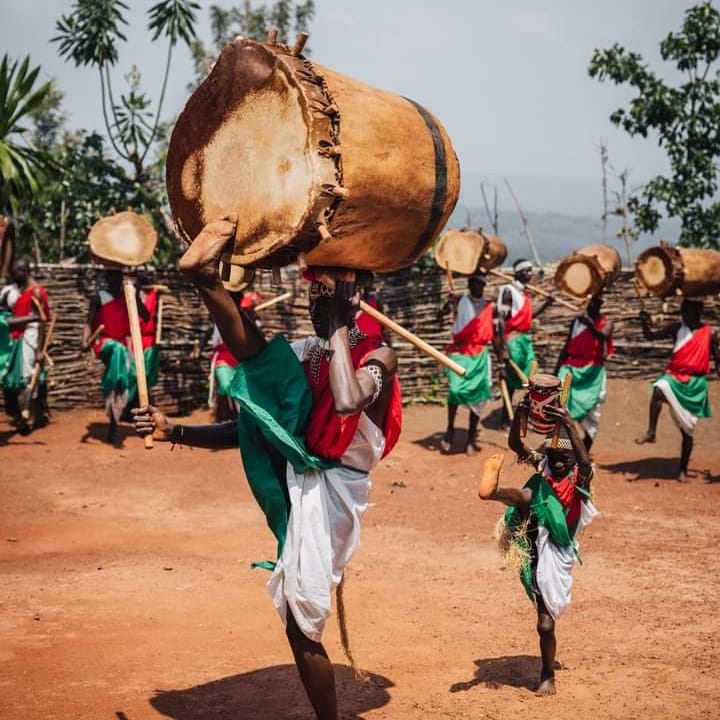
Enjoy a picnic lunch in the park, then drive back towards Gitega and stop at the Gishora Drum Sanctuary, founded on a former royal residence of King Mwezi Gisabo. Here the Abatimbo drummers perform the ritual dance of the royal drum, recognised by UNESCO as Intangible Cultural Heritage. The thunderous rhythms, leaps and songs are among the most memorable cultural experiences in Africa. Learn about the role of the sacred drums in Burundian kingship and try your hand at drumming.
Day 4 Snapshot
|
Day 5: Gitega Heritage – Return to Bujumbura and Departure
After a relaxed breakfast, visit the National Museum of Gitega, which displays royal regalia, traditional tools, weapons and ethnographic collections from Burundi’s monarchy era. Time permitting, browse local craft cooperatives selling woven baskets and pottery.
Begin the scenic drive back to Bujumbura via Muramvya, the old royal capital, descending the dramatic escarpment with sweeping views of Lake Tanganyika. Enjoy a farewell lunch by the lake before your transfer to Melchior Ndadaye International Airport for your onward flight, or continue to Rwanda or Tanzania on an extension.
Day 5 Snapshot
|
Wildlife You Can Expect to See
| Park | Key Wildlife | Habitat | Sighting Likelihood |
| Kibira NP | Chimpanzees, L’Hoest’s monkey, black-and-white colobus, blue monkey, red-tailed monkey, Albertine Rift birds | Montane rainforest, bamboo | Chimps: good but variable; monkeys: very good |
| Rusizi NP | Hippos, Nile crocodiles, sitatunga, fish eagles, kingfishers, herons, storks | River delta, reed beds, palm savannah | Hippos & crocs: excellent; sitatunga: occasional |
| Ruvubu NP | Buffalo, hippos, crocodiles, waterbuck, bushbuck, reedbuck, duikers, baboons, 400+ birds | Grassland, gallery forest, papyrus | Buffalo & antelopes: good; leopard: rare |
| Lake Tanganyika | Fish eagles, cormorants, endemic cichlid fish, mukeke | Lake shoreline | Excellent |
Chimpanzee Tracking Guidelines
These rules protect both you and the chimpanzees, which share about 98% of our DNA and are vulnerable to human illnesses.
- Minimum age for tracking is usually 15 years; confirm with OBPE at booking.
- Do not track if you have a cold, flu, diarrhoea or any infectious illness.
- Keep at least 8 metres from the chimpanzees at all times; wear a face mask if your ranger requests it.
- Maximum of one hour with the chimps once they are located.
- No flash photography, no eating or drinking near the chimps, and no littering.
- Speak quietly, stay with your group and follow ranger instructions immediately.
- Avoid staring directly at, or imitating, the chimpanzees; never block their path.
Permits and Park Fees (Planning Guide)
Burundi’s national parks are managed by OBPE, and official tariffs are not consistently published online. Use the figures below for budgeting only, and confirm current rates in writing with your operator before payment.
| Item | Indicative Cost (Foreign Non-Resident) | Notes |
| Chimpanzee tracking, Kibira NP | USD 200–300 per person | Official tariff unconfirmed; regional benchmark used |
| Rusizi NP entry + boat/ranger | USD 30–60 per person | Boat trips depend on water levels |
| Ruvubu NP entry + ranger | USD 30–60 per person | Vehicle fee may apply separately |
| Gishora Drum Sanctuary performance | USD 20–50 per person | Group performances may be priced per group |
| National Museum, Gitega | USD 5–10 per person | Payable on site |
| Important
Our Kibira permit figures are planning benchmarks drawn from regional chimpanzee tariffs because Burundi has not published a confirmed 2027 rate. Marriott Safaris Africa confirms the exact fee at the time of booking. |
Estimated Safari Cost (Per Person)
| Travel Style | 2 Travellers Sharing | Solo Traveller | Typical Accommodation |
| Budget | USD 1,400 – 1,900 | USD 2,100 – 2,700 | Guesthouses and simple hotels |
| Mid-range | USD 1,900 – 2,700 | USD 2,800 – 3,600 | Good hotels, best available near Kibira |
| Comfort | USD 2,700 – 3,600 | USD 3,800 – 4,800 | Top Bujumbura lakeside hotels, best-in-town Gitega |
Burundi has few high-end lodges outside Bujumbura, so “comfort” means the best available rather than luxury safari camps. Prices vary with season, group size and vehicle choice.
What’s Included
- Private 4×4 safari vehicle (Land Cruiser or Prado) with fuel
- Professional English- or French-speaking driver-guide
- Airport pickup and drop-off
- Accommodation for 4 nights as per itinerary
- Meals as listed (B = breakfast, L = lunch, D = dinner)
- Chimpanzee tracking permit and all park entry fees listed
- Rusizi boat excursion (water levels permitting) and Gishora drumming performance
- Bottled drinking water in the vehicle
What’s Not Included
- International flights and visa fees
- Travel and medical insurance (strongly recommended)
- Alcoholic drinks and personal purchases
- Tips for guides, rangers, trackers and drummers
- Optional activities not listed in the itinerary
Best Time for a Burundi Chimpanzee Safari
| Season | Months | Conditions | Verdict |
| Long dry season | June – September | Drier forest trails, clear views, cooler highland nights | Best for chimp tracking and game walks |
| Short dry season | December – January | Mostly dry with occasional showers, green scenery | Very good |
| Short rains | October – November | Afternoon showers, muddy trails in Kibira | Fair; fewer visitors |
| Long rains | February – May | Heavy rain, slippery trails, some roads difficult | Least ideal; good for birding |
Packing List
| Category | Essentials |
| Forest trekking | Waterproof hiking boots, long trousers, long-sleeved shirts in muted colours, gardening gloves for grabbing vegetation, gaiters, light rain jacket |
| Safari days | Neutral-coloured clothing, wide-brimmed hat, sunglasses, binoculars, camera with zoom lens and spare batteries |
| Highland evenings | Fleece or warm jacket for Kibira and Gitega, where nights are cool |
| Health | Insect repellent (DEET), sunscreen, antimalarials, personal medication, hand sanitiser, face masks for chimp viewing |
| Documents & money | Passport, visa, Yellow Fever certificate, insurance details, clean post-2013 US dollar notes |
Travel Information
Visa and Entry Requirements
Most visitors need a visa for Burundi, available as an e-visa or visa on arrival at Bujumbura airport depending on nationality. A valid Yellow Fever vaccination certificate is mandatory and checked on arrival. Your passport should be valid for at least six months with blank pages. Requirements change, so confirm with the nearest Burundian embassy before travel.
Health
Burundi is a malaria-risk country, so take prophylaxis and use repellent. Drink bottled or treated water. Consult a travel clinic 6–8 weeks before departure about routine vaccines, hepatitis A, typhoid and any current regional health advisories.
Safety
Several governments advise caution or against travel to parts of Burundi, particularly some provinces bordering the DRC. Check your government’s latest travel advisory before booking and again shortly before departure. Travelling with an experienced local operator, avoiding night driving and following guide advice are the most important safety measures.
Money and Language
The currency is the Burundian franc (BIF). US dollars are widely used for tourism payments, but only clean, recent notes are accepted. ATMs and card acceptance are limited outside Bujumbura, so carry enough cash. Kirundi and French are the main languages, with English and Swahili spoken in tourism and business circles.
Extend Your Burundi Safari
- Karera Falls and the Source of the Nile (+1 day): a southern loop to Rutana’s cascading falls and the southernmost source of the Nile at Rutovu.
- Rwanda add-on (+3–5 days): cross into Rwanda for gorilla trekking in Volcanoes National Park or canopy walks in Nyungwe.
- Lake Tanganyika beach days (+1–2 days): relax at the lakeside resorts south of Bujumbura.
- Uganda chimp combo: pair Kibira with Kibale Forest for one of the most comprehensive chimpanzee experiences in Africa.
Frequently Asked Questions
Is a 5-day safari enough to see Burundi?
Yes. Five days covers the country’s three main national parks, Lake Tanganyika and the Gishora drummers. Burundi is compact, so drives are short compared with larger safari countries.
How fit do I need to be for chimpanzee tracking in Kibira?
A moderate fitness level is enough. Expect 2–4 hours of hiking on steep, slippery forest trails at altitude. Porters are often available to carry your bag and help on difficult sections.
Are chimpanzee sightings guaranteed?
No wildlife sighting is ever guaranteed. Kibira’s chimps are less habituated than those in Uganda, but experienced trackers give you a good chance of an encounter.
Can I see the Big Five in Burundi?
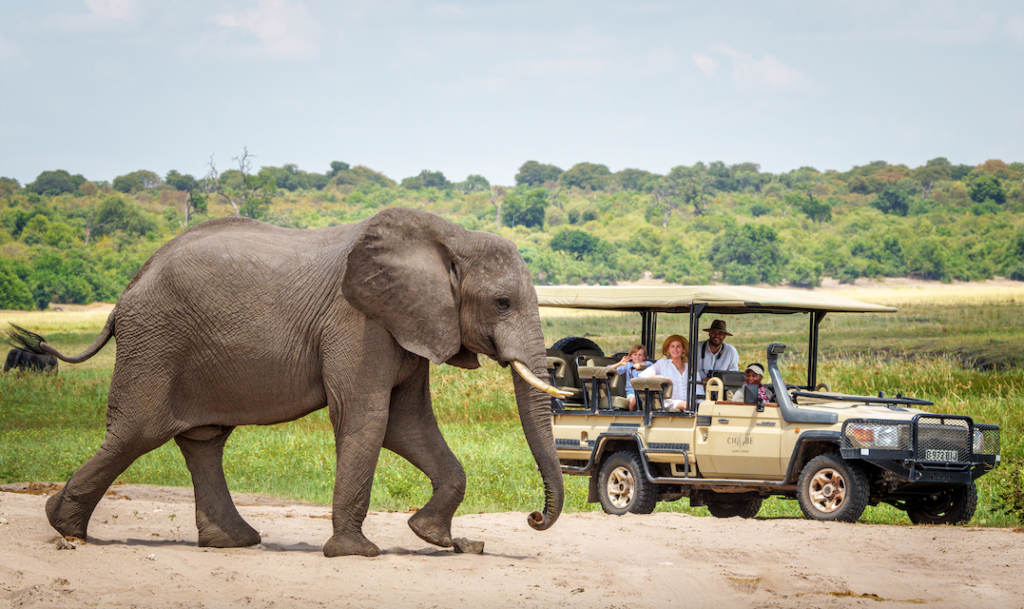
No. Burundi’s appeal lies in primates, hippos, crocodiles, buffalo, antelopes, birds and culture rather than lions or elephants. Combine it with Tanzania or Uganda for Big Five game viewing.
Is Burundi safe for tourists?
Many visitors travel without incident, especially on guided itineraries, but conditions can change. Always check your government’s current travel advisory and travel with a reputable operator.
What is the best time for this safari?
The long dry season from June to September, and December to January, offer the best trail conditions for chimp tracking and wildlife walks.
Can this itinerary be done as a self-drive?
It is possible, but we recommend a driver-guide in Burundi because of limited signage, language barriers, checkpoints and the need to coordinate rangers and permits.
| Book Your Burundi Chimpanzee & Wildlife Safari
Ready to discover one of Africa’s best-kept secrets? Marriott Safaris Africa designs private, fully guided Burundi safaris with reliable 4×4 vehicles, experienced driver-guides and transparent pricing. Contact our team today for a tailor-made quote, including Rwanda, Uganda or Tanzania extensions. Perfection Anytime. |