Ruvubu National Park
Ruvubu National Park, Tucked into the rolling hills of north-eastern Burundi, Ruvubu National Park is one of East Africa’s least-visited and most rewarding wilderness areas. Named after the Ruvubu River that runs the full length of the park, it protects Burundi’s last remaining stretch of natural savannah grassland, together with papyrus swamps, riverine gallery forest and open woodland. There are no crowds here, no convoys of minibuses and no queues at sightings, just hippos grunting in the river, buffalo grazing the floodplains and hundreds of bird species calling from the reeds.
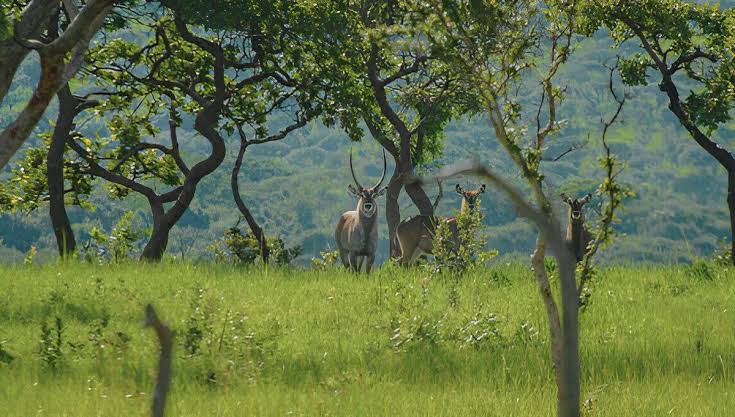
Ruvubu is not a Big Five destination in the style of the Serengeti or the Maasai Mara, and it helps to arrive with the right expectations. What it offers instead is authenticity: a genuinely off-the-beaten-path safari in a country that very few travellers ever see. This guide covers everything you need to plan a visit, from routes and road conditions to wildlife, activities, accommodation and park fees.
Ruvubu National Park at a Glance
| Feature | Details |
| Country / region | Burundi, north-east |
| Provinces | Karuzi, Muyinga, Cankuzo and Ruyigi |
| Size | About 508 km² (roughly 50,800 ha), the largest national park in Burundi |
| Established | 1980 |
| International status | Ramsar Wetland of International Importance (designated 14 March 2013) |
| Managed by | OBPE – Office Burundais pour la Protection de l’Environnement |
| Altitude | Approximately 1,350 m to 1,836 m above sea level |
| Annual rainfall | Around 1,100–1,200 mm |
| Length of river valley | About 65 km along the Ruvubu River, extending south-west from the Tanzanian border |
| Game-viewing tracks | Roughly 50 km of tracks |
| Distance from Bujumbura | Roughly 200–220 km by road (5–6 hours) |
| Nearest towns | Cankuzo, Muyinga, Karuzi, Ruyigi; Gitega lies about 20 km west of the south-western boundary |
| Best time to visit | June to August (long dry season); January to February (short dry spell) |
About Ruvubu National Park
Ruvubu National Park was gazetted in 1980 to protect the Ruvubu River valley and the last significant block of natural grassland in a country where nearly every hillside is farmed. The park stretches along a 65 km section of the river valley, running south-west from the Tanzanian border, and its boundaries fall across four provinces. Importantly for conservation, there is no permanent human settlement inside the park, which gives wildlife a rare refuge in one of Africa’s most densely populated countries.
The landscape changes as you move away from the river. The valley floor is dominated by papyrus swamps and seasonally flooded plains; the riverbanks are lined with gallery forest; and the slopes rise into open savannah and wooded grassland dotted with proteas and scattered tall trees. In 2013 the park’s wetlands were listed under the Ramsar Convention, recognising their importance for water birds and the wider Ruvubu–Kagera river system, which ultimately feeds Lake Victoria and the Nile.
| Setting the Right Expectations
Ruvubu is a quiet, low-density wildlife park. Visitor numbers are tiny – official Burundian tourism statistics recorded only a few hundred visitors a year in the early 2020s – and infrastructure is basic. Come for hippos, buffalo, antelope, primates, crocodiles, outstanding birding and total solitude, not for guaranteed big-cat sightings. Travellers who value remote, uncrowded nature tend to love it. |
How to Get to Ruvubu National Park
Ruvubu is reached by road. There are no scheduled flights to the park, so almost every visitor flies into Bujumbura and drives east, or arrives overland from Rwanda or Tanzania. A 4×4 vehicle is strongly recommended: main highways are mostly tarmac, but the final approaches and the tracks inside the park are dirt and can turn slippery in the rains.
By Air: Flying into Bujumbura
Melchior Ndadaye International Airport (BJM) in Bujumbura is Burundi’s only international gateway, with regional connections through hubs such as Nairobi, Kigali, Entebbe, Addis Ababa and Dar es Salaam. From the airport, most travellers overnight in Bujumbura or drive straight up to Gitega, then continue east to the park the following morning. Private charter flights to regional airstrips are possible but rarely used for Ruvubu.
By Road from Bujumbura
The standard route climbs out of the Lake Tanganyika basin on the RN2 to Gitega, Burundi’s political capital, then continues east towards Ruyigi and Cankuzo, where the main park headquarters and access points sit on the eastern side of the river. An alternative northern approach runs via Karuzi or Muyinga.
| Route / Leg | Approx. Distance | Approx. Drive Time | Notes |
| Bujumbura – Gitega (RN2) | 100–110 km | 2–2.5 hrs | Tarmac, winding climb with views over Lake Tanganyika |
| Gitega – Ruyigi | 55–60 km | 1–1.5 hrs | Good base option on the southern side |
| Ruyigi – Cankuzo | 60–70 km | 1.5–2 hrs | Cankuzo is the usual gateway to the park HQ |
| Total Bujumbura – park | 200–220 km | 5–6 hrs | Allow extra time in the rainy season |
| Gitega – park (direct) | Varies by gate | 1.5–2.5 hrs | Easiest day-trip base with the best hotels |
Overland from Rwanda
Self-drive travellers coming from Kigali usually cross at the Akanyaru/Kanyaru-Haut border post, head to Ngozi and then east to Muyinga, from where the northern sector of the park is within reach. Expect roughly 6–8 hours of driving from Kigali depending on border formalities. Cross-border rental vehicles need the usual documents: the vehicle logbook or a certified copy, an owner’s authorisation letter, COMESA Yellow Card insurance, and a temporary import permit issued at the border.
Overland from Tanzania and Uganda
From north-western Tanzania, the main crossing is Kabanga–Kobero, which brings you into Muyinga Province, very close to the northern end of the park. This makes Ruvubu an interesting add-on for overlanders travelling between Uganda (via Mutukula) or Rwanda and western Tanzania. Travellers from Uganda can also drive through Rwanda and enter Burundi at Akanyaru.
By Public Transport
Shared minibuses run from Bujumbura’s main bus station to Gitega, Ruyigi, Cankuzo and Muyinga. From the nearest town or junction, you would need a motorcycle taxi (moto) or a hired car to reach the gate, and you will still need a vehicle for any game drive. Public transport is cheap but slow and unpredictable, so most visitors choose a private vehicle with a driver-guide or a self-drive 4×4.
| Driving Tips for Ruvubu
Fill up with fuel in Gitega, Ruyigi or Muyinga – there are no fuel stations near the park, and fuel availability in Burundi can be irregular, so carry a reserve jerrycan. Carry cash (Burundian francs and clean, recent US dollar notes). Card payments and ATMs are very limited outside Bujumbura and Gitega. Avoid driving after dark, keep documents handy for police checkpoints, and confirm road conditions locally before setting out, especially from September onwards when the short rains begin. |
Attractions in Ruvubu National Park
1. The Ruvubu River
The river is the heart of the park. It meanders across the valley floor through reed beds and papyrus, creating pools where pods of hippos rest by day and Nile crocodiles bask on sandbanks. Riverbanks are also where you are most likely to find waterbuck, bushbuck, monkeys and a constant stream of water birds. Sunrise and late afternoon along the river are the most atmospheric times in the park.
2. Papyrus Swamps and Floodplains
Extensive papyrus marshes cover much of the valley bottom. They are ecologically vital – filtering water, holding floods and sheltering specialist birds – and are the main reason the park was listed as a Ramsar wetland. Keen birders search here for papyrus specialists such as the papyrus gonolek and various swamp warblers.
3. Burundi’s Last Natural Grasslands
Above the valley lie open savannah and wooded grassland that once covered much of north-eastern Burundi. Today they survive almost nowhere else in the country. These slopes offer long views, the best chances of spotting buffalo and antelope in the open, and some beautiful photography in the golden hour.
4. Gallery (Riverine) Forest
Narrow ribbons of evergreen forest follow the river and its tributaries. Shady and cool, these forests are home to monkeys, forest duikers and forest birds such as turacos and trogons, and they make for rewarding walking trails.
5. Wildlife
Ruvubu supports around 44 species of mammals. Numbers recovered only slowly after years of pressure, so densities are lower than in the region’s famous parks, but the variety is impressive:
| Group | Species Commonly Recorded | Where / When to Look |
| Large mammals | Hippopotamus, African (Cape) buffalo | Hippos in river pools all day; buffalo on floodplains early and late |
| Antelope | Waterbuck, bushbuck, reedbuck, oribi, common (grey) duiker and other duikers | Grasslands and river edges; duikers in thickets and forest |
| Primates | Olive baboon, vervet monkey, blue monkey, Senegal bushbaby | Gallery forest and woodland; bushbabies on night walks where allowed |
| Carnivores | Leopard, serval, civet, genet, mongooses, side-striped jackal | Mostly nocturnal and shy; sightings are a bonus |
| Big cats (rare) | Lion has historically been recorded | Considered very rare today – do not plan a visit around it |
| Reptiles | Nile crocodile, monitor lizards and several snake species | Sandbanks and river edges |
6. Birdlife
Birding is Ruvubu’s standout attraction. Estimates of the park’s bird list vary between sources, from over 200 to more than 400 species, reflecting its mix of wetland, forest and savannah habitats. Look for papyrus gonolek, African fish eagle, saddle-billed and other storks, herons and egrets, kingfishers, sunbirds, weavers, babblers, warblers, turacos and a good selection of raptors. From November to April, Palearctic migrants swell the numbers.
7. Nearby Attractions Worth Combining
- Gishora Drum Sanctuary (near Gitega): the home of Burundi’s UNESCO-listed ritual royal drum dance, with live performances by the famous drummers.
- Gitega National Museum: a small but interesting introduction to Burundian history and royal culture.
- Karera Falls (Rutana Province): a series of pretty waterfalls a few hours south of Gitega.
- Source of the Nile at Rutovu (Bururi): a pyramid marking the southernmost source of the Nile.
- Lake Tanganyika and Bujumbura: beaches, sunsets and lakeside dining to begin or end your trip.
Things to Do in Ruvubu National Park
Game Drives
Explore the park’s network of tracks by 4×4 in search of buffalo, antelope, hippos and primates. See the dedicated section below for full details.
Guided Nature Walks
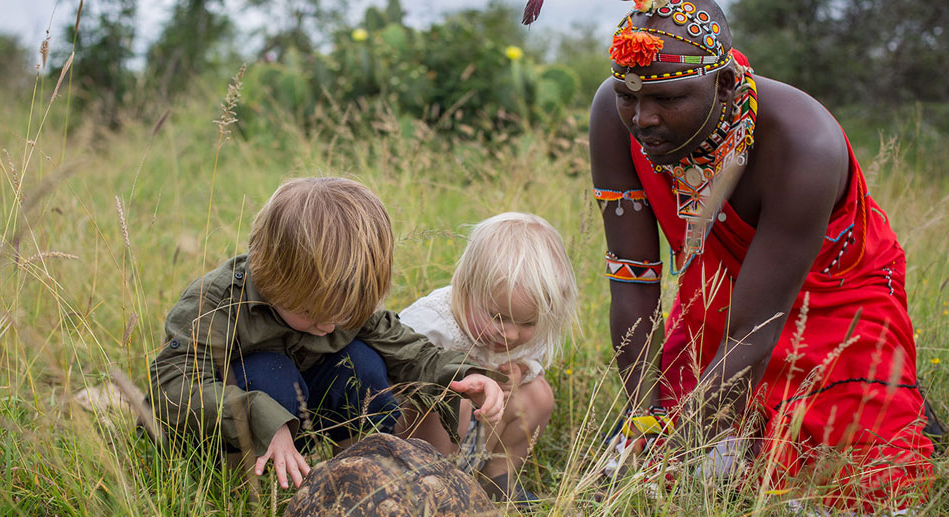
Walking with an armed OBPE ranger is one of the best ways to experience Ruvubu. Short walks and day excursions along the river, through gallery forest and across the grassland slopes bring you close to the smaller details – tracks, plants, insects and birds – that you miss from a vehicle. Walks usually last from one to four hours.
Birdwatching
With several hundred recorded species across very different habitats, Ruvubu is a birder’s paradise. Early mornings along the river and papyrus edges are especially productive. Bring good binoculars and a field guide to East African birds.
Hippo and Crocodile Viewing
Viewpoints along the Ruvubu River allow you to watch hippo pods and crocodiles in safety. Some operators advertise short boat or canoe outings on the river; these are not always running, so ask the park or your operator to confirm availability and safety arrangements before you travel.
Camping
Camping has been offered in the past near the park headquarters, and a night under canvas in the silence of the valley is unforgettable. Facilities have historically been very basic, and it is essential to confirm in writing with OBPE or your operator that camping is currently authorised and operational before you plan an overnight stay. Be fully self-sufficient with tent, water, food and lighting.
Photography
Uncrowded sightings, dramatic skies in the transition seasons and soft light over the grasslands make Ruvubu excellent for landscape and wildlife photography. Always ask before photographing local people, and avoid photographing police, military or government installations anywhere in Burundi.
Picnics by the River
Designated spots along the riverbanks make lovely picnic stops between activities – ask your ranger where it is safe to stop, and keep a respectful distance from the water.
Cultural Encounters
Communities around the park live largely from farming, pottery and cattle-keeping. Community visits, local markets and a drumming performance at Gishora near Gitega add a rich cultural dimension to a Ruvubu safari.
Game Drives in Ruvubu National Park
A game drive in Ruvubu feels completely different from one in the busy parks of Kenya or Tanzania. You will likely have the tracks entirely to yourself, and every sighting is earned rather than served up. Around 50 km of tracks cross the park, linking the river valley with the grassland slopes.
What to Expect
- Morning drives (roughly 6:30–10:30 am): cool temperatures, active animals and the best birding. Buffalo and antelope are most visible on open ground.
- Afternoon drives (roughly 3:30–6:00 pm): warm golden light, animals returning to water, and hippos stirring before their evening feed.
- Full-day excursions: combine a morning drive, a riverside picnic and a guided walk to cover more of the park.
- Night drives: not routinely offered; ask the park in advance if you are interested in nocturnal species.
Game Drive Essentials
- Vehicle: a high-clearance 4×4 is essential. A Toyota Land Cruiser, Land Cruiser Prado or similar handles the tracks best, particularly after rain.
- Ranger-guide: you will normally be accompanied by an OBPE ranger, who knows where animals have been seen and handles safety.
- Speed and noise: drive slowly and quietly – wildlife in Ruvubu is shy and easily disturbed.
- Supplies: there are no shops or restaurants inside the park, so carry water, snacks and a packed lunch.
| Self-Drive Game Drives
Self-drivers can explore Ruvubu in their own rental 4×4, but always report to the park office first, pay fees, and take a ranger with you. Signage is minimal and tracks can be overgrown, so a local guide is both a safety measure and the best way to find wildlife. If you are hiring a vehicle in Uganda, Rwanda or Tanzania for a cross-border trip, confirm in advance that the rental company permits entry into Burundi and supplies all cross-border documents. |
Suggested Game Drive Day
| Time | Activity |
| 5:30 am | Early departure from Gitega or Cankuzo with packed breakfast |
| 7:00 am | Report to the park office, pay fees and meet your ranger |
| 7:15 – 11:00 am | Morning game drive through the grasslands and down to the river |
| 11:00 am – 1:00 pm | Riverside picnic and hippo/crocodile viewing |
| 1:00 – 3:00 pm | Guided walk in the gallery forest (birding and primates) |
| 3:00 – 5:30 pm | Afternoon game drive on the floodplains |
| 5:30 pm | Exit the park and return to your lodging before dark |
Where to Stay in Ruvubu National Park
There are no lodges or tented camps inside Ruvubu National Park. Most visitors stay in a nearby town and travel in each day, or camp at the park if facilities are confirmed as operational. Options are simple compared with neighbouring countries, so manage expectations and book ahead where possible.
Gitega – The Best All-Round Base
Burundi’s political capital has the widest choice of hotels in the interior and makes the most practical base, especially if you want to combine Ruvubu with Gishora Drum Sanctuary and the National Museum. Mid-range options listed on major booking platforms include Moriah Hotel Gitega and Jerusalem Hotel Gitega, with rooms typically in the US$35–95 per night range. Several smaller guesthouses offer cheaper rooms.
Cankuzo, Ruyigi and Muyinga – Closest to the Park
These provincial towns sit closer to the park’s access points and cut down on early-morning driving. Accommodation is mainly in simple local hotels and guesthouses and church-run lodges. Rooms are clean and inexpensive but basic – expect intermittent power and water, and limited menus.
Camping at the Park
Where authorised, camping near the park headquarters gives you the most immersive experience. You need to be fully self-sufficient. Confirm current status with OBPE before relying on this option.
Bujumbura – Before and After
For arrival and departure nights, Bujumbura offers the best hotels in the country, many overlooking Lake Tanganyika, such as Hotel Club du Lac Tanganyika and Roca Golf Hotel, along with plenty of mid-range and budget options.
| Base | Style | Distance to Park | Best For |
| Gitega | Mid-range and budget hotels | 1.5–2.5 hrs by road | Comfort, dining, cultural add-ons |
| Cankuzo | Basic hotels and guesthouses | Closest to park HQ | Early starts, maximum time in the park |
| Ruyigi / Muyinga | Basic hotels and guesthouses | 1–2 hrs depending on gate | Southern or northern approaches |
| Park campsite | Self-sufficient camping (if operational) | Inside / at the park | Adventurous travellers |
| Bujumbura | Upmarket, mid-range, budget | 5–6 hrs by road | First and last nights |
Ruvubu National Park Entrance Fees
Ruvubu National Park is managed by OBPE (Office Burundais pour la Protection de l’Environnement), which sets entrance and activity fees. Published figures are scarce and vary between sources, and fees for foreign non-residents are often quoted differently from those for Burundian citizens and East African residents. The figures below are indicative planning estimates only.
| Fee Item | Indicative Cost | Notes |
| Park entry – Burundian citizens / residents | About 5,000–10,000 BIF per person | Figures reported by travel guides; confirm on arrival |
| Park entry – foreign non-residents | Higher than resident rates; commonly quoted in USD | Confirm the current rate with OBPE or your operator |
| Children | Reduced rates usually apply | Ask at the park office |
| Ranger / guide fee | Charged per activity or per group | Guided walks and drives normally require a ranger |
| Vehicle entry | May be charged per vehicle | Depends on vehicle type and registration |
| Camping | Per person per night, where available | Confirm the campsite is operational first |
| Photography / filming | Commercial filming requires a special permit | Personal photography is normally included |
| How to Pay and Check Current Fees
Fees are generally paid at the park office on arrival. Carry cash in Burundian francs and clean, post-2013 US dollar notes; card payment should not be relied upon. Because rates change without notice, request the current fee schedule in writing from OBPE or book through a tour operator who will include park fees in your quote. |
Best Time to Visit Ruvubu National Park
| Period | Season | What to Expect |
| June – August | Long dry season | Best overall: firm tracks, thinner vegetation, animals concentrate near the river |
| September | Transition | Short rains usually begin; recheck road conditions close to departure |
| October – December | Short rains | Green landscapes, migrant birds, muddier tracks |
| January – February | Short dry spell | Good for birding and game viewing with fewer showers |
| March – May | Long rains | Heaviest rain; some tracks may be impassable; lush and very quiet |
Sample 3-Day Ruvubu Safari from Bujumbura
- Day 1 – Bujumbura to Gitega: Drive up from Lake Tanganyika into the highlands. Afternoon visit to Gishora Drum Sanctuary and the Gitega National Museum. Overnight in Gitega.
- Day 2 – Ruvubu National Park: Early departure to the park. Morning game drive, riverside picnic with hippo viewing, guided forest walk and afternoon game drive. Overnight in Cankuzo, Gitega or at the park campsite if available.
- Day 3 – Ruvubu to Bujumbura: Sunrise birding walk along the river, then drive back to Bujumbura for a Lake Tanganyika sunset.
Packing List and Practical Tips
What to Pack
- Binoculars and a bird field guide
- Neutral-coloured clothing, long sleeves and trousers for tsetse flies and mosquitoes
- Sturdy walking shoes and a light rain jacket
- Hat, sunglasses and high-SPF sunscreen
- Insect repellent and a personal first-aid kit, including antimalarials as advised by your doctor
- Headtorch, power bank and spare camera batteries
- Plenty of drinking water, snacks and a packed lunch
- Cash in BIF and USD
Entry, Health and Safety
- Visas: Nationals of some East African Community states are exempt, but most other foreign visitors need a visa – check the official requirements and apply in advance where possible.
- Yellow fever: a valid yellow fever vaccination certificate is required for entry into Burundi.
- Malaria: Burundi is a malaria zone; take prophylaxis and use repellent and nets.
- Travel advisories: review your government’s current travel advice for Burundi before booking, particularly for border regions, and follow local guidance.
- Respect the park rules: stay with your ranger, do not feed or approach wildlife, keep to tracks and take all litter out with you.
Frequently Asked Questions
Where is Ruvubu National Park located?
In north-eastern Burundi, along the Ruvubu River valley, across the provinces of Karuzi, Muyinga, Cankuzo and Ruyigi. It extends south-west from the Tanzanian border.
How big is Ruvubu National Park?
About 508 km², making it the largest national park in Burundi.
How far is Ruvubu from Bujumbura?
Roughly 200–220 km, which is about 5 to 6 hours by road via Gitega.
What animals can I see in Ruvubu?
Hippos, buffalo, waterbuck, bushbuck, reedbuck, duikers, olive baboons, vervet and blue monkeys, Nile crocodiles and, with luck, leopard, serval or civet. Lions are very rarely, if ever, seen today.
Is Ruvubu good for birdwatching?
Yes – it is one of the best birding areas in Burundi, with several hundred species across wetland, forest and grassland habitats.
Can I self-drive in Ruvubu?
Yes, with a high-clearance 4×4. Register at the park office, pay the fees and take a ranger with you.
Are there lodges inside the park?
No. Visitors stay in Gitega, Cankuzo, Ruyigi or Muyinga, or camp at the park if the campsite is confirmed as operational.
How much are Ruvubu entrance fees?
Resident rates have been reported at roughly 5,000–10,000 BIF per person, while foreign visitors pay higher rates. Confirm current fees with OBPE or your operator before travelling.
What is the best time to visit?
June to August, during the long dry season, followed by the short dry spell in January and February.
Can I combine Ruvubu with other parks?
Yes. Ruvubu pairs well with Kibira National Park, Rusizi National Park and Lake Tanganyika in Burundi, or with Akagera in Rwanda and parks in western Tanzania on an overland route.
Plan Your Ruvubu Safari with Marriott Safaris Africa
Ruvubu National Park rewards travellers who want something genuinely different: a quiet river valley, wild grasslands and a safari experience that very few people ever have. Whether you want a fully guided trip with a driver-guide or a self-drive 4×4 with cross-border paperwork arranged for a Uganda–Rwanda–Burundi–Tanzania adventure, Marriott Safaris Africa can help you plan the route, confirm current park fees and accommodation, and make sure every detail is in place.
| Ready to Explore Burundi?
Contact Marriott Safaris Africa to design your Ruvubu National Park itinerary. Perfection Anytime. |