
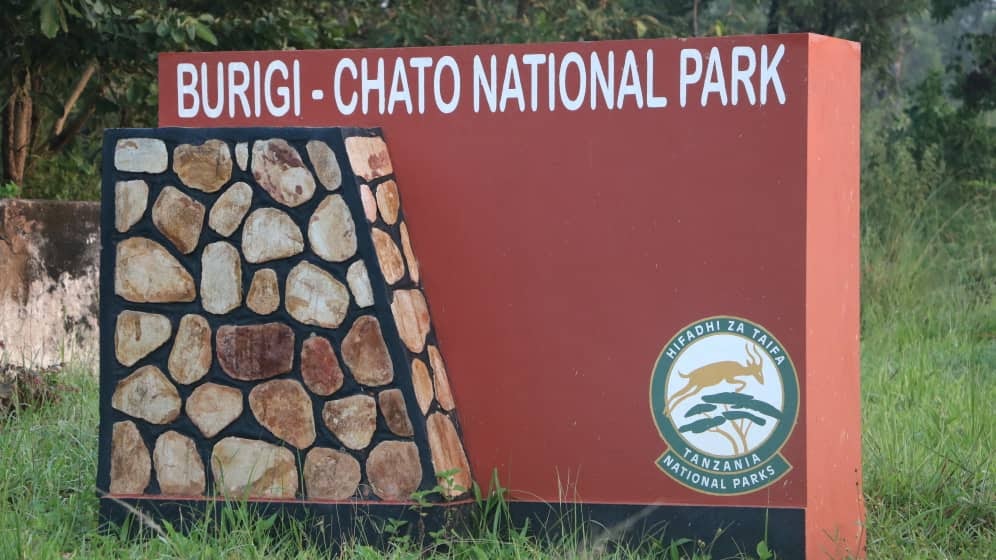
Burigi-Chato National Park
Established in 2019, Burigi-Chato National Park signifies a substantial enlargement of Tanzania’s protected regions and introduces a novel opportunity for safari aficionados desiring a real, less-explored wilderness experience. This extensive park, situated in northwestern Tanzania, extends from the eastern coasts of Lake Victoria to the western border with Rwanda, resulting from the amalgamation of three earlier game reserves: Burigi, Biharamulo, and Kimisi. Covering around 4,707 square kilometers, it is now the fourth largest national park in Tanzania.
A Terrain of Unrestrained Aesthetics and Variety
Burigi-Chato is particularly appealing due to its remarkably diversified and scenic scenery, which stands in stark contrast to the parched plains of the central and northern safari circuit. Within this location, you will discover:
Freshwater Lakes: The park is characterized by several picturesque freshwater lakes, notably Lake Burigi, the third largest lake wholly situated inside Tanzania. These lakes are distinguished by their serpentine valleys, several islands, inlets, and bays, some of which are marshy. They provide tranquil boat safari experiences and provide as essential water supplies for animals.
Rolling Hills and Escarpments: The park features extensive, rolling hills and rocky outcrops along escarpments, offering breathtaking panoramic vistas and diverse terrain for game drives and walking safaris.
Diverse Vegetation: Anticipate a combination of wide plains, expansive savannah grasslands (characteristic of the African savannah), deep valleys bordered by forests, swamps, rivers, floodplains, and extensive Miombo woodlands (predominantly featuring Combretum and Terminalia trees).
The Kagera River: This notable river delineates and impacts sections of the park, contributing to the diverse aquatic habitat.
Wildlife: An Expanding and Varied Population
As a relatively nascent national park, wildlife populations are still stabilizing and expanding; yet, Burigi-Chato already showcases a remarkable diversity of species:
The Big Five: The Big Five consists of elephants, lions, leopards, African buffalo, and rhinoceroses, however sightings of rhinos are infrequent and limited to certain, highly protected areas.
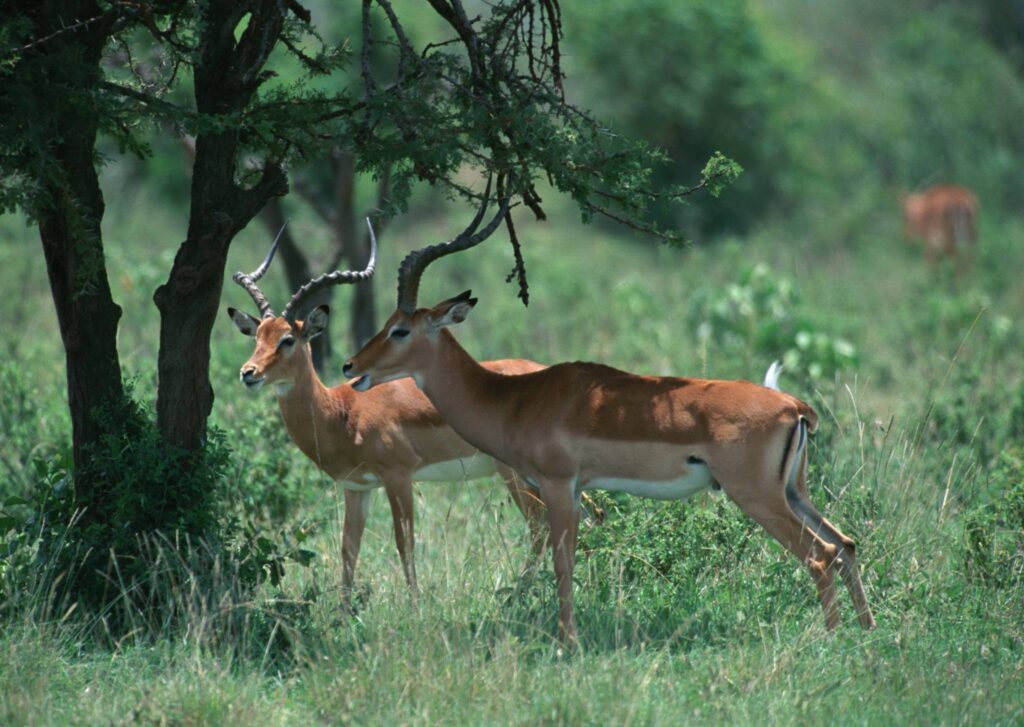
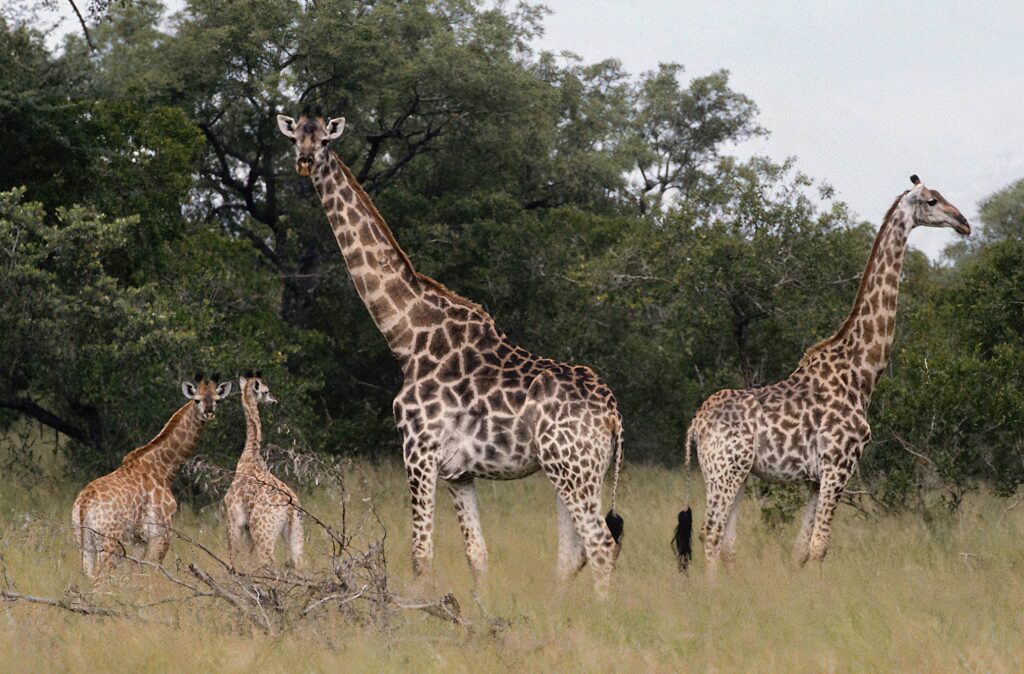
Large Herbivores: Zebras, giraffes, wildebeest, hartebeest, elands (notably the Cape Eland, among the largest antelopes globally), impalas, waterbucks, roan antelopes, topi, reedbucks, bushbucks, dik-diks, and oribis are frequently observed.
Aquatic and Semi-Aquatic Species: Hippopotamuses and big Nile crocodiles are prevalent in the lakes and rivers. The uncommon and elusive sitatunga antelope, a specialist of swamp habitats, is also located in the marshy regions surrounding the lakes.
Predators: In addition to lions and leopards, spotted hyenas and cheetahs are also present.
Primates: , including chimpanzees—despite ongoing and specific tracking opportunities—are present in the forested valleys.
Remarkable Birdlife: Burigi-Chato boasts over 400 documented bird species, making it an ideal destination for ornithologists. Notable species encompass the emblematic African fish eagle, several stork varieties (Marabou, Saddle-billed), hornbills, guinea fowls, ducks, kingfishers, and the coveted, peculiar shoebill stork (inhabiting marshy environments).
Safari Activities & Experiences
Burigi-Chato provides a variety of activities that utilize its distinctive landscapes and fauna:
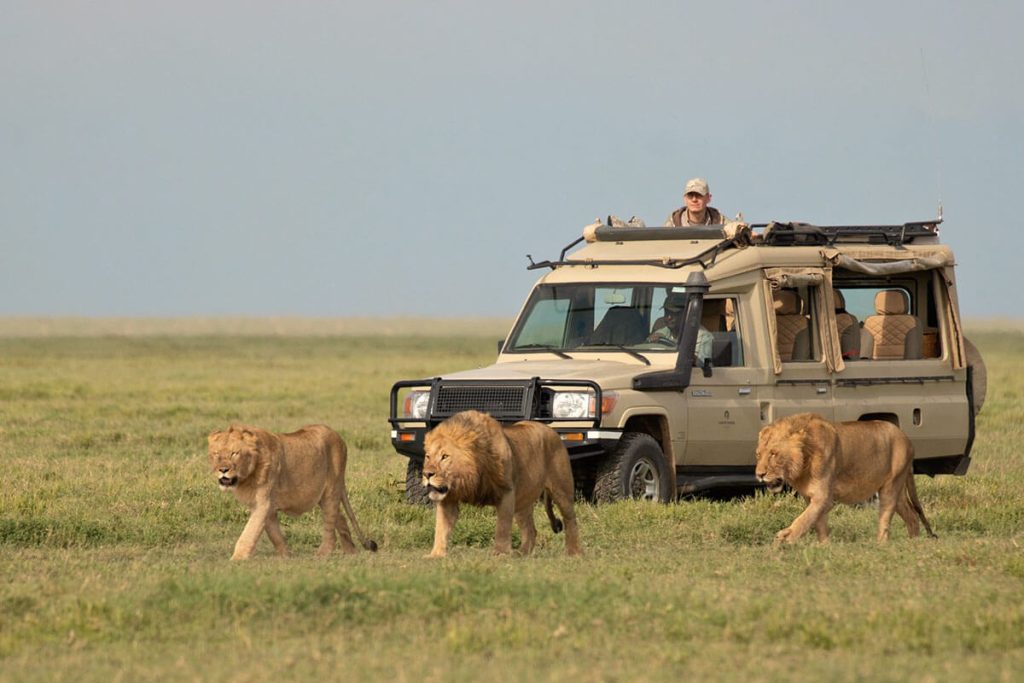
Game Drives: The principal activity, enabling tourists to navigate many terrains and observe a broad spectrum of species from a 4×4 vehicle. Drives during the early morning and late afternoon are optimal for observing active wildlife.
Boat safaris and canoeing are significant attractions because to the abundance of lakes. Investigate Lake Burigi and additional little lakes, approaching hippos, crocodiles, and various waterfowl. This provides a serene and distinctive viewpoint of the park’s splendor. Sport fishing is available with prior appointment.
Walking Safaris / Guided Hikes: These excursions, led by armed rangers, provide a close engagement with the wilderness. You can traverse many ecosystems, concentrating on minute details such as trails, flora, and insects, and ascend some of the undulating hills for expansive vistas.
Bird Watching: Specialized birding expeditions are exceptionally gratifying due to the park’s vast avian diversity.
Cultural Experiences: Opportunities to engage with local communities adjacent to the park to get insight into their traditions and lifestyles.
Wild Camping: For individuals desiring an authentic wilderness experience, camping beneath the stars is a viable alternative.
Photographic Safaris: The varied terrains, distinctive lakes, and plentiful fauna provide exceptional prospects for wildlife photography.
Accommodation
Burigi-Chato, being a relatively new park, is in the process of expanding its tourism infrastructure. This enhances its pristine, secluded ambiance.
Restricted Internal Alternatives: At now, there are no sizable, renowned luxury lodges located within the park’s confines.
Designated campsites are offered within the park for individuals seeking a comprehensive camping safari experience.
External Accommodations: Guests may discover fundamental lodges, guesthouses, and a limited selection of developing mid-range options in adjacent towns such as Chato or Biharamulo. Certain travel providers may also organize mobile tented camps for exclusive safaris.
Chato Beach Resort: Situated on Lake Victoria near Chato town, it provides a well-established lodging alternative outside the park, ideal for integrating a safari with a lakeside experience.
With the expansion of tourism, an increase in permanent accommodation alternatives is anticipated.
Best Time to Visit
Dry Season (June to September): This period is typically regarded as optimal for wildlife observation, since animals gather around permanent water sources (lakes and rivers), facilitating their visibility. The climate is milder, and the pathways are less saturated with muck.
Wet Season (November to May): Although road conditions may be more difficult, this season presents verdant landscapes, migrating avifauna (ideal for ornithological observation), and the opportunity to observe neonate fauna.
Getting There
Burigi-Chato National Park is located in a somewhat secluded region of Tanzania, rendering access an integral aspect of the experience.
By Air:
Depart from Dar es Salaam or Arusha to Bukoba Airport or Chato Airport. From these airports, you would thereafter organize a road transfer to the park, which may require several hours of driving.
Private charter flights may occasionally be organized to smaller airstrips in proximity to the park, such as near the Nkonje Ranger Post adjacent to Lake Burigi, or to the Biharamulo airstrip.
Via Road:
The distance from major towns such as Dar es Salaam or Arusha exceeds 1000 kilometers, hence air travel is typically advised for convenience.
The park is accessible by road from Mwanza or as part of a cross-border tour from Rwanda or Uganda. The park’s roads necessitate a 4WD vehicle, and the signposting is still in progress; therefore, it is strongly advised to engage a reputable tour operator and an experienced guide.
Future Capability
Burigi-Chato National Park possesses significant potential to become a premier safari destination. Its distinctive amalgamation of savannah, Miombo woods, and picturesque freshwater lakes distinguishes it from other Tanzanian parks. Its nearness to Rwanda (Akagera National Park) and Uganda (Lake Mburo National Park, Kikati Game Reserve) renders it an exceptional choice for cross-border safaris, enabling travelers to merge chimpanzee or gorilla trekking with a quintessential East African safari in a less congested, genuine wilderness. With enhancements in infrastructure and increasing awareness, Burigi-Chato is positioned to emerge as a desirable destination for intrepid travelers.