Game Drive in Hwange National Park
Picture this: the late-afternoon light turns the Kalahari sand gold, the dust hangs in the air, and a line of elephants – dozens, then hundreds – walks steadily towards a waterhole while your vehicle sits engine-off at the edge of the pan. A family of giraffe waits its turn. Somewhere in the teak woodland behind you, a lion calls. This is a game drive in Hwange National Park, and for many travelers it is the most authentic big-game experience in Southern Africa.
Hwange is Zimbabwe’s largest and best-known national park. It covers a vast mosaic of Kalahari sandveld, mopane and teak woodland, open grassland vleis and rocky granite outcrops in the north. Because the park has almost no permanent rivers, dozens of solar- and diesel-pumped waterholes keep wildlife alive through the long dry season – and those pans have become some of the finest game-viewing stages on the continent.
This guide explains everything you need to plan a game drive in Hwange: the different types of drives, the best areas and waterholes, the animals you can expect, the ideal time of year, park fees and costs, self-drive rules, where to stay, a sample itinerary, and practical tips from the field. Whether you are booking an all-inclusive lodge in a private concession or planning a self-drive through the public roads around Main Camp, you will find the answers here.
What Makes Hwange Special for Game Drives
1. Elephants on an extraordinary scale
Hwange is famous above all for elephants. In the peak dry months it is common to see breeding herds of 50 to 100 animals at a single waterhole, with several herds arriving one after another. The park is also home to the legendary Presidential Herd, a group of habituated elephants that roam the area near the park’s north-eastern boundary and were granted special protection by presidential decree in 1990.
2. Pumped waterholes create natural “theatres”
Since natural surface water dries up after the rains, pumped waterholes become magnets for wildlife. On a game drive you can park at a pan and let the action come to you – elephants, buffalo, sable, zebra and the predators that follow them. Several pans have elevated viewing platforms or hides.
3. A full predator line-up
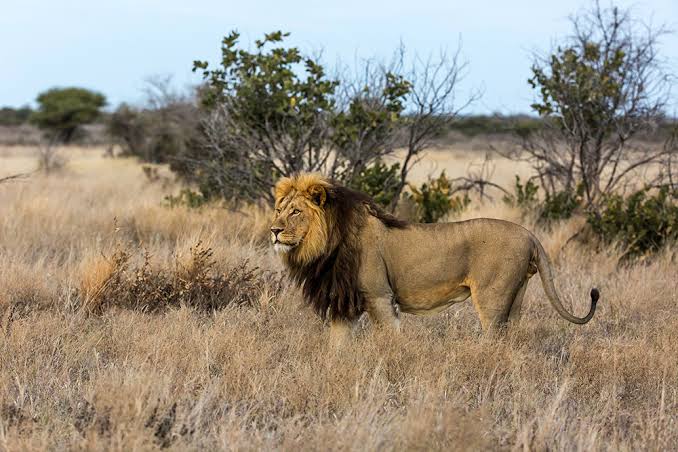
Hwange supports healthy lion prides (the park became internationally known through long-term lion research), as well as leopard, cheetah, spotted hyena, the shy brown hyena and one of Zimbabwe’s most important populations of African wild dog. The Painted Dog Conservation center just outside the park, near Dete, is a worthwhile stop between drives.
4. Rare antelope
Game drives here regularly turn up species that are hard to find elsewhere, including sable antelope, roan antelope, eland and – in the drier south-west, close to the Botswana border – the occasional gemsbok (oryx).
5. Variety of experiences
From self-drive adventures on public roads to exclusive open-vehicle drives in private concessions where off-road tracking and night drives are allowed, Hwange caters for every budget and style of traveler.
Types of Game Drives in Hwange National Park
Morning Game Drive
Morning drives typically leave between 06:00 and 06:30, just as the gates open, and return around 10:00–11:00. The cool hours after sunrise are when predators are most active, often still on the move after a night of hunting. It is the best time for finding lion, wild dog and cheetah, and for following fresh tracks on the sandy roads. Many lodges stop for a bush coffee break at a scenic spot.
Afternoon & Sundowner Game Drive
Afternoon drives usually depart around 15:00–16:00 and return just before or after sunset, depending on whether you are in the public park or a private concession. In the dry season, the hot afternoons drive enormous numbers of elephant and buffalo to the waterholes, making this the most spectacular time for herd sightings. A sundowner stop – a cold drink overlooking a pan as the sun drops – is a classic Hwange ritual.
Full-Day Game Drive
A full-day drive with a packed lunch lets you reach more distant areas such as Ngweshla, Kennedy Pans or the Sinamatella region. Lunch is usually taken at a designated picnic site with a view of a waterhole – a superb way to watch the midday elephant traffic. Full-day drives are ideal for photographers and for visitors with limited nights in the park.
Night Game Drive
Night drives are not permitted on the public roads of Hwange National Park. They are offered only by camps in private concessions and certain lodges operating on the park’s boundary. With a spotlight, you may find leopard, lion on the hunt, spotted and brown hyena, honey badger, civet, genet, aardwolf, porcupine, bushbaby and owls. If night drives are a priority, choose your accommodation accordingly.
Self-Drive Game Drive
Hwange is one of Southern Africa’s more rewarding self-drive parks. With a reliable 4×4, good maps and patience at the waterholes, independent travelers can enjoy excellent sightings around Main Camp, Sinamatella and Robins. Self-drive is restricted to designated roads and daylight hours. See the self-drive section below for rules and tips.
Walking Safari as a Complement
Although not a game drive, a guided walk with an armed, professionally licensed guide is a highlight that many lodges add to their drive programme. Zimbabwe’s professional guides are widely regarded as among the best trained in Africa, and a walk allows you to focus on tracks, plants and smaller creatures that are missed from a vehicle.
| Drive Type | Typical Timing | Best For | Availability |
| Morning drive | 06:00 – 10:30 | Predators, tracking, cooler temperatures | Park & concessions |
| Afternoon / sundowner | 15:00 – 18:30 | Elephant & buffalo at waterholes, golden light | Park & concessions |
| Full-day drive | 06:00 – 17:30 | Remote pans, photography, maximum coverage | Park & concessions |
| Night drive | After sunset, ~2 hrs | Leopard, hyena, nocturnal species | Private concessions only |
| Self-drive | Gate opening to closing | Independent travellers, flexible budgets | Public park roads only |
Best Game Drive Areas and Waterholes in Hwange
Hwange is too big to explore in one trip, so it helps to understand its main regions. Each has its own character, road network and wildlife highlights.
Main Camp Area (North-East)
Main Camp is the park’s headquarters and the most accessible entry point, near the town of Dete. It has the densest network of game-viewing roads and the highest concentration of pumped waterholes, which makes it ideal for first-time visitors and self-drivers. Key game drive circuits include:
- Nyamandhlovu Pan – “the meat of the elephant” in Ndebele; famous for its raised viewing platform overlooking a busy waterhole. One of the best places in the park to spend an afternoon.
- Dom Pan and Caterpillar Pan – reliable elephant and buffalo stops on the loop south of Main Camp.
- Guvalala Pan – another pan with a viewing platform; overnight use of the platform can be booked through ZimParks.
- Kennedy Pans (1 & 2) – open grassland vleis that attract zebra, wildebeest, sable and lion; a classic morning drive.
- Ngweshla Pan – further south, with a popular picnic site and strong lion and elephant activity.
- Makwa Pan – quieter, with a viewing platform and good chances of sable.
Linkwasha, Ngamo and the South-East Concessions
The south-eastern sector is home to some of the park’s top private concessions, including the Linkwasha and Makalolo areas and the Ngamo Plains on the eastern boundary. Here the landscape opens into wide grassy vleis and palm-fringed pans. Only guests of the camps in these concessions drive here, so vehicle numbers are very low, sightings are exclusive and guides can use off-road driving (within concession rules) to approach predators. Night drives and walks are typically included.
Sinamatella (North)
Sinamatella sits on a rocky ridge with sweeping views over the Lukosi River valley. The terrain is hillier and more varied than in the south, with mopane woodland and seasonal rivers. Game drives here focus on Mandavu Dam and Masuma Dam – both with hides and picnic sites – where hippo, crocodile, elephant, buffalo and lion are frequently seen. The area is wilder and less visited, appealing to self-drivers who want solitude.
Robins and Nantwich (North-West)
The remote north-western corner, around Robins Camp and Nantwich, borders Botswana and is known for open grassland and strong lion populations. Roads are sandier and rougher, and facilities are basic, so this area is best for experienced 4×4 travellers. The reward is a genuine wilderness feel with very few other vehicles.
The Western Kalahari Sandveld
Large parts of the south and west are deep Kalahari sand with limited tourist roads. This is wild country where gemsbok, eland and brown hyena may appear. Access is largely restricted to specialised operators and remote camps.
| Area / Waterhole | Region | Main Attractions | Self-Drive Friendly? |
| Nyamandhlovu Pan | Main Camp | Viewing platform, elephant herds, buffalo, lion | Yes – short drive from Main Camp |
| Kennedy Pans | Main Camp (south) | Open plains, zebra, sable, lion | Yes – 4×4 advised after rain |
| Ngweshla Pan | Main Camp (far south) | Picnic site, elephants, lion | Yes – full-day trip |
| Guvalala & Makwa Pans | Main Camp | Viewing platforms, sable, elephant | Yes |
| Mandavu & Masuma Dams | Sinamatella | Hides, hippo, crocodile, elephant, lion | Yes – rougher roads |
| Linkwasha / Makalolo vleis | South-East concessions | Exclusive drives, wild dog, cheetah, night drives | No – camp guests only |
| Robins & Nantwich | North-West | Lion, open grassland, remote wilderness | Experienced 4×4 drivers only |
Wildlife You Can See on a Hwange Game Drive
Hwange is home to more than 100 mammal species and over 400 bird species. Here are the animals most visitors hope to encounter, and how likely you are to see them.
| Animal | Likelihood | Where & When to Look |
| African elephant | Very high | Every waterhole in the dry season; huge herds July–October |
| Cape buffalo | High | Large herds at southern pans and vleis; Linkwasha and Ngweshla |
| Lion | Good | Kennedy Pans, Ngweshla, Linkwasha, Robins; early mornings |
| Leopard | Moderate | Rocky Sinamatella area and wooded drainage lines; best on night drives |
| Cheetah | Moderate | Open vleis in the south-east concessions |
| African wild dog | Moderate (seasonal) | Main Camp and south-east; most predictable when denning (approx. June–August) |
| Spotted & brown hyena | Good / low | Spotted hyena common; brown hyena rare, mostly at night |
| Sable & roan antelope | Good / low | Sable regular at pans; roan scarce, sometimes in the north |
| Giraffe, zebra, wildebeest | Very high | Open plains around Main Camp and the south-east |
| Kudu, eland, impala, waterbuck | High | Woodland edges and around Main Camp; eland in open areas |
| Hippo & crocodile | High (Sinamatella) | Mandavu and Masuma Dams |
| Rhino | Very low | Historically present; sightings are exceptional – do not plan around them |
| Birding Bonus
Hwange is excellent for birds of prey – bateleur, martial eagle, tawny eagle, secretarybird and several vulture species. Ground birds such as kori bustard, southern ground hornbill and double-banded sandgrouse are frequently seen on drives. The green season (November–April) brings migrant species and breeding plumage, making it a top time for birders. |
Best Time for a Game Drive in Hwange
Hwange offers good game viewing year-round, but the experience changes dramatically with the seasons. The key factor is water: when the rains stop, animals rely on the pumped waterholes, and game drives become predictable and spectacular.
| Period | Season | Game Drive Conditions | Who It Suits |
| May – June | Early dry season | Cool mornings, vegetation thinning, wildlife starting to gather at pans | Value-seekers; comfortable temperatures |
| July – October | Peak dry season | Best game viewing; massive elephant concentrations; hot by October | First-timers, photographers, Big Five seekers |
| November – December | Early rains | Dramatic skies, first births, game disperses as rain falls | Birders, photographers, lower rates |
| January – April | Green season | Lush scenery, calving season, migratory birds; some roads may close | Birders, repeat visitors, budget travellers |
| Our Recommendation
For a first game drive safari in Hwange, aim for August to early October. If you dislike heat, June and July offer an excellent balance of strong game viewing and cooler days. Book lodges in private concessions 6–12 months ahead for peak season. |
What a Typical Day of Game Drives Looks Like
Most lodges and camps follow a similar daily rhythm built around the cooler hours, when wildlife is most active.
| Time | Activity |
| 05:30 | Wake-up call with coffee, tea and a light breakfast around the fire |
| 06:00 | Depart on the morning game drive in an open 4×4 safari vehicle |
| 08:30 | Bush coffee stop at a scenic pan or under a shady tree |
| 10:30 – 11:00 | Return to camp for brunch |
| 11:30 – 15:00 | Rest, swim, or watch the camp waterhole from the deck or hide |
| 15:00 | Afternoon tea and snacks |
| 15:30 | Afternoon game drive, focusing on waterholes |
| 17:45 | Sundowner drinks overlooking a pan |
| 18:30 – 20:00 | Return to camp (or night drive in a private concession) |
| 20:00 | Dinner and stories around the campfire |
Self-Drive Game Drives in Hwange: Rules and Tips
A self-drive game drive in Hwange gives you freedom to stay at a sighting as long as you like and to explore at your own pace. It does, however, require preparation.
Park Rules for Self-Drivers
- Gate hours: Gates generally open around sunrise (about 06:00) and close around sunset (about 18:00). Times vary by season – confirm on arrival and plan to be back at camp or out of the park before closing.
- Stay in your vehicle except at designated picnic sites, hides, platforms and camps.
- Keep to designated roads. Off-road driving is forbidden on public roads.
- Observe the speed limit posted in the park (low speeds protect wildlife and help you spot animals).
- No night driving on public roads.
- Do not feed animals or leave litter. Take all rubbish out with you.
- Give elephants space. Never block a herd’s path to water, and back away calmly if an elephant shows signs of agitation (ears spread, head shaking, mock charge).
Vehicle and Road Conditions
The main roads near Main Camp are generally manageable, but many tracks are sandy, corrugated or muddy after rain. A high-clearance 4×4 is strongly recommended – and essential for the south, Sinamatella and Robins. Carry two spare tyres, a tyre repair kit, a compressor, a tow strap and a shovel. Deflating tyres slightly helps on deep Kalahari sand.
Fuel, Water and Supplies
Fuel availability inside the park is limited and unreliable, so fill up completely in Hwange town, Dete or Victoria Falls before entering, and carry extra fuel in jerry cans for longer trips. Bring ample drinking water, food and a basic first-aid kit. Mobile coverage is patchy beyond Main Camp.
Self-Drive Tips for Better Sightings
- Leave the camp as soon as gates open – the first two hours of daylight are the most productive.
- Spend time at waterholes rather than constantly driving. Switch off the engine and wait.
- Ask rangers and other visitors at camp about recent predator sightings.
- Look for vultures circling or dropping, alarm calls from impala and baboons, and fresh tracks on the road in the early morning.
- Use the viewing platforms at Nyamandhlovu, Guvalala and Makwa for elevated views and photography.
| Self-Drive Safety Note
Hwange is a wild, unfenced park with dangerous animals. Never leave your vehicle outside designated areas, keep windows partly closed around lions and elephants, and always tell camp staff your route and expected return time. If your vehicle breaks down, stay inside it and wait for help. |
Guided vs Self-Drive vs Private Concession
| Factor | Self-Drive | Guided Drive (Public Park) | Private Concession Drive |
| Guide expertise | None – your own knowledge | Professional guide | Highly experienced professional guide |
| Vehicle | Your rental 4×4 | Open safari vehicle | Open safari vehicle, few guests per car |
| Off-road driving | Not allowed | Not allowed | Allowed within concession rules |
| Night drives | No | No | Yes |
| Crowds | Moderate around Main Camp | Moderate | Very low – exclusive use |
| Cost | Lowest | Moderate | Highest (usually all-inclusive) |
| Best for | Experienced, independent travellers | Budget and mid-range visitors | Luxury travellers, photographers, predator lovers |
Hwange Game Drive Costs and Park Fees
Costs depend on how you travel. Below is a guide to the main expenses. ZimParks fees are set in US dollars and are revised periodically, and published 2026 figures vary between sources, so always confirm current rates with ZimParks or your safari operator before travelling.
| Item | Indicative Cost (US$) | Notes |
| Conservation (entry) fee – international adult | ~US$20 per person per day | Varies by visitor category (local, SADC, international) and day vs accommodated visitor; confirm with ZimParks |
| Foreign-registered vehicle entry (car, pick-up, 4×4) | US$10 day visitor; US$3 accommodated visitor | Per published 2026 ZimParks vehicle rates |
| Guided game drive from Main Camp area | From ~US$50–80 per person (half day) | Depends on operator, group size and duration |
| Afternoon drive in a private concession (non-guests) | ~US$80 per person | Where offered; numbers limited |
| Community / conservation levy | Varies by camp | Some private concession camps add a per-stay levy |
| Mid-range lodge (with drives) | ~US$250–500 per person per night | Often full board plus activities |
| Luxury concession camp (all-inclusive) | ~US$700–1,500+ per person per night | Includes drives, walks, night drives, meals, drinks |
| 4×4 car rental for self-drive | ~US$100–200 per day | Depends on vehicle class and equipment (e.g. rooftop tent) |
| Money-Saving Tip
Combining self-drive with one or two nights at a mid-range lodge offering guided drives gives you the best of both worlds: the freedom of independent exploring plus the expertise of a professional guide for predator tracking. |
How to Get to Hwange National Park
From Victoria Falls
Victoria Falls is the most common starting point. Main Camp is about 2.5–3 hours by road on the Victoria Falls–Bulawayo highway (A8), turning off towards Dete. Road transfers are easy to arrange, and self-drivers can collect a 4×4 in Victoria Falls. Light-aircraft charters also fly from Victoria Falls to airstrips serving the private concessions, taking under an hour.
From Bulawayo
Bulawayo, Zimbabwe’s second city, is roughly 3.5–4 hours by road from Main Camp along the same A8 highway. It pairs well with a visit to Matobo National Park.
By Air
Hwange National Park Airport, near Main Camp, handles occasional scheduled and charter flights. Most luxury travellers fly in by light aircraft to concession airstrips as part of a fly-in safari package.
By Rail
For the romantic, the train between Victoria Falls and Bulawayo stops at Dete, near Main Camp, though it is slow and schedules can be unreliable. Some lodges arrange transfers from Dete station.
Where to Stay for the Best Game Drives
Your choice of accommodation determines the type of game drives you can do. Lodges in private concessions offer exclusive drives and night drives, while ZimParks rest camps suit self-drivers on a budget.
Luxury: Private Concession Camps
- Linkwasha Camp – a stylish camp overlooking a busy pan in the south-east; excellent predator viewing and night drives.
- Somalisa Camp – intimate camp with an acacia-shaded waterhole where elephants drink metres from the lounge.
- Little Makalolo – a classic, intimate bush camp in a remote concession with great guiding.
- The Hide – a long-established camp on the eastern boundary, famous for its sunken hide at the waterhole.
- Camelthorn Lodge and Nehimba Lodge – upmarket options offering full activity programmes.
Mid-Range Lodges
- Ivory Lodge – treehouse-style rooms facing a floodlit waterhole near the park boundary.
- Bomani Tented Lodge – comfortable tents on the Ngamo Plains with game drives into the park.
- Hwange Safari Lodge – a large, well-located hotel near Main Camp with a waterhole view and organised drives.
- Gwango Elephant Lodge – good value on the park’s edge, with elephants regularly visiting the lodge waterhole.
Budget and Self-Drive
- ZimParks Main Camp – chalets, cottages and campsites at the park headquarters; the most convenient base for self-drivers.
- Sinamatella and Robins Camps – basic ZimParks chalets and campsites in the north and north-west.
- Picnic sites and platforms – sites such as Masuma, Mandavu and selected pan platforms can be booked for exclusive overnight use through ZimParks for a true wilderness night.
| Tier | Typical Price (pppn) | Game Drive Style | Examples |
| Luxury | US$700 – 1,500+ | Private concession, off-road, night drives, walks | Linkwasha, Somalisa, Little Makalolo, The Hide |
| Mid-range | US$250 – 500 | Guided drives in public park and boundary areas | Ivory Lodge, Bomani, Hwange Safari Lodge |
| Budget | US$30 – 150 | Self-drive or ad-hoc guided drives | ZimParks Main Camp, Sinamatella, Robins |
Sample 3-Day Hwange Game Drive Itinerary
Day 1: Victoria Falls to Hwange – Afternoon Game Drive
Depart Victoria Falls after breakfast and drive (or fly) to Hwange, arriving in time for lunch at your lodge. After a rest, set out on your first afternoon game drive to Nyamandhlovu Pan. Watch elephant herds and buffalo arrive to drink from the viewing platform, then enjoy sundowners as the sky turns orange. Dinner and overnight at your lodge.
Day 2: Full-Day Game Drive to the Southern Pans
Leave at first light for a full-day drive south via Dom Pan and Kennedy Pans, looking for lion, sable and zebra on the open vleis. Continue to Ngweshla for a picnic lunch overlooking the waterhole and its midday elephant traffic. Return slowly in the afternoon light, stopping at Guvalala Pan. In a private concession, finish with a night drive in search of leopard and hyena.
Day 3: Morning Drive and Painted Dog Conservation
Take a final early-morning drive focused on predators and fresh tracks. After brunch, visit the Painted Dog Conservation centre near Dete to learn about efforts to protect the African wild dog. Transfer back to Victoria Falls in the afternoon, or continue to Mana Pools, Matobo or Botswana’s Chobe National Park.
| Extend Your Trip
Hwange combines beautifully with Victoria Falls (2.5–3 hours away), Chobe National Park in Botswana via the Kazungula border, and Mana Pools or Lake Kariba for a wider Zimbabwe safari. Travellers visiting both Zimbabwe and Zambia can consider the KAZA Univisa where available. |
What to Pack for a Hwange Game Drive
- Neutral-coloured clothing (khaki, olive, beige) – avoid bright colours and dark blue/black, which attract tsetse flies in some areas
- Warm fleece, jacket, beanie and gloves for winter mornings (June–August can drop near freezing at dawn in open vehicles)
- Wide-brimmed hat, sunglasses and high-SPF sunscreen
- Good binoculars – one pair per person is ideal
- Camera with a 100–400 mm or similar zoom lens, spare batteries and memory cards
- Bean bag or window mount for stabilising lenses (especially for self-drive)
- Insect repellent and anti-malaria medication as advised by your doctor
- Dust cover or scarf/buff – the Kalahari sand can be dusty in the dry season
- Reusable water bottle, snacks and a small daypack
- Field guides or apps for mammals and birds of Southern Africa
Game Drive Etiquette and Safety
- Stay seated and keep arms and heads inside the vehicle when near animals.
- Keep your voice low. Loud noise disturbs wildlife and other guests.
- Never stand up or make sudden movements near lions or elephants – a seated outline is part of the vehicle to them.
- Follow your guide’s instructions at all times; they read animal behaviour expertly.
- Share sightings fairly. In busy areas, give other vehicles a chance to view.
- No flash photography at night unless your guide permits it.
- Respect the environment – no littering, and never feed wildlife.
- Tip your guide and tracker if you were happy with the service; it is customary on Zimbabwean safaris.
Photography Tips for Hwange Game Drives
- Shoot in the golden hours – the first and last two hours of light give warm tones and long shadows.
- Use waterhole reflections. Low angles at pans and the sunken hides produce striking reflections of elephants drinking.
- Capture the dust. Backlit dust clouds from moving herds in the late afternoon create classic Hwange images.
- Stay patient. At a busy waterhole, the best interactions – elephants jostling, predators approaching – often come after 30 minutes or more of waiting.
- Switch off the engine to eliminate vibration when using long lenses.
Conservation in Hwange
Hwange’s wildlife depends heavily on artificial water supplies, and much of the pumping is supported by conservation organisations, private operators and community partnerships. Long-term research projects on lions, elephants and wild dogs have contributed significantly to understanding these species. By choosing responsible operators and paying park and conservation fees, every game drive you take helps fund anti-poaching patrols, waterhole maintenance and community programmes around the park.
Book Your Hwange Game Drive with Marriott Safaris Africa
Planning a game drive in Hwange is easier with a team that knows the park. Marriott Safaris Africa can tailor your Hwange experience to your interests and budget – whether you want a fully guided luxury safari in a private concession, a mid-range lodge stay with daily game drives, or a self-drive adventure with a well-equipped 4×4.
- Share your plans – travel dates, group size, budget and safari style.
- Receive a tailored itinerary with lodge options, game drive programme and a transparent quote.
- Confirm your booking with a deposit; we secure accommodation, transfers, park fees and vehicles.
- Travel with confidence, supported by our team before and during your safari.
| Marriott Safaris Africa – Perfection Anytime
Contact our safari specialists to start planning your game drive in Hwange National Park and combine it with Victoria Falls, Chobe or a wider Southern and East African safari. |
Frequently Asked Questions
Is Hwange good for game drives?
Yes. Hwange is one of Southern Africa’s finest game drive destinations, renowned for very large elephant herds, strong predator populations and productive pumped waterholes that concentrate wildlife in the dry season.
How long should I spend in Hwange?
Three nights is a good minimum to enjoy several morning and afternoon drives. Four to five nights allows you to combine Main Camp with a private concession or Sinamatella.
Can I do a game drive in Hwange as a day trip from Victoria Falls?
It is possible but tiring, as the round trip involves 5–6 hours of driving. Staying at least one night gives you the best drive times at dawn and dusk.
Can you see the Big Five in Hwange?
You can see elephant, buffalo, lion and leopard. Rhino sightings are extremely rare, so Hwange is not a reliable Big Five destination – but it excels for elephants, lions and wild dogs.
Are night game drives allowed in Hwange?
Not on public park roads. Night drives are offered only by camps in private concessions and some boundary lodges.
Do I need a 4×4 for a self-drive game drive?
A high-clearance 4×4 is strongly recommended. Some roads around Main Camp are passable in a sturdy 2WD in the dry season, but sandy and muddy tracks elsewhere require four-wheel drive.
What is the best month for a game drive in Hwange?
September and October offer the most concentrated game viewing, though temperatures are high. July and August combine excellent sightings with cooler weather.
How much does a game drive in Hwange cost?
Guided half-day drives from the Main Camp area typically start around US$50–80 per person, plus park conservation fees. Luxury concession camps include all drives in their nightly rates.
Is Hwange safe for tourists?
Hwange is considered safe for visitors who follow park rules and their guides’ instructions. As with any wild area, the main risks come from wildlife and road conditions, so drive carefully and stay in your vehicle.
Is malaria a risk in Hwange?
Yes, Hwange is in a malaria area, with higher risk during the rainy season. Consult a travel health professional about prophylaxis and use repellent, especially at dusk.
Disclaimer: Park fees, gate times, lodge rates and road conditions change. Figures in this guide are indicative for 2026 – confirm current details with ZimParks or Marriott Safaris Africa before travelling.