Full Day Game Drive in Hwange National Park
Full Day Game Drive in Hwange National Park, Few experiences in Southern Africa match the thrill of a full day spent tracking elephants, lions and buffalo across the Kalahari sands of Hwange National Park. Covering roughly 14,650 square kilometers in western Zimbabwe, Hwange is the country’s largest protected area and one of the continent’s great elephant strongholds. A day game drive here is not a quick loop around a few waterholes — it is a sunrise-to-sunset journey through teak woodland, mopane scrub and open grassy vleis, punctuated by long, quiet stops at pans where wildlife arrives in waves.
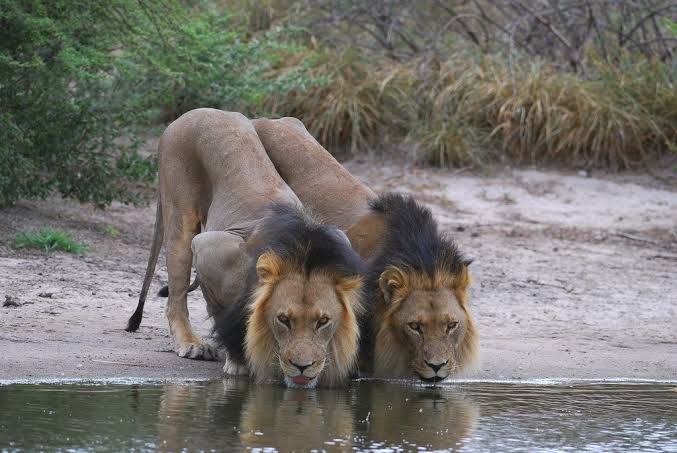
This guide explains exactly what a day game drive in Hwange involves, how to plan one whether you self-drive or travel with a professional guide, which routes and waterholes to prioritise, what animals you are likely to see, what it costs, and how to make the most of every hour between gate opening and gate closing.
What Is a Day Game Drive in Hwange?
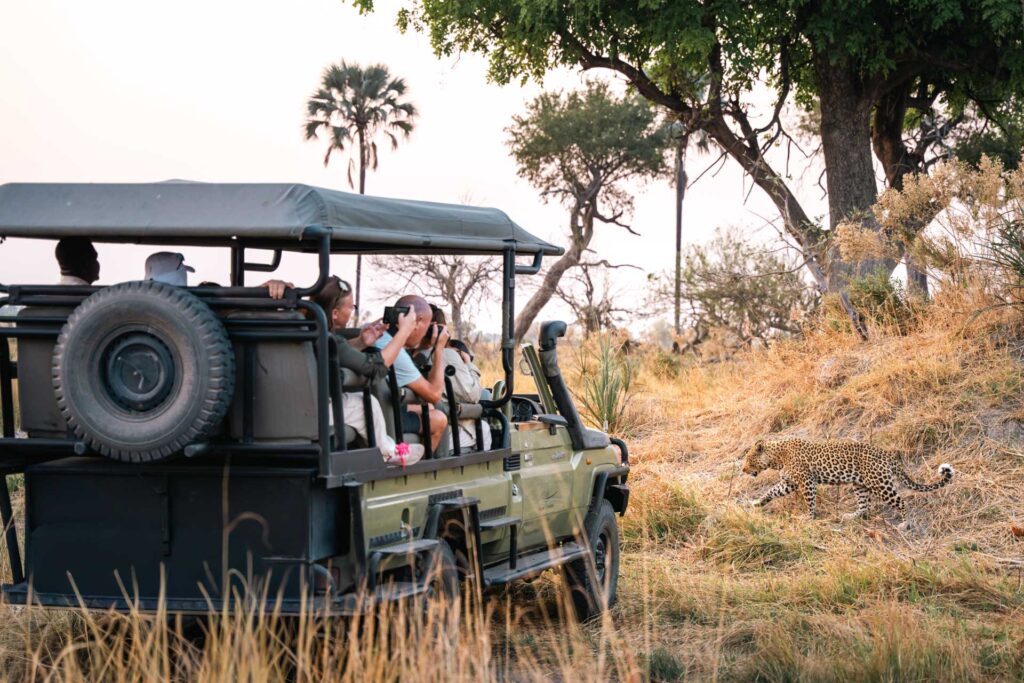
A day game drive is a full-day wildlife safari conducted in a vehicle, normally an open-sided 4×4 safari truck or a well-prepared self-drive 4×4, that runs from the moment the park gates open in the morning until shortly before they close in the evening. Unlike a standard three-hour morning or afternoon drive offered by most lodges, a full-day drive allows you to travel much deeper into the park, reach remote pans that shorter drives never touch, and spend the hot middle hours watching wildlife at water rather than resting back at camp.
In Hwange, the full-day format makes particular sense. The park has no permanent rivers flowing through its heart, so wildlife depends heavily on natural pans and on waterholes kept topped up by boreholes. During the dry months, these water points become theatres of animal activity, and a patient visitor who parks up at the right pan at midday can watch hundreds of elephants arrive, drink, bathe and move on.
Day game drive vs. standard game drive
| Feature | Full-Day Game Drive | Standard Morning/Afternoon Drive |
| Duration | 10–12 hours | 3–4 hours |
| Area covered | Deep into the park, multiple pan systems | Areas close to camp or lodge |
| Midday viewing | Yes — waterhole and hide stops | No — return to camp for brunch and rest |
| Meals | Packed breakfast and lunch in the bush | Coffee stop or sundowner only |
| Best for | Photographers, keen wildlife watchers, short stays | Relaxed safaris, lodge-based guests |
| Energy required | High — long hours, heat and dust | Moderate |
Why Choose Hwange for a Full-Day Safari?
Hwange combines scale, variety and accessibility in a way that rewards a full day in the field. Here are the main reasons it ranks among the finest game drive destinations in Southern Africa.
- Elephant capital of Zimbabwe: Hwange supports one of the largest elephant populations in Africa, with estimates commonly placed in the tens of thousands. Herds of 50 to 100 or more at a single waterhole are a regular dry-season sight.
- Big cat country: Lions are found throughout the park, and Hwange gained global attention through the story of Cecil the lion in 2015. Leopard and cheetah are present but less frequently seen.
- Rare species: Hwange is one of the best places in Africa to look for the endangered African wild dog (painted dog), and it also holds healthy numbers of sable and roan antelope, which are difficult to find elsewhere.
- Diverse habitats: Kalahari sand woodland, teak forests, mopane belts, granite outcrops in the north and wide open vleis create very different scenery in a single day.
- Over 400 bird species: From kori bustards and secretary birds to raptors such as bateleur and martial eagles, Hwange is excellent for birding, especially in the green season.
- Easy to combine with Victoria Falls: Hwange sits on the main road between Bulawayo and Victoria Falls, making it a natural addition to any Zimbabwe or KAZA-region itinerary.
Sample Day Game Drive Itinerary
The exact timings depend on the season, as gate hours follow daylight. The schedule below reflects a typical dry-season full-day drive starting from the Main Camp area, which offers the densest network of pumped waterholes and the highest concentration of wildlife.
| Time | Activity | What to Expect |
| 05:30 | Wake-up call, coffee and rusks | Pack cameras, binoculars, warm layers — early mornings in winter can be close to freezing |
| 06:00 | Enter the park at Main Camp gate | Pay conservation and vehicle fees if self-driving; collect a park map |
| 06:00–08:30 | Early morning drive | Prime time for predators: lions finishing night hunts, hyenas, jackals and possibly wild dog on the move |
| 08:30 | Bush breakfast at a picnic site or pan | Fenced or designated picnic sites allow you to stretch your legs safely |
| 09:00–11:30 | Mid-morning drive to the pans | Plains game arrive to drink: zebra, wildebeest, giraffe, kudu, sable |
| 11:30–14:30 | Waterhole or hide stop | Elephant herds peak at midday in the dry season; ideal for patient photography |
| 12:30 | Packed lunch at a picnic site | Many sites overlook water, so viewing continues while you eat |
| 14:30–17:00 | Afternoon drive | Predators become active again as temperatures drop; buffalo herds head for water |
| 17:00–17:45 | Golden hour and return towards the gate | Allow plenty of time — you must exit or reach your camp before gate closure |
| 18:00 | Exit the park or arrive at camp | Sundowner and dinner at your lodge |
| Guide’s Tip: Let the Wildlife Come to You
The single biggest mistake on a Hwange day drive is trying to cover too much ground. Elephants, buffalo and predators all depend on the waterholes. Choose two or three good pans, arrive early, switch off your engine and wait. Some of the most memorable sightings happen after 30 or 40 minutes of patient silence. |
Best Game Drive Routes and Waterholes
Hwange is divided into three broad regions, each accessed through its own camp. For a single day, most visitors focus on one region rather than attempting to cross the park, as distances are large and roads are sandy.
Main Camp Area (Eastern Hwange)
Main Camp is the park’s headquarters and the most popular base for day game drives. It is closest to Hwange National Park Airport and the village of Dete, and its road network links a string of excellent waterholes across open grassland and Kalahari woodland.
- Nyamandhlovu Pan: One of the park’s most famous waterholes, with an elevated viewing platform where visitors can leave their vehicles. Elephants, buffalo and lion are regular visitors.
- Dom Pan and Caterpillar Pan: Good morning stops along the route deeper into the park, often busy with plains game.
- Guvalala Pan: Another pan with a viewing platform, excellent for watching elephants in the dry season.
- Kennedy Pans 1 and 2: Set in open vlei country, these pans attract large herds of zebra, wildebeest and buffalo, and the predators that follow them.
- Ngweshla Pan: A remote, rewarding destination in the south-east, known for lion activity and big buffalo herds. Reaching it makes for a long but excellent full-day loop.
Sinamatella (Northern Hwange)
Sinamatella sits on a rocky ridge with sweeping views over the plains below. The terrain here is more rugged, with granite koppies, mopane woodland and seasonal river courses. It is a quieter area with fewer vehicles and a strong reputation for lions and leopard.
- Mandavu Dam: A large permanent dam where hippos and crocodiles live alongside elephants and buffalo that come to drink. The picnic site makes an ideal lunch stop.
- Masuma Dam: One of the best wildlife viewing spots in the north, with a hide overlooking the water.
- Shumba Picnic Site: A popular stop between the northern and central areas, often visited by elephants.
Robins Camp (Western Hwange)
Robins is the most remote part of the park and is best suited to experienced self-drivers or visitors staying overnight. The area is known for its predators and wild, uncrowded atmosphere. Roads here can be challenging after rain, and services are limited, so a full-day drive from Robins requires careful fuel and water planning.
Suggested full-day routes from Main Camp
| Route | Approx. Distance | Highlights | Suitability |
| Main Camp – Nyamandhlovu – Guvalala loop | 60–80 km | Viewing platforms, elephants, short driving times | First-timers, families, relaxed pace |
| Main Camp – Dom – Kennedy Pans | 80–100 km | Open vleis, plains game, lion | Keen wildlife watchers |
| Main Camp – Kennedy – Ngweshla | 140–180 km round trip | Remote pans, buffalo herds, fewer vehicles | Experienced drivers, guided safaris |
Distances are approximate and vary with the exact loop chosen. Sandy roads mean average speeds are low — often 20 to 30 km per hour.
Wildlife You Can See on a Hwange Day Game Drive
Hwange holds more than 100 mammal species. On a full day in the dry season, visitors commonly record 20 or more mammal species. The table below gives a realistic guide to sighting likelihood.
| Animal | Sighting Likelihood | Where and When |
| African elephant | Very high | Every pan in the dry season; peak numbers midday |
| Cape buffalo | High | Large herds around Kennedy, Ngweshla and Mandavu |
| Giraffe, zebra, wildebeest | Very high | Open vleis and pan edges throughout the day |
| Lion | Moderate to good | Early morning and late afternoon near waterholes |
| Sable and roan antelope | Moderate | Woodland edges; Hwange is a stronghold for both |
| Spotted hyena, jackal | Moderate | Early morning near pans and carcasses |
| African wild dog | Low to moderate | Unpredictable; most often seen early morning |
| Leopard | Low | Rocky areas around Sinamatella; dawn and dusk |
| Cheetah | Low | Open grassland areas in the east |
| Hippo and crocodile | High (north) | Mandavu and Masuma dams |
| Black-backed jackal, bat-eared fox | Moderate | Open areas, especially early morning |
| Did You Know?
Hwange’s famous “Presidential Elephants” are a herd protected by a presidential decree dating back to 1990. They roam the area near the park’s north-eastern boundary and are known for being unusually relaxed around vehicles. |
Best Time for a Day Game Drive in Hwange
Hwange is open year-round, but the experience changes dramatically between seasons. The dry season delivers the best wildlife viewing, while the green season offers dramatic skies, newborn animals and excellent birding.
| Period | Season | Game Viewing | Notes |
| May – June | Early dry season | Good and improving | Cool, pleasant days; cold mornings and nights |
| July – October | Peak dry season | Excellent | Animals crowd the waterholes; October is very hot, often above 35°C |
| November – December | Early rains | Variable | Wildlife disperses as pans fill; first births and migrant birds arrive |
| January – March | Green season | Fair to good | Lush scenery, top birding, some roads may become difficult |
| April | Late green season | Good | Grass begins to dry; fewer visitors and lower lodge rates |
Our recommendation: For a first-time visitor whose main goal is big game, plan your day game drive between August and early October. If you are a photographer or birder who prefers fewer vehicles and green landscapes, consider February to April.
Ways to Do a Day Game Drive in Hwange
Guided Full-Day Game Drive
Booking a professional guide in an open safari vehicle is the most rewarding option for most travellers. Experienced Hwange guides know which pans have been active, can read tracks and alarm calls, and handle all fees, permits and logistics. Most lodges and safari operators around Main Camp offer full-day drives with a packed breakfast and lunch.
Self-Drive Day Game Drive
Hwange is one of the most self-drive-friendly parks in Zimbabwe. Visitors with a suitable vehicle can enter the park during daylight hours, explore the road network independently and stop at designated picnic sites and viewing platforms. A high-clearance 4×4 is strongly recommended because many roads run through deep Kalahari sand.
Day Trip from Victoria Falls
Many visitors staying at Victoria Falls take a full-day excursion to Hwange. The drive to the Main Camp area takes around 2.5 to 3 hours each way, so expect a very early departure, roughly five to six hours of game viewing, and a return after dark. It is a long day, but it is a worthwhile option for travellers with limited time.
Private Concession Lodges
Lodges in private concessions on the edge of the park, especially in the south-east around Linkwasha and Makalolo, offer exclusive-use areas with fewer vehicles. Some permit activities not allowed in the public areas, such as off-road driving to sightings, night drives and guided walks.
| Option | Pros | Cons | Best For |
| Guided drive from a nearby lodge | Expert guiding, open vehicle, no logistics | Higher cost, shared vehicle on group trips | Most travellers |
| Self-drive | Flexible, budget-friendly, own pace | Requires 4×4 experience and navigation | Independent travellers, repeat visitors |
| Day trip from Victoria Falls | No extra accommodation needed | Long travel time, less game viewing | Travellers short on time |
| Private concession | Exclusivity, night drives, walks | Premium price | Luxury and honeymoon safaris |
How Much Does a Hwange Day Game Drive Cost?
Costs depend on whether you self-drive or book a guided safari, your residency status and where you start. The figures below are indicative 2026 ranges in US dollars and are intended as a planning guide.
| Cost Item | Indicative Price (US$) | Notes |
| Conservation (entry) fee – international visitor | Approx. 12–20 per person per day | Lower rate applies to visitors staying overnight inside the park; SADC and Zimbabwean residents pay less |
| Vehicle entry fee – foreign-registered vehicle | Approx. 10 per day (day visitor) | Lower rate for accommodated visitors; charged separately from personal fees |
| Guided full-day drive from a Main Camp area lodge | Approx. 120–250 per person | Often excludes park fees; check whether meals are included |
| Full-day trip from Victoria Falls | Approx. 300–450 per person | Usually includes transfers, guide, park fees and lunch; minimum group sizes may apply |
| Private guide and vehicle (exclusive) | Approx. 400–700 per vehicle | Ideal for photographers and families |
| 4×4 self-drive rental | Approx. 90–200 per day | Depends on vehicle type and whether camping equipment is included |
| Important: Confirm Fees Before You Travel
ZimParks reviews its tariffs periodically, and fees vary by visitor category, vehicle type and whether you are accommodated inside the park. Always confirm current rates with ZimParks or your safari operator before travel. Carry US dollar cash in small denominations as a backup, since card machines at gates are not always reliable. |
Getting to Hwange National Park
| From | Distance to Main Camp | Travel Time | Notes |
| Victoria Falls | About 180–200 km | 2.5–3 hours | Good tarred road via Hwange town; turn off towards Dete |
| Bulawayo | About 280–300 km | 3.5–4 hours | Main A8 highway, then the Main Camp turnoff |
| Harare | About 700 km+ | 9–10 hours, or fly | Most visitors fly to Victoria Falls or Bulawayo |
| Hwange National Park Airport | Close to Main Camp | Under 30 minutes | Served mainly by charter flights |
| Kasane (Botswana) | About 250 km via Kazungula | 3.5–4.5 hours | Includes border crossing at Kazungula |
Self-drive tip: If you are driving a rental vehicle from Botswana, Zambia or further afield, make sure you carry cross-border documentation, including the vehicle registration papers, an authorisation letter from the rental company and third-party insurance valid in Zimbabwe. Many visitors also use the KAZA Univisa when combining Zimbabwe with Zambia.
Park Rules and Game Drive Etiquette
Following park rules keeps you safe, protects wildlife and ensures everyone enjoys their sightings. In the public areas of Hwange, the following rules apply.
- Drive only during gate hours, which broadly follow sunrise and sunset. Being late out of the park can result in a fine.
- Stay on designated roads at all times. Off-road driving is not permitted in the public areas.
- Remain inside your vehicle except at designated picnic sites, viewing platforms and hides.
- Respect the speed limit, generally 40 km/h on park roads, and slow down near animals.
- Never feed, call or harass animals, and keep noise to a minimum at sightings.
- Give elephants plenty of space. If a herd blocks the road, wait patiently and switch off your engine.
- Take all litter out of the park with you.
- Do not crowd a sighting. Allow other vehicles a turn, particularly with big cats.
| Elephant Safety on the Road
Hwange’s elephants are generally relaxed, but breeding herds with young calves can be nervous. Warning signs include ear-flapping, head-shaking, trumpeting and mock charges. If an elephant shows signs of stress, stay calm, keep your engine running and slowly reverse to give it room. Never drive between a mother and her calf. |
What to Pack for a Full-Day Game Drive
Clothing
- Neutral-coloured clothing in khaki, olive, beige or brown
- Warm fleece or jacket, a beanie and gloves for winter mornings (May to August)
- Light long-sleeved shirt and trousers for sun and insect protection
- Wide-brimmed hat and sunglasses
- Comfortable closed shoes
Equipment
- Binoculars — one pair per person is ideal
- Camera with a zoom lens of 100–400 mm or more, plus spare batteries and memory cards
- Bean bag for stable shooting from the vehicle window
- Field guide or app for mammals and birds
- Park map and offline GPS navigation for self-drivers
Essentials
- At least three litres of drinking water per person
- Packed breakfast, lunch and snacks
- Sunscreen, lip balm and insect repellent
- Personal medication and a basic first-aid kit
- US dollar cash in small notes for fees and tips
- Wet wipes and hand sanitiser
- Dust cover or plastic bags for camera gear
Photography Tips for Hwange
- Use the golden hours: The first two hours after sunrise and the last two before sunset deliver warm, soft light, and this is when predators are most active.
- Shoot at eye level: Viewing platforms and hides at waterholes allow dramatic low-angle shots of drinking elephants.
- Embrace the dust: Backlit dust kicked up by elephant herds in the late afternoon creates atmospheric images.
- Switch off the engine: Engine vibration causes blur. Ask your guide, or switch off yourself, before shooting.
- Protect your gear: Kalahari sand is fine and gets everywhere. Change lenses inside the vehicle with your back to the wind.

Health and Safety Considerations
- Malaria: Hwange is in a malaria area. Consult a travel health professional about prophylaxis and use repellent, especially from November to April.
- Heat: October temperatures can exceed 35°C. Drink water regularly and wear a hat.
- Tsetse flies: These are present in some areas. Avoid dark blue and black clothing, which attracts them.
- Vehicle readiness: Self-drivers should carry a spare tyre, tyre-repair kit, tow rope and enough fuel. Fuel is not always available inside the park, so fill up in Hwange town or Dete.
- Communication: Mobile signal is patchy away from the camps. Tell your lodge or camp your planned route and expected return time.
Combine Your Game Drive with Other Hwange Experiences
- Painted Dog Conservation Centre: Located near the Main Camp gate, this centre offers an excellent introduction to the conservation of African wild dogs.
- Guided bush walks: Available with licensed guides in some concessions, offering a close-up look at tracks, plants and smaller creatures.
- Night drives: Offered only in private concessions, where you may see nocturnal species such as aardvark, porcupine, genet and civet.
- Overnight on a platform or bush camp: ZimParks operates a small number of exclusive-use platforms and bush camps for a truly wild night beside a waterhole.
- Victoria Falls extension: Combine two or three days in Hwange with two nights at Victoria Falls for a classic Zimbabwe safari.
Frequently Asked Questions
How long is a full-day game drive in Hwange?
A full-day game drive normally runs from gate opening to gate closing, which is roughly 10 to 12 hours depending on the season. Day trips from Victoria Falls offer less time in the park because of the travel time involved.
Can I do a self-drive game drive in Hwange?
Yes. Hwange is very well suited to self-drive safaris. A high-clearance 4×4 is strongly recommended because of the sandy roads. You must stay on designated roads and exit the park or reach your camp before the gates close.
What is the best area of Hwange for a day game drive?
The Main Camp area in the east is the best choice for most visitors thanks to its network of waterholes, viewing platforms and high wildlife concentrations. Sinamatella in the north offers more dramatic scenery and fewer vehicles.
Will I see the Big Five in Hwange?
You are very likely to see elephant, buffalo and lion on a full-day drive in the dry season, and leopard is possible but elusive. Rhino are not normally seen in the public areas of Hwange, so the park is better described as a superb elephant, predator and general game destination.
Are meals included on a guided day game drive?
Most guided full-day drives include a packed breakfast and lunch, along with drinking water and soft drinks. Always confirm inclusions when booking.
Is a day trip from Victoria Falls to Hwange worth it?
Yes, if your time is limited. You will spend around five to six hours in the park and have a good chance of seeing elephants and plains game. For more relaxed viewing and better predator chances, spending at least one night near Hwange is recommended.
What is the best month for a Hwange game drive?
August, September and early October offer the best game viewing as animals gather at waterholes. September is often considered the sweet spot, with excellent viewing and temperatures that are not yet at their October peak.
Do I need cash to enter Hwange?
It is wise to carry US dollar cash in small denominations as a backup, even if card payment is available, because electronic systems at park gates are not always reliable.
| Plan Your Hwange Day Game Drive with Marriott Safaris Africa
Whether you want a guided full-day safari from a Main Camp area lodge, a day trip from Victoria Falls, or a fully equipped 4×4 for your own self-drive adventure, Marriott Safaris Africa can tailor every detail — from vehicles and park fees to accommodation and cross-border paperwork. Contact our safari specialists today and let us build your perfect Hwange experience. Perfection Anytime. |