Where to Stay in Hwange National Park
The Complete Guide to Lodges, Tented Camps, Rest Camps and Campsites (2026 Edition)
Where to Stay in Hwange National Park, Hwange National Park is Zimbabwe’s largest protected area and one of the finest elephant destinations on the continent. Spread across roughly 14,650 square kilometres of Kalahari sandveld, teak woodland, mopane scrub and open grassland in the country’s far west, it is home to an elephant population commonly estimated at more than 45,000, alongside lion, painted wolf (African wild dog), leopard, cheetah, buffalo, sable, roan and over 400 bird species.
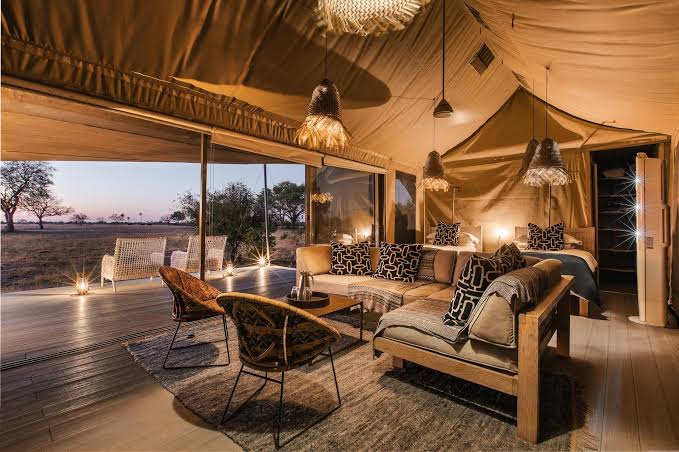
Because the park is so big, where you sleep shapes almost everything about your safari: the scenery you wake up to, which waterholes you can reach before breakfast, whether you can walk or drive at night, how crowded the roads feel and, of course, how much you spend. This guide walks through every type of accommodation in and around Hwange, from ultra-luxury tented camps on private concessions to self-catering Zimparks chalets and wild, unfenced campsites, so you can choose the base that matches your style and budget.
| Hwange at a Glance
Location: Matabeleland North, western Zimbabwe, bordering Botswana Size: approx. 14,650 km² (Zimbabwe’s largest national park) Nearest gateways: Victoria Falls (approx. 2–3 hours by road to the northern lodges) and Bulawayo (approx. 4 hours to Main Camp) Accommodation range: from roughly US$15 per person camping to US$2,000+ per person per night at top luxury camps Best game viewing: July to October (dry season), when wildlife concentrates at pumped waterholes |
Understanding Hwange’s Accommodation Zones
Before comparing individual lodges, it helps to understand how the park is laid out. Accommodation clusters in a handful of distinct areas, and each one offers a different safari experience.
| Zone | Character | Accommodation Types | Access |
| Main Camp & Northeast | Busiest area; excellent waterholes such as Nyamandhlovu and Dom; classic Hwange elephant viewing | Zimparks rest camp, private lodges on the boundary, mid-range hotels | Tarred road off the Victoria Falls–Bulawayo highway |
| Southeast (Linkwasha, Makalolo, Ngamo, Somalisa) | Open plains, pans and acacia islands; prime predator country; very few vehicles | Luxury and premium tented camps on private concessions | Charter flight or long sand-road transfer |
| Central & Shumba Area | Remote teak and mopane woodland; productive natural and pumped waterholes | Private camps, Zimparks exclusive picnic campsites | 4×4 recommended; air charter to Shumba airstrip |
| Sinamatella (North) | Dramatic basalt ridge and views over the valley below; good lion and buffalo | Zimparks camp, private bush camps, Mandavu and Masuma picnic sites | Gravel road via Hwange town |
| Robins & Northwest | Rugged, wild and quiet; close to the Botswana border | Privately managed Robins Camp, exclusive bush camps | Via the Victoria Falls side; 4×4 advised |
| Deep South (Kalahari sands) | Very remote; true wilderness with almost no other visitors | A handful of rustic remote camps | Long 4×4 transfer or charter |
How to Choose the Right Hwange Accommodation
Hwange rewards travellers who think about what kind of safari they want rather than simply chasing a star rating. Consider these five questions before you book.
- Private concession or public park? Camps on private concessions (such as Linkwasha-Makalolo) offer exclusive traversing, night drives and walking safaris. In the public areas you share roads with self-drivers and follow standard park hours.
- Fully guided or self-drive? Luxury and premium camps are fully inclusive with professional guides. Zimparks chalets and campsites suit self-drivers who want independence and lower costs.
- What do you want to see? For big cats and painted wolves, the southeast plains are hard to beat. For huge elephant gatherings, almost any waterhole area works in the dry season.
- How much time do you have? With just one or two nights, a lodge near the northern or eastern boundary saves transfer time. With four nights or more, split your stay between two zones.
- Who is travelling? Families should look for camps with family tents and flexible age policies; some camps do not accept young children on walks or game drives.
Luxury Accommodation in Hwange National Park
Hwange’s top camps rival the best of Botswana in style and wildlife, often at a slightly lower price point. Expect spacious canvas suites, outdoor showers, plunge pools, gourmet dining, expert guiding and all activities included.
Linkwasha Camp (Wilderness)
Southeast | Linkwasha-Makalolo private concession | Ultra-luxury tented camp
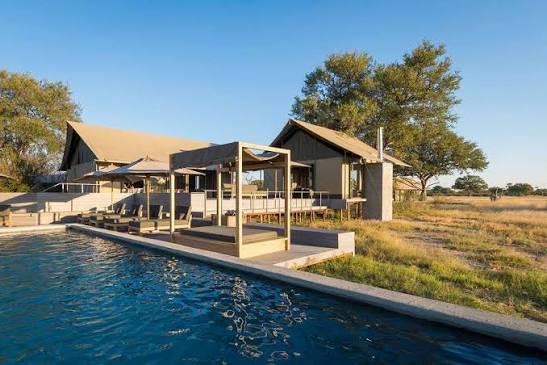
Linkwasha is widely regarded as Hwange’s flagship luxury camp. Rebuilt on its original site near the sweeping Ngamo Plains, it combines contemporary design with a setting overlooking a busy pan that draws game year-round. The camp has eight en-suite luxury tents plus a family tent, a swimming pool, a winter lounge with fireplace and a library.
Its private concession means exclusive game drives with very few other vehicles, alongside guided walks, bush sundowners and community visits.
- Private-concession game drives across open plains, prime lion and cheetah territory
- Family tent and pool make it suitable for families wanting luxury
- Reached by light aircraft from Victoria Falls in about an hour
Best for: Honeymooners, photographers and travellers wanting Hwange’s most polished experience.
Somalisa Camp & Somalisa Acacia (African Bush Camps)
Southeast | Near Kennedy and the Ngamo area | Luxury tented camps
Somalisa sits in a grove of acacia trees on a seasonal floodplain in the heart of the southeast. It is famous for the small splash pool beside the main deck, where elephants regularly come to drink just metres from guests.
Its sister camp, Somalisa Acacia, is designed with families in mind while keeping the same remote, luxurious feel. A simpler, more affordable option, Somalisa Expeditions, offers walking safaris and game drives in a stylish but pared-back setting.
- Unforgettable close-up elephant encounters from camp
- Walking safaris with highly regarded guides
- Three camp styles to suit different budgets and group types
Best for: Elephant lovers, walking-safari enthusiasts and families (Somalisa Acacia).
Little Makalolo (Wilderness)
Southeast | Linkwasha-Makalolo private concession | Intimate luxury camp
Little Makalolo is a small, intimate camp overlooking a busy waterhole in one of the most productive game areas in Zimbabwe. A log-pile hide in front of camp puts you at eye level with drinking elephants, making it a favourite with photographers.
The camp shares the vast private concession with Linkwasha and Davison’s, so guests enjoy the same exclusive traversing and quiet roads.
- Log-pile photographic hide at the waterhole
- Small size gives a personal, relaxed atmosphere
- Excellent year-round predator sightings
Best for: Photographers and travellers wanting intimacy without sacrificing comfort.
Camp Hwange
Central Hwange | Private concession near Shumba | Luxury-premium tented camp
Camp Hwange occupies a private concession in the central part of the park, with traversing rights away from public roads. Its spacious, airy chalets overlook a productive natural waterhole, and the camp has built a strong reputation for guiding, including walking safaris.
The atmosphere is authentic rather than glitzy, with a campfire and communal dining at the heart of camp life. Published 2026 rates sit roughly between US$570 and US$1,130 per person sharing depending on season, with park and conservation fees charged separately.
- Remote location away from the busier northeast
- Strong focus on walking and guiding quality
- Road transfers from Shumba airstrip
Best for: Experienced safari-goers who value guiding and wilderness over luxury frills.
| Luxury Tier: What to Expect
Typical rate: approx. US$900–2,000+ per person per night sharing, fully inclusive (peak season July–October) Usually included: all meals, local drinks, twice-daily activities, laundry, guiding Often extra: park fees and conservation levies, charter flights, premium drinks, gratuities Tip: shoulder months (April–June and November) can bring real savings and long-stay offers such as “stay 4, pay 3”. |
Premium and Mid-Range Safari Camps
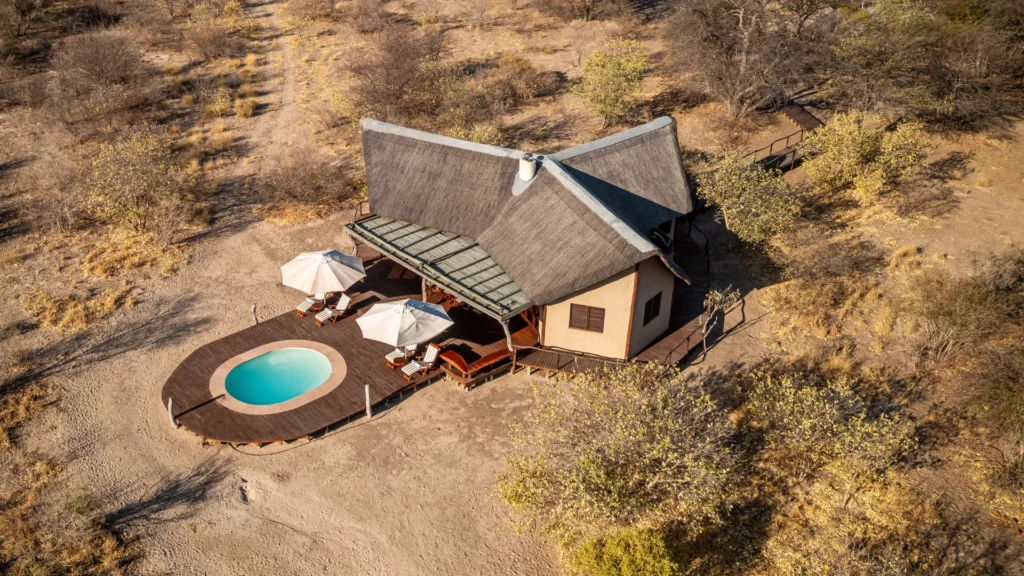
This tier delivers genuine bush experiences with professional guiding, comfortable en-suite tents or chalets and fantastic wildlife, at prices well below the flagship luxury camps. For many travellers, it represents Hwange’s best value.
Davison’s Camp (Wilderness)
Southeast | Linkwasha concession | Classic tented camp
Named after Ted Davison, the first warden of Hwange National Park, this camp offers a timeless, classic safari atmosphere beneath shady trees. It has nine tented suites including a family unit, plus a lounge, dining area, deck, campfire and swimming pool.
Because it shares the private concession with Linkwasha and Little Makalolo, guests enjoy the same game-rich area at a lower price. Activities include day and night game drives, morning walks and community visits, often to a local school.
- Access to the same private concession as Wilderness’s luxury camps
- Night drives and walking safaris
- Family unit available
Best for: Value-conscious travellers who still want a private-concession experience.
The Hide
Eastern boundary near Main Camp | Small private concession | Family-run classic camp
The Hide is one of Hwange’s longest-running and best-loved camps, family-run for more than 25 years. Tents overlook a natural waterhole, and its signature feature is a submerged hide where you can watch elephants drink at ground level.
It is particularly strong for families, offering good family accommodation and a relaxed, welcoming style.
- Famous submerged elephant hide
- Long-established, warm hospitality
- Easy access from the Main Camp area
Best for: Families, first-time safari-goers and repeat visitors who love a personal touch.
Verney’s Camp
Southeast | Private concession | Affordable luxury tented camp
Opened in 2018, Verney’s is one of the newer camps in Hwange, located in the open, wildlife-rich landscape of the park’s southeastern section. It offers stylish tented accommodation at a more affordable price than neighbouring luxury camps.
- Prime southeastern game area
- Modern, comfortable design
- Good balance of price and quality
Best for: Couples and small groups wanting southeastern game viewing on a moderate budget.
Nehimba Lodge
Remote private concession | Comfortable safari lodge
Nehimba is a comfortable, good-value lodge set in a remote part of Hwange that teems with wildlife. Its suites face a waterhole frequented by elephants, and the lodge has a loyal following among travellers seeking quality without excess.
- Remote, uncrowded location
- Waterhole-facing accommodation
- Strong value for money
Best for: Travellers who want a lodge feel and seclusion at a fair price.
Hwange Bush Camp and Other Small Camps
Various locations | Small seasonal and bush camps
A collection of smaller camps rounds out this tier. Hwange Bush Camp is a small seasonal camp known for comfortable tents, great food and superb guiding, and it is often booked by exclusive groups. Other options include Bomani Tented Lodge and Camelthorn Lodge near the eastern boundary, Deteema Springs Camp in the rugged north, and Camp Chitubu and Daka Camp, which bring private-camp comfort to quieter parts of the park.
- Small sizes and personal service
- Good for exclusive-use group bookings
- Spread across zones, ideal for split stays
Best for: Groups, return visitors and anyone building a multi-zone itinerary.
| Premium / Mid-Range Tier: What to Expect
Typical rate: approx. US$350–900 per person per night sharing, usually fully inclusive or full board with activities Accommodation: en-suite tents or chalets, many with views of a waterhole Activities: game drives, often walks, sometimes night drives on private concessions |
Lodges and Hotels on the Park Boundary
A string of lodges sits just outside the park on its eastern and northern edges, mostly near Main Camp and the village of Dete. They are easy to reach by road, suit shorter stays and offer the flexibility of booking game drives separately or driving yourself into the park.
- Hwange Safari Lodge: A large, long-established hotel close to Main Camp, with a pool, restaurant and a viewing deck over a waterhole. Popular with tour groups, self-drivers and travellers on a mid-range budget who want hotel-style comfort.
- Khulu Bush Camp: Just outside the park, with a waterhole that attracts elephants in large numbers, and known for excellent value. Its sister property, Khulu’s Retreat, is an exclusive private villa for families or groups wanting a self-contained space.
- Ivory Lodge: Treehouse-style rooms overlooking a waterhole on a private estate bordering the park. A characterful and comparatively affordable choice.
- Gwango and other Dete-area lodges: Simpler, budget-friendly lodges and chalets that make good bases for self-drivers and travellers watching costs.
| Boundary Lodge Tip
Lodges outside the park do not always include park fees or game drives in their rates. Check whether activities are bundled before comparing prices with inside-park camps, and allow time to reach the Main Camp gate before your first drive. |
Budget and Self-Catering: Zimparks Rest Camps
The Zimbabwe Parks and Wildlife Management Authority (Zimparks) runs the park’s public rest camps. They are the most affordable way to stay inside Hwange and are ideal for self-drive travellers and overlanders. Facilities are functional and in places dated, but the locations are excellent and the money goes directly to park management.
Main Camp
Located at the main entrance in the northeast, Main Camp is the park’s largest rest camp and administrative hub. It offers self-catering lodges (one or two bedrooms with bathroom, kitchen, lounge and veranda), cottages and chalets, as well as a large camping and caravan site. Its position gives quick access to some of the park’s most reliable waterholes, including Nyamandhlovu Pan with its elevated viewing platform. Book ahead in peak season, as it fills quickly.
Sinamatella Camp
Perched on a basalt ridge about 120 km from Main Camp, Sinamatella enjoys sweeping views over the valley below. It was once a cattle ranch and now offers chalets and campsites with barbecue areas and communal ablutions. Some chalets have been contracted out to private operators, while the campsite remains under Zimparks.
Robins Camp
Close to the park’s western boundary and roughly 156 km from Main Camp, Robins Camp was bequeathed to the government in 1939 by local farmer Harold Robins. It is now under private management with renovated lodging and camping. Roads linking Robins with the rest of the park can be rough, so plan routes carefully and use a 4×4.
Nantwich and Deka
These smaller, self-contained camps in the Robins area offer seclusion for self-catering groups. Nantwich has three fully equipped lodges, while Deka lies about 25 km west of Robins Camp.
| Budget Tier: What to Expect
Camping: roughly US$15–30 per person per night, plus park fees Chalets and lodges: from roughly US$50–150 per unit per night depending on size Bring your own food and supplies; fuel and shopping are limited inside the park Rates change frequently. Always confirm current prices directly with Zimparks central reservations before travel. |
Exclusive Picnic Site Camping: Hwange’s Wildest Nights
For many self-drivers, the highlight of Hwange is a night at one of the park’s exclusive picnic-site campsites. These are small, unfenced sites beside waterholes or dams, typically booked by a single party per night and looked after by a resident attendant who keeps the fire going and the water hot.
| Campsite | Area | Why Go |
| Masuma Dam | Shumba / Sinamatella | Often considered the park’s top waterhole late in the dry season; a raised hide overlooks the dam |
| Shumba | Central | Remote pan with good elephant and lion activity |
| Mandavu Dam | Sinamatella | Large dam with hippo, crocodile and birdlife; elevated viewing |
| Deteema Dam | Sinamatella / Robins | Quiet, scenic and excellent for evening elephant herds |
| Kennedy 1 & 2 | Southeast (public area) | Open vleis bordering the plains; superb game in the dry season |
| Ngweshla | Southeast (public area) | One of the most remote public sites; prime predator country |
Important: These sites are unfenced and wild animals walk through freely. Stay in or beside your vehicle after dark, keep food secured and follow the attendant’s guidance. Availability is limited, so book weeks or months ahead for peak season.
Hwange Accommodation Comparison Table
The figures below are indicative 2026 ranges per person per night sharing and will vary by season, operator and inclusions.
| Property | Zone | Tier | Indicative Rate (USD) | Signature Feature |
| Linkwasha Camp | Southeast | Ultra-luxury | 1,200–2,000+ | Plains-view luxury tents, pool |
| Somalisa Camp | Southeast | Luxury | 900–1,600 | Elephants at the splash pool |
| Little Makalolo | Southeast | Luxury | 900–1,500 | Log-pile photographic hide |
| Camp Hwange | Central | Luxury/Premium | 570–1,130 | Guiding and walking safaris |
| Davison’s Camp | Southeast | Premium | 500–900 | Private concession at lower cost |
| The Hide | East boundary | Premium | 450–850 | Submerged elephant hide |
| Verney’s Camp | Southeast | Premium | 400–750 | Affordable luxury since 2018 |
| Nehimba Lodge | Remote concession | Premium | 400–750 | Remote waterhole lodge |
| Khulu Bush Camp | Outside park | Mid-range | 200–450 | Elephant waterhole, great value |
| Hwange Safari Lodge | Main Camp area | Mid-range | 120–300 | Hotel comfort, easy access |
| Zimparks chalets | Main / Sinamatella | Budget | 50–150 per unit | Self-catering inside the park |
| Exclusive campsites | Various | Budget | 25–50 | Private, unfenced wilderness |
Best Time to Stay in Hwange
| Season | Months | Conditions | Accommodation Notes |
| Peak dry season | July–October | Bare bush, animals concentrated at waterholes, hot by October | Highest rates; book 6–12 months ahead for top camps and campsites |
| Early dry / shoulder | April–June | Green fading to gold, cool nights, fewer visitors | Good value and special offers |
| Green season | November–March | Rains, lush scenery, newborn animals, superb birding | Lowest rates; some seasonal camps close; some roads become difficult |
Getting to Your Hwange Accommodation
- By road from Victoria Falls: The northern and eastern boundary lodges and Main Camp are typically around two to three hours’ drive along the Victoria Falls–Bulawayo highway. Many lodges offer road transfers.
- By road from Bulawayo: Allow around four hours to Main Camp. Fuel up in Bulawayo, Hwange town or Victoria Falls, as supply inside the park is not guaranteed.
- By air: Charter flights link Victoria Falls with airstrips serving the private camps, including those in the southeast and the Shumba area. Flying saves many hours of sand-road driving and is often bundled with luxury camp packages.
- Self-drive: A high-clearance 4×4 is strongly recommended, especially for the southeast, the Sinamatella–Robins routes and the green season. Park gates generally open around 06:00 and close around 18:00, and you must reach your accommodation before closing.
Sample Accommodation Combinations
Short Stay: 2 Nights (Victoria Falls Add-On)
Stay at a boundary lodge such as The Hide or Khulu Bush Camp, or at Main Camp if self-driving. This minimises transfer time and gives you three to four game drives around the northeast waterholes.
Classic Safari: 4 Nights
Spend two nights in the northeast or central area (The Hide or Camp Hwange) and two nights in the southeast (Davison’s, Somalisa or Linkwasha). This combination shows you contrasting habitats and maximises your chances of seeing predators.
Self-Drive Adventure: 6 Nights
Two nights at Main Camp, one night at Kennedy or Ngweshla exclusive campsite, one night at Masuma or Shumba, and two nights split between Sinamatella and Robins before exiting towards Victoria Falls. This route covers almost every zone of the park.
Practical Booking Tips
- Book luxury camps and exclusive campsites six to twelve months in advance for July to October travel.
- Always check whether quoted rates include Zimparks park fees, conservation levies and charter transfers; many camps charge these separately.
- Look for long-stay offers such as “stay 4, pay 3”, which some camps run in the shoulder and green seasons.
- Check age policies for children; walking safaris usually have minimum ages, and some camps restrict young children altogether.
- Bring US dollars in small denominations for tips, park fees and incidentals; card machines can be unreliable in remote areas.
- Hwange is in a malaria area. Consult a travel health professional about prevention before departure.
- Consider the KAZA Univisa if combining Hwange with the Zambian side of Victoria Falls or a day trip to Chobe in Botswana; check current availability before travel.
Frequently Asked Questions
What is the best area to stay in Hwange National Park?
For the most exclusive wildlife experience, the southeast private concessions around Linkwasha, Makalolo and Somalisa are outstanding. For convenience and value, the Main Camp area in the northeast is easiest to reach. Ideally, split your stay between the two.
Can I stay inside Hwange on a budget?
Yes. Zimparks rest camps at Main Camp and Sinamatella offer affordable chalets and campsites, and exclusive picnic-site camping provides an unforgettable wilderness experience at low cost. You will need your own vehicle and supplies.
How much does a luxury lodge in Hwange cost?
Top luxury camps generally cost from about US$900 to over US$2,000 per person per night sharing in peak season, usually including meals, drinks and activities. Park fees and flights are often extra.
Are Hwange lodges family friendly?
Many are. Somalisa Acacia, The Hide, Linkwasha (family tent) and Davison’s (family unit) all cater well for families. Always confirm minimum ages for game drives and walks.
Is it safe to camp at Hwange’s exclusive campsites?
Many visitors camp safely each year, but the sites are unfenced and dangerous animals pass through. Follow the attendant’s advice, never walk around at night and keep food securely stored.
Do I need a 4×4 to reach Hwange accommodation?
Boundary lodges and Main Camp are accessible by ordinary vehicle on tarred roads. For the southeast, the Sinamatella–Robins routes and most exclusive campsites, a high-clearance 4×4 is strongly recommended.
How many nights should I spend in Hwange?
Three to four nights is ideal for a fly-in or guided safari. Self-drivers exploring multiple zones should allow five to seven nights.
| Plan Your Hwange Safari with Marriott Safaris Africa
Whether you dream of a luxury tented suite on the Ngamo Plains or a self-drive adventure camping beside a remote waterhole, our team can match you with the right Hwange accommodation, arrange transfers and 4×4 vehicles, and combine your stay with Victoria Falls, Chobe and beyond. Perfection Anytime. Contact us today to start planning. |
Note: rates and details in this guide are indicative as of 2026 and change frequently. Always confirm current pricing, park fees and inclusions with the property or contact Marriott Safaris Africa booking.