Handajega Gate
Nestled along the southwestern fringes of Serengeti National Park in Tanzania, Handajega Gate is one of Africa’s most underrated safari entry points. While most visitors pour through the celebrated Naabi Hill Gate or the famous Seronera region, Handajega offers a refreshingly different experience — quieter roads, intimate wildlife encounters, and a front-row seat to the spectacular Great Migration as it funnels through the Western Corridor and across the Grumeti River. Whether you are a first-time safari-goer or a seasoned wildlife enthusiast looking for something beyond the well-trodden path, this comprehensive guide covers everything you need to know about Handajega Gate.
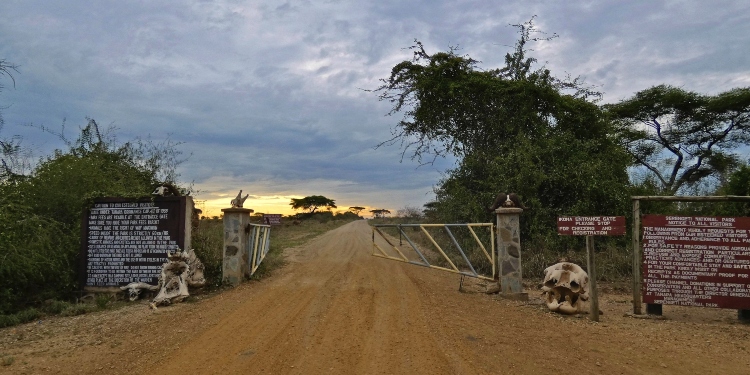
What is Handajega Gate
Handajega Gate is an official entrance and exit point to Serengeti National Park, situated in the western sector of the park near the town of Bariadi in the Simiyu Region of Tanzania. It is one of several gates serving the Serengeti ecosystem and is recognised as a key access point for travellers arriving from the direction of Mwanza, Lake Victoria, and the broader western Tanzania corridor.
The gate sits in close proximity to Ndabaka Gate — another western entry — and together the two form the primary western access corridor into one of the world’s largest and most celebrated national parks. Handajega is often described as a “lesser-known” entrance, which is precisely what makes it attractive to discerning travelers: fewer crowds, an unhurried atmosphere, and a sense of discovery that more commercial gates can no longer offer.
Location and How to Get There
Handajega Gate is located in the southwestern edge of Serengeti National Park, within the Mwanza administrative zone. It lies just a few kilometres southeast of Ndabaka Gate and approximately 8 kilometres from the boundary of the Grumeti Game Reserve — placing it squarely at the heart of the Western Serengeti ecosystem.
By Road from Mwanza
Mwanza, Tanzania’s second-largest city and a major hub on the southern shores of Lake Victoria, is the most logical staging point for visitors heading to Handajega Gate. The road journey from Mwanza to Handajega takes approximately 2–3 hours depending on road conditions, covering around 130–150 kilometres of mostly tarmac road transitioning to unpaved tracks closer to the gate. The route passes through small market towns and offers scenic views of the flat Simiyu savannah landscape.
By Air
Several airstrips serve the western Serengeti region and are accessible from Handajega Gate. These include Kirawira B Airstrip, which lies nearby within the western corridor, as well as the larger Mwanza Airport and Musoma Airport. Charter flights operated by reputable Tanzanian carriers such as Auric Air and Coastal Aviation service these strips, connecting them to Arusha, Dar es Salaam, Kilimanjaro, and the Serengeti’s other hubs. Flying in remains the most comfortable and time-efficient option for travellers on a tight schedule.
Road Conditions and Vehicle Requirements
It is strongly recommended that visitors travelling by road to Handajega Gate use a 4×4 vehicle, particularly during the long and short rainy seasons (March–May and October–December respectively). The dirt tracks approaching the gate can become heavily muddy and impassable for standard sedans. Self-drive travellers should carry a spare tyre, recovery gear, and sufficient fuel, as petrol stations become sparse as you approach the park boundary.
Entry Fees, Permits, and Opening Hours
Like all official gates to Serengeti National Park, Handajega Gate operates under the Tanzania National Parks Authority (TANAPA) fee structure. Entry fees are charged per person per day and vary depending on nationality (foreign nationals, East African residents, and Tanzanian citizens each have different tariff bands).
Payment at the Gate
Handajega Gate accepts payments by major international credit and debit cards including MasterCard and Visa. Cash payments in US dollars or Tanzanian shillings may also be accepted, though it is advisable to confirm the latest payment options with TANAPA or your tour operator before arrival. Visitors who have prepaid their park fees online can collect their permit at the gate upon presentation of their payment receipt.
Opening Hours
Handajega Gate, like all Serengeti entrances, is open from 6:00 AM to 6:00 PM daily. Entry and exit outside these hours is generally not permitted without the express permission of the Park Warden, which is typically only granted under emergency circumstances such as vehicle breakdown or road closure. Travellers are therefore advised to plan their arrival and departure well within operating hours to avoid complications.
Loliondo Area Permits
Some visitors combine a visit through Handajega Gate with excursions into the adjacent Loliondo Game Controlled Area, which borders the northern Serengeti and offers exceptional wildlife viewing in a less-regulated environment. Entry into Loliondo requires a separate permit from the Loliondo Game Controlled Area Authority, obtainable in advance or on-site. Tour operators specialising in the northern Serengeti ecosystem can facilitate this permit for you.
Facilities at Handajega Gate
While Handajega Gate is not as large or developed as Seronera or Naabi Hill Gate, it still provides essential visitor services to ensure a comfortable transition into the park.
Information Centre
The gate features a well-staffed information centre where park rangers and TANAPA staff are on hand to assist visitors. Here you can receive briefings on current wildlife activity, road conditions within the park, safety guidelines, and rules of conduct. Rangers can advise on the best game-drive routes from the western corridor and may have up-to-date information on migration movements.
Canteen and Refreshments
A small canteen at Handajega Gate sells light snacks and beverages, making it possible to grab refreshments before beginning or after concluding your game drive. This is particularly helpful for self-drive visitors who may have been on the road for several hours before reaching the gate.
Gift Shop
A gift shop offering a selection of Tanzanian crafts, Serengeti-themed souvenirs, books, and keepsakes is located at the gate. This is a convenient spot to pick up a memento of your safari experience or find a thoughtful gift for someone back home. The revenue from these shops supports TANAPA’s conservation programmes.
Toilets and Basic Amenities
Public toilet facilities are available at the gate. While the amenities are basic by international standards, they are functional and maintained by park staff. Visitors travelling with families or on long self-drive journeys will find these a welcome stop before entering the vast interior of the park, where facilities can be many kilometres apart.
Wildlife and the Great Migration
The western Serengeti corridor through which Handajega Gate provides access is one of the most wildlife-rich zones in the entire park. This region is famous above all for its role in the annual Great Migration — the largest mass movement of large mammals on Earth — but it also offers consistently excellent wildlife viewing throughout the year.
The Great Wildebeest Migration
Each year, over 1.5 million wildebeest, accompanied by hundreds of thousands of zebras and Thomson’s gazelles, embark on a circular journey across the Serengeti-Mara ecosystem in search of fresh grass and water. The migration follows a broadly predictable seasonal pattern, though the exact timing and location of the herds varies year to year depending on rainfall.
The western corridor typically sees the main migration herds from May through July. During this period, the wildebeest funnel into the Western Serengeti corridor en route to the Grumeti River and eventually the Masai Mara in Kenya. Visitors entering through Handajega Gate during these months may encounter vast columns of wildebeest stretching to the horizon — a truly humbling spectacle. The Grumeti River crossings, which occur around June and July as the herds attempt to cross the crocodile-infested waters, are among the most dramatic wildlife events in Africa.
Resident Wildlife
Beyond the migration, the western corridor supports a thriving permanent wildlife population. The area is home to all five members of Africa’s Big Five — lion, leopard, elephant, buffalo, and rhinoceros — though rhino sightings are rare. Other key species include:
- Lions: The western Serengeti harbours some of the Serengeti’s most iconic lion prides. With open grassland and excellent prey availability, lion sightings from this corridor are frequent and often lengthy.
- Leopard: The riverine forest fringing the Grumeti River provides ideal leopard habitat. Early morning game drives along the river are your best chance of a sighting.
- Cheetah: The open plains of the western corridor suit cheetah perfectly. This region is considered one of East Africa’s best destinations for cheetah sightings.
- Hyena: Spotted hyena clans are numerous and highly visible, particularly at dawn and dusk.
- Elephant: Loose family groups of savannah elephants roam the acacia woodlands and open grasslands throughout the year.
- Hippopotamus and Nile Crocodile: The Grumeti River and its pools harbour enormous resident hippo pods and some of the largest Nile crocodiles in Africa — famed for their spectacular attacks on migrating wildebeest.
- Birdlife: The western Serengeti is an outstanding birding destination with over 500 recorded species. Raptors such as martial eagle, bateleur, and secretary bird are regularly seen, alongside colourful lilac-breasted rollers, bee-eaters, and storks.
Best Time to Visit Handajega Gate
The western Serengeti corridor, accessed through Handajega Gate, is a year-round destination, but different seasons offer very different experiences. Understanding the seasonal rhythm helps you choose the best time for your specific interests.
May to July — Peak Migration Season
This is widely regarded as the best time to visit the western corridor. The main wildebeest migration sweeps through from the southern Serengeti, and enormous herds concentrate along the Grumeti River. The legendary Grumeti River crossings typically occur in June and July, offering extraordinary drama as the herds plunge through crocodile-infested waters. The long rains typically end by May, so the landscape is lush and green, providing a beautiful backdrop for wildlife photography.
June to October — Dry Season Safari
The dry season from June to October is traditionally considered the best overall safari season across Tanzania. Wildlife congregates around remaining water sources, making animals easier to find. Vegetation thins out as the season progresses, improving sightlines. While the main migration has moved north to the Masai Mara by August, the western Serengeti retains excellent resident wildlife throughout this period.
November to February — Green Season
The short rains fall in November–December and the long rains in March–May. During the green season, the Serengeti transforms into a verdant paradise, particularly beautiful for landscape photography. Migratory birds arrive in large numbers from Europe and Asia during November–April, making this a spectacular period for birdwatchers. Visitor numbers are generally lower, meaning lower accommodation rates, more exclusive game drives, and a more personal bush experience.
Accommodation Near Handajega Gate
The western Serengeti offers a good range of accommodation to suit different budgets and tastes. While fewer lodges and camps exist here compared to the central Seronera area, the properties that do operate tend to be intimate, exclusive, and deeply immersive.
Luxury Tented Camps and Lodges
Several luxury properties operate within or adjacent to the western Serengeti corridor. Mbalageti Lodge, perched on a ridge with panoramic views across the Serengeti plains, is among the most celebrated. The Grumeti Fund’s exclusive camps along the Grumeti River — including Singita Sabora Tented Camp and Singita Faru Faru Lodge — represent the ultimate in western Serengeti luxury. These camps offer private game drives, expert guides, stunning pool villas, and gourmet dining in a wilderness setting.
Mid-Range Camps
Several mid-range tented camps and mobile migration camps operate in the western corridor, particularly during the peak June–July migration season. These mobile camps move seasonally to position themselves as close to the migration herds as possible, offering an authentic bush experience at a more accessible price point. Comfortable ensuite tented accommodation, qualified guides, and all-inclusive game-drive packages are typically included.
Budget Camping
Public campsites are available within Serengeti National Park and are the most budget-friendly accommodation option. These sites offer basic amenities — a campfire area, pit latrines, and sometimes a basic ablution block — in a wild bush setting. Visitors must be self-sufficient in terms of camping gear and food supplies. The experience of sleeping under canvas in the open Serengeti, with the sounds of hyenas, lions, and hippos drifting through the night air, is unforgettable.
Attractions and Activities Near Handajega Gate
Grumeti River and River Crossings
Perhaps the single most thrilling wildlife spectacle accessible from Handajega Gate is the Grumeti River crossing. During the migration, enormous herds of wildebeest and zebra must cross the crocodile-infested river. The Nile crocodiles of the Grumeti — some of the largest in Africa — lie in wait in the murky shallows, and the explosive predatory encounters that result have been filmed for some of the most iconic wildlife documentaries ever made. Positioning near a known crossing point and waiting with patience can reward the visitor with one of nature’s most breathtaking displays.
Grumeti Game Reserve
Adjacent to Serengeti National Park and approximately 8 kilometres from Handajega Gate, the Grumeti Game Reserve is a 350,000-acre private wildlife sanctuary that forms part of the greater Serengeti ecosystem. Managed by the Grumeti Fund — a non-profit conservation organisation — the reserve offers exclusive, off-road game drives available only to guests at the Singita Grumeti properties. The reserve’s low visitor density and expert guiding make for a deeply immersive wildlife experience.
Mwanza and Lake Victoria
Many visitors combine their western Serengeti safari with a stopover in Mwanza, Tanzania’s bustling lakeside city. Lake Victoria — the world’s largest tropical freshwater lake and the source of the Nile — is a magnificent backdrop for the city. The Rock Restaurant, perched dramatically on a boulder island just off the shore, is one of Tanzania’s most photographed dining destinations. Boat excursions on the lake, visits to the Sukuma Museum, and the colourful waterfront fish market all make for excellent complementary experiences.
Maasai Cultural Encounters
The western Serengeti borders Maasai-inhabited lands, and several lodges and camps offer guided cultural visits to traditional Maasai bomas (homesteads). These visits, led by local Maasai guides, provide a window into the pastoral lifestyle, beadwork traditions, jumping dances, and herding culture that the Maasai people have maintained for centuries alongside the wildlife of the Serengeti. These are ethical, community-benefit experiences that contribute directly to local livelihoods.
Balloon Safaris
Hot air balloon safaris are available in the Serengeti and offer a completely different perspective on the landscape and wildlife. Drifting silently over the plains at dawn, passengers gain a bird’s-eye view of the savannah, spotting herds, predators, and the river systems below. Balloon safaris typically conclude with a champagne bush breakfast. While most balloon operations are based in central or northern Serengeti, it is worth consulting your tour operator for options accessible from the western corridor.
Handajega Gate vs. Other Serengeti Gates
The Serengeti National Park can be entered through multiple gates, each serving different regions and visitor types. Here’s how Handajega Gate compares to the main alternatives:
Handajega Gate vs. Ndabaka Gate
Handajega and Ndabaka are the two gates closest to each other, both providing access to the western Serengeti from the Mwanza direction. Ndabaka is slightly more frequently used and may have marginally more infrastructure. For most practical purposes the two are interchangeable, and your choice may simply depend on which road your route takes you past.
Handajega Gate vs. Naabi Hill Gate
Naabi Hill Gate, in the southern Serengeti near Ngorongoro, is the busiest and most visited of all Serengeti gates. It serves as the primary entry point for the famous calving season in January–March and for safaris combining Ngorongoro Crater and the Serengeti. Handajega offers a far quieter experience and is ideal for travellers who want to focus on the western corridor migration without the visitor volumes of the south.
Handajega Gate vs. Ikoma Gate
Ikoma Gate in the northwest provides access to the northern Serengeti from Mara direction and is associated with the dramatic Mara River crossings in August–September. If your primary goal is the northern Mara River crossing experience, Ikoma or Kleins Gate may be more convenient. Handajega is the superior option for the western Grumeti River crossing experience from May to July.
Essential Tips for Visiting Handajega Gate
- Start early: The gate opens at 6:00 AM and the best wildlife activity occurs in the golden hours of early morning. Plan to arrive at or just after opening time to maximise your first game drive.
- Book accommodation in advance: During the peak June–July migration season, western corridor camps and lodges fill up quickly. Reserve well in advance, particularly for the most popular properties.
- Pre-purchase park fees: TANAPA offers the option to purchase entry fees online in advance. This can save time at the gate and ensure a smooth entry, particularly during busy periods.
- Hire a knowledgeable guide: Whether you are on a guided tour or self-driving, the value of a qualified safari guide with local knowledge of western Serengeti cannot be overstated. They know the animals, the terrain, and the latest sightings.
- Pack a good camera: The western Serengeti offers extraordinary photographic opportunities. Bring a camera with a telephoto lens for wildlife, and a wide-angle lens for the vast landscape vistas.
- Respect the rules: Stay on designated tracks, do not approach animals too closely, do not leave litter, and do not make loud noises. These rules protect both wildlife and visitors.
- Carry sufficient water and food: Distances between facilities inside the park can be large. Self-drive visitors should carry plenty of water, sun protection, insect repellent, and snacks.
- Check road conditions: During the rains, some tracks in the western corridor can become impassable. Check current conditions with your accommodation or at the gate information centre before setting out.
Conservation and the Wider Ecosystem
Handajega Gate sits within the larger Serengeti-Mara ecosystem, one of the world’s most important and best-studied wildlife systems. The Serengeti National Park itself covers approximately 14,750 square kilometres and was inscribed as a UNESCO World Heritage Site in 1981 in recognition of its outstanding universal value. The park forms the core of a broader protected area network that includes the Ngorongoro Conservation Area, Maswa Game Reserve, Grumeti Game Reserve, Ikorongo Game Reserve, and the Masai Mara National Reserve in Kenya.
The western Serengeti corridor is not only critical for the annual migration but also supports some of Tanzania’s most significant predator populations. Conservation organisations including the Grumeti Fund, the Frankfurt Zoological Society, and TANAPA work closely together to protect wildlife corridors, combat poaching, engage local communities in conservation, and maintain the ecological integrity of this vast wilderness. When you visit through Handajega Gate, your park fees directly support these vital conservation efforts.
Conclusion
Handajega Gate may not appear in every safari brochure, but that is precisely its appeal. For the independent traveller, the wildlife enthusiast, or the seasoned safari-goer in search of a less-trodden path, this gateway to the western Serengeti delivers everything that makes the Serengeti so extraordinary — and without the crowds. From the thundering spectacle of the Great Migration and Grumeti River crossings, to the intimate encounters with lions, cheetahs, and elephants on the open plain, Handajega Gate opens the door to some of the most visceral and moving wildlife experiences on Earth.
Whether you are arriving from Mwanza by road, touching down at Kirawira B airstrip after a charter flight, or looping the western corridor into a broader northern Tanzania itinerary, make time for the western Serengeti. The Handajega Gate will be waiting for you, and beyond it lies one of the greatest wildlife shows on the planet.