How to Get to Serengeti National Park
How to Get to Serengeti National Park, A detailed travel itinerary by air and by road – from Arusha, Kilimanjaro, Mwanza, Nairobi, Kampala, Kigali and Dar es Salaam
Routes • Entry Gates • Flights • Fees • Day-by-Day Itineraries • Self-Drive Tips • FAQs
Introduction: Reaching the Endless Plains
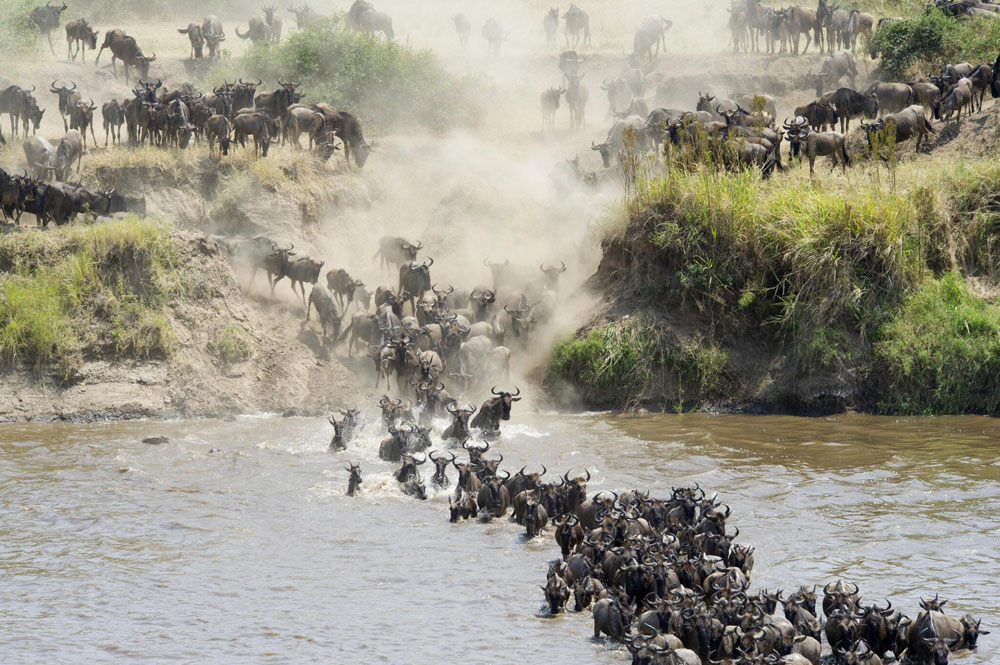
Serengeti National Park covers roughly 14,750 square kilometres of northern Tanzania and is home to the Great Wildebeest Migration, one of the most dramatic wildlife spectacles on earth. Its size and remote location mean that getting there is the first decision every safari traveler has to make – and the right choice depends on where you are starting from, how much time you have, your budget, and which part of the park the migration herds will be in when you visit.
This guide sets out every practical way to reach the Serengeti: scheduled and charter flights to the park’s airstrips, the classic road route from Arusha through the Ngorongoro Conservation Area, the western approach from Mwanza on Lake Victoria, and overland journeys from Kenya, Uganda and Rwanda. Each route comes with a detailed day-by-day itinerary, distances, driving times, entry gate information and tips for self-drive travellers.
| Quick Answer
Fastest: Fly into Kilimanjaro International Airport (JRO), then take a light-aircraft flight from Arusha (ARK) or JRO to Seronera, Kogatende or another Serengeti airstrip – about 1 to 2 hours in the air. Most popular: Drive from Arusha to Naabi Hill Gate via Karatu and the Ngorongoro Conservation Area – about 300 to 320 km to Seronera and 6 to 8 hours, best split over two days. Best for the Western Corridor and Uganda travellers: Drive from Mwanza to Ndabaka Gate – roughly 140 km and 2.5 to 3 hours on tarmac. Remember: There is no direct tourist border crossing between Kenya’s Maasai Mara and the Serengeti. Travellers from Kenya route via Namanga/Arusha or via the Isebania–Sirari border. |
Where Is Serengeti National Park?
The Serengeti lies in north-western Tanzania, stretching from the Ngorongoro highlands in the south-east to the Kenyan border in the north, where it meets the Maasai Mara National Reserve, and westwards to within a few kilometers of Lake Victoria. The park is commonly divided into four zones, and knowing which one you are heading to determines your best route in.
| Zone | Key Area | Closest Access | Best Months (Migration) |
| Southern Serengeti | Ndutu, Naabi Hill, short-grass plains | Naabi Hill Gate (from Arusha); Ndutu airstrip | December – March (calving season) |
| Central Serengeti | Seronera Valley | Seronera airstrip; Naabi Hill Gate | Year-round; April – June migration transit |
| Western Corridor | Grumeti River, Kirawira | Ndabaka Gate (from Mwanza); Grumeti airstrips | May – July (Grumeti crossings) |
| Northern Serengeti | Kogatende, Lamai, Mara River | Kogatende airstrip; long drive from Seronera | July – October (Mara River crossings) |
Overview of Your Travel Options
The table below compares the main routes so you can match the approach to your starting point and travel style. Distances and times are approximate and assume good weather and normal border processing.
| Route | Distance / Duration | Arrival Gate or Airstrip | Best For |
| Fly from Arusha / Kilimanjaro | 1 – 2 hrs flying | Seronera, Kogatende, Ndutu, Grumeti, Lobo | Short trips, luxury safaris, northern Serengeti |
| Drive from Arusha | ≈300 – 320 km; 6 – 8 hrs | Naabi Hill Gate (south-east) | Classic northern circuit with Ngorongoro |
| Drive from Mwanza | ≈140 km; 2.5 – 3 hrs | Ndabaka Gate (west) | Western Corridor; travellers from Uganda/Rwanda |
| Drive from Kenya via Isebania–Sirari | Long day from the border | Ikoma Gate (north-west) | Overland travellers from western Kenya |
| Drive from Nairobi via Namanga | ≈600 km; 2 days | Naabi Hill Gate (via Arusha) | Combined Kenya–Tanzania safaris |
| Overland from Kampala | ≈860 – 900 km; 3 – 4 days | Ndabaka Gate (via Mutukula & Mwanza) | Self-drive and one-way rentals |
| Overland from Kigali | ≈700 – 800 km; 2 – 3 days | Ndabaka Gate (via Rusumo & Mwanza) | Gorilla trekking + Serengeti combos |
| Drive via Lake Natron / Loliondo | 1 – 2 days from Arusha | Klein’s Gate (north-east) | Adventurous 4×4 travellers |
Step 1: Getting to Tanzania
Unless you are already in East Africa, your journey to the Serengeti starts with an international flight into one of Tanzania’s gateway airports.
Kilimanjaro International Airport (JRO)
JRO is the main gateway for northern Tanzania safaris. It sits roughly 45 to 50 km east of Arusha (about an hour by road) and receives direct and connecting flights from international carriers such as KLM, Qatar Airways, Turkish Airlines, Ethiopian Airlines and Kenya Airways, as well as regional airlines. Most safari operators meet guests here and transfer them to an Arusha lodge for the first night.
Julius Nyerere International Airport (DAR), Dar es Salaam
Dar es Salaam is Tanzania’s largest city and busiest airport. From here, connect on a domestic flight to Kilimanjaro, Arusha or Mwanza, or fly by light aircraft to the Serengeti with a stop en route. Driving from Dar es Salaam to Arusha takes roughly 9 to 11 hours, so most visitors fly.
Mwanza Airport (MWZ)
Mwanza on the southern shore of Lake Victoria is the best airport for the Western Corridor. Domestic flights connect it with Dar es Salaam, Kilimanjaro and Zanzibar, and it is the natural staging point for overland travellers arriving from Uganda and Rwanda.
Arusha Airport (ARK)
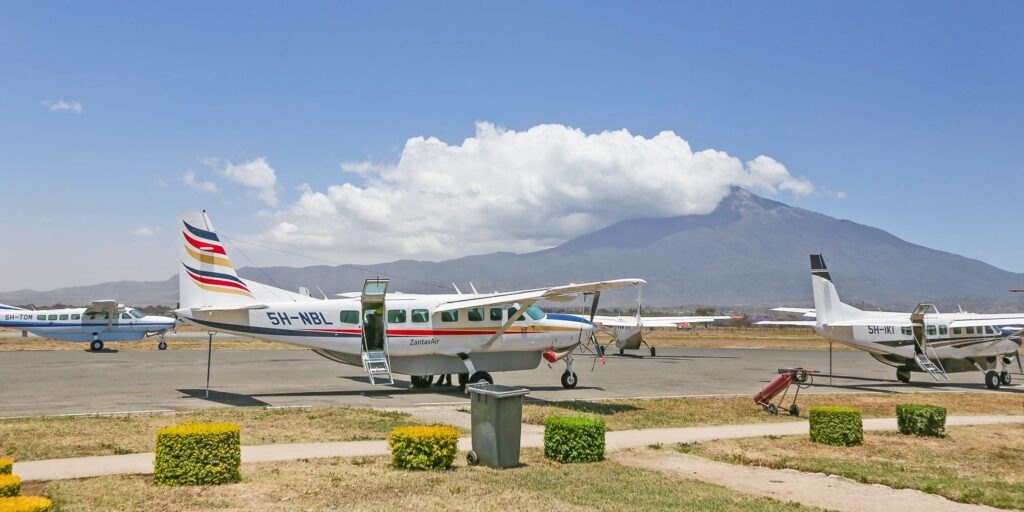
This small domestic airport on the western edge of Arusha is the hub for safari airlines flying into the Serengeti. Most scheduled “bush flights” to Seronera, Kogatende and the other airstrips depart from here in the morning.
| Entry Requirements at a Glance
Visa: Most nationalities need a Tanzania visa. Apply online through the official Tanzania e-Visa portal well before travel; some nationalities can still obtain a visa on arrival, but the e-Visa avoids queues. Yellow fever: A yellow fever vaccination certificate is required if you arrive from, or have transited for an extended period through, a country with risk of yellow fever transmission – this includes Kenya and Uganda, so overland travellers should carry it. Passport: Valid for at least six months beyond your travel dates, with blank pages for stamps. Always confirm current visa fees and health requirements with official government sources before travelling. |
Option A: Flying to the Serengeti
Flying is the quickest and most comfortable way to reach the Serengeti, and it is often the only practical way to reach the far north during the Mara River crossing season. Light aircraft (typically Cessna Caravans) operated by domestic safari airlines such as Coastal Aviation, Auric Air, Air Excel, Regional Air and Safari Air Link fly scheduled circuits that drop passengers at several airstrips, and private charters can be arranged at any time.
Serengeti Airstrips
| Airstrip | Area Served | Approx. Flight Time from Arusha | Notes |
| Seronera | Central Serengeti | 1 hr – 1 hr 15 min | Busiest airstrip; good year-round base |
| Kogatende | Northern Serengeti / Mara River | 1 hr 45 min – 2 hrs (with stops) | Essential for July – October crossings |
| Lobo | North-eastern Serengeti | ≈1 hr 30 min | Quieter area with rocky kopjes |
| Grumeti / Sasakwa / Kirawira | Western Corridor | ≈1 hr 30 min | Serves Grumeti reserves and western camps |
| Ndutu | Southern plains (Ngorongoro side) | ≈1 hr | Best for calving season, December – March |
| Fort Ikoma | North-western edge | ≈1 hr 30 min | Close to Ikoma Gate camps |
Practical Flying Tips
- Luggage limit: Usually 15 kg per person including hand luggage, packed in soft-sided bags. Hard suitcases are generally not accepted.
- Indicative fares: One-way scheduled fares from Arusha commonly fall somewhere around US$250 – $450 per person depending on airstrip and season. Confirm current prices with the airline or your safari operator.
- Fees saved: Flying directly to the Serengeti avoids the Ngorongoro Conservation Area fee you pay when driving through from Arusha.
- Fly-in safaris: Your lodge or operator collects you at the airstrip in a 4×4 safari vehicle, often with a game drive on the way to camp.
- Mix and match: Many travellers drive in via Ngorongoro and fly out, enjoying the scenery one way and saving a long return drive.
Sample Itinerary A: 3-Day Fly-In to Central Serengeti
Day 1 Arrive at Kilimanjaro International Airport
- Meet-and-greet on arrival and transfer (about an hour) to your Arusha lodge or coffee farm.
- Afternoon at leisure; your safari consultant briefs you on the flight, luggage limits and park fees.
- Overnight in Arusha.
Day 2 Arusha Airport to Seronera – Afternoon Game Drive
- Morning transfer to Arusha Airport (ARK) for a scheduled light-aircraft flight to Seronera (about 1 hour 15 minutes).
- Your guide meets you at the airstrip; game drive through the Seronera Valley, known for lions, leopards and cheetahs.
- Check in at your lodge or tented camp for lunch, then an afternoon game drive. Overnight in central Serengeti.
Day 3 Full Day in the Serengeti
- Optional sunrise hot-air balloon safari followed by a bush breakfast.
- Full-day game drive with picnic lunch, following the migration or exploring the kopjes and river valleys.
- Continue your safari, or fly back to Arusha or onward to Zanzibar.
Option B: Driving from Arusha (The Classic Route)
The most popular way to reach the Serengeti is by road from Arusha, the safari capital of northern Tanzania. The route passes through the Great Rift Valley, the market town of Mto wa Mbu, the coffee highlands of Karatu and the forested rim of Ngorongoro Crater before descending onto the open plains to Naabi Hill Gate. Because it passes Lake Manyara and Ngorongoro, it easily becomes a full northern-circuit safari.
Route Breakdown
| Leg | Distance | Approx. Time | Road Surface |
| Arusha → Makuyuni junction | ≈80 km | 1 hr 15 min | Tarmac |
| Makuyuni → Mto wa Mbu (Lake Manyara) | ≈40 km | 40 min | Tarmac |
| Mto wa Mbu → Karatu | ≈25 km | 30 min | Tarmac |
| Karatu → Lodoare Gate (Ngorongoro) | ≈15 km | 20 min | Tarmac |
| Lodoare Gate → crater rim → Naabi Hill Gate | ≈85 – 90 km | 2 – 2.5 hrs | Gravel, often corrugated |
| Naabi Hill Gate → Seronera | ≈50 – 60 km | 1 – 1.5 hrs | Gravel |
| Total: Arusha → Seronera | ≈300 – 320 km | 6 – 8 hrs (excl. game viewing) | Mixed |
| Why You Pay at Ngorongoro
The road from Arusha into the Serengeti crosses the Ngorongoro Conservation Area, which is managed separately from TANAPA. You pay the NCA entry/transit fee at Lodoare Gate even if you are not descending into the crater. The permit is valid for 24 hours, so plan to exit at Naabi Hill within that window. |
Sample Itinerary B: 4 Days Arusha to Serengeti by Road
Day 1 Arrive in Arusha
- Arrive at Kilimanjaro International Airport and transfer to Arusha.
- Collect your rental 4×4 or meet your driver-guide; check documents, fuel, spare tyres and camping gear.
- Overnight in Arusha.
Day 2 Arusha → Lake Manyara → Karatu (≈160 km, 2.5 – 3 hrs driving)
- Depart after breakfast and drive west on tarmac through Makuyuni and up to Mto wa Mbu at the foot of the Rift Valley escarpment.
- Optional game drive in Lake Manyara National Park for elephants, baboons, flamingos and its famous tree-climbing lions.
- Continue to Karatu for the night – an ideal base about 20 minutes from Lodoare Gate.
Day 3 Karatu → Ngorongoro Crater rim → Serengeti (≈150 – 170 km, 4 – 5 hrs)
- Early departure; enter the Ngorongoro Conservation Area at Lodoare Gate when it opens and pay your NCA fees.
- Stop at the crater viewpoint on the rim, then descend through Maasai grazing lands, with an optional detour to the Olduvai Gorge museum.
- Enter Serengeti National Park at Naabi Hill Gate, pay park fees, and climb the hill for panoramic views over the plains.
- Game drive across the southern plains to Seronera. Overnight in central Serengeti.
Day 4 Full Day Exploring the Serengeti
- Morning and afternoon game drives in the Seronera Valley or towards the current migration area.
- Visit the Seronera Visitor Centre to learn about the ecosystem and the migration.
- Continue deeper into the park, or return via Ngorongoro for a crater descent before heading back to Arusha.
Option C: Driving from Mwanza via Ndabaka Gate
Mwanza is the closest major town to the Serengeti, and the drive to Ndabaka Gate is short and on tarmac along the Mwanza–Musoma highway. This western approach takes you straight into the Western Corridor and the Grumeti River, where migration crossings typically take place between May and July. It is also the most logical route for travellers arriving overland from Uganda or Rwanda.
| Leg | Distance | Approx. Time | Road Surface |
| Mwanza → Magu → Lamadi | ≈125 km | 2 – 2.5 hrs | Tarmac |
| Lamadi → Ndabaka Gate | ≈15 km | 15 min | Tarmac |
| Ndabaka Gate → Kirawira / Grumeti area | ≈50 – 60 km | 1.5 hrs | Gravel |
| Ndabaka Gate → Seronera | ≈140 – 150 km | 3 – 4 hrs | Gravel |
Sample Itinerary C: 3 Days Mwanza to the Western Corridor
Day 1 Arrive in Mwanza
- Fly into Mwanza Airport from Dar es Salaam, Kilimanjaro or Zanzibar, or arrive overland.
- Sunset at Bismarck Rock on the Lake Victoria shoreline. Overnight in Mwanza.
Day 2 Mwanza → Ndabaka Gate → Grumeti (≈200 km, about 4 hrs)
- Early drive north-east along the Musoma road through Magu to Lamadi, skirting Speke Gulf.
- Enter the Serengeti at Ndabaka Gate and pay park fees by card.
- Game drive along the Grumeti River, home to giant Nile crocodiles, black-and-white colobus monkeys and resident lions. Overnight in the Western Corridor.
Day 3 Western Corridor → Seronera
- Morning game drive in the Western Corridor, then continue east to Seronera (about 3 hours plus game viewing).
- Afternoon game drive in central Serengeti. Continue your safari, or exit via Naabi Hill towards Ngorongoro and Arusha.
Option D: Travelling from Nairobi, Kenya
Although the Serengeti borders Kenya’s Maasai Mara, the Bologonja border post between the two has been closed to tourist traffic for decades, so you cannot simply drive across from the Mara. Travellers from Kenya have three realistic options.
Route 1: Nairobi → Namanga → Arusha → Serengeti (Recommended)
Drive or take a shuttle bus about 170 km south to the Namanga one-stop border post, cross into Tanzania, and continue about 110 km to Arusha (around 5 to 6 hours in total). Overnight in Arusha, then follow Option B into the Serengeti via Ngorongoro.
Route 2: Western Kenya → Isebania/Sirari → Ikoma Gate
From the Maasai Mara or western Kenya, drive to the Isebania–Sirari border, continue through Tarime towards Musoma and Bunda, then turn east to Ikoma Gate on the north-western edge of the park. This suits travellers combining the Mara with the Serengeti overland but involves long driving days.
Route 3: Fly Nairobi → Kilimanjaro → Serengeti
Fly from Nairobi’s Jomo Kenyatta International Airport to Kilimanjaro, then connect on a light-aircraft flight to the Serengeti. This is the quickest option for travellers short on time.
Sample Itinerary D: 4 Days Nairobi to Serengeti by Road
Day 1 Nairobi → Namanga Border → Arusha (≈280 km, 5 – 6 hrs)
- Early departure south on the A104. Clear Kenyan exit and Tanzanian entry formalities at the Namanga one-stop border post.
- Have your passport, Tanzania visa, yellow fever certificate and, if self-driving, the vehicle’s cross-border documents ready.
- Continue past Longido with views of Mount Meru to Arusha. Overnight in Arusha.
Day 2 Arusha → Karatu
- Drive to Karatu with an optional Lake Manyara game drive en route. Overnight in Karatu.
Day 3 Karatu → Ngorongoro → Serengeti
- Transit the Ngorongoro Conservation Area and enter the Serengeti at Naabi Hill Gate. Game drive to Seronera.
Day 4 Serengeti Game Drives
- Full day exploring the Serengeti; return via Arusha, or fly back to Kenya via Kilimanjaro.
Option E: Overland from Kampala, Uganda
A growing number of travellers combine gorilla trekking in Uganda with a Serengeti safari, often using a 4×4 rental with cross-border authorisation or a one-way rental ending in Arusha. The most direct route crosses into Tanzania at Mutukula, south of Masaka, and approaches the Serengeti from the west via Mwanza.
| Leg | Distance | Approx. Time | Notes |
| Kampala → Masaka → Mutukula border | ≈220 km | 4 hrs | Good tarmac; clear Uganda exit and Tanzania entry |
| Mutukula → Bukoba | ≈80 km | 1.5 hrs | Lake Victoria ferry to Mwanza is an alternative where operating |
| Bukoba → Biharamulo → Mwanza (by road) | ≈420 km | 7 – 8 hrs | Includes the crossing at Busisi near Mwanza |
| Mwanza → Ndabaka Gate | ≈140 km | 2.5 – 3 hrs | Tarmac |
| Total: Kampala → Ndabaka Gate | ≈860 – 900 km | 3 – 4 days | Break the drive in Bukoba and Mwanza |
Sample Itinerary E: 4 Days Kampala to Serengeti
Day 1 Kampala → Masaka → Mutukula → Bukoba (≈300 km)
- Depart Kampala early, stopping at the Equator line at Kayabwe.
- Cross the border at Mutukula; present your passport, visa, yellow fever card, vehicle logbook, rental authorisation letter, COMESA Yellow Card insurance and Temporary Import Permit.
- Continue to Bukoba on Lake Victoria. Overnight in Bukoba.
Day 2 Bukoba → Mwanza (≈420 km)
- Long driving day south via Muleba and Biharamulo, then east towards the lake and on to Mwanza.
- Refuel and stock up on supplies in Mwanza – the last large town before the park. Overnight in Mwanza.
Day 3 Mwanza → Ndabaka Gate → Western Corridor
- Short morning drive to Ndabaka Gate; enter the park and game drive along the Grumeti River. Overnight in the Western Corridor.
Day 4 Western Corridor → Seronera
- Continue east to central Serengeti, then later exit via Naabi Hill and Ngorongoro towards Arusha to complete a one-way trip.
Option F: From Kigali, Rwanda
Travellers finishing a gorilla trek in Volcanoes National Park can reach the Serengeti by air or by road.
- By air: Fly from Kigali International Airport to Kilimanjaro or Dar es Salaam (direct or via Nairobi or Entebbe, depending on current schedules), then connect to the Serengeti by light aircraft.
- By road: Drive east from Kigali to the Rusumo Falls one-stop border post (about 160 km), then continue through Nyakanazi and Geita to Mwanza before heading on to Ndabaka Gate. Allow 2 to 3 days with overnight stops along the way and in Mwanza.
Option G: The Adventurous Route via Lake Natron
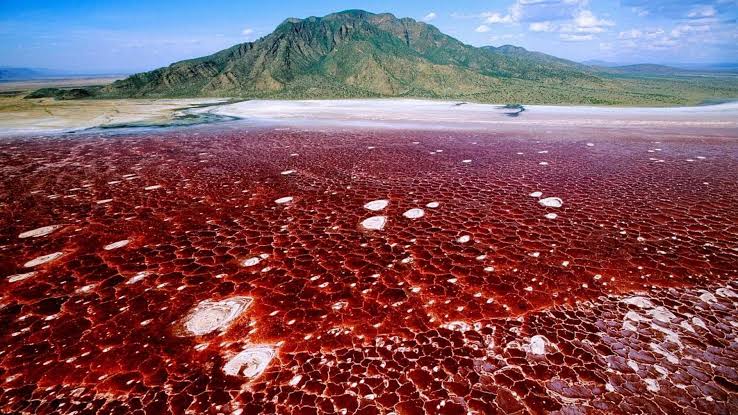
For experienced 4×4 drivers, the north-eastern route from Arusha via Mto wa Mbu, Engaruka and Lake Natron climbs the Rift Valley escarpment to Loliondo and enters the Serengeti through Klein’s Gate near Lobo. The scenery – Ol Doinyo Lengai volcano, flamingo-pink soda lakes and remote Maasai country – is spectacular, but roads are rough, fuel is scarce and river crossings can become impassable in the rains. Travel with a guide, carry extra fuel and water, and avoid this route during the long rains (March to May).
Serengeti Entry Gates Explained
| Gate | Location | Approach From | Best For |
| Naabi Hill Gate | South-east | Arusha via Ngorongoro | Main gate; southern plains and Seronera |
| Ndabaka Gate | West | Mwanza, Uganda, Rwanda | Western Corridor and Grumeti crossings |
| Ikoma Gate | North-west | Musoma, Bunda, Kenya (Isebania) | Northern and western camps |
| Klein’s Gate | North-east | Lake Natron / Loliondo | Lobo area and adventurous travellers |
| Bologonja | North (Kenya border) | Maasai Mara | Closed to tourist border crossings |
Park gates generally operate from 6:00 am to 6:00 pm. Driving inside the park after dark is not permitted, so plan to reach your lodge or campsite before sunset.
Park and Transit Fees (Indicative)
The figures below are indicative rates for foreign non-resident visitors and include 18% VAT. Published figures vary between sources and fee cycles, so confirm current rates with the Tanzania National Parks Authority (TANAPA), the Ngorongoro Conservation Area Authority (NCAA) or your operator before you travel.
| Fee | Adult (16+) | Child (5 – 15) | Notes |
| Serengeti entry (per 24 hrs) | ≈US$82.60 | ≈US$23.60 | US$70 / US$20 plus 18% VAT; under-5s free |
| Serengeti concession fee (per night) | ≈US$70.80 | Reduced rate | Charged when staying at lodges/camps inside the park |
| Ngorongoro Conservation Area entry/transit | ≈US$70.80 | ≈US$23.60 | Paid at Lodoare Gate when driving from Arusha; valid 24 hrs |
| Ngorongoro Crater descent | US$295 per vehicle | – | Only if you drive down into the crater |
| Vehicle entry fees | Varies by weight & registration | – | Foreign-registered vehicles pay higher rates |
| Camping fees | Varies | Varies | Public and special campsites; book special sites in advance |
| How to Pay
Serengeti park fees are paid electronically – by Visa or Mastercard at the gate, or through approved online and prepaid systems. Cash is not accepted at the gates. Carry two cards in case one is declined, and keep your receipts: rangers check them at exit points. |
Choosing Your Route by Season
Because the migration moves in a broad clockwise loop through the year, the best way into the Serengeti changes with the calendar.
| Months | Migration Location | Recommended Route In |
| December – March | Southern plains, Ndutu (calving) | Drive from Arusha via Naabi Hill, or fly to Ndutu/Seronera |
| April – May | Moving through central Serengeti (long rains) | Fly to Seronera; roads can be muddy |
| June – July | Western Corridor, Grumeti River crossings | Drive from Mwanza via Ndabaka, or fly to Grumeti |
| August – October | Northern Serengeti, Mara River crossings | Fly to Kogatende (a 5 – 6 hr drive from Seronera) |
| November | Moving south through Lobo and the east | Fly to Lobo/Seronera or drive via Naabi Hill |
Self-Drive Tips for Reaching the Serengeti
Self-driving to the Serengeti is entirely possible and increasingly popular, but the park’s size and road conditions demand preparation.
- Vehicle: Use a well-maintained 4×4 such as a Toyota Land Cruiser, Land Cruiser Prado or Hilux. Gravel roads through Ngorongoro and the Serengeti are heavily corrugated.
- Fuel: Fill up in Karatu (coming from Arusha) or Mwanza/Lamadi (coming from the west). Fuel inside the park at Seronera is limited and more expensive.
- Spares: Carry two spare tyres, a jack, tyre repair kit, tow rope and basic tools.
- Navigation: Download offline maps (Tracks4Africa, Maps.me or Google offline maps); mobile signal is patchy across much of the park.
- Timing: Leave early. Gates close at 6:00 pm and night driving is prohibited inside the park.
- Speed: Keep to the park speed limit (generally 50 km/h), stay on designated tracks and never drive off-road.
- Cross-border rentals: Confirm your rental company allows entry to Tanzania and supplies the logbook, authorisation letter and COMESA Yellow Card insurance.
- Supplies: Carry plenty of drinking water for remote stretches, plus snacks and a first-aid kit.
What to Pack for the Journey
| Category | Essentials |
| Documents | Passport, visa, yellow fever card, travel insurance, park fee receipts, driving licence/IDP (self-drive) |
| Money | Two Visa/Mastercard cards for park fees, US dollars (newer notes) and Tanzanian shillings for tips and small purchases |
| Clothing | Neutral-coloured layers, warm fleece for the cold Ngorongoro rim, wide-brim hat, comfortable shoes |
| Health | Antimalarials (on medical advice), insect repellent, sunscreen, personal medication, hand sanitiser |
| Gear | Binoculars, camera with zoom lens, power bank, car charger, headlamp, dust covers for electronics |
| Fly-in travellers | Soft-sided duffel bag within the 15 kg limit |
Common Mistakes to Avoid
- Planning to cross from the Maasai Mara directly into the Serengeti – the Bologonja crossing is closed to tourists.
- Underestimating driving times: corrugated gravel and game viewing easily turn a 4-hour drive into 7 hours.
- Arriving at Naabi Hill late in the day and racing to camp before the 6:00 pm cut-off.
- Bringing only cash – Serengeti gates require card payment.
- Overstaying the 24-hour Ngorongoro permit and having to pay again.
- Packing a hard suitcase or overweight luggage for a light-aircraft flight.
- Choosing an entry point far from where the migration will be during your travel dates.
Frequently Asked Questions
What is the nearest airport to Serengeti National Park?
For international travellers, Kilimanjaro International Airport (JRO) is the main gateway, with onward light-aircraft flights to Seronera and other airstrips inside the park. Mwanza Airport is the closest commercial airport by road, about 140 km from Ndabaka Gate.
How long does it take to drive from Arusha to the Serengeti?
Arusha to Naabi Hill Gate takes about 5 to 6 hours, and Arusha to Seronera about 6 to 8 hours, excluding game viewing. Most travellers break the journey with an overnight in Karatu.
Can I drive from the Maasai Mara to the Serengeti?
Not directly. The Bologonja border between the two parks is closed to tourist traffic. Go via the Namanga border and Arusha, via the Isebania–Sirari border to Ikoma Gate, or fly via Kilimanjaro.
Do I have to pay Ngorongoro fees to reach the Serengeti?
Yes, if you drive from Arusha. The road passes through the Ngorongoro Conservation Area, so the NCA fee applies even without a crater descent. Flying in or entering from Mwanza avoids it.
Is it better to fly or drive to the Serengeti?
Flying saves time and is ideal for the northern Serengeti or short trips. Driving costs less per person for groups, lets you include Lake Manyara and Ngorongoro, and offers a scenic introduction to Tanzania.
Can I self-drive to the Serengeti?
Yes. Rent a well-equipped 4×4, carry spares and offline maps, fuel up before entering, and reach camp before 6:00 pm. A guide or ranger is required for descending into Ngorongoro Crater, but not for transiting the conservation area or driving in the Serengeti.
Which gate should I use during the Great Migration?
Naabi Hill for the southern calving season (December – March), Ndabaka for the Western Corridor (June – July), and fly to Kogatende for the Mara River crossings (August – October).
How many days do I need in the Serengeti?
Allow at least two full days inside the park, and three to four days if you want to follow the migration or visit more than one zone.
Plan Your Journey with Marriott Safaris Africa
Whether you want to fly straight into the heart of the migration, drive the classic northern circuit through Ngorongoro, or roll in overland from Uganda in your own 4×4, the right route makes your Serengeti safari smoother and more rewarding. Our team can arrange flights, airport transfers, 4×4 rentals with cross-border paperwork, driver-guides, park fees and accommodation – so all you need to do is enjoy the endless plains.
| Ready to Go?
Contact Marriott Safaris Africa for a tailor-made Serengeti itinerary, current fee confirmation and flight and lodge availability for your travel dates. Perfection Anytime |