Serengeti National Park Attractions
Serengeti National Park Attractions, the Serengeti is not one place. It is a 14,763 km² mosaic of short-grass plains, granite kopjes, riverine forest, acacia woodland and seasonal marshes, each with its own wildlife rhythm. Travellers who simply “drive around the Serengeti” often spend hours on corrugated tracks between sightings. Travellers who follow a well-planned attractions itinerary spend those hours at the right kopje, river bend or calving ground at the right time of day.
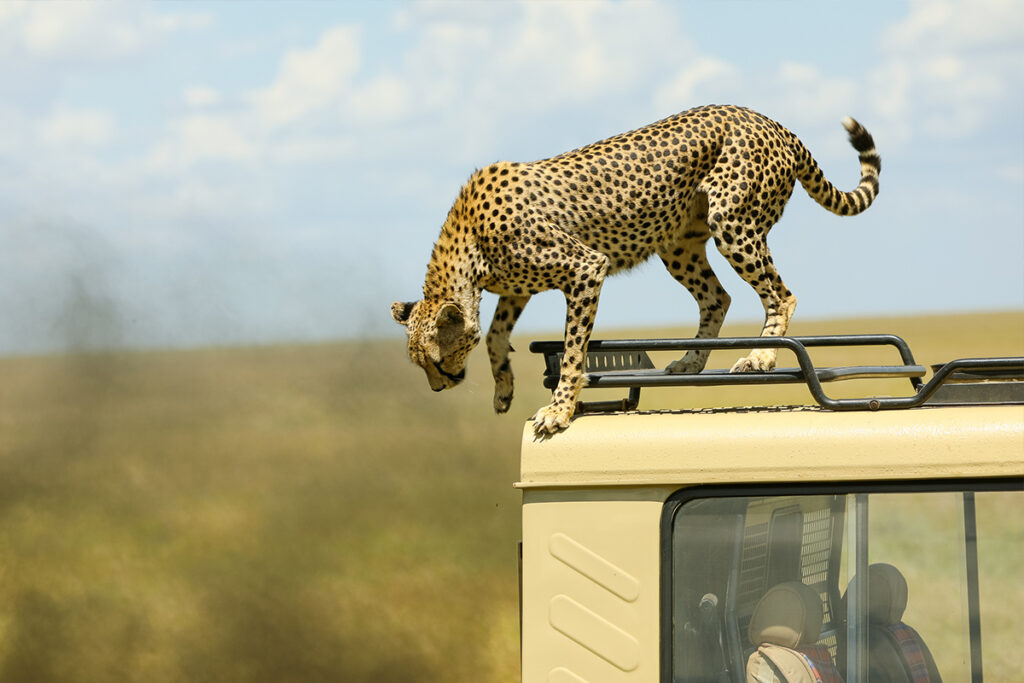
This guide walks you through every major attraction in Serengeti National Park, region by region, then strings them together into a detailed 7-day itinerary with morning, afternoon and evening plans. You will also find shorter 3-day and 5-day versions, a month-by-month guide to adjusting the route around the Great Wildebeest Migration, 2027 park fees, accommodation by region, self-drive advice and answers to the most common questions.
| Serengeti at a Glance
Location: Northern Tanzania, bordering Kenya’s Maasai Mara to the north Size: Approx. 14,763 km² (5,700 sq mi) Status: UNESCO World Heritage Site (inscribed 1981) Signature experience: The Great Migration, with 1.5+ million wildebeest plus zebra and gazelle Gateway town: Arusha (approx. 6–8 hours by road, or 1–2 hours by light aircraft) Main gates: Naabi Hill (south-east), Ndabaka (west), Ikoma (north-west), Klein’s (north-east) |
Understanding the Serengeti’s Five Regions
Every attraction in this guide sits within one of five broad regions. Knowing them makes it easy to plan logical routes and avoid back-tracking.
| Region | Landscape | Headline Attractions | Best Months |
| Central (Seronera) | Open plains, kopjes, Seronera River | Big cats, Retima Hippo Pool, Simba & Maasai Kopjes, Visitor Centre | Year-round |
| Southern (Ndutu & Gol Kopjes) | Short-grass plains, soda lakes | Wildebeest calving, Lake Ndutu, Lake Masek, Gol Kopjes cheetahs | Dec – Mar |
| South-West (Moru Kopjes) | Granite outcrops, acacia | Gong Rock, Maasai rock art, Lake Magadi, black rhino area | Year-round; best Dec – May |
| Western Corridor (Grumeti) | Riverine forest, black-cotton plains | Grumeti River crocodile crossings, Kirawira, colobus monkeys | May – Jul |
| Northern (Kogatende, Lobo, Lamai) | Rolling hills, Mara River | Mara River crossings, Lobo Valley, Bologonja Springs, Lamai Wedge | Jul – Oct |
Top 20 Attractions in Serengeti National Park
Central Serengeti
1. Seronera Valley
The Seronera Valley is the beating heart of the park and the most reliable year-round game-viewing area in Tanzania. The Seronera River and its tributaries hold water through the dry season, drawing resident herds of impala, topi, Thomson’s gazelle, buffalo and giraffe, and the predators that follow them.
Seronera is often called the big-cat capital of Africa. Leopards drape themselves across the branches of sausage trees and yellow-barked acacias along the river, lion prides patrol the plains, and cheetahs hunt in the open grassland to the south.
Highlights: Leopards in riverine trees • Resident lion prides • Huge resident herbivore populations • Excellent birding
2. Retima Hippo Pool
North of Seronera, near the confluence of the Grumeti and Orangi rivers, Retima Hippo Pool hosts up to 200 hippos packed into one bend of the river. It is one of the few designated spots in central Serengeti where visitors may step out of their vehicle with their guide.
Visit late morning when the hippos are most vocal and jostling for space; Nile crocodiles often bask on the banks.
Highlights: Large hippo pod • Nile crocodiles • Picnic and leg-stretch stop
3. Simba Kopjes
As the name suggests (simba is Swahili for lion), these granite outcrops along the main road between Naabi Hill and Seronera are a favourite resting place for lion prides, who use the rocks as lookouts and shade. Klipspringers, rock hyraxes and agama lizards are common here too.
Highlights: Lions resting on rocks • Klipspringer and hyrax • Classic ‘Pride Rock’ photography
4. Maasai Kopjes
East of Seronera, the Maasai Kopjes are a cluster of rounded granite boulders surrounded by open plains. They are a reliable area for lions and cheetahs and offer sweeping views across the central Serengeti, ideal towards the end of an afternoon game drive.
Highlights: Lion and cheetah sightings • Panoramic plains views • Quieter than Seronera’s main loops
5. Serengeti Visitor Centre
Close to Seronera airstrip, the Visitor Centre features an elevated walking trail through a small kopje with informative displays on the ecosystem, the Migration and the park’s conservation history. Rock hyraxes and colourful lizards live along the trail. It makes an excellent midday stop when wildlife activity slows.
Highlights: Self-guided kopje trail • Ecology and Migration exhibits • Picnic area, restrooms and gift shop
Southern Serengeti
6. Naabi Hill Gate
Most road travellers enter the park at Naabi Hill, the main south-eastern gate. While permits are processed, climb the short trail up the hill for a 360-degree view over the endless southern plains, the landscape that gave the Serengeti its Maasai name, siringet, meaning “the place where the land runs on forever.” Between December and March the plains below can be dotted with migrating herds as far as the eye can see.
Highlights: Hilltop viewpoint • Picnic site • Migration views in the wet season
7. Ndutu Area, Lake Ndutu and Lake Masek
Straddling the boundary of the Serengeti and the Ngorongoro Conservation Area, the Ndutu area is where the Great Migration calving season unfolds, generally between late January and March. Thousands of wildebeest calves can be born in a single day, drawing intense predator action from lions, cheetahs, hyenas and jackals.
The alkaline lakes Ndutu and Masek attract flamingos, and the surrounding acacia woodland holds resident elephant, giraffe and genet. Off-road driving is permitted in the Ndutu area under NCA rules, which makes it one of the best places in East Africa for close predator photography.
Highlights: Wildebeest calving season • Predator–prey interactions • Flamingos on soda lakes • Off-road driving (NCA section)
8. Gol Kopjes
Rising from the short-grass plains east of Naabi Hill, the Gol Kopjes are renowned as one of Africa’s best cheetah habitats. The flat, open terrain lets cheetahs use their speed, and the kopjes give them vantage points. Access to parts of the area may require special permission from TANAPA, so confirm with your operator.
Highlights: High cheetah density • Raptors and vultures • Remote, uncrowded wilderness
South-West Serengeti
9. Moru Kopjes
The Moru Kopjes are among the most scenic outcrops in the park. Highlights include Gong Rock, a boulder that rings like a bell when struck with a stone and was historically used by Maasai communities, and a sheltered rock overhang with Maasai rock paintings of shields and animals.
Moru is also associated with the park’s black rhino conservation programme. Sightings are rare but possible, and elephants, lions and leopards frequent the area.
Highlights: Gong Rock • Maasai rock art • Black rhino conservation area • Elephants and lions
10. Lake Magadi (Serengeti)
Not to be confused with Kenya’s Lake Magadi, this shallow soda lake near the Moru Kopjes attracts lesser and greater flamingos, waders and storks. Its shoreline is a good spot for hyenas and jackals.
Highlights: Flamingos • Water birds • Scenic lakeside photography
Western Corridor
11. Grumeti River
The Grumeti River snakes through the Western Corridor towards Lake Victoria. Between roughly late May and July the Migration must cross it, and the river is home to some of the largest Nile crocodiles in Africa, some exceeding 5 metres. Crossings here are less frequent than on the Mara but often just as dramatic.
Outside the Migration months, the gallery forest along the Grumeti hosts black-and-white colobus monkeys, giant kingfishers and the endemic Fischer’s lovebird.
Highlights: Crocodile-filled river crossings • Black-and-white colobus monkeys • Gallery forest birding
12. Kirawira and Ruana Plains
The Kirawira area offers open black-cotton plains broken by whistling-thorn woodland. It is strong for resident lions, giraffes and large herds of eland and topi, and sees far fewer vehicles than Seronera, a good choice for travellers who want quieter game drives.
Highlights: Quiet game drives • Eland and topi herds • Resident lion prides
Northern Serengeti
13. Mara River Crossings (Kogatende)
The most famous wildlife spectacle on Earth takes place on the Mara River near Kogatende between roughly July and October. Thousands of wildebeest and zebra gather on the banks, hesitate for hours, then plunge into the water in a chaotic rush while crocodiles and lions lie in wait.
Crossing points are spread along the river, and guides share information by radio. Patience is essential: your guide will position you at a safe distance and wait for the herd to commit.
Highlights: Mara River crossings • Huge Nile crocodiles • Lions and hyenas hunting stragglers
14. Lobo Valley and Lobo Kopjes
Between Seronera and Kogatende, the Lobo area features dramatic granite hills, permanent springs and varied woodland. It is excellent for elephants, lions and leopards, and acts as a corridor for the Migration as it moves north in July and south in October and November.
Highlights: Elephant herds • Scenic hills and kopjes • Migration corridor
15. Lamai Wedge
North of the Mara River and bordering Kenya’s Maasai Mara, the Lamai Wedge is one of the most exclusive corners of the Serengeti. Few camps operate here, so sightings, including crossings in August and September, are shared with very few vehicles.
Highlights: Exclusive, low-density game viewing • Crossings from the northern bank • Rolling green hills
16. Bologonja Springs
Near the northern Bologonja Gate, these freshwater springs support lush vegetation and draw animals in the dry months. The surrounding hills offer wonderful views towards the Kenyan border. The Bologonja border post is closed to tourist traffic, so it cannot be used to cross into Kenya.
Highlights: Dry-season water source • Elephant and buffalo • Scenic border hills
Signature Experiences Across the Park
17. The Great Wildebeest Migration
More than an attraction, the Migration is the force that shapes the entire Serengeti–Mara ecosystem. Over 1.5 million wildebeest, accompanied by hundreds of thousands of zebra and gazelle, move in a roughly clockwise loop following the rains and fresh grazing. Where you base yourself depends on the month; see the Migration calendar later in this guide.
Highlights: Calving (Jan – Mar) • Grumeti crossings (May – Jul) • Mara crossings (Jul – Oct)
18. Hot-Air Balloon Safari
A dawn balloon flight over the Serengeti is one of Africa’s great bucket-list experiences. Flights launch from Seronera, the Western Corridor, the north and (seasonally) the south, drifting for about an hour before landing for a bush champagne breakfast. Expect to pay roughly US$600–$750 per person and book well ahead, especially from June to October.
Highlights: Sunrise over the plains • Aerial views of the herds • Champagne bush breakfast
19. Night Game Drives and Walking Safaris
Night drives and guided walks are restricted in the core park but are offered by selected camps in private concessions and reserves on the park’s fringes. They reveal a different Serengeti: aardvarks, bush babies, servals and porcupines by spotlight, or tracks, dung and medicinal plants on foot with an armed ranger.
Highlights: Nocturnal species • Ranger-led bush walks • Concession-area exclusivity
20. Olduvai Gorge and Cultural Encounters
On the road between Ngorongoro and Naabi Hill lies Olduvai Gorge, the “Cradle of Mankind,” where Mary and Louis Leakey uncovered some of the earliest hominin fossils. The museum is a natural stop on the first day of most road itineraries. Visits to Maasai bomas near the park boundary add insight into traditional pastoralist life alongside wildlife.
Highlights: Olduvai Gorge Museum • Maasai village visits • Fort Ikoma ruins (north-west)
Detailed 7-Day Serengeti Attractions Itinerary
This itinerary links the park’s headline attractions in a logical south-to-north route, starting in Arusha and ending with a flight back. It is designed for the June – October dry season, when the Migration moves through the Western Corridor and into the north. A calving-season alternative follows.
Itinerary at a Glance
| Day | Route | Key Attractions | Overnight |
| 1 | Arusha → Olduvai Gorge → Naabi Hill → Seronera | Olduvai Museum, Naabi Hill viewpoint, Simba Kopjes | Central Serengeti |
| 2 | Seronera full day | Seronera Valley, Retima Hippo Pool, Visitor Centre, Maasai Kopjes | Central Serengeti |
| 3 | Seronera → Moru Kopjes → Seronera | Balloon safari (optional), Moru Kopjes, Gong Rock, Lake Magadi | Central Serengeti |
| 4 | Seronera → Western Corridor | Grumeti River, Kirawira plains | Western Corridor |
| 5 | Western Corridor → Lobo → Kogatende | Lobo Valley & Kopjes, northern plains | Northern Serengeti |
| 6 | Kogatende full day | Mara River crossings, Lamai Wedge viewpoints | Northern Serengeti |
| 7 | Kogatende → Arusha | Final game drive, Bologonja area, flight to Arusha | Arusha |
Day 1: Arusha to Central Serengeti via Olduvai Gorge
Distance: approx. 330 km | Travel time: 7–8 hours with stops | Meals: Lunch, Dinner
Morning: Depart Arusha around 7:00 AM and drive west through Mto wa Mbu and the Karatu highlands. Climb the forested rim of the Ngorongoro Conservation Area and pause at the Ngorongoro Crater viewpoint for your first look into the caldera (an NCA transit fee applies).
Midday: Descend onto the plains and detour to the Olduvai Gorge Museum for a guided talk on the fossil discoveries that reshaped our understanding of human evolution. Picnic lunch overlooking the gorge.
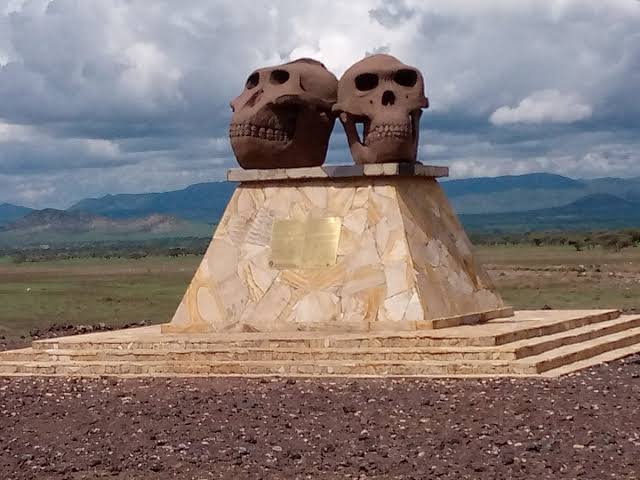
Afternoon: Arrive at Naabi Hill Gate and climb the viewpoint trail while park permits are processed. Begin your first Serengeti game drive towards Seronera, watching for lions on Simba Kopjes beside the main road.
Evening: Check in to your lodge or camp in central Serengeti for dinner.
| Guide’s Tip
Carry snacks and water for this long day. Ask your driver-guide to time the Simba Kopjes stretch for late afternoon, when lions become more active. |
Day 2: Full Day in the Seronera Valley
Area: Central Serengeti | Game drive time: 8–9 hours | Meals: Breakfast, Lunch, Dinner
Early morning: Leave at 6:00 AM with a packed breakfast. The first hours of light are the best time to find leopards descending from trees and lions returning from a night hunt along the Seronera River.
Late morning: Head north to Retima Hippo Pool to watch up to 200 hippos grunting and jostling in the river, and stretch your legs at the viewing area.
Midday: Picnic lunch and a visit to the Serengeti Visitor Centre kopje trail and exhibits during the midday lull.
Afternoon: Explore the Maasai Kopjes east of Seronera for lion and cheetah, then return along the river loops searching for leopards as the light softens.
Evening: Back at camp by sunset; game drives must end by 6:30–7:00 PM.
| Guide’s Tip
Seronera can get busy around big-cat sightings. A good guide rotates to less-visited loops and returns to key trees once other vehicles move on. |
Day 3: Hot-Air Balloon Safari and the Moru Kopjes
Area: Central & South-West Serengeti | Driving time: 5–6 hours round trip | Meals: Breakfast, Lunch, Dinner
Dawn (optional): Pick-up around 5:00 AM for a hot-air balloon safari from Seronera. Drift silently over the plains as the sun rises, then celebrate with a champagne bush breakfast.
Morning: Rejoin your vehicle and drive south-west to the Moru Kopjes. Strike Gong Rock to hear its bell-like ring and visit the rock shelter with Maasai rock paintings.
Midday: Picnic lunch in the shade of the kopjes, keeping watch for elephants and the elusive black rhino.
Afternoon: Continue to Lake Magadi to photograph flamingos and water birds before a slow game drive back to Seronera.
Evening: Dinner and overnight in central Serengeti.
| Guide’s Tip
If you skip the balloon, use the dawn hours for another predator-focused drive. Balloon flights should be reserved at the same time as the safari itself. |
Day 4: Into the Western Corridor and the Grumeti River
Distance: approx. 90–120 km | Driving time: 3–4 hours plus game viewing | Meals: Breakfast, Lunch, Dinner
Morning: Check out after breakfast and drive west along the Orangi and Grumeti river systems as the landscape shifts to whistling-thorn woodland and black-cotton plains.
Midday: Reach the Grumeti River. Between late May and July the herds may be massing to cross; your guide will scout crossing points where giant Nile crocodiles wait.
Afternoon: Game drive on the Kirawira and Ruana plains for lions, giraffes, eland and topi, and look for black-and-white colobus monkeys in the gallery forest.
Evening: Check in to a Western Corridor camp for sundowners over the plains.
| Guide’s Tip
Black-cotton soil here becomes extremely sticky after rain. Self-drivers should avoid the Western Corridor in the wet months unless they have a well-equipped 4×4 and recovery gear. |
Day 5: Western Corridor to Northern Serengeti via Lobo
Distance: approx. 200–230 km | Driving time: 6–7 hours with game viewing | Meals: Breakfast, Lunch, Dinner
Morning: Early departure north-east through the Ikoma area (optional stop at the historic Fort Ikoma ruins outside the park) to join the main northern route.
Midday: Picnic lunch in the Lobo Valley among granite kopjes, an outstanding area for elephants and a key Migration corridor.
Afternoon: Continue north across rolling grasslands towards Kogatende. From July you may meet long columns of wildebeest heading for the Mara River.
Evening: Check in to your camp near the Mara River and fall asleep to the sound of the herds.
| Guide’s Tip
To save time, fly from the Grumeti/Kirawira airstrip to Kogatende in under an hour and gain half a day of game viewing. |
Day 6: Mara River Crossings: Full Day
Area: Kogatende & Lamai | Game drive time: full day | Meals: Breakfast, Lunch, Dinner
Early morning: Depart at first light with packed meals. Your guide will monitor herd build-up at crossing points along the Mara River.
Through the day: Crossings can happen at any hour and may take minutes or hours to begin. Settle in and watch thousands of wildebeest and zebra hesitate on the banks before plunging in as crocodiles and lions attempt to ambush them.
Afternoon: If crossings are quiet, explore the hills facing the Lamai Wedge and the riverine woodland for elephant, buffalo and leopard.
Evening: Celebrate your Serengeti adventure over a final dinner in the bush.
| Guide’s Tip
Vehicles should never block the herd’s path to the river; it can turn the animals back. Responsible guides wait at a respectful distance, and rangers enforce this. |
Day 7: Final Game Drive and Return to Arusha
Flight time: approx. 1.5–2 hours (with stops) | Meals: Breakfast, Lunch
Morning: A final early game drive around Kogatende or towards the Bologonja Springs area, then transfer to Kogatende airstrip.
Midday: Board a scheduled light-aircraft flight to Arusha (some routes stop at Seronera or Manyara). Driving back is possible but takes 9–10 hours.
Afternoon: Arrive in Arusha for onward travel or a connection to Kilimanjaro International Airport.
Calving-Season Alternative (December – March)
Between December and March the herds are on the southern plains around Ndutu. Keep Days 1–3 above and replace Days 4–7 with the following:
| Day | Route | Key Attractions | Overnight |
| 4 | Seronera → Ndutu | Gol Kopjes cheetahs (permit-dependent), southern plains herds | Ndutu area |
| 5 | Ndutu full day | Wildebeest calving, predator action, Lake Ndutu & Lake Masek | Ndutu area |
| 6 | Ndutu → Ngorongoro Crater rim | Morning herds, drive up to the crater highlands | Ngorongoro rim / Karatu |
| 7 | Ngorongoro Crater → Arusha | Crater floor game drive (black rhino, lions), return to Arusha | Arusha |
Shorter Options: 3-Day and 5-Day Itineraries
3-Day Serengeti Highlights
| Day | Plan |
| 1 | Arusha → Olduvai Gorge → Naabi Hill → Simba Kopjes → overnight Seronera (or fly Arusha → Seronera for a full afternoon drive) |
| 2 | Full day in the Seronera Valley: leopards, lions, Retima Hippo Pool, Maasai Kopjes, Visitor Centre |
| 3 | Optional dawn balloon safari, morning game drive, then fly or drive back to Arusha |
5-Day Serengeti Circuit
| Day | Plan |
| 1 | Arusha → Olduvai Gorge → Naabi Hill → Seronera |
| 2 | Seronera Valley full day with Retima Hippo Pool |
| 3 | Moru Kopjes, Gong Rock and Lake Magadi (balloon safari optional) |
| 4 | Seasonal region: Western Corridor (May – Jul), Northern Serengeti (Jul – Oct) or Ndutu (Dec – Mar) |
| 5 | Morning game drive and flight back to Arusha |
Migration Calendar: Where to Focus Each Month
Migration movements depend on rainfall and shift from year to year, so treat this calendar as a guide rather than a guarantee.
| Months | Herd Location | What’s Happening | Attractions to Prioritise |
| Dec – Mar | Southern Serengeti, Ndutu | Calving season (peak usually Feb) | Ndutu, Lake Masek, Gol Kopjes, Naabi Hill |
| Apr – May | Central & Western Serengeti | Long rains; herds move north-west; rut begins | Seronera, Moru Kopjes (green-season rates) |
| Jun – Jul | Western Corridor | Grumeti River crossings | Grumeti River, Kirawira, Ruana plains |
| Jul – Oct | Northern Serengeti | Mara River crossings | Kogatende, Lamai Wedge, Lobo Valley |
| Nov | Northern → Central | Short rains; herds head south | Lobo Valley, Seronera |
| Year-Round Insight
Even when the Migration is elsewhere, the Seronera Valley offers outstanding resident wildlife, especially lions, leopards and cheetahs. No month is a bad month for the Serengeti; only the route changes. |
Serengeti National Park Fees (2027)
The Serengeti is managed by the Tanzania National Parks Authority (TANAPA). Fees are charged per person per 24 hours and include 18% VAT. Payment is electronic (card or approved mobile/bank channels); cash is generally not accepted at the gates.
| Fee Type | Non-Resident Adult (16+) | Non-Resident Child (5–15) | Notes |
| Park entry (per 24 hrs) | approx. US$82.60 | approx. US$23.60 | Children under 5 free |
| Concession fee (per night) | approx. US$59–$71 | approx. US$12 | When staying at lodges/camps inside the park |
| Public campsite (per night) | approx. US$35 | approx. US$6 | Seronera, Lobo and other public sites |
| Ngorongoro transit (NCA) | approx. US$70.80 | approx. US$23.60 | Required when driving in from Arusha |
| Hot-air balloon safari | approx. US$600–$750 | Minimum age applies (often 7+) | Booked privately with operators |
| Important
TANAPA and NCAA revise fees periodically, usually from 1 July. Figures above are indicative for planning; always confirm current rates with the authorities or your safari operator before travel. |
Getting to Serengeti National Park
By Road from Arusha
The classic overland route runs Arusha → Mto wa Mbu → Karatu → Ngorongoro Conservation Area → Naabi Hill Gate (approx. 250 km, 6–7 hours to the gate). Seronera is a further 1–1.5 hours. The road route lets you combine Lake Manyara, Tarangire and the Ngorongoro Crater on the same trip.
By Air
Scheduled light-aircraft flights connect Arusha, Kilimanjaro and Zanzibar with Serengeti airstrips including Seronera, Kogatende, Lobo, Grumeti/Kirawira and Ndutu. Flights take about 1–2 hours depending on stops, and the baggage limit is usually 15 kg in soft-sided bags.
From Kenya or Uganda
The Bologonja border with Kenya is closed to tourist traffic. Travellers coming from Kenya typically cross at Namanga (to Arusha) or Isebania/Sirari, while self-drivers from Uganda usually enter Tanzania at Mutukula and approach the park via Mwanza and the Ndabaka Gate in the west.
Where to Stay: Accommodation by Region
Choosing camps in the right region is the single most important decision in a Serengeti itinerary. These well-established options cover a range of budgets; availability and rates change, so check before booking.
| Region | Luxury | Mid-Range | Budget / Camping |
| Central (Seronera) | Four Seasons Safari Lodge, One Nature Nyaruswiga | Serengeti Serena Safari Lodge, Meliá Serengeti Lodge | Seronera public campsites, Tukaone Camp |
| Southern (Ndutu) | Lemala Ndutu, Lake Masek Tented Camp | Ndutu Safari Lodge | Ndutu-area campsites (NCA) |
| Western Corridor | &Beyond Grumeti Serengeti Tented Camp | Kirawira Serena Camp, Mbalageti Serengeti | Western Corridor public campsites |
| Northern (Kogatende/Lamai) | Lamai Serengeti, Sayari Camp | Lemala Kuria Hills, seasonal mobile camps | Lobo public campsite |
Self-Drive Tips for the Serengeti
The Serengeti can be explored on a self-drive safari with the right vehicle and preparation. A 4×4 such as a Toyota Land Cruiser, Prado or Hilux, ideally with a rooftop tent for camping, is essential.
- Fuel up fully in Karatu. Fuel is sold at Seronera, but supply is not guaranteed.
- Carry two spare tyres. Rough tracks and thorns cause frequent punctures.
- Download offline maps (Tracks4Africa or Maps.me), since mobile signal is patchy.
- Stay on designated tracks. Off-road driving is prohibited in the national park, except in permitted NCA areas such as Ndutu.
- Respect gate and drive times. Be at your camp or lodge before dark.
- Book public campsites early in peak months (June – October and late December – February).
- Consider a local guide for a day in Seronera; local knowledge transforms leopard and cheetah sightings.
What to Pack for a Serengeti Safari
| Category | Essentials |
| Clothing | Neutral layers (khaki, olive, beige), warm fleece for early mornings, wide-brimmed hat, light rain jacket (Nov – May) |
| Gear | Binoculars (8×42 or 10×42), camera with 100–400 mm zoom, spare batteries and memory cards, bean bag for window support |
| Health | Malaria prophylaxis, DEET insect repellent, SPF 50 sunscreen, personal first-aid kit, yellow fever certificate if arriving from an endemic country |
| Documents | Passport (6+ months validity), Tanzania visa or e-Visa, travel insurance with evacuation cover, booking confirmations |
| Extras | Dust scarf, headlamp, reusable water bottle, power bank, soft-sided duffel for light-aircraft flights |
| Avoid Dark Blue and Black
These colours attract tsetse flies, present in parts of the Western Corridor and northern woodlands. Neutral colours are more comfortable and better for wildlife viewing. |
Park Rules and Responsible Travel
- Stay inside your vehicle except at designated sites such as Retima Hippo Pool, the Visitor Centre, Naabi Hill and picnic areas.
- Keep a respectful distance from wildlife and never block an animal’s path, especially at river crossings.
- Do not feed animals or play loud music; drones need special permits.
- Observe the park speed limit (50 km/h) and do not drive after dark.
- Take all litter out with you; plastic carrier bags are banned in Tanzania.
- Choose operators and camps that employ local communities and follow eco-friendly practices.
Frequently Asked Questions
How many days do I need to see the main Serengeti attractions?
Three days covers the central Seronera highlights, but five to seven days is ideal to add the Moru Kopjes and the seasonal Migration region: the Western Corridor, Ndutu or the northern Mara River.
What is the most famous attraction in Serengeti National Park?
The Great Wildebeest Migration, especially the Mara River crossings (July – October) and the calving season around Ndutu (January – March). The big cats of the Seronera Valley are a close second.
When is the best time to visit the Serengeti?
The dry season from late June to October offers easy game viewing and river crossings. January and February are superb for calving and predator action. April and May bring heavy rain but lower prices and lush scenery.
Can I see the Big Five in the Serengeti?
Yes, though black rhino are rare and mostly seen around the Moru Kopjes. Combining the Serengeti with the Ngorongoro Crater gives you the best chance of seeing all five on one trip.
Is a balloon safari worth the cost?
For most travellers, yes. Seeing the plains and herds from the air at sunrise is unforgettable, and the price usually includes a champagne breakfast. Book early for peak season.
Can I self-drive in the Serengeti?
Yes. A reliable 4×4, offline navigation, spare tyres and pre-booked campsites or lodges are essential. Many travellers rent a Land Cruiser with a rooftop tent from Arusha for this purpose.
Are children allowed on a Serengeti safari?
Yes. Children under 5 enter free and those aged 5–15 pay reduced fees. Some luxury camps and balloon operators set minimum ages, so check before booking.
| Plan Your Serengeti Safari with Marriott Safaris Africa
Whether you want a guided Land Cruiser safari, a self-drive 4×4 with rooftop tent, or a fly-in luxury itinerary timed to the Migration, our team designs routes that put you at the right attraction at the right time. Contact us to tailor this itinerary to your travel dates. Perfection Anytime. |