Things to Do in Serengeti National Park
A Detailed Itinerary Guide: Top Activities, Day-by-Day Plans, Migration Calendar & Practical Tips
Why the Serengeti Belongs on Every Safari List
The Serengeti National Park in northern Tanzania is the most celebrated wildlife destination in Africa, and for good reason. Covering about 14,763 square kilometers of open grassland, acacia woodland, riverine forest and granite kopjes, it hosts the Great Wildebeest Migration, one of the densest predator populations on the continent, and all of the Big Five. The park was declared a UNESCO World Heritage Site in 1981 and forms the heart of the wider Serengeti–Mara ecosystem that stretches north into Kenya’s Maasai Mara.
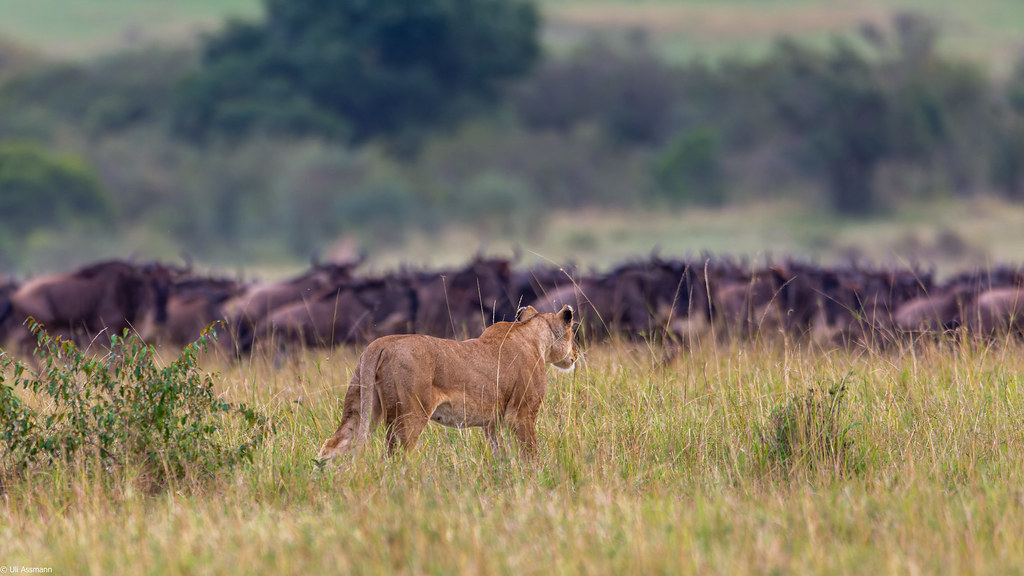
Knowing which things to do in Serengeti National Park, and in what order, is what separates a good safari from an unforgettable one. The park is enormous, the migration moves constantly, and each region offers a very different experience. This guide lists the top Serengeti activities, explains where and when to do each one, and then turns them into ready-to-use day-by-day itineraries of 3, 5 and 7 days so you can plan with confidence.
| Serengeti at a Glance
Location: Northern Tanzania, about 325 km (7–8 hours by road) west of Arusha Size: Approx. 14,763 km² — larger than many small countries Famous for: Great Migration, Big Five, big cats, Mara River crossings, hot air balloon safaris Main regions: Central (Seronera), Southern plains (Ndutu area), Western Corridor (Grumeti), Northern (Kogatende/Lobo) Main entry points: Naabi Hill Gate (from Ngorongoro), Ndabaka Gate (west, from Mwanza), Ikoma and Klein’s Gates; airstrips at Seronera, Kogatende, Lobo, Grumeti and Ndutu Best overall time: Year-round; June–October for dry-season game viewing and river crossings, January–February for calving season |
Understanding the Serengeti’s Regions
Before choosing activities, it helps to know how the park is laid out. Where you base yourself determines what you see, so most well-planned itineraries combine two regions.
| Region | Landscape | Highlights | Best Months |
| Central Serengeti (Seronera) | Open plains, Seronera River valley, kopjes | Resident lions, leopards in sausage trees, cheetahs, year-round game | All year |
| Southern Serengeti & Ndutu | Short-grass plains, alkaline lakes | Wildebeest calving, predator action, huge herds | December – March |
| Western Corridor (Grumeti) | Riverine forest, Grumeti River, black-clay plains | Grumeti River crossings, giant Nile crocodiles, colobus monkeys | May – July |
| Northern Serengeti (Kogatende, Lobo) | Rolling hills, Mara River | Dramatic Mara River crossings, quieter game drives | July – October |
| Eastern Serengeti (Gol Kopjes) | Short-grass plains, rocky outcrops | Cheetahs, off-the-beaten-track feel | November – May |
Top 15 Things to Do in Serengeti National Park
1. Go on Classic Game Drives
Game drives are the backbone of every Serengeti safari. In an open-roof 4×4 Land Cruiser with a professional guide, you will search for lions, leopards, cheetahs, elephants, buffalo, giraffes, hippos and countless antelope. Morning drives (from about 6:30 am) catch predators at their most active, while afternoon drives deliver golden light and evening hunts.
Full-day drives with a packed lunch let you reach remote areas such as the Moru Kopjes or the Grumeti River without rushing back to camp. Note that off-road driving is not permitted inside the national park, so a knowledgeable guide who reads tracks and radio reports makes all the difference.
Where: Everywhere — Seronera is the most reliable all-year area.
2. Witness the Great Wildebeest Migration
Around 1.5 million wildebeest, together with hundreds of thousands of zebras and gazelles, move in a continuous loop through the Serengeti and Maasai Mara in search of grazing. Following this movement is the single most popular reason travellers visit.
Because the herds are always on the move, timing and location matter. Use the migration calendar later in this guide to match your travel dates with the right region.
Where: Varies by month (south in Dec–Mar, west in May–Jul, north in Jul–Oct).
3. Watch a Mara River Crossing
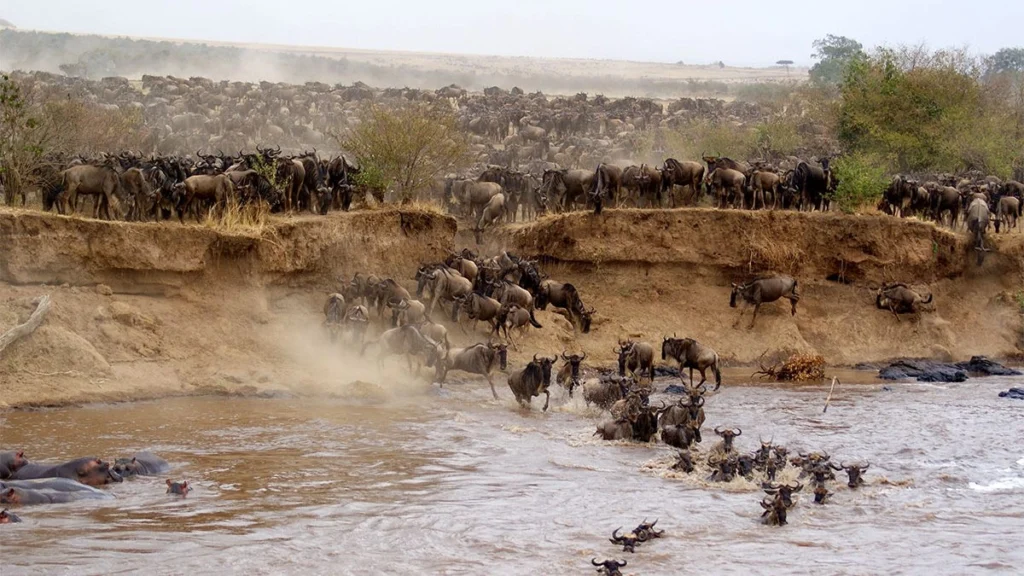
Few wildlife scenes compare to thousands of wildebeest plunging into the crocodile-filled Mara River. Crossings are unpredictable — herds may gather on the banks for hours and then turn back — so patience is part of the experience.
Basing yourself in the Kogatende area for at least two or three nights greatly improves your chances of witnessing a crossing.
Where: Northern Serengeti. When: Roughly July to October.
4. Experience the Calving Season
Between late January and February, the herds gather on the southern short-grass plains and an estimated 8,000 or so calves can be born each day at the peak. The abundance of vulnerable young attracts lions, cheetahs, hyenas and jackals, making this one of the most action-packed periods of the year.
Lodges and camps around Ndutu (on the Serengeti–Ngorongoro border) are the classic base. The landscape is lush and green, and the predator sightings can be extraordinary.
Where: Southern Serengeti and the Ndutu area. When: December–March (peak late Jan–Feb).
5. Take a Hot Air Balloon Safari
Floating silently over the plains at sunrise is a highlight many visitors call the best moment of their trip. Flights take off around dawn, last approximately one hour, and finish with a champagne bush breakfast on the savannah.
Balloon launch sites operate in central Seronera and, seasonally, in the southern, western and northern areas to follow the migration. Book well ahead, especially in the dry season.
Where: Seronera year-round; seasonal sites elsewhere. Cost: Typically around US$600–750 per person.
6. Track the Big Five
The Serengeti is home to lion, leopard, elephant and buffalo in good numbers. Black rhinos are present but rare, with the Moru Kopjes area offering the best chance of a sighting.
Combining the Serengeti with the Ngorongoro Crater, where rhinos are more readily seen, is the easiest way to complete your Big Five list.
Where: Lions and leopards in Seronera; elephants in Lobo and Seronera; rhinos near Moru Kopjes.
7. Explore the Kopjes
Kopjes are ancient granite outcrops rising from the flat plains. They act as lookout posts and dens for lions, and as homes for klipspringers, hyraxes, agama lizards and leopards.
Visit the Moru Kopjes to see rock paintings and the Gong Rock, a resonant boulder once used by the Maasai. Simba Kopjes and the Gol Kopjes are also excellent for big-cat viewing.
Where: Moru, Simba, Gol, Maasai and Barafu Kopjes.
8. Go on a Guided Walking Safari
Exploring on foot with an armed park ranger offers a completely different perspective: you learn to read tracks, identify medicinal plants, spot dung beetles and appreciate the smaller details a vehicle cannot reveal.
Walking safaris must be pre-arranged with TANAPA and are conducted in designated zones. Walks last from about two hours to half a day.
Where: Designated areas, often in the north and around selected camps.
9. Leopard Spotting in the Seronera Valley
The Seronera River valley is regarded as one of the best places in Africa to see leopards. Scan the branches of sausage and yellow-barked acacia trees, where leopards drape themselves during the heat of the day.
Early morning and late afternoon, when cats are moving, give the best photographic opportunities.
Where: Seronera River valley, central Serengeti.
10. Visit the Retima Hippo Pool
Located north of Seronera where the Grumeti and Orangi rivers meet, the Retima Hippo Pool is packed with dozens, sometimes hundreds, of hippos. It is one of the few places in the park where you are allowed out of the vehicle at a designated spot.
Expect plenty of noise, grunting and splashing, plus crocodiles basking on the banks.
Where: North of Seronera.
11. Birdwatching
More than 500 bird species have been recorded in the Serengeti, including several endemics and near-endemics such as the grey-breasted spurfowl, Fischer’s lovebird and rufous-tailed weaver. Ostriches, secretary birds, kori bustards, vultures and martial eagles are common sights.
Birding is especially rewarding from November to April when migratory species arrive from Europe and North Africa.
Where: Throughout the park; Western Corridor woodlands are particularly rich.
12. Visit the Seronera Visitor Centre
The Serengeti Visitor Centre near Seronera offers an excellent introduction to the ecosystem. A short self-guided nature trail climbs a kopje with informative panels about the migration, geology and wildlife.
It is also a convenient picnic stop with toilets and a small shop, and hyraxes and colourful lizards are usually around.
Where: Seronera, central Serengeti.
13. Photography Safaris
The Serengeti’s open landscapes, dramatic skies and dense wildlife make it a dream destination for photographers. Golden-hour drives, big-cat behaviour and migration panoramas offer endless creative opportunities.
Consider booking a private vehicle so you can stay at sightings as long as you wish. A beanbag for support and a 100–400 mm zoom lens are highly recommended.
Where: Everywhere — the southern plains during calving and the Mara River in the dry season are favourites.
14. Enjoy Bush Breakfasts and Sundowners
Many lodges and camps set up breakfasts, lunches or sundowner drinks in scenic spots on the plains. Watching the sun drop below the horizon with a drink in hand is a quintessential Serengeti experience.
Ask your lodge or tour operator in advance so they can arrange it around your game drives.
Where: Offered by most mid-range and luxury properties.
15. Cultural Visit to a Maasai Village
On the way to or from the Serengeti, many travellers stop at a Maasai boma near the Ngorongoro highlands. Learn about traditional homes, cattle herding, beadwork, and the famous jumping dance known as adumu.
Combine this with a stop at Olduvai Gorge, one of the world’s most important paleoanthropological sites, which lies on the road between Ngorongoro and the Serengeti.
Where: Ngorongoro Conservation Area, en route to Naabi Hill Gate.
| Good to Know: Night Drives
Night game drives are not permitted inside Serengeti National Park itself. If nocturnal wildlife such as aardvarks, genets, bushbabies and hunting lions after dark is high on your list, consider adding a stay in a private concession bordering the park, such as the Grumeti area, where night drives are offered by selected camps. |
Great Migration Calendar: Month-by-Month Guide
Use this table to match your travel dates with the right Serengeti region. Remember that the migration is driven by rainfall, so timings can shift by several weeks from year to year.
| Month | Herd Location | What to Expect |
| January – February | Southern Serengeti / Ndutu | Calving season, peak predator action, green plains |
| March | Southern Serengeti | Herds with young calves; start of long rains |
| April – May | Central & moving west | Long rains, lush scenery, fewer visitors, lower rates |
| June | Western Corridor | Rutting season; herds gather at the Grumeti River |
| July | Western Corridor to North | Grumeti crossings, first Mara River crossings |
| August – September | Northern Serengeti | Peak Mara River crossings |
| October | Northern Serengeti | Crossings continue; herds start turning south |
| November | Moving south via East/Central | Short rains; herds stream back south |
| December | Southern Serengeti | Herds arrive on the southern plains |
Detailed Serengeti Itineraries
The following itineraries combine the top things to do in Serengeti National Park into practical day-by-day plans. Each starts and ends in Arusha, the gateway town for northern Tanzania safaris. Fly-in options are noted where they save time.
Itinerary 1: 3-Day Serengeti Highlights Safari
Ideal for travellers short on time who want the essentials: central Serengeti game drives, a sunrise balloon option and big-cat sightings.
Day 1: Arusha to Central Serengeti
Drive approx. 7–8 hours or fly approx. 1–1.5 hours to Seronera
Morning: Depart Arusha early after breakfast. Drive through the Great Rift Valley escarpment and Karatu, then climb the Ngorongoro highlands with a stop at the crater viewpoint.
Midday: Optional stop at Olduvai Gorge museum, then enter the park at Naabi Hill Gate for permit processing and a picnic lunch.
Afternoon: Game drive en route to Seronera across the open southern plains, watching for cheetahs, gazelles and ostriches.
Overnight: Lodge or tented camp in central Serengeti.
Day 2: Full Day in Central Serengeti
Balloon safari (optional) and full-day game drive
Dawn: Optional hot air balloon safari over the Seronera valley, followed by a champagne bush breakfast.
Morning: Game drive along the Seronera River searching for leopards in the trees and lion prides on the kopjes.
Midday: Picnic lunch and short walk at the Serengeti Visitor Centre nature trail.
Afternoon: Visit the Retima Hippo Pool, then a sunset drive past Simba or Maasai Kopjes.
Overnight: Same lodge or camp in central Serengeti.
Day 3: Morning Game Drive and Return to Arusha
Morning: Early game drive for a final chance at predator action.
Afternoon: Drive back to Arusha (arriving early evening) or take a midday flight from Seronera airstrip.
| Tip for the 3-Day Trip
Flying in and out of Seronera adds roughly two extra half-days of wildlife viewing compared with driving, making it the smarter option for such a short safari. |
Itinerary 2: 5-Day Serengeti & Ngorongoro Safari
A balanced safari combining two Serengeti regions with the Ngorongoro Crater, giving you the best chance of seeing all of the Big Five.
Day 1: Arusha to Karatu / Ngorongoro Highlands
Morning: Depart Arusha and drive to Lake Manyara or straight to Karatu.
Afternoon: Optional coffee farm tour or village walk in Karatu, or a short game drive at Lake Manyara.
Overnight: Lodge in Karatu or on the Ngorongoro crater rim.
Day 2: Ngorongoro Highlands to Central Serengeti
Morning: Visit a Maasai village and Olduvai Gorge.
Afternoon: Enter Serengeti via Naabi Hill Gate; game drive across the plains to Seronera.
Overnight: Central Serengeti camp.
Day 3: Central Serengeti Full Day
Dawn: Optional hot air balloon safari.
Day: Full-day game drive covering the Seronera valley, Moru Kopjes (rock art, Gong Rock, rhino search) and the Retima Hippo Pool.
Evening: Sundowner on the plains and dinner at camp.
Day 4: Seasonal Migration Area
Northern Serengeti (Jul–Oct), Ndutu (Dec–Mar) or Western Corridor (May–Jul)
Morning: Game drive towards the region where the migration is currently located.
Afternoon: Watch herd movements, river crossings or calving-season predator action, depending on the month.
Overnight: Seasonal camp in the migration area.
Day 5: Ngorongoro Crater and Return to Arusha
Morning: Early descent into the Ngorongoro Crater for a half-day game drive — excellent for black rhino, lions and flamingos. (In the north-based variation, fly from Kogatende to Arusha instead.)
Afternoon: Picnic lunch at the hippo pool, then drive back to Arusha.
Itinerary 3: 7-Day Ultimate Serengeti Safari
The most complete way to experience the park, combining three regions, a walking safari, a balloon flight and plenty of time for the Great Migration.
Day 1: Arrival in Arusha
Afternoon: Arrive at Kilimanjaro International Airport, meet your guide and transfer to Arusha. Safari briefing in the evening.
Overnight: Arusha lodge.
Day 2: Arusha to Southern / Central Serengeti
Day: Drive via the Ngorongoro highlands with stops at the crater viewpoint and Olduvai Gorge. Enter via Naabi Hill Gate and game drive through the southern plains and Gol Kopjes, a top area for cheetahs.
Overnight: Central Serengeti or Ndutu (in calving season).
Day 3: Central Serengeti Big Cat Day
Dawn: Hot air balloon safari with champagne breakfast.
Day: Leopard tracking along the Seronera River, lion prides at Simba Kopjes, picnic at the Visitor Centre.
Evening: Bush sundowner.
Day 4: Moru Kopjes and Western Edge
Morning: Explore the Moru Kopjes — rock paintings, Gong Rock and the best rhino territory in the park.
Afternoon: Continue towards the Western Corridor (in June–July) or return to Seronera via the Retima Hippo Pool.
Day 5: Transfer to Northern Serengeti
Day: Long game drive north through the Lobo area, known for elephants, rocky outcrops and quieter roads, or take a short scenic flight from Seronera to Kogatende.
Overnight: Camp near the Mara River (July–October) or Lobo area.
Day 6: Mara River and Walking Safari
Morning: Guided walking safari with an armed ranger.
Day: Spend the rest of the day at the Mara River crossing points with a picnic lunch, waiting for herds to cross.
Day 7: Final Game Drive and Departure
Morning: Last game drive along the river.
Afternoon: Fly from Kogatende to Arusha or Kilimanjaro to connect with your international flight or a Zanzibar beach extension.
Best Time to Do Things in the Serengeti
| Season | Months | Pros | Cons |
| Long dry season | June – October | Best general game viewing, river crossings, little rain | Busiest and most expensive; dusty |
| Short rains | November – December | Fewer crowds, green scenery, migratory birds | Brief afternoon showers |
| Green season / calving | January – March | Calving, predator action, beautiful light | Southern camps book up fast |
| Long rains | April – May | Lowest rates, lush landscape, very few visitors | Heavy rain; some camps close; muddy roads |
Serengeti Park Fees and Costs
Serengeti fees are set by the Tanzania National Parks Authority (TANAPA), charged per person per 24-hour period, and must be paid electronically by Visa or Mastercard — cash is not accepted at the gates. The rates below are indicative for 2026 and include 18% VAT.
| Fee Type | Non-Resident Adult | Non-Resident Child (5–15) | Notes |
| Park entry (per 24 hrs) | Approx. US$82.60 | Approx. US$23.60 | Children under 5 enter free |
| Concession fee (per night) | Approx. US$60–71 | Lower child rate | Applies when staying in lodges/camps inside the park |
| Public campsite (per night) | Approx. US$35 | Lower child rate | Special campsites cost more |
| Walking safari | Approx. US$20–30 | — | Plus ranger arrangement through TANAPA |
| Hot air balloon | US$600–750 | Minimum age applies | Paid to the balloon operator |
| Important: Confirm Fees Before Travel
TANAPA reviews park fees periodically, often from 1 July each year, and figures quoted by different sources vary. Always confirm current rates with TANAPA or your tour operator before finalising your budget. East African Community citizens and Tanzanian residents pay considerably lower rates on presentation of valid documents. |
Where to Stay in the Serengeti
Accommodation ranges from public campsites to some of Africa’s most exclusive safari lodges. Choose a base close to the activities and migration region you most want to experience.
| Tier | Style | What to Expect |
| Budget | Public campsites and basic tented camps | Shared facilities, ideal for self-drive and camping safaris; Seronera campsites are the most popular |
| Mid-range | Permanent tented camps and lodges | En-suite tents, full board, good locations near Seronera and seasonal migration areas |
| Luxury | Exclusive lodges and mobile camps | Private decks, plunge pools, fine dining, private guides; mobile camps relocate to follow the herds |
How to Get to Serengeti National Park
By Road
Most travellers drive from Arusha, a journey of roughly 325 km that takes 7–8 hours to Seronera, passing Lake Manyara, Karatu and the Ngorongoro Conservation Area. The drive itself is part of the safari, with game viewing as soon as you pass Naabi Hill Gate. Travellers coming from Mwanza or Lake Victoria can enter through Ndabaka Gate in the Western Corridor.
By Air
Scheduled light-aircraft flights connect Arusha, Kilimanjaro, Zanzibar and Dar es Salaam with airstrips across the park, including Seronera, Kogatende, Lobo, Grumeti and Ndutu. Flights from Arusha take around 1–1.5 hours and are ideal for shorter itineraries or for reaching the far north.
Self-Drive Safari
A self-drive Serengeti safari is possible in a well-equipped 4×4 such as a Toyota Land Cruiser with rooftop tent. You will need a vehicle in excellent condition, recovery gear, spare tyres, offline maps and pre-booked campsites. Roads inside the park are mostly gravel and can become very rough, especially during the rains.
Packing List for a Serengeti Safari
- Clothing: Neutral-coloured lightweight layers (khaki, olive, beige), a warm fleece for early mornings, a waterproof jacket in the rainy season, a wide-brimmed hat and comfortable walking shoes.
- Gear: Binoculars (one pair per person is ideal), a camera with a zoom lens, spare batteries and memory cards, a power bank and a car charger adapter.
- Health: Malaria prophylaxis (consult your doctor), insect repellent with DEET, high-SPF sunscreen, lip balm and a basic first-aid kit.
- Documents: Passport valid for at least six months, Tanzania visa or e-Visa, travel insurance details and a Yellow Fever certificate if arriving from an endemic country.
- Avoid: Dark blue and black clothing (attract tsetse flies) and single-use plastic bags, which are banned in Tanzania.
Safety and Etiquette Tips
- Always stay inside the vehicle except at designated areas such as picnic sites, the Visitor Centre and Retima Hippo Pool.
- Keep your voice low at sightings and never call or whistle to animals.
- Do not feed wildlife or leave litter behind.
- Respect park speed limits (usually 50 km/h) and driving hours (typically 6:00 am to 6:30 pm).
- Follow your guide’s instructions at all times, particularly on walking safaris.
- Ask permission before photographing Maasai people during cultural visits.
Frequently Asked Questions
What are the top things to do in Serengeti National Park?
The top activities are game drives, witnessing the Great Migration and Mara River crossings, a hot air balloon safari, big cat tracking in Seronera, exploring the kopjes, guided walking safaris, birdwatching, visiting the Retima Hippo Pool and enjoying bush sundowners.
How many days do I need in the Serengeti?
Three days covers the central highlights, but four to five days allows you to combine two regions and follow the migration. Seven days gives a truly in-depth experience.
When is the best time to see the Mara River crossings?
Crossings typically occur from July to October in the northern Serengeti, with August and September often the peak months.
Can I see the Big Five in the Serengeti?
Yes. Lions, leopards, elephants and buffalo are common, while black rhinos are rare and best searched for around the Moru Kopjes. Adding the Ngorongoro Crater greatly improves rhino chances.
Is a hot air balloon safari worth it?
For most visitors, yes. It offers a unique aerial view of the plains and wildlife, ending with a bush breakfast. It is a splurge, so book early in the peak season.
Can I do a self-drive safari in the Serengeti?
Yes, with a reliable, well-equipped 4×4, pre-paid park fees and booked campsites. Many travellers rent a Land Cruiser with a rooftop tent for this purpose.
Are children allowed on Serengeti safaris?
Yes, families are welcome. Children aged 5–15 pay reduced park fees and under-5s enter free, although some activities such as balloon flights and walking safaris have minimum age limits.
Is the Serengeti the same as the Maasai Mara?
They are part of the same ecosystem, divided by the Tanzania–Kenya border. The Serengeti is much larger and hosts the herds for most of the year, while the Maasai Mara receives them roughly from July to October.
| Plan Your Serengeti Safari with Marriott Safaris Africa
Whether you want to witness a Mara River crossing, float above the plains at sunrise or explore the park on a self-drive adventure, our team can tailor an itinerary to your dates, budget and travel style. From 4×4 car rentals with rooftop tents to fully guided luxury safaris, we handle the details so you can focus on the wildlife. Contact us today to start planning — Perfection Anytime. |