
Lobo Area, Serengeti National Park
Tucked into the remote northern reaches of Tanzania’s iconic Serengeti National Park, the Lobo area stands as one of East Africa’s most rewarding and least-visited safari destinations. Far from the well-worn tourist circuits of the central Seronera Valley, Lobo offers a raw, unspoiled wilderness experience defined by dramatic granite kopjes, dense riverine woodland, expansive golden plains, and an extraordinary concentration of resident and migratory wildlife.
Lying approximately 70 kilometres north of Seronera — the park’s central hub — the Lobo area spans a transitional ecological zone where the open grasslands of the Serengeti give way to the acacia woodlands and rocky outcrops that characterize the northern corridor. This distinct habitat mosaic attracts a remarkable diversity of species and supports wildlife year-round, making Lobo one of the few areas in the Serengeti where game viewing remains exceptional even outside the famous Great Migration spectacle.
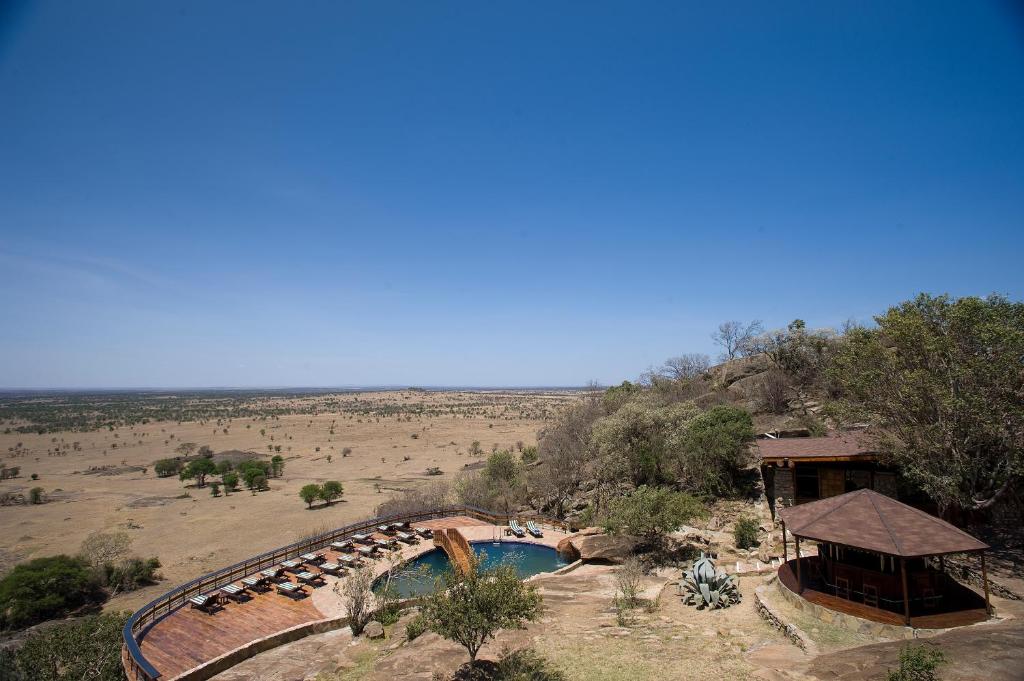
The centerpiece of the area is Lobo Wildlife Lodge, a striking property perched dramatically atop a massive kopje, commanding 360-degree views over the surrounding bush. This lodge has long served as the region’s anchor for safari-goers seeking to escape the crowds and explore a wilder, more authentic corner of the Serengeti ecosystem.
Geography and Landscape
Position within the Serengeti
The Lobo area occupies the northern Serengeti, a vast and relatively undisturbed region of the park that extends toward the Kenyan border and the adjacent Maasai Mara National Reserve. The zone is bounded roughly by the Grumeti River to the south and the Mara River corridor to the north. This strategic position places Lobo squarely within the central arc of the Great Migration’s annual circuit, through which millions of wildebeest and zebra pass between June and November as they trek northward into Kenya and return southward in the late dry season.
Kopjes, Plains, and Woodlands
The defining visual feature of the Lobo landscape is its ancient granite kopjes — isolated rock outcrops that rise dramatically from the surrounding plains like islands from a sea of grass. These formations, some of which are hundreds of millions of years old, create critical microhabitats that support a range of species including leopards, rock hyraxes, klipspringers, lion prides, and an abundance of reptile and bird species. The kopjes also serve as territorial vantage points for predators and are among the best spots in the Serengeti for leopard sightings.
Beyond the kopjes, the terrain transitions between open grassland plains and dense acacia woodland, with gallery forests lining the seasonal rivers and streams that cut through the region. This variety of habitats within a compact area explains the exceptional biodiversity found here and allows visitors to experience multiple distinct ecosystems in the course of a single game drive.
Rivers and Water Sources
Several seasonal rivers and luggas (dry riverbeds) flow through the Lobo area, providing vital water sources that anchor wildlife to the region even during the dry season. The Lobo River and surrounding drainage lines attract large concentrations of elephants, buffaloes, and antelopes, while the riverine vegetation provides essential cover and breeding habitat for numerous bird species. During the wet season, these water courses flood and create lush green corridors through the landscape.
Wildlife and Game Viewing
The Lobo area’s varied topography and multiple habitat types support one of the most diverse wildlife assemblages in the entire Serengeti ecosystem. Because it lies slightly off the main tourist circuit, animal behaviour here is often more natural and undisturbed, and sightings are frequently exclusive — a rarity in some of Africa’s more visited safari destinations.
The Big Five
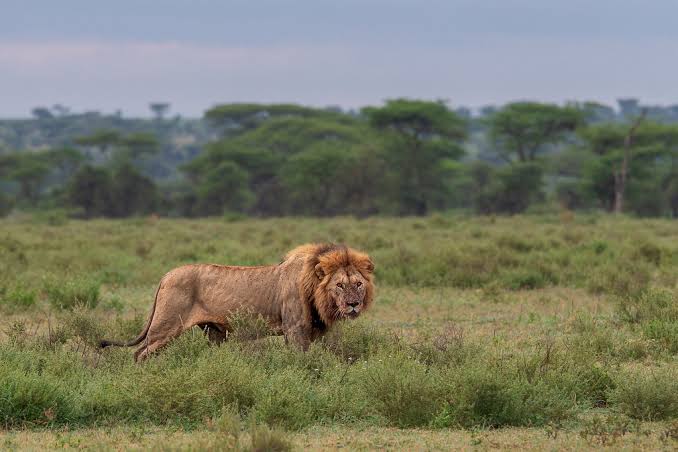
Lions: Resident lion prides are a fixture of the Lobo area, frequently found resting atop or around kopjes, particularly in the cooler morning and late afternoon hours. The northern Serengeti supports several well-established prides, and sightings of large coalition males are common. During the migration, lion activity intensifies dramatically as the abundance of prey creates exceptional feeding opportunities.
Leopards: The granite kopjes and dense woodland around Lobo provide ideal leopard habitat. These elusive cats are seen with reasonable frequency, especially in the early morning when they descend from rocky shelters or hoist recent kills into the acacia trees. Lobo is considered one of the better areas in the Serengeti for leopard encounters.
Elephants: Large elephant herds are a year-round presence in the northern Serengeti, and the Lobo area is no exception. Family groups regularly visit the riverine woodland and waterholes, offering superb close-range elephant encounters. The region is especially popular with breeding herds that utilise the dense vegetation for shade and browse.
Buffaloes: Cape buffalo are abundant throughout Lobo, often seen in massive herds numbering several hundred individuals grazing across the open plains or gathering at water sources at dusk. Large bachelor herds of old bulls — known as ‘dagga boys’ — are also common and are often surprisingly approachable.
Black Rhino: Although extremely rare, black rhinos have historically been recorded in the northern Serengeti. These critically endangered animals are very difficult to find, but the possibility of an encounter adds another dimension to exploring this remote region.
Other Notable Wildlife
Beyond the Big Five, the Lobo area supports an impressive array of other mammals. Cheetahs utilise the open plains for hunting and are regularly sighted in the northern corridors. Wild dogs, though uncommonly seen throughout the Serengeti, occasionally pass through. Hyenas are plentiful, with active clan territories throughout the area, and their nocturnal calling is a constant backdrop to evenings in the bush.
Plains game is exceptionally diverse. Topi, kongoni (Coke’s hartebeest), eland, Grant’s gazelle, Thomson’s gazelle, impala, warthog, and zebra are all resident throughout the year. Giraffes are frequently seen browsing on the acacia woodland, often in large groups. Olive baboons and vervet monkeys are ubiquitous around the lodge and kopjes.
The Great Migration in Lobo
The northern Serengeti is widely regarded as the most dramatic stage of the Great Migration’s annual circuit. Between July and October, the great herds of wildebeest and zebra push northward through the Lobo area on their way to and from the Maasai Mara, often crossing and recrossing the Mara River in spectacular, heart-pounding river crossings.
During this period, the Lobo area transforms into one of the most action-packed wildlife spectacles on the planet. Vast columns of wildebeest stretch across the plains as far as the eye can see, pursued by an escort of predators — lions, leopards, cheetahs, hyenas, and wild dogs — capitalising on the unparalleled abundance of prey. The Mara River crossings, where the herds plunge into crocodile-infested waters, are among the most exhilarating wildlife events in Africa.
What makes Lobo particularly special during migration season is the relatively uncrowded game-viewing experience compared to the more southerly Kogatende area, where safari vehicles can congregate in large numbers at known crossing points. In Lobo, the migration can often be experienced with far fewer vehicles, preserving a sense of wilderness and exclusivity.
Best Time to Visit Lobo
Dry Season: June to October (Peak Season)
The long dry season from June through October is widely considered the best time to visit Lobo, coinciding with the peak of the Great Migration’s northern passage. Vegetation thins out, making wildlife easier to spot, and the absence of rain means animals congregate around predictable water sources. Roads are generally in good condition, making game drives more accessible. This is also the coolest period of the year, with daytime temperatures typically ranging from 22°C to 28°C and cool evenings ideal for campfire nights.
Green Season: November to May
The wet season brings lush green landscapes and exceptional birdwatching, with large numbers of migratory birds arriving from Europe and Asia. Resident wildlife remains abundant, and the newborn calving season from January to March in the southern Serengeti means that some animals temporarily disperse, though the Lobo area retains a healthy year-round wildlife base. Rates at lodges are typically lower in the green season, and the landscape is strikingly beautiful, though some roads can become muddy and challenging after heavy rains.
Monthly Highlights
July – August: Peak migration; wildebeest and zebra flood the northern plains. River crossings at their most frequent and dramatic. Best predator action of the year.
September – October: Migration begins returning southward; resident lion and elephant activity remains high. Superb dry-season game viewing.
November – December: Short rains begin; green season wildlife and spectacular birdwatching. Fewer tourists.
January – March: Wet season; lush landscapes. Excellent for photography. Resident wildlife on kopjes remains active.
April – May: Long rains; some roads may be difficult. Quiet, low-season rates.
June: Dry season kicks in; migration arrives from south. Excellent game viewing building toward peak.
Accommodation in and around Lobo
Lobo Wildlife Lodge
The iconic Lobo Wildlife Lodge is the most established property in the area, operated by Tanzania National Parks (TANAPA) and perched spectacularly on and within a natural granite kopje. The lodge’s architecture is unique — rooms are built directly into the rocks, and the main lounge and viewing deck emerge from the kopje to offer sweeping panoramic views over the surrounding bush and distant plains.
The lodge features en-suite rooms, a swimming pool tucked into the rocks, a restaurant serving buffet meals, and a bar area that becomes a lively social hub in the evenings. Wildlife frequently visits the lodge’s waterhole directly below the viewing deck, making it possible to observe elephants, lions, and other species without leaving the comfort of the terrace.
Luxury and Semi-Luxury Camps
Several privately operated seasonal and permanent tented camps operate in and around the northern Serengeti, offering higher-end accommodation for discerning travellers. These camps typically provide elevated service, superior guiding, and exclusive game-drive circuits within private concession areas adjacent to the national park. Options range from classic-style East African safari tents to ultra-luxury camps with private plunge pools and personal butlers. Many of these camps move seasonally to follow the migration, setting up in the Lobo zone during the July–October peak season.
Public Campsites
For self-drive visitors and budget travellers, the Lobo area has designated public campsites managed by TANAPA. These sites offer basic facilities — typically a pit latrine, water point, and sometimes a basic shower — and are set in spectacular bush locations that allow for a truly immersive wilderness experience. Camping here requires that visitors be fully self-sufficient with all camping equipment, food, and supplies.
Getting to the Lobo Area
By Air
The most convenient way to reach Lobo is by light aircraft to Lobo Airstrip, which lies just a few minutes from the lodge. Several scheduled and charter flight services operate from Arusha, Kilimanjaro, and Dar es Salaam, as well as from other Serengeti airstrips including Seronera, Kogatende, Ndutu, and Grumeti. Flying is strongly recommended for travellers who want to maximise their time on safari and minimise the long road journey.
By Road
The drive from Arusha to Lobo is approximately 400 kilometres and typically takes 7–9 hours depending on road conditions. The route passes through the Ngorongoro Conservation Area via the Naabi Hill Gate before entering the Serengeti. From the main Serengeti gate at Naabi, Lobo lies approximately 2–3 hours further north via the Seronera Valley, with the last section crossing open plains on a rough dirt track that requires a 4WD vehicle.
Self-drive to Lobo is an adventurous and rewarding option for experienced safari travellers with a suitable 4WD vehicle, good navigation tools, adequate supplies, and time to spare. The journey itself passes through some of the most spectacular scenery in East Africa, with game viewing en route adding to the experience.
Safari Activities in the Lobo Area
Game Drives
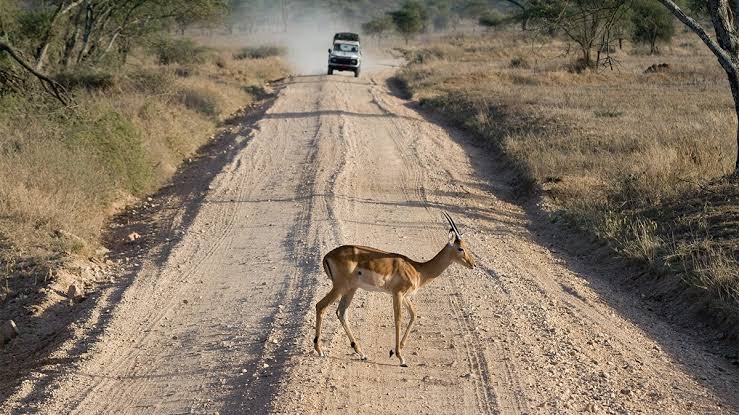
Game drives are the primary activity in Lobo, conducted in open-sided 4WD safari vehicles guided by experienced naturalist guides. Morning game drives depart at first light to catch the peak predator activity, while evening drives allow visitors to witness the golden-hour behaviour of lions, leopards, and cheetahs. Full-day game drives with a bush picnic lunch allow for deeper exploration of the northern circuits and significantly increase the chance of exceptional sightings.
Hot Air Balloon Safaris
Hot air balloon safaris can be arranged from the Lobo area, offering a breathtaking bird’s-eye perspective of the Serengeti landscape. Flights typically launch at sunrise, drifting silently over the plains as wildlife moves below. A champagne bush breakfast upon landing completes the experience. This is one of the most memorable and romantic activities available in the Serengeti and is especially spectacular during the migration when herds cover the plains beneath.
Walking Safaris
Guided walking safaris in the Lobo area offer an intimate ground-level perspective of the bush that no vehicle-based safari can replicate. Led by armed rangers and experienced guides, walks explore the smaller details of the ecosystem — tracks, insects, plants, bird calls — while the constant possibility of encountering wildlife on foot adds an exhilarating edge to the experience. Walking safaris must be pre-arranged with the lodge or camp.
Birdwatching
With over 500 bird species recorded in the Serengeti, Lobo’s varied habitats make it one of the park’s finest birdwatching zones. Notable species include the martial eagle, bateleur, Verreaux’s eagle owl, secretary bird, kori bustard, grey-crowned crane, superb starling, lilac-breasted roller, and a wide range of raptors, waders, and waterbirds. The wet season brings additional Palearctic migrants, further enriching the birding list.
Practical Tips for Visiting Lobo
Pack light and smart: Luggage restrictions apply on light aircraft flights — typically 15 kg in soft-sided bags. Even if driving, light layers are ideal for the variable temperatures between early morning game drives and warm midday temperatures.
Bring binoculars: Quality binoculars are essential for spotting distant game and enhancing birdwatching. The expansive plains around Lobo make binoculars especially valuable.
Carry sufficient cash: The Lobo area is remote and card payment facilities are limited. Carry enough US dollars or Tanzanian shillings for tips, souvenirs, and incidentals.
Book accommodation early: Quality lodges and camps around Lobo sell out quickly during peak season (July–October). Book at least 6–12 months in advance for the best availability.
Respect wildlife distances: Tanzania has strict regulations about approaching wildlife. Guides are obligated to maintain safe distances, and feeding or disturbing animals is prohibited.
Stay in your vehicle: Except at designated sites or on organised walking safaris, visitors must remain inside vehicles in the national park. This protects both wildlife and visitors.
Sun protection: The equatorial sun is intense, particularly in open-sided safari vehicles. Pack high-factor sunscreen, a wide-brimmed hat, UV-protective clothing, and good sunglasses.
Park Fees and Entry Requirements
Entry to Serengeti National Park requires payment of conservation fees, which are managed by the Tanzania National Parks Authority (TANAPA). Fees are charged per person per 24-hour period and vary depending on the visitor category (international non-resident, international resident, East African citizen, Tanzanian citizen). Vehicle fees also apply for self-drive visitors.
All park fees are payable electronically via the TANAPA TALA e-payment system. It is advisable to check the current fee schedule on the TANAPA official website (www.tanzaniaparks.go.tz) prior to travel as fees are updated periodically. Visitors on organised tours typically have park fees included in their safari package.
Why Choose the Lobo Area?
In a national park famous the world over, the Lobo area manages to feel genuinely remote, uncrowded, and wild — a rare feat in modern African safari tourism. Its combination of dramatic scenery, exceptional year-round wildlife, superb migration sightings, and limited visitor numbers makes it one of the most rewarding destinations in the entire Serengeti ecosystem.
Whether you are watching a lion pride stalk prey across sun-drenched plains, sitting in silence as a leopard materialises from the shadows of a kopje, or witnessing the primal spectacle of tens of thousands of wildebeest surging across the Mara River, Lobo delivers experiences that stay with visitors long after they return home.
For the safari traveller who seeks more than just tick-box tourism — who values authentic bush encounters, unhurried exploration, and the sensation of being truly alone in the wilderness — the Lobo area of Tanzania’s Serengeti National Park is a destination without equal.
Marriott Safaris Africa | Tanzania Safari Guides