
How to Get to Serengeti National Park by Road
How to Get to Serengeti National Park by Road, A detailed route-by-route driving itinerary from Arusha, Mwanza, Nairobi, Kampala, Kigali and Dar es Salaam, with distances, travel times, entry gates, fees and practical tips
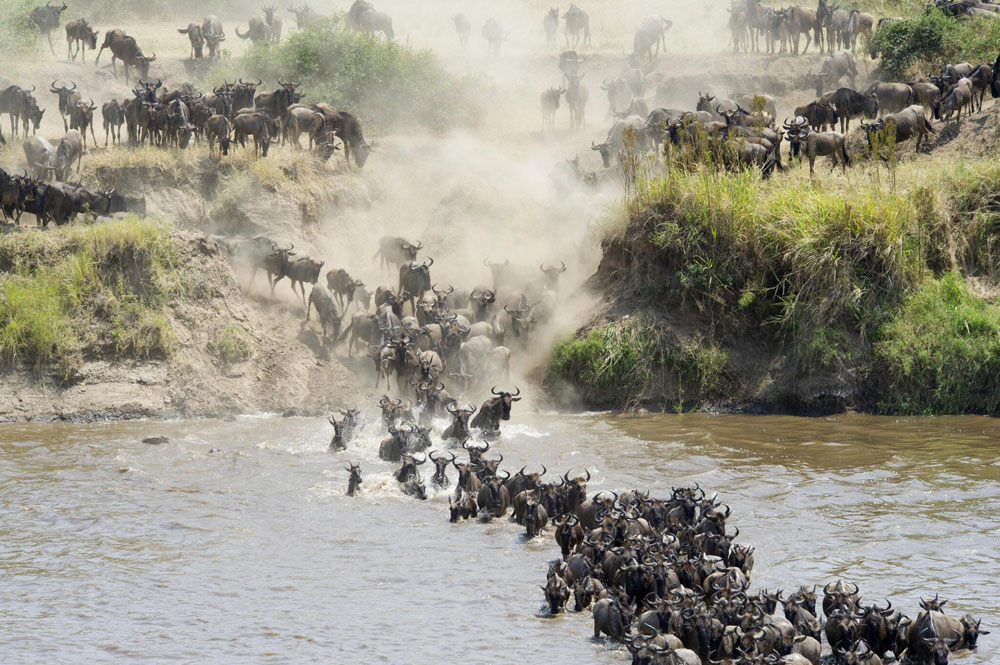
Serengeti National Park covers roughly 14,750 square kilometres of open plains, kopjes and riverine woodland in northern Tanzania, and it is home to the Great Wildebeest Migration. Most visitors fly into a bush airstrip, but driving to the Serengeti is one of the most rewarding ways to arrive. The road journey takes you past the Great Rift Valley escarpment, through the highlands of the Ngorongoro Conservation Area and down onto the endless short-grass plains where the Serengeti begins. For self-drive travellers and guided overland safaris alike, the road is part of the adventure.
This guide explains every practical road route into the park, the entry gate each one uses, approximate distances and driving times, what the roads are like, and the documents and fees you need. It finishes with sample day-by-day itineraries and answers to the questions travelers ask most often.
| Quick Facts at a Glance
Most popular road route: Arusha → Karatu → Ngorongoro Conservation Area → Naabi Hill Gate → Seronera. Arusha to Seronera (Central Serengeti): approx. 300–330 km, 7–8 hours with short stops. Main entry gates for road travellers: Naabi Hill (southeast), Ndabaka (west), Fort Ikoma (northwest), Klein’s (northeast). Vehicle needed: a 4×4 with good ground clearance is strongly recommended; inside the park it is essential. Payment: park fees are paid electronically (Visa/Mastercard); cash is not accepted at the gates. Speed limit inside the park: 50 km/h. No driving off-road and no driving after dark. |
Serengeti Entry Gates Used by Road Travelers
Your route choice depends mainly on which gate you plan to use. The table below summarizes the gates that matter for road access.
| Gate | Location | Approached from | Best for |
| Naabi Hill Gate | Southeast, on the Ngorongoro–Serengeti road | Arusha, Karatu, Ngorongoro | The classic northern circuit route; southern plains and Ndutu (Dec–Mar calving season) |
| Ndabaka Gate | Far west, on the Mwanza–Musoma highway | Mwanza, Uganda, Rwanda, western Kenya | Western Corridor and Grumeti River crossings (May–July) |
| Fort Ikoma Gate | Northwest, near Mugumu town | Musoma, Tarime, Sirari border (Kenya) | Central and northern Serengeti from the Lake Victoria side |
| Klein’s Gate | Northeast, near Loliondo | Lake Natron, Wasso / Loliondo | Remote approach to the northern Serengeti and Lobo; adventurous drivers |
| Handajega Gate | Western Corridor | Bunda / Mugumu area | Occasional use; check road status locally |
| Bologonja Gate | Far north, on the Kenya border | Maasai Mara (Kenya) | Not open to tourist cross-border traffic; you cannot drive straight across from the Mara |
| Gate Opening Hours
Gates generally operate from about 06:00 to 18:00. Some gates, including Ndabaka and Klein’s, do not allow entry after 16:00. Plan to reach your gate early, because you must also reach your lodge or campsite before dark. Driving inside the park after sunset is prohibited. |
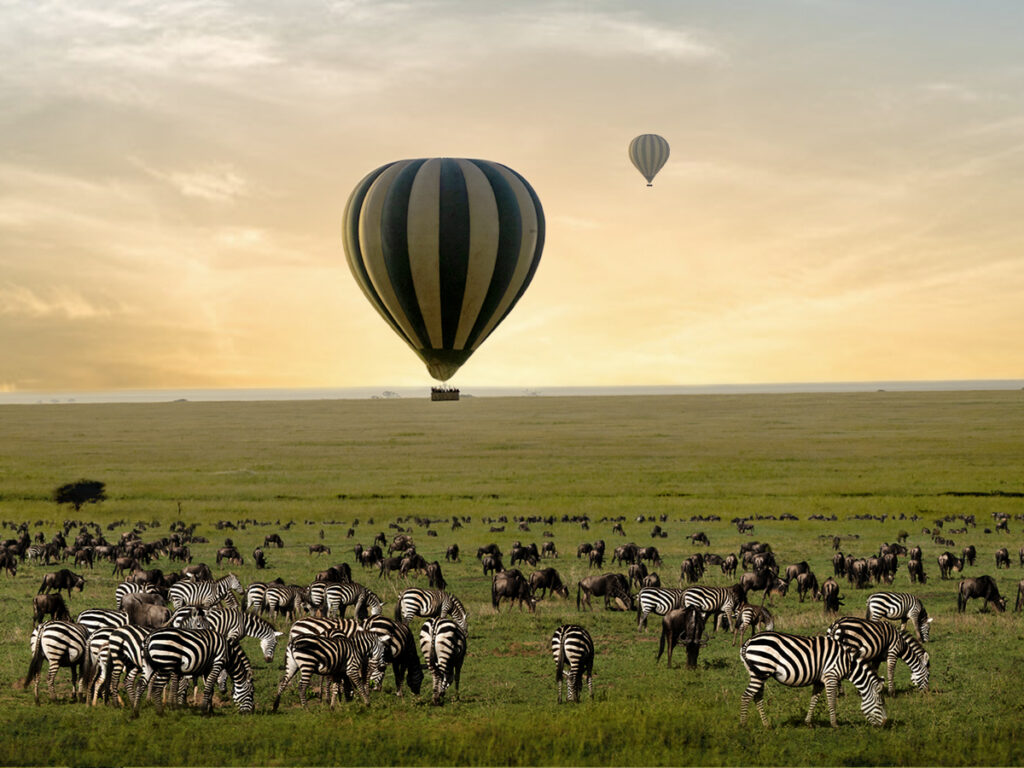
Route 1: Arusha to Serengeti via Ngorongoro (Naabi Hill Gate)
This is by far the most travelled road into the Serengeti and the one used by most northern circuit safaris. The first part is smooth tarmac; the second half is gravel through the Ngorongoro Conservation Area and the Serengeti itself.
Route Summary
| Detail | Information |
| Total distance | Approx. 300–330 km from Arusha to Seronera |
| Driving time | 7–8 hours including fuel, lunch and viewpoint stops |
| Road surface | Tarmac to Lodoare Gate (approx. 155 km); gravel and corrugated murram beyond |
| Entry gate | Naabi Hill Gate |
| Parks crossed | Ngorongoro Conservation Area (transit fee payable) and Serengeti National Park |
Step-by-Step Driving Itinerary
| Leg | Distance (approx.) | Time | What to expect |
| Arusha → Makuyuni | 80 km | 1 hr 15 min | Good tarmac on the Arusha–Dodoma road. Fuel up in Arusha; stock water and snacks. |
| Makuyuni → Mto wa Mbu | 37 km | 35 min | Turn right at Makuyuni junction. The road climbs then drops to the base of the Rift Valley escarpment; Tarangire turn-off is near Makuyuni. |
| Mto wa Mbu → Karatu | 25 km | 40 min | Climb the escarpment with views over Lake Manyara. Karatu is the last proper town: fuel, ATMs, supermarkets. |
| Karatu → Lodoare Gate (NCA) | 14 km | 20 min | Pay Ngorongoro Conservation Area fees here. Tarmac ends after the gate. |
| Lodoare Gate → Crater rim viewpoint | 20–25 km | 45 min | Steep forested climb up the crater wall. Stop at the Heroes’ viewpoint for your first look into the crater. |
| Crater rim → Naabi Hill Gate | 60 km | 1 hr 45 min | Descend through Maasai grazing land past Olduvai Gorge turn-off onto the open plains. Dusty and corrugated in the dry season. |
| Naabi Hill Gate → Seronera | 45–50 km | 1–1.5 hrs | Pay Serengeti entry fees. Game viewing begins immediately; this is already a game drive. |
Worthwhile Stops Along This Route
- Tarangire National Park: A short detour near Makuyuni if you want an extra day of elephant viewing before heading west.
- Mto wa Mbu: Banana plantations, local markets and cultural walks; also the gateway to Lake Manyara National Park.
- Karatu: Coffee farms and comfortable lodges make it the best overnight stop if you leave Arusha late.
- Olduvai Gorge: The “Cradle of Mankind”, roughly 5 km off the main road between the crater rim and Naabi Hill, with a small museum.
- Naabi Hill Gate: Where the plains begin; a good picnic spot with a short walking trail up the hill.
| Insider Tip: Transit Through Ngorongoro
Even if you do not visit the crater floor, you must pay Ngorongoro Conservation Area entry fees to drive through it. The permit is valid for 24 hours, so time your journey to pass through in one go. If you want to visit the crater floor, a separate crater service fee per vehicle applies. Many travelers combine the two by spending a night on the crater rim on the way out of the Serengeti. |
Route 2: Mwanza to Serengeti (Ndabaka Gate)
Mwanza, on the southern shore of Lake Victoria, is the gateway to the Western Corridor. The drive to Ndabaka Gate is short and mostly tarmac, which makes this route ideal for travellers flying into Mwanza or arriving overland from Uganda or Rwanda.
| Leg | Distance (approx.) | Time | What to expect |
| Mwanza → Magu | 60 km | 1 hr | Tarmac along the Mwanza–Musoma highway. Busy with trucks and buses near town. |
| Magu → Lamadi | 55 km | 50 min | Lake Victoria views; Lamadi has basic fuel and shops. |
| Lamadi → Ndabaka Gate | 20–25 km | 25 min | Gate sits right beside the highway. Last entry 16:00. |
| Ndabaka Gate → Grumeti / Kirawira | 50 km | 1.5 hrs | Western Corridor: Grumeti River crocodiles and migration crossings in May–July. |
| Grumeti → Seronera | 90–95 km | 2–2.5 hrs | Gravel road through woodland and plains into Central Serengeti. |
Total: Mwanza to Ndabaka Gate is about 140 km (2.5–3 hours). Mwanza to Seronera is about 280 km and takes 6–7 hours including game viewing on the way.
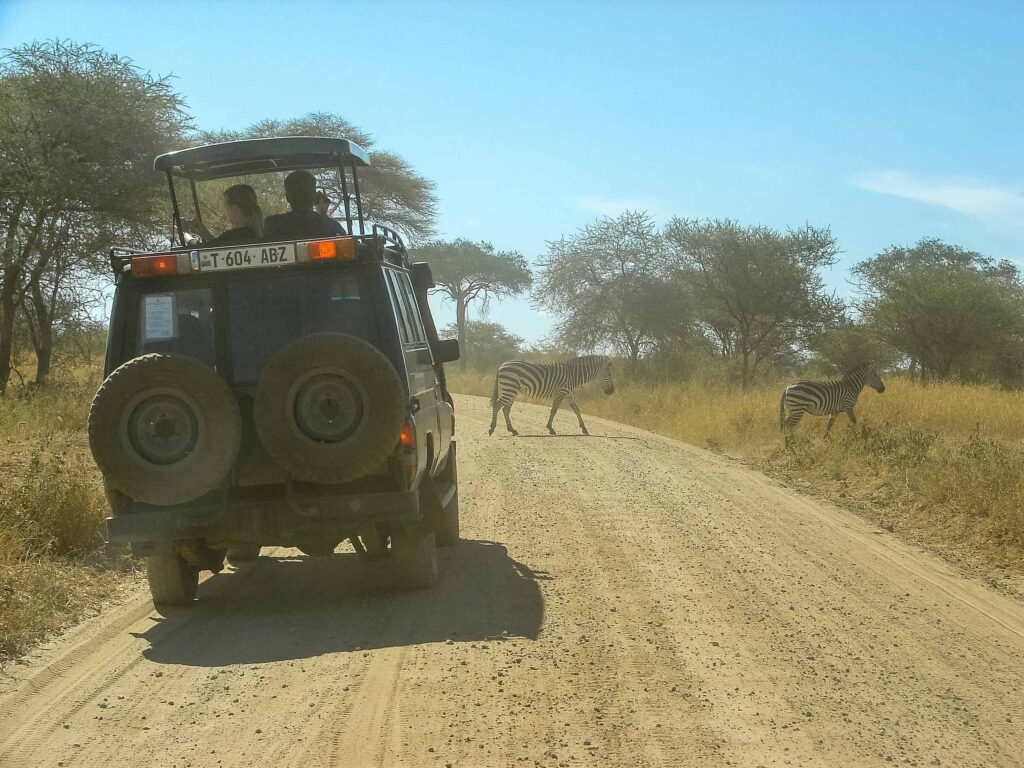
Route 3: Nairobi (Kenya) to Serengeti
There is no direct tourist crossing from the Maasai Mara into the Serengeti, so road travelers from Kenya use one of two indirect routes.
Option A: Via the Namanga Border and Arusha (Recommended)
| Leg | Distance (approx.) | Time | Notes |
| Nairobi → Namanga border | 170 km | 2.5–3 hrs | Good tarmac on the A104. Namanga is a One-Stop Border Post. |
| Border formalities | – | 45 min–2 hrs | Immigration, Temporary Import Permit and COMESA insurance for the vehicle. |
| Namanga → Arusha | 110 km | 1.5–2 hrs | Tarmac all the way; views of Mount Meru on approach. |
| Arusha → Seronera | 300–330 km | 7–8 hrs | Continue on Route 1 (overnight in Arusha or Karatu first). |
Option B: Via the Isebania/Sirari Border (Western Kenya)
From Nairobi or the Maasai Mara, drive west via Narok and Kisii (or Migori) to the Isebania/Sirari border. On the Tanzanian side, continue to Tarime and then either south-west to Musoma and Ndabaka Gate, or south-east via Mugumu to Fort Ikoma Gate. This route is useful if you are combining the Maasai Mara with the Western or Northern Serengeti, but roads beyond Tarime can be rough in the rains. Allow two days from Nairobi.
Route 4: Kampala (Uganda) to Serengeti
A popular overland route for self-drive travellers renting a 4×4 in Uganda. Plan for two days of driving with an overnight stop in Bukoba, Biharamulo or Mwanza.
| Leg | Distance (approx.) | Time | Notes |
| Kampala → Masaka → Mutukula border | 250 km | 4–5 hrs | Tarmac via Masaka. Mutukula is a One-Stop Border Post. |
| Mutukula → Bukoba | 80 km | 1.5 hrs | Good overnight option on Lake Victoria. |
| Bukoba → Biharamulo | 170–200 km | 3–3.5 hrs | Mostly tarmac through Muleba. |
| Biharamulo → Geita → Mwanza | 250–270 km | 4.5–5 hrs | Crosses the Mwanza Gulf at Kigongo–Busisi (bridge or ferry; confirm current status locally). |
| Mwanza → Ndabaka Gate | 140 km | 2.5–3 hrs | Continue on Route 2. |
| Cross-Border Documents for Rental Vehicles
Bring the original vehicle logbook (or a certified copy with an owner’s authorisation letter), a COMESA Yellow Card insurance certificate, your driving licence and International Driving Permit, and your passport with a valid Tanzania visa. A Temporary Import Permit is issued at the border. Rental companies must authorise cross-border travel in writing before you set off. |
Route 5: Kigali (Rwanda) to Serengeti
| Leg | Distance (approx.) | Time | Notes |
| Kigali → Rusumo border | 160 km | 3 hrs | Tarmac through Kayonza; Rusumo Falls at the border. |
| Rusumo → Nyakanazi | 100 km | 1.5–2 hrs | Tarmac junction town on the Tanzanian side. |
| Nyakanazi → Biharamulo → Geita → Mwanza | 310–340 km | 5.5–6.5 hrs | Overnight in Mwanza is recommended. |
| Mwanza → Ndabaka Gate | 140 km | 2.5–3 hrs | Continue on Route 2. |
Route 6: Dar es Salaam to Serengeti
From Dar es Salaam, drive north via Chalinze, Segera, Korogwe, Same and Moshi to Arusha, roughly 640 km on tarmac. The trip takes 9–11 hours, so break it with a night in Moshi or Arusha before continuing on Route 1. Many travellers choose to fly from Dar to Arusha or Kilimanjaro and start their road journey there.
Route 7: The Lake Natron Route (Klein’s Gate)
For experienced 4×4 drivers, the northern approach via Lake Natron is spectacular and almost empty of other vehicles. From Mto wa Mbu, a rough road heads north via Engaruka to Lake Natron and Ngare Sero, below the active volcano Ol Doinyo Lengai, then climbs to Wasso/Loliondo and on to Klein’s Gate. The full drive is around 300 km on rough tracks, so break it with at least one night at Lake Natron. Carry extra fuel, a spare tyre and a GPS or offline maps, and do not attempt it in heavy rains.
Sample Road Itineraries
3-Day Arusha to Serengeti Road Itinerary
Day 1: Arusha to Karatu
Leave Arusha mid-morning after fuelling and shopping. Drive 1.5 hours to Mto wa Mbu for lunch, then either take an afternoon game drive in Lake Manyara National Park or continue straight to Karatu. Overnight at a lodge or campsite in Karatu (approx. 140 km of driving).
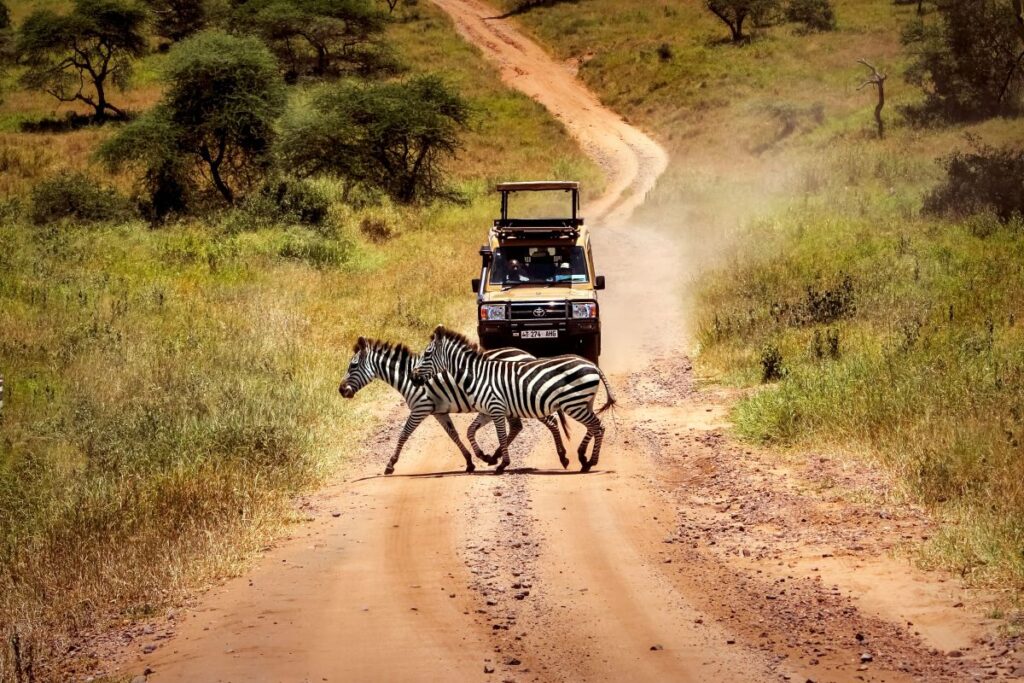
Day 2: Karatu to Central Serengeti
Depart by 07:00 so you clear the Ngorongoro Conservation Area within its 24-hour permit. Stop at the crater rim viewpoint, take the short detour to Olduvai Gorge, and have a picnic lunch at Naabi Hill Gate while fees are processed. Game-drive through the southern plains to Seronera, arriving by 17:00 (approx. 180 km).
Day 3: Full Day in the Serengeti
Morning and afternoon game drives around the Seronera Valley, famous for lions, leopards and cheetahs. From here, head north towards the Mara River or west to the Grumeti depending on where the migration is.
2-Day Mwanza to Serengeti Road Itinerary
Day 1: Mwanza to the Western Corridor
Drive 2.5–3 hours to Ndabaka Gate, entering before 16:00. Game-drive along the Grumeti River and overnight in a Western Corridor lodge or public campsite.
Day 2: Western Corridor to Seronera
An early game drive along the river, then continue east through open woodland to Central Serengeti, arriving in the afternoon for a sunset drive.
Park Fees for Road Travellers
All fees are charged per 24 hours and paid electronically at the gate. The figures below are indicative non-resident rates including 18% VAT from the most recently published fee schedule. TANAPA and the Ngorongoro Conservation Area Authority usually revise fees each July, so confirm current rates before you travel.
| Fee | Non-resident (indicative, USD) | Notes |
| Serengeti entry – adult (16+) | $82.60 peak / $70.80 low season | Low season is 15 March – 15 May |
| Serengeti entry – child (5–15) | Approx. $23.60 | Under 5s free |
| Serengeti concession fee (lodges/camps inside park) | Approx. $70.80 per adult per night | Often included in lodge rates; check |
| Serengeti public campsite | Approx. $30–60 per person per night | Special campsites cost more |
| Ngorongoro Conservation Area entry/transit | Approx. $70.80 per adult per 24 hrs | Payable even when only passing through |
| Ngorongoro crater service fee | Approx. $295–300 per vehicle per descent | Only if you drive down to the crater floor |
| Vehicle entry fee | Varies by tare weight and registration | Foreign-registered vehicles pay in USD at higher rates |
Road Conditions and Best Time to Drive
The tarmac sections (Arusha–Karatu, Mwanza–Ndabaka, Nairobi–Arusha) are in good condition year-round. The gravel roads in Ngorongoro and the Serengeti are the challenge: badly corrugated and dusty in the dry season, and muddy with black-cotton soil in the long rains.
| Season | Months | Road conditions | Wildlife highlight |
| Long dry season | June – October | Best overall; dusty and corrugated | River crossings in the north (July–Oct) |
| Short rains | November – December | Mostly fine; brief afternoon showers | Herds moving south |
| Short dry season | January – February | Good | Calving season in Ndutu/southern plains |
| Long rains | March – May | Muddy, especially black-cotton soil areas; 4×4 essential | Fewer visitors, lush scenery |
Essential Tips for Driving to the Serengeti
- Fuel: Fill up in Arusha, Karatu, Mwanza or Mugumu. Fuel at Seronera is limited and expensive, so carry a full tank plus a jerrycan if self-driving.
- Vehicle: A 4×4 with high clearance, two spare tyres, a jack, a compressor and a tow strap. Corrugations are hard on tyres.
- Speed: Keep below 50 km/h inside the park and at the posted limits on highways; police speed checks are common on Tanzanian roads.
- Safety: Never drive after dark in the park, never leave your vehicle except at designated areas, and keep windows partly closed around lions and elephants.
- Navigation: Mobile signal is patchy beyond Karatu. Download offline maps and share your route with your rental company or lodge.
- Supplies: Carry plenty of water, snacks, sunscreen and a dust cover for cameras. Lunch boxes from your lodge are standard.
- Money: Have a credit or debit card for park fees and enough Tanzanian shillings for fuel and small purchases.
Frequently Asked Questions
How long does it take to drive from Arusha to the Serengeti?
About 7–8 hours to Seronera in Central Serengeti, covering roughly 300–330 km. Most travellers break the journey with an overnight in Karatu or a night on the Ngorongoro crater rim.
Can I drive directly from the Maasai Mara to the Serengeti?
No. The Bologonja border post between the two parks is not open to tourist traffic. You must cross at Namanga (via Arusha) or Isebania/Sirari (via Tarime).
Do I need a 4×4 to drive to the Serengeti?
Yes. The gravel roads through Ngorongoro and inside the Serengeti are rough and can become muddy. A 4×4 with good ground clearance is the safe and practical choice.
Do I have to pay Ngorongoro fees to reach the Serengeti from Arusha?
Yes. The main road passes through the Ngorongoro Conservation Area, so you pay the 24-hour entry fee even if you do not stop. The crater service fee applies only if you drive down to the crater floor.
Can I pay park fees in cash?
No. Serengeti and Ngorongoro fees are paid electronically, usually by Visa or Mastercard at the gate.
Which is the closest gate to Mwanza?
Ndabaka Gate, about 140 km (2.5–3 hours) from Mwanza on the Mwanza–Musoma highway.
Is self-driving to the Serengeti safe?
Yes, for prepared drivers in a well-equipped 4×4. Follow park rules, avoid driving at night, carry spares, and keep your rental company informed of your route.
| Plan Your Serengeti Road Safari with Marriott Safaris Africa
Whether you want a 4×4 self-drive with rooftop tent, a cross-border rental from Uganda or Rwanda, or a fully guided safari with an experienced driver-guide, our team can plan your route, permits and accommodation from start to finish. |