
3 Days Burundi Safari Itinerary
Hippos of the Rusizi Delta, Primates of Kibira Forest & the Royal Drummers of Gishora
Burundi is one of Africa’s least-visited safari destinations, and that is exactly its appeal. Squeezed between Tanzania, Rwanda and the Democratic Republic of Congo, this small, mountainous country packs the shores of Lake Tanganyika, a papyrus-fringed river delta full of hippos and crocodiles, a montane rainforest that shares an ecosystem with Rwanda’s Nyungwe, and one of the most powerful cultural performances on the continent into a territory you can cross in a few hours.

This 3 days Burundi safari itinerary is built for travelers who want a short, well-paced introduction to the country. It starts and ends in Bujumbura, combines a boat safari in Rusizi National Park, a forest walk in Kibira National Park, and a visit to the UNESCO-recognised Gishora Drum Sanctuary near Gitega, and keeps daily drive times realistic on Burundi’s winding hill roads.
Itinerary at a Glance
| Day | Route | Highlights | Overnight |
| Day 1 | Bujumbura → Rusizi NP → Saga Beach | Rusizi Delta boat safari, hippos, crocodiles, waterbirds, Lake Tanganyika sunset | Bujumbura (lakeshore) |
| Day 2 | Bujumbura → Kibira NP (Rwegura) → Gitega | Rainforest walk, primates, Rwegura tea estates, scenic highland drive | Gitega |
| Day 3 | Gitega → Gishora → Bujumbura | Royal drummers of Gishora, Gitega National Museum, Mugamba highlands | End of tour (Bujumbura) |
|
Day 1: Arrival in Bujumbura & Rusizi National Park Boat Safari
Drive time: About 20–30 minutes each way (Bujumbura to Rusizi Delta sector)
Meals: Lunch and dinner
Overnight: Lakeshore hotel in Bujumbura
Morning: Arrival and Welcome
Your driver-guide meets you at Melchior Ndadaye International Airport or your hotel in Bujumbura. After a short briefing on the itinerary, park rules and safety, you drive along the Lake Tanganyika shoreline. Lake Tanganyika is the world’s longest freshwater lake and the second deepest, and Bujumbura sits on its northern tip with the Mugamba mountains rising behind it.
Late Morning to Afternoon: Rusizi National Park
Rusizi National Park lies just outside Bujumbura, where the Rusizi River fans out into a broad delta before entering Lake Tanganyika. The park protects wetland, papyrus swamp and lakeshore habitat and is split into two main sectors: the Delta sector and the Palmeraie sector.
In the Delta sector you board a motorized boat for a guided cruise through the river channels. This is the heart of the experience. Pods of hippos surface metres from the boat, Nile crocodiles bask on the sandbanks, and the reeds come alive with birdlife. Look out for sitatunga in the papyrus, a shy swamp antelope that is easier to see here than in many better-known parks.
- Wildlife highlights: hippos, Nile crocodiles, sitatunga, monitor lizards
- Birding highlights: African fish eagle, pied and malachite kingfishers, goliath heron, pelicans, cormorants, and seasonal Palaearctic migrants (roughly October to April)
- Palmeraie sector (optional): a short walk among Hyphaene palms and savannah grassland, good for antelope and dry-country birds
Lunch is served at a lakeside restaurant in Bujumbura or as a packed picnic, depending on boat timing.
Evening: Sunset on Lake Tanganyika
Late afternoon, relax at Saga Beach (Plage Saga) on the lakeshore. Watch the sun drop behind the mountains of the DRC across the water, with fishing boats heading out for the night’s catch. Dinner tonight is a chance to try mukeke, a Lake Tanganyika fish that Burundians are proud of, usually grilled or fried and served with plantain or rice.
| Guide’s Tip for Day 1
Keep your hands inside the boat and stay seated near hippos. Morning and late-afternoon cruises tend to be cooler and better for birding. Do not swim at Rusizi or near river mouths: hippos and crocodiles live here. |
Day 2: Kibira National Park & Drive to Gitega
Drive time: About 2.5–3 hours to Rwegura, then about 2.5–3 hours to Gitega
Meals: Breakfast, picnic lunch, dinner
Overnight: Hotel in Gitega
Early Morning: Into the Highlands
Leave Bujumbura early after breakfast. The road climbs steeply out of the Rift Valley floor into the cool green highlands, with switchbacks offering wide views back over Lake Tanganyika. You pass through hillside villages, banana groves and market towns before reaching the Rwegura area, where neat tea plantations run right up to the edge of the forest.
Mid-Morning: Guided Walk in Kibira National Park
Kibira National Park is Burundi’s largest block of montane rainforest. It runs along the Congo–Nile Divide and continues across the border as Nyungwe National Park in Rwanda. The forest is a vital water catchment for the country and a stronghold for primates and Albertine Rift endemic birds.
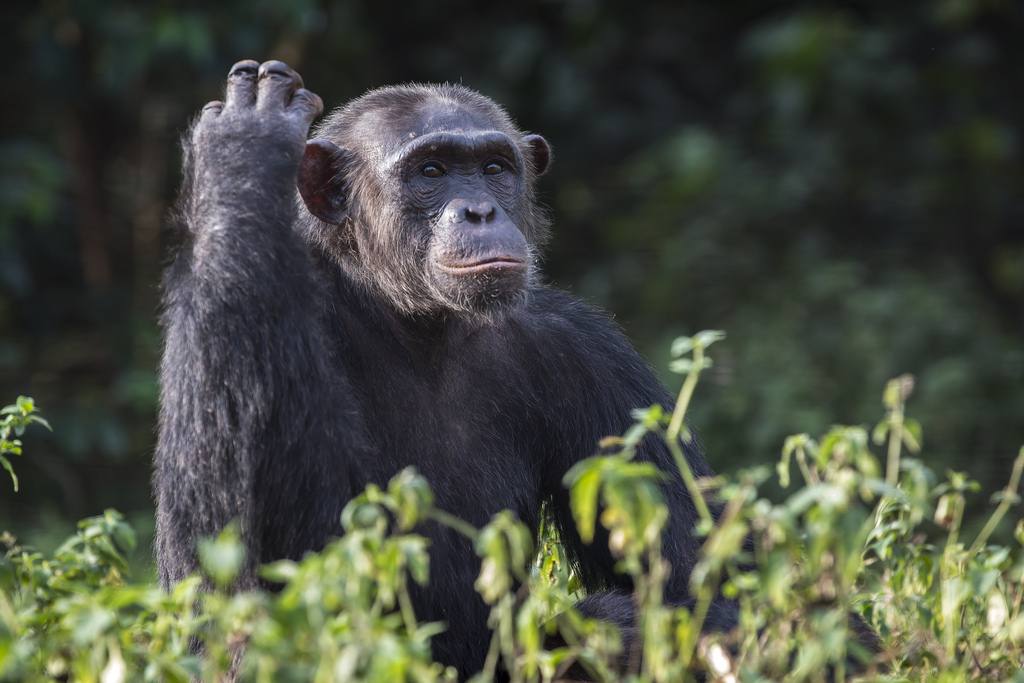
With a park ranger from OBPE (Office Burundais pour la Protection de l’Environnement), you follow forest trails from the Rwegura sector. Walks typically last two to four hours depending on fitness and what you find. Burundi does not run a fully habituated chimpanzee-trekking programme like Rwanda or Uganda, so treat any chimpanzee sighting as a bonus rather than a promise. Monkeys are far more reliable.
- Primates: L’Hoest’s monkeys, black-and-white colobus, blue monkeys, olive baboons, and eastern chimpanzees (occasional)
- Birds: great blue turaco, Ruwenzori turaco and other Albertine Rift specials, sunbirds, hornbills
- Scenery: giant tree ferns, mossy hardwoods, streams and small waterfalls, plus views over the Rwegura dam area
Afternoon: Tea Country and the Road to Gitega
Enjoy a picnic lunch near the forest edge, then stop briefly in the tea estates to watch pickers at work and learn how Burundi’s high-grown tea is processed. Continue south-east across the rolling central plateau to Gitega, Burundi’s political capital and the historical seat of the Burundian monarchy.
Evening: Gitega
Check in to your hotel, freshen up and enjoy dinner. Gitega is calmer and cooler than Bujumbura, and an evening stroll near the town centre gives a sense of everyday life in the highlands.
| Guide’s Tip for Day 2
Kibira is wet and muddy for much of the year. Bring waterproof hiking shoes, gaiters or long socks, a rain jacket and a warm layer: highland mornings can be chilly. Start early, since afternoon showers are common. |
Day 3: Gishora Drum Sanctuary, Gitega Museum & Return to Bujumbura
Drive time: About 15 minutes to Gishora; about 2.5–3 hours from Gitega to Bujumbura
Meals: Breakfast and lunch
Overnight: Not included (end of tour), or add a night in Bujumbura
Morning: The Royal Drummers of Gishora
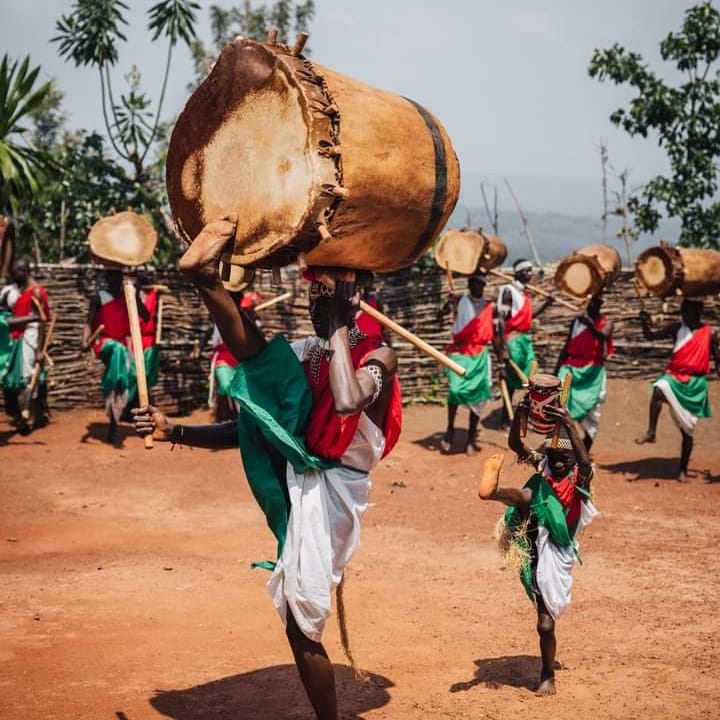
After breakfast, drive a few kilometres outside Gitega to the Gishora Drum Sanctuary, set on a hilltop that was once a royal residence. The ritual dance of the royal drum of Burundi is inscribed on UNESCO’s Representative List of the Intangible Cultural Heritage of Humanity, and Gishora is one of the best places in the country to experience it.
Drummers in red, white and green carry the huge ingoma drums on their heads, then form a semicircle around the central drum while dancers leap and perform acrobatic moves to a thunderous rhythm. Your guide explains the drums’ sacred role in royal ceremonies, the traditional hut architecture of the site, and the drum-making craft. Performances are often arranged in advance, so we book yours as part of the itinerary.
Late Morning: Gitega National Museum
Return to Gitega for a visit to the National Museum, the country’s main repository of Burundian history and culture. Small but informative, it displays traditional tools, royal regalia, musical instruments, basketry and photographs from the monarchy era, and it gives useful context to everything you have seen over the past two days.
Afternoon: Scenic Drive Back to Bujumbura
After lunch in Gitega, set off for Bujumbura via the central highlands and the Mugamba ridges. The final descent offers wide views across Lake Tanganyika. You are dropped at the airport for your onward flight or at your Bujumbura hotel, marking the end of your 3-day Burundi safari.
| Guide’s Tip for Day 3
Ask permission before photographing people, and confirm whether a photography fee applies at Gishora. If you have a late flight, keep a few hours spare for traffic and checkpoints on the Gitega–Bujumbura road. |
What’s Included and Excluded
Typically Included
- Private 4×4 safari vehicle with fuel and an English/French-speaking driver-guide
- Airport or hotel pickup and drop-off in Bujumbura
- 2 nights’ accommodation (Bujumbura and Gitega) on the meal plan stated per day
- Park entry fees for Rusizi and Kibira National Parks, with ranger fees
- Rusizi Delta boat cruise
- Gishora drum performance and Gitega National Museum entry
- Bottled drinking water in the vehicle
Typically Excluded
- International flights and Burundi visa fees
- Travel and medical insurance
- Alcoholic drinks, laundry and personal purchases
- Tips for guides, rangers, drummers and boat crew
- Photography fees where charged
- Optional activities not listed in the itinerary
Estimated Cost of a 3-Day Burundi Safari
Burundi is generally more affordable than its neighbours, though there are fewer high-end lodges. The figures below are indicative per-person estimates for 2026, based on two people sharing a private vehicle. Park and activity fees are set by OBPE and site managers and can change, so confirm current rates when booking.
| Travel Style | Accommodation Standard | Indicative Price per Person (2 sharing) |
| Budget | Simple guesthouses and mid-range hotels | About US$550 – 800 |
| Mid-range | Comfortable lakeshore and town hotels | About US$800 – 1,200 |
| Upper-range | Best available hotels, upgraded vehicle and extra services | About US$1,200 – 1,800 |
Solo travelers pay more because vehicle and guide costs are not shared. Self-drive rental with a 4×4 lowers the cost but requires confidence on mountain roads and full cross-border paperwork if you are entering from Rwanda or Tanzania.
Where to Stay
| Location | Option Type | Examples to Consider |
| Bujumbura | Lakeshore and city hotels | Hotel Club du Lac Tanganyika, Roca Golf Hotel, other lakeshore properties near Saga Beach |
| Gitega | Town hotels and guesthouses | Mid-range hotels in central Gitega; facilities are simpler than in Bujumbura |
Accommodation in Burundi changes frequently, so we confirm availability, standards and recent guest feedback for each property at the time of booking.
Best Time for a Burundi Safari
| Season | Months | What to Expect |
| Long dry season | June – September | Best overall: easier forest trails, better roads, pleasant temperatures |
| Short rains | October – November | Lush scenery, migrant birds arrive, some afternoon showers |
| Short dry season | December – January | Good conditions for travel and birding |
| Long rains | February – May | Heaviest rain, muddy Kibira trails, slower travel; lower visitor numbers |
Wildlife and Birds You May See
| Park / Site | Key Species |
| Rusizi National Park | Hippo, Nile crocodile, sitatunga, monitor lizard, fish eagle, kingfishers, herons, pelicans |
| Kibira National Park | L’Hoest’s monkey, black-and-white colobus, blue monkey, baboon, chimpanzee (rare sighting), turacos, sunbirds |
| Lake Tanganyika shore | Fish eagles, gulls, terns, cormorants; famous for its endemic cichlid fish |
What to Pack
- Light, breathable clothing in neutral colours, plus a fleece for highland mornings
- Waterproof hiking boots, long trousers and long socks for Kibira
- Lightweight rain jacket
- Binoculars and a bird field guide for East Africa
- Camera with a zoom lens and spare batteries
- Sunscreen, sunglasses and a wide-brimmed hat
- Insect repellent and antimalarial medication as advised by your doctor
- Yellow Fever vaccination certificate and printed copies of your documents
- US dollar cash in clean, recent-series notes, plus a little Burundian franc (BIF) for small purchases
Travel Requirements and Safety
Most visitors need a visa for Burundi, available through Burundian embassies and, for many nationalities, on arrival or online. A valid Yellow Fever vaccination certificate is required for entry. Your passport should be valid for at least six months with blank pages. Rules change, so check with the nearest Burundian embassy before you travel.
| Important Safety Note
Several governments currently advise caution for travel to Burundi, and some advise against travel to specific provinces, especially areas near the borders with the DRC. Parts of Rusizi and Kibira lie in western and north-western Burundi, so always check your government’s latest travel advisory before booking and again before departure. Travel with a licensed local operator, avoid driving after dark, carry your passport at checkpoints, and avoid political gatherings. Your guide will adjust routes if local conditions change. |
Optional Extensions
If you can add a day or two, these are the most rewarding additions:
- Ruvubu National Park: Burundi’s largest park, in the east, with buffalo, hippos, antelope and rich birdlife along the Ruvubu River. Best as an overnight extension from Gitega.
- Source of the Nile (Kasumo) and Karera Falls: in Rutana Province in the south, combining the southernmost source of the Nile, a pyramid monument and a series of attractive waterfalls.
- Lake Rwihinda Nature Reserve: known as the “Lake of Birds” in the north, excellent for waterbirds.
- Lake Tanganyika beach day: an extra night in Bujumbura for swimming at safe hotel beaches, kayaking or simply relaxing.
Frequently Asked Questions
Is 3 days enough for a Burundi safari?
Three days is enough for a solid introduction covering wetland wildlife, rainforest and culture. For Ruvubu National Park or the Source of the Nile, plan 5 to 7 days.
Can I see the Big Five in Burundi?
No. Burundi is not a Big Five destination. Its strengths are hippos and crocodiles, primates, excellent birding, scenery and culture, which make it a strong add-on to a Big Five trip in Tanzania or Kenya.
Can I go chimpanzee trekking in Kibira?
Chimpanzees live in Kibira, but there is no fully habituated trekking programme like those in Rwanda or Uganda. Expect monkeys and birds; a chimp sighting is a rare bonus.
Can I combine this itinerary with Rwanda?
Yes. Many travelers add Burundi to a Rwanda safari, entering overland from the south of Rwanda or flying from Kigali to Bujumbura. Confirm which border crossings are open before planning an overland route.
Can I do this trip as a self-drive?
Yes, with a well-maintained 4×4, though a driver-guide is recommended for first-time visitors because of mountain roads, checkpoints and language. French and Kirundi are more widely spoken than English.
Is it safe to swim in Lake Tanganyika?
Swim only at established hotel beaches in Bujumbura and follow local advice. Avoid river mouths, reedy areas and the Rusizi Delta, where hippos and crocodiles live.
What currency should I bring?
The local currency is the Burundian franc (BIF). US dollars are widely used for tourism payments; bring clean, newer notes as older or damaged bills are often refused. Card acceptance outside Bujumbura is limited.
| Plan Your 3-Day Burundi Safari with Marriott Safaris Africa
We tailor this itinerary to your dates, budget and interests, whether as a standalone short break or as an extension to a Rwanda, Uganda or Tanzania safari. Contact our team to check availability, confirm current park fees and lock in your private 4×4 and driver-guide. Perfection Anytime. |