10 day Zambia Victoria Falls Okavango Delta Chobe safari
10 day Zambia Victoria Falls Okavango Delta Chobe safari, Few safari routes deliver as much drama in such a short distance as the corridor linking Victoria Falls in Zambia, Chobe National Park and the Okavango Delta in Botswana. In just ten days you can stand in the spray of the largest sheet of falling water on earth, drift past hundreds of elephants on the Chobe River, and glide through papyrus-lined channels in a traditional mokoro, deep inside one of the world’s largest inland deltas.
This route works because the three destinations sit remarkably close together. Livingstone, the Zambian gateway town to the falls, is roughly an hour’s drive from Kasane, the gateway to Chobe, thanks to the Kazungula Bridge that opened across the Zambezi in 2021. From Kasane, a short light-aircraft flight drops you straight into the Okavango. The result is a trip with minimal wasted travel time and maximum variety: adventure, river safari, classic game drives and true wilderness.
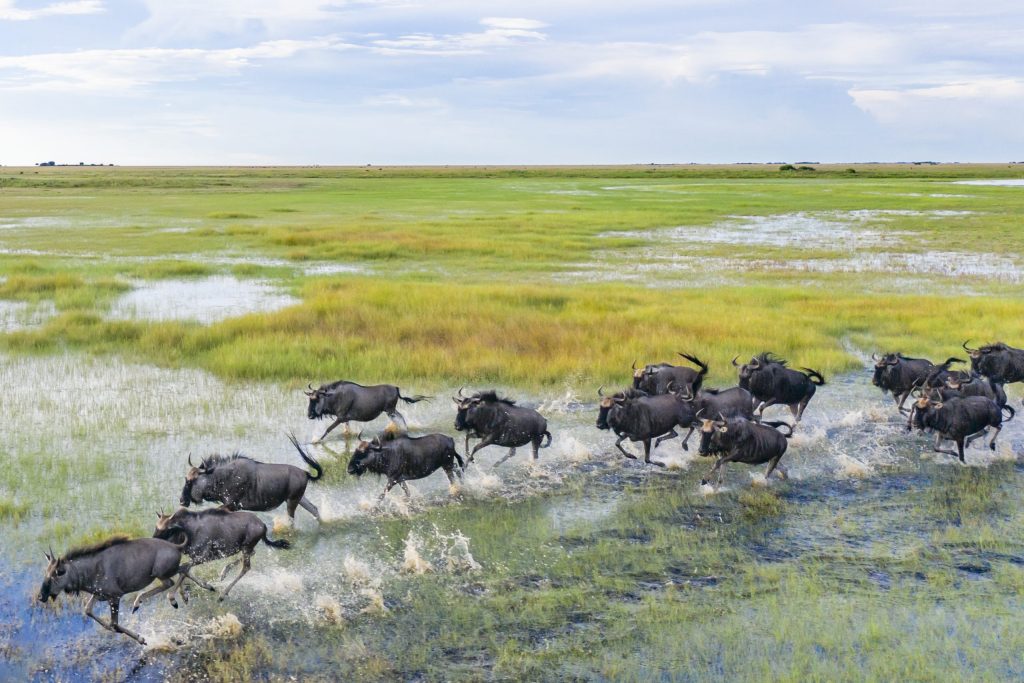
This guide walks you through a proven 10-day itinerary, followed by everything you need to plan it properly: the best time to travel, how to get there, visa and border requirements, park and activity fees, accommodation options at every budget, realistic costs, packing advice, health and safety, and answers to the questions travelers ask most.
Trip at a Glance
| Detail | Summary |
| Duration | 10 days / 9 nights |
| Countries | Zambia and Botswana (optional day trip into Zimbabwe) |
| Start / End | Livingstone, Zambia (LVI) / Maun, Botswana (MUB) |
| Route | Livingstone → Kazungula Bridge → Kasane & Chobe → light aircraft → Okavango Delta → Maun |
| Safari style | Waterfall sightseeing, river cruises, 4×4 game drives, mokoro excursions, guided bush walks |
| Best time to go | May to October (dry season); June to August for peak Okavango floods |
| Ideal for | First-time Southern Africa visitors, couples, honeymooners, photographers, families with older children |
| Indicative cost | From about US$3,800 (budget) to US$15,000+ (luxury) per person, excluding international flights |
Why Combine Victoria Falls, Chobe and the Okavango Delta?
- Three completely different experiences. The falls offer spectacle and adrenaline, Chobe delivers big herds and river wildlife viewing, and the Okavango provides an intimate, wilderness-focused safari.
- Short transfers. Livingstone to Kasane is around 75 km by road, and the Kasane to Okavango flight takes roughly an hour. You spend your days on safari, not in vehicles.
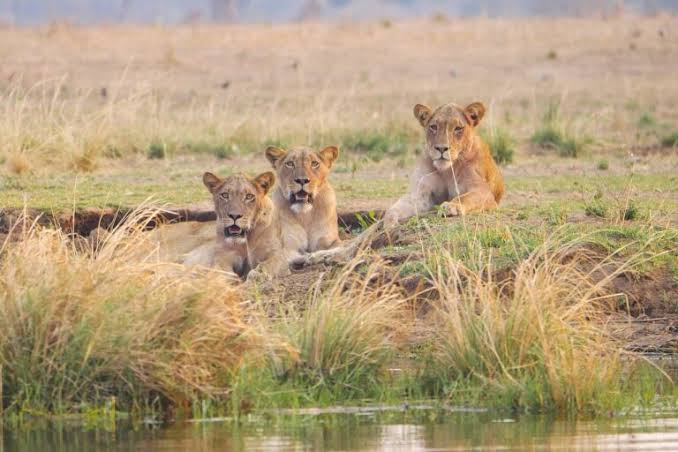
- Exceptional wildlife density. Northern Botswana supports one of the largest elephant populations on the continent, alongside lion, leopard, wild dog, buffalo, hippo and more than 400 bird species in the Okavango region.
- Two UNESCO World Heritage Sites. Mosi-oa-Tunya/Victoria Falls (inscribed 1989) and the Okavango Delta (inscribed 2014 as the 1,000th site on the list).
- Flexible budgets. The same route can be done with luxury fly-in camps, comfortable mid-range lodges, or a more affordable mix of town lodges and Maun-based delta excursions.
Route Overview and Distances
| Leg | Transport | Distance / Time | Notes |
| Livingstone airport → hotel | Road transfer | 5–20 km / 15–30 min | Most riverside lodges are upstream of the falls |
| Livingstone → Kasane | Road via Kazungula Bridge | ~75 km / 1–1.5 hrs plus border time | One-stop border post handles Zambian exit and Botswana entry |
| Kasane → Okavango camp | Light aircraft | ~1–1.5 hrs flight | Strict 20 kg soft-bag luggage limit |
| Between delta camps | Light aircraft | 15–40 min | Optional if splitting stays between two camps |
| Okavango camp → Maun | Light aircraft | 20–45 min | Connect to onward flight from Maun International Airport |
The 10-Day Itinerary: Day by Day
The itinerary below balances Victoria Falls activities, river and land safari in Chobe, and a full immersion in the Okavango Delta. Timings can be adjusted to suit flight schedules, and every stop can be upgraded or scaled down depending on your budget.
| Day | Destination | Main Activities | Overnight |
| 1 | Livingstone, Zambia | Arrival, Zambezi sunset cruise | Livingstone |
| 2 | Victoria Falls | Guided falls tour, Livingstone Island / Devil’s Pool (seasonal) | Livingstone |
| 3 | Victoria Falls | Rhino walk, helicopter flight or adventure activity, optional Zimbabwe side | Livingstone |
| 4 | Kasane, Botswana | Cross Kazungula Bridge, afternoon Chobe River boat cruise | Kasane / Chobe |
| 5 | Chobe National Park | Morning and afternoon game drives on the Chobe riverfront | Kasane / Chobe |
| 6 | Okavango Delta | Fly to the delta, afternoon game drive or mokoro | Okavango camp |
| 7 | Okavango Delta | Mokoro excursion, guided bush walk, sundowners | Okavango camp |
| 8 | Okavango Delta / Moremi | Full-day game drive, optional scenic flight | Okavango camp |
| 9 | Okavango Delta | Final morning activity, relaxation, night drive (where permitted) | Okavango camp |
| 10 | Maun | Fly to Maun and depart | — |
Day 1: Arrival in Livingstone and Zambezi Sunset Cruise
Overnight: Livingstone riverside lodge | Meals: Dinner
Your safari begins at Harry Mwanga Nkumbula International Airport (LVI) in Livingstone, Zambia’s adventure capital. After meeting your Marriott Safaris Africa representative, transfer to your lodge on the banks of the Zambezi River, where many properties offer views of the rising spray of the falls, known locally as Mosi-oa-Tunya, “The Smoke That Thunders.”
After settling in, head out on a sunset cruise on the Upper Zambezi. These relaxed two to three hour cruises glide past islands and reed beds where hippos snort in the shallows, crocodiles bask on the banks, and elephants occasionally swim between islands. Drinks and snacks are usually included, and the sunsets here are among the most photographed in Africa.
Highlights
- Scenic arrival over the Zambezi
- Upper Zambezi sunset cruise with hippo, crocodile and birdlife
- Welcome dinner at the lodge
| Expert Tip
If your flight lands by early afternoon, book the sunset cruise for Day 1 to make the most of a short arrival day. Cruises typically depart between 16:00 and 16:30. |
Day 2: Guided Tour of Victoria Falls and Livingstone Island
Overnight: Livingstone | Meals: Breakfast, Lunch, Dinner
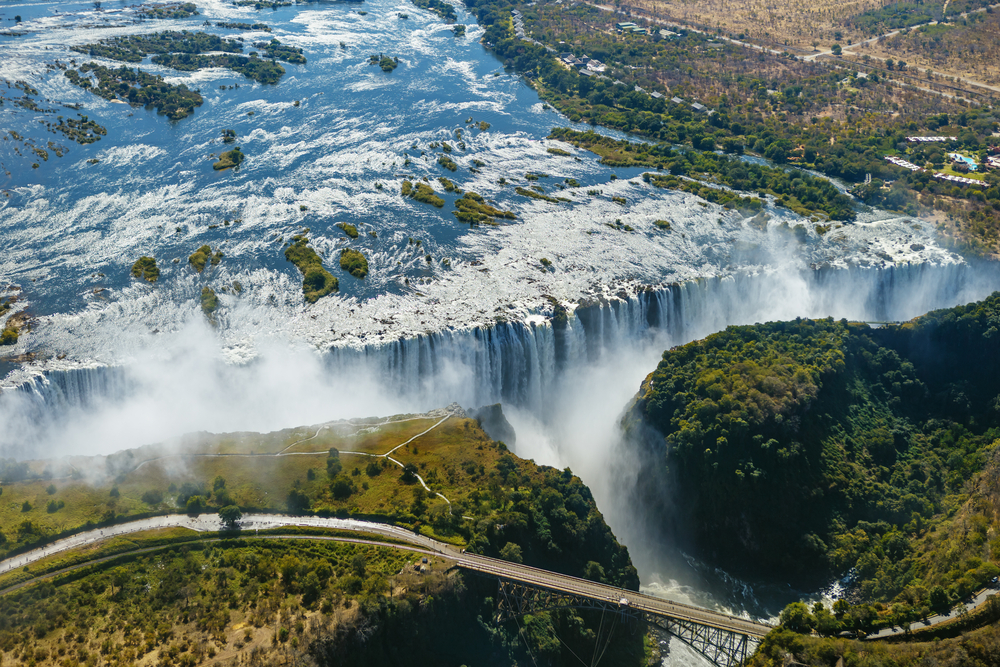
After breakfast, take a guided walk through Mosi-oa-Tunya National Park on the Zambian side of the falls. Trails lead along the edge of the First Gorge to the Knife-Edge Bridge, where in high-water months you will be drenched by spray as the Zambezi plunges more than 100 metres into the chasm. Your guide will explain the geology of the zigzagging gorges, the local Toka-Leya history and David Livingstone’s 1855 encounter with the falls. Walk down the Boiling Pot trail to the river below if your legs are willing.
Depending on the season, spend late morning on Livingstone Island, perched right on the lip of the falls. From roughly mid-August to January, when water levels drop, the famous Devil’s Pool opens, allowing guided swimmers to sit at the very edge of the drop. Outside this window, the island tour still offers dramatic views, and in peak flood (around March to May) the island may be closed for safety.
Spend the afternoon exploring Livingstone town: the Livingstone Museum, local craft markets, or the historic Victoria Falls Bridge, which links Zambia and Zimbabwe and hosts the famous bungee jump, bridge swing and zip line.
Highlights
- Guided tour of the Zambian side of Victoria Falls
- Knife-Edge Bridge and Boiling Pot viewpoints
- Livingstone Island and Devil’s Pool (seasonal)
- Victoria Falls Bridge and Livingstone town
| Seasonal Note
The Zambian side can be very low between October and December, when much of the rock face is exposed. In those months, many travellers cross to the Zimbabwean side, which retains more water year-round. Peak flow and spray usually occur from March to May. |
Day 3: Rhino Walk, Flight of Angels and Adventure Options
Overnight: Livingstone | Meals: Breakfast, Lunch, Dinner
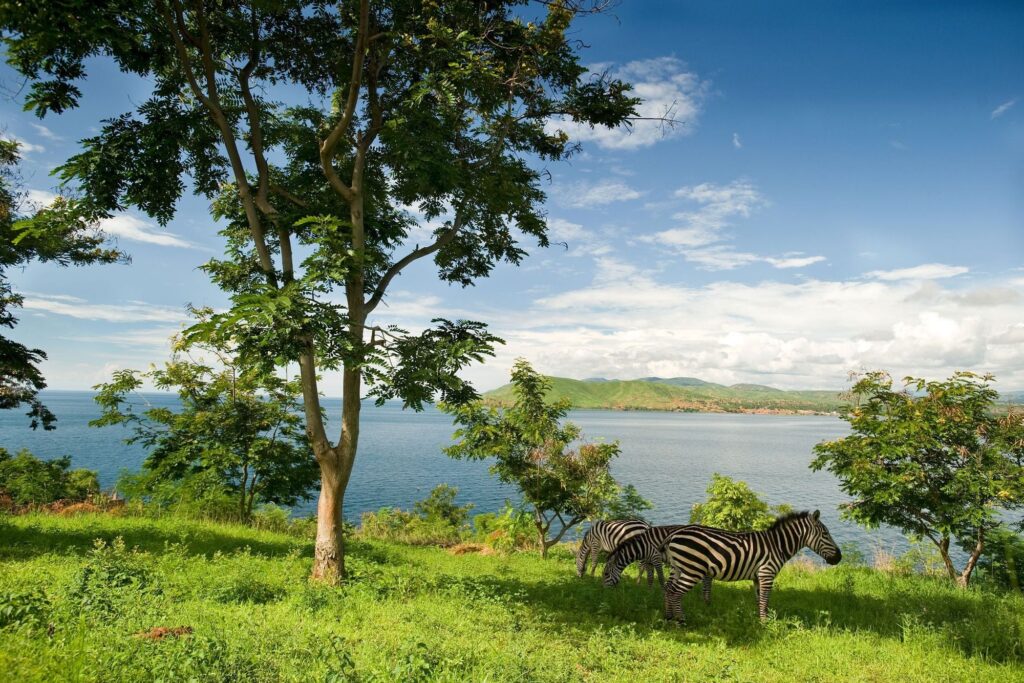
Rise early for a guided white rhino walk in Mosi-oa-Tunya National Park. Accompanied by an armed wildlife scout, you track the park’s protected white rhinos on foot, one of the few places in Zambia to see them. The small park also holds giraffe, zebra, impala, buffalo and elephant.
Later in the morning, take to the skies on a helicopter “Flight of Angels”, a 12 to 15 minute scenic flight over the falls and gorges that reveals the full scale of the Zambezi’s plunge. Microlight flights are an alternative for those who prefer open-air thrills.
The afternoon is yours. Adventure-seekers can choose white-water rafting in the Batoka Gorge (best from roughly July to December when the river is lower), the 111-metre bungee jump from Victoria Falls Bridge, a gorge swing or zip line. For a slower pace, consider a cultural village visit, a spa treatment, or a day trip across the border to view the falls from the Zimbabwean side, where 16 viewpoints face the falls head-on.
Highlights
- White rhino walk with armed scouts
- Helicopter or microlight flight over the falls
- Optional rafting, bungee jumping or gorge swing
- Optional Zimbabwe-side falls tour
| Visa Tip
If you plan to visit the Zimbabwean side, ask about the KAZA Univisa, which covers Zambia and Zimbabwe on one visa and allows day trips into Botswana via Kazungula. Travellers who are already visa-exempt for Zambia may only need a Zimbabwean visa. |
Day 4: Cross into Botswana and Chobe River Boat Cruise
Overnight: Kasane or inside Chobe National Park | Meals: Breakfast, Lunch, Dinner
After a relaxed breakfast, transfer west to Kazungula, where the Zambezi meets the Chobe River near the meeting point of four countries: Zambia, Botswana, Zimbabwe and Namibia. Cross the modern Kazungula Bridge and complete formalities at the one-stop border post before continuing a few kilometres to Kasane, the gateway to Chobe National Park.
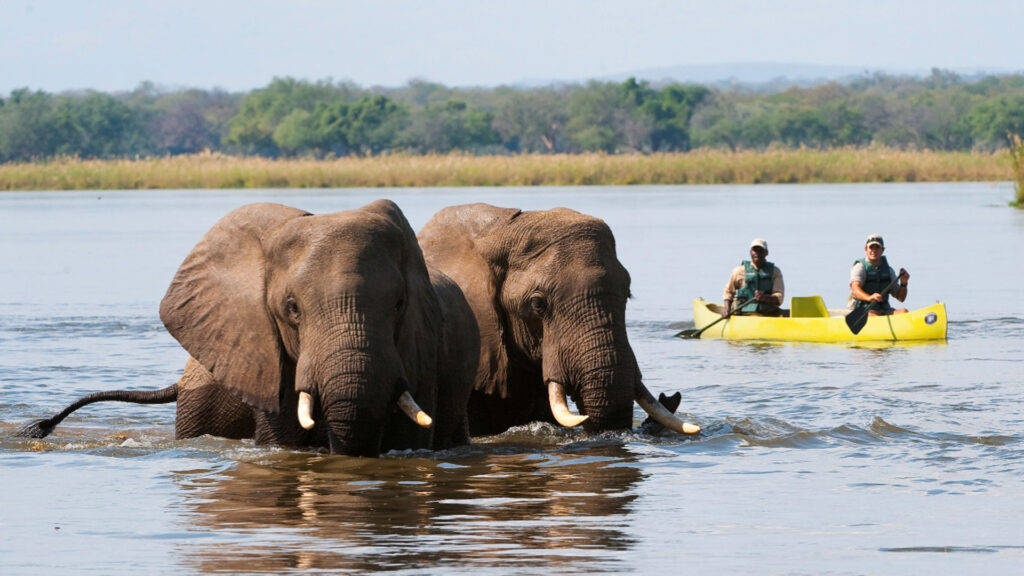
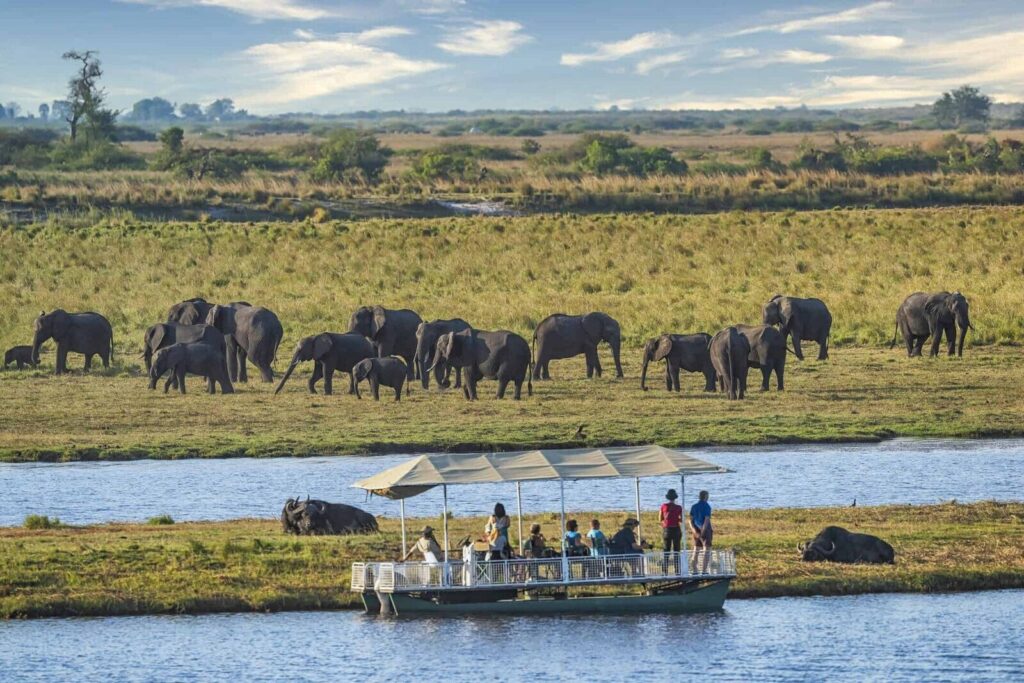
Check in to your lodge and enjoy lunch before the highlight of the day: an afternoon boat cruise on the Chobe River, widely considered one of the finest river safaris in Africa. During the dry season, large herds of elephant come down to the river to drink, bathe and swim across to Sedudu Island. Expect hippo pods, Nile crocodiles, buffalo, waterbuck, the localised puku and an outstanding variety of water birds, from African skimmers to fish eagles. Photographers often rate this as the single best afternoon of the trip.
Highlights
- Kazungula Bridge border crossing
- Afternoon Chobe River cruise
- Elephants swimming and drinking at sunset
| Border Tip
Botswana charges a Tourism Development Levy (US$30) for most non-SADC visitors. Keep your yellow fever certificate handy if you are arriving from, or have recently travelled through, a yellow fever risk country such as Uganda, Kenya or Tanzania. |
Day 5: Full Day of Game Drives in Chobe National Park
Overnight: Kasane or inside Chobe National Park | Meals: Breakfast, Lunch, Dinner
Set off at dawn on a morning game drive along the Chobe riverfront, the park’s most wildlife-rich section. Sandy tracks run between the floodplains and the woodland, where lions often rest after a night of hunting and leopards occasionally drape themselves along branches. Sable antelope, giraffe, zebra and kudu are commonly seen, alongside the area’s legendary elephant herds.
Return to the lodge for brunch and a midday rest when animals are less active. In the late afternoon, choose between a second game drive or a second boat cruise. Many travellers opt for a photographic boat with swivel camera mounts for eye-level shots of elephants and birds.
Highlights
- Chobe riverfront morning game drive
- Lion, leopard, elephant, buffalo and sable antelope
- Afternoon game drive or photographic boat safari
| Did You Know?
Northern Botswana supports one of the largest elephant populations in the world. In the dry season, when inland waterholes disappear, thousands of elephants concentrate along the Chobe River, making it one of the easiest places in Africa to see big herds. |
Day 6: Fly into the Okavango Delta
Overnight: Okavango Delta camp | Meals: Breakfast, Lunch, Dinner
After breakfast, transfer to Kasane International Airport for your light-aircraft flight into the Okavango Delta. The flight itself is a highlight: watch the dry woodland give way to a maze of shimmering channels, lagoons and palm-fringed islands, often with elephants and buffalo visible below.
Land at your camp’s airstrip, where your guide will be waiting. After lunch and a camp briefing, head out on your first afternoon activity. Depending on your camp and the season, this may be a game drive across the floodplains or a gentle introduction to the delta by mokoro.
Evenings in the delta are memorable: sundowners by the water, dinner under a sky full of stars, and the calls of hyena, lion and hippo as you fall asleep.
Highlights
- Scenic light-aircraft flight over the delta
- Arrival at a remote wilderness camp
- First game drive or mokoro excursion
| Luggage Warning
Light aircraft impose a strict limit of about 20 kg per person in soft-sided bags (no wheels or rigid frames), including camera gear and hand luggage. Most lodges in Livingstone or Kasane can store excess luggage, or it can be sent ahead to Maun. |
Day 7: Mokoro Excursion and Guided Bush Walk
Overnight: Okavango Delta camp | Meals: Breakfast, Lunch, Dinner
Today is all about experiencing the delta at water level. Set out in a mokoro, the traditional dugout canoe (today usually made of fibreglass), skilfully poled by a local guide through shallow channels lined with papyrus and water lilies. The silence is extraordinary. Look out for painted reed frogs clinging to stems, malachite kingfishers darting across the water, and red lechwe bounding through the shallows.
Many mokoro trips include a stop on an island for a guided bush walk, a chance to learn about tracks, dung, medicinal plants and the smaller creatures you miss from a vehicle. Walking safaris are led by experienced guides and are an unforgettable way to connect with the landscape.
In the afternoon, enjoy a game drive or a motorboat excursion (where water levels allow) to look for hippo, crocodile, sitatunga and the rare Pel’s fishing owl, before stopping for sundowners as the sky turns orange.
Highlights
- Traditional mokoro excursion
- Guided walking safari on a delta island
- Afternoon game drive or boat trip with sundowners
Day 8: Full-Day Safari in the Delta or Moremi Game Reserve
Overnight: Okavango Delta camp | Meals: Breakfast, Picnic Lunch, Dinner
Spend a full day exploring with a packed picnic lunch. If your camp is located near Moremi Game Reserve, which protects much of the eastern Okavango, you will have access to some of the best predator viewing in Botswana. Moremi is renowned for African wild dogs, along with lion prides, leopard, cheetah, spotted hyena and large buffalo herds.
For a different perspective, add an optional scenic helicopter or light-aircraft flight over the delta. From the air, the patterns of channels, islands and wildlife trails are breathtaking, and doors-off helicopter flights are a favourite with photographers.
Highlights
- Full-day game drive with picnic lunch
- Predator tracking, including wild dog, lion and leopard
- Optional scenic flight over the delta
| Expert Tip
Private concessions in the Okavango allow activities that are not permitted inside Moremi itself, such as off-road driving to follow predators, night drives and walking safaris. If these matter to you, choose a camp located in a private concession. |
Day 9: Final Day in the Okavango Delta
Overnight: Okavango Delta camp | Meals: Breakfast, Lunch, Dinner
Enjoy your final full day at your own pace. Many guests choose one last early-morning game drive, when the light is soft and predators are most active, followed by a lazy midday by the pool or on the deck of your tent, watching elephants wander past.
In the late afternoon, take a final mokoro or drive, then enjoy a night drive (in private concessions) using spotlights to search for nocturnal species such as genets, bushbabies, aardwolf, porcupine and, with luck, a leopard on the hunt. Your final evening ends with a farewell dinner around the campfire.
Highlights
- Early-morning game drive
- Leisure time at camp
- Night drive in a private concession
- Farewell campfire dinner
Day 10: Fly to Maun and Departure
Meals: Breakfast
After a final breakfast, and possibly a short morning activity, take your light-aircraft transfer to Maun International Airport (MUB), the main hub for the Okavango. From Maun, connect to scheduled flights to Johannesburg, Cape Town, Gaborone or onward destinations.
If you have extra time, consider extending your journey to the Makgadikgadi Pans or the Central Kalahari Game Reserve, both within easy reach of Maun, or adding a few days of beach relaxation in Cape Town, Mozambique or Zanzibar.
Highlights
- Last views of the delta from the air
- Connection via Maun to your onward flight
Best Time to Do This Safari
This route can be done year-round, but the experience changes dramatically with the seasons. Victoria Falls, Chobe and the Okavango Delta each follow their own rhythm, so timing your trip is a matter of balancing waterfall flow, wildlife concentrations and price.
| Period | Victoria Falls | Chobe | Okavango Delta | Overall |
| Jan – Mar | Rising water, good views; Devil’s Pool closes around January | Green season, lush, dispersed wildlife, excellent birding | Low water, green season rates, some camps close | Good value, hot and wet |
| Apr – May | Peak flow and heavy spray; views can be obscured | Game starts concentrating as bush dries | Floodwaters arriving; good transition season | Spectacular falls, improving game |
| Jun – Aug | Strong flow with clearer views | Very good game viewing, cool dry weather | Peak floods, best mokoro season, prime game viewing | Excellent, but peak prices |
| Sep – Oct | Lower water; Devil’s Pool open; Zambian side thinning | Best game viewing, huge elephant herds on the river | Excellent predator viewing, hot days | Peak wildlife season |
| Nov – Dec | Lowest water; Zambian side can be nearly dry | First rains, newborn antelope, migrant birds | Hot, first rains, lower rates | Good value, birding, baby animals |
| Our Recommendation
For the best all-round experience, travel between late June and early September. You get strong but photogenic falls, high floodwaters for mokoro trips in the delta, and excellent dry-season game viewing in Chobe. For the very best wildlife (and a chance at Devil’s Pool), choose September or October, but expect hotter days and lower falls. |
Getting There and Getting Around
International Flights
Most travellers fly into Livingstone (LVI) via Johannesburg (OR Tambo) or Lusaka. Travellers from East Africa can connect via Nairobi, Addis Ababa, Johannesburg or Lusaka, depending on current schedules. The trip ends at Maun (MUB), which has flights to Johannesburg, Cape Town and Gaborone.
An alternative is to fly into Victoria Falls Airport (VFA) on the Zimbabwean side, which often has a wider choice of international routes, and then transfer to Livingstone or directly to Kasane.
The Kazungula Bridge Border Crossing
The Kazungula Bridge, opened in 2021, replaced the old pontoon ferry and made the Zambia–Botswana crossing much faster and more reliable. Both countries’ immigration and customs functions are handled at a one-stop border post. With a pre-arranged transfer, the entire Livingstone to Kasane journey usually takes between 1.5 and 2.5 hours including formalities.
Light-Aircraft Transfers
The Okavango Delta has very few roads, and most camps are reachable only by air. Small aircraft fly shared “seat-in-plane” routes between Kasane, Maun and the camp airstrips. These flights are normally booked by your tour operator together with your camp reservations.
- Luggage limit is typically 20 kg per person including hand luggage and camera equipment.
- Bags must be soft-sided with no wheels or frames so they fit into the small cargo pods.
- Flights may make short stops at other camp airstrips along the way, which is often a bonus sightseeing opportunity.
- Travellers carrying extra camera gear can purchase an additional seat.
Visas and Entry Requirements
Visa rules change regularly, so always confirm current requirements with the relevant embassy or official e-visa portal before travel. The table below summarises the general position for 2026.
| Country | Visa Situation | Key Notes |
| Zambia | Many nationalities, including UK, US, EU and most SADC and EAC citizens, are visa-exempt for tourist visits; others can apply for an e-visa | Passport valid 6+ months with blank pages; yellow fever certificate if arriving from a risk country |
| Zimbabwe (optional) | Visa on arrival or e-visa for most nationalities; KAZA Univisa available | Needed only if you visit the Zimbabwean side of the falls |
| KAZA Univisa | Approx. US$50, covers Zambia and Zimbabwe for up to 30 days | Also allows day trips into Botswana through Kazungula; available at major entry points |
| Botswana | Many nationalities are visa-exempt for up to 90 days per year; others require a visa in advance | Tourism Development Levy (US$30) for most non-SADC visitors; yellow fever certificate if arriving from a risk country |
| For Travellers from Uganda and East Africa
Uganda, Kenya and Tanzania are classified as yellow fever risk countries. Carry your original yellow fever vaccination certificate for both Zambia and Botswana, as you may be refused entry without it. |
Park and Activity Fees (Indicative 2027)
The figures below are indicative and per person. Fees are set by park authorities and activity operators and can change at short notice. Many inclusive safari packages already include park fees and some activities.
| Item | Indicative Cost (US$) | Notes |
| Victoria Falls entry – Zambia side | ~20 | International visitor day fee, Mosi-oa-Tunya National Park |
| Victoria Falls entry – Zimbabwe side | ~50 | International visitor day fee |
| Upper Zambezi sunset cruise | 70 – 120 | Usually includes drinks and snacks |
| Livingstone Island / Devil’s Pool tour | 110 – 200 | Depends on breakfast, lunch or high-tea session |
| Helicopter Flight of Angels (12–15 min) | 180 – 230 | Longer gorge flights cost more |
| White rhino walk | 90 – 120 | Usually includes park fees and scout |
| Bungee jump (111 m) | 160 – 200 | Bridge access fees may apply |
| White-water rafting (full day) | 150 – 200 | Seasonal, best July to December |
| Chobe River boat cruise (shared) | 40 – 80 | Usually excludes park entry fee |
| Chobe National Park entry | ~10 – 25 per day | Botswana DWNP rates; vehicle fees extra for self-drivers |
| Okavango/Moremi park fees | Included in most fly-in camp rates | Charged separately for self-drive and budget mobile safaris |
| Light-aircraft transfer (per leg) | 200 – 450 | Shared seat-in-plane; varies by route |
Where to Stay: Accommodation by Budget
Accommodation is the single biggest factor in the cost of this safari, particularly in the Okavango Delta, where remote camps reflect the cost of flying in every supply. Below are well-regarded options in each tier.
| Location | Luxury | Mid-Range | Budget |
| Livingstone | Royal Livingstone by Anantara; Tongabezi Lodge; Thorntree River Lodge | Avani Victoria Falls Resort; Waterberry Zambezi Lodge; David Livingstone Safari Lodge | Jollyboys Backpackers; Livingstone Backpackers; local guesthouses |
| Kasane / Chobe | Chobe Game Lodge (inside the park); Chobe Chilwero; Zambezi Queen houseboat | Chobe Safari Lodge; Chobe Bush Lodge; Chobe Marina Lodge | Thebe River Safaris; Chobe Safari Lodge campsite |
| Okavango Delta | Mombo Camp; Vumbura Plains; Chief’s Camp; Xigera Safari Lodge | Oddballs’ Camp; Gunn’s Camp; Khwai Tented Camp; Sango Safari Camp | Maun-based mokoro day trips or overnight mokoro camping; Moremi mobile camping |
How Much Does This 10-Day Safari Cost?
Costs vary widely with season, accommodation and group size. The ranges below are per person sharing, for the full 10 days, and exclude international flights, visas, travel insurance and tips.
| Cost Component | Budget | Mid-Range | Luxury |
| Livingstone (3 nights) | $250 – $600 | $750 – $1,400 | $2,000 – $4,500 |
| Kasane / Chobe (2 nights) | $200 – $450 | $700 – $1,300 | $1,800 – $3,500 |
| Okavango Delta (4 nights) | $1,200 – $2,200 | $3,000 – $5,500 | $7,000 – $14,000+ |
| Activities at Victoria Falls | $200 – $350 | $350 – $600 | $500 – $900 |
| Transfers and light aircraft | $600 – $900 | $800 – $1,200 | $900 – $1,500 |
| Park fees and levies | $150 – $300 | Mostly included | Included |
| Estimated total | $3,800 – $5,500 | $6,500 – $10,000 | $12,500 – $25,000+ |
| Ways to Save
Travel in the shoulder months (April–May or November) for lower camp rates; stay in Maun and do mokoro day trips instead of fly-in camps; book 9–12 months ahead for the best availability; and ask about “stay-and-pay” specials, where some camps offer a free night for longer stays. |
Wildlife You Can Expect to See
| Destination | Signature Wildlife | Birding Highlights |
| Victoria Falls & Zambezi | Hippo, crocodile, elephant, white rhino (Mosi-oa-Tunya NP), giraffe, zebra | Taita falcon, African finfoot, rock pratincole, trumpeter hornbill |
| Chobe National Park | Huge elephant herds, buffalo, lion, leopard, sable antelope, puku, hippo | African skimmer, fish eagle, carmine bee-eater, herons and storks |
| Okavango Delta & Moremi | Wild dog, lion, leopard, cheetah, red lechwe, sitatunga, buffalo, elephant, hyena | Pel’s fishing owl, wattled crane, slaty egret, malachite kingfisher |
What to Pack
Pack light for the light-aircraft flights and choose neutral colours for game viewing. Remember the 20 kg soft-bag limit.
Clothing
- Lightweight shirts and trousers in khaki, olive, tan or grey (avoid bright white, and dark blue or black, which attract tsetse flies)
- A warm fleece and jacket for early-morning drives, especially from May to August when dawn temperatures can drop sharply
- A rain jacket or poncho for the Victoria Falls spray, plus quick-dry clothing
- Comfortable walking shoes and sandals, a wide-brimmed hat and swimwear
Gear and Essentials
- Binoculars (one pair per person is ideal) and a camera with a zoom lens (100–400 mm or similar)
- Waterproof phone pouch or dry bag for the falls and mokoro trips
- Sunscreen, lip balm, sunglasses and insect repellent containing DEET or picaridin
- Malaria prophylaxis, a personal first-aid kit and any prescription medication
- Universal plug adaptor and a power bank
- Copies of passport, visas, insurance and your yellow fever certificate
Health and Safety Tips
- Malaria: All three areas are malarial, particularly during and after the rainy season. Consult a travel clinic about prophylaxis, use repellent and sleep under nets where provided.
- Vaccinations: Ensure routine vaccinations are up to date, and ask your doctor about hepatitis A, typhoid and rabies. Carry a yellow fever certificate if required.
- Wildlife safety: Camps are unfenced. Always follow guide instructions, never walk alone after dark, and stay seated in vehicles and boats.
- Sun and heat: October and November can exceed 40°C. Drink plenty of water and rest during the middle of the day.
- Travel insurance: Choose a policy that includes emergency medical evacuation, as remote delta camps rely on air evacuation.
- Money: Zambia uses the kwacha (ZMW) and Botswana the pula (BWP). US dollars are widely accepted at lodges; carry small notes for tips.
Responsible Travel and Conservation
Botswana is a global leader in low-volume, high-value tourism, and much of the money spent on this safari helps fund anti-poaching patrols, community land leases and habitat protection. Many Okavango camps operate within community concessions, providing employment and income to local villages.
- Choose operators and camps with clear conservation and community commitments.
- Respect wildlife distances and never encourage guides to crowd animals.
- Minimise plastic and leave nothing behind in the bush.
- Buy crafts directly from local artisans in Livingstone and Kasane.
- Tip guides, trackers, polers and camp staff fairly; tips are a significant part of local incomes.
Book Your 10-Day Safari with Marriott Safaris Africa
Coordinating border crossings, light-aircraft schedules, camp availability and seasonal activities across two countries takes local knowledge. Our team at Marriott Safaris Africa handles the entire journey for you, from airport pick-up in Livingstone to your final flight out of Maun.
- Tailor-made itineraries adjusted to your dates, interests and budget
- Seamless logistics including transfers, Kazungula border crossing support and light-aircraft bookings
- Trusted camps and lodges selected for guiding quality, location and value
- Transparent pricing with no hidden extras
- 24/7 support before and during your safari
| Perfection Anytime
Ready to stand at the edge of Victoria Falls, cruise the Chobe River and glide through the Okavango Delta? Contact Marriott Safaris Africa today for a free, personalised quote and start planning the journey of a lifetime. |
Frequently Asked Questions
Is 10 days enough for Victoria Falls, Chobe and the Okavango Delta?
Yes. Ten days allows three nights at Victoria Falls, two nights in Chobe and four nights in the Okavango Delta, which is enough to enjoy each destination without rushing. If you can add more time, a split stay between two delta camps (one water-based, one land-based) is the best upgrade.
Should I see Victoria Falls from Zambia or Zimbabwe?
Both sides are worthwhile. Zimbabwe offers the broader, more frontal panoramic view and more water in the dry months, while Zambia gives closer, more intimate access, the Knife-Edge Bridge and Livingstone Island. Ideally, visit both using a KAZA Univisa.
When is Devil’s Pool open?
Devil’s Pool generally opens from around mid-August to January, when the Zambezi’s water level is low enough for safe swimming. Exact dates depend on rainfall and are set by the operator each year.
How do I get from Victoria Falls to Chobe?
Most travellers take a road transfer from Livingstone to Kasane across the Kazungula Bridge, which takes about one to one and a half hours of driving plus border time. Transfers from the Zimbabwean side use the Kazungula road border.
Can I do this trip as a self-drive?
Parts of it, yes. Chobe and the eastern side of Moremi can be explored by experienced drivers in a fully equipped 4×4 with camping gear. However, most of the inner Okavango Delta is accessible only by air or water, and cross-border rentals between Zambia and Botswana require specific permits and documents.
Is the Okavango Delta worth the cost?
For most travellers, absolutely. The combination of exclusivity, wilderness, mokoro experiences and outstanding predator viewing is hard to match. If budget is a concern, a Maun-based mokoro trip or a mid-range camp in the Khwai area offers a strong alternative.
Is this safari suitable for children?
Victoria Falls and Chobe are very family-friendly. Many Okavango camps set minimum ages, often 6 to 12 years for general stays and higher for mokoro and walking activities, so choose family-friendly camps carefully.
Is it safe to travel to Zambia and Botswana?
Both countries are considered among the safest and most stable safari destinations in Africa. Normal travel precautions apply in towns, and wildlife safety rules must be followed at all times in camps and parks.