5 Days Burundi Wildlife & Cultural Experience Safari
5 Days Burundi Wildlife & Cultural Experience Safari, Burundi is one of Africa’s least-visited countries, and that is exactly its appeal. Squeezed between Rwanda, Tanzania and the Democratic Republic of Congo, this small, mountainous nation packs an astonishing amount into a short trip: the shores of Lake Tanganyika, the world’s second-deepest lake; hippo- and crocodile-filled wetlands just outside the city; a remote savannah park where buffalo and antelope roam with almost no other vehicles in sight; and a living royal drumming tradition recognized by UNESCO.

This 5-day Burundi wildlife and cultural experience safari is designed for travelers who want more than a game drive. It balances two wildlife days with immersive cultural encounters — the thunder of the Royal Drummers at Gishora, the history held in the Gitega National Museum, and the stone pyramid that marks the southernmost source of the River Nile. Each day is planned around daylight driving, short transfers and a professional guide-driver.
| Safari at a Glance
Duration: 5 days / 4 nights Start & end: Bujumbura (Melchior Ndadaye International Airport) Style: Private guided safari in a 4×4 with an English/French-speaking driver-guide Highlights: Lake Tanganyika sunset, Rusizi Delta hippos and crocodiles, Livingstone–Stanley Monument, Gishora Drum Sanctuary, Gitega National Museum, Ruvubu National Park game drive, Source of the Nile pyramid Best for: Culture lovers, birders, repeat Africa travellers and anyone combining Burundi with Rwanda or Tanzania Ideal season: June–September (long dry season) and December–January (short dry spell) |
| Day | Route & Highlights | Overnight |
| Day 1 | Arrival in Bujumbura · city orientation · Lake Tanganyika sunset | Bujumbura |
| Day 2 | Rusizi National Park boat & walking safari · Livingstone–Stanley Monument at Mugere | Bujumbura |
| Day 3 | Scenic drive to Gitega · Gishora Drum Sanctuary · Gitega National Museum | Gitega |
| Day 4 | Full-day game drive & guided walk in Ruvubu National Park | Gitega |
| Day 5 | Source of the Nile at Rutovu · lakeshore drive back to Bujumbura · departure | — |
Detailed Day-by-Day Itinerary
DAY 1 Arrival in Bujumbura & Lake Tanganyika Sunset
Touch down on the shores of Africa’s longest freshwater lake
| Driving | Meals | Overnight |
| Airport transfer ~20–30 min | Dinner | Bujumbura lakeside hotel |
Your safari begins on arrival at Melchior Ndadaye International Airport, where your Marriott Safaris Africa driver-guide meets you with a name board. After help with any visa-on-arrival formalities, currency exchange and a local SIM card, you transfer to your hotel along the lakeshore road.
Afternoon: Bujumbura orientation
Bujumbura is Burundi’s largest city and economic hub (the political capital moved to Gitega in 2019). After freshening up, a relaxed orientation drive introduces the city’s colonial-era avenues, the Independence Monument, the Unity Monument on the hill above town, and the busy port that links Burundi with Tanzania, Zambia and the DRC across the lake. Your guide shares an introduction to Burundian history, the Kirundi language and everyday etiquette that will make the coming days richer.
Evening: Sunset on Lake Tanganyika
End the day at one of the sandy lakeside beaches north of the city center, where locals gather in the evenings. Watch the sun sink behind the Mitumba Mountains of the DRC across the water, then enjoy a welcome dinner featuring fresh lake fish — try mukeke, a Tanganyika perch found only in this lake, or grilled ndagala (small sardine-like fish).
| Guide’s Tip
Do not swim at dusk or at unsupervised beaches. Hippos and crocodiles are present along some stretches of the shoreline, especially near river mouths. Stick to hotel beaches and daylight hours. |
DAY 2
Rusizi National Park & the Livingstone–Stanley Monument
Hippos, crocodiles and wetland birds, then a walk in the footsteps of explorers
| Driving | Meals | Overnight |
| ~1.5–2 hrs total | Breakfast, lunch, dinner | Bujumbura lakeside hotel |
Morning: Rusizi National Park
After an early breakfast, drive a short distance to Rusizi National Park, a protected wetland where the Rusizi River fans out into a delta before entering Lake Tanganyika. Morning is the best time for wildlife and birds, before the midday heat.
Explore the delta by motorized boat (subject to availability and water levels) and on guided walks along raised tracks through reedbeds and palm savannah. Rusizi is known for large pods of hippos and big Nile crocodiles basking on sandbanks. With luck you may also see sitatunga, the shy swamp antelope, along with monitor lizards and a variety of waterbirds.
What you may see in Rusizi
- Mammals: hippopotamus, sitatunga, bushbuck, vervet monkeys
- Reptiles: Nile crocodile, Nile monitor lizard
- Birds: African fish eagle, goliath heron, pelicans, cormorants, kingfishers, weavers, African jacana and seasonal Palearctic migrants (roughly November–March)
Afternoon: Livingstone–Stanley Monument at Mugere
After lunch back in town, drive south along the lake to Mugere, about 12 km from Bujumbura. A large engraved stone marks the spot where explorers David Livingstone and Henry Morton Stanley are said to have camped in November 1871, shortly after their famous meeting at Ujiji in present-day Tanzania. The site offers fine views over the lake and a quiet glimpse of rural lakeshore life — fishermen mending nets, children walking home from school and small hillside farms.
Return to Bujumbura late afternoon for time to relax by the pool or at the lake before dinner.
DAY 3
Gitega & the Royal Drummers of Gishora
Burundi’s cultural heartland and a UNESCO-listed tradition
| Driving | Meals | Overnight |
| Bujumbura → Gitega ~2.5–3 hrs | Breakfast, lunch, dinner | Gitega hotel or guesthouse |
Morning: Scenic drive into the highlands
Leave the lake behind and climb steeply into Burundi’s central highlands. The road winds through a patchwork of terraced hills, banana groves, coffee smallholdings and tea estates — the reason Burundi is often called the “Land of a Thousand Hills”, just like its northern neighbour. Your guide will stop at viewpoints and roadside markets where you can see local produce, from cassava and beans to passion fruit and handwoven baskets.
Late morning: Gishora Drum Sanctuary
A few kilometres outside Gitega lies the Gishora Drum Sanctuary, founded on a hill associated with King Mwezi Gisabo in the early 20th century and long linked to the royal court. Here, the Royal Drummers perform the Ritual Dance of the Royal Drum, inscribed by UNESCO on its Representative List of the Intangible Cultural Heritage of Humanity in 2014.
Watch as drummers carry massive drums on their heads, form a semicircle around the central inkiranya drum, and launch into a thunderous, perfectly synchronised performance of leaping dancers, chanting and pounding rhythm. After the show, you can visit the traditional thatched royal hut, learn how the drums are carved from the trunk of the umuvugangoma tree and covered with hide, and — if you are brave — try a few beats yourself.
| Cultural Etiquette at Gishora
Drumming has deep ceremonial significance in Burundi. Ask before photographing individual drummers, follow your guide’s lead on where to stand, and consider a respectful tip or purchase of local crafts, which supports the drummers’ community. |
Afternoon: Gitega National Museum & town
After lunch, visit the Gitega National Museum, the country’s principal ethnographic museum. Its collection includes royal drums, traditional weapons, basketry, pottery, musical instruments and photographs that tell the story of the Burundian monarchy and pre-colonial life. Continue with a short walk through Gitega town and its lively central market area before checking in for dinner and overnight.
DAY 4
Full-Day Safari in Ruvubu National Park
Burundi’s largest and wildest park, with the plains almost to yourself
| Driving | Meals | Overnight |
| Gitega ↔ Ruvubu ~2–2.5 hrs each way | Breakfast, picnic lunch, dinner | Gitega hotel or guesthouse |
Rise early for the drive northeast to Ruvubu National Park, Burundi’s largest protected area. The park follows the valley of the Ruvubu River and protects a mosaic of open grassland, wooded savannah, gallery forest and wetland. Ruvubu sees very few visitors, which makes it one of the most authentic, uncrowded wildlife experiences in East Africa.
Morning game drive
Accompanied by a park ranger from the Office Burundais pour la Protection de l’Environnement (OBPE), set off on a game drive along the park’s tracks. Wildlife densities are lower than in Tanzania or Kenya, so this is a safari about patience and discovery rather than ticking off the “Big Five”. Herds of Cape buffalo are the park’s signature sighting, along with several antelope species.
Midday: Picnic by the Ruvubu River
Enjoy a picnic lunch at a scenic spot near the river, where hippos and crocodiles are often visible and the birdlife is excellent.
Afternoon: Guided nature walk
With your ranger, take a guided walk along the riverbank and through gallery forest — a rare chance to experience the African bush on foot. Look for primate troops, tracks and signs, and smaller creatures that are easy to miss from a vehicle. Return to Gitega before dark.
Wildlife you may encounter in Ruvubu
| Category | Species |
| Large mammals | Cape buffalo, hippopotamus, waterbuck, bushbuck, reedbuck, duikers, warthog |
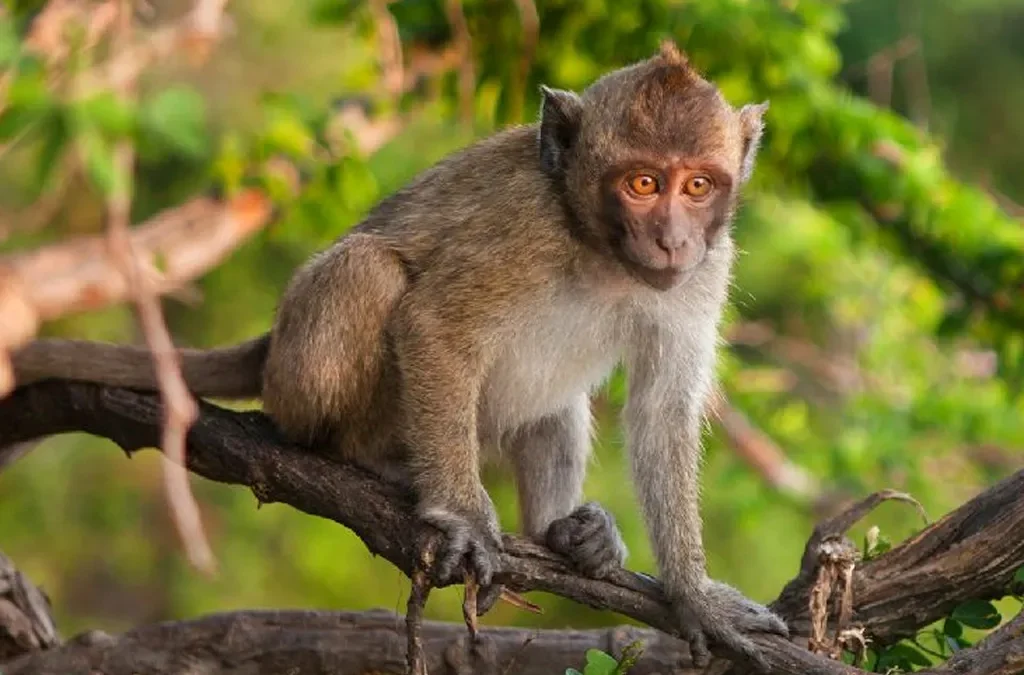
| Primates | Olive baboons, vervet monkeys, black-and-white colobus (in forested sections) |
| Predators (rarely seen) | Leopard, serval, side-striped jackal, civet |
| Reptiles | Nile crocodile, monitor lizards |
| Birds | Over 400 species recorded across Burundi; Ruvubu highlights include fish eagles, hornbills, turacos and many waterbirds |
| Set Realistic Expectations
Ruvubu is a remote, lightly developed park. Roads can be rough, facilities are basic, and sightings are never guaranteed. Travelers who value solitude, birding and wild landscapes will love it; those expecting dense herds and big cats should pair Burundi with a Tanzanian or Rwandan safari. |
DAY 5
Source of the Nile & Return to Bujumbura
Stand at the southernmost source of the world’s longest river
| Driving | Meals | Overnight |
| Gitega → Rutovu ~1.5–2 hrs; Rutovu → Bujumbura ~3.5–4 hrs | Breakfast, lunch | End of safari |
Morning: Source of the Nile at Rutovu
Check out after breakfast and drive south through the highlands to Rutovu in Bururi Province. On the slopes of Mount Gikizi stands a small stone pyramid built in 1938 by German explorer Burkhart Waldecker, marking what he identified as the southernmost source of the Nile. A spring nearby, known as Kasumo, feeds a stream that flows into the Ruvyironza and eventually, via the Kagera River and Lake Victoria, into the White Nile — a journey of more than 6,600 km to the Mediterranean.
Take in the sweeping views over the hills, drink from the spring if you wish, and reflect on the explorers who spent decades searching for this spot.
Afternoon: Lakeshore drive back to Bujumbura
After lunch, descend from the highlands towards Lake Tanganyika and follow the lakeshore road north through Rumonge, a town known for its palm oil and fishing industry, back to Bujumbura. Depending on your flight time, enjoy a final stop at a beach or a craft shop for souvenirs — Burundian coffee, tea, woven baskets (agaseke) and drum carvings make excellent gifts.
Your guide transfers you to Melchior Ndadaye International Airport for your onward flight, or to your hotel if you are extending your stay. End of safari.
| Flight Timing
Because Day 5 involves 5–6 hours of driving, we recommend booking evening departures (after 19:00) or adding one more night in Bujumbura and flying out the following morning. |
Optional Extensions & Alternatives
| Option | What It Adds | Extra Time |
| Karera Waterfalls & Kagera Falls | Multi-tiered waterfalls in Rutana Province; combine with the Nile Source for a longer southern circuit | +1 day |
| Extra Lake Tanganyika day | Beach time, boat trip, fishing village visit or kayaking from Bujumbura | +1 day |
| Tea and coffee experience | Visit a washing station or tea estate in the highlands to learn about bean-to-cup and leaf-to-cup production | Half day |
| Kibira National Park | Montane rainforest with chimpanzees and L’Hoest’s monkeys. Only if government advisories permit — currently flagged as higher risk | +1–2 days |
| Rwanda or Tanzania add-on | Gorilla trekking in Volcanoes NP or Nyungwe chimps (Rwanda), or a northern-circuit safari in Tanzania | +3–7 days |
Best Time to Visit Burundi
Burundi has a tropical highland climate. Temperatures vary more with altitude than season: Bujumbura and the lakeshore are warm to hot all year (around 25–30°C), while Gitega and the central plateau are noticeably cooler, especially at night.
| Period | Season | What to Expect |
| June – August | Long dry season | Best overall. Easier roads, good game viewing in Ruvubu as wildlife gathers near water. Cool highland nights. |
| September | End of dry season | Still dry and pleasant; can be hazy and dusty. |
| October – November | Short rains | Afternoon showers; green landscapes, migrant birds arriving. |
| December – January | Short dry spell | Good window for travel with green hills and excellent birding. |
| February – May | Long rains (peak March–April) | Heaviest rainfall; some park tracks may be muddy or impassable. Lowest visitor numbers. |
Where to Stay
Burundi’s accommodation is more limited than in neighboring safari countries, especially outside Bujumbura. Expect comfortable, clean mid-range hotels rather than luxury safari lodges. We select properties for security, reliability and location.
| Location | Comfort / Upper Mid-Range | Standard / Budget |
| Bujumbura (Nights 1–2) | Lakeside hotels with pool, restaurant and secure parking along the Lake Tanganyika shore | Clean city hotels and guesthouses in central districts |
| Gitega (Nights 3–4) | The best available hotels in town, with en-suite rooms and on-site dining | Simple guesthouses and church-run hostels |
Specific properties are confirmed at booking based on availability and the latest security information.
Estimated Cost of a 5-Day Burundi Safari
Burundi does not have a large, standardized safari industry, so prices vary by group size, season, vehicle and accommodation level. The ranges below are indicative per person for a private guided trip and should be confirmed with a current quote.
| Group Size | Standard (per person) | Comfort (per person) |
| 2 travellers | US$1,400 – 1,900 | US$1,900 – 2,600 |
| 4 travellers | US$1,000 – 1,400 | US$1,400 – 1,900 |
| 6 travellers | US$850 – 1,200 | US$1,200 – 1,650 |
Typically included
- Private 4×4 safari vehicle with fuel
- Professional English/French-speaking driver-guide
- Airport transfers on arrival and departure
- 4 nights’ accommodation as listed
- Meals as specified in the itinerary
- Park entry and ranger fees for Rusizi and Ruvubu
- Gishora drum performance and Gitega National Museum entry
- Source of the Nile and Livingstone–Stanley Monument entry
- Bottled drinking water in the vehicle
Typically excluded
- International flights
- Burundi visa fees
- Travel and medical insurance (mandatory)
- Drinks, laundry and personal expenses
- Tips for guides, rangers and drummers
- Optional activities and extensions
Visa, Entry & Health Requirements
- Passport: valid for at least six months beyond your travel dates, with blank pages for stamps.
- Visa: most nationalities need a visa. Options include visa on arrival at Bujumbura airport or an advance visa — confirm the current process and fee before travel. East African Community citizens, including Ugandans, can generally visit visa-free for short stays.
- Yellow fever: a valid yellow fever vaccination certificate is required for entry. Carry the original card.
- Malaria: present throughout the country, particularly in Bujumbura and lowland areas. Take antimalarials as prescribed by your doctor and use repellent and nets.
- Other vaccines: discuss hepatitis A and B, typhoid, tetanus, rabies and cholera with a travel health professional at least 6–8 weeks before departure.
- Currency: the Burundian franc (BIF). Bring clean, recent US dollar notes (2013 series or newer) and change money at banks or official bureaux. Card acceptance is very limited outside major hotels.
What to Pack
| Category | Essentials |
| Clothing | Lightweight long sleeves and trousers in neutral colours, a warm fleece for Gitega evenings, rain jacket, modest clothing for cultural sites |
| Footwear | Comfortable walking shoes or light boots for Ruvubu walks; sandals for the hotel |
| Wildlife gear | Binoculars (essential), camera with zoom lens, spare batteries and memory cards |
| Health | Antimalarials, insect repellent with DEET, sunscreen, personal medications, basic first-aid kit, hand sanitiser |
| Documents | Passport, visa paperwork, yellow fever card, insurance details, printed copies of everything |
| Extras | Power bank, universal adapter (Type C/E plugs), reusable water bottle, small torch, French phrasebook |
Practical Safety & Travel Tips
- Travel only in daylight. Road travel after dark carries extra risk from poor lighting, pedestrians and livestock on roads, and crime.
- Keep documents on you. Police and security checkpoints are common; your guide will handle most interactions.
- Avoid political gatherings and demonstrations, and keep political conversations discreet.
- Be careful in crowded markets and keep valuables out of sight.
- Drink bottled or treated water only.
- Learn a few words: “Amahoro” (hello/peace) and “Murakoze” (thank you) in Kirundi, plus basic French, go a long way.
- Respect local customs: dress modestly, greet people before asking questions, and always ask permission before photographing people.
Frequently Asked Questions
Is Burundi safe for a 5-day safari?
Burundi can be visited with careful planning, but it carries higher risk than most East African safari destinations. Several governments currently advise caution or against travel outside Bujumbura. Always check your government’s latest advisory, confirm your insurance cover, travel with a reputable local operator and avoid night driving.
Can I see the Big Five in Burundi?
No. Burundi is not a Big Five destination. Its wildlife highlights are hippos, crocodiles, buffalo, antelope, primates and outstanding birdlife. Many travelers combine Burundi with Rwanda or Tanzania for big-game viewing.
How do I get to Burundi?
Most visitors fly into Melchior Ndadaye International Airport in Bujumbura, with regional connections via Nairobi, Kigali, Entebbe, Addis Ababa and Dar es Salaam. Overland entry from Rwanda or Tanzania is also possible with the right documents.
When are the Gishora drum performances?
Performances are arranged on request at the sanctuary and are included in this itinerary. We book them in advance to ensure the full troupe is available.
What language is spoken in Burundi?
Kirundi is the national language, with French and English as official languages. Swahili is widely spoken in Bujumbura and along the lake. Our guides speak English and French.
Can this itinerary be done as a self-drive?
We recommend a driver-guide for Burundi because of security checkpoints, limited signage, language and the need for local knowledge of current conditions.
Can I add Kibira National Park for chimpanzees?
Kibira is currently excluded because some government advisories flag it as a higher-risk area. If guidance changes, it can be added as a 1–2 day extension. Rwanda’s Nyungwe Forest is an excellent alternative for chimpanzee tracking.
Is this trip suitable for families?
Yes, for families with older children who are comfortable with long drives and basic facilities. The drumming performance and boat safari are usually big hits with younger travellers.
| Plan Your Burundi Safari with Marriott Safaris Africa
Every itinerary is fully customizable. Tell us your travel dates, group size and interests, and our team will tailor this 5-day Burundi wildlife and cultural safari — or combine it with Rwanda, Uganda or Tanzania for the ultimate East African journey. Perfection Anytime. |