
Best Time to Visit Hwange National Park
Best Time to Visit Hwange National Park, Hwange National Park is Zimbabwe’s largest and most famous wildlife reserve, covering roughly 14,650 square kilometres of Kalahari sandveld, mopane woodland, teak forest and open grassland on the country’s western border with Botswana. It is home to one of the largest elephant populations on the continent, commonly estimated at more than 45,000 animals, alongside lion, leopard, cheetah, buffalo, sable and roan antelope, and one of Africa’s most important populations of the endangered African wild dog (painted dog).
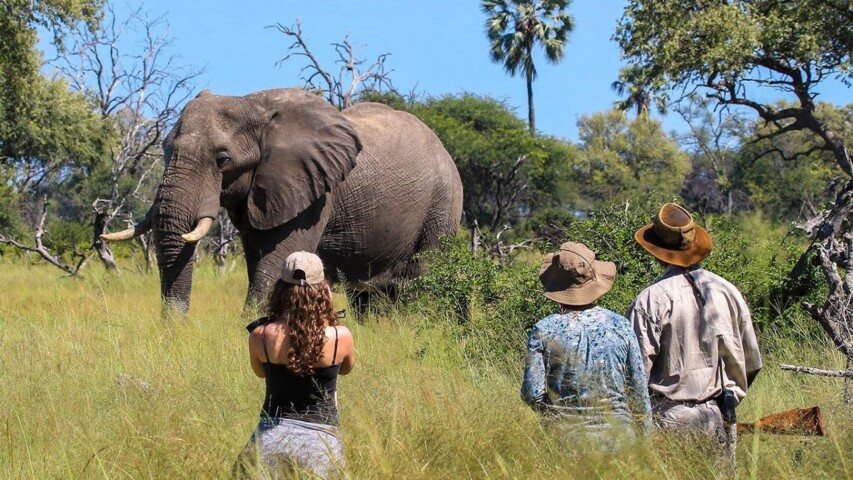
Because Hwange has no large permanent rivers, water shapes everything here. Where and when the water is, the animals follow. That makes choosing the right time to visit more important in Hwange than in many other African parks. This guide breaks down the seasons, the month-by-month picture, the best areas of the park at different times of year, and how timing affects your costs, your comfort and, if you are driving yourself, your route.
| Quick Answer: When Is the Best Time to Visit Hwange?
Best overall: June to October (dry season). Water is scarce, so huge herds of elephant and buffalo gather at the pumped waterholes, vegetation thins out and predator sightings peak. August, September and early October deliver the most dramatic game viewing. Best value and scenery: November to April (green season). The park turns lush, newborn antelope arrive, migratory birds flood in, and lodge rates drop, though animals disperse and some roads become difficult. Best compromise: May and early June. Pleasant temperatures, drying bush, improving game viewing and some lodges still offering lower rates. |
Hwange National Park at a Glance
| Feature | Details |
| Location | Western Zimbabwe, bordering Botswana; between Victoria Falls and Bulawayo |
| Size | Approximately 14,650 km² – Zimbabwe’s largest national park |
| Signature wildlife | Elephant (45,000+), buffalo, lion, leopard, cheetah, painted dog, sable, roan, giraffe, zebra, 400+ bird species |
| Peak season | June – October (dry season) |
| Green season | November – April (rainy season) |
| Main access points | Main Camp (southeast), Sinamatella (north), Robins Camp (northwest) |
| Nearest gateways | Victoria Falls (roughly 2–3 hours’ drive) and Bulawayo (roughly 3–4 hours’ drive) |
| Best for | Elephant viewing, waterhole safaris, predators, self-drive adventures, photography |
Understanding Hwange’s Seasons
Hwange has a classic southern African climate with two main seasons: a long, cool-to-hot dry season and a shorter, hot wet season. Unlike the double rainy seasons of East Africa, Hwange gets a single rainy period, roughly November to March or early April, with average annual rainfall of around 600 mm.
The key to understanding Hwange’s seasons is its water. The park sits on deep Kalahari sands that swallow rainfall quickly. Natural pans fill during the rains and then dry out over the winter months. To support wildlife through the dry season, more than 100 boreholes pump groundwater into artificial waterholes across the park, many maintained by conservation organizations and safari operators. As the natural pans dry, these pumped pans become magnets for wildlife – and the best places for visitors to watch it.
| Season | Months | Weather | Game Viewing | Lodge Prices |
| Early dry (cool) | May – July | Warm sunny days, cold nights (can drop near freezing) | Good and improving | Shoulder to high |
| Late dry (peak) | August – October | Hot days, building to 35°C+ in October | Excellent – the best of the year | High / peak |
| Early rains | November – December | Hot, humid, afternoon thunderstorms | Good early, then dispersing | Green season (lower) |
| Green season | January – April | Warm, wet, lush; rains taper off in April | Fair – animals spread out; superb birding | Lowest |
The Dry Season (June to October): Peak Safari Time
For most travelers, and especially first-time safari-goers, the dry season is the best time to visit Hwange National Park. With no rain from roughly May until late October, the natural pans shrink and disappear, leaving the pumped waterholes as the only reliable sources of water. Wildlife concentrates around them in extraordinary numbers.
Early Dry Season: May to July
As the rains end, the grass is still long and the bush still fairly thick, but it thins week by week. Game viewing improves steadily through June and July as animals begin to commit to the permanent waterholes. Days are sunny and comfortable at around 24–27°C, but mornings and evenings are genuinely cold. Temperatures on early game drives in June and July can fall to 0–5°C, so warm layers, a beanie and gloves are essential, especially in open safari vehicles.
- Why go: Comfortable daytime temperatures, almost no rain, low malaria risk, and lodge rates in May and early June that are often below peak.
- Watch out for: Cold early mornings, and slightly patchier sightings in May while longer grass still offers cover.
Peak Dry Season: August to October
This is Hwange at its most spectacular. By August the landscape is dry and golden, much of the vegetation has thinned, and the waterholes host a constant procession of animals. It is common to watch breeding herds of 100 or more elephants arriving at a single pan, jostling for the cleanest water at the pump inlet. Buffalo herds, zebra, giraffe, sable and kudu come and go throughout the day, and lion and other predators position themselves nearby.
September and October are the hottest months, with afternoon temperatures in October regularly exceeding 35°C. The heat is intense, but it pushes wildlife activity at the waterholes to its peak. Photographers love the clear, dust-hazed light and unobstructed views.
- Why go: The densest wildlife concentrations of the year, the best predator action, and the classic Hwange elephant spectacle.
- Watch out for: Peak lodge rates, the need to book well in advance (often 6–12 months for top camps), and hot, dusty conditions in October.
| Insider Tip: Waterhole Hides
Several Hwange camps have ground-level hides or sunken containers beside their waterholes. In August to October, sitting at eye level with drinking elephants just a few metres away is one of the most memorable experiences in southern Africa. Ask your lodge whether it has a hide before you book. |
The Green Season (November to April): Lush, Quiet and Great Value
The first rains usually arrive in November, often as dramatic afternoon thunderstorms that break the October heat. Within days the bush turns green, the natural pans fill, and the wildlife that crowded the waterholes disperses across the park and beyond into neighboring Botswana.
Early Rains: November to December
November can be an excellent and underrated month. Before the rains fully set in, animals are still near the waterholes, and as the first storms arrive many antelope species, such as impala and wildebeest, begin giving birth. The abundance of vulnerable young attracts predators, and painted dogs are often denning or raising pups around this period. Migratory birds return from Europe and Asia, and the skies are full of colour.
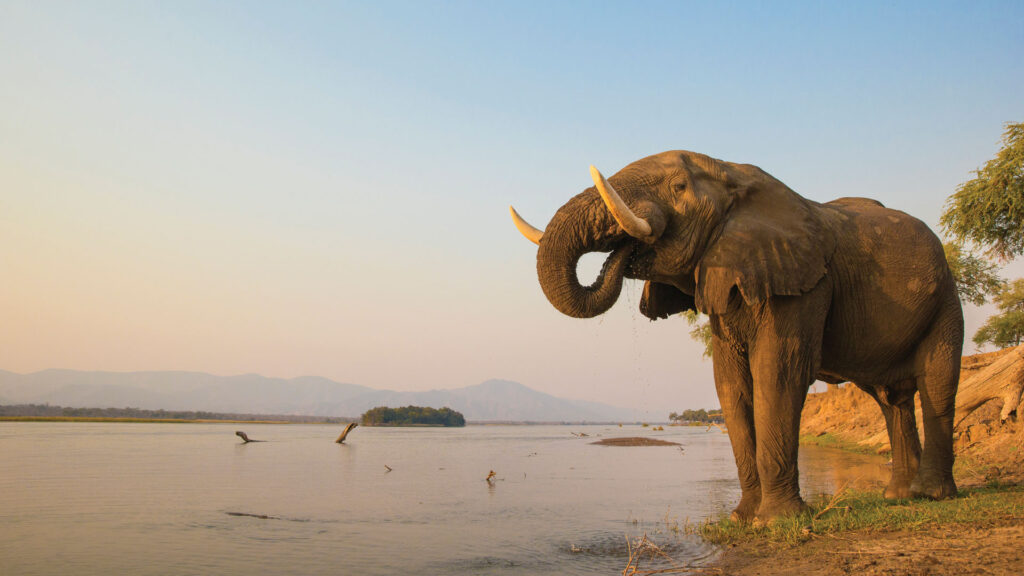
Peak Green Season: January to April
From January to March the park is at its greenest. Grass grows tall, the woodland is thick, and game viewing requires more patience because animals no longer need the waterholes. However, the open grasslands of the southeast, such as the Ngamo Plains and Linkwasha area, can still offer good sightings of zebra, wildebeest, sable and the predators that follow them. Rain generally falls in short, heavy bursts in the afternoon rather than all day, and April brings clearing skies with fresh, beautiful scenery.
- Why go: Lower lodge rates, far fewer visitors, newborn animals, dramatic skies and world-class birding with over 400 recorded species.
- Watch out for: Dispersed wildlife, higher humidity and malaria risk, and some roads – particularly black cotton soils in the north around Sinamatella and Robins – becoming muddy or impassable.
Hwange Month-by-Month Guide
Use the table below to match your travel dates to what you can expect on the ground. Ratings are for overall game viewing.
| Month | Weather | Wildlife & Highlights | Rating |
| January | Hot and wet; regular afternoon storms | Lush scenery, newborn antelope, excellent birding; animals widely dispersed | ★★☆☆☆ |
| February | Wet and humid | Peak green season; quiet park, lowest rates; good on the southern plains | ★★☆☆☆ |
| March | Rains easing | Green landscapes, active birdlife, pans still full | ★★☆☆☆ |
| April | Mostly dry, warm days | End of rains; bush still thick but clearing; very scenic | ★★★☆☆ |
| May | Dry, mild days, cool nights | Pans start drying; animals begin moving to waterholes; good value | ★★★☆☆ |
| June | Dry, cool; cold mornings | Game viewing improving fast; comfortable days | ★★★★☆ |
| July | Dry; coldest nights of the year | Strong waterhole activity; excellent elephant viewing | ★★★★☆ |
| August | Dry, warming up | Huge elephant herds; prime predator sightings; peak season begins | ★★★★★ |
| September | Hot and dry | Arguably the best month: dense wildlife at waterholes, superb photography | ★★★★★ |
| October | Very hot (35°C+), dry | Extreme waterhole concentrations; dramatic but sweltering | ★★★★★ |
| November | Hot; first rains arrive | Birthing season begins, migrant birds return; a great-value transition month | ★★★★☆ |
| December | Hot and wet | Greening bush, baby animals, festive-season visitors in some camps | ★★★☆☆ |
Hwange Weather and Climate by Month
The figures below are approximate averages for the Main Camp area and are intended as a planning guide only. Conditions vary from year to year.
| Month | Avg. High (°C) | Avg. Low (°C) | Rainfall (mm) | Season |
| January | 29 | 18 | ±140 | Wet |
| February | 29 | 18 | ±125 | Wet |
| March | 29 | 16 | ±70 | Wet |
| April | 28 | 13 | ±25 | Transition |
| May | 26 | 8 | ±5 | Dry |
| June | 24 | 5 | 0 | Dry |
| July | 24 | 5 | 0 | Dry |
| August | 27 | 8 | 0 | Dry |
| September | 31 | 12 | ±3 | Dry |
| October | 33 | 16 | ±25 | Dry / hot |
| November | 31 | 18 | ±70 | Early rains |
| December | 29 | 18 | ±130 | Wet |
Best Time to Visit Hwange by Travel Interest
| Interest | Best Months | Why |
| Elephants | August – October | Breeding herds of 100+ gather at waterholes daily; Hwange’s defining spectacle |
| Big cats & predators | July – October | Thin cover and predictable prey movements to water make lion and leopard easier to find |
| Painted (wild) dogs | June – September | Denning season can keep packs in one area; dry-season visibility helps |
| Birdwatching | November – March | Migrant species arrive; breeding plumage; 400+ species recorded |
| Photography | August – October & February – April | Dry-season action at waterholes, or green-season light, storms and colour |
| Baby animals | November – January | Impala, wildebeest and other antelope give birth with the first rains |
| Budget travel | November – April (and May) | Green-season lodge rates are significantly lower; fewer vehicles |
| Families with children | May – September | Lower malaria risk, comfortable temperatures, reliable game viewing |
| Self-drive safaris | May – October | Dry, firm roads (sand aside) and easy wildlife viewing at waterholes |
Best Areas of Hwange by Season
Hwange is enormous, and different areas shine at different times of year. Knowing where to base yourself can make as much difference as choosing the right month.
Main Camp and the Southeast (Ngamo, Linkwasha, Makalolo)
The southeast of the park is the most popular and most consistently rewarding area year-round. It combines open grassland plains with reliable pumped waterholes such as Nyamandhlovu Pan, famous for its viewing platform overlooking the water. Private concessions in this region, including Linkwasha and Makalolo, host many of Hwange’s best-known lodges and tented camps. This is the best choice for green-season visits, as the open plains continue to attract grazers and predators even when the bush elsewhere is thick.
Sinamatella (North)
Set on a rocky ridge above the Lukosi River valley, Sinamatella offers dramatic views and a wilder, less-visited feel. Mandavu and Masuma Dams are excellent dry-season destinations, drawing elephant, buffalo, hippo, crocodile and the lions that follow them. The area is at its best from June to October; in the wet season, black cotton soil can make some tracks very difficult.
Robins and Nantwich (Northwest)
The remote northwest is Hwange’s quietest region, known for good predator viewing and a true sense of solitude. It is best visited in the dry season, typically July to October, by experienced travellers with a capable 4×4. Some roads and facilities here may close or become inaccessible during the rains.
Special Events and Seasonal Experiences
- Annual waterhole game count (September/October): Each year volunteers spend a full 24 hours, usually around the full moon, counting the animals that visit Hwange’s waterholes. The count supports long-term conservation monitoring and is a unique way to experience the park at night. Dates and participation details change annually, so confirm in advance.
- Full-moon waterhole vigils (dry season): Many camps offer evening sessions at floodlit or moonlit waterholes where elephants, hyena and lion come to drink after dark.
- Painted Dog Conservation visit (year-round): Just outside Main Camp near Dete, the Painted Dog Conservation centre explains the plight of Africa’s wild dogs and its anti-poaching and education work. An ideal stop on arrival or departure in any season.
- Green-season canoeing (January – March, conditions permitting): Some southeastern camps offer canoe outings on rain-filled pans when water levels allow – a rare experience in a Kalahari-sand park.
Self-Drive Considerations by Season
Hwange is one of the most rewarding self-drive parks in southern Africa, with a network of roads and loops linking waterholes, picnic sites and viewing platforms. The season you choose has a direct effect on driving conditions.
| Factor | Dry Season (May – Oct) | Green Season (Nov – Apr) |
| Road conditions | Mostly firm, but deep sand on some tracks | Muddy and slippery; black cotton soils in the north can be impassable |
| Recommended vehicle | 4×4 strongly recommended (e.g., Toyota Land Cruiser, Hilux, Prado) | 4×4 essential; high clearance required |
| Navigation | Easy – drive between waterholes | Harder – animals scattered, tall grass limits visibility |
| Camping comfort | Excellent; very cold nights in June – July | Hot and wet; storms can be heavy |
| Road closures | Rare | Some secondary roads may close; check with ZimParks |
| Self-Drive Safety Tips
Drive only during permitted daylight hours and be back at camp or exit the gate before closing time. Carry extra fuel, water, a spare tyre and a tyre-repair kit – fuel is limited inside the park. Never leave your vehicle except at designated picnic sites, hides and camps. Give elephants plenty of space, especially breeding herds with calves, and never block their path to water. Check road conditions with ZimParks staff at the gate, particularly during or after the rains. |
Hwange Park Fees and Costs by Season
ZimParks charges conservation (entry) fees in US dollars. As a guide, international visitors should budget roughly US$20 per person per day for park entry, with separate charges for vehicles, camping and activities. Some private concessions also add community or conservation levies. Fees are revised periodically, so always confirm current rates with ZimParks or your tour operator before travelling.
Season has a much bigger effect on your overall budget than park fees do. Many Hwange lodges price high season from May to October and offer green-season rates from November to April, often at a significant discount. Children may also benefit from reduced rates at many properties.
| Travel Style | High Season (May – Oct) | Green Season (Nov – Apr) |
| Budget / self-drive camping | Low cost; book ZimParks campsites early for July – October | Lowest cost; few other campers |
| Mid-range lodges | Peak rates; limited availability | Noticeably discounted rates |
| Luxury tented camps in private concessions | Highest rates; book 6–12 months ahead | Significant green-season discounts |
| Visa Tip: KAZA Univisa
If you plan to combine Hwange with Victoria Falls, Zambia or a Chobe day trip in Botswana, the KAZA Univisa can cover entry to Zimbabwe and Zambia on a single visa, with day-trip access into Botswana via Kazungula. Availability and eligibility can change, so check current entry requirements before you travel. |
Getting to Hwange National Park
- From Victoria Falls: The most popular route. Main Camp is roughly 180–200 km southeast via the A8 Bulawayo road, around 2.5–3 hours by road. Sinamatella and Robins are reached via turn-offs from the same highway. Charter flights also connect Victoria Falls with airstrips serving the private concessions.
- From Bulawayo: Main Camp is roughly 260–270 km northwest via the A8, around 3.5–4 hours by road.
- By rail: The Bulawayo–Victoria Falls railway stops at Dete, close to Main Camp, and some lodges arrange transfers from the station.
- Combining with Victoria Falls: Hwange pairs perfectly with Victoria Falls. Visit the falls in April or May for maximum spray and spectacle, then head to Hwange as game viewing improves – or visit in September and October for peak wildlife with lower, clearer views of the falls.
What to Pack for Each Season
| Dry Season (May – Oct) | Green Season (Nov – Apr) |
| Warm fleece, down jacket, beanie and gloves for June – August mornings | Lightweight rain jacket or poncho |
| Neutral-coloured, breathable layers | Quick-dry clothing and breathable long sleeves |
| Wide-brimmed hat, sunglasses and high-SPF sunscreen | Strong insect repellent (DEET or picaridin) |
| Dust protection: buff or scarf, camera dust cover | Waterproof bags for cameras and electronics |
| Binoculars and a telephoto lens (300mm+) | Binoculars and a bird field guide |
| Refillable water bottle – October heat is intense | Sturdy closed shoes for muddy ground |
Health and Safety by Season
Hwange lies in a malaria area. The risk is highest during and immediately after the rains, from November to May, and lowest during the dry winter months, but precautions are advisable year-round. Speak to a travel health professional about antimalarial medication, and use repellent, long sleeves and mosquito nets in the evenings.
In October, heat is the main concern: drink plenty of water, avoid long midday drives and rest during the hottest hours. In June and July, cold early-morning game drives in open vehicles can be surprisingly uncomfortable without proper layers. Always follow your guide’s instructions around wildlife, and never walk unaccompanied outside fenced camp areas.
Sample 5-Day Victoria Falls and Hwange Itinerary (Dry Season)
| Day | Plan |
| Day 1 | Arrive in Victoria Falls. Guided tour of the falls and an evening sunset cruise on the Zambezi. |
| Day 2 | Morning transfer or drive to Hwange (Main Camp area). Stop at Painted Dog Conservation near Dete. Afternoon game drive to Nyamandhlovu Pan. |
| Day 3 | Full day of game drives in the southeast – Ngamo and Linkwasha plains. Afternoon at a waterhole hide for close-up elephant viewing. |
| Day 4 | Transfer north to Sinamatella. Afternoon game drive to Mandavu or Masuma Dam for elephant, buffalo, hippo and lion. |
| Day 5 | Early morning game drive, then return to Victoria Falls for departure. |
Frequently Asked Questions
What is the best month to visit Hwange National Park?
September is often considered the single best month, closely followed by August and October. Water is scarcest at this time, so wildlife – especially elephant – concentrates in large numbers around the pumped waterholes, and predator sightings are excellent.
Is Hwange worth visiting in the rainy season?
Yes, particularly for travelers who value lower prices, fewer crowds, birdwatching and lush scenery. Game is more dispersed, but the southeastern plains continue to offer good sightings, and November and December bring newborn animals.
When is the cheapest time to visit Hwange?
The green season, from November to April, generally offers the lowest lodge rates. May can also be good value while still delivering dry, comfortable weather.
How cold does Hwange get in winter?
In June and July, daytime temperatures are pleasant at around 24°C, but early mornings can drop to between 0°C and 5°C. Warm clothing is essential for morning and evening game drives.
When is the best time to see elephants in Hwange?
August to October is the best time, when breeding herds gather at waterholes throughout the day. Hwange’s elephant viewing at this time ranks among the best in Africa.
Can I self-drive in Hwange National Park?
Yes. Hwange is very well suited to self-drive safaris, especially between May and October. A 4×4 is strongly recommended year-round and essential during the rains. Always check road conditions with ZimParks before setting off.
How many days do I need in Hwange?
Three to four nights is ideal for most visitors, allowing time to explore the southeast and ideally one other region such as Sinamatella. Keen photographers and self-drivers may want five nights or more.
Can I combine Hwange with Victoria Falls?
Absolutely. The two are only a few hours apart by road, and combining them is one of the most popular itineraries in southern Africa. A KAZA Univisa may simplify travel if you also plan to visit Zambia or take a day trip to Botswana.
Conclusion: Choosing Your Perfect Time for Hwange
There is no truly bad time to visit Hwange National Park – only different experiences. If your priority is big game, and above all the unforgettable sight of hundreds of elephants at a single waterhole, plan your trip between June and October, with August to October offering the peak of the action. If you prefer lush landscapes, newborn animals, extraordinary birdlife and better value, the green season from November to April has a quiet magic of its own.
Whichever season you choose, booking early, picking the right area of the park and packing for the conditions will help you make the most of Zimbabwe’s greatest wildlife destination.
| Plan Your Hwange Safari with Marriott Safaris Africa
From guided lodge safaris to fully equipped 4×4 self-drive adventures combining Hwange, Victoria Falls and beyond, our team can help you choose the right season, route and accommodation for your trip. Contact Marriott Safaris Africa to start planning your Hwange safari – Perfection Anytime. |