How to Get to Central Kalahari Game Reserve
How to Get to Central Kalahari Game Reserve, The Complete 2026 Access Guide: Flights, Self-Drive Routes, Gates, Permits and Practical Tips
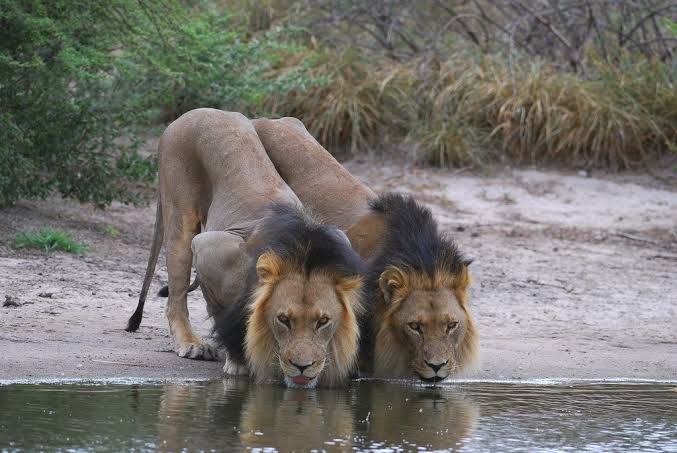
The Central Kalahari Game Reserve (CKGR) is one of the largest protected areas on earth, a 52,800 square kilometre expanse of fossil river valleys, salt pans and golden grassland in the heart of Botswana. It is bigger than Switzerland, it has no fences, no tar roads, no shops and no fuel, and that is precisely why travellers come. Black-maned Kalahari lions, gemsbok, springbok, brown hyena, cheetah and the extraordinary summer gatherings of antelope on the pans reward anyone willing to make the journey.
Getting there, however, takes more planning than almost any other safari destination in southern Africa. This guide walks you through every realistic way to reach the reserve: scheduled flights into Botswana, light-aircraft charters to the reserve’s airstrips, and the four main self-drive entry points (Matswere, Tsau, Xade and the southern approach through Khutse). You will also find distances, road conditions, permit and campsite rules, vehicle requirements, seasonal access advice and a sample self-drive route.
| Quick Answer: How Do You Get to the Central Kalahari?
Fastest: Fly into Maun, then take a light-aircraft charter (roughly 1 hour) to an airstrip inside or beside the reserve, such as Deception Valley or Tau Pan. Most popular self-drive: Drive from Maun to Matswere Gate in the north-east via Motopi and Rakops (roughly 4 to 5 hours). Western access: Use Tsau Gate (off the Maun–Ghanzi road) or Xade Gate (from Ghanzi). Southern access: Drive from Gaborone to Khutse Game Reserve, which borders the CKGR with no fence between them. Essential: A high-clearance 4×4, pre-booked campsites or lodge, and full self-sufficiency in fuel, water and food. |
Central Kalahari Game Reserve at a Glance
| Detail | Information |
| Location | Central Botswana, in the heart of the Kalahari Desert |
| Size | About 52,800 km², one of the largest game reserves in the world |
| Established | 1961 |
| Main gateway town | Maun (Maun International Airport, MUB) |
| Other access towns | Rakops, Ghanzi, Letlhakeng (via Khutse), Gaborone |
| Self-drive entry points | Matswere Gate (north-east), Tsau Gate (north-west), Xade Gate (west), Khutse (south) |
| Airstrips | Deception Valley, Tau Pan and other lodge-serviced strips (charter only) |
| Vehicle required | High-clearance 4×4 only; deep sand throughout |
| Fuel and supplies inside | None. Carry everything in and out |
| Mobile signal | Effectively none; a satellite phone is strongly advised |
Where Is the Central Kalahari Game Reserve?
The CKGR sits almost exactly in the middle of Botswana, south of the Okavango Delta and the Makgadikgadi Pans and north of Khutse Game Reserve. Maun lies to the north, Rakops to the north-east, Ghanzi to the west, and Gaborone, the capital, roughly a full day’s drive to the south-east.
Most visitors focus on the northern section of the reserve, home to Deception Valley, Sunday Pan, Leopard Pan, Passarge Valley, Piper Pan and Tau Pan. This area has the best game viewing and is the closest to Maun, which is why the Matswere and Tsau gates are the most used. The southern and western sections are wilder, sandier and far less visited.
Step 1: Getting to Botswana
Your journey to the Central Kalahari starts with reaching one of Botswana’s gateway towns. There are few or no direct long-haul flights to Botswana from Europe, North America or East Africa, so most travellers connect through Johannesburg, while overland travellers arrive from South Africa, Namibia, Zambia or Zimbabwe.
By Air
| Airport | Code | Best For | Typical Connections |
| Maun International Airport | MUB | The main gateway for the CKGR; charter flights and 4×4 rentals | Johannesburg, Cape Town, Gaborone, Kasane |
| Sir Seretse Khama International (Gaborone) | GBE | Southern access via Khutse; self-drivers starting in the capital | Johannesburg and regional hubs |
| Kasane International Airport | BBK | Combining Chobe or Victoria Falls with the Kalahari | Johannesburg, Maun, Gaborone |
| Hosea Kutako International (Windhoek, Namibia) | WDH | Overland trips entering Botswana via the Trans-Kalahari Highway | Johannesburg, Frankfurt and regional hubs |
| Travelling from East Africa?
From Entebbe, Nairobi, Kigali or Dar es Salaam, the most practical routing is usually a flight to Johannesburg (O.R. Tambo) followed by a connecting flight to Maun. Some regional carriers also link East African hubs with Gaborone or Lusaka; from Lusaka you can reach Kasane by road via the Kazungula Bridge. Regional schedules change frequently, so confirm current routes when booking. |
By Road (Overland)
- From South Africa: Cross at Tlokweng (for Gaborone), Skilpadshek/Pioneer Gate (for Lobatse and the west), or Martin’s Drift/Groblersbrug (for Palapye and the north). From Gaborone, Khutse is the nearest CKGR approach; from Palapye you can continue north towards Rakops and Matswere.
- From Namibia: Cross at the Mamuno/Trans-Kalahari border post and follow the Trans-Kalahari Highway to Ghanzi, the base for Xade and Tsau gates.
- From Zambia: Use the Kazungula Bridge into Kasane, then drive south via Nata to Maun.
- From Zimbabwe: Cross at Kazungula or Pandamatenga (for Kasane) or Ramokgwebana/Plumtree (for Francistown), then head west via Nata to Maun.
If you are driving a rental vehicle across any of these borders, you will need the rental company’s written cross-border authorisation, the vehicle registration papers, third-party insurance valid in Botswana and the applicable road permit fees. Our Car Rental Border Crossing Documents guide covers these requirements in detail.
Step 2, Option A: Fly Into the Central Kalahari
Flying is the simplest and most comfortable way to reach the reserve. Light aircraft (typically a Cessna 206 or Cessna Caravan) fly from Maun to airstrips that serve the lodges and camps in and around the northern CKGR. The flight takes roughly an hour and offers superb aerial views over the Boteti River, the fossil valleys and the pans.
How Fly-In Access Works
- Book your lodge or camp first. Charters are almost always arranged by the lodge or your safari operator as part of a package, timed to connect with scheduled flights into Maun.
- Arrive at Maun International Airport, clear immigration and check in with the charter operator. Maun is home to several established charter companies.
- Fly to the airstrip nearest your camp. Your guide meets you on the strip and transfers you by open safari vehicle, often with a game drive along the way.
- On departure, the process reverses. Many itineraries continue by charter directly to the Okavango Delta, Makgadikgadi or Chobe without returning through Maun.
Airstrips Serving the Reserve
| Airstrip | Area | Serves | Approx. Flight from Maun |
| Deception Valley | Northern CKGR | Camps in and around Deception Valley; mobile safari operators | About 1 hour |
| Tau Pan | North-western CKGR | Tau Pan area camps | About 1 hour |
| Kalahari Plains area | Northern CKGR | Camps in the Deception/Kalahari Plains area | About 1 hour |
| Private concession strips | Reserves bordering the CKGR | Lodges on private land adjacent to the reserve | 45 minutes to 1 hour |
| Luggage Limits on Light Aircraft
Charter flights usually limit luggage to around 20 kg per person, including hand luggage and camera gear, packed in soft-sided bags only. Hard suitcases do not fit in the aircraft pods. If you are carrying heavy camera equipment, ask your operator about buying an extra seat. |
Pros and Cons of Flying In
- Pros: Saves a full day of driving each way, no 4×4 or sand-driving experience needed, spectacular scenery, easy to combine with other Botswana parks.
- Cons: The most expensive option, strict luggage limits, less flexibility, and you mainly explore the area around your camp.
Step 2, Option B: Self-Drive to the Central Kalahari
For experienced overlanders, a self-drive trip into the CKGR is one of Africa’s great adventures. Every route ends in deep sand, and inside the reserve you will be completely self-sufficient. The table below compares the four main entry points.
| Entry Point | Nearest Town | Start From | Approx. Distance | Approx. Time | Best For |
| Matswere Gate (north-east) | Rakops | Maun | 250–290 km | 4–5 hrs | Deception Valley, Sunday Pan, Leopard Pan; first-time visitors |
| Tsau Gate (north-west) | Tsau | Maun | 180–220 km | 4–5 hrs | Piper Pan, Tau Pan, Passarge Valley; loop trips from Maun |
| Xade Gate (west) | Ghanzi | Ghanzi | About 160–170 km | 4–5 hrs | Western and central CKGR; arrivals from Namibia |
| Khutse (south) | Letlhakeng | Gaborone | About 220–250 km | 4–5 hrs | Khutse pans, southern CKGR; arrivals from South Africa |
Note: Distances and times are approximate and depend heavily on sand conditions, tyre pressure, load and season. Always add generous buffer time, and plan to reach your gate well before it closes.
Route 1: Maun to Matswere Gate (Most Popular)
Matswere Gate, in the north-east corner of the reserve, is the main entrance and the gateway to Deception Valley, the CKGR’s most famous area. It also houses the reserve’s main wildlife office, where borehole water is sometimes available for washing (it is not guaranteed and should not be relied on for drinking).
Turn-by-Turn Overview
- Leave Maun on the A3 heading east towards Nata.
- At Motopi, turn south onto the road towards Rakops, which roughly follows the Boteti River.
- Continue to Rakops, your last practical stop for fuel and basic supplies. Fill every tank and jerrycan here.
- From Rakops, follow the signposted track west towards Matswere Gate. This final stretch is gravel and sand, and you will pass a veterinary fence along the way.
- Check in at Matswere Gate with your campsite confirmation and pay any outstanding fees. From the gate, Deception Valley is a further drive on sandy tracks.
| Veterinary Fences and Food Rules
Botswana uses veterinary cordon fences to control foot-and-mouth disease. At checkpoints you may be asked to disinfect your shoes and tyres, and fresh meat, raw dairy and some produce can be confiscated depending on current restrictions. Ask locally in Maun before buying supplies, and keep receipts for packaged goods. |
Route 2: Maun to Tsau Gate
Tsau Gate, in the north-west, is the newer entrance and a convenient choice if you want to visit Piper Pan, Tau Pan or Passarge Valley first, or if you want to make a loop: enter at Matswere and exit at Tsau (or vice versa) and return to Maun without retracing your route.
- Leave Maun on the A3 heading south-west towards Sehithwa and Ghanzi, passing Lake Ngami.
- Continue south past Sehithwa to the village of Tsau. Fuel in this area can be unreliable, so fill up in Maun.
- Turn east onto the signposted sand track to Tsau Gate. This leg is deep sand and can be slow; lower your tyre pressures before you start.
- Check in at Tsau Gate. From here, tracks lead east towards Tau Pan and Piper Pan.
Route 3: Ghanzi to Xade Gate
Xade Gate is on the reserve’s western boundary and is the natural entry point if you are arriving from Namibia via the Trans-Kalahari Highway, or if you want to explore the quieter central and western CKGR. Ghanzi has fuel, supermarkets, banks and accommodation, and is the place to stock up.
- Fill up with fuel, water and food in Ghanzi.
- Head east from the Ghanzi area on the sand road via New Xade.
- Continue on the long sandy track to Xade Gate. The road is remote and corrugated in places, with very little traffic.
- Check in at Xade Gate. From here you can head north towards Piper Pan or south towards Khutse.
Route 4: Gaborone to Khutse (Southern Approach)
Khutse Game Reserve adjoins the southern boundary of the CKGR, and there is no fence between the two. Khutse is the closest Kalahari wilderness to Gaborone and makes a good first stop for travellers arriving from South Africa. From Khutse you can continue north into the CKGR, but crossing from the south to the northern CKGR is a multi-day undertaking through very remote country.
- Leave Gaborone heading north-west to Molepolole.
- Continue west to Letlhakeng, the last fuel stop. Fill all tanks.
- From Letlhakeng, continue on the gravel and sand road via Salajwe to the Khutse gate.
- Check in at the gate. Tracks run north through Khutse’s pans into the southern CKGR.
| Do Not Underestimate Internal Distances
It is not possible to drive from Khutse in the south to Deception Valley in the north in a single day. Plan at least one or two overnight stops at pre-booked campsites, and never drive inside the reserve after dark. |
Step 2, Option C: Guided and Mobile Safaris
If you want the wilderness experience without the responsibility of self-driving, a guided mobile camping safari is an excellent middle ground. An experienced guide drives you from Maun in a fully equipped safari vehicle, a support crew sets up camp, and all logistics (permits, campsites, fuel, water, food and recovery equipment) are handled for you.
- Who it suits: Travellers without 4×4 experience, solo travellers, photographers who want to focus on wildlife, and families.
- Typical format: 3 to 6 nights in the CKGR, often combined with Makgadikgadi or the Okavango Delta.
- Benefit: Guides know where game is concentrating in a given season and how to read the sand tracks safely.
Step 2, Option D: Stay Just Outside the Reserve
Several lodges sit on private land bordering the CKGR, especially along the northern boundary. These can be reached by road from Maun or by charter flight to their own airstrips. Many offer guided day trips into the reserve, plus walks with San trackers on their own land. This is a good choice if you prefer lodge comfort and do not want to drive deep sand yourself.
Comparing Your Access Options
| Option | Cost Level | Travel Time from Maun | Experience Needed | Best For |
| Charter flight | High | About 1 hour | None | Short trips, luxury travellers, combining parks |
| Self-drive 4×4 | Low to medium | 4–5 hours to the gate | Strong sand-driving skills | Adventurous, independent travellers |
| Guided mobile safari | Medium to high | 4–5 hours (driven for you) | None | First-timers who want the wilderness experience |
| Lodge outside the reserve | Medium to high | A few hours by road or a short flight | None to moderate | Comfort seekers wanting guided day trips |
Self-Drive Requirements: What You Must Have
The CKGR is unforgiving of poor preparation. Rangers may refuse entry to vehicles that are clearly unsuitable, and help can be many hours or even days away. Use this checklist before you leave Maun, Ghanzi or Gaborone.
Vehicle
- High-clearance 4×4 with low-range gearing. A Toyota Land Cruiser, Hilux or similar is ideal. Soft-roaders and 2WD vehicles will not cope.
- Two spare tyres (or one spare plus a puncture repair kit and compressor). Sharp roots and thorns hidden in the sand cause frequent punctures.
- Tyre pressure gauge and compressor. Deflating to roughly 1.2–1.6 bar for sand (depending on vehicle and load) makes a huge difference; reinflate before returning to tar.
- Grass seed net over the radiator. Grass seeds clog radiators and can cause overheating and even vehicle fires; check and clean regularly.
- Recovery gear: spade, tow strap, a jack with a base plate for soft sand, and sand tracks.
Fuel
- There is no fuel inside the reserve. Calculate your total distance, then add at least 30 to 50 percent, because sand driving can dramatically increase fuel consumption.
- Fill up at Maun, Rakops, Ghanzi or Letlhakeng, depending on your route, and carry jerrycans or a long-range tank.
Water and Food
- Carry at least 5 litres of drinking water per person per day, plus extra for cooking and washing. Borehole water at gates is not guaranteed.
- Bring all food for the entire stay plus a reserve for one or two extra days. A 12V fridge and dual-battery system are highly recommended.
Navigation and Communication
- GPS with offline maps (Tracks4Africa is widely used) plus a paper map as a backup.
- Satellite phone or satellite messenger. There is no mobile coverage in most of the reserve.
- Leave your itinerary with someone outside the reserve and with the gate staff.
Camping and Safety Kit
- Tent (rooftop tents are popular), bedding, cooking equipment, your own firewood, and rubbish bags to carry all waste out.
- First-aid kit, headlamps, fire extinguisher and sun protection.
| Travel in Convoy If You Can
Two vehicles are far safer than one. If one vehicle breaks down or gets stuck, the other can assist with recovery or go for help. Many experienced Kalahari travellers will not enter the remote south and west alone. |
Permits, Bookings and Park Fees
You cannot simply turn up at the CKGR. Every self-drive visitor must have a confirmed campsite booking before arriving at the gate. Campsites are managed partly by the Department of Wildlife and National Parks (DWNP) and partly by private operators who run designated campsites inside the CKGR and Khutse.
How to Book
- Plan your route and decide how many nights you will spend in each area (for example, two nights at Deception Valley and two at Piper Pan).
- Reserve campsites with the relevant private operator or the DWNP reservations office. Popular northern sites book up months ahead for the dry season and holiday periods.
- Pay park entry and vehicle fees as instructed (DWNP offices in Maun and Gaborone, or at designated pay points and gates), and keep all receipts and confirmation vouchers.
- Present your confirmations at the gate. Gate staff record your route and expected exit date.
How Fees Are Structured
Botswana’s protected area fees are tiered by visitor category (citizen, resident, SADC and international) and by park, and they have been revised in recent years. The CKGR falls into a lower fee category than flagship parks such as Chobe and Moremi. Because published figures vary between sources, confirm current amounts with the DWNP or your operator before you travel.
| Fee Type | How It Is Charged | Notes |
| Park entry | Per person, per day | Highest for international visitors; young children are generally free and older children discounted |
| Vehicle entry | Per vehicle, per day | Higher for foreign-registered than Botswana-registered vehicles |
| Camping | Per person, per night | Set by the campsite operator (DWNP or private) and paid separately |
| Lodge/concession fees | Usually included in lodge rates | Fly-in and lodge guests normally have park fees built into their package; always ask |
| Gate Opening Hours
Gates generally open around sunrise and close around sunset, with slightly longer hours in summer. Driving inside the reserve between sunset and sunrise is not permitted. Check exact gate times when you book, and plan to arrive with plenty of daylight to spare. |
Best Time to Travel: How Seasons Affect Access
| Season | Months | Road and Access Conditions | Wildlife |
| Green (rainy) season | December–March | Clay pan surfaces such as Deception Valley can become very muddy; some tracks flood after storms; hot with afternoon thunderstorms | Peak season: antelope herds gather on the pans, predators follow, calving and excellent birding |
| Late wet / early dry | April–May | Generally good; tracks drying out; pleasant temperatures | Very good; animals still on the pans; lush landscapes |
| Dry winter | June–August | Firm, dry tracks but deep loose sand; very cold nights, sometimes near freezing | Game more dispersed; predators around waterholes |
| Hot dry season | September–November | Dry and dusty; extreme heat; soft sand at its most demanding | Wildlife concentrates near the few water points; tough conditions |
For self-drivers, April to May offers the best balance of good tracks, comfortable temperatures and strong wildlife viewing. Experienced overlanders who can handle mud and heat are often rewarded most richly in January to March, when the Kalahari is at its greenest.
Sample 6-Day Self-Drive Route from Maun
This classic loop enters at Matswere and exits at Tsau, covering the highlights of the northern CKGR without backtracking.
| Day | Route | Highlights | Overnight |
| Day 1 | Maun – Motopi – Rakops – Matswere Gate – Deception Valley | Refuel at Rakops; first game drive in Deception Valley | Deception Valley campsite |
| Day 2 | Deception Valley, Sunday Pan, Leopard Pan | Kalahari lions, springbok and gemsbok on the pans | Deception Valley or Sunday Pan |
| Day 3 | Deception Valley – Passarge Valley | Remote fossil valley with very few vehicles | Passarge Valley campsite |
| Day 4 | Passarge Valley – Piper Pan | Waterhole viewing; good for predators | Piper Pan campsite |
| Day 5 | Piper Pan – Tau Pan | Open grassland and pans; cheetah country | Tau Pan area campsite |
| Day 6 | Tau Pan – Tsau Gate – Maun | Exit via Tsau; reinflate tyres before the tar; return along the A3 | Maun |
Note: Campsite availability varies, so build your route around the sites you can actually book. Allow extra time on Days 1 and 6 for the long transfers to and from Maun.
Essential Safety Tips for the Journey
- Stay with your vehicle if you break down or get stuck. A vehicle is far easier for searchers to find than a person on foot.
- Drive slowly. Speed limits inside the reserve are low, and hidden holes, roots and animals are common.
- Never drive at night, either inside the reserve or on the access roads, where livestock and wildlife wander onto the road.
- Campsites are unfenced. Lions, hyenas and other animals may walk through camp. Keep food sealed, never sleep in the open, and use a torch after dark.
- Check your radiator net for grass seeds several times a day, especially in the late wet and dry seasons.
- Respect the San heritage of the reserve and any communities you pass. Ask before photographing people.
- Get travel insurance that includes medical evacuation from remote areas.
Plan Your Central Kalahari Journey with Marriott Safaris Africa
Whether you want to fly into a luxury camp, join a guided mobile safari or tackle the sand tracks yourself, our team can take care of the details: Maun charter connections, fully equipped 4×4 vehicles with rooftop tents, campsite and lodge bookings, park fee payments, cross-border paperwork and a route plan tailored to the season.
| How to Book
1. Tell us your travel dates, group size and preferred style (fly-in, self-drive, guided or lodge). 2. Receive a tailored itinerary with transparent pricing and route advice. 3. Confirm with a deposit, and we secure your flights, vehicle, campsites or lodge. 4. Travel with 24/7 support and a full pre-departure briefing. Marriott Safaris Africa: Perfection Anytime. |
Frequently Asked Questions
What is the easiest way to get to the Central Kalahari Game Reserve?
The easiest way is to fly from Maun to an airstrip in or beside the reserve on a light-aircraft charter, which takes about an hour. Your lodge or safari operator normally arranges this.
How far is the Central Kalahari from Maun?
Matswere Gate, the main entrance, is roughly 250 to 290 km from Maun by road (about 4 to 5 hours). Tsau Gate is a similar drive time via the Maun–Ghanzi road. Reaching campsites inside the reserve adds further time on sand tracks.
Can I drive to the CKGR in a normal car?
No. A high-clearance 4×4 with low-range gearing is essential. The access roads end in deep sand, and all tracks inside the reserve are unpaved.
Which gate should I use?
Use Matswere Gate for Deception Valley and the classic northern areas, Tsau Gate for Piper Pan and Tau Pan, Xade Gate if you are coming from Ghanzi or Namibia, and the Khutse approach if you are coming from Gaborone or South Africa.
Do I need to book campsites in advance?
Yes. Self-drive visitors must have confirmed campsite bookings before arriving at the gate, and popular northern sites fill up months ahead.
Is there fuel or water inside the reserve?
There is no fuel or shop inside the reserve. Borehole water may be available at some gates, but it is not guaranteed, so carry all the drinking water you need.
Can I visit the Central Kalahari as a day trip?
A day trip by road from Maun is not practical because of the distances involved. Some lodges just outside the reserve offer guided day excursions, and fly-in visitors usually stay at least two or three nights.
When is the best time to visit?
December to April is the best time for wildlife, when animals gather on the green pans. April and May offer the best combination of wildlife, road conditions and comfortable temperatures for self-drivers.
Is it safe to self-drive in the Central Kalahari?
Yes, for well-prepared and experienced drivers. Travel with a properly equipped vehicle, a satellite phone and ideally a second vehicle, never drive at night, and always stay with your vehicle if you get stuck.
Final Thoughts
Reaching the Central Kalahari Game Reserve takes effort, but the effort is part of the reward. Fly in for an effortless, luxurious escape into the desert, or load up a 4×4 in Maun and earn every sunset on your own terms. Either way, plan ahead, book early, respect the wilderness, and the Kalahari will give you some of the most profound safari moments in Africa.