Why Safari in Zimbabwe
Zimbabwe punches far above its size on the African safari map. It shares the Zambezi River and the roaring curtain of Victoria Falls with Zambia, shares the Kalahari sandveld and elephant migrations of the Hwange-Chobe ecosystem with Botswana, and yet keeps a character entirely its own: fewer vehicles, wide-open concessions, and a guiding tradition regarded as the most rigorously trained in Africa. Zimbabwean professional guides train for years and are examined on tracking, botany, first aid and dangerous-game protocol before they are licensed to walk clients on foot among lion, elephant and buffalo.
For self-drive travellers and guided guests alike, Zimbabwe offers a rare mix: the raw wilderness of Mana Pools’ walking safaris, the sheer volume of elephant in Hwange, the granite whalebacks and rock art of Matobo, the remote wildness of Gonarezhou in the southeast, and the world-wonder spectacle of Victoria Falls itself. Add Lake Kariba’s houseboats and the fact that it can all be combined with Zambia, Botswana or Mozambique on a single itinerary, and Zimbabwe becomes one of the most flexible bases for a Southern Africa safari
Corrupti Explicabo Congue Placea Felis
Dolor eum doloremque, commodo odit esse recusandae donec nulla commod
Lobortis Sapien, Nisi Donec Perferendis
Dolor eum doloremque, commodo odit esse recusandae donec nulla commod
Nunc Officiis Tenetur Ad Duis Ipsam Magni Vehicula
Dolor eum doloremque, commodo odit esse recusandae donec nulla commod
Corrupti Explicabo Congue Placea Felis
Dolor eum doloremque, commodo odit esse recusandae donec nulla commod
Lobortis Sapien, Nisi Donec Perferendis
Dolor eum doloremque, commodo odit esse recusandae donec nulla commod
Nunc Officiis Tenetur Ad Duis Ipsam Magni Vehicula
Dolor eum doloremque, commodo odit esse recusandae donec nulla commod
Inside Victoria Falls National Park
The Zimbabwean park protects a narrow strip of rainforest — sustained entirely by the falls’ own spray — that runs along the rim of the gorge opposite the main curtain of water. A network of paved and gravel paths connects sixteen numbered viewpoints, each offering a different angle on the falls, the Boiling Pot, or the Victoria Falls Bridge.
- Devil's Cataract and Main Falls viewpoints – the first views from the entrance, framing the narrower, western section of the falls
- Livingstone Statue – a bronze memorial to David Livingstone near the point where he first viewed the falls in 1855
- Danger Point – the closest, most exposed viewpoint, with sheer drops into the gorge; expect maximum spray in flood season
- Knife-Edge Point (Zimbabwe side) – sweeping views across the main gorge toward the Zambian bank and, on clear days, the Eastern Cataract
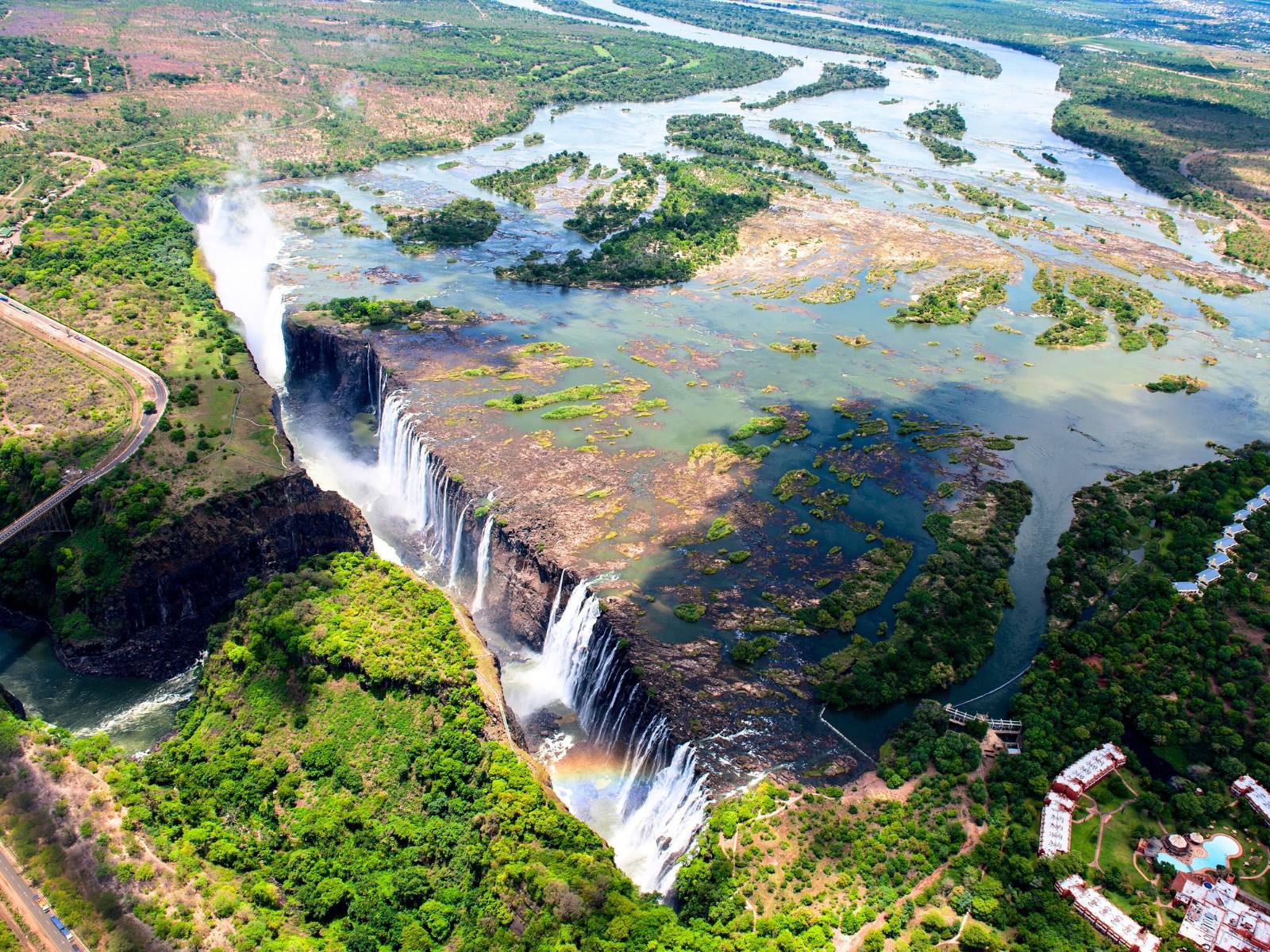
- Victoria Falls Bridge viewpoint – the classic panorama used on almost every postcard of the falls, with the 1905-built rail and road bridge arcing across the gorge.
Get Plan & Save With Us
Unlimited Wash
Corrupti Explicabo Congue Placea Felis
Dolor eum doloremque, commodo odit esse recusandae donec nulla commod
Lobortis Sapien, Nisi Donec Perferendis
Dolor eum doloremque, commodo odit esse recusandae donec nulla commod
Nunc Officiis Tenetur Ad Duis Ipsam Magni Vehicula
Dolor eum doloremque, commodo odit esse recusandae donec nulla commod
Corrupti Explicabo Congue Placea Felis
Dolor eum doloremque, commodo odit esse recusandae donec nulla commod
Lobortis Sapien, Nisi Donec Perferendis
Dolor eum doloremque, commodo odit esse recusandae donec nulla commod
Nunc Officiis Tenetur Ad Duis Ipsam Magni Vehicula
Dolor eum doloremque, commodo odit esse recusandae donec nulla commod
The Perfect Hotel in Mykonos
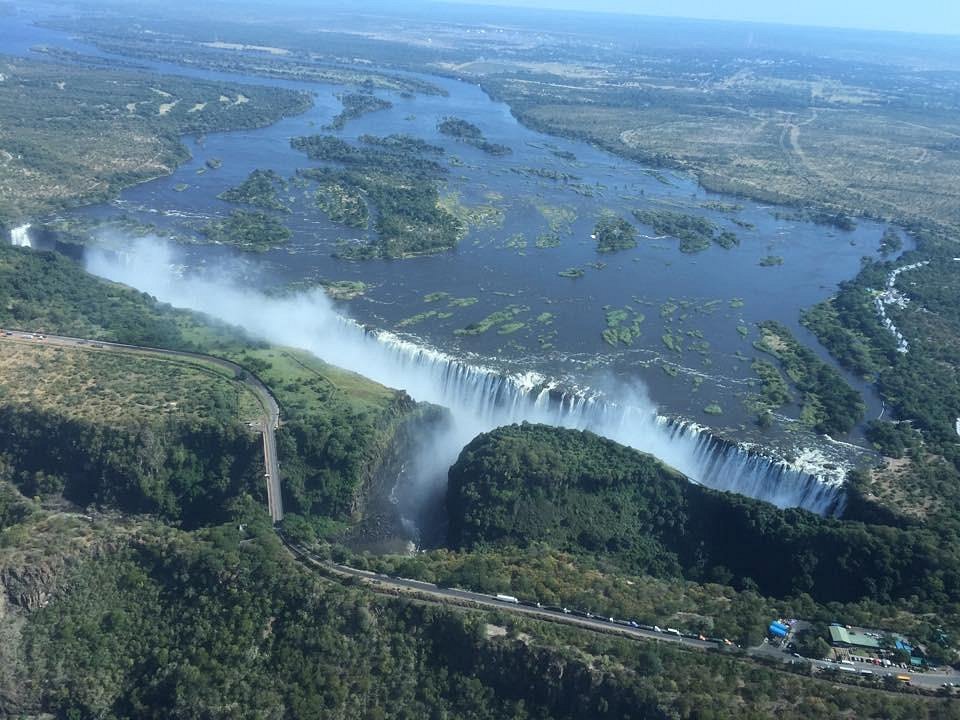
Victoria Falls straddles the border between Zimbabwe and Zambia, and both countries offer national parks looking out over the same river. The Zimbabwean side is generally considered the better vantage point: it faces the falls head-on across the gorge, giving visitors roughly 75 percent of the total frontage in clear view, along with the classic postcard panorama of the Victoria Falls Bridge, the Boiling Pot, and the Second and Third Gorges. This guide covers everything needed to plan a visit from the Zimbabwean side — Victoria Falls town, the national park, adventure activities, entry costs, accommodation, and a ready-made three-day itinerary.
Victoria Falls Zimbabwe
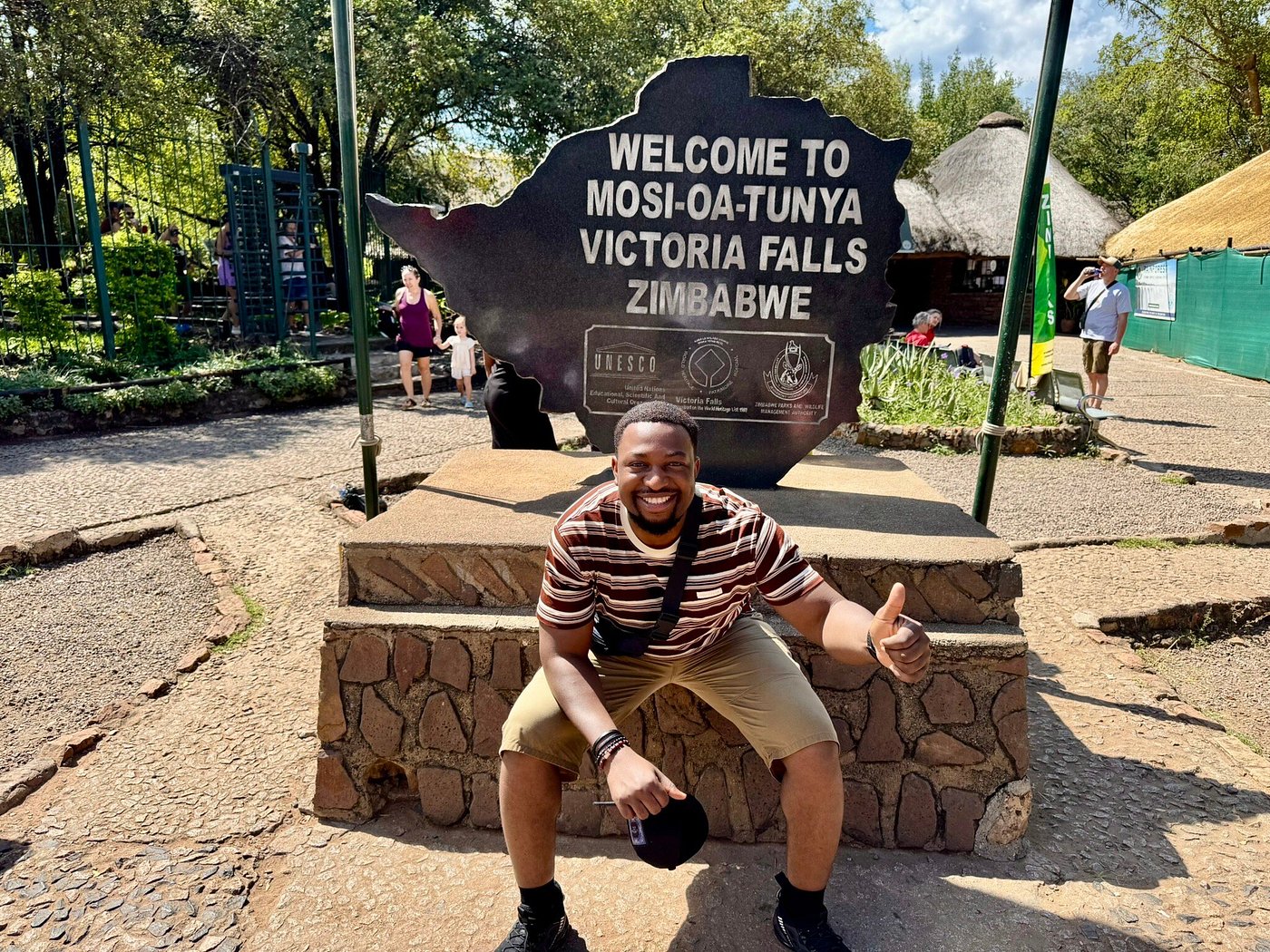
Long before any European explorer set eyes on it, the Kololo and Tonga people who lived along the Zambezi River named this place Mosi-oa-Tunya — “the smoke that thunders.” Stand at any of the sixteen viewpoints along Zimbabwe’s Victoria Falls National Park and you will understand exactly why. A curtain of water more than a kilometre and a half wide drops up to 108 metres into the Batoka Gorge below, throwing a column of spray that is visible, and audible, from many kilometres away.
Best Time Visit Zimbabwe
Zimbabwe has a single dry season (May to October) and a single wet season (November to April), which broadly determines wildlife viewing, road conditions and park access.
Period | Conditions | Highlights |
May – June | Cool, dry, green residue from the rains | Mana Pools opens; comfortable temperatures; lush scenery |
July – August | Cool to mild, very dry | Peak walking safaris; wildlife concentrates at waterholes and rivers |
September – October | Hot, driest months | Best game viewing of the year; painted dog denning season in Hwange |
November | Build-up to the rains, hot | First rains, dramatic skies; wildlife starts to disperse |
December – February | Wet, hot, lush | Green season photography, migratory birds, newborn antelope; some camps close |
March – April | Tail of the rains | Victoria Falls at peak flow; roads drying out; fewer crowds |
Why Visit From the Zimbabwe Side
Travellers weighing Zimbabwe against Zambia should know both parks look at the same waterfall from opposite banks, but the experience differs in a few practical ways. The Zimbabwean side has more developed tourism infrastructure, a wider selection of activities and lodges concentrated in a walkable town, and — because it faces the falls rather than standing beside them — better overall photographic angles for most of the year. The trade-off is that during the peak flood months (April to June), spray on the Zimbabwe side can be so heavy that the falls themselves are obscured behind a wall of mist; Zambia’s Knife-Edge Bridge sometimes offers clearer views in that window. Many visitors solve this by day-tripping across the Victoria Falls Bridge to see both sides, which is straightforward with a KAZA Univisa.
Hwange National Park
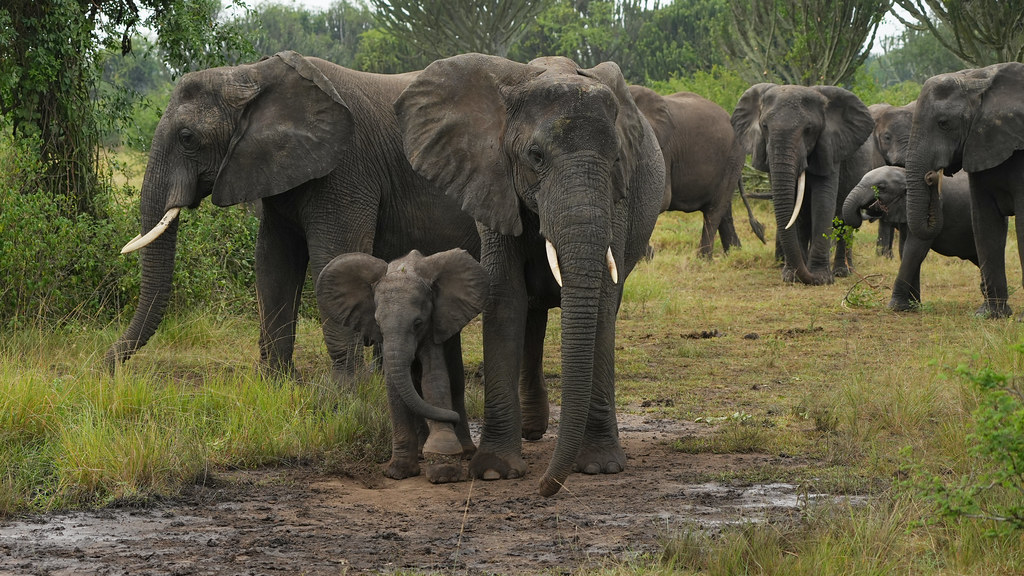
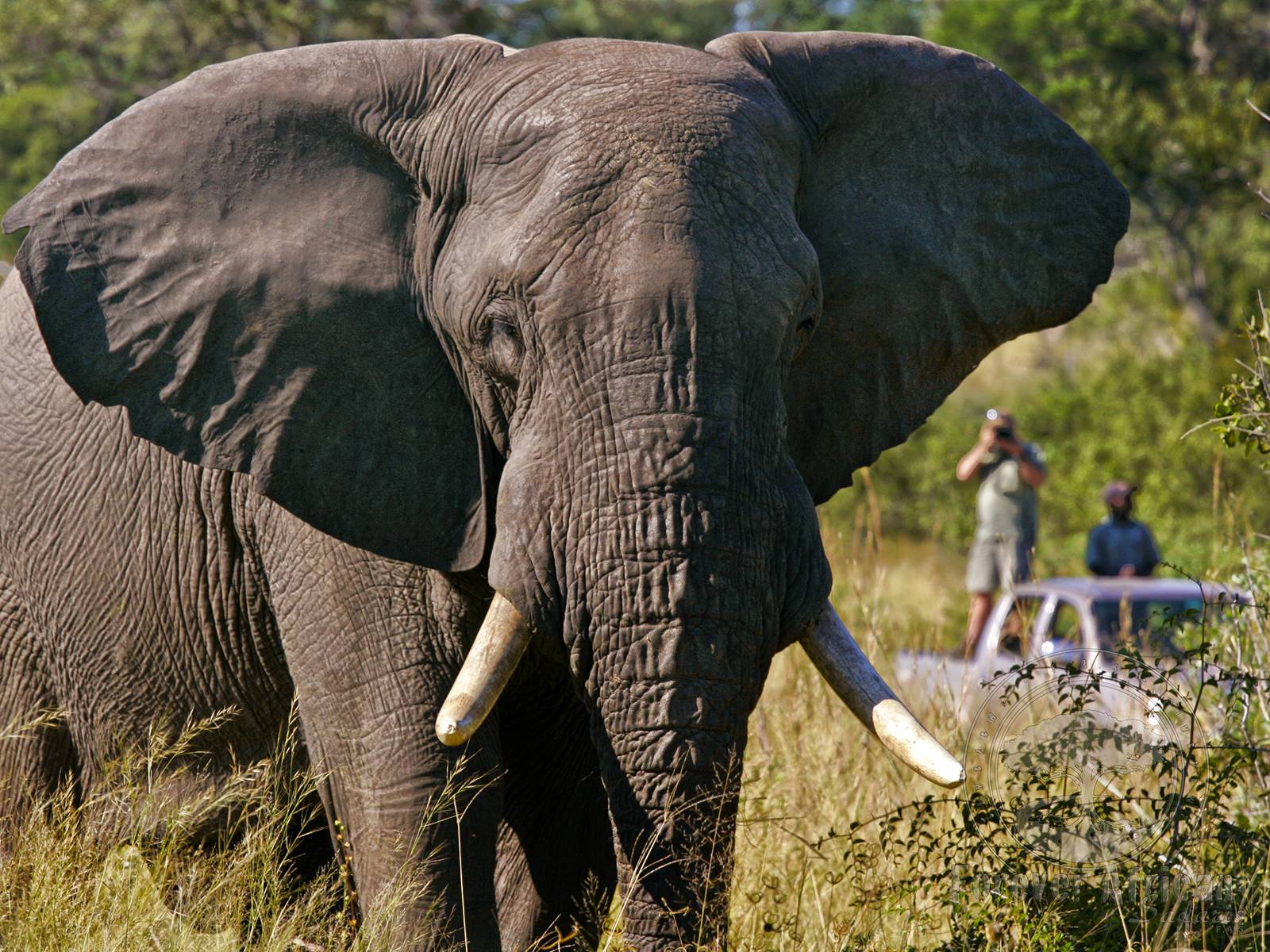
Zimbabwe's largest park at roughly 14,650 km², Hwange sits in the northwest corner of the country between Bulawayo and Victoria Falls. It is famous for its elephant population, estimated at more than 40,000, along with all of the Big Five, painted dogs, and some of the best predator viewing in Southern Africa

Mana Pools National Park
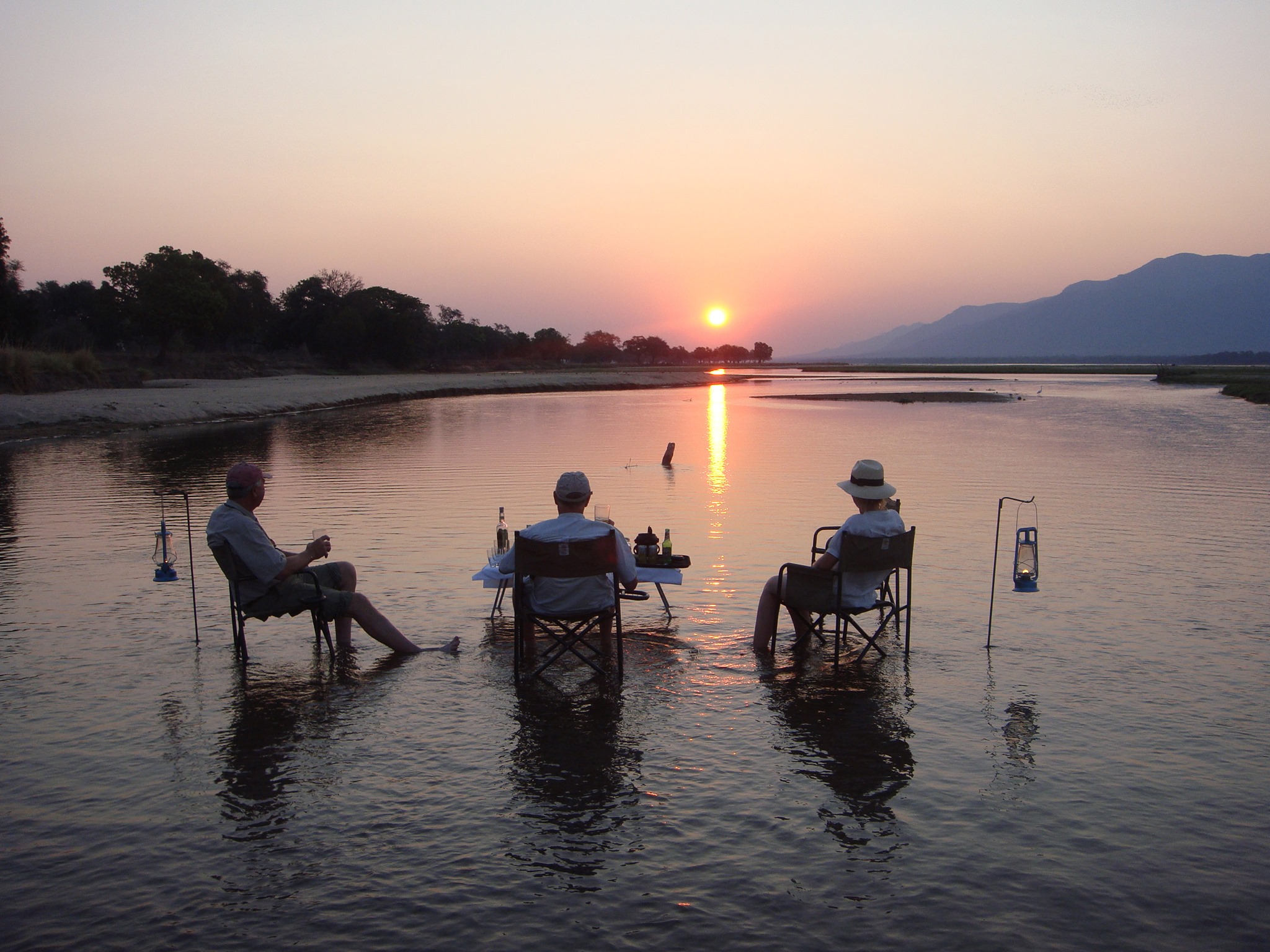
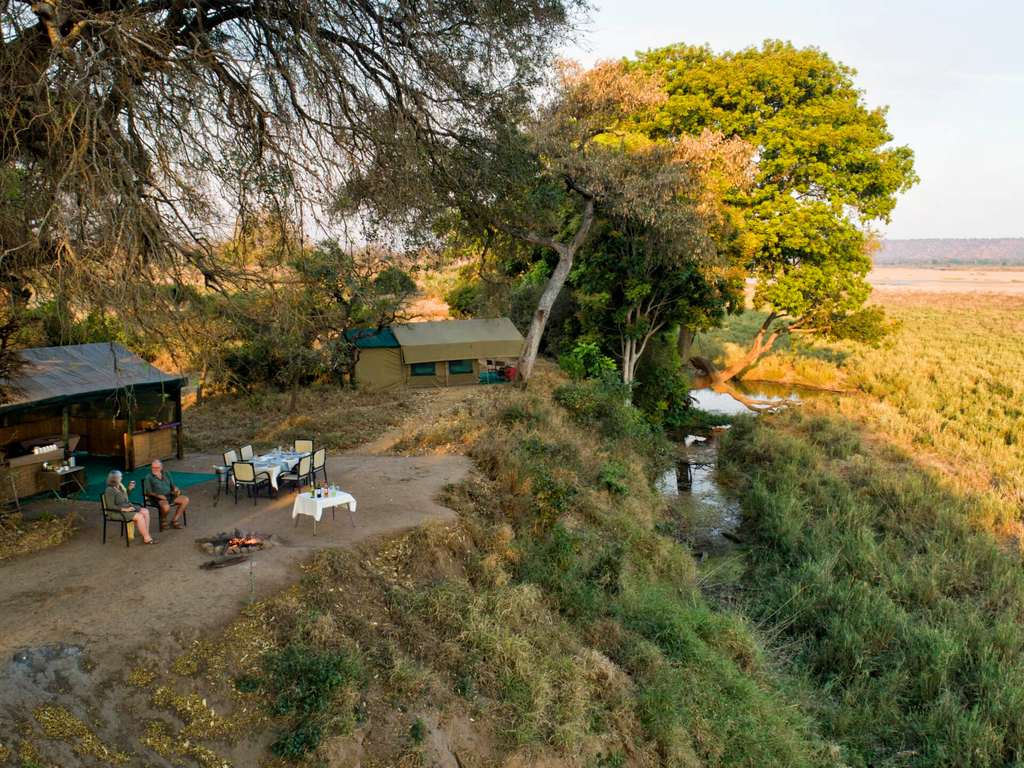
A UNESCO World Heritage Site on the Zambezi River, Mana Pools is Africa's benchmark walking-safari destination. Ancient albida forests, resident elephant that stand on their hind legs to browse, and some of the continent's most respected walking guides make this a bucket-list park for experienced safari travellers.
Matobo National Park
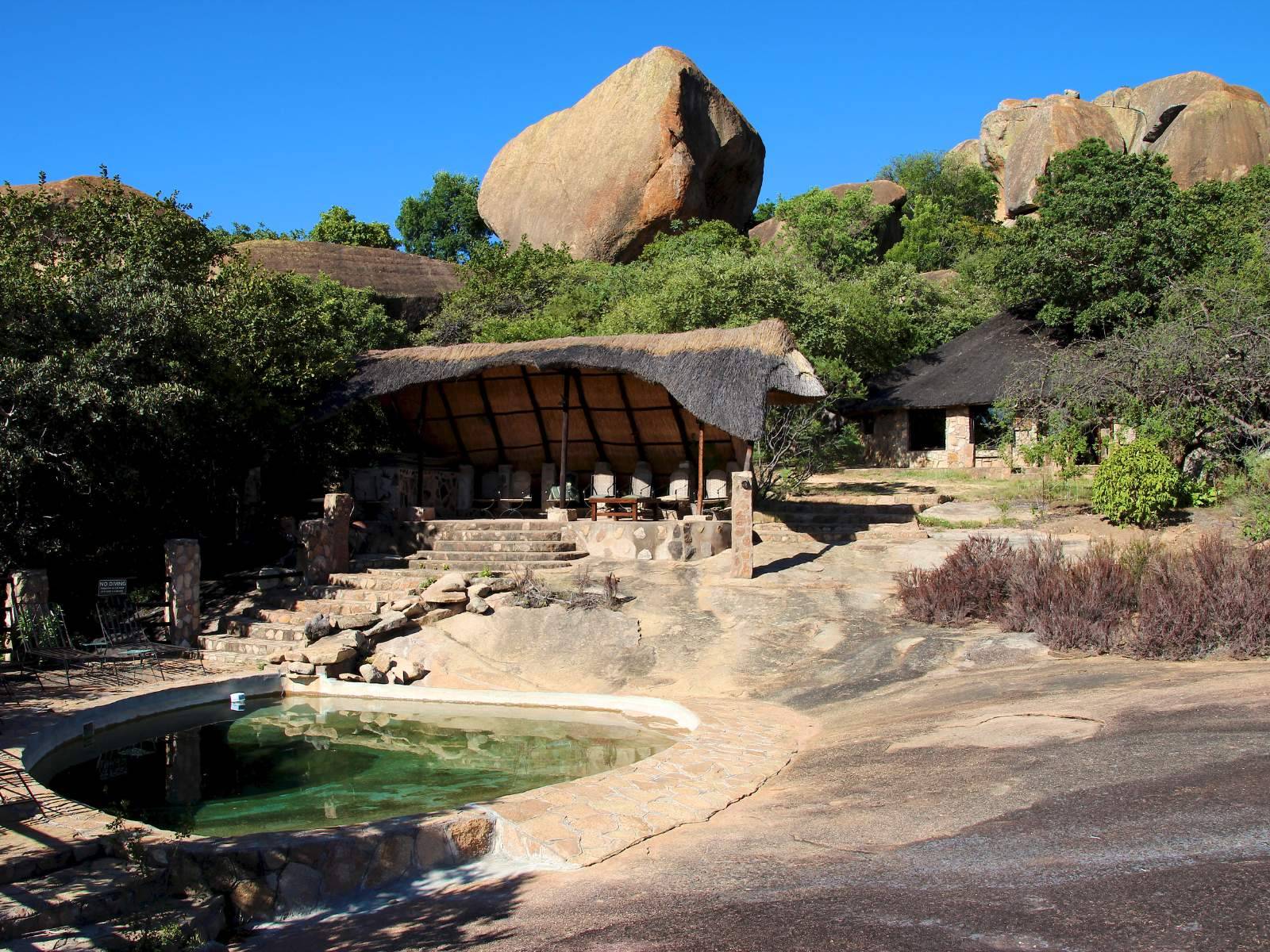
Matobo National Park South of Bulawayo, Matobo is a UNESCO World Heritage Site of sculpted granite whalebacks (“kopjes”), San rock art galleries thousands of years old, and the highest density of black and white rhino in Zimbabwe under close protection. Cecil Rhodes is buried at World's View within the park.
Victoria Falls & Zambezi National Park
One of the Seven Natural Wonders of the World, Victoria Falls (Mosi-oa-Tunya, “The Smoke That Thunders”) straddles the border with Zambia. The town of Victoria Falls is Zimbabwe's adventure and safari hub, with white-water rafting, bungee jumping, helicopter flights, and sundowner cruises on the Zambezi.
Lake Kariba & Matusadona National Park
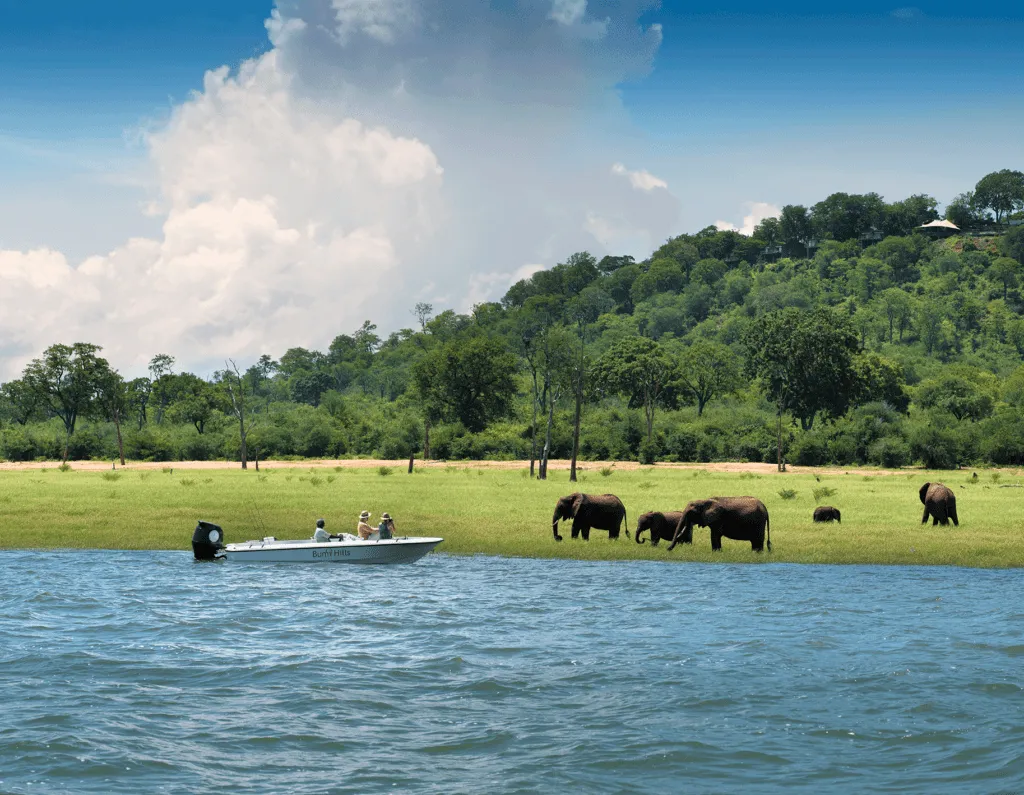
One of the world's largest man-made lakes, Kariba offers a completely different safari style: houseboat cruises, tiger fishing, and game viewing along the shoreline where drought-tolerant wildlife concentrates in the dry season. Matusadona National Park on the southern shore
Gonarezhou National Park
Zimbabwe's second-largest park, in the remote southeast corner bordering Mozambique and South Africa's Kruger as part of the Great Limpopo Transfrontier Park. Gonarezhou (“place of elephants”) is known for its red sandstone Chilojo Cliffs, large elephant herds, and a genuine sense of wilderness with very few other visitors.