3-Day Chobe Wildlife Safari Guide
3-Day Chobe Wildlife Safari Guide, Chobe National Park, established in 1967 as Botswana’s first national park, stands as one of Africa’s greatest wildlife sanctuaries. Sprawling across 11,700 square kilometers in the far north of Botswana, it is most celebrated for hosting the world’s densest concentration of African elephants — an estimated 50,000 to 130,000 individuals — a spectacle that draws wildlife enthusiasts from across the globe.
The park borders four countries — Botswana, Zambia, Zimbabwe, and Namibia — giving it an extraordinary ecological richness and making it a cornerstone of the Kavango-Zambezi Transfrontier Conservation Area (KAZA), the world’s largest transboundary conservation area. The park is divided into four distinct zones: the Chobe Riverfront, Ngwezumba Pans, Savuti, and Linyanti — each offering a unique safari experience.
This 3-day safari itinerary is designed to give you the most rewarding and comprehensive wildlife experience in Chobe, combining classic game drives along the iconic Chobe River, boat safaris offering unrivalled close encounters with elephants and hippos, and deep-bush exploration in the legendary Savuti Channel. Whether you are a first-time visitor or a seasoned Africa traveler, Chobe promises encounters that will remain with you for a lifetime.
| 📍 Location
Northern Botswana |
🐘 Park Size
11,700 km² |
🗓️ Best Season
May – October |
🦁 Big Five
All Present |
Wildlife Highlights
| MAMMALS
• African Elephant (world’s largest population) • African Buffalo • Hippopotamus • Nile Crocodile • Lion • Leopard • Cheetah • African Wild Dog • Sable Antelope • Waterbuck, Impala & Zebra |
BIRDS (450+ Species)
• African Fish Eagle • Pel’s Fishing Owl • Carmine Bee-eater • Saddle-billed Stork • Martial Eagle • African Skimmer • Yellow-billed Stork • Goliath Heron • Malachite Kingfisher • Southern Ground Hornbill |
Day 1: Arrival & Chobe Riverfront Discovery
Settling In — Afternoon Game Drive — Sundowner by the River
Morning: Arrival in Kasane
Most visitors to Chobe arrive at Kasane, the gateway town located at the confluence of the Chobe and Zambezi rivers. Kasane International Airport receives scheduled flights from Johannesburg (approx. 2 hrs), Maun, and Livingstone, making it easily accessible from multiple hubs.
Upon arrival, transfer to your chosen lodge — options range from luxury riverside camps such as Chobe Game Lodge (the only lodge inside the park) or the iconic Sanctuary Chobe Chilwero, to comfortable mid-range options like Kubu Lodge and Chobe Safari Lodge on the river’s edge in Kasane. Allow time to freshen up and receive a safari briefing from your guide.
Afternoon: Chobe Riverfront Game Drive (3:00 PM – 6:30 PM)
Your first safari experience begins along the legendary Chobe Riverfront — arguably one of the finest game-viewing corridors in all of Africa. As the afternoon heat subsides, wildlife gravitates to the riverbanks in extraordinary numbers, creating a natural theatre unlike anything else on the continent.
What to Expect:
- Massive elephant herds descending to the river to drink, bathe, and socialise — sometimes numbering in the hundreds. Watch as bulls spar playfully and calves are guided by their mothers into the shallows.
- Large pods of hippos occupying the deeper channels, yawning, grunting, and jostling for position — particularly active in the late afternoon.
- Buffalo herds moving in columns of hundreds across the floodplains, dust rising behind them as they head for the water’s edge.
- Nile crocodiles basking motionlessly on sandbars and banks — some reaching lengths of over 4 metres.
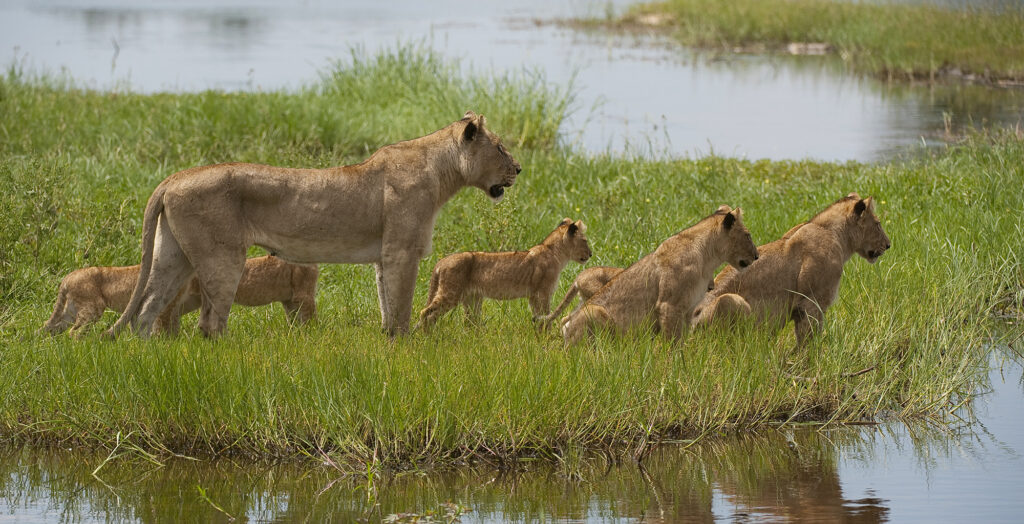
- Lion prides occasionally patrolling the riverfront vegetation, and if luck is on your side, stalking or taking down prey at the water’s edge.
- Waterbuck, impala, zebra, and warthog grazing the floodplains; puku antelope (rare in Botswana) visible in some sections.
Evening: Sundowner & River Dinner
As the African sun begins its descent, your guide will find a scenic viewpoint overlooking the Chobe River for a traditional bush sundowner — gin and tonic, cold beer, or local Amarula in hand while the sky turns shades of amber and crimson. Look out for spectacular avian displays: fish eagles calling across the water, flocks of carmine bee-eaters returning to their nesting colonies, and open-billed storks coming in to roost.
Return to your lodge for dinner under the stars. Most riverfront lodges offer outdoor dining with views across the Chobe River into Namibia’s Caprivi Strip — listen for the distant calls of hyenas, hippos, and nightjars as you dine.
| 🌿 Safari Tip — Day 1
Dress in neutral, earthy tones (khaki, olive, brown). Avoid bright colours, white, and blue — they attract tsetse flies and disturb wildlife. Apply insect repellent containing DEET before every game drive and carry a light fleece or jacket for early mornings and late evenings, even in the dry season. |
Day 2: Boat Safari & Savuti Channel Exploration
Dawn River Safari — Deep-Bush Savuti Game Drive — Night Drive
Early Morning: Sunrise Boat Safari on the Chobe River (6:00 AM – 9:00 AM)
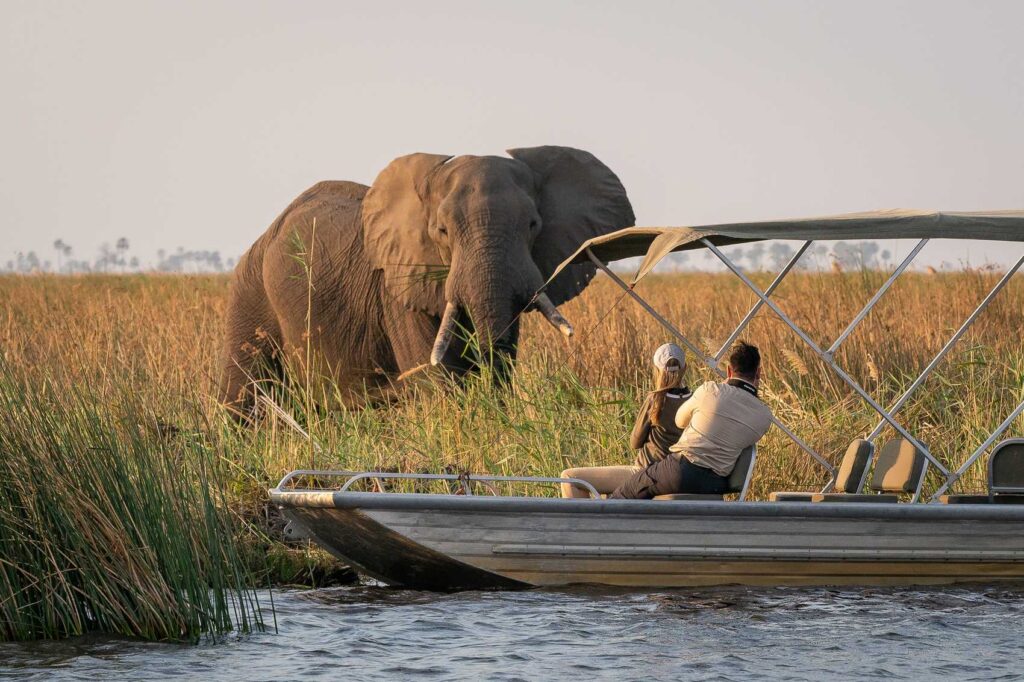
Rise before dawn for one of Africa’s most extraordinary wildlife experiences — a boat safari on the Chobe River at sunrise. This perspective from the water offers a completely different dimension of safari that no land-based game drive can replicate. The Chobe River at dawn is hauntingly beautiful: mist rises from the still surface, African fish eagles pierce the silence with their iconic call, and the golden light of the rising sun illuminates the floodplains in extraordinary tones.
Unforgettable Boat Safari Experiences:
- Elephants swimming across the Chobe River — one of wildlife photography’s most celebrated spectacles. Adult bulls often swim long distances between islands, with only their heads and the tips of their raised trunks visible above the waterline.
- Hippos encountered at eye level — boat safaris allow you to approach at a respectful distance while remaining at their level, offering unparalleled photographic opportunities.
- Nile crocodiles seen in full from the river, sprawled on low sandbanks just metres away from your vessel.
- Hundreds of elephants crowding the banks simultaneously during peak dry season (August–October), creating scenes of almost unimaginable wildlife density.
- Exceptional birdlife: African skimmers skimming the river surface, malachite and giant kingfishers perched on low branches, goliath herons standing motionless in the shallows, and colonies of white-fronted bee-eaters nesting in the riverbanks.
- Cape clawless otters occasionally spotted playing along the water’s edge in the early morning.
Midday: Return to Lodge, Lunch & Rest (9:30 AM – 3:00 PM)
After your boat safari, return to the lodge for a hearty bush breakfast and some well-deserved rest. The midday hours in Africa are typically the hottest and least productive for wildlife viewing, as most animals seek shade during peak heat. Use this time to review your photographs, read, or simply relax by the pool overlooking the river. Many lodges also offer optional wellness treatments or guided birdwatching around the lodge gardens.
Afternoon: Savuti Channel Game Drive (3:30 PM – 7:00 PM)
The Savuti Channel is one of Chobe’s most legendary and ecologically fascinating regions — a seasonal waterway with a mysterious history. The channel has an erratic flow governed by tectonic activity along the Chobe rift, having dried up for decades at a time and then begun flowing again. It last resumed flowing in the 1980s, and when water is present, it attracts one of the most dramatic concentrations of predators and prey in Africa.
Note: Savuti is approximately 2–3 hours drive from Kasane and is typically accessed as an overnight fly-in camp experience or as a full-day excursion. From the Chobe Riverfront, many safari operators offer dedicated fly-in day trips to Savuti, landing at the small airstrip near Savuti Camp.
Savuti Highlights:
- The Savuti Marsh — a flat, grassy expanse that floods seasonally and acts as a magnet for massive herds of buffalo, zebra, wildebeest, and elephant.
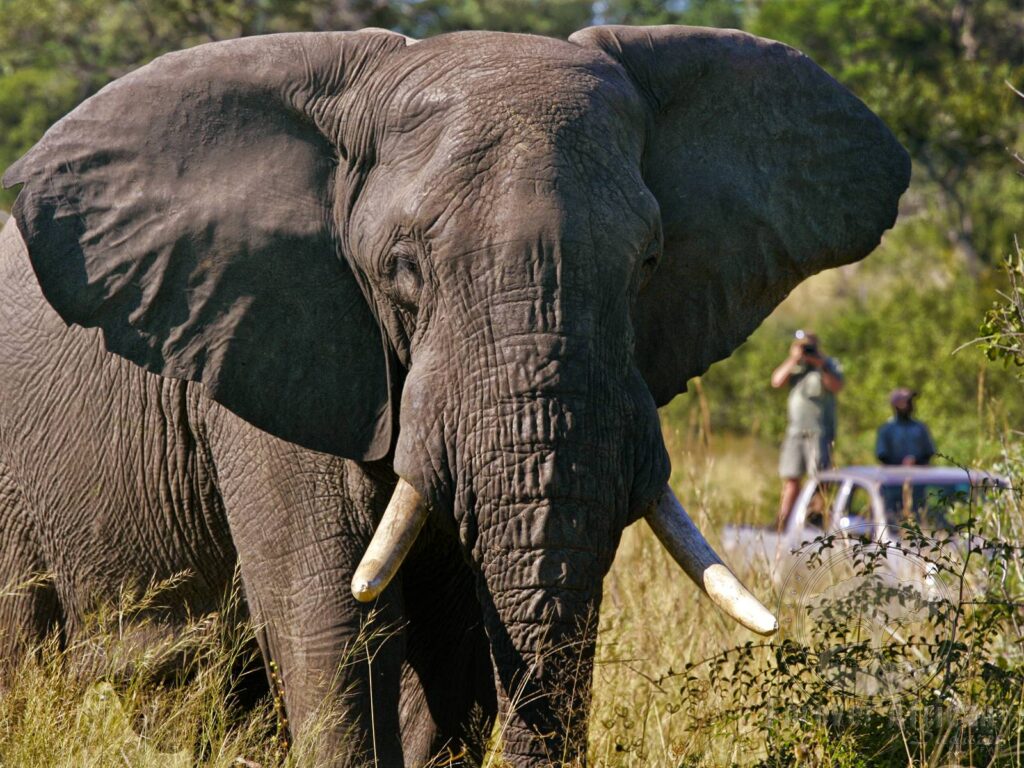
- Famous lion prides: the Savuti lion prides are known globally for their remarkable behaviour of hunting elephant — even adult bulls — behaviour documented in National Geographic films and rare anywhere else in Africa.
- Spotted hyena clans in large numbers, often clashing dramatically with lions over kills.
- Wild dog (African painted wolf) packs have been regularly recorded around Savuti — one of the more reliable places in southern Africa to spot this critically endangered species.
- Large concentrations of plains game: zebra, wildebeest, tsessebe, eland, giraffe, and red lechwe near water.
- Ancient San rock paintings and archaeological sites near Savuti Hill (ask your guide for context on these sites).
Night: Optional Night Drive (8:00 PM – 10:00 PM)
If your lodge or camp offers night drives (not permitted in all sectors of Chobe), take advantage of this rare opportunity to encounter the park’s nocturnal residents. A handheld spotlight reveals a completely different cast of characters — leopards on their nightly hunts, spring hares bounding across the beam of light, African civets and genets moving through the bush, and lions on patrol. The Milky Way blazing overhead in Botswana’s unpolluted skies makes the experience doubly spectacular.
Accommodation Options — Chobe Region
| Property | Category | Notes |
| Chobe Game Lodge | Ultra-Luxury | Only lodge inside the park; solar-powered; private game vehicles; iconic heritage |
| Sanctuary Chobe Chilwero | Luxury | Clifftop views over the Chobe River; infinity pool; renowned cuisine |
| andBeyond Chobe Under Canvas | Luxury Mobile | Seasonal tented camp; intimate; deep in the park |
| Belmond Eagle Island Lodge | Luxury | Located on island in Okavango Delta; accessible by boat/helicopter |
| Chobe Safari Lodge | Mid-Range | On the riverbank in Kasane; wide range of activities; value for money |
| Kubu Lodge | Mid-Range | Comfortable chalets; good river frontage; ideal for families |
Day 3: Linyanti Wetlands & Farewell to Chobe
Final Morning Game Drive — Linyanti Exploration — Departure
Early Morning: Final Chobe Riverfront Drive (6:00 AM – 9:00 AM)
Rise once more at dawn for a final early morning game drive along the Chobe Riverfront — often the most rewarding session of any safari, as nocturnal predators may still be active and elephants drink heavily in the cool of the morning. No two mornings in Chobe are alike: the river reveals different characters, different dramas, and different lighting every single day.
This morning, ask your guide to explore the less-visited eastern sections of the Riverfront road, which offer excellent leopard territory and quieter buffalo grazing areas. With fewer vehicles than in peak afternoon hours, early mornings often allow for longer, undisturbed wildlife encounters.
Morning: Linyanti Wetlands & Selinda Reserve (Optional Day Trip)
For those with an extra half-day, the Linyanti Wetlands to the west of Chobe represent one of Botswana’s most exclusive and least-visited wilderness areas — a mosaic of wetlands, seasonal floodplains, and dry woodland that forms the western boundary of the KAZA conservation area.
The Linyanti system — comprising the Linyanti River, Selinda Spillway, and surrounding private concessions — holds exceptional concentrations of wildlife, particularly in the dry season when water sources concentrate animals. Private concessions here (Linyanti Bush Camp, King’s Pool, and Selinda Camp) operate on an exclusive-use basis, meaning you may be the only vehicle watching a pride of lions or a pack of wild dogs.
Linyanti Wildlife Encounters:
- Some of the highest densities of roan antelope and sable antelope in Botswana — both species rare and spectacular.
- Wild dog packs ranging across the open woodlands and floodplains; Linyanti is one of the best places in Africa to witness a wild dog hunt.
- Massive reedbuck, waterbuck, and sitatunga (a semi-aquatic antelope) in the wetter areas.
- Nile crocodile in extraordinary numbers along the Linyanti River channel.
- Exceptional elephant aggregations: in September and October, the Linyanti system can hold over 15,000 elephants in one concentrated area — a wildlife spectacle that defies description.
- Black rhinoceros have been reintroduced to select concessions in the Linyanti area — guided walks and specialist drives offer a chance to track them on foot with armed guides.
Afternoon: Guided Bush Walk & Cultural Experience
In the early afternoon, before preparing for departure, consider a guided walking safari through the riverine vegetation adjacent to your lodge. Walking safaris in Chobe offer an entirely different sensory experience — tracking animal spoor (footprints and signs), learning about medicinal plants used by local communities, identifying bird calls, and encountering the ‘small five’ (leopard tortoise, elephant shrew, ant lion, rhino beetle, and buffalo weaver) that are easily missed from a vehicle.
Many camps also facilitate visits to the nearby village of Kasane or community projects supported by sustainable tourism revenue, giving visitors insight into the relationship between local Batswana communities and the wildlife that surrounds them — a profound dimension of the safari experience that connects conservation to human lives.
Evening: Sunset & Departure
As your Chobe safari draws to a close, take a final walk to the riverbank at sunset. Watch the sky ignite above the Namibian floodplains opposite, as elephants silhouette against the fading light and the first hippos begin to emerge from the river for their nightly grazing. The Chobe River at dusk, with its chorus of frogs and distant hyenas, is one of Africa’s most evocative soundscapes.
Transfer to Kasane Airport for your onward flight. Many travellers choose to combine Chobe with a visit to Victoria Falls (just 70 km away in Zimbabwe/Zambia), the Okavango Delta, or Hwange National Park in Zimbabwe — all easily accessible from Kasane.
Essential Safari Planning Information
Best Time to Visit
| Season | Months | Highlights |
| Peak Dry Season | July – October | Best game viewing; maximum elephant concentrations; minimal vegetation; cool mornings |
| Early Dry Season | May – June | Good game viewing begins; pleasant temperatures; fewer visitors; lower rates |
| Green Season | November – April | Lush landscapes; excellent birdlife; newborn animals; lower prices; some roads impassable |
| Shoulder Season | April & November | Transition periods; good value; unpredictable conditions but often excellent sightings |
Entry Requirements & Park Fees
- Passport & Visa: Citizens of most countries receive a visa-free entry or visa on arrival for Botswana. Always check current requirements with the Botswana Department of Immigration.
- Park Fees: Chobe National Park entry fees are set by the Botswana Department of Wildlife and National Parks (DWNP). Fees are charged per person per day and are typically included in your lodge or safari package. Always confirm whether fees are included before booking.
- Conservation Levy: Botswana charges a tourism levy per visitor per day that goes directly into conservation and community development funds — one of the continent’s most progressive funding models.
- Firearms: Strictly prohibited inside the national park. All firearms must be declared at the border.
Health & Safety
- Malaria: Chobe is a malaria zone. Consult a travel health clinic well before departure for appropriate prophylaxis. Apply DEET repellent at dawn and dusk, use mosquito nets, and wear long sleeves and trousers after dark.
- Yellow Fever: A yellow fever vaccination certificate may be required if travelling from a yellow fever-endemic country. Check current requirements.
- Water: Drink only bottled or purified water. All reputable lodges provide safe drinking water.
- Wildlife Safety: Never exit your vehicle in the bush without a guide. Elephants, hippos, and buffalo are responsible for more fatalities in Africa than lions. Always follow your guide’s instructions without exception.
- Medical Evacuation: Travel insurance with emergency medical evacuation cover is strongly recommended. The nearest major hospital is in Livingstone, Zambia, or Maun, Botswana.
What to Pack
| CLOTHING & ESSENTIALS
✓ Lightweight khaki/olive shirts and trousers ✓ Fleece or light jacket for cool mornings ✓ Wide-brimmed hat and UV-protection sunglasses ✓ Sturdy, comfortable walking shoes or boots ✓ Sandals for lodge/camp use ✓ Swimwear (most lodges have pools) ✓ Long-sleeved layers for evenings (mosquito protection) |
GEAR & DOCUMENTS
✓ Camera with telephoto lens (minimum 300mm) ✓ Binoculars (8×42 or 10×42 recommended) ✓ Sunscreen SPF 50+ and DEET insect repellent ✓ Headlamp or torch for night walks ✓ Passport, travel insurance documents ✓ Power bank and universal adapter ✓ Field guides: Mammals of Southern Africa, Roberts Birds |
Recommended Safari Extensions
Chobe’s proximity to multiple iconic destinations makes it an ideal starting point for a broader southern and east African itinerary. Consider combining your Chobe safari with:
- Victoria Falls (Zimbabwe/Zambia) — 70 km from Kasane. One of the Seven Natural Wonders of the World, the falls are most spectacular from February to May. Activities include white-water rafting, bungee jumping, and sunset cruises on the Zambezi.
- Okavango Delta (Botswana) — 1-hour flight from Kasane to Maun. The world’s largest inland delta — a UNESCO World Heritage Site — is best explored by traditional mokoro (dugout canoe), walking safaris, and fly-camp experiences. Prime season: June to October.
- Hwange National Park (Zimbabwe) — 2-hour drive or short flight. Zimbabwe’s largest park with extraordinary elephant populations, spectacular pans, and some of Africa’s finest guided walking safaris.
- Kafue National Park (Zambia) — A vast, remote wilderness with excellent cheetah sightings, wild dog packs, and significantly fewer visitors than Chobe — ideal for travellers seeking solitude.
- Moremi Game Reserve (Botswana) — Located within the Okavango Delta; arguably the most biodiverse park in Botswana. Combines the best of wetland and dry woodland safari in a single destination.