Moremi Game Reserve Safari 2026 | Best Botswana Wildlife Tours
Moremi Game Reserve sits on the eastern side of the Okavango Delta in northern Botswana, covering roughly 5,000 square kilometres of floodplain, lagoon, mopane woodland, and acacia forest. Proclaimed in 1963 at the initiative of the local Batawana community and named after the late Chief Moremi III, it was one of the first reserves in Africa to be established by an indigenous community rather than a colonial government, and it remains one of the best-protected corners of the Delta.
The reserve encloses Chief’s Island, the largest dry-land mass inside the Okavango Delta, along with the Moremi Tongue and the seasonally flooded Khwai and Xakanaxa systems. Because water, woodland, and grassland all meet within a small area, Moremi delivers an unusually complete cross-section of Delta habitats in a single trip — which is why it consistently ranks among the top wildlife-viewing destinations on the continent.
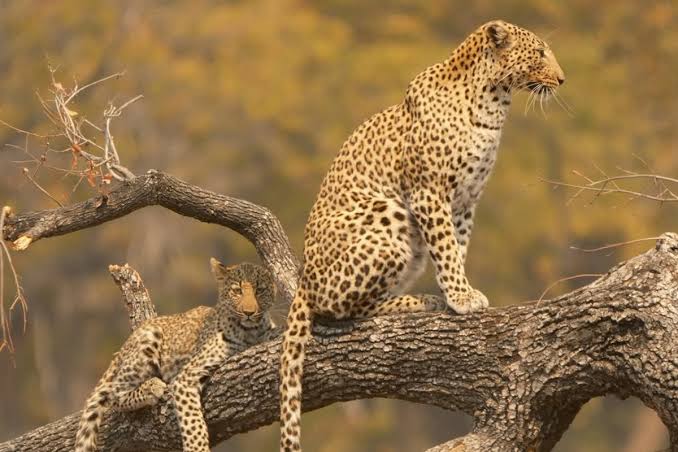
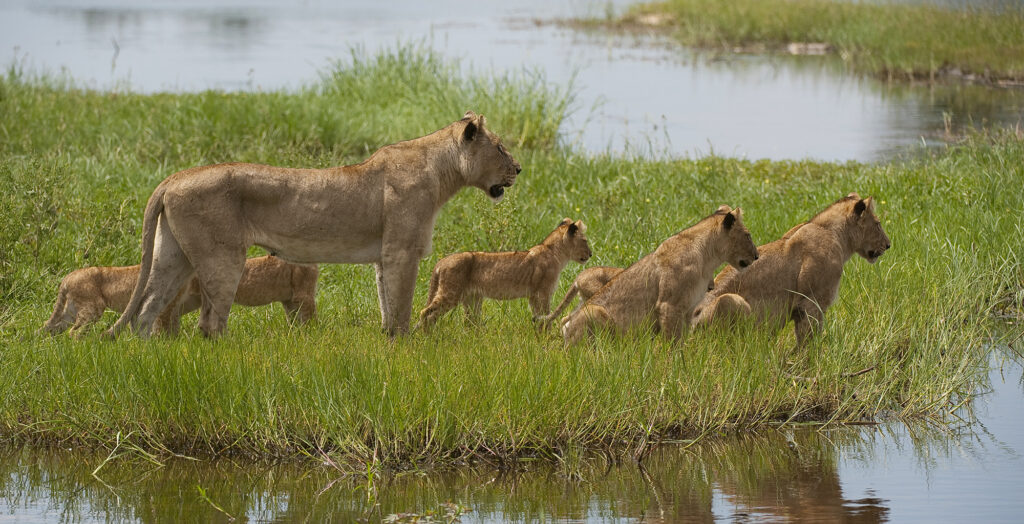
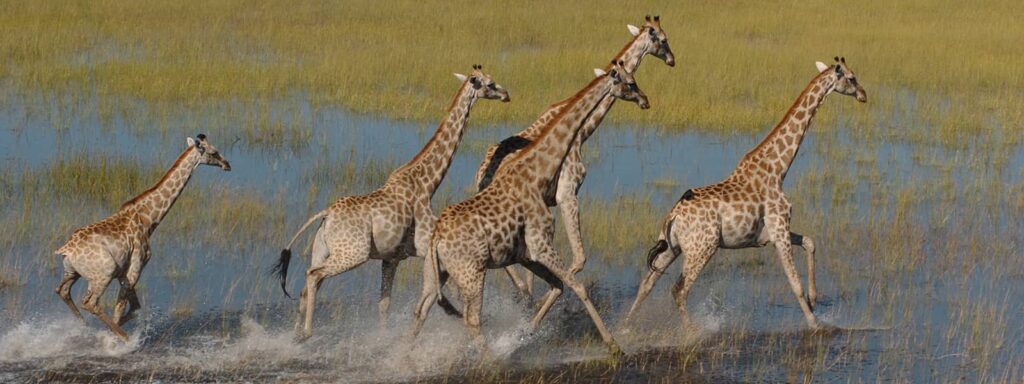
- Wildlife: healthy populations of elephant, lion, leopard, buffalo, hippo, giraffe, zebra, and lechwe, plus some of Botswana’s best sightings of African wild dog and cheetah.
- Landscape: floodplains and lagoons in the west (Xakanaxa, Third Bridge), drier mopane and acacia country in the south and east (South Gate, Khwai).
- Birdlife: over 400 recorded species, including one of Africa’s largest heronries at Xakanaxa Lagoon.
- Access: a mix of self-drive 4×4 routes and light-aircraft transfers to private airstrips, making it workable for both budget and luxury travellers.
| Quick Facts
Location: Eastern Okavango Delta, North-West District, Botswana Size: Approximately 5,000 km² Established: 1963 Category: A (Botswana’s premium park-fee tier, shared only with Chobe) Gates: South Gate (Maqwee) near Maun; North Gate (Khwai) bordering the Khwai Concession Nearest town/airport hub: Maun, roughly 90–100 km from South Gate |
How to Get to Moremi Game Reserve
Almost every trip to Moremi begins in Maun, Botswana’s safari gateway town and the operational base for Okavango Delta travel. From there, visitors choose between flying directly to an airstrip near their lodge or self-driving in on the reserve’s sand tracks.
By Air (the most common route)
Maun Airport (MUB) receives daily scheduled flights from Gaborone, Johannesburg, Cape Town, and Victoria Falls, along with regional connections from Kasane and Livingstone. From Maun, light aircraft charters — typically 12 to 25 minutes in the air — land at bush airstrips serving the various lodges inside and around Moremi, such as Xakanaxa, Khwai, and Mombo. Most fully serviced lodges include these transfers in their rates or arrange them directly with the guest.
- Best for: travellers on a fixed schedule, honeymooners, and anyone staying at a lodge rather than a public campsite.
- Typical baggage limit: soft-sided bags only, usually capped around 20 kg per person on light aircraft — confirm with your operator before packing.
By Road (self-drive or transfer)
The drive from Maun to South Gate covers roughly 90 to 100 km. The first stretch out of Maun is tarred or graded gravel; the final approach into the reserve is deep Kalahari sand, and a low-range 4×4 is essential, not optional. From South Gate, sand tracks and log-plank bridges connect the interior sites — Third Bridge, Xakanaxa, and onward to North Gate (Khwai) — with total driving distances across the reserve stretching to 45 km or more between key points.
- From the south: leave Maun heading north-east on the Shorobe road, then continue to South Gate (Maqwee Gate).
- From the north (via Chobe/Kasane): travellers coming from Chobe National Park or Kasane drive south through the Khwai village area and enter at North Gate.
- Vehicle requirements: a high-clearance 4×4 with good ground clearance, a snorkel is advisable in the wet season, and enough fuel, food, and water to be self-sufficient — there are no shops or fuel stations inside the reserve.
- Bridge weight limit: the reserve’s wooden bridges are rated for vehicles under roughly 5 tonnes, which rules out large overland trucks on some routes.
| Getting There — Practical Notes
Fuel up fully in Maun; there is no fuel available inside Moremi. Roads become significantly harder to negotiate in the rainy season (November to March); some sections may close. Gate hours generally run from sunrise to sunset — confirm exact times with the Department of Wildlife and National Parks (DWNP) before travelling, as they vary slightly by season and gate. Book any public campsite before you set out — the DWNP concessionaires do not accept walk-ins, and gate staff will check your voucher. |
Best Time to Visit Moremi Game Reserve
Moremi rewards visitors year-round, but the character of a safari here changes dramatically with the season. The dry winter months concentrate wildlife around permanent water, while the summer rains green the bush, scatter the game, and bring the bird migrants.
| Season | Months | What to Expect |
| Peak Dry Season | July – October | Best overall game viewing; animals concentrate at the Delta’s permanent water. Cooler mornings, warm days, dusty tracks. Highest lodge rates and busiest campsites. |
| Early Dry / Shoulder | April – June | Delta floodwaters are rising or at their fullest, landscapes are lush and green, game viewing is already strong and crowds are thinner. |
| Green / Wet Season | November – March | Best birdwatching, with migrant species and newborn animals. Roads can be difficult or impassable after heavy rain; some self-drive routes and campsites may close temporarily. |
| Shoulder (Value) | March – May & September – October | Good compromise of scenery, wildlife, and lower lodge rates — often 15–25% cheaper than peak season. |
- For first-time safari-goers: aim for July to September, when dense mopane and acacia thin out and animals gather predictably around the Khwai River, Xakanaxa Lagoon, and the floodplains near Third Bridge.
- For photographers and birders: consider January to March for dramatic skies, migratory birds, and newborn antelope, accepting a higher chance of rained-out roads.
- For self-drivers: the dry months are far more forgiving; deep-sand and water-crossing conditions in the wet season call for real 4×4 experience.
Game Drives in Moremi Game Reserve
Game drives are the primary way to explore Moremi. Because walking safaris and night drives are not permitted inside the reserve itself, wildlife viewing here happens from a vehicle (self-driven or guided) or, in the water-rich western sectors, from a mokoro or motorised boat.
Self-Drive Game Drives
Self-drivers explore at their own pace along the reserve’s internal network of sand tracks, connecting South Gate, Third Bridge, Xakanaxa, and North Gate. This suits travellers who already have 4×4 experience, enjoy independence, and are comfortable navigating with GPS tracks and paper maps as backup, since signage inside the reserve is minimal.
Guided Game Drives
Lodges and camps run scheduled morning and afternoon game drives with experienced local guides who track the resident lion prides, leopard, and wild dog packs. Guided drives typically leave before sunrise to catch predators still active from the night, and again in the late afternoon through to sunset.
Where the Game Concentrates
- Khwai River / North Gate area: reliable predator sightings, especially lion, along the river frontage.
- Xakanaxa Lagoon: elephant, buffalo, and hippo around the water’s edge, plus exceptional birdlife.
- Third Bridge and Mboma Island: strong dry-season concentrations of general game and good predator activity.
- Chief’s Island (Mombo area): some of the highest lion and leopard densities in the reserve, mainly accessed via private concession lodges rather than public self-drive routes.
| Game Drive Tips
Stay in your vehicle at all times except at designated rest points — Moremi is unfenced and predators move freely, even near campsites. Early morning and late afternoon are the most productive windows; midday heat pushes most animals into shade. Keep a respectful distance from elephants, especially lone bulls or breeding herds with calves. Carry a printed map or offline GPS tracks; mobile signal inside the reserve is unreliable to non-existent. |
Things to Do in Moremi Game Reserve
Mokoro Excursions
A mokoro is the traditional dugout (now often fibreglass) canoe used to move silently through the Delta’s shallow channels. Poled by a local guide, a mokoro trip is the quietest and most intimate way to experience the Okavango — gliding past lily pads, reed beds, and grazing lechwe at water level, often with excellent close-up birding.
Boat Cruises on the Delta Channels
From Xakanaxa and other lagoon-side camps, motorised boat cruises cover more ground than a mokoro and are particularly good for spotting hippo pods, crocodile, and water-associated birdlife such as African fish eagle, pel’s fishing owl, and herons.
Birdwatching
With more than 400 recorded species, Moremi is a serious birding destination. The Xakanaxa Lagoon area holds one of the largest heronries in Africa, drawing egrets, storks, and herons to nest in season, while the floodplains attract African skimmer, wattled crane, and a long list of migrants between November and March.
Photography
The combination of open floodplain, reflective lagoons, and habituated wildlife makes Moremi a favourite for wildlife photographers. Early and late light on the Khwai River and Xakanaxa Lagoon is especially prized.
Cultural and Village Visits
Trips through or near Khwai village, on the reserve’s northern boundary, offer the chance to learn about the Bugakhwe and Basarwa communities who co-manage the surrounding concession areas and have deep historical ties to the land Moremi now protects.
| Not Permitted Inside Moremi
Walking safaris and guided bush walks are not allowed within the reserve itself (they are offered in some adjoining private concessions). Night drives are not permitted inside Moremi’s public area, though some private concessions bordering the reserve do offer them. Off-track driving is prohibited — stick to marked routes to protect the fragile floodplain ecology. |
Attractions in Moremi Game Reserve
Chief’s Island
The largest island in the Okavango Delta and the ecological heart of Moremi, Chief’s Island holds some of the highest predator densities in Botswana. Most access is via private concession lodges (such as the Mombo area) rather than the public self-drive network.
Xakanaxa Lagoon
A permanent lagoon on the reserve’s western side, ringed by one of Africa’s largest heronries and reliably productive for elephant, buffalo, hippo, and big cats moving along the water’s edge.
Third Bridge
Named for the third of several log bridges crossed after entering at South Gate, this area borders the Delta and neighbouring Mboma Island, and is known for strong dry-season game concentrations and excellent predator sightings.
Khwai River and North Gate (Hippo Pools)
The Khwai River frontage near North Gate is one of the most dependable predator areas in the reserve, and the nearby Hippo Pools — named for their resident hippo pods — have a viewing platform for safe, close observation.
Mboma Island and the Moremi Tongue
A dry, wooded peninsula reaching into the floodplain, popular for game drives that combine woodland and water-margin habitats in a single loop.
Gcodikwe Heronry
One of the most significant heron and stork breeding colonies in southern Africa, active in the wetter months and a highlight for serious birders.
Where to Stay in Moremi Game Reserve
Accommodation ranges from basic public campsites run under Department of Wildlife concession to some of Africa’s most exclusive lodges. Botswana’s low-volume, high-value tourism model keeps total bed numbers deliberately small, so booking well ahead is essential at every price point.
Public Campsites (Self-Drive / Budget)
Four public campsites operate inside Moremi, each run by a different private concessionaire under licence from the DWNP. None can be booked directly through the DWNP — book through the operating company or a safari agent.
| Campsite | Location | Notes |
| South Gate (Maqwee) | Southern boundary, near Maun approach | Flush toilets and showers; the busiest site, especially during regional school holidays. |
| Third Bridge | Western interior, on the Delta’s edge | Scenic, popular, borders Mboma Island; strong dry-season game around camp. |
| Xakanaxa | Xakanaxa Lagoon, western boundary | Best base for a Delta boat cruise and birding; solar-heated ablutions. |
| North Gate (Khwai) | Northern boundary, on the Khwai River | Shaded riverside sites; watch belongings closely, as baboons here are notably bold. |
- Self-sufficiency: campsites have basic ablutions only — bring all food, water, firewood, and camping equipment.
- Booking lead time: public campsites, especially in peak season (July–October), routinely book out many months in advance.
Lodges and Tented Camps
For travellers who prefer not to camp, Moremi and its bordering concessions offer everything from comfortable tented camps to ultra-luxury lodges, most reached by light aircraft.
- Mid-range tented camps: en-suite safari tents with guided game drives and meals included, generally located inside or on the edge of the reserve at Xakanaxa or Khwai.
- Luxury lodges: high-end camps in the Chief’s Island / Mombo area and around Khwai and Xakanaxa, offering private guiding, premium game drives, and boat or mokoro activities as standard inclusions.
- Mobile safaris: a guided, fully serviced camping option where a crew sets up and breaks down camp at each stop — a popular middle ground between self-drive camping and a fixed lodge stay.
| Booking Tip
Because Moremi keeps bed and campsite numbers deliberately low, both budget campsites and luxury lodges sell out early for the July–October peak. If your dates are fixed, book accommodation and any required park permits at least six to nine months ahead for peak season travel. |
Park Fees and Practical Information
Moremi is one of only two Category A parks in Botswana (alongside Chobe), which places it in the country’s premium fee tier. Rates are payable in Botswana Pula, in cash, at South Gate or North Gate.
| Fee Type | Approximate Rate | Notes |
| Park entry, non-resident adult | P270 per person, per day | Children under 8 enter free; ages 8–17 receive a 50% discount. |
| Vehicle fee, foreign-registered | From around P75 per day | Rates rise for larger vehicles; unpublished for very large vehicles — confirm at the gate. |
| Camping fee | Set by each campsite concessionaire | Paid separately from park entry, on top of your booking with Kwalate Safaris, Xomae Group, or SKL Camps. |
A significant fee increase for Botswana’s national parks was scheduled for 1 April 2026 but was officially postponed after industry consultation, with no new implementation date announced at the time of writing. Always confirm current rates with your lodge, tour operator, or the Department of Wildlife and National Parks before finalising your budget.
| Health and Safety Essentials
Malaria is present in this region — consult a travel health professional 6–8 weeks before departure about prophylaxis and routine vaccinations. Moremi’s campsites and roads are unfenced; wildlife moves freely through camps, so never walk to ablution blocks after dark without a light and situational awareness. Carry more fuel, food, and drinking water than you think you need — there is no resupply inside the reserve. Confirm gate opening and closing times seasonally, and plan to be inside the reserve or at your exit gate before closing. |
Frequently Asked Questions
Can I self-drive to Moremi without a guide?
Yes. Moremi is one of Botswana’s most popular self-drive destinations, provided you have a capable 4×4, prior sand-driving experience, and full self-sufficiency in fuel, water, and supplies.
Is Moremi part of the Okavango Delta?
Yes. Moremi covers roughly a third of the eastern Okavango Delta and includes both permanent water systems and Chief’s Island, the Delta’s largest dry-land mass.
How many days do I need in Moremi?
A minimum of two to three nights lets you experience both the drier South Gate/Third Bridge areas and the lagoon systems at Xakanaxa or Khwai; four or more nights allow for a more relaxed pace with time for a boat cruise or mokoro excursion.
Can I combine Moremi with Chobe or the wider Okavango Delta?
Yes, and many itineraries do exactly this — linking Moremi with Chobe National Park to the north-east, or with private Okavango Delta concessions such as Khwai, for a broader Botswana safari circuit.
Marriott Safaris Africa — Perfection Anytime