3-Day Chobe Safari from Victoria Falls
The Complete Day-by-Day Itinerary, Costs, Border Guide & Travel Tips
A 3-day Chobe safari from Victoria Falls is one of the easiest and most rewarding wildlife add-ons in Southern Africa. Just over an hour’s drive from the thundering Mosi-oa-Tunya, Chobe National Park in northern Botswana holds one of the largest elephant populations on the continent, and its riverfront delivers game viewing that few parks can match in such a short time.
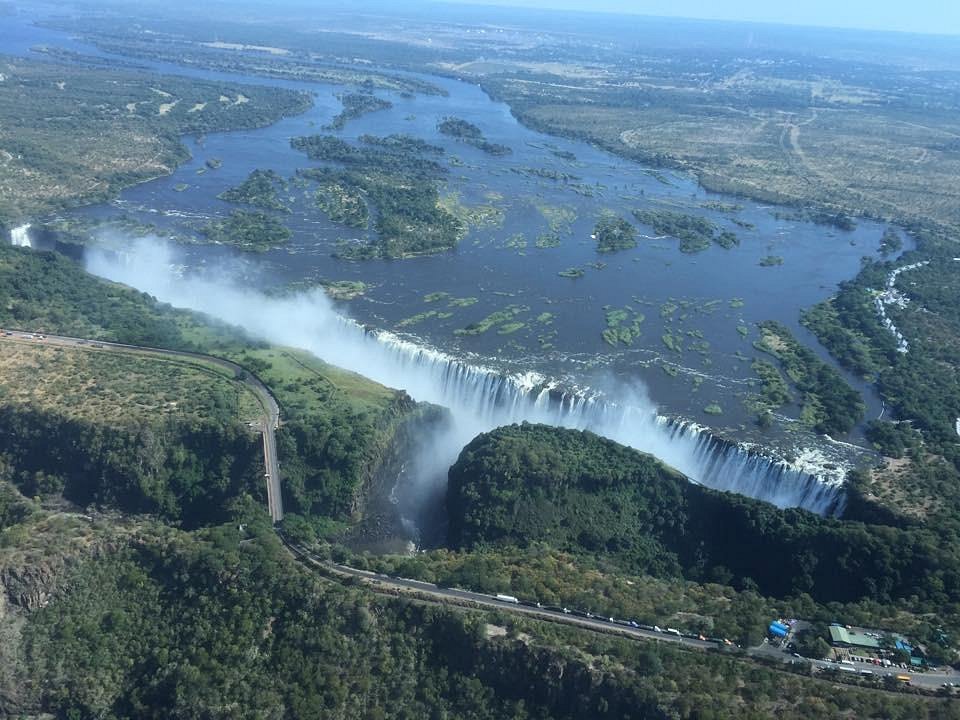
In three days you can combine a sunset boat cruise on the Chobe River, morning and afternoon game drives along the Chobe Riverfront, and plenty of time for photography, birding and simply watching herds of elephant cross the water at golden hour — all before returning to Victoria Falls for your onward flight.
This guide lays out a detailed day-by-day itinerary, explains how the Victoria Falls to Chobe transfer and Kazungula border crossing work, and covers where to stay, what it costs, when to go and what to pack.
| Trip at a Glance
Duration: 3 days / 2 nights Start & end: Victoria Falls (Zimbabwe) or Livingstone (Zambia) Base: Kasane, Botswana — gateway to the Chobe Riverfront Transfer time: About 1–1.5 hours each way, plus border formalities Highlights: Chobe River cruises, riverfront game drives, huge elephant herds, lion, buffalo, hippo, crocodile and 450+ bird species Best for: Victoria Falls visitors, honeymooners, families, photographers and first-time safari travelers |
Why Add a Chobe Safari to Your Victoria Falls Trip?
Victoria Falls is spectacular, but its surrounding parks offer limited big-game viewing on a short stay. Chobe fills that gap perfectly. The Chobe Riverfront — the park’s northern section near Kasane — concentrates wildlife along a permanent water source, especially in the dry season when animals travel great distances to drink.
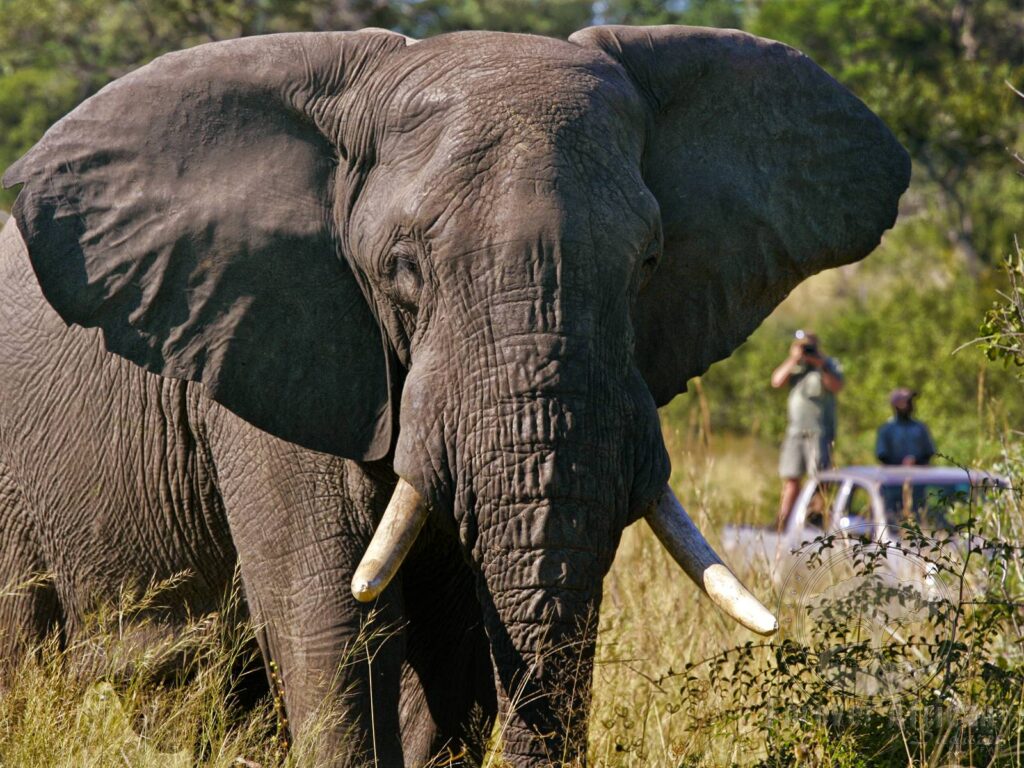
- Elephant capital of Africa: Chobe is famous for its enormous elephant population, and seeing breeding herds swim across the river is a highlight many travellers never forget.
- Two safari styles in one trip: boat-based safaris on the river and vehicle-based game drives on land give you very different perspectives on the same wildlife.
- Short, easy logistics: the transfer is short and road-based, so you avoid internal flights and can maximise wildlife time.
- Excellent photography: low boat angles, soft riverside light and close encounters make Chobe one of Africa’s best photographic destinations.
- Great value add-on: a 3-day Chobe safari turns a waterfall holiday into a full Southern African adventure without a big jump in travel time.
How to Get from Victoria Falls to Chobe
Most travelers transfer by road from Victoria Falls town (Zimbabwe) or Livingstone (Zambia) to Kasane in Botswana. Reputable safari operators include return transfers in their Chobe packages, and your driver will guide you through each border step.
Route Options
| Starting point | Border post | Approx. distance to Kasane | Approx. drive time |
| Victoria Falls, Zimbabwe | Kazungula (Zimbabwe–Botswana road border) | About 80 km | 1–1.5 hrs + border |
| Livingstone, Zambia | Kazungula Bridge (Zambia–Botswana) | About 70–75 km | 1–1.5 hrs + border |
| Victoria Falls Airport (VFA) | Kazungula (Zimbabwe–Botswana) | About 95–100 km | 1.5–2 hrs + border |
| Kasane Airport (BBK) alternative | No land border needed | Short transfer into Kasane | Under 15 mins |
The Kazungula Border Crossing, Step by Step
- Exit Zimbabwe (or Zambia): present your passport at the immigration desk and have your exit stamp issued.
- Enter Botswana: complete the arrival form, present your passport and, if required for your nationality, your visa.
- Foot-and-mouth control: you may be asked to step on a disinfectant mat and declare any meat or dairy products; vehicles pass through a disinfectant trough.
- Tourism levy: most foreign visitors to Botswana pay a Tourism Development Levy (TDL), which can usually be paid online beforehand or at the border.
- Continue to Kasane: the town sits only a short drive from the border, right on the edge of Chobe National Park.
| Pro Tip: Border Timing
Border queues are usually shortest early in the morning. Leaving Victoria Falls between 07:00 and 08:00 typically gets you to Kasane in time for lunch and a relaxed afternoon river cruise. |
3-Day Chobe Safari Itinerary at a Glance
| Day | Route | Key activities | Overnight | Meals |
| Day 1 | Victoria Falls → Kasane | Border crossing, lodge check-in, afternoon Chobe River sunset cruise | Kasane / Chobe Riverfront | Lunch, Dinner |
| Day 2 | Chobe National Park | Early-morning game drive, midday rest, afternoon game drive or photographic boat safari | Kasane / Chobe Riverfront | Breakfast, Lunch, Dinner |
| Day 3 | Kasane → Victoria Falls | Optional sunrise game drive or boat, breakfast, return transfer and airport drop-off | End of tour | Breakfast |
Day 1: Victoria Falls to Chobe — Sunset River Cruise
Your 3-day Chobe safari from Victoria Falls begins with an easy morning transfer and ends on the water, with the sun setting over the Chobe River and the Namibian floodplains beyond.
07:30 Hotel pick-up — Your guide collects you from your Victoria Falls hotel (or Livingstone, if you are staying on the Zambian side). Keep your passport handy; the drive to the border takes about an hour through mopane woodland, and elephants are sometimes seen along the road.
08:30 Kazungula border — Complete Zimbabwe exit and Botswana entry formalities. Your guide assists with forms, the tourism levy and the foot-and-mouth disinfection point.
10:00 Arrive in Kasane — Check in at your riverfront lodge. Kasane is a small, friendly safari town with supermarkets, ATMs and cafés — a good chance to pick up extra water, snacks or sunscreen.
12:30 Lunch & rest — Enjoy lunch overlooking the river. The midday heat is when most animals rest, so this is time to relax by the pool or enjoy the birdlife around the lodge.
15:00 Chobe River sunset cruise — Board your boat for a roughly three-hour cruise along the Chobe River. Expect hippo pods, huge Nile crocodiles basking on sandbanks, buffalo grazing on Sedudu Island, and elephants coming down to drink, bathe and swim. Birders can look for African fish eagle, African skimmer, carmine bee-eater (seasonal) and a variety of kingfishers.
18:00 Sundowner moment — As the sky turns orange over the floodplains, the boat slows for sundowner photographs — one of the most iconic images of any Botswana safari.
19:30 Dinner — Return to the lodge for dinner and an early night ahead of your morning game drive.

| Day 1 Highlights
Kazungula border crossing into Botswana • Riverfront lodge check-in • Sunset boat cruise with elephants, hippos and crocodiles |
Day 2: Full Day of Game Viewing in Chobe National Park
Day 2 is the heart of your Chobe safari — a full day dedicated to the wildlife of the Chobe Riverfront, the most accessible and most game-rich section of the park.
05:30 Wake-up call — Coffee, tea and a light snack before heading out. Mornings can be chilly from May to August, so bring a warm layer.
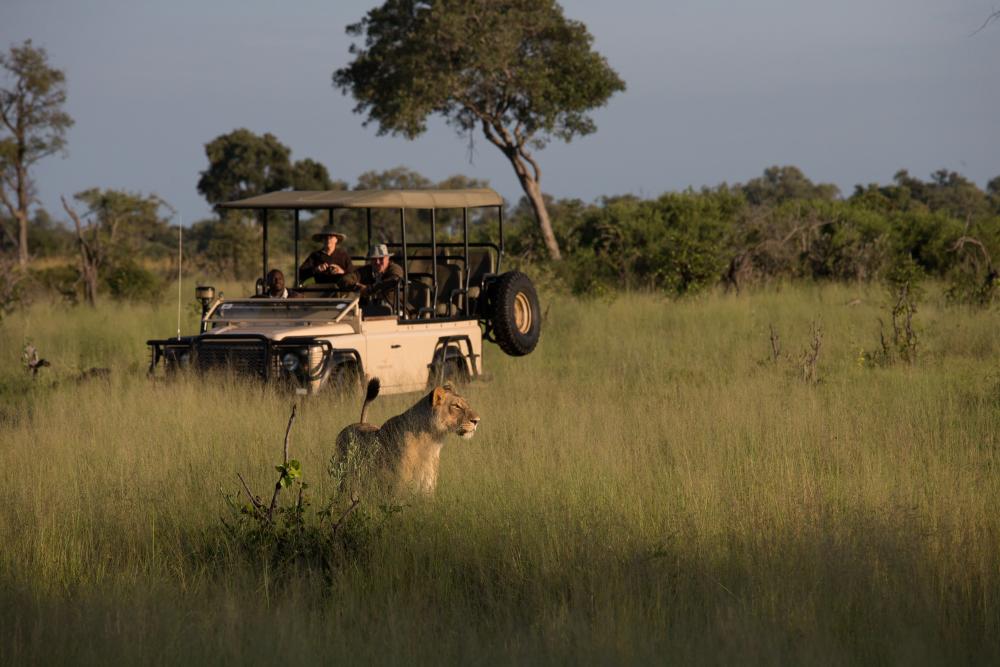
06:00 Morning game drive — Enter the park through Sedudu Gate in an open 4×4 safari vehicle. Early morning is prime time for predators: lions returning from a night’s hunt, spotted hyena, and — with luck — leopard in the riverine woodland. Watch for large buffalo herds, giraffe, zebra, sable and roan antelope, and the Chobe bushbuck and puku, which are special to this region.
10:00 Brunch at the lodge — Return for a hearty breakfast or brunch as the day warms up.
11:00 Midday break / optional activity — Relax, edit your photos, or choose an optional activity such as a cultural village visit, a Kasane town tour or a visit to the Seboba Nature Trail area near town.
15:00 Afternoon activity — Choose a second game drive to explore different loops of the Riverfront, or a specialized photographic boat safari on a smaller, stabilized boat with camera mounts — ideal for close, eye-level shots of elephants and birds.
18:30 Return & dinner — Park gates close around sunset, so vehicles head back to Kasane in the golden hour. Enjoy dinner and share sightings around the fire.
| Game Drive vs. Boat Cruise: Which Is Better?
Both. Game drives are best for predators, antelope and seeing how animals move through the landscape. Boat cruises are best for elephants swimming, hippos, crocodiles and water birds — and they are more relaxed in the heat of the afternoon. A 3-day itinerary lets you enjoy each at least once. |
Day 3: Sunrise Safari and Return to Victoria Falls
Squeeze in one final wildlife experience before your return transfer to Victoria Falls.
06:00 Optional sunrise game drive or boat — Head out for a last look at the Riverfront. Morning boat trips are calmer and quieter than the popular afternoon cruises, with beautiful soft light on the water.
09:00 Breakfast & check-out — Return to the lodge for breakfast, pack and check out.
10:30 Transfer to Victoria Falls — Drive back to the Kazungula border for Botswana exit and Zimbabwe (or Zambia) entry formalities.
12:30 Arrive in Victoria Falls — Drop-off at your hotel or at Victoria Falls Airport for your onward flight. If you have extra time, visit the Falls’ rainforest viewpoints or enjoy a Zambezi sunset cruise to round off your trip.
| Flight Planning Tip
If you are flying out on Day 3, book an afternoon departure (ideally after 14:00) to allow for border queues. If you fly out early, skip the sunrise activity and leave Kasane after breakfast. |
Wildlife You Can Expect on a 3-Day Chobe Safari
| Species | Where / how seen | Likelihood |
| African elephant | Riverfront drives and cruises, especially afternoons | Very high |
| Hippopotamus | River cruises, in pods near banks and islands | Very high |
| Nile crocodile | Sandbanks and riverbanks from the boat | Very high |
| Cape buffalo | Floodplains and Sedudu Island | High |
| Giraffe, zebra, impala, kudu | Game drives through woodland and floodplain | High |
| Lion | Early-morning game drives | Good |
| Sable & roan antelope | Woodland edges on game drives | Moderate |
| Puku & Chobe bushbuck | Riverine areas — regional specials | Moderate |
| Leopard | Riverine woodland, often early or late | Possible |
| Wild dog & cheetah | Occasional sightings | Low / lucky |
| Birdlife (450+ species) | Fish eagle, skimmers, kingfishers, storks, bee-eaters | Excellent year-round |
Where to Stay on a Chobe Safari
Most 3-day Chobe safaris from Victoria Falls base you in Kasane or along the Chobe Riverfront. Your choice of lodge has the biggest impact on the overall price.
| Tier | Example properties | What to expect |
| Luxury | Chobe Game Lodge (inside the park), Chobe Chilwero, Zambezi Queen houseboat | Prime river views, private or small-group activities, fine dining, spa facilities |
| Mid-range | Chobe Safari Lodge, Chobe Marina Lodge, Cresta Mowana Safari Resort | Comfortable riverfront rooms, pools, scheduled shared cruises and game drives |
| Budget | Thebe River Safaris, Chobe Safari Lodge campsite, Kasane guesthouses | Simple rooms or camping, great value, activities booked separately or as a package |
| Houseboat | Chobe Princess, Zambezi Queen | Sleep on the river; tender boats for close wildlife viewing; ideal for honeymooners |
| Good to Know
Chobe Game Lodge is the only permanent lodge inside Chobe National Park itself. Staying there cuts travel time to the best sightings, but it books up early in peak season — reserve 6–12 months ahead for June to October. |
How Much Does a 3-Day Chobe Safari from Victoria Falls Cost?
Prices vary with season, group size and lodge choice. The estimates below are per person sharing, for a typical package including return transfers from Victoria Falls, 2 nights’ accommodation, the activities listed in this itinerary and park fees.
| Travel style | Estimated price per person (USD) | Typically includes |
| Budget / camping | $550 – $850 | Shared transfers, camping or basic lodge, group cruise and game drives, park fees |
| Mid-range | $1,100 – $1,800 | Riverfront lodge, full board, shared activities, transfers, park fees |
| Luxury | $2,500 – $4,500+ | Top lodge or houseboat, all meals and drinks, premium activities, private transfers |
Fees and Extras to Budget For
- Chobe park fees: Botswana’s Department of Wildlife and National Parks charges daily conservation fees, with non-residents paying the highest rate (around BWP 270 per person per day in Chobe under the revised schedule, plus vehicle fees). Packages normally include these — confirm current rates before travel.
- Botswana Tourism Development Levy: a per-person levy for most foreign visitors, paid online or at the border.
- Visas: Zimbabwe re-entry and Botswana entry costs depend on your nationality (see the visa section below).
- Tips: budget for guides, boat captains and lodge staff — a common range is around US$10–20 per guest per day for guides, but follow your operator’s guidance.
- Optional extras: photographic boat safaris, drinks, laundry, cultural visits and souvenirs.
Visa and Entry Requirements
Because this safari crosses international borders twice, sort out your paperwork before you travel.
| Country | What you need to know |
| Botswana | Many nationalities (including most EU, UK, US and SADC citizens) can enter visa-free for tourism; others must apply in advance. Check your nationality’s status before travel. |
| Zimbabwe (re-entry) | If you started in Victoria Falls, you must re-enter Zimbabwe on Day 3. A single-entry visa is used up when you leave, so request a double- or multiple-entry visa, or buy a new visa on return. |
| KAZA Univisa | Covers Zimbabwe and Zambia and allows day trips to Botswana via Kazungula. For an overnight Chobe trip, confirm with immigration that your Univisa will still be valid for re-entry — many travellers choose a double-entry visa instead. |
| Passport | Valid for at least 6 months beyond your travel dates, with at least 2–3 blank pages for stamps. |
| Yellow fever | A certificate is only required if you are arriving from, or have transited through, a yellow fever risk country. |
| Important
Entry rules change. Always confirm current visa, levy and park fee requirements with the relevant embassies, official immigration websites or your safari operator shortly before you travel. |
Best Time for a Chobe Safari from Victoria Falls
Chobe can be visited year-round, but the experience changes with the seasons — and so does Victoria Falls.
| Season | Months | Chobe wildlife | Victoria Falls |
| Peak dry season | July – October | Outstanding: animals gather at the river, enormous elephant herds | Lower water; clearer views, Devil’s Pool on Zambian side (roughly Aug–Dec) |
| Early dry season | May – June | Very good; cool, pleasant days and greener scenery | High flow and spray; dramatic, but views can be misty |
| Green season | November – April | Animals disperse inland, but superb birding, newborn antelope and lush landscapes; lower rates | Water builds from December; peak flow around March–April |
Our pick: August to October for the ultimate game viewing, or May to June for a balance of great wildlife and a full-flowing Victoria Falls.
Can You Do the Chobe Safari as a Self-Drive?
Yes — experienced self-drivers can explore the Chobe Riverfront in a well-equipped 4×4. Cross-border rental from Zimbabwe or Zambia is possible, but you must arrange permission and documents with your rental company in advance.
- Vehicle: a high-clearance 4×4 is essential; Riverfront tracks include deep sand.
- Documents: vehicle registration papers, a letter of authority from the rental company, cross-border insurance and road permits for Botswana.
- Park rules: stay on designated tracks, respect gate opening and closing times, never leave your vehicle except at designated points, and keep a safe distance from elephants.
- Our recommendation: for a short 3-day trip, a guided safari usually delivers more wildlife — guides know where animals are and handle all border and park logistics.
What to Pack for a 3-Day Chobe Safari
Clothing
- Neutral-coloured clothing (khaki, olive, beige) — avoid bright white and dark blue
- Warm fleece or jacket for early drives (essential May–August)
- Long sleeves and trousers for evenings and insect protection
- Wide-brimmed hat, sunglasses and comfortable closed shoes
- Light rain jacket for the green season
Gear & Essentials
- Passport, visas and printed booking confirmations
- Binoculars (one pair per person if possible)
- Camera with a zoom lens (100–400 mm is ideal), spare batteries and memory cards
- High-SPF sunscreen, lip balm and insect repellent
- Personal medication and a small first-aid kit
- Reusable water bottle and a soft-sided bag (easy to pack in vehicles and boats)
- Some US dollars and Botswana pula in small notes for tips and extras
Health and Safety Tips
- Malaria: the Chobe and Victoria Falls region is a malaria area. Speak to a travel health clinic about prevention before you travel, and use repellent and long sleeves in the evening.
- Sun and heat: October and November can be extremely hot. Drink plenty of water and wear sun protection on boats, where reflected sunlight intensifies exposure.
- Wildlife safety: always follow your guide’s instructions, stay seated in vehicles and boats, and never walk around lodges alone after dark — elephants and hippos wander through unfenced camps.
- Travel insurance: choose a policy that includes medical evacuation cover.
- Valuables: keep passports and cash secure, particularly at border posts.
Expert Tips for the Best Chobe Safari Experience
- Book the afternoon cruise on Day 1: it is the best way to arrive — relaxed, scenic and packed with wildlife.
- Choose a smaller boat: photographic or small-group boats get closer to the riverbank than large double-decker vessels.
- Sit on the river side: on game drives heading west from Sedudu Gate, the river side of the vehicle usually offers the best views.
- Stay two nights, not one: a day trip to Chobe is possible, but a 3-day itinerary gives you sunrise and sunset activities when wildlife is most active.
- Book early for peak season: riverfront lodges and houseboats fill quickly from July to October.
Ways to Extend Your Chobe Safari
- Savuti (Chobe NP): add 2–3 nights in Savuti for predator action and a wilder, more remote experience.
- Okavango Delta & Moremi: fly from Kasane to Maun or directly to a Delta airstrip for mokoro excursions and classic Delta game viewing.
- Hwange National Park, Zimbabwe: combine Chobe and Victoria Falls with Zimbabwe’s largest park for a longer overland safari.
- Chobe houseboat: upgrade to 2–3 nights on a houseboat for a unique river-based safari.
- Victoria Falls activities: a guided tour of the Falls, Zambezi sunset cruise, helicopter flight or white-water rafting before or after your Chobe trip.
Frequently Asked Questions
How far is Chobe National Park from Victoria Falls?
Kasane, the gateway to Chobe’s Riverfront, is roughly 80 km from Victoria Falls town. The drive takes about 1–1.5 hours, plus time at the Kazungula border.
Is 3 days enough for a Chobe safari?
Yes. Three days and two nights gives you at least one river cruise and two or more game drives — enough for excellent elephant, hippo, buffalo and predator sightings on the Riverfront. Add Savuti or the Okavango Delta if you want a deeper Botswana experience.
Can I do a day trip to Chobe from Victoria Falls instead?
Yes, day trips are popular and usually include a morning boat cruise, lunch and an afternoon game drive. However, a 3-day safari lets you experience the best light and wildlife activity at sunrise and sunset, without rushing.
Do I need a visa for Botswana?
It depends on your nationality. Many visitors, including most EU, UK and US passport holders, can enter visa-free for tourism, but always check current requirements before travel. Remember to plan for re-entry into Zimbabwe or Zambia on Day 3.
What is the best time of year to visit Chobe?
The dry season from July to October offers the best game viewing, with huge elephant herds on the river. May and June combine good wildlife with a full-flowing Victoria Falls, while November to April is ideal for birding and lower rates.
Is a Chobe safari suitable for children?
Yes. Chobe is family-friendly, and boat cruises are especially popular with children. Some lodges and activities have minimum age limits, so check when booking.
What is the difference between a Chobe game drive and a boat cruise?
A game drive is conducted in an open 4×4 vehicle on land and is best for predators and antelope. A boat cruise travels along the Chobe River and is best for elephants, hippos, crocodiles and water birds. Most itineraries include both.
Can I combine Chobe with Victoria Falls in one trip?
Absolutely — that is exactly what this itinerary does. Spend a day or two at Victoria Falls before or after your 3-day Chobe safari for the perfect Southern Africa combination.
Book Your 3-Day Chobe Safari from Victoria Falls
Ready to trade the roar of Victoria Falls for the rumble of Chobe’s elephant herds? Marriott Safaris Africa designs tailor-made Chobe safaris with seamless Victoria Falls transfers, border assistance, hand-picked lodges and expert guides — so all you have to do is enjoy the wildlife.
| Plan Your Chobe Safari Today
Tell us your travel dates, group size and preferred travel style, and we’ll send you a personalised 3-day Chobe safari quote. Extend to Savuti, the Okavango Delta or Hwange for the full Southern Africa experience. Marriott Safaris Africa — Perfection Anytime |