Gorilla Families in Ruhija Sector: Meeting the Gorillas of Ruhija
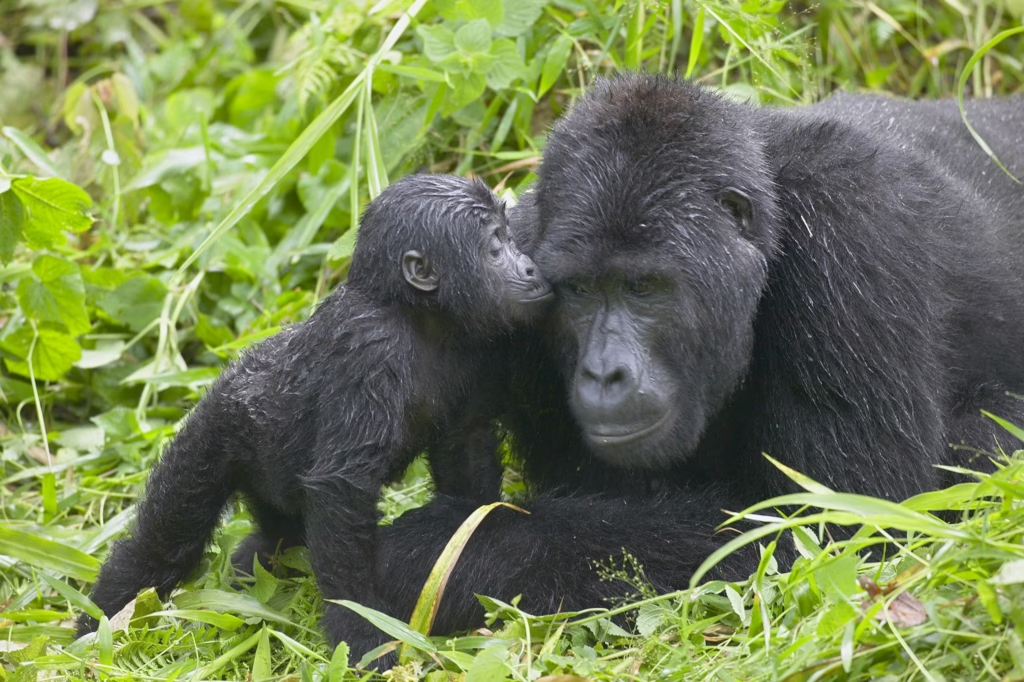
Gorilla Families in Ruhija Sector, High on the eastern ridges of Bwindi Impenetrable National Park, where mist drifts through ancient montane forest and the air carries a distinct chill even at midday, lives one of Uganda’s most rewarding communities of mountain gorillas. The Ruhija sector is often overlooked by first-time visitors in favour of busier Buhoma or the southern sectors of Rushaga and Nkuringo, yet those who make the journey east are rewarded with quieter trails, cooler weather and four fascinating gorilla families, each with its own history, personality and social drama.
This guide introduces every habituated gorilla family in Ruhija – Bitukura, Oruzogo, Kyaguriro and Mukiza – and explains how trekking works in the sector, what permits cost in 2026, the best time to go, how to get there by road or air, where to stay, and how to make the most of your time in Bwindi’s highest corner.
About the Ruhija Sector
Bwindi Impenetrable National Park, a UNESCO World Heritage Site in southwestern Uganda, is divided into four gorilla trekking sectors: Buhoma in the north, Ruhija in the east, and Rushaga and Nkuringo in the south. Ruhija is the most elevated of the four, perched at roughly 2,300 metres above sea level, which gives it a cooler climate, sweeping views over the forest canopy and, on clear days, glimpses toward the Virunga volcanoes.
The sector is also a centre of scientific study. The Institute of Tropical Forest Conservation (ITFC), affiliated with Mbarara University of Science and Technology, is based at Ruhija and has long supported ecological and gorilla research in Bwindi. This research heritage is woven into the story of the Kyaguriro family, one of the first groups in the area to be habituated.
Ruhija at a Glance
| Feature | Details |
| Location | Eastern Bwindi Impenetrable National Park, Rubanda District, southwestern Uganda |
| Altitude | Approximately 2,300 m above sea level – the highest Bwindi sector |
| Habituated families | Bitukura, Oruzogo, Kyaguriro, Mukiza |
| Daily permits | Up to 8 per family – around 32 per day across the sector |
| Nearest town | Kabale (roughly 1.5–2 hours by road) |
| Nearest airstrips | Kihihi and Kisoro |
| Climate | Cool year-round; mornings and evenings can be cold |
| Signature extras | Mubwindi Swamp birding trail, Albertine Rift endemic birds, community walks |
The Four Gorilla Families of Ruhija
Ruhija’s gorilla families are fully habituated, meaning they have spent years becoming accustomed to the calm presence of researchers, trackers and, eventually, small groups of visitors. Habituation never tames gorillas; it simply allows people to observe natural behavior – feeding, grooming, playing, resting and the occasional show of authority from a silverback – at close range without causing the group distress.
| A Note on Group Sizes
Gorilla families are living, changing communities. Births, deaths, and the emigration of young adults to other groups mean member counts shift from year to year, and published figures vary from source to source. The numbers in this guide are approximate ranges drawn from recent reports; your Uganda Wildlife Authority (UWA) ranger will brief you on the current composition of your assigned family on the morning of your trek. |
Ruhija Gorilla Families: Quick Comparison
| Family | Habituation / Opening | Notable Silverback(s) | Approx. Size | Known For |
| Bitukura | Habituation began 2007; opened to tourism 2008 | Several adult males coexisting | Around 12–14 | Calm, peaceful temperament; excellent for photography |
| Oruzogo | Opened to tourism 2011 | Historically led by Bakwate | Around 15–20 | Lively infants and juveniles; highly entertaining |
| Kyaguriro | Habituated in the late 1990s for research; later opened to trekkers | Rukara (after the 2016 split) | Around 7–15 | Ruhija’s oldest habituated group; strong research legacy |
| Mukiza | Formed in 2016 after splitting from Kyaguriro | Mukiza | Around 10–13 | Ruhija’s newest family; compelling origin story |
1. Bitukura Gorilla Family
Bitukura is the family most often described by guides as Ruhija’s gentle diplomats. The group takes its name from the Bitukura River, near where it was first encountered, and its habituation story is remarkable: work began in 2007 and the family was ready for visitors in 2008, a far quicker process than the two years or more that habituation usually takes. Researchers attribute this partly to the group having had earlier, informal contact with people in the area.
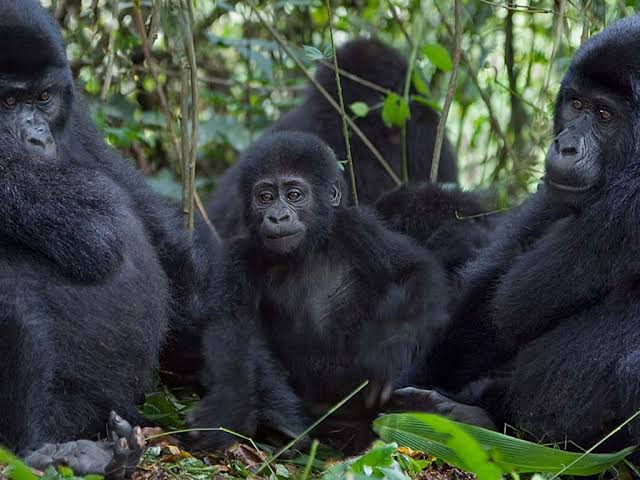
What makes Bitukura truly special is its social structure. Unlike many families where one dominant silverback tolerates no rivals, Bitukura has been known for the peaceful coexistence of several adult males. Trekkers frequently comment on how relaxed the group seems, with members carrying on feeding and grooming as visitors quietly watch. This calm temperament makes Bitukura a favourite among photographers.
| Trekker’s Insight – Bitukura
Bitukura is widely regarded as one of the more accessible families in Ruhija, although its location in the forest changes daily. Its relaxed nature means you often get unhurried, close-range views during your one hour with the group. |
2. Oruzogo Gorilla Family
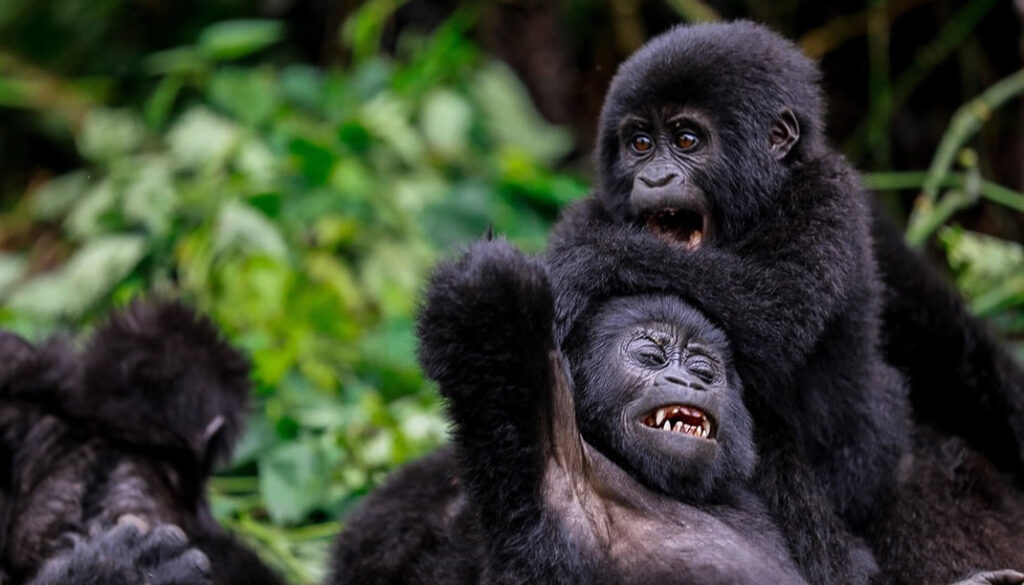
Opened to tourism in 2011, the Oruzogo family quickly built a reputation as one of Ruhija’s most entertaining groups. The family has historically been led by the silverback Bakwate, and it is known for a healthy number of infants and juveniles. For visitors, this translates into energetic encounters: youngsters tumbling through vegetation, chest-beating in mock displays, swinging from branches and testing the patience of watchful adults.
Oruzogo’s range covers areas of dense vegetation and steep slopes, so treks can be demanding on some days. The reward, however, is a vibrant family dynamic that many trekkers rank among the most memorable gorilla experiences in Bwindi. Leadership in gorilla families can change over time, and your ranger will confirm the current dominant silverback during the morning briefing.
| Trekker’s Insight – Oruzogo
If you love watching playful behaviour and family interactions, Oruzogo is a superb choice. Bring a camera with a fast shutter speed – the young gorillas rarely sit still. |
3. Kyaguriro Gorilla Family
Kyaguriro holds a special place in Ruhija’s history as the sector’s oldest habituated gorilla group. Habituation began in the late 1990s, and for many years the family was reserved for scientific research rather than tourism, contributing valuable knowledge about mountain gorilla behaviour, feeding ecology and social life. As demand for permits in Ruhija grew, the Uganda Wildlife Authority opened Kyaguriro to trekkers.
The group’s recent history reads like a forest drama. For years it was led by the respected silverback Rukina, who was tragically killed by lightning. A younger silverback, Mukiza, assumed leadership, but his authority was soon challenged by Rukara, a silverback who had arrived from the Bitukura family. The rivalry came to a head in 2016, when the family split in two: one group remained under Rukara and kept the Kyaguriro name (sometimes called Kyaguriro A), while the other followed Mukiza and became a family in its own right.
| Trekker’s Insight – Kyaguriro
Choose Kyaguriro if you are drawn to the science and conservation story behind gorilla tourism. Ask your guide about the research history – the rangers in Ruhija know these gorillas’ life stories well. |
4. Mukiza Gorilla Family
Mukiza is Ruhija’s newest gorilla family, born directly out of the 2016 Kyaguriro split. Originally referred to as Kyaguriro B, the group is led by the silverback Mukiza, who, after losing control of the original family to Rukara, departed with a core of loyal members and established his own territory. Since then the family has grown and settled, and it is now one of the four groups visited daily from Ruhija.
Trekking Mukiza offers a fascinating opportunity to observe a silverback who rebuilt his position after defeat. Visitors often find the group cohesive and calm, with Mukiza keeping a watchful eye over his females and young. Its origin story makes it a favourite with visitors who enjoy understanding the social politics of gorilla life.
| Trekker’s Insight – Mukiza
Mukiza is a great family for repeat trekkers. Pair a Mukiza trek with a visit to another Ruhija family, such as Kyaguriro, to see both sides of the 2016 split. |
What a Gorilla Trek in Ruhija Is Like
The Trekking Day Step by Step
- Early start: Arrive at the Ruhija UWA briefing point around 7:30 am with your passport and permit. Staying in Ruhija itself makes this much easier.
- Briefing and allocation: Rangers explain gorilla etiquette and assign visitors to families in groups of up to eight. Let the rangers know honestly about your fitness level.
- The trek: Advance trackers locate the family from where it nested the previous night. Treks can last anywhere from about one hour to six hours or more, depending on where the gorillas are feeding.
- One magical hour: Once the family is found, you spend one hour observing them, keeping a distance of at least 7 metres where possible.
- Return and certificate: Hike back to the trailhead, where a gorilla trekking certificate is typically presented.
Terrain and Fitness
Ruhija’s high altitude and steep, forested ridges mean treks can be physically demanding, particularly when a family has moved down into a valley. The thinner air at around 2,300 metres can leave you breathless sooner than expected. A reasonable level of fitness helps, but trekkers of many ages complete the hike every day by walking at a steady pace. Porters are available at the trailhead for a modest fee; hiring one helps carry your daypack and supports local livelihoods. Walking sticks are usually provided.
Can You Choose Your Gorilla Family?
Permits are issued for a sector, not for a specific family. Family allocation happens on the morning of the trek, and rangers consider factors such as group fitness, age and mobility. You can express a preference – for example, asking for a family that is reportedly closer that day – but the final decision rests with UWA. If you have mobility concerns, mention them at the briefing.
| If You Want… | Families Often Suggested | Why |
| A calm, relaxed encounter | Bitukura, Mukiza | Generally peaceful temperaments and settled group dynamics |
| Playful infants and action | Oruzogo | Known for lively young gorillas |
| Research history and conservation story | Kyaguriro | Ruhija’s oldest habituated group with a research legacy |
| A compelling social-politics narrative | Kyaguriro and Mukiza | Both sides of the 2016 leadership split |
Gorilla Permit Costs in Ruhija (2027)
All gorilla permits in Uganda are issued by the Uganda Wildlife Authority, and the same rates apply across every Bwindi sector, including Ruhija. Foreign non-resident permits are booked through licensed Ugandan tour operators. Because Ruhija has fewer daily permits than some sectors, early booking – ideally three to six months ahead for peak months – is strongly recommended.
| Visitor Category | Standard Rate | Low-Season Rate (Apr, May, Nov) |
| Foreign Non-Resident | US$800 | US$600 |
| Foreign Resident | US$700 | US$500 |
| Rest of Africa | US$500 | — |
| East African Citizen | UGX 300,000 | — |
| Permit Tips
What’s included: park entry for the day of the trek, ranger guides, trackers and one hour with the gorillas. Low-season permits: UWA’s discounted rates for April, May and November are typically non-reschedulable once booked. Confirm the conditions with your operator before paying. Age limit: trekkers must be at least 15 years old. Habituation Experience: the longer Gorilla Habituation Experience is offered in the southern Rushaga sector, not in Ruhija. |
Best Time to Visit Ruhija
Gorilla trekking runs year-round in Ruhija, but conditions vary with the seasons. The drier months generally offer firmer trails and easier hiking, while the wetter months bring lush scenery, fewer visitors and discounted permits.
| Period | Season | What to Expect |
| June – September | Long dry season (peak) | Best trail conditions; highest demand – book permits and lodges early |
| December – February | Short dry season | Good trekking conditions; popular around the festive period |
| March – May | Long rains | Muddy, slippery trails; fewer crowds; low-season permits in April and May |
| October – November | Short rains | Green forest and quieter lodges; low-season permits in November |
Because of its altitude, Ruhija can be cold and damp at any time of year. Showers are possible even in the dry season, so waterproof gear is essential whatever month you travel.
How to Get to Ruhija Sector
By Road from Kampala
The road journey from Kampala to Ruhija typically takes around 8–10 hours, travelling southwest via Masaka and Mbarara to Kabale, then on to Ruhija through hilly terrain. Many travellers break the journey with a stopover at Lake Mburo National Park or in Mbarara. The final stretch from Kabale is partly unpaved and steep, so a 4×4 vehicle is strongly recommended, especially in the rainy seasons.
From Kigali, Rwanda
Ruhija is one of the most convenient Bwindi sectors for travellers arriving through Kigali. The route crosses into Uganda at the Katuna (Gatuna) border post and continues via Kabale to Ruhija, typically taking around 4–5 hours depending on border formalities and road conditions.
By Air
Scheduled and charter flights connect Entebbe International Airport and Kajjansi airfield with the Kihihi and Kisoro airstrips. From either airstrip, a road transfer of a few hours brings you to Ruhija. Flying saves a full day of driving and is ideal for travellers on a tight schedule.
Self-Drive to Ruhija
Ruhija is very achievable on a self-drive safari, provided you choose the right vehicle. A high-clearance 4×4 such as a Toyota Land Cruiser Prado, Land Cruiser 70-series or RAV4 handles the steep, sometimes muddy approach roads with far more confidence than a saloon car. Allow extra time for the final approach, avoid driving after dark, and carry an offline map, as mobile signal can be patchy in the hills.
| Route | Approximate Travel Time | Notes |
| Kampala → Ruhija | 8 – 10 hours | Via Masaka, Mbarara and Kabale; consider an overnight stop |
| Kabale → Ruhija | 1.5 – 2 hours | Steep, partly unpaved road; 4×4 recommended |
| Kigali → Ruhija | 4 – 5 hours | Via the Katuna border and Kabale |
| Buhoma → Ruhija | 2 – 3 hours | Useful for combining sectors on a double trek |
| Kihihi / Kisoro airstrip → Ruhija | 2 – 3 hours | Road transfer after a domestic flight |
| Self-Drive Tip
If your lodge is outside Ruhija – for example in Buhoma or Kabale – plan to leave well before dawn to make the morning briefing on time. Missing the briefing can mean forfeiting your permit, so staying in Ruhija the night before your trek is the safest option. |
Where to Stay in Ruhija
Ruhija has a growing range of lodges, from comfortable budget options to stylish upmarket retreats with forest views. Staying in the sector itself is strongly advised because it removes the stress of a long pre-dawn drive to the briefing point.
| Tier | Lodge Examples | What to Expect |
| Luxury / Upmarket | Ruhija Gorilla Safari Lodge, Gorilla Mist Camp | Spacious rooms or tented suites, panoramic forest views, fine dining and attentive service |
| Mid-Range | Trekkers Tavern Cottages, Bakiga Lodge, Agandi Uganda Eco Lodge | Comfortable cottages with en-suite bathrooms, hearty meals and warm fireplaces |
| Budget | Broadbill Forest Camp and local guesthouses | Simple, clean rooms or tents at friendly prices, close to the trailheads |
Given Ruhija’s cold nights, look for lodges with fireplaces, hot water bottles or heated rooms. Availability is limited in peak months, so book accommodation at the same time as your permits.
Other Things to Do in Ruhija
- Mubwindi Swamp birding walk: One of Uganda’s premier birding trails, descending through montane forest to a swamp that is a renowned site for the rare African green broadbill (Grauer’s broadbill) and many Albertine Rift endemics.
- Forest nature walks: Guided walks reveal Bwindi’s remarkable plant life, butterflies, primates such as L’Hoest’s monkeys, and sweeping canopy views.
- Community and cultural visits: Meet local Bakiga communities and learn about traditional farming, crafts and the role of local people in protecting the forest.
- Double gorilla trekking: With four families in Ruhija, trekking on two consecutive days lets you meet two different groups – a perfect way to compare personalities.
What to Pack for Gorilla Trekking in Ruhija
| Item | Why You Need It |
| Waterproof hiking boots | Trails are steep, muddy and slippery, especially after rain |
| Rain jacket and warm fleece | Ruhija’s altitude makes mornings cold and showers frequent |
| Long trousers and long-sleeved shirt | Protection from nettles, thorns and insects |
| Gardening or trekking gloves | For gripping vines and branches on steep sections |
| Gaiters or long socks | Keep out mud, ants and vegetation |
| Daypack with rain cover | Protects cameras, snacks and documents |
| Packed lunch and 1.5–2 litres of water | Treks can last several hours |
| Camera (no flash) with spare batteries | Flash photography is not permitted near gorillas |
| Insect repellent and sunscreen | Useful during the walk and on forest edges |
| Passport and permit | Required for verification at the briefing |
Gorilla Trekking Rules and Etiquette
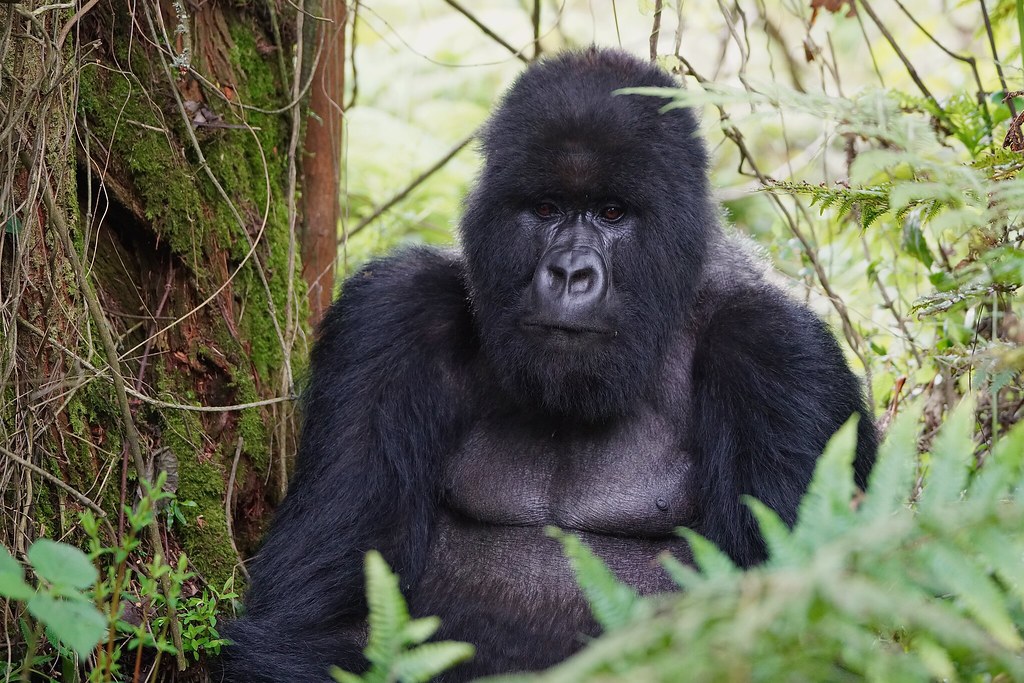
Mountain gorillas share about 98% of their DNA with humans and are highly vulnerable to human illnesses. UWA’s trekking rules exist to protect both the gorillas and visitors.
- Keep a distance of at least 7 metres from the gorillas wherever possible.
- Do not trek if you are unwell, particularly with a cold, flu or other contagious illness.
- Keep your voice low and avoid sudden movements; follow your ranger’s instructions at all times.
- Do not eat, drink or smoke near the gorillas, and never leave litter in the forest.
- If a gorilla charges or approaches, stay calm, crouch down, avoid direct eye contact and do not run.
- Turn away and cover your nose and mouth if you need to sneeze or cough.
- Wear a face mask when instructed by rangers.
- Your visit is limited to one hour with the family.
Conservation: Why Your Visit Matters
Mountain gorillas are found only in two populations: the Virunga Massif shared by Uganda, Rwanda and the Democratic Republic of Congo, and the Bwindi–Sarambwe ecosystem. The global population now stands at more than 1,000 individuals, and Bwindi is home to almost half of them – a conservation success story built on decades of protection, research and community involvement.
Every permit purchased in Ruhija contributes to ranger salaries, anti-poaching patrols, veterinary monitoring and research. A share of park revenue also flows to communities living around Bwindi through revenue-sharing programmes, funding schools, health centres and livelihood projects. By trekking responsibly, you become part of the effort to keep Ruhija’s gorilla families thriving for generations to come.
Frequently Asked Questions
How many gorilla families are in Ruhija sector?
Ruhija has four habituated gorilla families open to trekkers: Bitukura, Oruzogo, Kyaguriro and Mukiza.
How many gorilla permits are available in Ruhija each day?
Each family can be visited by a maximum of eight people per day, so the sector offers around 32 permits daily.
Which Ruhija gorilla family is the easiest to trek?
Bitukura is often described as one of the more accessible families, but gorillas move every day, so no family can be guaranteed as an easy trek. Rangers consider fitness when allocating groups.
Can I choose which gorilla family I visit?
Permits are sold per sector. Families are allocated on the morning of the trek, though you can share your preferences and any mobility concerns with the rangers.
How much is a gorilla permit in Ruhija in 2026?
The standard rate is US$800 for foreign non-residents, US$700 for foreign residents, US$500 for other African passport holders and UGX 300,000 for East African citizens. Discounted low-season rates of US$600 and US$500 apply to foreign non-residents and residents respectively in April, May and November.
Is Ruhija a good sector for gorilla trekking?
Yes. Ruhija offers quieter trails, four distinct families, cool weather and outstanding birding. It is also conveniently reached from Kabale and Kigali.
What happened between the Kyaguriro and Mukiza families?
After the death of silverback Rukina, Mukiza led Kyaguriro until he was challenged by Rukara, a silverback from the Bitukura family. In 2016 the group split: Rukara retained Kyaguriro, while Mukiza formed his own family.
Can I do the Gorilla Habituation Experience in Ruhija?
No. The Gorilla Habituation Experience in Bwindi is offered in the Rushaga sector. Ruhija offers standard one-hour gorilla trekking.
How cold does Ruhija get?
At about 2,300 metres, Ruhija is noticeably cooler than other sectors, with chilly mornings and evenings. Pack warm layers and a rain jacket in every season.
Plan Your Ruhija Gorilla Adventure
Ruhija rewards the curious traveller. Its four gorilla families – the peaceful Bitukura, the playful Oruzogo, the research-rooted Kyaguriro and the resilient Mukiza – each offer a different window into the extraordinary lives of mountain gorillas. Combined with misty highland scenery, exceptional birding and a refreshing sense of remoteness, Ruhija is one of the most rewarding places in Africa to come face to face with the great apes.
Whether you are planning a guided gorilla safari or a self-drive adventure in a well-equipped 4×4, secure your permits early, choose accommodation within the sector, and give yourself time to soak up everything Bwindi’s eastern highlands have to offer.
| Ready to Meet the Gorillas of Ruhija?
Contact our team to secure your gorilla permits, reserve lodges in Ruhija, and arrange a reliable 4×4 vehicle – with or without a driver-guide – for your journey through southwestern Uganda. |