
Best Time to Visit the Serengeti Month by Month
The Serengeti is one of the few safari destinations in Africa that is genuinely rewarding in every month of the year. Covering roughly 14,750 km² of grassland, riverine forest and granite kopjes in northern Tanzania, the park supports one of the densest populations of large mammals on the planet — and at its heart is the Great Migration, the year-round circular journey of more than a million wildebeest along with hundreds of thousands of zebras and gazelles.
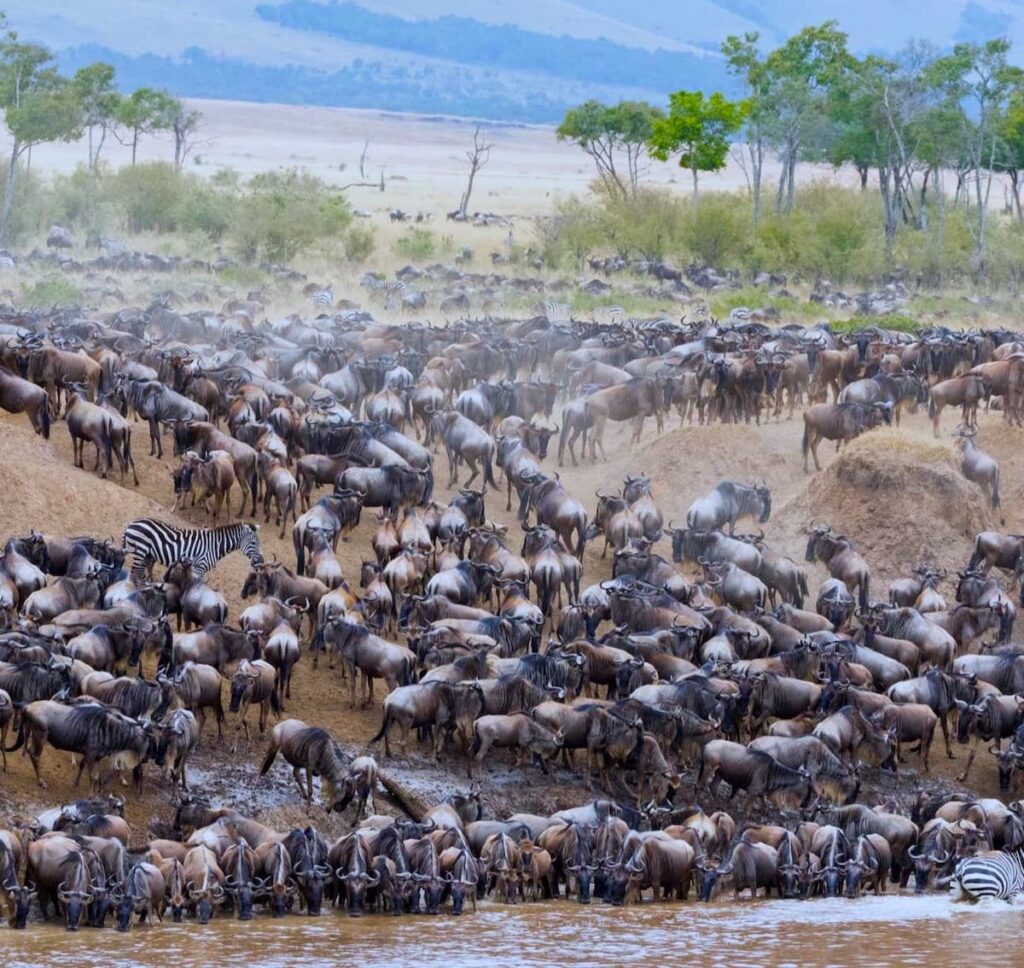
Because the herds are always on the move, the “best” time to visit depends on what you want to see. Calving season, river crossings, big-cat action, green-season photography, budget travel and quieter roads all peak at different times. This guide walks through the year month by month, explaining the weather, where the migration is likely to be, the wildlife highlights, where to base yourself, and a sample itinerary for each month.
| Quick Answer
For the Mara River crossings: July to October (peak in August and September), northern Serengeti. For the calving season and predator action: late January to March (peak in February), southern Serengeti / Ndutu. For the best weather and general game viewing: June to October (long dry season). For the best value and fewest crowds: April to mid-May (long rains) and November. Nature’s reminder: migration timing changes with rainfall every year — treat any month-by-month guide as a strong guideline, not a guarantee. |
Serengeti Seasons at a Glance
Northern Tanzania has two rainy seasons and two dry seasons. Understanding them makes it much easier to plan your trip.
| Season | Months | Weather | Highlights | Crowds & Prices |
| Short dry / calving | Jan – Feb | Warm, mostly dry, green | Calving, predators in the south | High |
| Long rains | Mar – May | Heavy afternoon storms (peak April) | Lush scenery, columns of herds in May | Low (lowest in April) |
| Long dry season | Jun – Oct | Dry, sunny, cool mornings | Grumeti and Mara River crossings | Peak (Jul – Sep) |
| Short rains | Nov – Dec | Brief afternoon showers | Herds return south | Moderate; peak at Christmas |
Understanding the Great Migration Route
The migration moves clockwise through the Serengeti–Mara ecosystem, following rainfall and fresh grazing. Knowing the park’s main regions helps you choose where to stay in any given month.
| Region | Key Areas | Best Months | What to Expect |
| Southern Serengeti | Ndutu, Kusini, Lake Masek, Naabi Hill | Dec – Mar | Calving season, short-grass plains, intense predator action |
| Central Serengeti | Seronera Valley, Moru & Simba Kopjes | Year-round (migration Apr – Jun, Nov) | Resident big cats, especially leopards and lions |
| Western Corridor | Grumeti River, Kirawira, Ndabaka | May – Jul | Grumeti River crossings, giant crocodiles, rut |
| Northern Serengeti | Kogatende, Lamai Triangle, Bologonja, Lobo | Jul – Oct | Mara River crossings, remote wilderness |
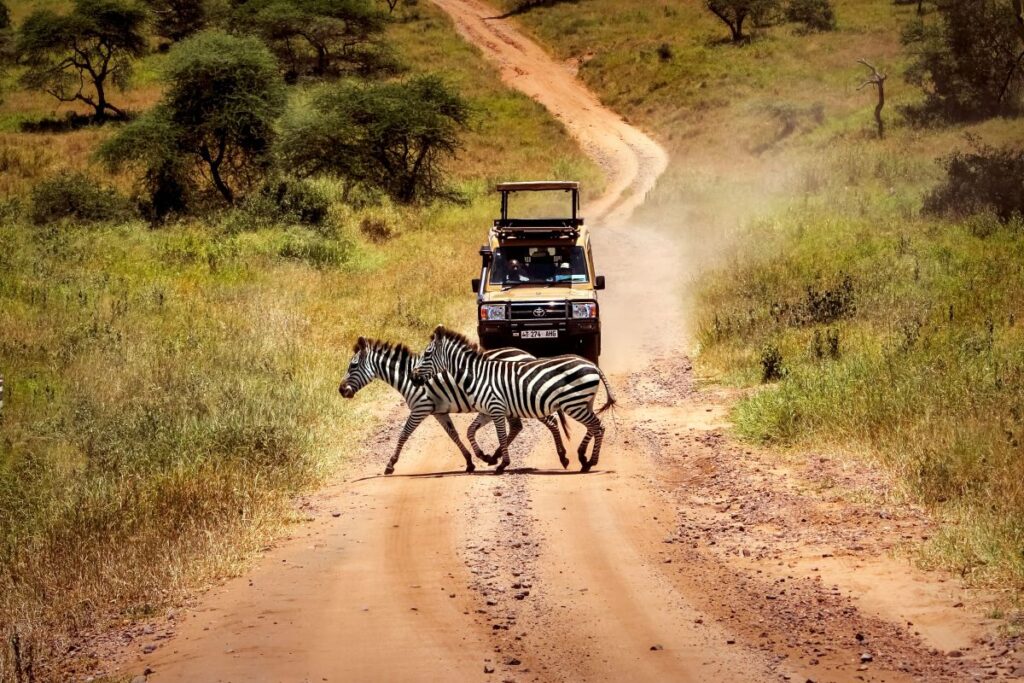
Month-by-Month Summary Table
| Month | Migration Location | Main Event | Weather | Rating |
| January | Southern Serengeti / Ndutu | Short dry season | Warm and mostly dry after the November–December short rains. | ★★★★★ |
| February | Southern Serengeti / Ndutu | Calving season | Usually the driest, warmest stretch of the green season, with highs of 27–30°C. | ★★★★★ |
| March | Southern Serengeti early in the month | End of calving | Warm days continue, but the long rains usually begin from mid to late March. | ★★★★☆ |
| April | Central Serengeti | Long rains | The wettest month in most years. | ★★★☆☆ |
| May | Central Serengeti | Rains ease | Rains taper off during the month and the landscape is at its most vivid green. | ★★★★☆ |
| June | Western Corridor | Start of long dry season | Dry season begins. | ★★★★★ |
| July | Northern Serengeti | Peak dry season | Dry, sunny and cool in the early mornings. | ★★★★★ |
| August | Northern Serengeti | Peak dry season | Dry, clear and comfortable, with cool mornings and warm afternoons. | ★★★★★ |
| September | Northern Serengeti | Dry season | Dry and warm, with highs around 27–29°C. | ★★★★★ |
| October | Northern Serengeti early in the month | Late dry season | Hot and dry at first; the short rains may start late in the month. | ★★★★☆ |
| November | Central Serengeti | Short rains | The short rains arrive, usually as brief afternoon showers rather than long downpours. | ★★★★☆ |
| December | Southern Serengeti / Ndutu and central Serengeti | Herds return south | Short rains continue in the first half of the month and usually ease toward Christmas. | ★★★★☆ |
Best Time to Visit the Serengeti: Month by Month
January in the Serengeti
Short dry season • High season
Weather
Warm and mostly dry after the November–December short rains. Daytime highs around 26–29°C, nights 14–16°C. Brief afternoon showers are possible but rarely disrupt game drives.
Where the Migration Is
The herds have settled on the short-grass plains of the southern Serengeti and Ndutu area (which straddles the Ngorongoro Conservation Area). The nutrient-rich grasses draw hundreds of thousands of wildebeest and zebra, and the first calves start appearing toward the end of the month.
Wildlife Highlights
- Massive herds grazing on open, green plains around Ndutu, Kusini and Lake Masek
- Lions, cheetahs and spotted hyenas concentrated around the herds
- Early calving activity late in the month
- Excellent birding, with Palearctic migrant species present
Best Base
Southern Serengeti / Ndutu (seasonal mobile camps, Ndutu Safari Lodge, Lake Masek area camps)
| January: Pros & Cons
Why go: Lush scenery, huge herds close together, good weather, superb predator action. Keep in mind: Popular month (book camps 6–9 months ahead); mid-season price levels. |
Sample January Itinerary
| Day | Plan |
| Day 1 | Arrive Kilimanjaro or Arusha; drive to Karatu in the Ngorongoro highlands. |
| Day 2 | Drive via the Ngorongoro Conservation Area to Ndutu; afternoon game drive among the herds. |
| Day 3 | Full day on the southern plains tracking the migration and big cats; optional sunrise balloon flight. |
| Day 4 | Morning in Ndutu, then descend into Ngorongoro Crater for a half-day game drive before returning to Arusha. |
February in the Serengeti
Calving season • High season
Weather
Usually the driest, warmest stretch of the green season, with highs of 27–30°C. Short thundershowers can build in the afternoons, bringing dramatic skies for photography.
Where the Migration Is
Peak calving. Within a window of roughly two to three weeks, the vast majority of wildebeest calves are born on the southern plains — thousands each day. Calves can stand within minutes and run with the herd soon after.
Wildlife Highlights
- The Great Migration’s calving spectacle around Ndutu and the southern plains
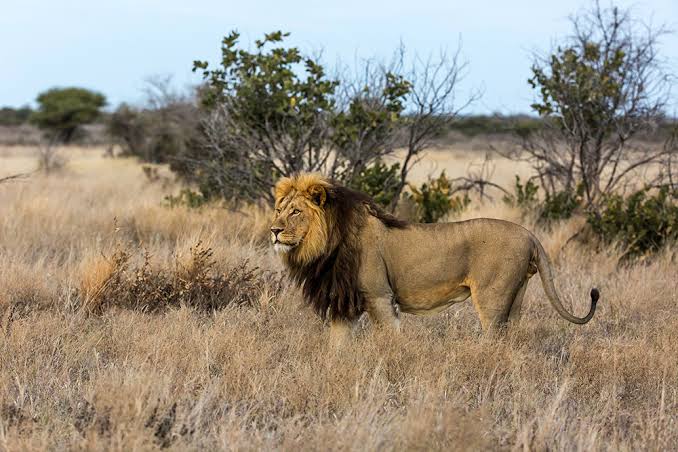
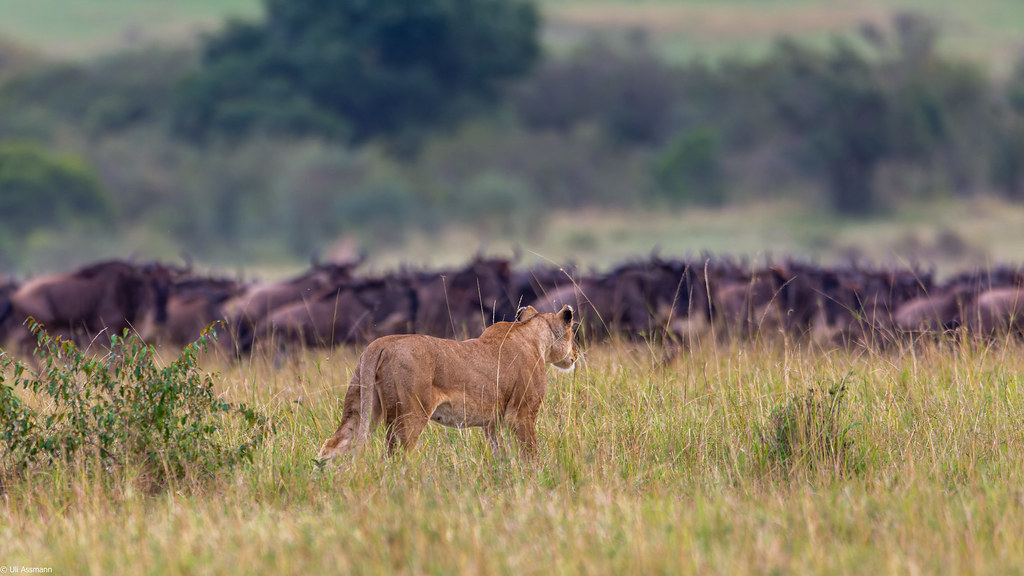
- Intense predator activity — lion, cheetah, hyena and jackal hunts are frequent
- Zebra foals, gazelle fawns and other newborns alongside wildebeest calves
- Clear, open plains make cats easy to locate
Best Base
Southern Serengeti / Ndutu; Kusini area for more exclusive camps
| February: Pros & Cons
Why go: Arguably the single best month for predator–prey action; beautiful green landscapes. Keep in mind: High demand for the limited camps in the Ndutu area; off-road rules differ between the Ngorongoro Conservation Area and Serengeti — ask your guide. |
Sample February Itinerary
| Day | Plan |
| Day 1 | Arrive Arusha; overnight at a lodge near the airport. |
| Day 2 | Drive to Ndutu via Ngorongoro highlands; first afternoon game drive. |
| Days 3–4 | Two full days following the calving herds and predator activity across Ndutu and the Kusini plains. |
| Day 5 | Game drive en route to Seronera (central Serengeti) to see resident wildlife. |
| Day 6 | Morning in Seronera, then fly back to Arusha from Seronera airstrip. |
March in the Serengeti
End of calving • Start of long rains
Weather
Warm days continue, but the long rains usually begin from mid to late March. Expect heavier afternoon storms as the month progresses. TANAPA’s low-season park fees usually start mid-month.
Where the Migration Is
Herds remain on the southern plains feeding on the last good grazing. Late calves are still being born. As rains intensify, the herds start to drift north-west toward the Moru Kopjes and central Serengeti.
Wildlife Highlights
- Young calves and continuing predator action in the south
- Good resident game in the Seronera Valley
- Lush landscapes with wildflowers
- Fewer vehicles than January and February
Best Base
Southern Serengeti early in the month; Seronera / central Serengeti later
| March: Pros & Cons
Why go: Shoulder-season value, quieter roads, still excellent wildlife. Keep in mind: Rain becomes more likely; some tracks get muddy, especially black-cotton soils in the south. |
Sample March Itinerary
| Day | Plan |
| Day 1 | Arusha to Ngorongoro highlands; overnight in Karatu. |
| Day 2 | Ngorongoro Crater game drive, then continue to Ndutu. |
| Day 3 | Full day with the herds on the southern plains. |
| Day 4 | Drive via the Moru Kopjes to Seronera, looking for lions on the rocky outcrops. |
| Day 5 | Seronera game drive; fly or drive back to Arusha. |
April in the Serengeti
Long rains • Green / low season
The wettest month in most years. Heavy downpours usually fall in the afternoon or overnight, with sunny mornings in between. Cooler and humid; some roads become difficult.
Where the Migration Is
The herds begin their move from the south toward central Serengeti and the Moru and Simba Kopjes, often in scattered groups. Their exact path depends heavily on rainfall.
Wildlife Highlights
- Resident lions, leopards and cheetahs in the Seronera Valley (game is present year-round)
- Spectacular green scenery and dramatic storm light
- Very few other vehicles — private sightings are common
- Superb birdlife and breeding plumage
Best Base
Central Serengeti (Seronera); lodges with year-round operations
| April: Pros & Cons
Why go: Lowest prices of the year and genuinely quiet parks; many lodges offer green-season discounts. Keep in mind: Some seasonal camps close; muddy roads; travel days can take longer. Not ideal for first-time visitors focused only on the migration. |
Sample April Itinerary
| Day | Plan |
| Day 1 | Arrive Arusha; transfer to Lake Manyara or Karatu. |
| Day 2 | Drive to central Serengeti via Naabi Hill Gate; afternoon game drive in Seronera. |
| Day 3 | Full day in the Seronera Valley — big cats along the river and kopjes. |
| Day 4 | Morning game drive; return to Arusha by flight from Seronera. |
May in the Serengeti
Rains ease • Herds on the move
Weather
Rains taper off during the month and the landscape is at its most vivid green. Low-season park fees usually end mid-May, so the second half of the month climbs toward high-season pricing.
Where the Migration Is
One of the most impressive sights of the year: long columns of wildebeest — sometimes stretching for kilometres — march through central Serengeti toward the Western Corridor. The rut (mating season) begins, with bulls fighting and calling noisily.
Wildlife Highlights
- Mega-herds moving in columns through the Seronera and Moru areas
- Start of the wildebeest rut
- Big-cat sightings in central Serengeti
- Fresh, green grass and flowering plains
Best Base
Central Serengeti (Seronera) and the eastern Western Corridor
| May: Pros & Cons
Why go: Spectacular migration movement with shoulder-season prices and few crowds. Keep in mind: Early May can still be wet; the herds’ timing varies from year to year. |
Sample May Itinerary
| Day | Plan |
| Day 1 | Arusha to Karatu; afternoon at leisure or coffee farm visit. |
| Day 2 | Drive into the Serengeti via Naabi Hill Gate to Seronera. |
| Days 3–4 | Two full days following the migration columns through central Serengeti. |
| Day 5 | Morning drive toward the Western Corridor; fly back to Arusha. |
June in the Serengeti
Start of long dry season • Grumeti crossings
Weather
Dry season begins. Clear skies, cooler mornings (around 13–15°C) and pleasant days of 24–27°C. Grass begins to shorten, improving visibility.
Where the Migration Is
Herds gather in the Western Corridor, where they must cross the Grumeti River. The crossings are fewer and smaller than those on the Mara River, but the Grumeti is home to some of the largest Nile crocodiles in East Africa. The rut continues.
Wildlife Highlights
- Grumeti River crossings and crocodile predation
- Wildebeest rut in full swing
- Excellent lion and leopard sightings in central Serengeti
- Cooler, drier weather makes long game drives comfortable
Best Base
Western Corridor (Grumeti area) and central Serengeti
| June: Pros & Cons
Why go: Start of the classic safari season with fine weather and still-reasonable crowds early in the month. Keep in mind: Prices rise to peak levels; crossings are unpredictable and require patience. |
Sample June Itinerary
| Day | Plan |
| Day 1 | Fly from Arusha to Grumeti or Kirawira airstrip; afternoon game drive. |
| Days 2–3 | Full days along the Grumeti River and the Western Corridor plains. |
| Day 4 | Drive to central Serengeti (Seronera); evening game drive. |
| Day 5 | Morning in Seronera; fly back to Arusha. |
July in the Serengeti
Peak dry season • Herds head north
Weather
Dry, sunny and cool in the early mornings. Daytime highs of 24–27°C. Little or no rain. Pack warm layers for open-vehicle game drives at dawn.
Where the Migration Is
Herds leave the Western Corridor and push north toward the Lamai Triangle and Kogatende. In many years the first Mara River crossings happen in mid to late July, although timing varies.
Wildlife Highlights
- Herds streaming north through Lobo and Bologonja
- Possible first Mara River crossings late in the month
- Excellent visibility on short, dry grass
- Big-cat action throughout the park
Best Base
Northern Serengeti (Kogatende, Lamai) and Lobo area
| July: Pros & Cons
Why go: Ideal weather; wildlife concentrated around water; start of crossing season. Keep in mind: Peak season prices and busier sightings; book northern camps 9–12 months ahead. |
Sample July Itinerary
| Day | Plan |
| Day 1 | Fly Arusha to Seronera; afternoon game drive in central Serengeti. |
| Day 2 | Game drive north via Lobo toward the northern Serengeti. |
| Days 3–4 | Full days at the Mara River in Kogatende and the Lamai Triangle, waiting for crossings. |
| Day 5 | Morning drive; fly from Kogatende airstrip back to Arusha. |
August in the Serengeti
Peak dry season • Mara River crossings
Weather
Dry, clear and comfortable, with cool mornings and warm afternoons. Dust increases as the season progresses.
Where the Migration Is
The Mara River crossings are at their peak. Herds gather on the riverbanks in the northern Serengeti and plunge across, sometimes several times a day, facing crocodiles, strong currents and waiting predators. Some herds cross into Kenya’s Maasai Mara.
Wildlife Highlights
- Dramatic Mara River crossings around Kogatende and Lamai
- Large lion prides and crocodiles at crossing points
- Cheetahs on the northern plains
- Elephants and giraffes in the Lobo hills
Best Base
Northern Serengeti (Kogatende, Lamai Triangle, Bologonja)
| August: Pros & Cons
Why go: The most famous wildlife event on earth at its height. Keep in mind: The busiest and most expensive month; crossings can mean long waits; respect ranger rules at crossing points. |
Sample August Itinerary
| Day | Plan |
| Day 1 | Arrive Arusha; overnight near the airport. |
| Day 2 | Fly to Kogatende; afternoon game drive along the Mara River. |
| Days 3–5 | Three full days focused on river crossings, picnic lunches by the river. |
| Day 6 | Morning game drive; fly to Seronera for a final central Serengeti drive, then on to Arusha. |
September in the Serengeti
Dry season • Crossings continue
Weather
Dry and warm, with highs around 27–29°C. Rain is rare, though the first clouds can gather late in the month.
Where the Migration Is
Herds are spread across the northern Serengeti and Maasai Mara, crossing the Mara River back and forth in both directions. Crossings remain frequent and often feel less crowded than in August.
Wildlife Highlights
- Continued Mara River crossings
- Big-cat sightings across the north
- Excellent photography with clear skies and golden light
- Resident game across central Serengeti
Best Base
Northern Serengeti (Kogatende, Lamai); central Serengeti for resident game
| September: Pros & Cons
Why go: Many guides rate September as the sweet spot for crossings — slightly fewer vehicles than August. Keep in mind: Still peak-season pricing; dry and dusty landscapes. |
Sample September Itinerary
| Day | Plan |
| Day 1 | Fly Arusha to Seronera; afternoon game drive. |
| Day 2 | Full day in central Serengeti — leopards in the sausage trees along the Seronera River. |
| Day 3 | Fly or drive to the northern Serengeti. |
| Days 4–5 | Mara River crossings and northern plains game drives. |
| Day 6 | Fly back to Arusha from Kogatende. |
October in the Serengeti
Late dry season • Herds turn south
Weather
Hot and dry at first; the short rains may start late in the month. Highs around 28–30°C.
Where the Migration Is
Most herds are in the northern Serengeti and Maasai Mara. Late-month rains in the south trigger the start of the return journey, and herds begin moving south through the Lobo area and eastern Serengeti.
Wildlife Highlights
- Final Mara River crossings
- Start of the southward migration
- Predators concentrated at water sources
- Good resident wildlife across the park
Best Base
Northern Serengeti early in the month; Lobo / eastern Serengeti later
| October: Pros & Cons
Why go: Fewer visitors than August and September, with crossings still possible. Keep in mind: Migration timing becomes less predictable; very dry, dusty conditions. |
Sample October Itinerary
| Day | Plan |
| Day 1 | Fly to Kogatende; afternoon game drive along the Mara River. |
| Day 2 | Full day in the north looking for the last crossings. |
| Day 3 | Drive south via Lobo, following herds on the move. |
| Day 4 | Central Serengeti game drive; fly back to Arusha from Seronera. |
November in the Serengeti
Short rains • Mini low season
Weather
The short rains arrive, usually as brief afternoon showers rather than long downpours. Landscapes turn green quickly and dust disappears.
Where the Migration Is
Herds stream south through eastern and central Serengeti toward the southern plains. Movement is fast and patterns vary, so a guide’s local knowledge is valuable.
Wildlife Highlights
- Large herds moving through Lobo, Seronera and the east
- Fresh grazing attracts a variety of plains game
- Arrival of migrant birds
- Quieter roads and good value
Best Base
Central Serengeti (Seronera) and eastern Serengeti
| November: Pros & Cons
Why go: Lower lodge rates at many properties; green landscapes; few crowds. Keep in mind: Showers can interrupt drives; migration location shifts quickly. |
Sample November Itinerary
| Day | Plan |
| Day 1 | Arusha to Tarangire National Park for elephants and baobabs. |
| Day 2 | Drive to central Serengeti via Ngorongoro highlands. |
| Day 3 | Full day in Seronera and the eastern plains with the moving herds. |
| Day 4 | Ngorongoro Crater game drive; return to Arusha. |
December in the Serengeti
Herds return south • Festive peak
Weather
Short rains continue in the first half of the month and usually ease toward Christmas. Warm days and green scenery.
Where the Migration Is
Herds arrive back on the southern Serengeti and Ndutu plains, ready for the calving season in the new year. The cycle begins again.
Wildlife Highlights
- Herds gathering on the southern plains
- Predators following the herds into the south
- Green landscapes and good photographic light
- Pregnant wildebeest ahead of calving
Best Base
Southern Serengeti / Ndutu and central Serengeti
| December: Pros & Cons
Why go: Good migration viewing in the south; ideal for a festive-season family safari. Keep in mind: The Christmas and New Year period is busy and expensive — book well in advance. |
December Itinerary
| Day | Plan |
| Day 1 | Arrive Arusha; transfer to Karatu. |
| Day 2 | Ngorongoro Crater game drive. |
| Day 3 | Drive to Ndutu; afternoon with the returning herds. |
| Day 4 | Full day on the southern plains. |
| Day 5 | Fly from Ndutu airstrip back to Arusha. |
Best Time to Visit by Travel Interest
| Interest | Best Months | Where to Go |
| Mara River crossings | July – October (peak Aug – Sep) | Northern Serengeti: Kogatende, Lamai |
| Calving season | Late January – March (peak February) | Southern Serengeti / Ndutu |
| Grumeti River crossings | June – early July | Western Corridor |
| Big cats | January – March and June – October | Ndutu (cheetahs), Seronera (leopards, lions) |
| Birdwatching | November – April | Throughout the park; over 500 species recorded |
| Photography (green landscapes) | December – May | Southern and central Serengeti |
| Budget travel | April – mid-May, November | Central Serengeti (year-round lodges) |
| Honeymoon | June – October, January – February | Northern or southern Serengeti luxury camps |
| Hot-air balloon safari | Year-round (best in dry months) | Seronera, Ndutu, Western Corridor, north |
| Family holidays | June – August, December | Central Serengeti, combined with Ngorongoro Crater |
Serengeti Park Fees and Seasonal Pricing
Serengeti National Park is managed by the Tanzania National Parks Authority (TANAPA). Fees are charged per person per 24 hours and include 18% VAT. TANAPA’s low season for park fees usually runs from about 15 March to 15 May, while lodges and camps set their own seasonal rates.
| Fee Category (per 24 hrs) | Peak Season | Low Season |
| Non-resident adult (16+) | approx. US$82.60 | approx. US$70.80 |
| Non-resident child (5–15) | approx. US$23.60 | approx. US$23.60 |
| Expatriate / resident adult | approx. US$41.30 | approx. US$35.40 |
| Children under 5 | Free | Free |
| Concession fee (lodge/camp stays, adult per night) | approx. US$71 | approx. US$59 |
| Important Fee Notes
Park fees are paid digitally only (Visa, Mastercard or TANAPA cards) — cash is not accepted at gates. TANAPA reviews its tariffs periodically. Always confirm current rates before booking; your Marriott Safaris Africa consultant will include up-to-date fees in your quote. Vehicle entry fees, camping fees and Ngorongoro Conservation Area fees (if you travel via Ngorongoro) are charged separately. |
Getting to the Serengeti
By Air
Most travellers fly into Kilimanjaro International Airport (JRO) or Arusha Airport, then take a scheduled light-aircraft flight to one of the Serengeti’s airstrips. Choose the airstrip that matches the season: Ndutu or Kusini for the south (December–March), Seronera for central Serengeti (all year), Grumeti / Kirawira for the Western Corridor (May–July) and Kogatende or Lobo for the north (July–October).
By Road
The classic overland route runs from Arusha through Karatu and the Ngorongoro Conservation Area to Naabi Hill Gate, the main southern entry point. The drive from Arusha to Seronera takes roughly seven to eight hours with stops. This route lets you combine the Serengeti with Lake Manyara, Tarangire and Ngorongoro Crater on a northern-circuit safari.
Self-Drive
Experienced drivers can explore the Serengeti in a well-equipped 4×4. The dry months (June–October) are the easiest for self-drive; during the long rains (March–May), black-cotton soils in the south can become impassable. Always carry recovery gear, plan fuel stops carefully (fuel is available near Seronera but supply can be unreliable) and check road conditions with rangers.
What to Pack by Season
| Season | Clothing | Essentials |
| Dry season (Jun – Oct) | Warm fleece or jacket for early drives, neutral-coloured layers, hat | Dust protection for cameras, sunscreen, lip balm, scarf or buff |
| Green season (Nov – May) | Lightweight rain jacket, quick-dry clothing, closed shoes | Insect repellent, waterproof bags for electronics, binoculars |
| All year | Long sleeves and trousers for evenings, comfortable walking shoes | Malaria prophylaxis (consult a doctor), yellow fever certificate if required, power bank, soft-sided luggage for light aircraft |
Expert Tips for Planning Your Serengeti Safari
- Book early for peak months. Camps in Ndutu (February) and Kogatende (August–September) often fill 9–12 months in advance.
- Stay at least three nights in one migration area. River crossings and hunts require patience; extra time greatly improves your chances.
- Combine regions. Pairing the migration area with central Serengeti gives you both herds and resident big cats.
- Consider mobile camps. Seasonal tented camps relocate to follow the herds and keep you close to the action.
- Don’t dismiss the green season. April and May offer dramatic scenery, excellent resident wildlife and substantial savings.
- Add Ngorongoro Crater. Just a few hours from the southern Serengeti, the crater is one of Africa’s best places to see black rhino.
Frequently Asked Questions
What is the best month to visit the Serengeti?
There is no single best month. February is outstanding for calving and predator action in the south, while August and September are best for Mara River crossings in the north. June to October offers the most reliable weather overall.
When can I see the Mara River crossings?
Crossings typically happen between July and October in the northern Serengeti, with the highest frequency in August and September. Timing depends on rainfall, so plan at least three days in the north to improve your chances.
Is it worth visiting the Serengeti in the rainy season?
Yes. Rain usually falls in short afternoon storms, wildlife remains abundant, landscapes are lush and green, and prices are at their lowest. April is the wettest month; May and November are good compromises.
Can I see the Big Five in the Serengeti?
Lions, leopards, elephants and buffaloes are seen regularly. Rhinos are rare in the Serengeti, so many travellers add Ngorongoro Crater to their itinerary for a better chance of seeing black rhino.
How many days do I need in the Serengeti?
Three to four nights is ideal for most travellers. To follow the migration and explore central Serengeti, five to six nights allows you to cover two regions comfortably.
When is the cheapest time to visit?
April to mid-May is the cheapest period, when TANAPA low-season fees apply and many lodges offer green-season rates. November is also good value at many camps.
Is the Serengeti busy in peak season?
Popular sightings in central Serengeti and at Mara River crossing points can attract many vehicles in July to September. Staying in remote areas such as the Lamai Triangle or choosing private camps helps avoid crowds.
| Plan Your Serengeti Safari with Marriott Safaris Africa
Whether you dream of watching the Mara River crossings, witnessing newborn calves on the southern plains or enjoying a quiet green-season safari, our team will match your travel dates to the right part of the Serengeti. We handle park fees, lodges, flights, 4×4 vehicles and expert guides — so you can focus on the adventure. Contact Marriott Safaris Africa today to start planning your tailor-made Serengeti safari. Perfection Anytime. |