Kyambura Gorge
Drive across the open grasslands of Queen Elizabeth National Park and you would never guess what lies ahead. The plains roll on, dotted with acacia and grazing buffalo, until the ground suddenly falls away into a deep green trench. This is Kyambura Gorge, a sunken tropical forest carved into the floor of the Albertine Rift Valley and one of the most surprising landscapes in East Africa.
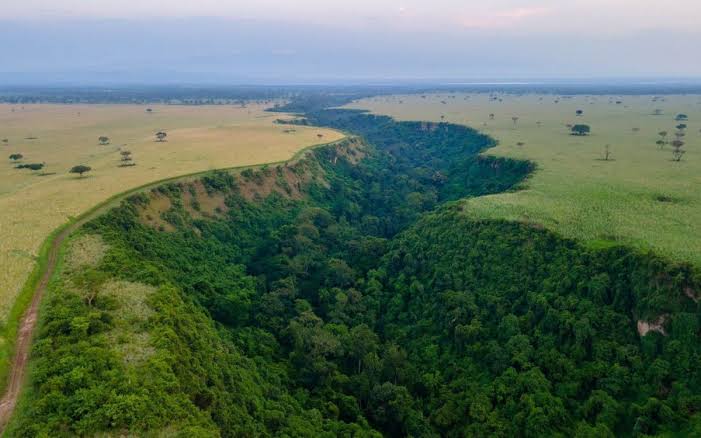
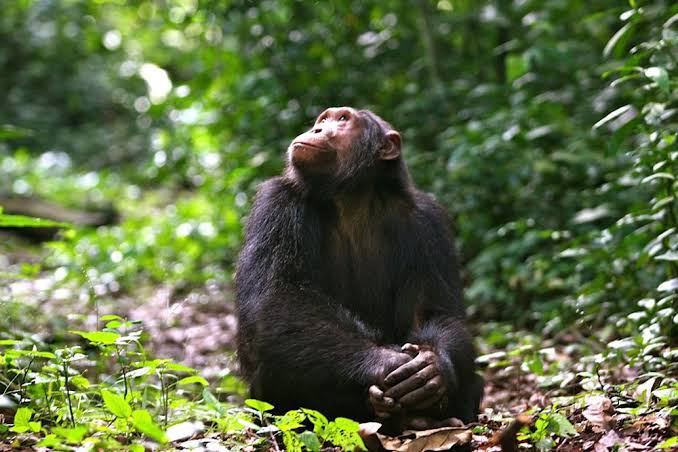
Locals and guides call it the “Valley of Apes” because it shelters a small, isolated community of chimpanzees, often described as the “lost chimpanzees of Kyambura.” Cut off from larger forests by farmland and savannah, these chimps live their entire lives within the gorge’s steep walls, alongside monkeys, hippos, forest birds and the rushing Kyambura River.
For travellers, Kyambura Gorge offers something rare: the chance to track wild chimpanzees and enjoy a classic big-game safari in the same park, often on the same day. This guide covers everything you need to plan a visit, from permit prices and the important January 2027 tariff change to trekking tips, accommodation and sample itineraries.
Where Is Kyambura Gorge?
Kyambura Gorge lies in the north-eastern sector of Queen Elizabeth National Park, along the park’s boundary with the Kyambura Wildlife Reserve. It sits on the Kichwamba escarpment, a short drive from the Kasese–Mbarara highway, and is easy to fit into any route that links Queen Elizabeth with Bwindi, Kibale or Lake Mburo.
The gorge was shaped by the Kyambura River, which drains water from the highlands above the escarpment and cuts through the rift-valley floor on its way north to Lake George. Over thousands of years, the river eroded a steep-sided canyon. Its sheltered, moist floor allowed a strip of tropical rainforest to develop in an otherwise dry savannah landscape.
Key Distances
| From | Approx. distance | Approx. drive time |
| Kampala | 400 km | 6–7 hours (via Masaka and Mbarara) |
| Entebbe International Airport | 430 km | 7–8 hours |
| Mweya Peninsula (QENP) | 40 km | 45 minutes – 1 hour |
| Kasese town | 65 km | 1–1.5 hours |
| Mbarara | 120 km | 2–2.5 hours |
| Kibale Forest National Park (Kanyanchu) | 150 km | 3–3.5 hours |
| Ishasha sector (QENP) | 110 km | 2.5–3 hours |
| Bwindi (Buhoma sector) | 170 km | 4–5 hours |
Distances and times are approximate and depend on road works, weather and wildlife stops.
The Lost Chimpanzees of Kyambura
The chimpanzees of Kyambura Gorge are a small community, usually estimated at 20 to 30 individuals. What makes them special is their isolation. Historically, the gorge forest may have been linked to larger forest blocks such as Kalinzu and Maramagambo, allowing chimps to move and breed across a wider area. Over time, farmland, settlement and savannah have separated the gorge from those forests, leaving the Kyambura chimps genetically cut off.
This isolation is both what makes them fascinating and what makes them vulnerable. A small, closed population faces risks from inbreeding, disease and human–wildlife conflict along the gorge edges. As a result, Kyambura has become a focus for conservation work led by the Uganda Wildlife Authority together with partners such as the Volcanoes Safaris Partnership Trust and the Jane Goodall Institute Uganda.
Conservation and the Kyambura Discovery Centre
Since 2009, the Kyambura Gorge Ecotourism Project has worked to protect the gorge ecosystem through land purchases along the gorge rim, wetland restoration, community livelihood projects and research into reconnecting the chimps with neighbouring forests. In 2021, the Jane Goodall Institute formally joined the partnership to support the chimpanzee population and surrounding communities.
On 1 March 2025, the partners opened the Kyambura Discovery Centre, which explains the history of the gorge, its chimpanzees and the conservation work under way. It is a worthwhile stop before or after your trek, especially for families and travellers interested in the story behind the sightings.
| Why Your Visit Matters
Permit fees paid to UWA fund ranger patrols, habitat protection and community revenue-sharing around Queen Elizabeth National Park. Choosing to track at Kyambura directly supports the long-term survival of one of Uganda’s most threatened chimpanzee communities. |
Chimpanzee Tracking in Kyambura Gorge
Chimpanzee tracking is the main reason visitors come to Kyambura. Treks are run by UWA, led by experienced ranger guides, and limited to small groups to reduce disturbance to the chimps.
How a Trek Works
- Arrival and briefing (about 7:30 am or 1:30 pm): Report to the UWA briefing point at the gorge rim near Fig Tree Camp. Rangers check permits, explain the rules and share background on the chimp community.
- Descent into the gorge: A steep, often slippery trail leads down from the savannah into the forest. Within minutes the temperature drops and the soundscape changes from grassland birds to forest calls.
- Tracking: Guides follow fresh signs such as calls, feeding remains, nests and footprints. Trackers often go ahead early to locate the group. You may need to cross the Kyambura River on natural log or wooden bridges.
- Time with the chimps: Once located, you get up to one hour with the chimpanzees, watching them feed, groom, play or rest. Chimps often move fast, so be ready to follow.
- Climb out: The return climb to the rim is the most demanding part of the walk. Total trek time is usually 2–4 hours, but can be longer.
Chances of Seeing Chimpanzees
Honesty matters here. Because the Kyambura chimps roam within a long, narrow gorge and sometimes move to the forest edges or into areas that are hard to reach, sighting success is lower than in Kibale Forest National Park. Many treks find the chimps, but some do not. Even on those days, visitors usually see other primates, hippos, forest birds and the spectacular gorge scenery.
If seeing chimpanzees is your top priority, consider tracking in Kibale as well and treat Kyambura as a scenic bonus. If you want a more affordable, less crowded and highly scenic primate walk that fits neatly into a Queen Elizabeth safari, Kyambura is an excellent choice.
Tracking Rules and Etiquette
- Minimum age for chimpanzee tracking is 12 years.
- Keep a distance of at least 8 metres from the chimpanzees.
- Do not track if you have a cold, flu or other contagious illness; chimps are vulnerable to human diseases.
- No eating, drinking or smoking near the chimps; carry all litter out of the gorge.
- No flash photography; keep voices low and stay together as a group.
- Follow the ranger guide’s instructions at all times, including if a chimp approaches or displays.
Kyambura Gorge Permit Prices (2027–2028)
Chimpanzee tracking permits for Kyambura Gorge are issued by the Uganda Wildlife Authority. Under the July 2024 – December 2026 tariff, the permit costs US$100 for foreign non-residents. UWA has announced revised primate permit prices from 1 January 2027, which doubles the Kyambura rate for foreign non-residents.
| Visitor category | Permit bought before 1 Jan 2027 | Permit bought from 1 Jan 2027 |
| Foreign non-resident | US$100 | US$200 |
| Foreign resident (in Uganda) | US$80 | Check latest UWA tariff |
| East African citizen | UGX 50,000 | Check latest UWA tariff |
| Important: Purchase Date Decides the Price
UWA prices permits by the date of purchase, not the date of trekking. If you plan to track in 2027, buying your Kyambura permit before 1 January 2027 locks in the current US$100 rate. Permits are not refundable once issued, so confirm your travel dates before buying. |
What the Permit Covers (and What It Does Not)
- Included: One chimpanzee tracking session with a UWA ranger guide and up to one hour with the chimps once found.
- Not included: Queen Elizabeth National Park entry fees (about US$40 per foreign non-resident adult per 24 hours), transport, porters, tips and accommodation.
How to Book
Permits can be booked directly with UWA or, more conveniently, through a licensed tour operator such as Marriott Safaris Africa, who can secure your permit, align it with your park entry, vehicle and lodging, and handle payment. Because group sizes are small and daily slots are limited, book at least 2–3 months ahead for the June–September and December–February peak seasons.
Other Wildlife in the Gorge
Even without chimpanzees, Kyambura Gorge is rich in wildlife. The combination of forest, river and savannah edge makes it one of the most biodiverse corners of Queen Elizabeth National Park.
| Group | Species you may encounter |
| Primates | Black-and-white colobus, red-tailed monkey, vervet monkey, L’Hoest’s monkey, olive baboon |
| River wildlife | Hippos in the Kyambura River pools; occasionally crocodiles |
| Mammals on the rim | Elephant, buffalo, Uganda kob, waterbuck and warthog; leopards are present but rarely seen |
| Forest birds | African finfoot, Ross’s turaco, black bee-eater, blue-breasted kingfisher, hornbills |
| Raptors | Falcons, African fish eagle and other birds of prey riding thermals above the gorge |
Things to Do at and Around Kyambura Gorge
1. Gorge Viewpoints and Photography
The viewing platform at the gorge rim offers sweeping views over the forest canopy and surrounding savannah. Late afternoon light is especially good for photography.
2. Birding Walks
The gorge, rim and nearby wetlands are excellent for birding. Queen Elizabeth National Park has a bird list of more than 600 species, and the Kyambura area adds forest specials to the park’s savannah and water birds.
3. Nature and Wetland Walks
Lodges near the gorge, including Kyambura Gorge Lodge, run guided walks along the gorge edge and through restored wetlands, giving a slower, more intimate experience of the landscape.
4. Game Drives in Queen Elizabeth National Park
The Kasenyi plains, about an hour away, offer some of Uganda’s best game viewing, including lions, elephants, buffalo and large herds of Uganda kob.
5. Kazinga Channel Boat Cruise
Combine your trek with an afternoon cruise on the Kazinga Channel from Mweya, one of the best ways to see hippos, elephants, crocodiles and water birds at close range.
6. Community and Coffee Experiences
Several community projects near the gorge rim offer coffee and honey experiences, women’s craft groups and cultural visits linked to the ecotourism project.
7. Crater Lakes and Kalinzu Forest
The Kichwamba and Rubirizi area is dotted with scenic crater lakes. Kalinzu Forest Reserve, around 30 minutes away, offers an alternative chimp trek with a larger habituated community.
Best Time to Visit Kyambura Gorge
Kyambura Gorge is open year-round. Each season has its own advantages.
| Season | Months | What to expect |
| Long dry season | June – September | Drier trails, easier descent and climb, excellent game viewing nearby. Peak season, so book early. |
| Short dry season | December – February | Good trekking conditions and strong wildlife viewing. Busy over Christmas and New Year. |
| Long rains | March – May | Muddy, slippery trails; lush scenery, fewer visitors and great birding. UWA offers low-season gorilla and Kibale chimp discounts in April and May. |
| Short rains | October – November | Afternoon showers; green landscapes and quieter parks. November is a UWA low-season month. |
How to Get to Kyambura Gorge
By Road
Most visitors arrive by road from Kampala or Entebbe via Masaka and Mbarara, entering the Queen Elizabeth area along the Mbarara–Kasese highway. The gorge turn-off is clearly marked near the Kichwamba escarpment. The main highway is tarmac; the final access tracks are murram and can be slippery after rain. A 4×4 vehicle is strongly recommended, especially in the wet seasons and if you plan game drives in the park.
| Self-Drive Tip
Kyambura fits naturally into a self-drive Uganda loop: Lake Mburo → Bwindi → Ishasha → Queen Elizabeth → Kyambura → Kibale → Kampala. A Toyota Land Cruiser or RAV4 from Marriott Safaris Africa handles the route comfortably, and our team can pre-book your chimp permit and park entry. |
By Air
Scheduled and charter flights operate from Entebbe or Kajjansi to Mweya and Kasese airstrips. From either airstrip, a lodge or operator vehicle can transfer you to the gorge in around one hour. Flying saves a full day of driving and pairs well with a short Queen Elizabeth stay.
Where to Stay Near Kyambura Gorge
Accommodation near the gorge ranges from luxury eco-lodges on the rim to budget options in Kichwamba and Katunguru. Staying close to the gorge makes an early-morning trek much easier.
| Tier | Options | Why stay here |
| Luxury | Kyambura Gorge Lodge (Volcanoes Safaris) | Eight hand-built bandas facing the savannah or gorge, a private footpath to the gorge, pool and spa; built as part of the conservation project |
| Mid-range | Lodges and cottages on the Kichwamba escarpment and around Katunguru | Good value, rift-valley views and short drives to both the gorge and Kasenyi plains |
| Mid-range (Mweya) | Lodges on the Mweya Peninsula | Ideal for Kazinga Channel cruises and morning game drives; about an hour to the gorge |
| Budget | Simple guesthouses and campsites around Katunguru and Kichwamba | Affordable base for self-drivers and backpackers; book ahead in peak season |
What to Pack for Chimpanzee Tracking
- Sturdy, waterproof hiking boots with good grip for the steep, muddy trail
- Long trousers and long-sleeved shirt in neutral colours (protection from nettles, insects and branches)
- Lightweight rain jacket, especially from March to May and October to November
- Gardening gloves for gripping vegetation on the descent and climb
- Insect repellent and a hat
- Drinking water and a light snack (eaten away from the chimps)
- Camera with a fast lens (the forest is dark) and binoculars for birding
- Passport and printed or digital permit for checking at the briefing
- A walking stick (often provided at the start) and small cash for porters and tips
Sample Itineraries Including Kyambura Gorge
Option 1: 3-Day Queen Elizabeth & Kyambura Safari
| Day | Plan |
| Day 1 | Drive from Kampala to Queen Elizabeth via Mbarara; overnight near Kichwamba or Mweya. |
| Day 2 | Morning chimp tracking in Kyambura Gorge; afternoon Kazinga Channel boat cruise. |
| Day 3 | Early game drive on the Kasenyi plains; return to Kampala. |
Option 2: 7-Day Primates & Big Game Safari
| Day | Plan |
| Day 1 | Kampala to Kibale Forest National Park. |
| Day 2 | Chimp tracking in Kibale; afternoon Bigodi Wetland walk. |
| Day 3 | Drive to Queen Elizabeth; afternoon Kazinga Channel cruise. |
| Day 4 | Morning game drive on Kasenyi plains; afternoon Kyambura Gorge trek. |
| Day 5 | Drive south via Ishasha to look for tree-climbing lions; continue to Bwindi. |
| Day 6 | Gorilla trekking in Bwindi Impenetrable National Park. |
| Day 7 | Return to Kampala or Entebbe (or fly from Kihihi). |
Kyambura Gorge vs. Kibale vs. Kalinzu
| Feature | Kyambura Gorge | Kibale Forest NP | Kalinzu Forest |
| Managed by | UWA | UWA | National Forestry Authority |
| Permit (FNR, before 2027) | US$100 | US$250 | Lower-cost option |
| Sighting success | Moderate | Highest in Uganda | Good |
| Terrain | Steep gorge descent and climb | Mostly flat forest | Hilly forest trails |
| Best for | Scenery + safari combo | Travellers prioritising sightings | Budget chimp tracking |
Practical Tips for Visiting Kyambura Gorge
- Book early: Daily slots are limited; secure permits months ahead in peak season.
- Lock in 2026 pricing: If travelling in 2027, buy your permit before 1 January 2027.
- Choose the morning slot: Chimps are often more active and vocal early in the day.
- Hire a porter: Porters help with bags and the steep climb, and the income supports local families.
- Manage expectations: Treat Kyambura as a full nature experience, not only a chimp sighting.
- Health requirements: A yellow fever vaccination certificate is required to enter Uganda; consult a travel clinic about malaria prevention.
- Combine with Kibale: For the best chance of chimps, track in both locations.
Frequently Asked Questions
How much is a Kyambura Gorge chimpanzee permit?
For foreign non-residents, US$100 if purchased before 1 January 2027 and US$200 from that date. Foreign residents pay US$80 and East African citizens UGX 50,000 under the current tariff.
Does the permit include park entry?
No. Queen Elizabeth National Park entry fees are paid separately.
How many chimpanzees live in Kyambura Gorge?
Roughly 20 to 30, forming a small isolated community.
Am I guaranteed to see chimpanzees?
No. Sighting success is lower than in Kibale because the chimps range across a long, steep gorge. Many treks succeed, but not all.
How difficult is the trek?
Moderate. The descent and climb are steep and can be slippery, but the walk is short. A reasonable level of fitness is enough.
What is the minimum age?
Twelve years for chimpanzee tracking.
Can I visit Kyambura Gorge on a self-drive safari?
Yes. The gorge is accessible by 4×4 from the Mbarara–Kasese highway, and you meet UWA rangers at the briefing point.
Can I do Kyambura and a game drive on the same day?
Yes. Many visitors track in the morning and do a game drive or Kazinga Channel cruise in the afternoon.
Conclusion
Kyambura Gorge is one of Uganda’s most memorable safari experiences: a hidden rainforest ribbon in the savannah, home to a small, determined community of chimpanzees. It does not promise the near-certain sightings of Kibale, but it rewards visitors with drama, scenery, biodiversity and the knowledge that their visit helps protect a threatened population.
Whether you are on a self-drive adventure or a fully guided safari, Marriott Safaris Africa can secure your Kyambura permits, arrange your 4×4 vehicle and build an itinerary that links the Valley of Apes with Queen Elizabeth’s big game, Kibale’s chimps and Bwindi’s gorillas.
| Plan Your Kyambura Gorge Adventure
Contact Marriott Safaris Africa to check permit availability, lock in current rates before the 2027 increase and design a tailor-made Uganda safari. Perfection Anytime. |