Gorilla Families in Buhoma Sector, Bwindi
Buhoma is the place where gorilla tourism in Uganda was born. On 1 April 1993, the first group of visitors walked into the northern edge of Bwindi Impenetrable Forest National Park to spend an hour with the Mubare gorilla family. More than three decades later, Buhoma remains the most visited and best-developed of Bwindi’s four gorilla trekking sectors, and its habituated gorilla families are among the most famous primate groups in Africa.
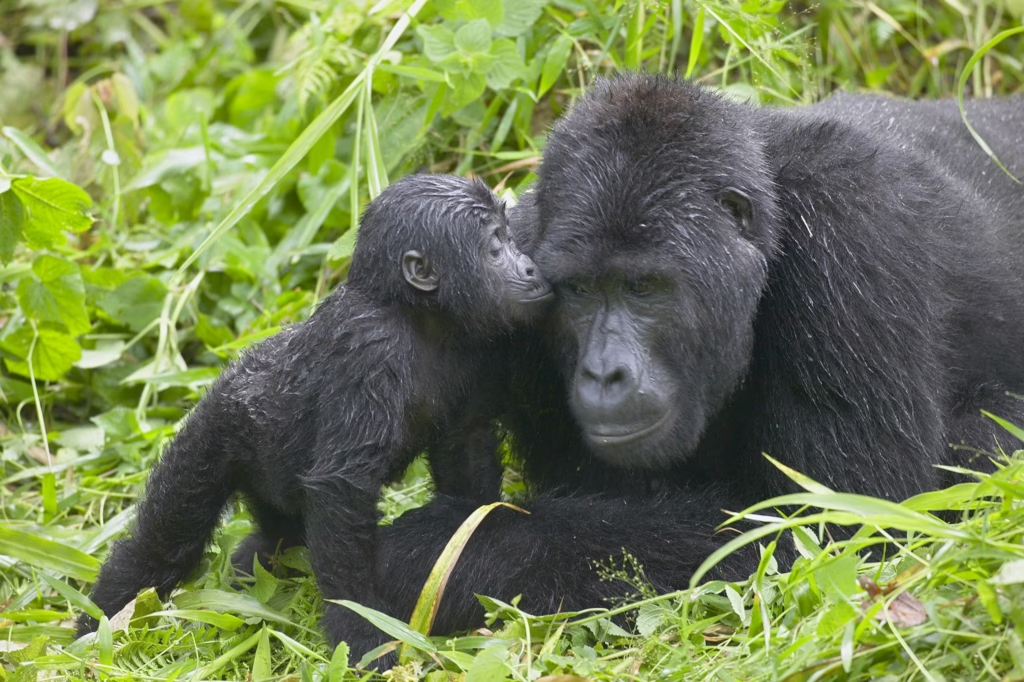
This guide covers every gorilla family currently associated with the Buhoma sector: Mubare, Habinyanja, Rushegura, Katwe and Muyambi. For each one you will find its history, approximate size, leadership, typical trekking difficulty and what makes it special. We also cover how families are allocated on trekking day, 2026 permit prices, the best time to visit, getting to Buhoma, where to stay and what else to do in the area.
| Quick Answer
How many gorilla families are in Buhoma? Buhoma currently has five habituated gorilla families open to trekkers: Mubare, Habinyanja, Rushegura, Katwe and Muyambi. That means up to 40 trekking permits per day in this sector (a maximum of 8 visitors per family). Which is easiest? Rushegura and Mubare often range close to the park headquarters, so treks can be short. Habinyanja usually involves the longest, steepest hike. |
Buhoma Sector at a Glance
| Feature | Details |
| Location | Northern Bwindi Impenetrable National Park, Kanungu District, south-western Uganda |
| Altitude | Roughly 1,160–1,500 m at the trailheads (the lowest-lying of Bwindi’s four sectors) |
| Habituated families | 5 – Mubare, Habinyanja, Rushegura, Katwe, Muyambi |
| Daily permits | Up to 40 (8 per family) |
| Gorilla tourism since | 1 April 1993 (Mubare family) |
| Nearest airstrip | Kihihi (about 1–1.5 hours’ drive) |
| Standard permit (2026) | USD 800 foreign non-resident (USD 600 in April, May and November) |
| Known for | Park headquarters, widest choice of lodges, gentler terrain, Batwa and community experiences |
About the Buhoma Sector
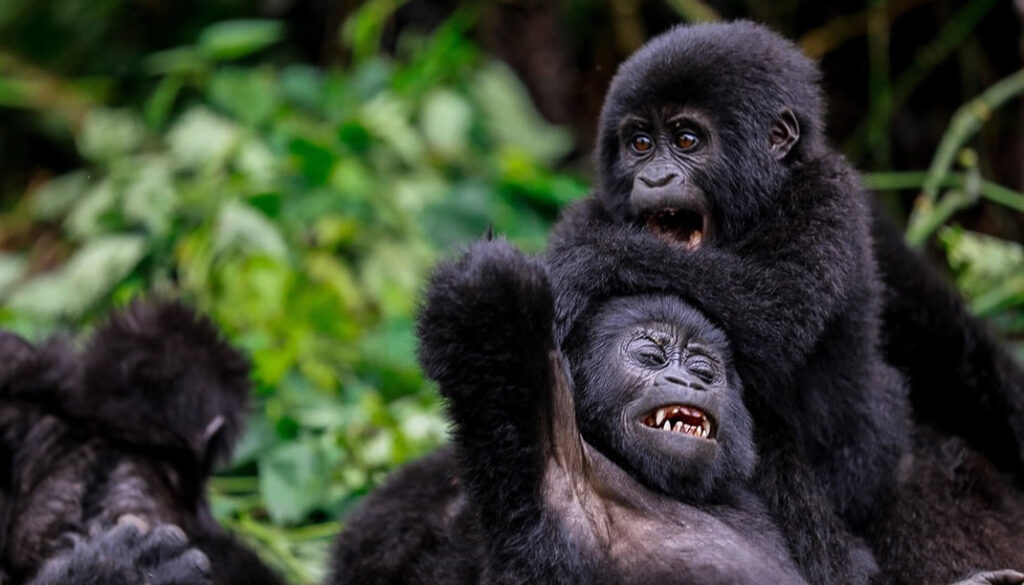
Bwindi Impenetrable National Park covers about 321 km² of ancient montane and lowland rainforest and is home to roughly half of the world’s remaining mountain gorillas. The park is divided into four trekking sectors – Buhoma in the north, Ruhija in the east, and Rushaga and Nkuringo in the south. Each sector has its own trailheads, ranger posts and resident gorilla families, and your permit is tied to one specific sector.
Buhoma sits at the northern gateway of the park, where the Munyaga River tumbles out of the forest. It hosts the park headquarters and the oldest tourism infrastructure in Bwindi, so roads, lodges, community projects and guiding services here are well established. Because the trailheads lie at lower altitude than Ruhija or Nkuringo, the terrain is often a little kinder, although “impenetrable” still means steep, muddy and densely vegetated slopes.
| Why Choose Buhoma?
Accessibility: it pairs neatly with Queen Elizabeth National Park via the Ishasha sector, famous for tree-climbing lions. Accommodation: Buhoma has the largest concentration of lodges in Bwindi, from community bandas to top-tier luxury camps. History: you can trek the very family that launched Uganda’s gorilla tourism. Variety: five families offer a range of trek lengths and group personalities. |
Overview of Buhoma’s Gorilla Families
Gorilla families are dynamic. Infants are born, members die, young silverbacks break away and females transfer between groups, so headcounts change constantly. The figures below are approximate, based on recent published counts, and your ranger will give you the latest numbers at the morning briefing.
| Family | Opened to tourism | Approx. size | Origin | Typical trek |
| Mubare | 1993 | About 8–12 | Original Buhoma family | Short to moderate |
| Habinyanja | Habituated from 1996; opened 1999 | About 12–18 | Original group | Moderate to long |
| Rushegura | Early 2000s, after the 2002 split | About 16–20 | Split from Habinyanja | Often short |
| Katwe | 2018 | About 7–9 | Newer group | Moderate |
| Muyambi | 2019–2020 | About 6–7 | Split from Mubare | Moderate |
1. Mubare Gorilla Family – Uganda’s Pioneer Group
The Mubare family (sometimes called the “M-group”) is the oldest habituated gorilla family in Uganda. It is named after the Mubare Hills, deep in the forest, where the group was first spotted. Habituation began in 1991, and in April 1993 Mubare became the first group in Uganda opened to tourists, which makes it an essential part of the story of gorilla conservation in East Africa.
Mubare has a dramatic history. At its peak under the legendary silverback Ruhondeza, the group numbered around 18 individuals. As Ruhondeza aged, he lost several females to rival silverbacks and the group shrank. He eventually retreated into a nearby community area, where he died in 2012. Leadership passed to Kanyonyi, a son of Ruhondeza and a hugely popular silverback with visitors. Kanyonyi was killed in a fight with a wild silverback in 2017, and the turmoil that followed saw members disperse – some joining the newer Katwe group, and a young male, Muyambi, eventually leaving with several females to form his own family.
Today Mubare is a smaller, settled group. It frequently forages within reach of the Buhoma trailhead, so many treks are relatively short, although no trek is ever guaranteed to be easy.
| Fact | Details |
| Habituation started | 1991 |
| Opened to tourism | April 1993 – the first group in Uganda |
| Approx. size | About 8–12 members (varies with births and transfers) |
| Notable silverbacks | Ruhondeza (died 2012), Kanyonyi (killed 2017) |
| Best for | History lovers and travellers hoping for a shorter trek |
2. Habinyanja Gorilla Family – The Group of the Swamp
Habinyanja takes its name from “Nyanja”, a local word for a body of water, after the swamp near where the group was first found. Habituation began in 1996 and the group was opened to tourists in 1999. Early on it was led by the silverback Mugurusi (whose name means “old man”); after his death, the family was shared by his sons Rwansigazi and Mwirima.
Rwansigazi was an adventurous leader who liked to range widely, while Mwirima preferred to stay in more familiar territory. In 2002 these different temperaments led to a split: Mwirima left with a portion of the group, forming the Rushegura family. Habinyanja has since been led by the dominant silverback Makara, and the group is known for drama and politics between its members, including a respected adult female called Kisho who plays a prominent social role.
Habinyanja tends to range farther from the trailhead and deeper into the forest than other Buhoma groups, so treks can last from three hours to most of the day. It is a rewarding choice for fit hikers who want a more immersive forest experience.
| Fact | Details |
| Habituation started | 1996 |
| Opened to tourism | 1999 |
| Approx. size | About 12–18 members |
| Leadership history | Mugurusi; then Rwansigazi and Mwirima; now silverback Makara |
| Best for | Fit trekkers wanting a deeper, longer forest walk |
3. Rushegura Gorilla Family – Calm Giants Near the Lodges
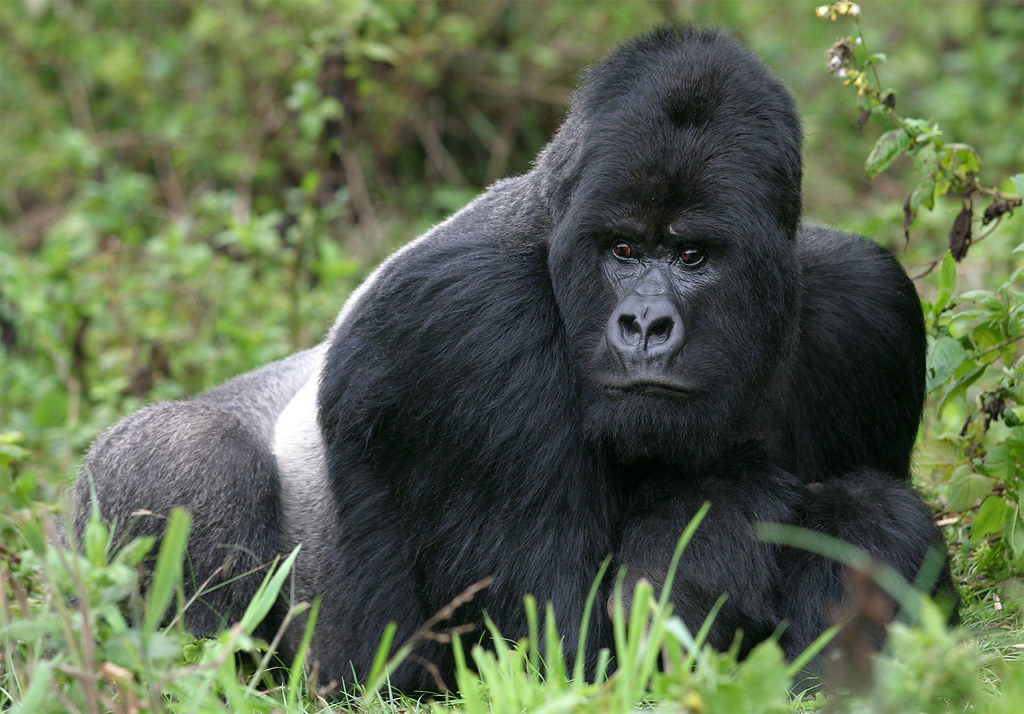
Rushegura formed in 2002 when the silverback Mwirima broke away from Habinyanja with around seven members. The group is named after Ruhizha (Rushegura), the area of tall trees where the split took place. Under Mwirima’s calm leadership the family grew steadily, and it is now usually counted as one of the largest groups in Buhoma, with recent estimates in the high teens to around 20 members and more than one silverback.
Rushegura is known for its peaceful, relaxed character. Its home range is close to the Buhoma park headquarters, and the group is famous for wandering out of the forest onto the edges of lodges and into nearby community land – a few guests have seen gorillas from the grounds of their lodge. This makes Rushegura the family most often assigned to travellers with limited mobility, older visitors and anyone hoping for a shorter trek.
| Fact | Details |
| Formed | 2002, split from Habinyanja |
| Opened to tourism | Early 2000s |
| Approx. size | About 16–20 members, including more than one silverback |
| Founding silverback | Mwirima |
| Best for | Shorter treks, families, senior travellers, photographers |
4. Katwe Gorilla Family – A Newer Group Shaped by Change
Katwe is one of the newest families in Buhoma. The Uganda Wildlife Authority (UWA) began monitoring and habituating the group around 2015, and it was opened to tourists in 2018 after roughly three years of habituation. Its rise is linked to events in neighbouring Mubare: after the death of silverback Kanyonyi in 2017, some Mubare females moved over to Katwe, strengthening the group.
Katwe is led by a single dominant silverback and usually numbers around seven to nine members, including adult females, blackbacks and infants. Because the family is relatively recently habituated, sightings can feel especially fresh and lively, and the group generally ranges at a moderate distance from the trailhead.
| Fact | Details |
| Habituation started | Around 2015 |
| Opened to tourism | 2018 |
| Approx. size | About 7–9 members, 1 dominant silverback |
| Link to Mubare | Absorbed females who left Mubare after Kanyonyi’s death |
| Best for | Travellers wanting a smaller, newer family |
5. Muyambi Gorilla Family – Buhoma’s Youngest Group
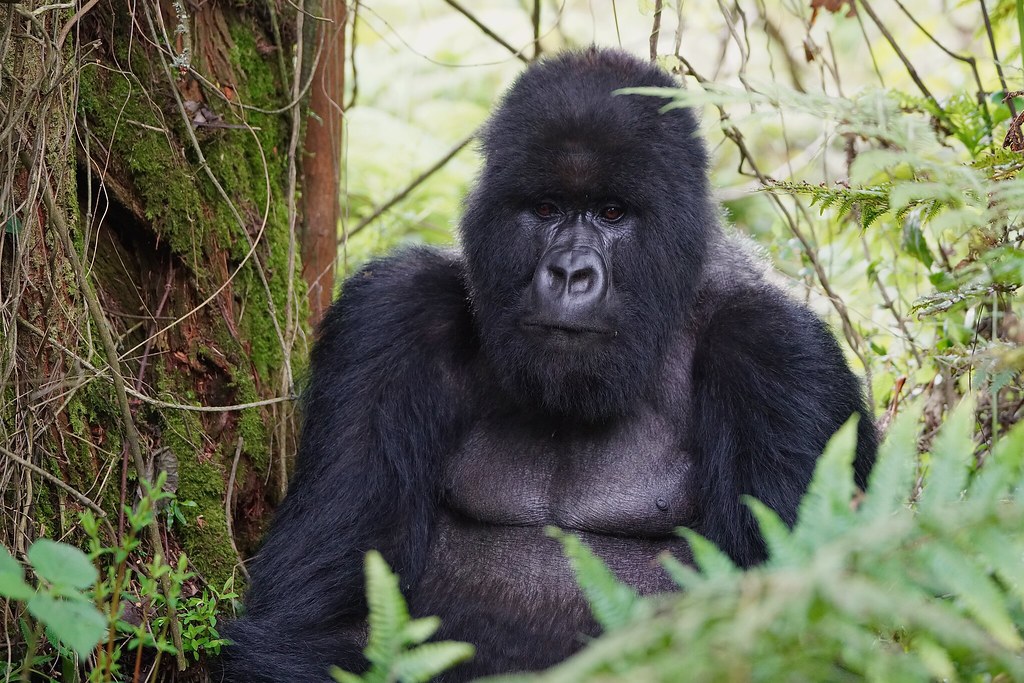
Muyambi is the youngest family in the sector. It formed around 2019 when the silverback Muyambi, formerly a member of the Mubare group, broke away and took several adult females with him. Births since then have grown the family modestly, and it is usually counted at around six or seven members. Muyambi was opened to tourists around 2019–2020, adding permit capacity to the busy Buhoma sector.
As a small, close-knit unit led by a relatively young silverback, Muyambi offers intimate encounters in which visitors can watch a new family establish itself. Trek length varies, but moderate hikes are typical.
| Fact | Details |
| Formed | Around 2019, split from Mubare |
| Opened to tourism | Around 2019–2020 |
| Approx. size | About 6–7 members |
| Leader | Silverback Muyambi |
| Best for | Intimate encounters with a small, young family |
| A Note on Family Lists
You may see other names or different headcounts on some websites. Gorilla groups split, merge and occasionally leave the tourist programme, and online lists are not always updated. The five families above are the groups currently associated with Buhoma; UWA rangers confirm the active families and the latest numbers at each morning briefing. |
How Gorilla Families Are Allocated
A Bwindi permit is issued for a specific sector and date, not for a specific family. On the morning of your trek, rangers at the Buhoma briefing point divide visitors into groups of up to eight and assign each group to a family. Rangers take into account age, fitness and any mobility concerns, so let them know honestly if you would prefer a shorter trek. Trackers set off at dawn to locate each family from where it nested the previous night, and they radio positions to the guides.
| Tip for Requesting an Easier Family
Speak to your driver-guide and the head ranger at the briefing. Requests for an easier family are often accommodated for elderly or less mobile visitors, but nothing is guaranteed – gorillas move, and a “short” family can relocate overnight. Porters and, for those who need it, a stretcher-style sedan chair (arranged locally for an extra fee) can make the trek possible for most people. |
A Typical Gorilla Trekking Day in Buhoma
| Time | What happens |
| 6:30–7:00 am | Breakfast at your lodge; collect your packed lunch |
| 7:30 am | Report to the Buhoma briefing point with your passport and permit; traditional dance welcome by local groups |
| 8:00 am | Ranger briefing on rules and safety; groups are assigned to families; hire a porter if you wish |
| 8:30 am | Trek begins, guided by armed rangers and in radio contact with advance trackers |
| 30 min–6+ hrs later | Gorilla family located; bags and sticks are left behind; one magical hour with the gorillas begins |
| After the hour | Return hike to the trailhead |
| Afternoon | Certificate presentation at the park office, then rest or a community activity |
Gorilla Permits and Costs in Buhoma (2027)
Gorilla trekking permits are issued by the Uganda Wildlife Authority. Foreign non-residents must now book through a licensed Ugandan tour operator rather than directly with UWA, which is one reason most travellers arrange permits as part of a safari package. Your permit includes park entry for the day, the services of the ranger-guides and one hour with the gorilla family.
| Visitor category | Standard permit | Low season (Apr, May, Nov) |
| Foreign non-resident | USD 800 | USD 600 |
| Foreign resident (East Africa) | USD 700 | USD 500 |
| Rest of Africa | USD 500 | USD 500 |
| East African Community citizen | UGX 300,000 | Check with UWA |
| Important Price Note
Rates shown are the published UWA tariff and the discounted low-season rates announced in early 2026. UWA reviews its conservation tariff periodically, so always confirm the current price at the time of booking. Note that the longer Gorilla Habituation Experience is not offered in Buhoma – it takes place in the southern Rushaga sector. |
Other Costs to Budget For
- Porter: typically around USD 15–20 per trek, plus a tip. Hiring one supports local families and makes the hike much easier.
- Tips: for rangers, trackers and your driver-guide, at your discretion.
- Transport: a 4×4 with driver-guide, a self-drive rental, or a domestic flight to Kihihi.
- Accommodation: from about USD 50 per night at community camps to well over USD 1,000 per person at luxury lodges.
- Community activities: Batwa experience, village walks and cultural performances are paid separately.
Best Time to Trek Gorilla Families in Buhoma
Gorillas can be trekked in Buhoma all year round. The main difference between seasons is how wet and slippery the trails are, how busy the park is and what you pay for a permit.
| Period | Season | What to expect |
| June–August | Long dry season | Firmer trails, peak demand; book permits and lodges months ahead |
| December–February | Short dry season | Good trekking conditions, festive-season crowds, lush scenery |
| March | Start of long rains | Shoulder season; afternoon showers become more frequent |
| April–May | Long rains | Muddy, slippery trails; fewer visitors; discounted USD 600 permits |
| September–October | Shoulder season | Mixed weather, good availability |
| November | Short rains | Showers likely; discounted USD 600 permits |
| Our Advice
If you want the easiest trails, choose June–August or December–February. If you are on a budget and do not mind mud, April, May and November offer significant permit savings and quieter forest trails. |
Gorilla Trekking Rules in Buhoma
UWA rules exist to protect the gorillas, which are critically vulnerable to human diseases, and to keep visitors safe.
- Minimum age for gorilla trekking is 15 years.
- Do not trek if you have a cold, flu, diarrhoea or any infectious illness; a medical certificate may secure a partial refund.
- Keep a distance of at least 7–10 metres from the gorillas; if a gorilla approaches, move back slowly as instructed by the ranger.
- A face mask may be required while you are close to the gorillas.
- Maximum of 8 visitors per family and one hour with the gorillas.
- No eating, drinking, smoking or littering near the gorillas.
- Flash photography is forbidden; keep your voice low.
- If you need to cough or sneeze, turn away and cover your nose and mouth.
- If a silverback charges, stay still, crouch down, avoid direct eye contact and follow the ranger’s lead.
Fitness and Packing Tips
You do not need to be an athlete, but a reasonable level of fitness makes the experience far more enjoyable. Regular walking or hiking in the weeks before your trip will help. Treks in Buhoma can range from under an hour to six hours or more, on steep, muddy and uneven ground.
What to Pack
- Waterproof, well broken-in hiking boots with good grip
- Long trousers and long-sleeved shirts in neutral colours
- Lightweight rain jacket – rain is possible in any month
- Gardening gloves to protect against stinging nettles and thorny vines
- Gaiters or long socks to tuck trousers into (keeps out safari ants)
- Daypack with rain cover, 2+ litres of water, packed lunch and energy snacks
- Camera with spare batteries and memory cards (no flash)
- Insect repellent, sunscreen, a hat and a face mask
- Passport and printed permit confirmation for the briefing
How to Get to Buhoma Sector
| Route | Approx. time | Notes |
| Kampala/Entebbe – Buhoma via Mbarara and Rukungiri | 8–10 hours | The most direct road route; tarmac most of the way, final stretch on murram |
| Kampala/Entebbe – Buhoma via Kabale | 9–10 hours | Scenic; often combined with Lake Bunyonyi |
| Queen Elizabeth NP (Ishasha) – Buhoma | 2.5–4 hours | Popular safari link, ideal after a tree-climbing lion game drive |
| Kigali – Buhoma via Katuna or Cyanika border | 6–8 hours | Combine with Rwanda; check border and visa requirements |
| Flight Entebbe/Kajjansi – Kihihi airstrip | 1–1.5 hrs flight + 1–1.5 hrs drive | Fastest option; scheduled and charter flights available |
A 4×4 vehicle is strongly recommended, especially in the rainy months when the last sections of road can be muddy. Many travelers choose a self-drive 4×4 or a vehicle with a professional driver-guide who knows the Bwindi roads well.
Where to Stay Near the Buhoma Gorilla Families
Buhoma offers the widest range of accommodation in Bwindi. Many lodges sit right at the forest edge, within walking distance of the briefing point, so you can enjoy a relaxed start on trekking day.
| Tier | Example lodges | Why stay |
| Luxury | Bwindi Lodge, Sanctuary Gorilla Forest Camp, Buhoma Lodge, Mahogany Springs | Forest-edge suites, fine dining, spa treatments, superb service |
| Mid-range | Engagi Lodge, Haven Lodge, Silverback Lodge, Buhoma Haven Lodge | Comfortable en-suite rooms and forest views at good value |
| Budget | Buhoma Community Rest Camp, Bwindi Guest House, community bandas | Affordable, close to the trailhead, revenue supports local communities |
Lodge availability tightens in peak months, so book accommodation at the same time as your permits.
Other Things to Do in Buhoma
- Batwa cultural experience: learn about the forest-dwelling heritage of the Batwa people, their traditional hunting, medicine and music.
- Munyaga River waterfall trail: a gentle forest walk to waterfalls, rich in birds, butterflies and primates such as L’Hoest’s monkeys.
- Buhoma village walk: visit local farms, a traditional healer, a banana-beer brewery and community projects.
- Birdwatching: Bwindi hosts over 350 bird species, including many Albertine Rift endemics.
- Community and craft projects: local women’s cooperatives, craft shops and cycling tours support families living around the park.
- Buhoma–Nkuringo forest hike: a guided walk along the Ivi River trail through the heart of the forest, connecting the northern and southern sectors.
Sample 3-Day Buhoma Gorilla Trekking Itinerary
Day 1: Kampala/Entebbe to Buhoma
Depart early and drive south-west via Mbarara and Rukungiri, with a stop at the Equator. Arrive in Buhoma in the late afternoon, check in to your lodge and enjoy dinner as the forest comes alive at dusk. Alternatively, fly to Kihihi and transfer to Buhoma for a relaxed afternoon village walk.
Day 2: Gorilla Trekking in Buhoma
After an early breakfast, report to the briefing point to be assigned one of the five Buhoma families. Trek through the forest with rangers and trackers, then spend one unforgettable hour with the gorillas. Return to the lodge for a late lunch, and choose a Batwa experience or a waterfall walk in the afternoon.
Day 3: Buhoma to Kampala or Onward Safari
Drive back to Kampala, or continue north to Ishasha and Queen Elizabeth National Park for game drives, a Kazinga Channel boat cruise and the chance to see tree-climbing lions.
Conservation: Why Your Visit Matters
Mountain gorillas were once on the brink of extinction. Thanks to decades of habituation, anti-poaching patrols, veterinary care and community-centred tourism, numbers have grown, and the subspecies was moved from “critically endangered” to “endangered” on the IUCN Red List in 2018. A share of every permit fee is directed to communities around Bwindi through revenue-sharing programmes, funding schools, health facilities and roads. When local people benefit from gorilla tourism, they become its strongest protectors.
By following the trekking rules, hiring local porters, buying local crafts and staying at community-friendly lodges, you directly contribute to the survival of the Buhoma gorilla families.
Frequently Asked Questions
How many gorilla families are in the Buhoma sector?
Five habituated families are currently open to visitors: Mubare, Habinyanja, Rushegura, Katwe and Muyambi.
Which is the oldest gorilla family in Buhoma?
Mubare. It was the first gorilla family in Uganda opened to tourists, in April 1993.
Which Buhoma gorilla family is the easiest to trek?
Rushegura is often the easiest because it ranges close to the park headquarters, and Mubare can also be relatively close. However, gorillas move every day, so no trek length can be guaranteed.
Which Buhoma family is the largest?
Rushegura and Habinyanja are usually the largest groups, each with well over a dozen members, though exact numbers change with births, deaths and transfers.
Can I choose which gorilla family I visit?
You choose the sector when you book, but rangers assign the family on the morning of the trek. You can request an easier family if you have fitness or mobility concerns.
How much is a gorilla permit for Buhoma in 2026?
USD 800 for foreign non-residents, USD 700 for foreign residents and USD 500 for other African nationals, with discounted USD 600 / USD 500 rates for foreign visitors in April, May and November. Confirm current rates when booking.
Is gorilla habituation available in Buhoma?
No. The Gorilla Habituation Experience in Uganda takes place in the Rushaga sector in southern Bwindi.
Can I see gorillas from my lodge in Buhoma?
Occasionally the Rushegura family wanders close to lodges at the forest edge, but sightings outside the trek are rare and should never be expected. A permit is required for any planned gorilla encounter.
How long does it take to find a gorilla family in Buhoma?
Anywhere from 30 minutes to six hours or more, depending on where the family nested and moved overnight. Allow a full day.
Plan Your Buhoma Gorilla Safari with Marriott Safaris Africa
Whether you dream of meeting the historic Mubare family, the gentle giants of Rushegura or the young Muyambi group, Marriott Safaris Africa can secure your permits, arrange 4×4 transport or self-drive car rental, and book the right lodge for your style and budget. We combine Buhoma gorilla trekking with Queen Elizabeth National Park, Lake Bunyonyi, Kibale Forest or Rwanda to create a seamless East African adventure.
| Ready to Meet the Gorillas of Buhoma?
Contact Marriott Safaris Africa today to check permit availability for your dates. Peak-season permits sell out months in advance – book early and travel with confidence. Perfection Anytime. |