Best Time to Visit Serengeti National Park
Best Time to Visit Serengeti National Park, A Month-by-Month Guide to Seasons, the Great Migration & Day-by-Day Seasonal Itineraries
Ask ten safari guides when the best time to visit Serengeti National Park is and you will hear ten different answers – and every one of them will be right. Tanzania’s most famous park, a UNESCO World Heritage Site covering roughly 14,750 square kilometres, delivers exceptional game viewing in every month of the year. What changes from month to month is where the action happens, what you will see, how the roads behave and how many other vehicles you will share a sighting with.
This guide breaks the Serengeti year down season by season and month by month, follows the Great Wildebeest Migration around the ecosystem, matches the best months to your travel interests, and closes with four detailed day-by-day itineraries – one built for each key season – so you can plan a trip that fits your dates, budget and wildlife wish list.
| Quick Answer: When Is the Best Time to Visit the Serengeti?
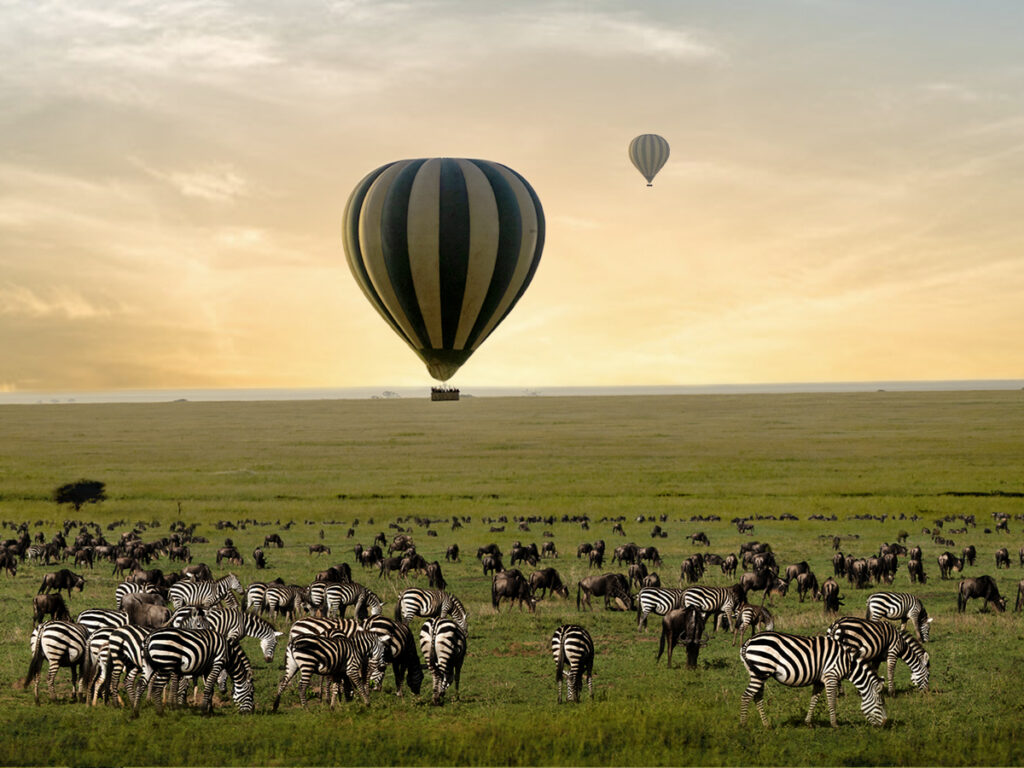
Overall best: late June to October. Dry weather, short grass, easy wildlife viewing and dramatic Mara River crossings in the north. Calving season: late January to February. Hundreds of thousands of wildebeest calves are born on the southern plains, drawing intense predator action. Best value: November, early December and March. Green landscapes, fewer vehicles and lower lodge rates, with the herds still accessible. Hardest months: April and May. Long rains bring muddy tracks and some camp closures, but also the lowest prices and near-empty roads. |
Serengeti National Park at a Glance
| Feature | Details |
| Location | Northern Tanzania, bordering Kenya’s Maasai Mara to the north and the Ngorongoro Conservation Area to the south-east |
| Size | About 14,750 km² (5,700 sq miles) |
| Status | UNESCO World Heritage Site (1981); Tanzania’s flagship national park |
| Signature event | The Great Migration: roughly 1.5 million wildebeest plus hundreds of thousands of zebra and gazelle |
| Main regions | Southern plains (Ndutu), Central (Seronera), Western Corridor (Grumeti), Northern (Lobo & Kogatende) |
| Nearest gateway | Arusha / Kilimanjaro International Airport (JRO); main road gate is Naabi Hill |
| Altitude | Roughly 920–1,850 m above sea level |
| Climate | Warm days year-round (around 25–29°C), cool nights; two rainy seasons |
Understanding the Serengeti’s Four Seasons
Sitting just south of the equator, the Serengeti does not have a summer and winter in the European sense. Instead, the year is shaped by rainfall – and rain drives the grass, the grass drives the herds, and the herds drive the predators. Think of the year in four broad seasons:
| Season | Months | Weather | What to Expect |
| Long dry season | Late June – October | Sunny, dry, dusty; cool mornings | Peak game viewing, river crossings in the north, highest prices and busiest roads |
| Short rains | November – mid-December | Brief afternoon showers, quick-clearing | Herds stream south, landscapes turn green, good value, fewer crowds |
| Short dry / green season | Mid-December – March | Warm, mostly dry with occasional showers | Calving in the south, superb predator action, lush scenery, excellent birding |
| Long rains | April – May | Heavy, prolonged rain; humid | Muddy roads, some camps close, lowest rates, very few visitors, wildebeest rut begins |
The Great Migration: Where the Herds Are Month by Month
The Great Migration is a continuous, clockwise loop through the Serengeti–Mara ecosystem rather than a single event. Timings shift by a few weeks every year depending on when the rains arrive, so treat the table below as a reliable pattern, not a fixed schedule.

| Month | Herd Location | Highlight | Crowds |
| January | Southern Serengeti & Ndutu | Herds settle on short-grass plains; calving begins late month | Moderate |
| February | Southern Serengeti & Ndutu | Peak calving – thousands of births daily; big cat hunts | Moderate–High |
| March | South, drifting west & centre | Calves strengthen; herds start to move | Low–Moderate |
| April | Central Serengeti (Moru, Seronera) | Long columns on the move in the rain | Very low |
| May | Central & Western Corridor | Wildebeest rut; herds gather near Grumeti | Low |
| June | Western Corridor | Grumeti River crossings with giant crocodiles | Moderate |
| July | Western Corridor → Northern Serengeti | First Mara River crossings mid-to-late month | High |
| August | Northern Serengeti & Maasai Mara | Peak Mara River crossings | Very high |
| September | Northern Serengeti (Kogatende, Lamai) | Crossings continue, often with fewer vehicles than August | High |
| October | Northern Serengeti, starting south | Last crossings; herds turn back towards Tanzania | Moderate |
| November | Eastern & central Serengeti (Lobo) | Herds stream south with the short rains | Low |
| December | Southern Serengeti | Herds arrive on fresh grass; festive-season visitors | Moderate–High |
Serengeti Month by Month: A Detailed Breakdown
January
Warm and largely dry after the short rains. The migration herds are spread across the short-grass plains around Ndutu and Lake Masek in the far south, which straddle the park boundary with the Ngorongoro Conservation Area. Late in the month, the first wildebeest calves appear. Cheetah are especially active on the open plains, and the green backdrop makes for beautiful photography.
February
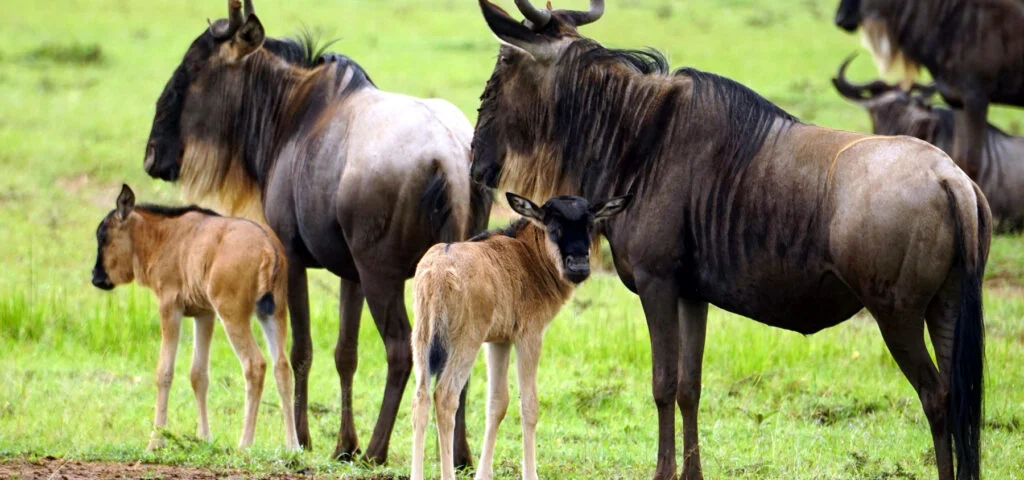
The headline month for calving. In a window of roughly two to three weeks, the majority of wildebeest calves are born – a spectacle that triggers relentless hunting by lion, cheetah, hyena and jackal. Weather is generally dry and warm. Southern camps book out early, so reserve 6–9 months in advance.
March
The plains remain green and the young calves grow stronger. Rain becomes more frequent towards the end of the month, so prices begin to fall. It is an underrated month: you still get migration herds in the south, excellent predator sightings and far fewer vehicles than February.
April
The heaviest rains of the year. Tracks, particularly the black cotton soils of the south and centre, become slippery and occasionally impassable. Several seasonal camps close. However, the resident wildlife of central Serengeti remains, the herds can be seen moving in long columns, and you may have sightings entirely to yourself at the lowest rates of the year.
May
Rain eases towards the end of the month. The herds gather in the central and western Serengeti, and the wildebeest rut fills the air with the grunting of competing males. Landscapes are at their most lush. Value is excellent, and late May is a smart compromise between low prices and improving conditions.
June
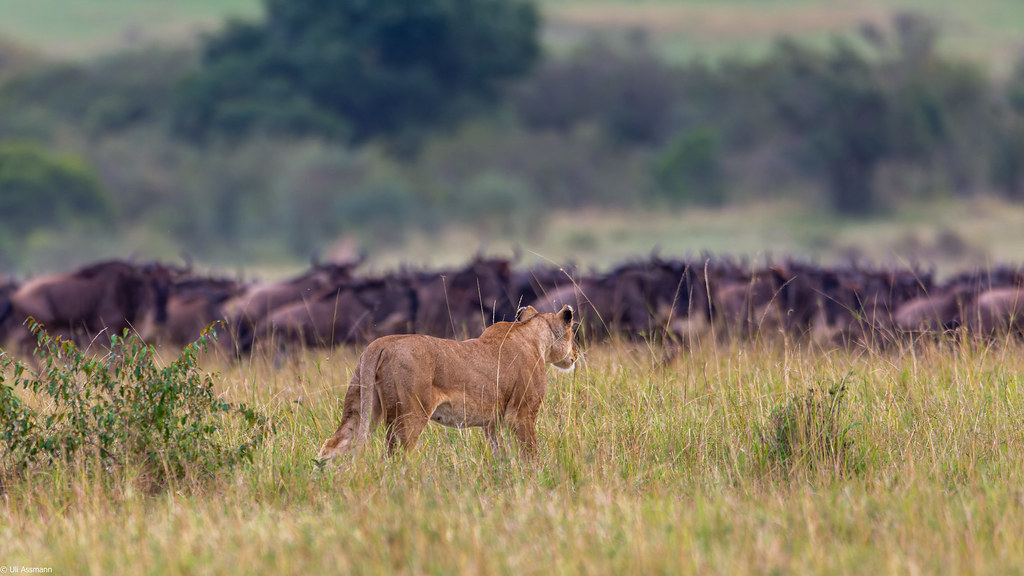
The dry season begins. The migration concentrates in the Western Corridor, where herds must cross the Grumeti River – home to some of Africa’s largest Nile crocodiles. Crossings here are smaller than the Mara’s but often less crowded. Temperatures are pleasant and nights are cool.
July
High season starts in earnest. Herds push north and the first Mara River crossings typically occur from mid-July, although timing varies year to year. Central Serengeti offers outstanding resident predator viewing as grass dries and animals gather near water. Book well ahead.
August
Peak season. The migration is concentrated in the northern Serengeti and across the border in the Maasai Mara, with dramatic, chaotic river crossings at points around Kogatende. Expect the highest prices and the most vehicles at crossing points – patience and a good guide are essential.
September
Arguably the sweet spot of the dry season. Mara River crossings continue with herds moving back and forth across the river, while visitor numbers begin to ease from August levels. The weather is dry, sunny and ideal for photography.
October
The dry season’s final stretch. The last crossings happen in the north and the herds start drifting south late in the month. The first short rains may arrive at month-end. Prices begin to soften, making it a great shoulder-season choice.
November
The short rains bring short afternoon showers that settle the dust and green the plains. The herds stream south through the eastern Serengeti and Lobo area. Low-season rates, few vehicles and fresh landscapes make November one of the best-value months of the year.
December
Herds reach the southern plains as the grass flourishes. Early December remains quiet and good value; the festive period from around 20 December brings a surge in visitors and peak pricing. A wonderful month for families combining a safari with a Zanzibar beach break.
Serengeti Weather & Rainfall by Month
Temperatures in the Serengeti are remarkably stable throughout the year. Rainfall is the variable that matters. The figures below are approximate averages for the central Serengeti (Seronera); the north and west are generally wetter, while the south-east is drier.
| Month | Avg High (°C) | Avg Low (°C) | Rainfall (approx.) | Safari Conditions |
| January | 27 | 16 | Moderate | Very good |
| February | 28 | 16 | Moderate | Excellent |
| March | 27 | 16 | Moderate–High | Good |
| April | 25 | 16 | Very high | Challenging |
| May | 25 | 15 | High (easing) | Fair |
| June | 25 | 13 | Very low | Very good |
| July | 25 | 13 | Very low | Excellent |
| August | 26 | 13 | Very low | Excellent |
| September | 27 | 14 | Low | Excellent |
| October | 28 | 15 | Low–Moderate | Very good |
| November | 27 | 16 | Moderate | Good |
| December | 27 | 16 | Moderate | Very good |
| Packing Tip for Every Season
Early-morning game drives in an open vehicle can feel genuinely cold, especially from June to August. Pack a warm fleece or light down jacket, a beanie and layers you can peel off as the day heats up. |
Best Time to Visit the Serengeti by Travel Interest
| If You Want… | Best Months | Where to Base Yourself |
| Mara River crossings | Mid-July – October | Northern Serengeti (Kogatende, Lamai) |
| Grumeti River crossings | June – early July | Western Corridor |
| Calving & predator action | Late January – February | Ndutu / Southern Serengeti |
| Big cats (resident) | June – October (year-round in Seronera) | Central Serengeti (Seronera) |
| Birdwatching | November – April | Anywhere; migrant species present |
| Lush green photography | December – March, May | Southern & Central Serengeti |
| Lowest prices & fewest crowds | April – May, November | Central Serengeti |
| Hot-air balloon safari | Year-round (best June – October) | Seronera, Ndutu, Western Corridor |
| Self-drive safari | June – October, January – February | Central & Southern circuits |
| Honeymoon / romance | June – October, January – March | Northern or Southern luxury camps |
| Family safari | July – August, December – February | Central Serengeti with Ngorongoro |
Best Time to Visit Each Region of the Serengeti
Southern Serengeti & Ndutu – December to March
The short-grass volcanic plains of the south are nutrient-rich and draw the migration for calving. Outside these months the area is dry and relatively quiet. Note that much of Ndutu lies within the Ngorongoro Conservation Area, so separate NCA fees apply.
Central Serengeti (Seronera) – Year-Round
The Seronera River valley holds water all year and supports one of Africa’s highest densities of resident lion, leopard and cheetah. It is the most reliable region to visit at any time and passes through the migration route in April–May and November.
Western Corridor (Grumeti) – May to July
The corridor stretching towards Lake Victoria hosts the herds in early dry season and the Grumeti River crossings in June. It is quieter than the north and rewards travellers seeking crossings without the crowds.
Northern Serengeti (Lobo, Kogatende, Lamai) – July to October
Remote, scenic and rolling, the north is where the famous Mara River crossings happen. It is often reached by light aircraft from Arusha or Seronera. Outside the migration window it is wonderfully peaceful, with resident wildlife and very few vehicles.
Detailed Seasonal Serengeti Itineraries
The four itineraries below are designed around the best wildlife experiences of each season. All start and end in Arusha and can be run as guided safaris with a driver-guide in a 4×4 Land Cruiser, or adapted for experienced self-drivers in the dry months.
Itinerary 1: 6-Day Calving Season Safari (Late January – March)
Best months: Late January to March | Ideal for: Predator action, photography, first-time visitors
| Day | Route & Activities | Overnight |
| Day 1 | Arrive at Kilimanjaro International Airport; transfer to Arusha. Safari briefing and overnight at a garden lodge. | Arusha |
| Day 2 | Drive to Lake Manyara or Tarangire for an afternoon game drive (elephant herds and baobabs), then continue up to the Ngorongoro highlands. | Karatu |
| Day 3 | Drive past the Ngorongoro rim to Ndutu. Afternoon game drive among the calving herds on the short-grass plains. | Ndutu |
| Day 4 | Full day in the Ndutu and southern Serengeti plains: newborn calves, cheetah and lion hunts, Lake Masek and Lake Ndutu woodlands. | Ndutu |
| Day 5 | Morning in the south, then cross to Seronera for an afternoon searching for leopard along the Seronera River. | Central Serengeti |
| Day 6 | Early game drive, then drive to Ngorongoro Crater for a half-day crater descent (black rhino, lion, flamingo). Return to Arusha in the evening. | Departure |
| Why This Season Works
Short green grass gives clear sightlines, the herds are concentrated in one region, and the abundance of vulnerable young calves produces some of the most dramatic predator–prey encounters on the continent. |
Itinerary 2: 5-Day Western Corridor & Grumeti Crossing Safari (Late May – July)
Best months: Late May to early July | Ideal for: Repeat visitors, quieter crossings, value hunters
| Day | Route & Activities | Overnight |
| Day 1 | Morning flight or drive from Arusha to central Serengeti via the Naabi Hill Gate. Afternoon game drive in Seronera. | Central Serengeti |
| Day 2 | Full day in Seronera and the Moru Kopjes looking for resident big cats and the tail end of the migration columns. | Central Serengeti |
| Day 3 | Drive west into the Western Corridor, following the herds. Afternoon at the Grumeti River watching for crossings and huge Nile crocodiles. | Western Corridor |
| Day 4 | Full day along the Grumeti River and the Ndabaka plains. Optional sunrise hot-air balloon flight. | Western Corridor |
| Day 5 | Morning game drive, then fly back to Arusha from Grumeti or Kirawira airstrip (or drive back via Seronera). | Departure |
| Why This Season Works
The dry season is just starting, the rut is winding down, and herds bottleneck at the Grumeti River – yet visitor numbers are far lower than in the northern Serengeti in August. |
Itinerary 3: 7-Day Mara River Crossing Safari (Mid-July – October)
Best months: Mid-July to October | Ideal for: Bucket-list travellers, photographers, honeymooners
| Day | Route & Activities | Overnight |
| Day 1 | Arrive at Kilimanjaro International Airport and transfer to Arusha for an overnight stay. | Arusha |
| Day 2 | Drive to Tarangire National Park; game drive among dry-season elephant concentrations along the Tarangire River. | Tarangire |
| Day 3 | Travel via the Ngorongoro highlands into central Serengeti. Afternoon game drive in Seronera. | Central Serengeti |
| Day 4 | Morning game drive, then a scenic drive north through Lobo’s kopjes to Kogatende (or a short flight). | Northern Serengeti |
| Day 5 | Full day at the Mara River with a packed lunch, waiting at crossing points as herds gather and plunge across. | Northern Serengeti |
| Day 6 | Second day exploring crossing points and the Lamai Triangle; afternoon sundowner overlooking the river. | Northern Serengeti |
| Day 7 | Final morning game drive, then fly from Kogatende airstrip to Arusha in time for international departures. | Departure |
| Why This Season Works
Dry conditions make game easy to spot, and two full days at the Mara River dramatically improve your odds of witnessing a crossing, which can take hours of waiting. |
Itinerary 4: 4-Day Green Season Value Safari (November – Early December)
Best months: November to mid-December | Ideal for: Budget-conscious travellers, birders, short breaks
| Day | Route & Activities | Overnight |
| Day 1 | Depart Arusha early and drive via the Ngorongoro highlands into the Serengeti. Afternoon game drive en route to Seronera. | Central Serengeti |
| Day 2 | Full day in the central and eastern Serengeti, intercepting herds moving south through the Gol Kopjes and Lobo areas. | Central Serengeti |
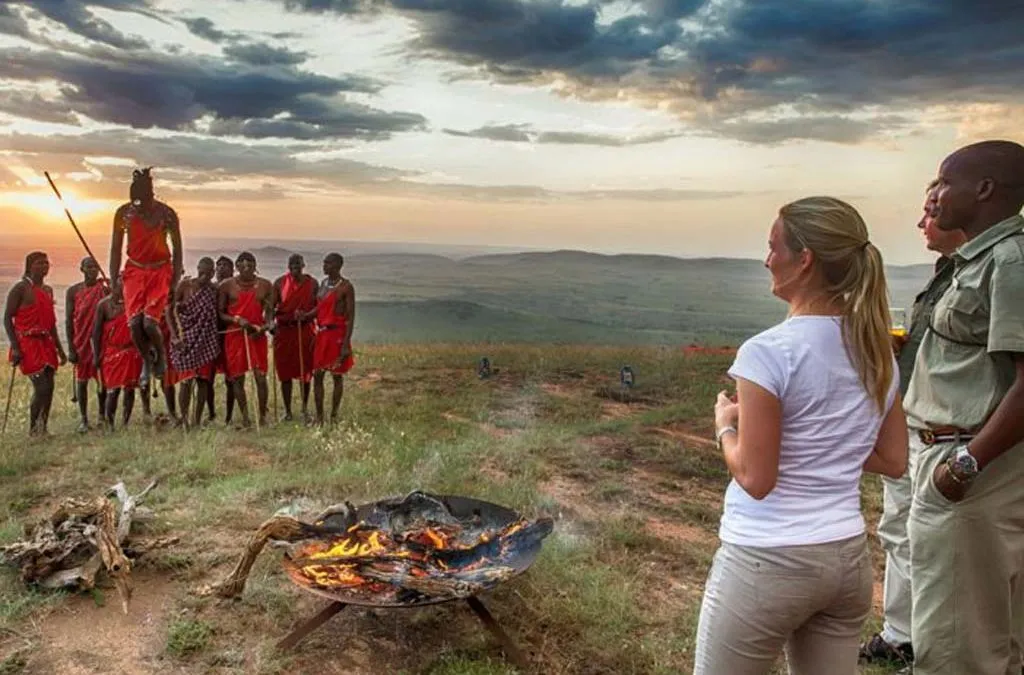
| Day 3 | Morning game drive in Seronera, then drive to the Ngorongoro highlands; optional visit to a Maasai village. | Karatu |
| Day 4 | Half-day Ngorongoro Crater game drive and return to Arusha. | Departure |
| Why This Season Works
Low-season lodge rates, freshly green plains, migratory birds and the herds on the move make this a smart way to see the Serengeti without peak-season prices. |
Serengeti National Park Fees (2027)
Park fees are set by the Tanzania National Parks Authority (TANAPA), are charged per 24-hour period, and are the same in every season. Payment at the gate is by card only – cash is not accepted. Fees are commonly reviewed each July, so always confirm current rates before travel.
| Fee Type | Non-Resident Rate (USD, incl. VAT) | Notes |
| Adult entry (16+ years) | ≈ $82.60 per 24 hours | Same rate in peak and low season |
| Child entry (5–15 years) | ≈ $24 per 24 hours | Children under 5 enter free |
| Concession fee (lodges/camps inside park) | ≈ $70.80 per person per night | Paid in addition to entry fee when staying inside the park |
| Ngorongoro Conservation Area | Separate NCA fees apply | Relevant for Ndutu and crater visits |
| Vehicle entry | Varies by vehicle weight and registration | Charged separately from per-person fees |
Rates shown are indicative for 2026 and subject to change by TANAPA and the NCAA. Please confirm with your safari consultant before booking.
Self-Driving the Serengeti: Seasonal Road Conditions
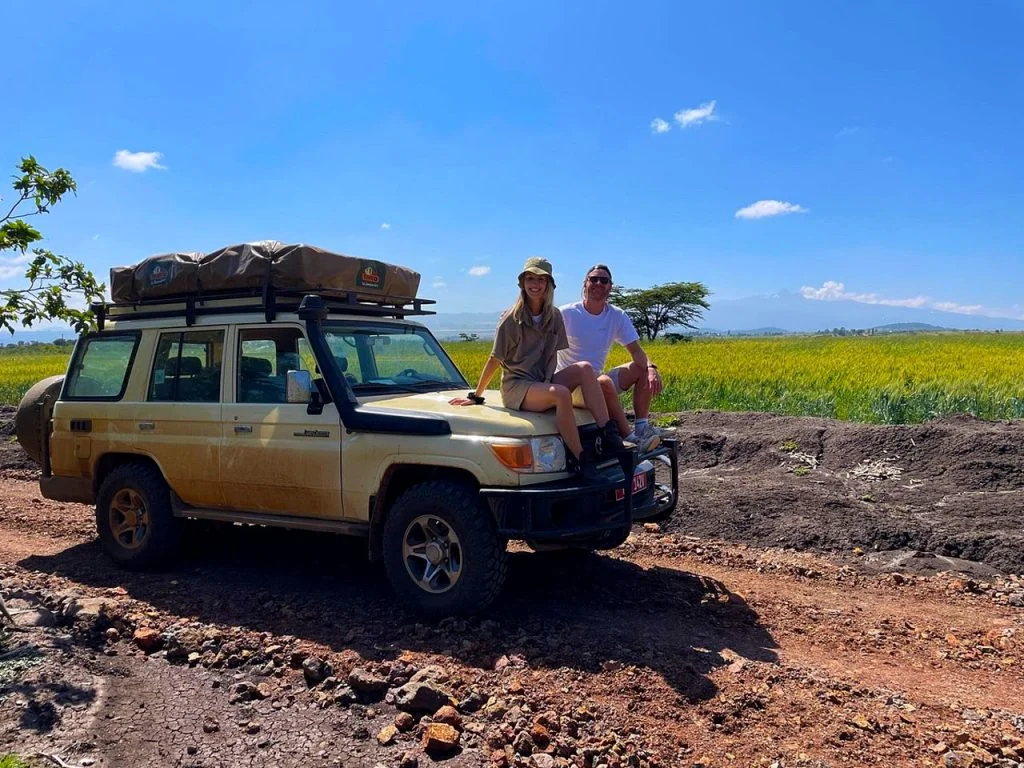
A self-drive safari in a well-equipped 4×4 can be a superb way to explore the Serengeti, but season matters even more than for a guided trip.
- June to October: The easiest time for self-drivers. Tracks are firm, though corrugated roads and fine dust are constant companions. Carry extra water and check air filters regularly.
- November to March: Generally manageable, but afternoon showers can turn black cotton soil around Ndutu and Seronera into thick, sticky mud. Avoid off-track areas after rain.
- April and May: Not recommended for inexperienced self-drivers. Some routes become impassable and recovery can take hours.
- All year: Stay on designated tracks, respect gate opening hours, carry a reliable map or GPS, two spare tyres, a high-lift jack and recovery gear.
What to Pack by Season
| Season | Essentials |
| Dry season (Jun–Oct) | Warm fleece or down jacket for dawn drives, dust-proof camera bag, buff or scarf, lip balm, sunscreen, wide-brimmed hat |
| Green & calving season (Dec–Mar) | Light layers, compact rain jacket, insect repellent, polarised sunglasses, long lens for distant predator action |
| Long rains (Apr–May) | Waterproof jacket and trousers, quick-dry clothing, waterproof bags for electronics, sturdy boots |
| Short rains (Nov) | Light rain jacket, binoculars for birding, layers for cool evenings |
| Year-round | Neutral-coloured clothing (avoid dark blue and black, which attract tsetse flies), malaria prophylaxis, yellow fever certificate if required, power bank |
Expert Tips for Planning Your Serengeti Safari
- Book early for peak months. For July–September and February calving season, reserve 6–12 months ahead, especially for camps near Kogatende and Ndutu.
- Follow the herds, not the calendar. Choose camps in the right region for your travel month – a mobile tented camp that relocates with the migration is a great option.
- Allow enough time. Spend at least three nights in the Serengeti; four or more if you want Mara River crossings.
- Combine regions wisely. Pair the Serengeti with Ngorongoro Crater and Tarangire for a classic northern circuit.
- Consider flying in. Light-aircraft flights from Arusha save long drives, especially for the remote northern Serengeti.
- Use shoulder seasons. Late May, early June, October, November and March offer an excellent balance of wildlife, weather and price.
Frequently Asked Questions
What is the best month to visit the Serengeti?
For most travellers, July to September is best thanks to dry weather and Mara River crossings. February is the best single month for calving and predator action.
When can I see the wildebeest river crossings?
Grumeti River crossings typically occur in June in the Western Corridor, while the more famous Mara River crossings usually run from mid-July to October in the northern Serengeti.
Is the Serengeti worth visiting in the rainy season?
Yes. The green season (November–March) offers lush scenery, calving, excellent birding and lower prices. Only the long rains of April and May are genuinely challenging.
When is the cheapest time to visit the Serengeti?
April and May offer the lowest lodge rates, followed by November and early December. Park entry fees, however, stay the same year-round.
Can I see the Big Five in the Serengeti?
Lion, leopard, elephant and buffalo are seen regularly. Black rhino are rare in the Serengeti, so combining your trip with Ngorongoro Crater gives you the best chance of completing the Big Five.
How many days do I need in the Serengeti?
At least three nights. Four to five nights allow you to explore two regions, and add Ngorongoro and Tarangire for a well-rounded 6–8 day northern circuit safari.
Is it better to visit the Serengeti or the Maasai Mara for the migration?
The herds spend roughly ten months of the year in Tanzania. The Mara is best from August to October, while the Serengeti offers migration viewing almost year-round across different regions.
Can I do a self-drive safari in the Serengeti?
Yes, with a properly equipped 4×4 and experience on rough tracks. The dry season (June–October) and January–February are the most suitable months.
| Plan Your Serengeti Safari with Marriott Safaris Africa
Whether you dream of watching the Mara River crossings, witnessing newborn calves on the Ndutu plains or exploring the Serengeti in the quiet green season, our team will match your travel dates to the best region, camps and itinerary. From fully guided Land Cruiser safaris to self-drive 4×4 rentals with camping gear, we tailor every detail. Marriott Safaris Africa – Perfection Anytime. |