
Attractions in Central Kalahari Game Reserve
Fossil valleys, black-maned lions and the silence of Botswana’s wild heart — a complete guide to what to see and where to find it
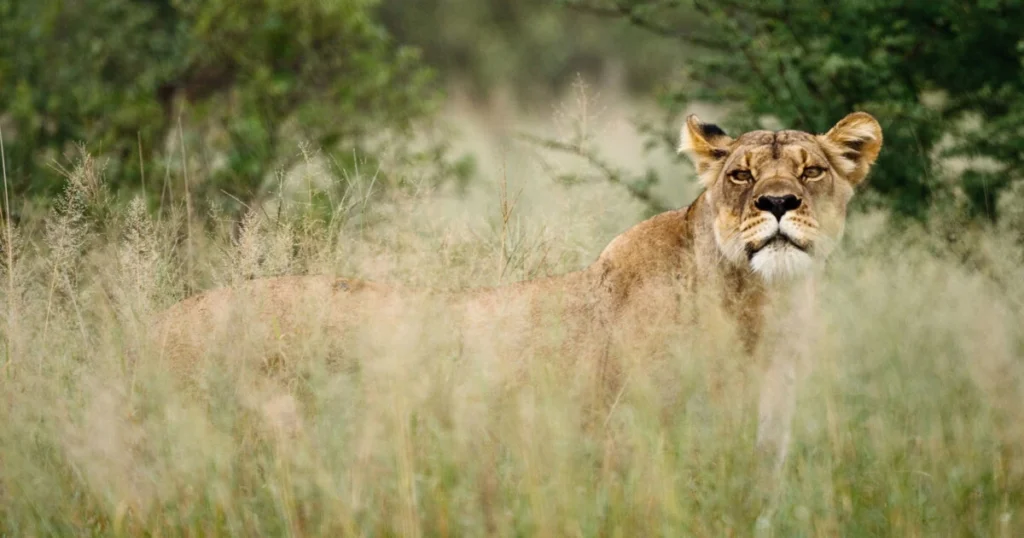
Covering roughly 52,800 square kilometres of thornveld, grass plains and ancient river valleys, the Central Kalahari Game Reserve (CKGR) is Botswana’s largest protected area and one of the biggest game reserves on Earth. It is larger than Switzerland, yet on a quiet day you may share it with only a handful of other vehicles. That vastness is the first attraction. The second is what lives within it: desert-adapted lions with thick black manes, oryx standing against red dunes, cheetahs hunting across open pans, and a summer gathering of antelope that turns the fossil valleys green and busy.
This guide focuses on the individual attractions of the reserve — the valleys, pans, waterholes, wildlife spectacles and cultural landscapes that make a CKGR safari unforgettable. For each one, you will find what makes it special, when to visit, and how to fit it into a route, whether you are joining a guided fly-in safari or self-driving with a fully equipped 4×4.
At a Glance
Location: Central Botswana, between Maun (north), Ghanzi (west) and Gaborone (south-east)
Size: About 52,800 km² — Botswana’s largest game reserve, established in 1961
Signature attractions: Deception Valley, Passarge Valley, Tau Pan, Sunday Pan, Piper Pan, black-maned Kalahari lions
Best time for wildlife: December to April (green season), when herds gather in the northern valleys
Access: Matswere Gate (from Rakops/Maun), Tsau Gate and Xade Gate (from Ghanzi), Khutse Gate (from the south); light-aircraft charters to lodge airstrips
Vehicle needed: High-clearance 4×4 only — deep sand throughout; no fuel, water or shops inside
Understanding the CKGR Landscape
Before diving into individual attractions, it helps to understand how the reserve is laid out. The Kalahari is not a sand-dune desert in the Saharan sense; it is a semi-arid savanna resting on deep Kalahari sand. Most of the reserve is flat to gently undulating, covered in grass, low acacia, and scattered trees. Its most productive wildlife areas are the fossil river valleys and the clay pans, where nutrient-rich soils grow sweet grasses after the rains.
The Three Main Zones
- The northern valleys: Deception Valley, Passarge Valley and Letiahau Valley, plus the pans that line them (Sunday, Leopard, Kori, Piper and Motopi). This is the most visited and most wildlife-rich region, reached via Matswere Gate.
- The Tau Pan region: A central-northern area of open pan surrounded by low dunes, accessible from Tsau Gate or by linking routes from the valleys. Known for lions and dramatic scenery.
- The south and west: Remote country around Xade, Bape and the route towards Khutse. Few visitors, long distances and a true wilderness character.
| Zone | Key Attractions | Nearest Gate | Visitor Level |
| Northern valleys | Deception, Passarge & Letiahau valleys; Sunday, Leopard, Kori, Piper & Motopi pans | Matswere | Moderate (busiest part of the reserve) |
| Tau Pan region | Tau Pan, surrounding dunes, Phukwi area | Tsau | Low |
| South & west | Xade, Bape, southern pans, Khutse link | Xade / Khutse | Very low |
Top Attractions in Central Kalahari Game Reserve
1. Deception Valley
Deception Valley is the most famous attraction in the CKGR and the place most first-time visitors head to. It is a fossil riverbed — the dry course of a river that last flowed thousands of years ago — running for roughly 50 kilometres through the northern reserve. Its name is often linked to the way heat haze makes the valley floor shimmer as though water were lying on it.
After good rains, the valley carpets itself in short, nutritious grass, drawing large herds of springbok, gemsbok (oryx), blue wildebeest, red hartebeest and eland. Where the herds go, the predators follow: lions, cheetahs, brown hyenas, black-backed jackals and, with luck, African wild dogs patrol its edges. Bat-eared foxes are common and photogenic, especially in the soft light of early morning.
Deception Valley also carries a literary legacy. American researchers Mark and Delia Owens lived and worked here in the 1970s, studying brown hyenas and Kalahari lions, and their memoir Cry of the Kalahari introduced the valley to readers around the world.
- Best for: Big herds in the green season, lions, cheetah, classic Kalahari scenery
- Best time: December to April
- Tip: Drive the valley slowly at dawn and again in late afternoon. Midday heat sends most animals into shade and makes photography harsh.
2. Passarge Valley
Named after the German geologist Siegfried Passarge, who explored the Kalahari at the end of the nineteenth century, Passarge Valley branches off the northern network and feels noticeably wilder than Deception. It is lined with stands of acacia and offers wide open grasslands that are excellent for spotting gemsbok and springbok in their hundreds during the rains.
Because fewer vehicles travel here, Passarge Valley is a rewarding place for unhurried sightings. Cheetahs use the open ground to hunt, and the valley’s campsites are some of the most peaceful in the reserve, with nothing but birdsong and the occasional distant lion roar to break the silence.
- Best for: Solitude, cheetah, large antelope herds
- Best time: January to April
3. Tau Pan
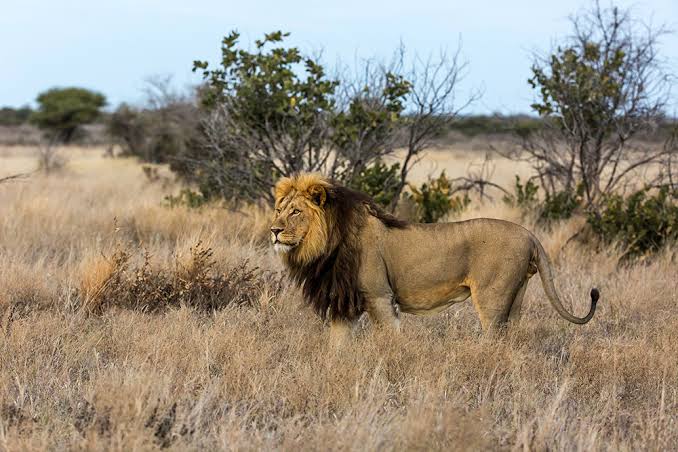
Tau means “lion” in Setswana, and Tau Pan lives up to its name. This open pan, framed by low, vegetated dunes, is one of the most reliable places in the reserve to encounter the famous black-maned Kalahari lions. A waterhole on the pan attracts game in the dry months, and prides frequently rest in the shade around its edges.
Tau Pan is also a scenic highlight. At sunset, the pan glows gold and pink, and the views from the surrounding dune ridges stretch to an uninterrupted horizon. Its relative remoteness means sightings are rarely crowded.
- Best for: Lions, sunset landscapes, dry-season waterhole viewing
- Best time: Year-round; dry season for waterhole activity, green season for general game
4. Sunday Pan
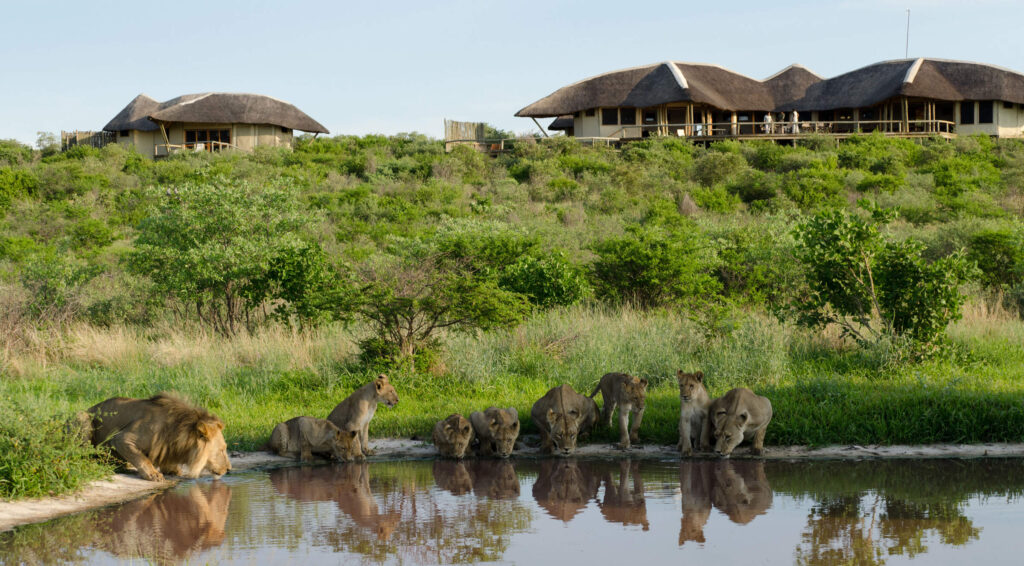
Sunday Pan sits a short drive from Deception Valley and is one of the most dependable wildlife spots in the northern reserve. A waterhole here draws animals in from the surrounding plains, particularly as the dry season advances. Lions are regularly seen in the area, along with gemsbok, springbok, giraffe, jackals and a steady stream of birds.
Because Sunday Pan is easy to combine with Deception Valley and Leopard Pan, it is often part of a morning or afternoon loop. Sitting quietly at the waterhole for an hour can be more rewarding than covering long distances.
- Best for: Waterhole viewing, lions, easy access from Deception
5. Piper Pan
Piper Pan lies south of the main valley system and is admired for its photogenic setting: a broad, open pan dotted with islands of acacia trees. A waterhole keeps it active through drier months, and the pan is a favourite with gemsbok, springbok and red hartebeest. Lions and cheetahs are seen here regularly, and raptors perch in the trees scanning the ground for prey.
Piper Pan is also a natural stepping stone between the northern valleys and the Tau Pan or Letiahau areas, making it useful for travellers building a multi-day route.
- Best for: Scenic photography, raptors, plains game
6. Letiahau Valley and Waterhole
The Letiahau Valley is another of the reserve’s ancient river courses, lying to the south-west of Deception. The Letiahau waterhole is a magnet for wildlife, especially in the dry winter months when surface water is scarce elsewhere. Lions, hyenas, gemsbok and kudu all make regular appearances, and the drive between Piper Pan and Letiahau crosses some of the most beautiful open country in the reserve.
- Best for: Dry-season game concentrations, predators, quiet campsites
7. Leopard Pan and Kori Pan
These two smaller pans sit close to Deception Valley and are easy additions to any game drive. Leopard Pan, despite its name, is better known for general game and occasional lion activity than for leopards, which are present in the reserve but notoriously shy. Kori Pan is named after the kori bustard, the world’s heaviest flying bird, which struts across the open ground here in good numbers. Both pans are excellent for spotting smaller species such as bat-eared foxes, ground squirrels and yellow mongooses.
- Best for: Kori bustards, small mammals, short loops from Deception
8. Motopi Pan
Motopi Pan, in the north-western part of the valley system, is a quieter alternative to the busier Deception circuit. It features a waterhole that attracts gemsbok, springbok, wildebeest and the predators that follow them. Visitors who make the extra effort to reach Motopi are often rewarded with sightings they can enjoy entirely alone.
9. Xade and the Southern Wilderness
For travellers who crave true remoteness, the southern and western sections of the CKGR deliver it. The area around Xade, reached via Xade Gate from Ghanzi, is far less visited than the north. Wildlife densities are lower, but the sense of space is overwhelming, and the landscapes of tall grass, dune ridges and endless sky are hauntingly beautiful.
Routes through the south require careful planning, full self-sufficiency and, ideally, travelling with a second vehicle. This is expedition territory rather than a casual game drive.
- Best for: Experienced self-drivers, wilderness, total isolation
10. Khutse Game Reserve (Neighbouring Attraction)
Bordering the CKGR’s southern edge, Khutse Game Reserve is often treated as a natural extension of it, with no fence separating the two. Khutse is the closest Kalahari reserve to Gaborone, making it a popular entry or exit point for travellers coming from the south. It features a chain of pans, including Moreswe Pan, where lions, gemsbok, springbok and brown hyenas can be found. Combining Khutse with the CKGR creates a long north-south Kalahari traverse.
Wildlife Attractions
Beyond its named places, the CKGR’s greatest attraction is the wildlife itself — animals that have adapted to a land with no permanent rivers and only seasonal surface water. Many get most of their moisture from the plants they eat, including wild melons and tubers.
Black-Maned Kalahari Lions
The lions of the Kalahari are the reserve’s headline act. Males often grow impressive dark manes, and prides range over enormous territories in search of prey. Watching a pride move across a fossil valley at dawn, or hearing them call across the darkness from your tent, is one of the defining experiences of a Botswana safari. Deception Valley, Sunday Pan, Tau Pan and Piper Pan are the most reliable areas.
The Green Season Gathering
When the summer rains arrive, usually from around December, the fossil valleys and pans transform. Fresh grass draws thousands of springbok, gemsbok, wildebeest, red hartebeest and eland into the northern valleys, and many give birth during this period. This concentration of plains game is a feast for predators, making the green season the most exciting time for big cat and wild dog sightings. Afternoon thunderstorms add drama to the skies and photography.
Desert Specialists and Small Wonders
The CKGR is one of the best places in Africa to see smaller, desert-adapted species. Look out for bat-eared foxes, Cape foxes, meerkats, honey badgers, aardwolves, ground squirrels and yellow mongooses. Brown hyenas — shy, shaggy and largely nocturnal — are a special sighting here. Pangolins and aardvarks are present but rarely seen.
| Species | Where to Look | Best Season |
| Lion (black-maned) | Deception Valley, Sunday Pan, Tau Pan, Piper Pan | Year-round |
| Cheetah | Passarge & Deception valleys, open pans | Dec – Apr |
| African wild dog | Northern valleys (unpredictable, wide-ranging) | Dec – Apr |
| Brown hyena | Deception Valley, around campsites at night | Year-round |
| Leopard | Wooded edges of valleys and pans | Year-round (rare) |
| Gemsbok (oryx) | All valleys and pans | Year-round; huge herds in summer |
| Springbok | Deception, Passarge, Piper Pan | Dec – Apr |
| Red hartebeest & eland | Northern valleys, Piper Pan | Dec – Apr |
| Giraffe | Sunday Pan, Deception Valley edges | Year-round |
| Bat-eared fox | Deception Valley, Kori & Leopard pans | Year-round |
| Meerkat & honey badger | Open pan edges | Year-round |
Birdlife
More than 200 bird species have been recorded across the reserve. The Kalahari’s open spaces make it a superb place for raptors, including martial eagles, tawny eagles, bateleurs, pale chanting goshawks and lanner falcons. The kori bustard and the ostrich are common, and secretarybirds stride across the grasslands hunting snakes and insects. In summer, migrant species arrive, and sociable weavers build their enormous communal nests in camelthorn trees — a fascinating sight in their own right.
Cultural and Landscape Attractions
San Heritage of the Kalahari
The Central Kalahari is part of the ancestral homeland of the San (Basarwa) people, among the oldest continuous cultures on Earth. When the reserve was created in 1961, one of its purposes was to provide space for the San to continue their traditional way of life. Over the following decades, the relationship between the reserve and its residents became the subject of significant debate, including relocations and a landmark 2006 High Court case in Botswana. Some communities continue to live in and around the reserve today.
Visitors interested in San culture can join respectful, community-led experiences offered by lodges on the reserve’s fringes and in the Ghanzi area, where guides share knowledge of tracking, plant use, traditional hunting skills and storytelling. Always choose experiences that benefit communities directly and follow your guide’s lead on photography and etiquette.
The Kalahari Night Sky
With no towns, roads or artificial light for hundreds of kilometres, the CKGR has some of the darkest skies in southern Africa. On clear nights, particularly in the dry winter months, the Milky Way stretches from horizon to horizon. Sleeping in a rooftop tent at a remote campsite, or sitting beside a small fire listening to jackals and lions, is an attraction no photograph can fully capture.
Silence and Solitude
Many visitors say that the most memorable attraction in the Central Kalahari is the silence. Campsites are spread far apart, numbers are limited, and on some days you may not see another vehicle. In a world of crowded safari circuits, that sense of having a wilderness almost to yourself is increasingly rare and precious.
Things to Do Around the Attractions
| Activity | Where | Notes |
| Self-drive game drives | Throughout the reserve | High-clearance 4×4 essential; stick to designated tracks |
| Guided game drives | From lodges and on guided mobile safaris | Expert tracking increases predator sightings |
| Waterhole viewing | Sunday Pan, Piper Pan, Letiahau, Tau Pan, Motopi | Best from mid-morning in the dry season |
| Guided bush walks | With lodge-based guides (where permitted) | Focus on tracks, plants and small creatures |
| San cultural experiences | Lodges on the reserve fringes and Ghanzi area | Choose community-led, ethical operators |
| Wildlife photography | Valleys and pans at dawn and dusk | Green season skies are especially dramatic |
| Stargazing | Any campsite or lodge | Darkest skies around new moon, May – September |
| Scenic flights | Charter flights to and from lodges | Aerial views of fossil valleys and pans |
Best Time to Visit the Attractions
The CKGR is open year-round, but each season changes which attractions shine brightest.
| Season | Months | Conditions | Top Attractions |
| Green season (wet) | Dec – Apr | Hot days, afternoon storms, lush grass, some soft or muddy tracks | Deception & Passarge valleys, big herds, predators, birding |
| Early dry season | May – Jun | Mild days, cold nights, grass drying, game dispersing | Pans and valleys, comfortable camping, clear skies |
| Mid dry season | Jul – Aug | Very cold nights (can near freezing), dry and dusty | Waterholes at Sunday, Piper, Letiahau & Tau pans; stargazing |
| Late dry season | Sep – Nov | Very hot and dry, sparse vegetation | Waterhole action, lions; testing conditions for campers |
Marriott Safaris Tip
For the best all-round experience, aim for February to April. The herds are still in the valleys, storms are becoming less frequent, and tracks are usually firmer than at the peak of the rains.
How to Reach the Main Attractions
The gate you choose determines which attractions you can reach most easily. Distances inside the reserve are long, and sandy tracks keep average speeds low, so plan conservatively.
| Gate | Approach From | Closest Attractions | Comments |
| Matswere Gate | Maun via Rakops (north-east) | Deception Valley, Sunday, Leopard & Kori pans, Passarge Valley | Most popular entry; best for first-time visitors |
| Tsau Gate | Ghanzi–Maun road (north-west) | Tau Pan, Passarge Valley, Motopi Pan | Good for a west-to-east crossing |
| Xade Gate | Ghanzi (west) | Xade, Piper Pan (long drive), southern areas | Remote; for experienced self-drivers |
| Khutse Gate | Gaborone via Letlhakeng (south) | Khutse pans, southern CKGR | Entry for a north-south Kalahari traverse |
By air: Most luxury lodges in and around the reserve are served by light-aircraft charters, usually from Maun. Flying in saves long road transfers and offers spectacular views of the valleys and pans from above.
Where to Stay Near the Attractions
Inside the Reserve
- Kalahari Plains Camp: A luxury tented camp in the north-east of the reserve, close to Deception Valley, known for its rooftop star beds and open-plain views.
- Tau Pan Camp: A stylish lodge overlooking Tau Pan, ideal for lion sightings and sunsets over the dunes.
- Public campsites: Basic, unfenced sites at Deception Valley, Sunday Pan, Piper Pan, Passarge Valley, Letiahau, Motopi and elsewhere. Most offer little or nothing beyond a cleared site; some have simple long-drop toilets. Campsites must be booked in advance.
On the Reserve Fringes
- Deception Valley Lodge: A private lodge bordering the reserve near its north-eastern side, convenient for day trips into Deception Valley.
- Lodges near Ghanzi: Several properties west of the reserve offer San cultural experiences and serve as a base for entering via Xade or Tsau Gate.
Booking Note
Campsites in the CKGR are limited and fill quickly, particularly for the green season and holiday periods. Reserve campsites and park entry well ahead of time — entry without a confirmed booking is not permitted. Park fees and booking procedures are set by Botswana’s Department of Wildlife and National Parks and can change, so confirm current rates when planning.
Self-Drive Tips for Exploring the Attractions
The CKGR is one of Africa’s great self-drive adventures, but it rewards preparation and punishes shortcuts. Keep these essentials in mind:
- Use a proper 4×4. A high-clearance vehicle with low range, such as a Toyota Land Cruiser or Hilux, is essential. Lower tyre pressures for deep sand and reinflate before returning to tar.
- Carry everything. There is no fuel, water, food or mechanical help inside the reserve. Budget at least 5 litres of water per person per day, plus extra fuel for sand driving, which consumes far more than tar.
- Refuel before entering. Fill up in Maun, Rakops or Ghanzi, and carry jerry cans for longer routes.
- Travel in pairs on remote routes. For the south and west, a second vehicle and a satellite phone or communicator are strongly recommended.
- Stay on marked tracks. Off-road driving damages the fragile Kalahari crust and is prohibited.
- Respect the wildlife. Campsites are unfenced. Never leave food out, keep a safe distance from all animals, and do not walk around after dark.
- Pack out all rubbish. Leave every campsite cleaner than you found it.
- Allow plenty of time. Average speeds on sand tracks are low. Plan to arrive at your campsite well before sunset.
Sample 4-Day Attractions Route
This route suits self-drivers entering from Maun and covers the reserve’s most rewarding northern attractions.
| Day | Route | Highlights | Overnight |
| Day 1 | Maun – Rakops – Matswere Gate – Deception Valley | Afternoon drive along Deception Valley | Deception Valley campsite |
| Day 2 | Deception Valley – Sunday Pan – Leopard & Kori pans | Morning in the valley, waterhole session at Sunday Pan | Sunday Pan campsite |
| Day 3 | Sunday Pan – Passarge Valley – Motopi Pan | Quiet valley drives, cheetah and antelope herds | Passarge Valley campsite |
| Day 4 | Passarge Valley – Tau Pan – Tsau Gate | Lions at Tau Pan, exit to the Ghanzi–Maun road | Exit (or extend at Tau Pan) |
With more time, add Piper Pan and the Letiahau waterhole for two extra nights, or continue south to Khutse for a full Kalahari traverse.
Frequently Asked Questions
What is the most famous attraction in Central Kalahari Game Reserve?
Deception Valley is the best-known attraction. Its fossil riverbed draws large herds of antelope in the green season, and it is one of the most reliable places to see black-maned Kalahari lions and cheetahs.
Can you see the Big Five in the Central Kalahari?
No. Elephants, buffalo and rhinos are not part of the typical CKGR experience. The reserve’s appeal lies in its desert-adapted predators, large antelope herds, rare small mammals and immense wilderness rather than the Big Five.
When is the best time to see wildlife in the CKGR?
The green season, from roughly December to April, is best for wildlife, as rains draw herds into the northern valleys and predators follow. In the dry season, game concentrates around waterholes such as Sunday Pan, Piper Pan, Letiahau and Tau Pan.
How many days do I need to see the main attractions?
Three to four nights is a good minimum for the northern valleys and Tau Pan. Allow five to seven nights if you want to add Piper Pan, Letiahau and quieter areas, or longer for a full crossing to Khutse.
Can I visit the Central Kalahari without a 4×4?
No. Deep sand covers every track in the reserve, so a high-clearance 4×4 with low range is essential. If you do not want to drive, a fly-in lodge stay or a guided mobile safari is the best option.
Are the campsites fenced?
No. Campsites inside the CKGR are unfenced, and lions, hyenas and other animals may pass through. Follow safety rules carefully, store food securely and stay in your tent or vehicle at night.
Is there mobile network coverage in the reserve?
Coverage is extremely limited or absent across most of the reserve. Carry a satellite phone or satellite communicator, especially if self-driving.
Plan Your Central Kalahari Safari with Marriott Safaris Africa
From fully equipped 4×4 rentals with rooftop tents to guided fly-in safaris and tailor-made Botswana itineraries, Marriott Safaris Africa can help you experience the Central Kalahari’s fossil valleys, black-maned lions and star-filled skies with confidence.
Perfection Anytime.