
Best Time to Visit Chobe National Park Month by Month
Chobe Weather by Month, Seasons, Wildlife Calendar and Expert Planning Tips
Best Time to Visit Chobe National Park Month by Month, Chobe National Park in northern Botswana is famous for one of the largest concentrations of elephants on Earth. Covering roughly 11,700 square kilometres, the park includes four very different areas: the Chobe Riverfront near Kasane, the remote Savuti region, the waterways of Linyanti, and the seldom-visited Nogatsaa/Tchinga woodland interior. Because each area responds differently to rain, heat and water availability, the best time to visit Chobe depends on what you want from your safari.
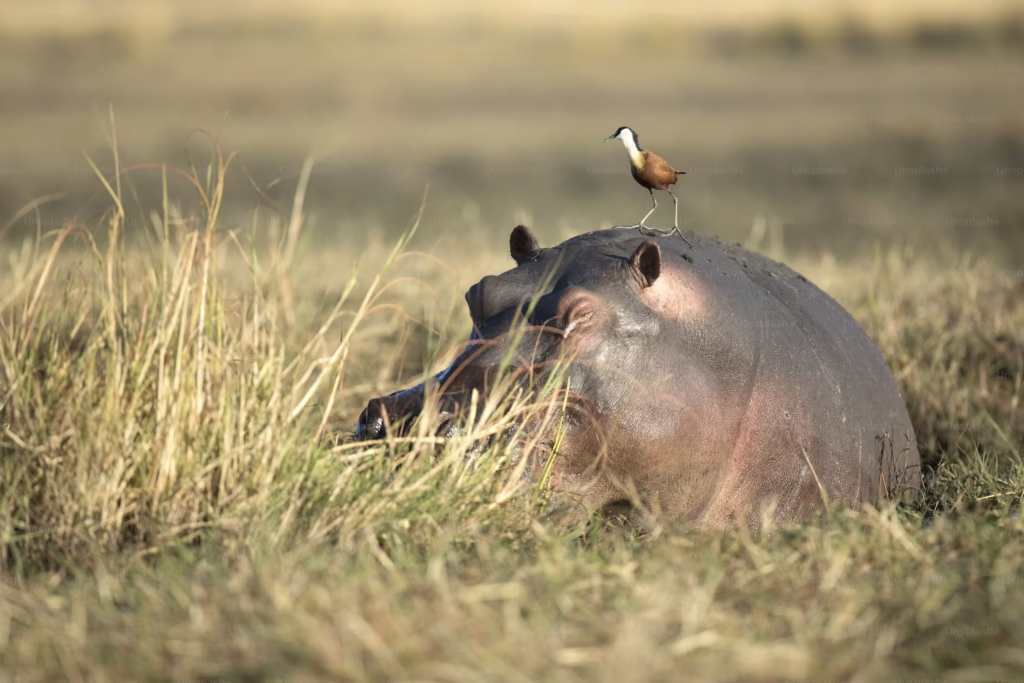
This guide breaks down Chobe weather month by month, explains the dry and wet seasons, and shows exactly when to go for elephants, predators, birding, boat cruises, photography, self-drive and the best value. Whether you are planning a first safari, a honeymoon or a multi-country trip with Victoria Falls and the Okavango Delta, you will find the right month here.
| Quick Answer: When Is the Best Time to Visit Chobe?
Best overall: June to October (dry season), when wildlife concentrates along the Chobe River. August to October is the absolute peak. Best value: November to April (green season) — lower rates, lush scenery, newborn animals and superb birding. Best all-rounder months: May and early November — good game, pleasant conditions and fewer crowds. Best for Savuti zebra and predators: December to March. Avoid if you dislike heat: October, when afternoons can reach the high 30s Celsius. |
Chobe National Park at a Glance
| Feature | Details |
| Location | Northern Botswana, bordering Namibia’s Zambezi Region along the Chobe River |
| Size | Approximately 11,700 km² — Botswana’s third-largest protected area |
| Main gateway | Kasane (Kasane International Airport), about 1.5 hours by road from Victoria Falls |
| Key areas | Chobe Riverfront (Serondela), Savuti, Linyanti, Nogatsaa/Tchinga |
| Climate | Semi-arid subtropical: hot wet summers (Nov–Apr), mild dry winters (May–Oct) |
| Annual rainfall | Roughly 600–700 mm, almost all between November and March |
| Famous for | Huge elephant herds, Chobe River boat cruises, Savuti predators, 450+ bird species |
| Peak season | July to October |
| Low / green season | December to March |
Understanding Chobe’s Two Main Seasons
Chobe does not have four classic seasons. The year divides into a dry season and a wet (green) season, with short transitions in between. Water — or the lack of it — drives wildlife movement and therefore the quality of game viewing in each part of the park.
The Dry Season: May to October
From May, rainfall effectively stops. Temporary pans in the interior dry up one by one, pushing huge numbers of animals towards permanent water: the Chobe River in the north and the Linyanti system in the west. Vegetation thins, making wildlife far easier to spot.
- Early dry season (May–June): Clear skies, warm days and cool to cold nights. Game viewing improves rapidly.
- Mid dry season (July–August): Peak comfort and outstanding game. The busiest period for tourism.
- Late dry season (September–October): Hot, dusty and spectacular, with wildlife concentrations at their peak.
The Wet / Green Season: November to April
Rain usually arrives in November and falls mainly as short, heavy afternoon thunderstorms rather than all-day drizzle. Within days the landscape turns lush and green. With water widely available, elephants and buffalo disperse inland, but this is also the season of births, migratory birds and dramatic skies.
- Early wet season (November–December): Storms begin, antelope give birth and migrant birds arrive.
- Peak wet season (January–February): The wettest months; Savuti and the interior are at their greenest.
- Late wet season (March–April): Rains taper off, temperatures become comfortable and the bush begins to dry.
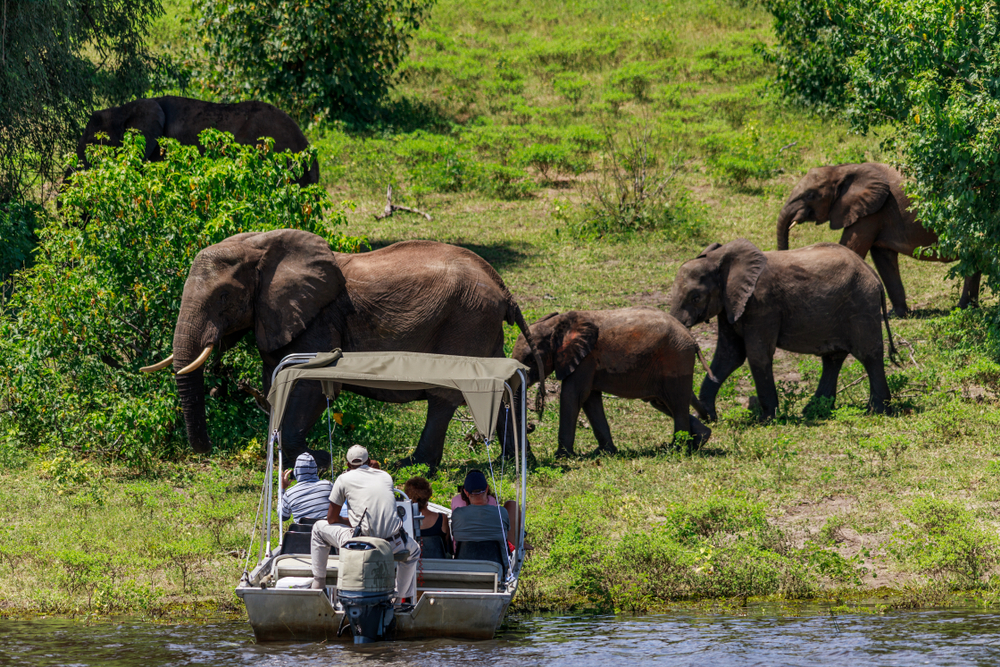
| Dry Season (May–Oct) | Green Season (Nov–Apr) | |
| Weather | Sunny and dry; cold mornings Jun–Jul; very hot by Oct | Hot and humid; afternoon thunderstorms |
| Game viewing | Excellent — animals concentrate at water | Good, but animals more dispersed |
| Elephants | Massive herds on the Chobe River | Fewer on the river; spread inland |
| Birding | Good; carmine bee-eaters Aug–Nov | Outstanding; migrants in breeding plumage |
| Scenery | Golden, dusty, open | Lush, green, dramatic skies |
| Crowds | Busy, especially riverfront afternoons | Quiet |
| Prices | Highest (peak Jul–Oct) | Lowest; green-season specials |
| Malaria risk | Lower | Higher — precautions essential |
| Road access | Good across most of the park | Savuti/Linyanti tracks can be tough |
Chobe Weather by Month: Overview Table
Figures are approximate long-term averages for Kasane and the Chobe Riverfront. Savuti and the interior are usually slightly hotter by day, colder at night and a little drier.
| Month | Avg High | Avg Low | Rainfall | Season | Game Viewing |
| January | 31°C / 88°F | 20°C / 68°F | ~150 mm | Green (wet) | ★★★ |
| February | 31°C / 88°F | 20°C / 68°F | ~140 mm | Green (wet) | ★★★ |
| March | 31°C / 88°F | 19°C / 66°F | ~100 mm | Late green | ★★★ |
| April | 31°C / 88°F | 16°C / 61°F | ~25 mm | Transition | ★★★½ |
| May | 29°C / 84°F | 11°C / 52°F | <5 mm | Early dry | ★★★★ |
| June | 26°C / 79°F | 7°C / 45°F | 0 mm | Dry (cool) | ★★★★½ |
| July | 26°C / 79°F | 7°C / 45°F | 0 mm | Peak dry | ★★★★★ |
| August | 29°C / 84°F | 10°C / 50°F | 0 mm | Peak dry | ★★★★★ |
| September | 33°C / 91°F | 15°C / 59°F | <5 mm | Late dry | ★★★★★ |
| October | 35°C / 95°F | 19°C / 66°F | ~20 mm | Late dry (hot) | ★★★★★ |
| November | 34°C / 93°F | 20°C / 68°F | ~60 mm | Early green | ★★★★ |
| December | 32°C / 90°F | 20°C / 68°F | ~130 mm | Green (wet) | ★★★ |
Chobe Temperature and Rainfall Patterns Explained
- Hottest month: October, with average highs around 35°C (95°F) and occasional days above 40°C.
- Coldest months: June and July, with dawn temperatures around 7°C (45°F), and lower in Savuti.
- Wettest months: January and February, with roughly 140–150 mm of rain each.
- Driest months: June, July and August, which typically see no rain at all.
- Humidity: High in the wet season (often 60–80%), very low in the dry season (sometimes under 30%).
- Daylight: Around 11 hours in June and 13 hours in December.
Chobe National Park Month by Month
Here is a detailed look at each month — weather, wildlife, advantages, drawbacks and who it suits best.
January in Chobe
| Season | Avg High | Avg Low | Rainfall | Rainy Days |
| Green season (wet) | 31°C / 88°F | 20°C / 68°F | ~150 mm | 12–15 |
Weather
January is one of the wettest months in Chobe. Mornings are usually warm and humid, clouds build through the late morning, and short, heavy afternoon thunderstorms are typical, often followed by clear evenings. Full-day washouts are uncommon, but humidity is high and the bush is at its most lush.
Wildlife and Game Viewing
With water widely available inland, elephants and buffalo disperse away from the Chobe River into the interior. Savuti is productive as zebra herds arrive on their seasonal movement, and it is calving season for many antelope species, which draws lion, leopard, cheetah and wild dog. Birding is outstanding, with Palearctic and intra-African migrants present in full breeding plumage.
Why Visit
- Lowest rates and quietest game drives of the year
- Lush landscapes and moody skies for photography
- Newborn antelope and active predators
- Peak birding with migrants present
Things to Consider
- Elephant numbers on the riverfront are far lower than in the dry season
- Tracks in Savuti and Linyanti can become very difficult
- Highest malaria and mosquito risk of the year
Best for: Birders, photographers, budget travelers and repeat visitors.
February in Chobe
| Season | Avg High | Avg Low | Rainfall | Rainy Days |
| Green season (wet) | 31°C / 88°F | 20°C / 68°F | ~140 mm | 11–14 |
Weather
February closely mirrors January: hot, humid days with afternoon thunderstorms and plenty of sunshine between showers. Pans and marshes inland fill up, creating a green, flower-filled landscape.
Wildlife and Game Viewing
The Savuti Marsh and surrounding grasslands hold good numbers of zebra and wildebeest, with predators close behind. Impala and other antelope have young at foot. Along the riverfront, game is thinner, though resident hippo, crocodile, puku and red lechwe remain easy to see on boat cruises.
Why Visit
- Very good value with green-season discounts
- Few vehicles, especially in Savuti
- Excellent predator action around young antelope
- Beautiful light after storms
Things to Consider
- Hot and humid
- Some remote camps reduce operations
- Self-drive in the interior is challenging
Best for: Experienced safari-goers, birders, photographers and value seekers.
March in Chobe
| Season | Avg High | Avg Low | Rainfall | Rainy Days |
| Late green season | 31°C / 88°F | 19°C / 66°F | ~100 mm | 8–10 |
Weather
Rain begins to ease through March. Storms become less frequent, mornings feel fresher, and the landscape is still deep green. Humidity starts to drop towards the end of the month.
Wildlife and Game Viewing
Zebra begin moving back from Savuti towards the Linyanti and riverine areas. Tall grass can make spotting harder, but birding is strong and resident riverfront wildlife is reliable on cruises. Victoria Falls is building towards maximum flow, making this a good month for a combined trip.
Why Visit
- Shoulder pricing at many lodges
- Fewer storms than January–February
- Victoria Falls entering its high-water period
Things to Consider
- Tall grass can hide wildlife
- Elephant herds still dispersed inland
- Mosquitoes remain active
Best for: Travellers combining Chobe with Victoria Falls, and those wanting green scenery with fewer showers.
April in Chobe
| Season | Avg High | Avg Low | Rainfall | Rainy Days |
| Transition (end of rains) | 31°C / 88°F | 16°C / 61°F | ~25 mm | 2–4 |
Weather
April marks the end of the rainy season. Days are warm, sunny and pleasant, nights start to cool, and only occasional late showers occur. Many safari regulars consider April one of the most comfortable months of the year.
Wildlife and Game Viewing
As inland pans begin to dry, animals start drifting back towards permanent water and game viewing along the Chobe River improves week by week. The bush is still green and many migratory birds have not yet departed.
Why Visit
- Comfortable temperatures and low humidity
- Green landscapes with clear skies
- Shoulder rates before the high-season jump
- Victoria Falls close to peak flow
Things to Consider
- Vegetation still dense in places
- Wildlife concentrations not yet at dry-season levels
Best for: Couples, value-conscious first-timers and combined Chobe–Victoria Falls trips.
May in Chobe
| Season | Avg High | Avg Low | Rainfall | Rainy Days |
| Early dry season | 29°C / 84°F | 11°C / 52°F | <5 mm | 0–1 |
Weather
The dry season arrives in May. Skies are clear and blue, days warm and nights noticeably cooler. Rainfall is virtually absent and the vegetation turns from green to gold.
Wildlife and Game Viewing
Elephant and buffalo herds build steadily along the Chobe River as inland water dries up. Thinning vegetation makes predators easier to find, and game viewing keeps improving into the peak months.
Why Visit
- Excellent weather — warm days, cool nights, no rain
- Rapidly improving game viewing
- Usually cheaper and quieter than July–October
Things to Consider
- Early mornings on open vehicles can be chilly
- Rates begin rising at many lodges
Best for: Most travellers — one of the best value-for-experience months.
June in Chobe
| Season | Avg High | Avg Low | Rainfall | Rainy Days |
| Dry season (cool) | 26°C / 79°F | 7°C / 45°F | 0 mm | 0 |
Weather
June is one of the coolest months. Days are sunny and mild, but early mornings and nights can be genuinely cold, especially in Savuti and the interior. Expect dry air and very little cloud.
Wildlife and Game Viewing
Game viewing is excellent. Large elephant herds become a daily sight on the riverfront, buffalo gather in big numbers, and lion are regularly seen near water. Boat cruises are superb, with elephants swimming between the riverbank and islands.
Why Visit
- Dry, sunny and comfortable during the day
- Very good wildlife concentrations
- Lower malaria risk than the wet season
Things to Consider
- Cold early-morning game drives — warm layers essential
- High season begins; popular camps book out early
Best for: Families, first-timers and wildlife-focused travellers.
July in Chobe
| Season | Avg High | Avg Low | Rainfall | Rainy Days |
| Peak dry season | 26°C / 79°F | 7°C / 45°F | 0 mm | 0 |
Weather
July is cool, dry and clear. Daytime temperatures are pleasant while mornings and evenings are cold. It is one of the most comfortable months to be on safari if you dress in layers.
Wildlife and Game Viewing
The Chobe Riverfront becomes one of Africa’s great wildlife spectacles, with elephants arriving in herds of dozens or even hundreds in the afternoons to drink and bathe. Buffalo, sable, giraffe, kudu and big cats are commonly seen, and Linyanti and Savuti are excellent too.
Why Visit
- Outstanding game viewing
- Fits European and North American summer holidays
- Dry roads, excellent for self-drive
Things to Consider
- Busy along the riverfront, particularly in the afternoons
- Peak pricing; book 6–12 months ahead
Best for: First-time safari visitors, families on school holidays and photographers.
August in Chobe
| Season | Avg High | Avg Low | Rainfall | Rainy Days |
| Peak dry season | 29°C / 84°F | 10°C / 50°F | 0 mm | 0 |
Weather
Temperatures start to climb in August. Days are warm and sunny, nights mild to cool, and the air becomes dustier and hazier. Afternoon winds can pick up.
Wildlife and Game Viewing
Water is scarce inland, so wildlife concentrates heavily along the Chobe River and Linyanti waterways. Elephant numbers are spectacular, predator sightings frequent, and southern carmine bee-eaters start arriving to nest in the riverbanks towards month’s end.
Why Visit
- Superb, highly concentrated game viewing
- Warm days without October’s extreme heat
- Excellent boat-based photography
Things to Consider
- Peak demand and pricing
- More vehicles and boats on the riverfront
Best for: Anyone prioritising wildlife density — a classic Chobe month.
September in Chobe
| Season | Avg High | Avg Low | Rainfall | Rainy Days |
| Late dry season | 33°C / 91°F | 15°C / 59°F | <5 mm | 0–1 |
Weather
September is hot and dry. Daytime temperatures regularly exceed 30°C while nights remain comfortable. The landscape is bare and dusty, and hazy skies produce rich golden sunsets.
Wildlife and Game Viewing
Many guides rate September as the single best month for Chobe. Elephant herds along the river reach enormous numbers, predator activity around water is intense, and carmine bee-eater colonies become a major photographic draw. Sparse vegetation gives excellent visibility.
Why Visit
- Arguably the best overall game viewing of the year
- Bee-eater colonies along the river
- Reliable dry weather
Things to Consider
- Hot middays — plan for an afternoon rest
- Peak pricing and limited availability
- Dust is hard on cameras and lenses
Best for: Serious wildlife enthusiasts and photographers.
October in Chobe
| Season | Avg High | Avg Low | Rainfall | Rainy Days |
| Late dry season (hottest) | 35°C / 95°F | 19°C / 66°F | ~20 mm | 1–3 |
Weather
October is the hottest month in Chobe, with afternoons that can reach the high 30s Celsius and occasionally top 40°C. The air is dry and dusty, and the first isolated storms may arrive late in the month, bringing relief.
Wildlife and Game Viewing
Wildlife concentrations along the river are at their most extreme because almost all inland water has gone. Elephant viewing is phenomenal and predators take advantage of thirsty prey. River cruises are especially rewarding and a cooler way to watch game.
Why Visit
- Peak wildlife concentrations
- Dramatic predator interactions
- Some lodges soften rates late in the month
Things to Consider
- Intense heat — tough for heat-sensitive travellers
- Very dusty, harsh landscapes
- Victoria Falls at its lowest flow, especially on the Zambian side
Best for: Hardy wildlife lovers who put sightings above comfort.
November in Chobe
| Season | Avg High | Avg Low | Rainfall | Rainy Days |
| Start of green season | 34°C / 93°F | 20°C / 68°F | ~60 mm | 5–8 |
Weather
November is a transition month. Early November is often still hot and dry, while the first proper rains usually arrive mid-to-late month. Storms cool the air, settle the dust and quickly turn the bush green.
Wildlife and Game Viewing
Riverfront game remains good early in the month before herds disperse after the first rains. Impala and other antelope begin dropping their young, migrant birds return, and the zebra movement towards Savuti gets underway.
Why Visit
- Shoulder-season rates return
- Mix of dry-season game and green-season birding
- First rains bring spectacular storm skies
Things to Consider
- Unpredictable — some days scorching, others stormy
- Herds disperse once rains settle
Best for: Value seekers, birders and photographers wanting dramatic skies.
December in Chobe
| Season | Avg High | Avg Low | Rainfall | Rainy Days |
| Green season (wet) | 32°C / 90°F | 20°C / 68°F | ~130 mm | 10–13 |
Weather
The rainy season is fully established by December. Expect hot, humid days with regular afternoon storms. The scenery is vivid green and dust-free.
Wildlife and Game Viewing
Elephants spread out across the wider park, so riverfront numbers drop. However, the baby boom is in full swing, predators are active, and Savuti hosts zebra herds. Birdlife is at its most diverse, with many species in breeding colours.
Why Visit
- Green-season rates (outside Christmas–New Year supplements)
- Baby animals and active predators
- Spectacular birding
Things to Consider
- Lower elephant concentrations
- Interior roads can be muddy or impassable
- Higher malaria risk
Best for: Birders, photographers and travellers seeking quieter, greener safaris.
Best Time to Visit Each Area of Chobe
Chobe Riverfront (Serondela & Kasane)
The riverfront is the most visited part of the park and the easiest to reach from Kasane. From June to October, elephants, buffalo and plains game come down to drink in extraordinary numbers. Boat cruises run year-round and are rewarding in every month, but are at their best from July to October. In the green season, hippo, crocodile, puku, red lechwe and waterbirds keep cruises worthwhile.
Best time: July to October.
Savuti
Savuti is renowned for predators, including lion prides famous for tackling elephants, plus spotted hyena, leopard and cheetah. It shines in two windows: the late dry season (August to October), when animals cluster at the few waterholes, and the green season (December to March), when zebra herds move into the area with predators following. Rain makes tracks sandy or muddy, so 4×4 experience is essential.
Best time: December to March for the zebra movement; August to October for waterhole action.
Linyanti
Linyanti, along the Linyanti River and swamps, is a remote, low-density wilderness made up largely of private concessions plus a public campsite. It is known for elephant herds, wild dog denning (typically around June to August) and excellent predator sightings. The dry season is by far the best time.
Best time: June to October.
Nogatsaa & Tchinga
This dry woodland interior features clay pans that hold water after the rains and is mostly visited by self-drivers seeking solitude. In the early dry season, the pans attract elephants, buffalo, eland and roan antelope; by the late dry season many are empty.
Best time: April to June.
Best Time to Visit Chobe by Travel Interest
| Interest | Best Months | Why |
| Elephant viewing | August – October | Herds of hundreds gather at the Chobe River to drink and bathe |
| Big cats & predators | Aug – Oct; Dec – Mar (Savuti) | Prey concentrated at water; calving season draws predators |
| Boat cruises | June – October | Elephants swimming and crossing; huge riverbank herds |
| Birdwatching | November – April | Migrants present; breeding plumage; 450+ species |
| Carmine bee-eaters | Late August – November | Nesting colonies in Chobe River banks |
| Photography | Jun – Oct (wildlife); Nov – Mar (skies) | Open bush and golden light, or storm clouds and lush colour |
| Self-drive safari | May – October | Dry, firm tracks; easier access to Savuti and Linyanti |
| Budget travel | December – March | Lowest lodge rates and green-season specials |
| Families | June – August | Pleasant temperatures, lower malaria risk, school holidays |
| Honeymoons | April – May; November | Comfortable weather, fewer crowds, river sunsets |
| With Victoria Falls | May – July | Strong falls flow combined with improving Chobe game |
| Expert Tip: The Sweet-Spot Months
For strong game viewing without peak prices and crowds, consider May, early June or the first half of November. In May, animals are returning to the river as the bush dries; early November often still offers dry-season concentrations alongside returning migrant birds and the first dramatic storm clouds. |
Chobe Travel Seasons and Pricing
Lodge rates in and around Chobe follow the seasons closely. Exact prices vary by property, but the pattern is consistent:
| Season | Months | Price Level | What to Expect |
| Peak / high season | July – October | Highest | Best game viewing; book 6–12 months ahead |
| Shoulder season | April – June; November | Moderate | Good to very good game; better availability |
| Green / low season | December – March | Lowest | Specials and discounts; quiet; lush scenery |
| Festive peak | Late Dec – early Jan | Elevated at some lodges | Holiday supplements despite green season |
Park entry fees are charged per person per day by Botswana’s Department of Wildlife and National Parks, with additional vehicle and camping charges. Fees are reviewed periodically, so confirm current rates before travelling — your Marriott Safaris Africa consultant can include all park fees in your quote.
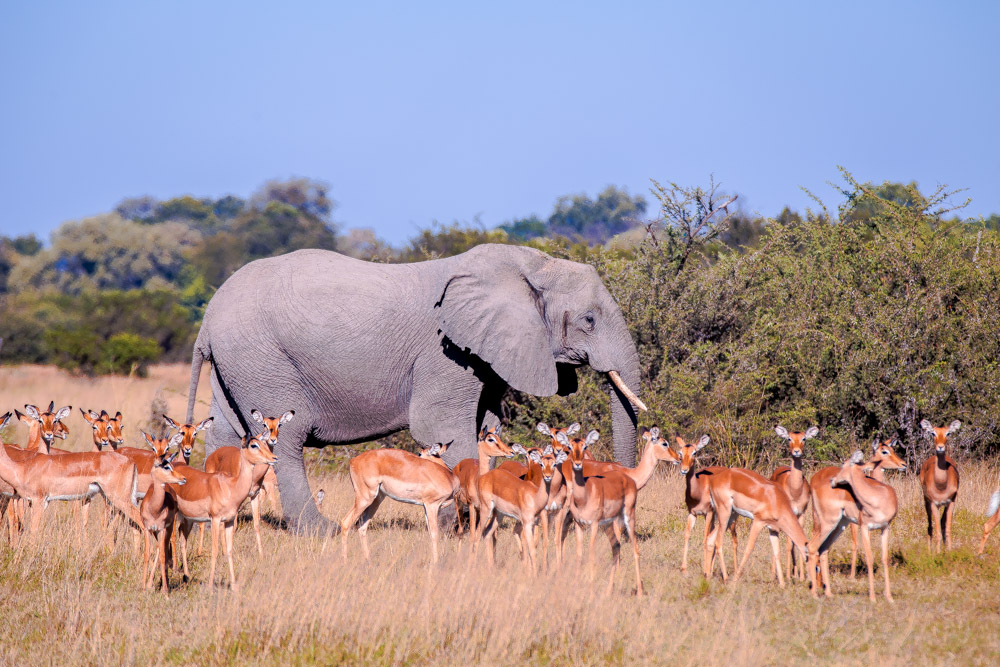
Combining Chobe with Other Destinations
Chobe sits at the heart of the Kavango–Zambezi (KAZA) Transfrontier Conservation Area, making it easy to combine with neighbouring highlights. Each destination has its own seasonal rhythm, so timing matters.
| Destination | Best Time | Pairing with Chobe |
| Victoria Falls (Zimbabwe/Zambia) | Feb – Jun for maximum flow; Aug – Dec for clearer views and Devil’s Pool (Zambia) | May – July balances falls flow and Chobe game |
| Okavango Delta | June – October (floodwaters peak in the dry season) | Perfect match — both are at their best in the dry season |
| Moremi Game Reserve | July – October | Ideal for a classic Chobe–Moremi–Delta circuit |
| Makgadikgadi & Nxai Pan | December – April (zebra migration) | Pairs well with green-season Savuti |
| Central Kalahari | December – April | Best for green-season Botswana itineraries |
| Zambezi Region (Namibia) | June – October | Easy cross-border extension from Kasane |
What to Pack for Chobe by Season
Dry Season (May – October)
- Warm fleece, insulated jacket, beanie and gloves for cold morning drives (especially June–July)
- Light, breathable layers in neutral colours (khaki, olive, beige) for hot afternoons
- Wide-brimmed hat, sunglasses and high-SPF sunscreen
- Buff or scarf for dust, plus lens cloths and a dust-proof camera bag
- Lip balm and moisturiser for the very dry air
Green Season (November – April)
- Lightweight, quick-dry clothing and a packable rain jacket
- Long sleeves and trousers for evenings to reduce mosquito bites
- Strong insect repellent (DEET or picaridin)
- Waterproof covers for cameras and binoculars
- Comfortable sandals or quick-dry shoes
Year-Round Essentials
- Binoculars (8×42 or 10×42 recommended)
- Camera with a telephoto lens (100–400 mm is ideal for wildlife)
- Soft-sided duffel bag if flying on light aircraft (usually a 15–20 kg limit)
- Personal medication, malaria prophylaxis and a small first-aid kit
- Power bank and universal adaptor (Botswana mainly uses Type D, M and G sockets)
Health and Safety Considerations by Season
- Malaria: Chobe is a malaria area, with the highest risk from November to April. Speak to a travel health professional about prophylaxis and use repellent, long clothing and nets year-round.
- Heat: September and October can be extremely hot. Drink plenty of water, rest at midday and protect yourself from the sun.
- Cold: June and July morning drives in open vehicles can be very cold, and wind chill makes it feel colder still.
- Road conditions: Wet-season driving in Savuti and Linyanti needs a well-equipped 4×4, recovery gear and experience. Some tracks may close after heavy rain.
- Wildlife safety: Follow your guide’s instructions, stay in the vehicle except at designated areas, and keep a respectful distance from elephants, especially breeding herds.
- Travel insurance: Choose a policy that covers medical evacuation, essential for remote areas such as Savuti and Linyanti.
Expert Tips for Planning Your Chobe Safari
- Book early for peak season: Riverfront lodges and Savuti camps can be fully booked 6–12 months ahead for July to October.
- Mix land and water: Combine morning game drives with an afternoon Chobe River boat cruise.
- Go beyond the riverfront: Two or more nights in Savuti or Linyanti greatly improves your chances of quality predator sightings away from crowds.
- Plan around the heat: In September and October, schedule activities at dawn and late afternoon and rest through midday.
- Consider a houseboat: Multi-day houseboats on the Chobe River offer slow-paced wildlife viewing and excellent photography.
- Stay three nights or more: Three to four nights allows several drives and cruises, and time to explore more than one area.
- Use Kasane as your hub: Kasane’s airport and proximity to Victoria Falls make it easy to start or end a regional safari.
Frequently Asked Questions
What is the best month to visit Chobe National Park?
For most travelers, September is the single best month, with peak wildlife concentrations, enormous elephant herds and reliable dry weather. July, August and October are also excellent, though October is the hottest.
When is the rainy season in Chobe?
The rainy season runs from November to April, with the heaviest rain in January and February. Rain usually falls as short afternoon thunderstorms rather than continuous downpours.
Is Chobe worth visiting in the rainy season?
Yes. The green season brings lower prices, lush scenery, baby animals, active predators, strong Savuti game viewing and outstanding birding. Riverfront elephant numbers are lower, but resident wildlife is still easy to see.
When can I see the most elephants in Chobe?
From August to October, when the interior dries out and tens of thousands of elephants depend on the Chobe River and Linyanti waterways. Afternoon boat cruises are the best way to see them.
How hot does Chobe get?
October is the hottest month, with average highs around 35°C (95°F) and occasional peaks above 40°C. September and November are also hot.
How cold does Chobe get in winter?
In June and July, early mornings can drop to around 5–8°C (41–46°F), sometimes lower in Savuti. Daytime temperatures stay mild at about 25–27°C.
Can I do a Chobe River cruise all year?
Yes. Cruises operate year-round. They are most spectacular in the dry season, but green-season cruises still deliver hippos, crocodiles, waterbirds and riverine antelope.
What is the cheapest time to visit Chobe?
December to March, when many lodges offer green-season rates. Some properties add festive supplements over Christmas and New Year.
When is the Savuti zebra migration?
Zebra typically move into the Savuti area with the rains from around November–December and stay into the late wet season, generally heading back north and west by about March–April. Exact timing depends on rainfall.
Should I combine Chobe and Victoria Falls?
Absolutely. Kasane is about 80 km from Victoria Falls, and May to July offers a good balance of strong falls flow and excellent Chobe game viewing.
Can I self-drive in Chobe National Park?
Yes, especially on the riverfront. A 4×4 is essential, and Savuti and Linyanti require experience and full equipment. The dry season (May–October) is the best time for self-drive.
How many days do I need in Chobe?
Two to three nights on the riverfront suits a short trip, while four to six nights lets you add Savuti or Linyanti for a fuller experience.
Final Thoughts: Choosing Your Perfect Time for Chobe
There is no bad time to visit Chobe National Park — only different experiences. If you dream of vast elephant herds lining the Chobe River at sunset, plan your trip between July and October. If you prefer green landscapes, newborn animals, prolific birdlife and great value, the green season from November to April will reward you. And for a balance of good weather, strong game viewing and fewer crowds, May and early November are hard to beat.
| Plan Your Chobe Safari with Marriott Safaris Africa
Our Botswana specialists will help you choose the ideal month, match your dates to the best areas of Chobe, and build a seamless itinerary that can include Victoria Falls, the Okavango Delta, Moremi and beyond. From riverfront lodges and houseboats to fully equipped 4×4 self-drive packages, we tailor every trip to your interests and budget. Perfection Anytime. Contact Marriott Safaris Africa today to start planning your Chobe adventure. |