Bwindi Gorilla Trekking Sectors
Uganda’s Bwindi Impenetrable Forest National Park is home to almost half of the world’s remaining mountain gorillas, and every trek into the forest begins in one of four official sectors. Choosing the right sector shapes everything about a traveler’s experience — the drive time from the airport, the difficulty of the hike, the accommodation available nearby, and even the personality of the gorilla family encountered. This guide breaks down each sector in detail so travelers, agents, and self-drive planners can match the right region to the right trip.
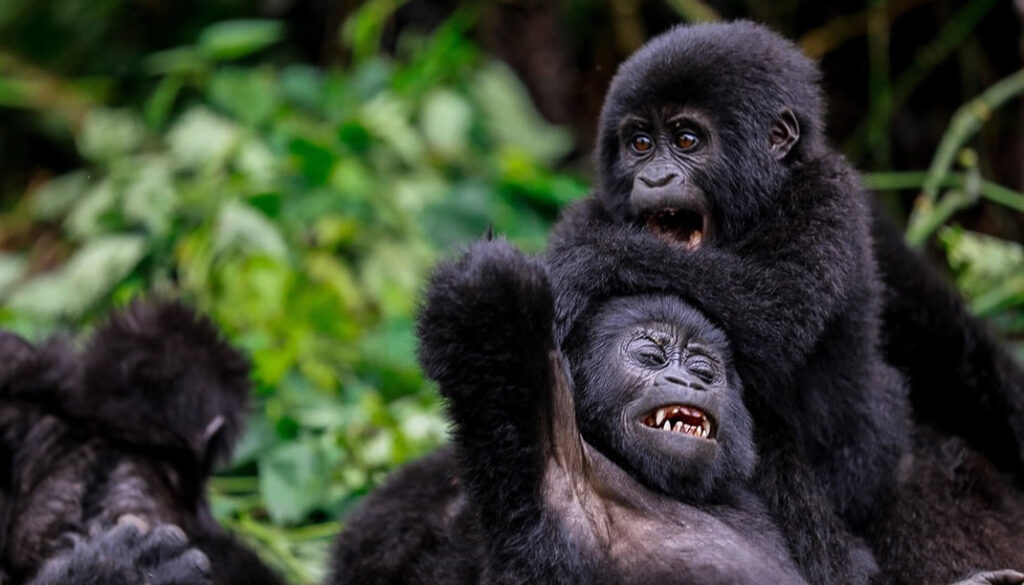
Understanding Bwindi’s Sector System
Bwindi Impenetrable Forest National Park covers roughly 321 square kilometers of ancient rainforest in southwestern Uganda, straddling the edge of the Albertine Rift Valley. To manage gorilla trekking sustainably, the Uganda Wildlife Authority (UWA) divides the park into four trekking sectors, each with its own headquarters, ranger station, network of habituated gorilla families, and cluster of nearby lodges.
A trekking permit is always sold for a specific sector on a specific date — not for the park as a whole — so the sector decision has to be made before booking, not on arrival. The four sectors sit in different corners of the park and are separated by hours of driving on winding rural roads, so a permit for one sector cannot be swapped for a trek in another on short notice.
| At a Glance
• Buhoma — the original and most accessible sector, in the north • Ruhija — the highest-altitude sector, in the east, known for birding • Rushaga — the largest sector, in the south, with the most gorilla families • Nkuringo — the most physically demanding sector, in the far south |
How the Sector Choice Affects a Trip
Every sector guarantees a mountain gorilla encounter, but the sectors differ meaningfully in three practical ways that matter to trip planning:
- Access — how far the sector is from Kigali, Entebbe, or Kampala, and what kind of road leads there
- Terrain — the steepness and altitude of the trekking trails within that sector
- Logistics — the density and price range of lodges near the trailhead, and whether the sector pairs well with other parks
The sections below cover each sector in turn, followed by a side-by-side comparison table and guidance on how to choose.
Buhoma Sector
Buhoma, in the north of the park, was the first sector opened to tourism in 1993 and remains the most visited and most developed. It sits at the edge of the forest at a relatively gentle elevation, making it the most approachable sector for first-time trekkers and travelers combining gorilla trekking with other activities.
Location and Access
Buhoma is reached via a roughly 8 to 9 hour drive from Kampala or Entebbe, or a shorter route from Kasese and Queen Elizabeth National Park (about 2 to 3 hours), which makes it the natural choice for travelers on a self-drive circuit through western Uganda. There is also an airstrip at Kihihi, about 45 minutes away, served by scheduled light-aircraft flights.
Gorilla Families
Buhoma is home to several habituated families, including Mubare (the first gorilla family ever habituated in Uganda), Habinyanja, Rushegura, and Katwe. Treks here tend to involve moderate walking distances through relatively open, gently sloping forest compared to the steeper southern sectors.
Terrain and Difficulty
Buhoma’s trails are generally considered the easiest in Bwindi, with gentler gradients and shorter average trek durations, though the forest itself remains dense and can be muddy after rain. It is the sector most often recommended to travelers with average fitness or families with older children.
Accommodation
Buhoma has the widest spread of lodging in the park, from budget guesthouses to luxury properties such as Buhoma Lodge and Bwindi Lodge, many within walking distance of the park headquarters and briefing point.
| Best For
• First-time trekkers and travelers prioritizing comfort and easy access • Itineraries combining Bwindi with Queen Elizabeth National Park • Travelers who want the widest range of lodge options near the trailhead |
Ruhija Sector
Ruhija sits on the eastern side of the park at the highest altitude of any Bwindi sector, over 2,300 meters above sea level. The cooler climate and montane forest make it a favorite of birdwatchers as well as gorilla trekkers, and it is the most central sector for travelers approaching from Kabale or the Rwanda border.
Location and Access
Ruhija is roughly 2 to 3 hours from Kabale town and about 4 hours from the Katuna/Gatuna border with Rwanda, making it a convenient link between a Rwanda gorilla trip and a Uganda one. It is also a common midpoint stop for travelers driving between Bwindi’s other sectors.
Gorilla Families
Habituated families here include Oruzogo, Bitukura, Kyaguriro (used mainly for research, with limited tourist access), and Mukiza. Ruhija’s families are known for relatively active, wide-ranging movement, which occasionally means longer treks.
Terrain and Difficulty
The altitude means cooler mornings and thinner air on the steep sections, and trails involve significant elevation change through dense, misty forest. It sits in the middle of the difficulty range — harder than Buhoma but generally less punishing than Rushaga or Nkuringo.
Accommodation
Lodging in Ruhija is smaller in number and skews toward mid-range and budget properties such as Trekkers Tavern and Bakiga Lodge, with fewer ultra-luxury options than Buhoma or Rushaga.
| Best For
• Birdwatchers — Ruhija borders the Mubwindi Swamp, a top Albertine Rift birding site • Travelers crossing between Rwanda and Uganda for gorilla trekking • Those wanting a quieter, less commercialized trekking base |
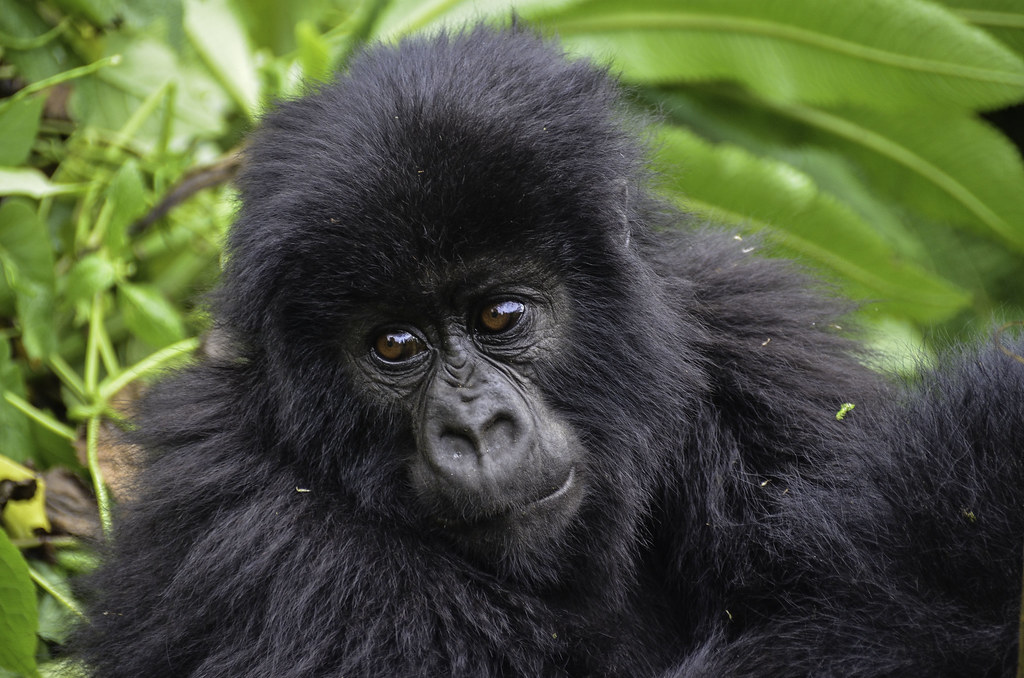
Rushaga Sector
Rushaga, in the far south of the park, is the largest trekking sector by number of habituated families and the only sector in Uganda offering the Gorilla Habituation Experience, which allows visitors to spend up to four hours with a gorilla family still being acclimatized to human presence rather than the standard one-hour visit.
Location and Access
Rushaga is about 30 to 45 minutes from the Rwanda border town of Cyanika and roughly 1 to 1.5 hours from Kisoro, making it the fastest sector to reach for travelers coming from Kigali or combining a trip with Rwanda’s Volcanoes National Park.
Gorilla Families
Rushaga hosts more habituated families than any other sector — including Nshongi, Mishaya, Kahungye, Busingye, Bweza, and Rwigi — which gives UWA more flexibility to accommodate large groups and makes Rushaga the primary sector for the habituation experience permit.
Terrain and Difficulty
Rushaga’s terrain is hilly and can involve steep, strenuous climbs, particularly for families that range higher on the surrounding ridges. It is considered more demanding than Buhoma but is variable — some families are found close to the trailhead while others require several hours of hiking.
Accommodation
The sector has grown quickly and now offers a strong range of lodges, from Nshongi Camp and Gorilla Safari Lodge to the more upscale Chameleon Hill Lodge nearby, reflecting its popularity with the cross-border Rwanda-Uganda travel market.
| Best For
• Travelers wanting the Gorilla Habituation Experience • Cross-border itineraries between Kigali and Bwindi • Larger groups needing more permit availability on a given date |
Nkuringo Sector
Nkuringo, perched on a ridge in the extreme south of the park, is the smallest and most physically demanding of Bwindi’s four sectors. It rewards trekkers with some of the most dramatic scenery in the park — sweeping views over the Virunga volcanoes on a clear day — but it is generally not recommended for travelers with limited fitness or mobility concerns.
Location and Access
Nkuringo is close to Rushaga (about 30 to 45 minutes) and roughly 1.5 hours from Kisoro, sharing much of the same access route from Rwanda and southwestern Uganda.
Gorilla Families
Nkuringo hosts the Nkuringo, Christmas, and Bushaho families. Because the sector sits on a steep ridge above the forest, gorillas are frequently found down in the valley below the trailhead, which means the return climb is often the hardest part of the day.
Terrain and Difficulty
Nkuringo is widely regarded as the toughest sector in Bwindi. Trails involve very steep descents to reach the gorillas and correspondingly steep climbs back out, sometimes gaining or losing several hundred meters of elevation on narrow forest paths. Porters are strongly recommended here even for fit trekkers.
Accommodation
Accommodation is limited but scenic, anchored by Clouds Mountain Gorilla Lodge — one of the most highly regarded luxury lodges in Uganda — alongside Nkuringo Gorilla Camp and Nkuringo Bwindi Gorilla Lodge, most perched on the ridge with panoramic views.
| Best For
• Experienced, physically fit trekkers seeking a challenge • Travelers prioritizing scenery and a quieter, less-visited sector • Honeymoon or special-occasion stays at Clouds Mountain Gorilla Lodge |
Side-by-Side Sector Comparison
The table below summarizes the key differences travelers weigh when choosing a sector.
| Sector | Region | Difficulty | From Kigali | From Entebbe | Best For |
| Buhoma | North | Easy–Mod. | ~9–10 hrs | ~8–9 hrs | First-timers, comfort, park combos |
| Ruhija | East | Moderate | ~4 hrs | ~9 hrs | Birdwatching, Rwanda–Uganda transit |
| Rushaga | South | Mod.–Hard | ~2–3 hrs | ~9–10 hrs | Habituation experience, cross-border |
| Nkuringo | Far South | Hard | ~2.5–3 hrs | ~10 hrs | Fit trekkers, scenery, luxury lodges |
Gorilla Permits and Sector Booking
Regardless of sector, a Uganda gorilla trekking permit currently costs USD 800 per person for foreign non-residents, USD 700 for foreign residents, and a discounted rate for East African citizens. The Gorilla Habituation Experience in Rushaga is priced separately and higher, reflecting the extended four-hour visit.
Permits are issued by sector and by date, and popular sectors — particularly Rushaga and Buhoma — sell out months in advance during the July–September and December–February peak seasons. Travelers should confirm sector availability with a licensed tour operator or directly through the Uganda Wildlife Authority before finalizing flights or lodge bookings.
|
Booking Tips • Book permits 4–6 months ahead for peak season (June–September, December–February) • Rushaga and Nkuringo pair naturally with a Rwanda Volcanoes National Park itinerary • Buhoma pairs naturally with Queen Elizabeth National Park • Group members trekking together should request the same sector and date to be placed with the same family |
How to Choose the Right Sector
- Start with fitness level — choose Buhoma or Ruhija for average fitness, Rushaga or Nkuringo only if comfortable with steep, sustained hiking.
- Work backward from arrival point — Kigali arrivals favor Rushaga or Nkuringo; Entebbe/Kampala arrivals favor Buhoma or Ruhija.
- Consider the rest of the itinerary — Buhoma suits a Queen Elizabeth pairing, while the southern sectors suit a Rwanda pairing.
- Factor in special interests — birders should prioritize Ruhija; those wanting the habituation experience must choose Rushaga.
- Check lodge budget — Buhoma and Rushaga offer the widest range of price points; Nkuringo and Ruhija have fewer, more specialized options.
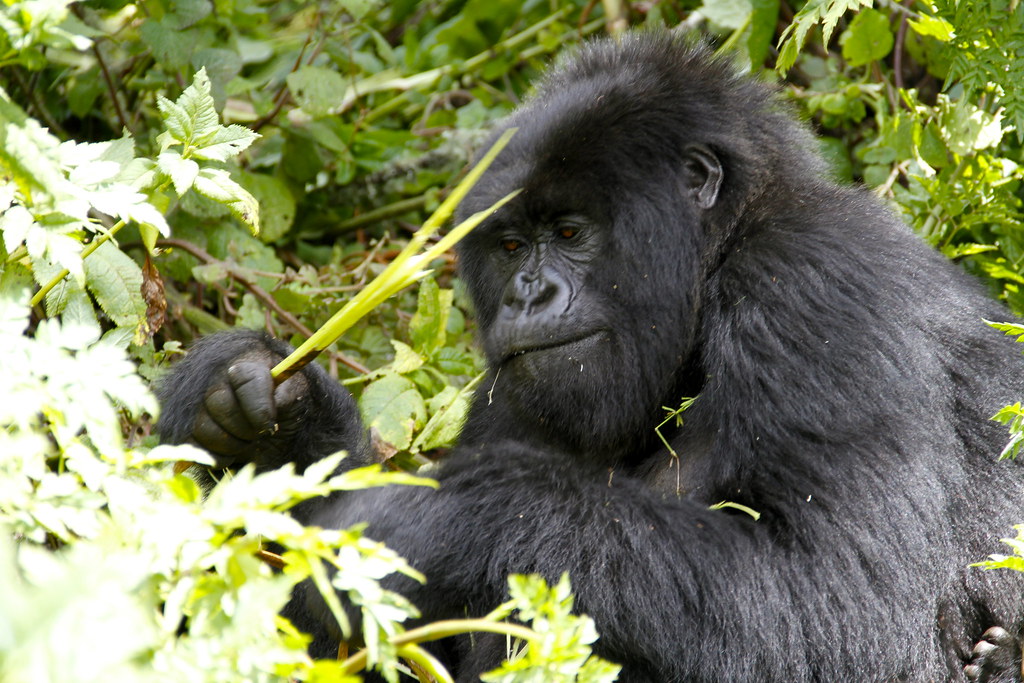
Frequently Asked Questions
Can I choose which gorilla family I trek to see?
Travelers choose a sector, not a specific family. Family assignment within that sector happens at the morning briefing, based on ranger assessments of each family’s location that day and, at some lodges, informal traveler preference where feasible.
Which sector is best for beginners?
Buhoma is generally recommended for first-time trekkers or those with average fitness, thanks to its gentler terrain and lower average elevation.
Can I visit more than one sector on the same trip?
Yes, but each sector requires a separate permit and a separate trekking day, and the sectors are far enough apart that this typically adds one or more overnight stops to an itinerary.
Is Nkuringo worth the difficulty?
For fit, experienced trekkers, most travelers find Nkuringo’s scenery and relative exclusivity worth the harder climb; it is not recommended for travelers with joint, heart, or mobility concerns.
Do all sectors have the same permit price?
Standard one-hour gorilla trekking permits are priced the same across all four sectors; only the Rushaga-based Gorilla Habituation Experience carries a different, higher price.