Gorilla Trekking Packing List
| Quick Answer
For gorilla trekking in Bwindi Impenetrable Forest or Rwanda’s Volcanoes National Park, pack waterproof hiking boots, gardening gloves, a rain jacket, long trousers tucked into socks, a 20–30 litre daypack, a 2-litre water supply, high-energy snacks, a dust mask, and cash for porters and tips. Trekking conditions are muddy, humid, and unpredictable at any time of year — pack for rain even in the “dry” season. |
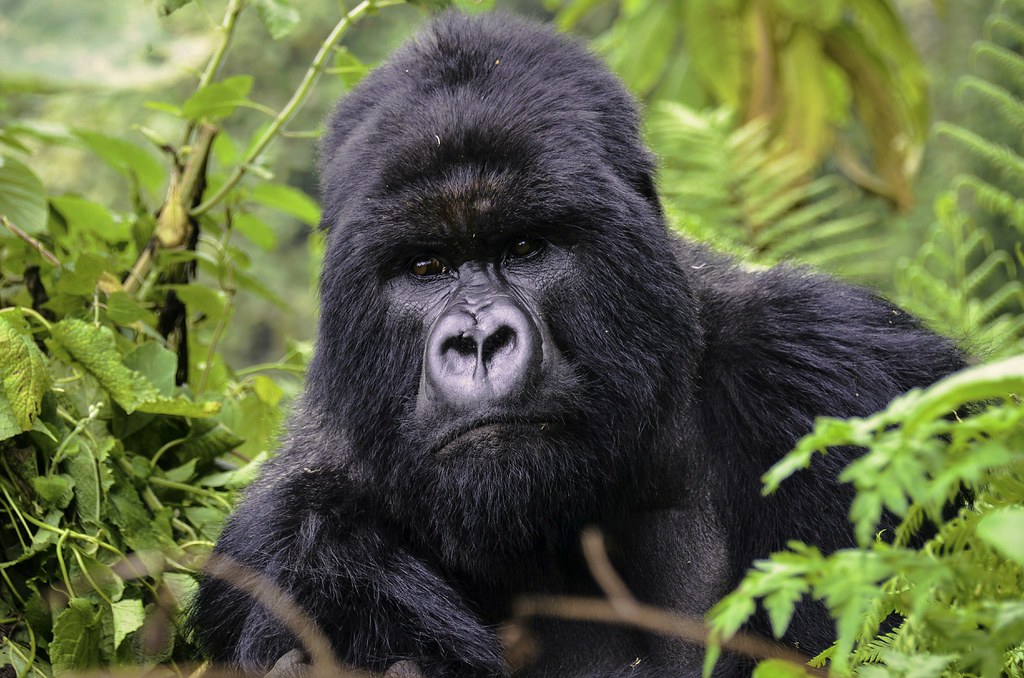
Why Packing Right Makes or Breaks Your Trek
Gorilla trekking is, for most travellers, the single most physically demanding activity of an East African safari. Unlike a game drive, where you view wildlife from the comfort of a vehicle, trekking to see mountain gorillas in Bwindi Impenetrable Forest National Park (Uganda) or Volcanoes National Park (Rwanda) means hiking through dense, high-altitude rainforest — often off-trail, through stinging nettles, tangled vines, slippery mud, and steep volcanic terrain.
Treks can last anywhere from 30 minutes to 8 hours round trip depending on where the gorilla family is located on the day of your visit. Weather can shift from bright sun to heavy rain within the same hour, and altitude in both parks ranges from roughly 1,160 to over 2,600 metres above sea level. None of this is optional or predictable — which is exactly why your packing list matters more here than on almost any other safari activity.
This guide breaks down everything you need — clothing, footwear, gear, health essentials, documents, and money — organized into clear checklists, with notes on what changes by season and what past trekkers wish they had known before setting off.
Clothing Essentials
Layering is the golden rule of gorilla trekking. Mornings at the park headquarters are cool and often misty, the forest interior is humid and still, and any exposed hillside can be windy and cold. Your clothing should let you add or remove layers without slowing down the group.
Core Clothing Checklist
| Item | Why You Need It / Notes |
| Long-sleeved shirts (2–3) | Protects arms from stinging nettles, thorns, and biting safari ants; opt for neutral colours (khaki, olive, grey) rather than bright or dark colours that attract insects |
| Long trousers (2 pairs) | Tuck into socks or gaiters to block ants and nettles; quick-dry hiking fabric is far better than jeans, which stay wet and heavy |
| Fleece or light jacket | For the cool early-morning briefing (starts around 7:00–7:30 AM) at park headquarters |
| Waterproof rain jacket | Non-negotiable in both dry and wet seasons; forest rain can start with no warning |
| Waterproof rain trousers or poncho | Optional but useful in the wetter months of March–May and September–November |
| Moisture-wicking base layer | Keeps you dry as you sweat on steep climbs; avoid cotton, which stays damp all day |
| Wide-brimmed hat or cap | Sun protection at the trailhead; also helps keep rain off your face |
| Warm layer for evenings | Lodge elevations are often cooler than the lowlands; useful after sunset |
Colour Matters More Than You’d Think
Rangers and guides consistently recommend neutral earth tones — khaki, olive, brown, grey, or muted green. Bright colours can startle wildlife, and dark colours (especially navy and black) are known to attract tsetse flies in some park areas. White is impractical given the mud. If you only pack one “trekking outfit,” make it a neutral, quick-dry combination you’re comfortable getting permanently stained.
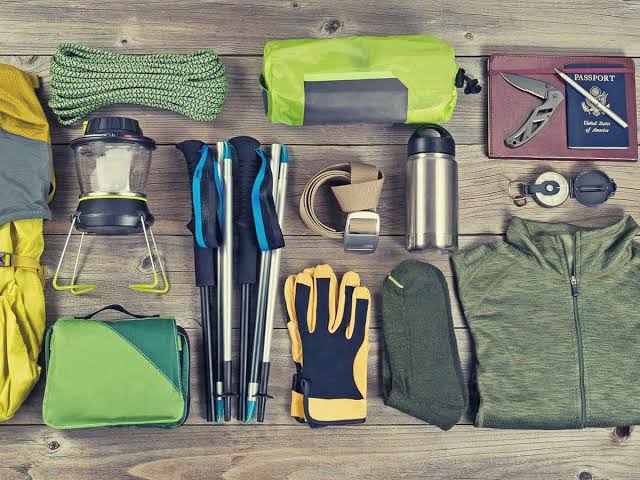
Footwear: Your Most Important Packing Decision
More trekkers regret their choice of footwear than any other item. The forest floor is a mix of thick mud, loose volcanic soil, slippery roots, and steep, uneven terrain — often with no clear trail at all once you’re following the trackers off-path.
What to Bring
| Item | Why You Need It / Notes |
| Waterproof hiking boots (ankle support) | The single most important item on this list; broken in well before the trip to avoid blisters |
| Thick hiking socks (3–4 pairs) | Wool or synthetic blend; bring extras as socks get soaked and muddy |
| Gaiters | Keep mud, water, and safari ants out of your boots; highly recommended, especially in wet season |
| Camp shoes or sandals | Comfortable footwear to change into at the lodge after the trek |
| Trekker Tip
Break in new hiking boots for at least two to three weeks before your trip. A blister on trekking day can turn an 8-hour hike into a genuinely miserable experience — and there is no turning back once you’re in the forest. |
Trekking Gear & Equipment
Daypack & Carrying Gear
| Item | Why You Need It / Notes |
| Daypack (20–30 litres) | Enough space for water, snacks, rain gear, and a camera without weighing you down |
| Rain cover for daypack | Keeps electronics and spare clothing dry during sudden downpours |
| Reusable water bottle or hydration bladder (2 litres) | Dehydration is a real risk on longer treks; refill at the lodge before departure |
| Trekking pole | Rented cheaply at park headquarters, or bring a collapsible pole from home; invaluable on steep, muddy slopes |
| Gardening gloves | Protect your hands from stinging nettles and thorny vegetation when grabbing branches for balance — genuinely one of the most useful, least glamorous items you’ll pack |
| Dry bags or ziplock bags | Keep your phone, passport copy, and permit dry inside your daypack |
Photography & Personal Items
| Item | Why You Need It / Notes |
| Camera with zoom lens | Flash photography is prohibited near gorillas — a lens with good low-light performance helps in the shaded forest canopy |
| Spare batteries / power bank | No charging points in the forest; bring more power than you think you’ll need |
| Binoculars | Useful for spotting forest birds and monkeys en route, even though gorilla viewing itself is at close range |
| Dust mask or surgical mask | Required at Bwindi and Volcanoes National Park during gorilla viewing, to reduce disease transmission risk between humans and gorillas |
| Insect repellent (DEET-based) | Essential in the humid forest understorey |
| Sunscreen | UV exposure is high at altitude, even on cloudy days |
Health & Personal Care Essentials
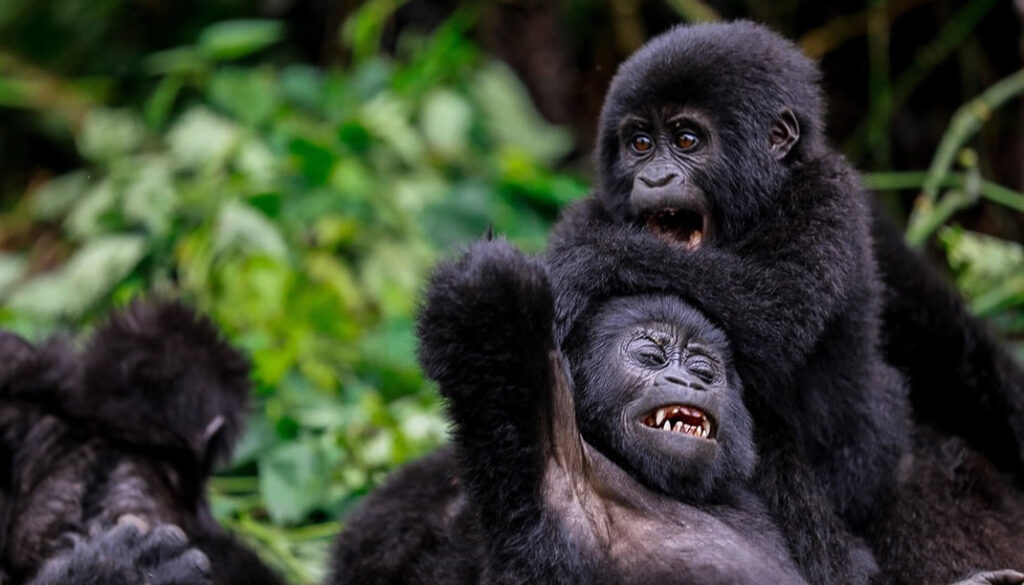
Gorilla trekking permits are strictly non-transferable and non-refundable, and park authorities will not allow anyone displaying visible signs of illness — particularly respiratory symptoms — to enter the forest. This is a genuine conservation safeguard: gorillas share roughly 98% of human DNA and are highly susceptible to human respiratory illnesses, sometimes fatally. Pack accordingly and be honest about your health on trekking day.
Health & First Aid Checklist
| Item | Why You Need It / Notes |
| Personal medications | Bring enough for the full trip plus a few spare days, in original packaging |
| Basic first-aid kit | Blister plasters, antiseptic wipes, pain relievers, rehydration salts |
| Hand sanitizer | Used frequently before and after gorilla viewing |
| Anti-malarial medication | Consult a travel clinic 4–6 weeks before departure; both Uganda and Rwanda are malaria-risk areas |
| Yellow fever vaccination certificate | Mandatory for entry into Uganda and Rwanda for most travellers |
| Travel insurance documents | Should specifically cover trekking/hiking activities and emergency evacuation |
| Face mask (surgical or N95) | Mandatory during the gorilla viewing hour at both Bwindi and Volcanoes National Park |
Documents & Money
Documents to Carry
| Document | Notes |
| Passport (valid 6+ months) | Required for entry and for permit verification at park headquarters |
| Printed gorilla trekking permit | Or a digital copy accessible offline; rangers check this before allocating your gorilla family |
| Visa / East Africa Tourist Visa | Confirm requirements for Uganda, Rwanda, or both if crossing borders |
| Travel insurance printout | Some parks request proof of coverage on arrival |
| Vaccination certificate | Yellow fever card, kept with your passport |
Money & Tipping
Carry cash in US dollars (post-2009 series, no marks or tears — many East African banks and lodges reject damaged or older notes) or local currency (Ugandan shillings or Rwandan francs) for the following:
- Guide and ranger tip: typically USD 15–20 per person
- Porter fee: USD 15–20, arranged directly at the trailhead
- Tracker tip (if applicable): USD 10–15
- Armed ranger/escort tip in some sectors: USD 5–10
- Small purchases: bottled water, souvenirs, snacks at park headquarters
| Hire a Porter — Even If You’re Fit
Porters are local community members trained to help trekkers navigate mud and steep terrain, and hiring one directly supports villages bordering the park. Beyond the community benefit, a porter will carry your daypack, offer a steadying hand on slippery sections, and can make the difference between an enjoyable hike and an exhausting one — well worth the modest fee regardless of your fitness level. |
Seasonal Packing Adjustments
Uganda and Rwanda each have two dry seasons and two wet seasons, but gorilla trekking happens year-round — permits are simply harder to get, and trails muddier, in the wetter months. Adjust your packing list slightly based on when you’re travelling.
Dry Season (June–August, December–February)
- Add extra sun protection: sunglasses, a wide-brimmed hat, and a higher SPF sunscreen
- Trails are firmer, but a rain jacket is still essential — the forest microclimate can produce sudden showers regardless of season
- Lighter gaiters can substitute for full waterproof ones, though mud is still likely near streams
Wet Season (March–May, September–November)
- Prioritise full waterproof boots and gaiters over water-resistant alternatives
- Pack a dry bag for your camera and electronics, not just a rain cover
- Bring an extra full change of clothing to leave at the lodge for after the trek
- Expect longer, muddier treks — a trekking pole becomes even more valuable
What NOT to Bring
| Item | Why You Need It / Notes |
| Bright or dark-coloured clothing | Can unsettle wildlife or attract biting insects; stick to neutral tones |
| Camera flash | Strictly prohibited during gorilla viewing — it can startle and distress the gorillas |
| Heavy luggage or suitcases | Only a daypack is practical on the trail; leave main luggage at the lodge or in the vehicle |
| New, unbroken-in boots | A guaranteed source of blisters on an 8-hour trek |
| Perfume or strongly scented products | Can attract insects and, some guides note, may affect gorilla behaviour |
| Drones | Prohibited in Bwindi and Volcanoes National Park without special authorisation |
Master Packing Checklist
Use this consolidated list as a final check the night before your trek.
Clothing
- Long-sleeved shirts (neutral colours)
- Long trousers, quick-dry
- Waterproof rain jacket
- Fleece or light jacket
- Wide-brimmed hat
- Thick hiking socks (3–4 pairs)
Footwear
- Waterproof hiking boots (broken in)
- Gaiters
- Camp shoes for the lodge
Gear
- Daypack (20–30L) with rain cover
- 2 litres of water or hydration bladder
- Trekking pole
- Gardening gloves
- Camera, spare batteries, power bank
- Binoculars
Health & Documents
- Passport, permit, visa, insurance, vaccination card
- Face mask, hand sanitizer, insect repellent, sunscreen
- Personal medication and basic first-aid kit
- Cash (USD or local currency) for tips and porters
Frequently Asked Questions
Do I need hiking boots specifically, or will trainers work?
Trainers are not recommended. The terrain is muddy, steep, and often waterlogged — ankle-supporting, waterproof hiking boots significantly reduce the risk of slips, twisted ankles, and blisters.
Is a porter really necessary if I’m physically fit?
It’s not mandatory, but almost universally recommended. Porters manage the daypack, help with balance on difficult sections, and their fee goes directly to communities living alongside the park — supporting conservation efforts that protect the gorillas themselves.
What happens if it rains during my trek?
Treks proceed rain or shine; permits are non-refundable for weather. This is precisely why waterproof gear — not just water-resistant — is essential rather than optional.
Can I bring my phone for photos?
Yes, phones are permitted, and photography without flash is allowed during your permitted hour with the gorillas. Keep your phone in a dry bag or ziplock inside your daypack while trekking.
How much luggage can I bring on the trek itself?
Only your daypack. Main luggage stays at the lodge or in your vehicle at the trailhead — porters and trackers are not equipped to carry large bags through the forest.
Final Thoughts
The right packing list turns gorilla trekking from a physically punishing ordeal into one of the most rewarding wildlife encounters on the planet. Layered clothing, genuinely waterproof boots, a well-organised daypack, and a bit of cash for your porter and guides will carry you through almost any conditions Bwindi Impenetrable Forest or Volcanoes National Park can produce.
Pack early, break in your boots well before departure, and pack for rain no matter the season — the forest rarely gives much warning before it changes its mind.