7 Days Botswana, Victoria Falls & Zimbabwe Safari
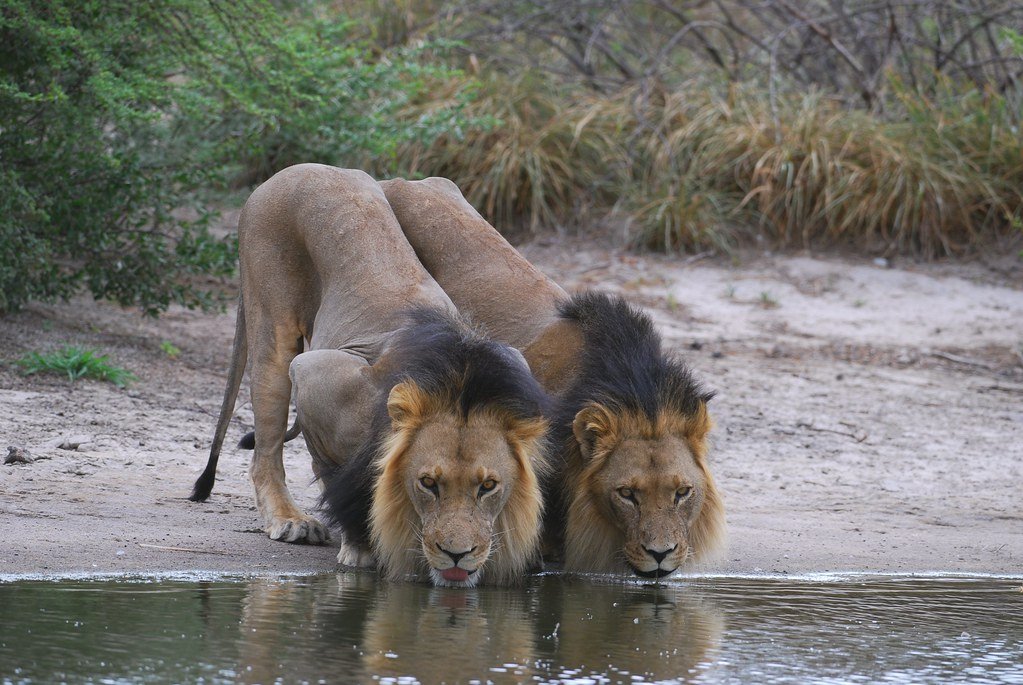
7 Days Botswana, Victoria Falls & Zimbabwe Safari, Few journeys on the African continent pack in as much drama, wildlife and sheer natural spectacle as a week spent looping between Botswana, Zimbabwe and the thundering curtain of the Zambezi River. This 7-day itinerary combines three of Southern Africa’s most iconic safari destinations: Chobe National Park in Botswana, famed for its enormous elephant herds and river boat safaris; Victoria Falls, one of the Seven Natural Wonders of the World; and Hwange National Park, Zimbabwe’s largest game reserve and a stronghold for lion, wild dog and some of the continent’s biggest tuskers. Whether you are travelling as a self-drive adventurer or booking a fully guided safari package, this route delivers the full Kavango-Zambezi (KAZA) experience in a single, easy-to-follow week.
Why This Route Works So Well
Chobe, Victoria Falls and Hwange sit almost on top of one another at the point where Botswana, Zimbabwe, Zambia and Namibia meet near the town of Kazungula. This geographic quirk means travelers can experience three completely different safari environments — a permanent river system, a UNESCO World Heritage waterfall, and a dry-country elephant sanctuary — with only short road transfers between each stop, none of them longer than a half-day’s drive. It is one of the most efficient multi-country safari circuits in Africa, and it is well served by tarred roads, scheduled shuttle transfers, self-drive rental options and small charter flights for travelers short on time.
At a Glance: The 7-Day Route
| Day | Location | Focus |
| 1 | Victoria Falls, Zimbabwe | Arrival and guided tour of the Falls |
| 2 | Victoria Falls, Zimbabwe | Adventure activities and sunset Zambezi cruise |
| 3 | Kasane / Chobe, Botswana | Border transfer and afternoon Chobe River boat safari |
| 4 | Chobe National Park, Botswana | Full-day game drives, elephant herds |
| 5 | Hwange National Park, Zimbabwe | Transfer and afternoon game drive |
| 6 | Hwange National Park, Zimbabwe | Full-day safari, waterhole hides |
| 7 | Hwange to Victoria Falls Airport | Morning game drive and departure |
Day 1 — Arrival in Victoria Falls, Zimbabwe
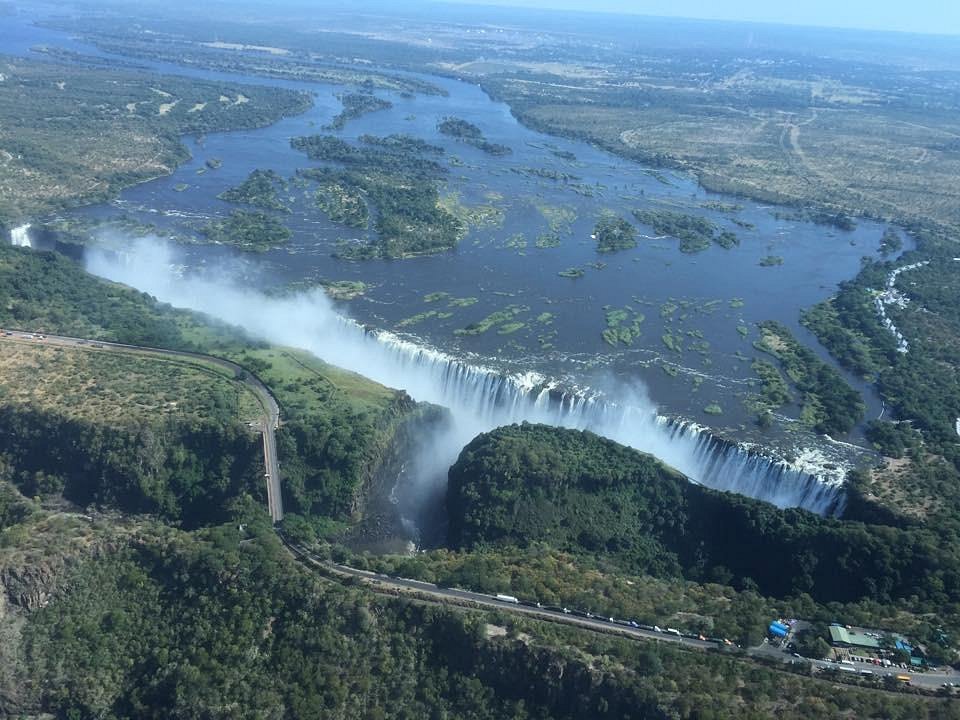
Your safari begins in Victoria Falls town, easily reached via Victoria Falls International Airport, which has direct or connecting flights from Johannesburg, Cape Town, Nairobi and other regional hubs. After settling into your lodge, spend the afternoon walking the rainforest trail on the Zimbabwean side of the Falls, which offers roughly 75% of the total viewing frontage and dramatic head-on views of the main falls, Devil’s Cataract and the Zambezi Gorge.
Highlights: Rainforest walking trail, Big Tree, Zambezi Gorge viewpoints, historic Victoria Falls Bridge.
Where to stay: Victoria Falls town offers everything from backpacker lodges to five-star riverfront hotels; staying close to the Falls entrance keeps early-morning and sunset visits convenient.
Practical note: International adult entry to the Zimbabwean side of the Falls runs in the region of US$50–58, revised periodically by the Zimbabwe Parks and Wildlife Management Authority, so budget for the current rate at the gate.
Day 2 — Victoria Falls Adventure Day
Victoria Falls town is the adventure capital of Southern Africa, and a full day here lets you choose your own pace. Thrill-seekers can raft the Zambezi’s grade 3–5 rapids, bungee off the Victoria Falls Bridge, or take a microlight or helicopter ‘Flight of Angels’ over the Falls. Those who prefer a gentler day can browse the curio markets, visit a local village or take a guided cultural tour.
Evening: Close the day with a sunset cruise on the upper Zambezi River — hippos, crocodiles and elephants are frequently seen drinking on the banks as the sky turns orange over the river.
Good to know: June to August brings the fullest flow of water over the Falls and the most comfortable daytime temperatures, while the low-water months of September to December reveal more of the rock face and are best for white-water rafting.
Day 3 — Cross into Botswana — Chobe River Afternoon Safari
After breakfast, transfer by road from Victoria Falls to Kasane, Botswana, via the Kazungula border post — a scenic drive of roughly 80 kilometres that typically takes 90 minutes to two hours including border formalities. Guided transfers handle the paperwork and queueing on your behalf, so this crossing is far more relaxed than it sounds.
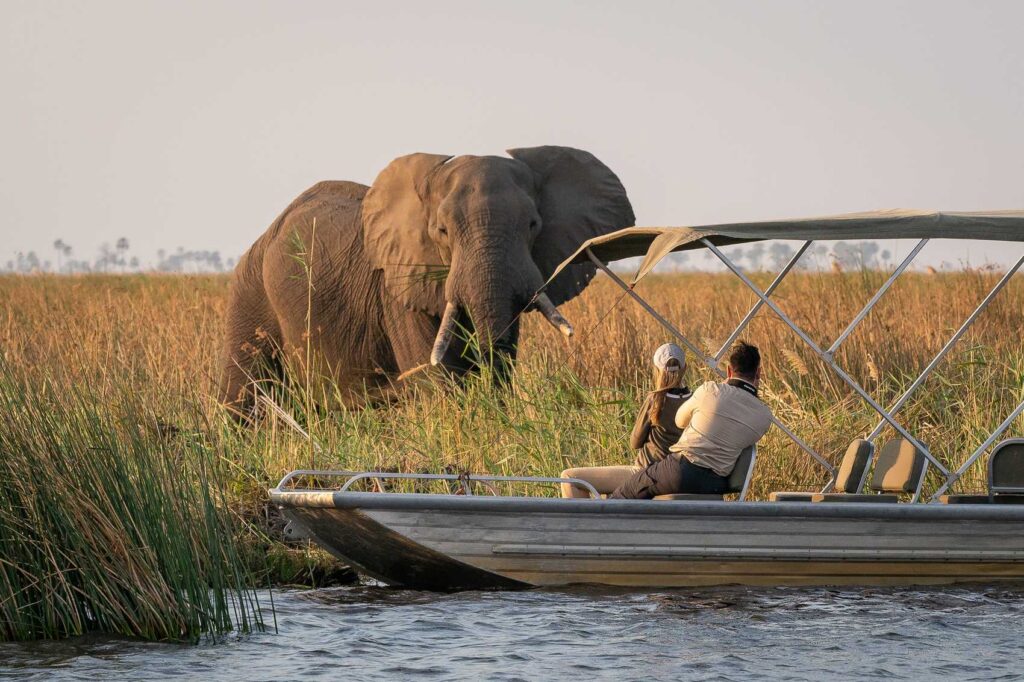
Once settled in Kasane, spend the afternoon on a Chobe River boat safari. The Chobe River hosts one of the highest concentrations of elephants and hippos in Africa, and a slow float along the water is one of the best ways to see large herds coming down to drink and bathe at close range, along with buffalo, crocodile and a huge variety of waterbirds.
Border note: Travelers eligible for the KAZA Univisa (roughly US$50, covering Zimbabwe and Zambia) can also use it for a same-day Botswana crossing at Kazungula. Confirm eligibility and current entry requirements for your nationality before travelling, as rules vary and are updated periodically.
Day 4 — Full Day in Chobe National Park
Devote today entirely to Chobe National Park, home to an estimated 50,000-plus elephants — one of the densest elephant populations on the continent. A dawn game drive through the park’s riverfront section offers the best light and the most active wildlife, with lion, buffalo, giraffe, kudu and puku antelope all regularly sighted alongside the park’s famous elephant herds.
In the afternoon, take a second boat cruise or venture into the drier Savuti or Ngwezumba sections of the park (accessible on longer stays) for a change of scenery. Chobe’s landscape shifts dramatically between the lush floodplain near the river and the mopane woodland and open grassland further inland, and each supports a different mix of species.
Wildlife checklist: Elephant, buffalo, hippo, crocodile, lion, giraffe, kudu, puku, and more than 450 recorded bird species.
Best season: The dry months of May to October concentrate wildlife around the river, making game viewing especially rewarding, while the November to April wet season is quieter but excellent for birding.
Day 5 — Transfer to Hwange National Park, Zimbabwe
Today involves a transfer back across the border into Zimbabwe and on to Hwange National Park, the country’s largest game reserve at roughly 14,600 square kilometres. Depending on your operator, this leg is covered by road transfer or a short charter flight, both commonly bundled into fixed-departure safari packages that link Victoria Falls, Chobe and Hwange.
Arriving in time for an afternoon game drive, head straight for one of Hwange’s famous pumped waterholes, where wildlife gathers reliably even outside the peak dry months. The Ngweshla and Sinamatella areas are particularly well known for high concentrations of elephant and buffalo.
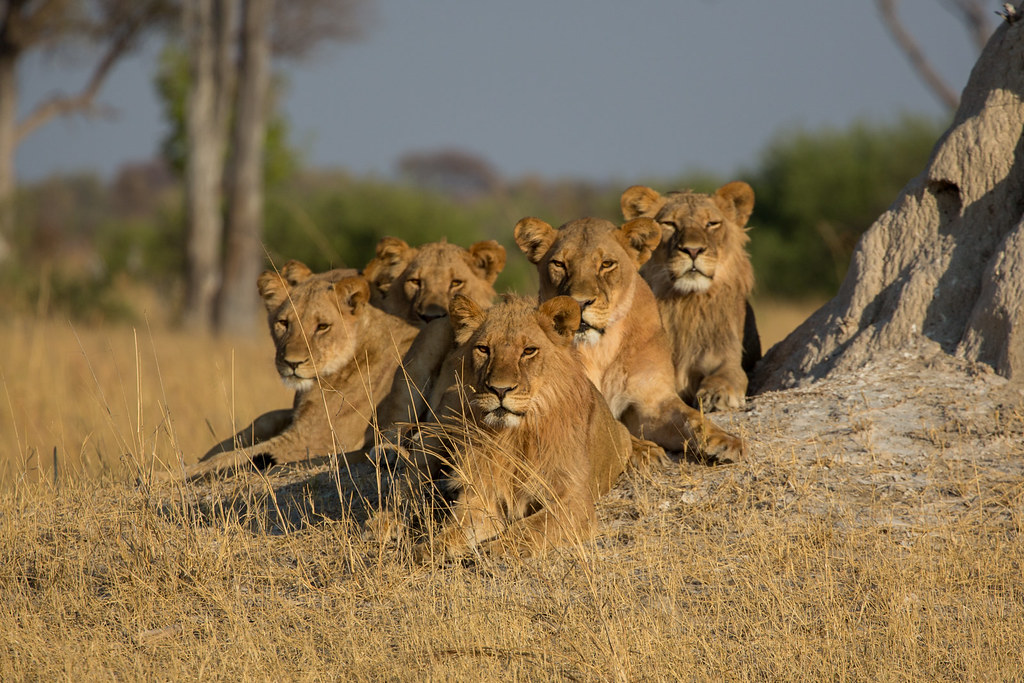
Why Hwange: Hwange is one of the last strongholds of the African painted dog (wild dog) and supports healthy populations of lion, leopard, cheetah, and sable and roan antelope alongside its enormous elephant herds.
Day 6 — Full Day Safari in Hwange
Spend a full day exploring Hwange with morning and afternoon game drives, broken up by a relaxed midday break at camp. Game drives typically focus on the park’s network of waterholes, where — especially during the July to October dry season — herds of elephant numbering in the hundreds gather to drink alongside zebra, wildebeest, giraffe and a full suite of predators.
Many camps in Hwange also offer sundowner drives, guided walking safaris with an armed professional guide, or an evening at a waterhole hide for photographing nocturnal visitors under starlight.
Best time to visit: July through October is peak dry season, when thinning vegetation and shrinking water sources make for the most dramatic and reliable game viewing. November to March is greener, quieter and better for migratory birdlife, though some camps scale back operations during the heaviest rains.
Day 7 — Final Game Drive and Departure
Rise early for one last game drive while the bush is at its coolest and most active, then transfer back to Victoria Falls Airport (roughly 1.5–2 hours from most Hwange camps, or a short charter flight) in time for onward or international connections. This final morning is often when leopard and lion sightings come together, as predators are most active in the early light before the heat of the day sets in.
Trip Planning Essentials
Visas and Border Crossings
- The KAZA Univisa (around US$50) covers Zimbabwe and Zambia for eligible nationalities and permits same-day crossings into Botswana via Kazungula.
- Botswana grants visa-free entry of up to 90 days to many nationalities, including most Commonwealth countries, the EU, UK, USA, Canada, Australia and New Zealand — always verify current requirements for your specific passport before departure.
- Carry your passport at all times during the trip; border formalities at Kazungula are usually handled with guide assistance and take between 20 and 60 minutes each way.
- Park entry fees are separate from visa fees and are paid in cash (usually USD) at each park gate — Victoria Falls, Chobe and Hwange all charge international-visitor rates that are reviewed periodically, so confirm current pricing before travel.
Best Time to Travel
- June to August: Peak flow at Victoria Falls, cool and comfortable safari conditions, and the start of prime wildlife viewing in Chobe and Hwange.
- July to October: The dry season peak for wildlife viewing across both Chobe and Hwange, as animals concentrate around permanent water sources.
- November to March: The green season — lush landscapes, newborn animals and excellent birdwatching, but hotter, more humid, and some camps operate reduced schedules.
- September to December: The Zambezi is at its lowest, making this the best window for white-water rafting below the Falls, though the waterfall itself is at its least dramatic.
Getting Around
- Fly into Victoria Falls International Airport (VFA), which serves as the natural gateway for this entire circuit.
- Road transfers link Victoria Falls, Kasane (Chobe) and Hwange, generally on good tarmac with the border crossing at Kazungula as the main pinch point.
- Self-drive travellers should check vehicle cross-border permit requirements in advance, particularly for entering Botswana and re-entering Zimbabwe.
- Charter flights between Victoria Falls, Kasane and Hwange are widely available and popular with travellers who want to maximise time in camp rather than on the road.
What to Pack
- Neutral-coloured, lightweight clothing for game drives, plus a warm layer for early-morning and river-cruise starts.
- A swimsuit for lodge pools and the Zambezi cruises, and quick-dry gear if you’re doing white-water rafting.
- Binoculars, a camera with a zoom lens, and a dry bag or rain cover for boat safaris and the Victoria Falls rainforest trail, which gets a permanent spray-soaked ‘rain’.
- Comfortable closed shoes for walking safaris, a hat and high-factor sunscreen, and a basic malaria-prevention kit after consulting a travel health professional.
- USD cash in small denominations for park fees, tips and incidental purchases, since card facilities can be unreliable at remote gates and camps.
Wildlife Checklist for the Trip
Across Chobe and Hwange, this itinerary offers a realistic shot at all of the Big Five (lion, leopard, elephant, buffalo and, with some luck, rhino in select areas), plus giraffe, zebra, wildebeest, sable and roan antelope, spotted hyena, and — in Hwange especially — African painted dogs. The Chobe riverfront adds hippo, crocodile and exceptional birdlife to the list, while both parks reward patient waterhole watching with the widest variety of sightings.
Final Thoughts
A 7-day loop through Botswana, Victoria Falls and Zimbabwe is one of the most rewarding short safaris available anywhere on the continent — three distinct ecosystems, a genuine natural wonder, and some of Africa’s best elephant viewing, all within a week and a manageable string of short transfers. Whether you build this as a self-drive adventure or hand the logistics to a specialist safari operator, the combination of river, waterfall and dry-country bush delivers a complete picture of what makes this corner of Southern Africa so extraordinary.