3-Day Budget Gorilla Trekking
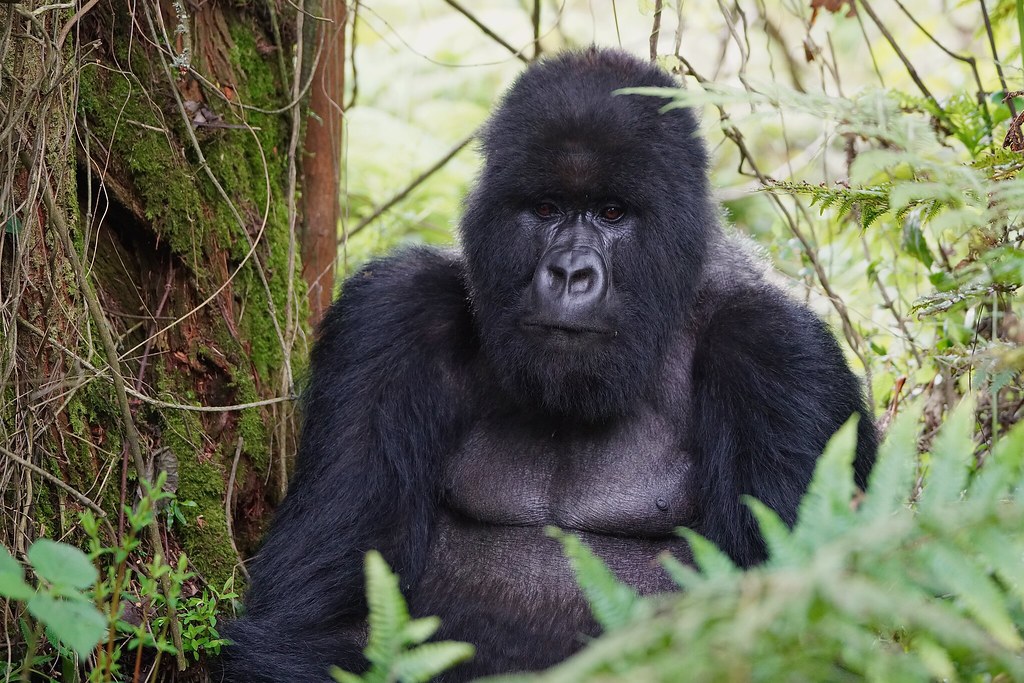
3-Day Budget Gorilla Trekking Bwindi Impenetrable National Park is home to nearly half the world’s remaining mountain gorillas — a critically endangered species with fewer than 1,100 individuals surviving in the wild. Located in the Kigezi Highlands of southwestern Uganda, the park is a UNESCO World Heritage Site and arguably offers the most emotionally profound wildlife encounter on the African continent.
The good news for budget-conscious travelers is that a gorilla trekking experience does not have to break the bank. While the gorilla permit alone costs USD 800 per person (non-East African residents), careful planning of transport, accommodation, and logistics can bring a complete 3-day Bwindi budget trip within reach of independent travelers.
This guide covers everything you need to plan your own 3-day budget Bwindi gorilla trek from Kampala — including permit booking, affordable guesthouses near the park, budget transport options, day-by-day itinerary, what to eat, and a full cost breakdown.
| 💡 Best Time to Trek Bwindi
June–August and December–February are the driest months, making trails less muddy and trekking easier. The park can be visited year-round; rain is possible at any time given Bwindi’s montane rainforest environment. Book permits at least 3–6 months in advance for peak season. |
Budget Accommodation Near Bwindi
There is a range of accommodation options around Bwindi, from luxury lodges to simple community guesthouses. For budget travelers, the following types are most suitable:
Buhoma Area — Budget Options
Buhoma Community Rest Camp
- Type: Community-run bandas and camping
- Price: USD 15–25 per person per night for a banda; USD 10 for camping
- Facilities: Basic but clean; shared bathrooms; on-site restaurant serving local meals
- Location: Right at the Buhoma park gate — extremely convenient for early-morning trek start
Mahogany Springs (Budget Rooms)
- Type: Small guesthouse with basic en-suite rooms
- Price: USD 35–60 per person with breakfast
- Note: Slightly above strict budget but offers better beds and hot showers after a long drive
Rushaga Area — Budget Options
Rushaga Gorilla Haven Lodge
- Type: Budget lodge with simple rooms
- Price: USD 30–50 per night including breakfast
- Facilities: En-suite bathrooms, restaurant, beer garden
- Location: 5–10 minutes from the Rushaga sector gate
Community Campsite — Rushaga
- Type: Basic campsite run by the local community
- Price: USD 8–12 per person for camping
- Note: Bring your own tent and sleeping bag; basic pit latrines; cold water bucket showers
| ⚠️ Book Accommodation in Advance
Budget accommodation around Bwindi is limited. During peak gorilla trekking season, guesthouses fill up weeks in advance. Book your accommodation at the same time as your gorilla permit. |
3-Day Itinerary — Day by Day
DAY 1: Kampala to Bwindi
Morning (6:00 AM – 7:00 AM): Departure from Kampala
Rise early for the long drive to Bwindi. If using a shuttle bus, your pick-up will typically be between 6:00–7:00 AM from a central Kampala location. Ensure you have packed the night before. Eat a light breakfast before departure — the first good rest stop is usually in Masaka (about 2 hours from Kampala) or Mbarara (around 4–5 hours in).
- Confirm shuttle pick-up location and time the evening before
- Carry snacks, water (minimum 2 litres), and entertainment for the journey
- Pack your gorilla trekking gear in an accessible bag — you won’t need it until Day 2
Mid-Morning to Afternoon: The Drive
The route from Kampala to Bwindi takes you through some of Uganda’s most beautiful landscapes — the flat Lake Victoria basin gives way to the rolling hills of western Uganda, passing through Masaka, Mbarara, and Kabale before the road climbs into the misty Kigezi Highlands. The scenery during the final hour is spectacular.
- Masaka: Fuel, refreshments, toilet stop — roughly 1.5–2 hours from Kampala
- Mbarara: Recommended lunch stop — many local restaurants (rolex, chips, grilled chicken)
- Kabale: Last major town before Bwindi; stock up on supplies, water, and cash from the ATM
- Final approach: Unpaved mountain road through tea estates and community villages
Late Afternoon (4:00–6:00 PM): Arrival at Bwindi
Arrive at your budget guesthouse or campsite and check in. Take a short walk to stretch your legs after the long journey. The evening air at Bwindi is cool and crisp — temperatures can drop to 10–15°C at night, so have a warm layer ready.
- Check in and confirm your gorilla trekking briefing time (usually 7:30–8:00 AM the next morning)
- Have dinner at your guesthouse — most budget options serve a simple set menu (posho, beans, greens, meat)
- Rest early — Day 2 starts before sunrise
| 💡 Evening in the Village
If you arrive with energy to spare, take a short walk through the community near the park gate. Local women’s groups often sell handmade baskets and crafts. A cold Nile Special beer at the guesthouse is a great way to end the day. |
DAY 2: Gorilla Trekking Day
6:00 AM – 7:30 AM: Pre-Trek Preparation
Wake up early and eat a full breakfast — this is essential. Gorilla trekking can range from a 30-minute walk to an 8-hour endurance hike depending on where the gorilla group has moved overnight. You will not know the difficulty level until the briefing.
- Eat a substantial breakfast: porridge, eggs, bread, fruit — do not skip this
- Fill your water bottles (minimum 2 litres of water for the trek)
- Apply sunscreen and insect repellent
- Dress in long trousers, long-sleeved shirt, and sturdy waterproof boots
- Pack: rain jacket, snacks, camera (no flash permitted with gorillas), gloves
7:30 AM: Ranger Briefing
All trekkers meet at the park gate for a mandatory pre-trek briefing by Uganda Wildlife Authority rangers. The briefing covers gorilla encounter rules, what to expect, and safety guidelines.
- No trekking if you have a cold, flu, or respiratory illness — gorillas share 98% of human DNA and are highly susceptible to our diseases
- Maintain a minimum distance of 7 metres from the gorillas at all times
- No flash photography
- Maximum 1 hour with the gorilla group
- Maximum 8 people per gorilla group per day
- Children under 15 years are not permitted to trek
8:00 AM – Variable: The Trek
After the briefing, your group sets off into the forest with armed ranger guides. The trek through Bwindi’s ancient rainforest is an experience in itself — the forest is extraordinarily dense, loud with bird calls and insects, and filled with giant ferns, towering mahogany trees, and tangled undergrowth. The name ‘Impenetrable’ is well-earned.
Rangers communicate via radio with trackers who set off at dawn to locate the gorilla group. Depending on how far the gorillas have moved overnight, your trek could be short or very long. The terrain is steep and can be slippery in wet conditions.
- Trek difficulty: Moderate to strenuous — be mentally prepared for a full-day hike if necessary
- Optional: Hire a porter at the gate (UGX 20,000–30,000 / USD 5–8) — porters carry your bag and also provide support on steep terrain. This directly supports local employment
- Stick with your ranger guide at all times and stay quiet when gorillas are located
The Gorilla Encounter
When your trackers locate the gorilla group, you will be called in for your one-hour encounter. Nothing — absolutely nothing — prepares you for the moment a 200 kg silverback looks you directly in the eye from 7 metres away.
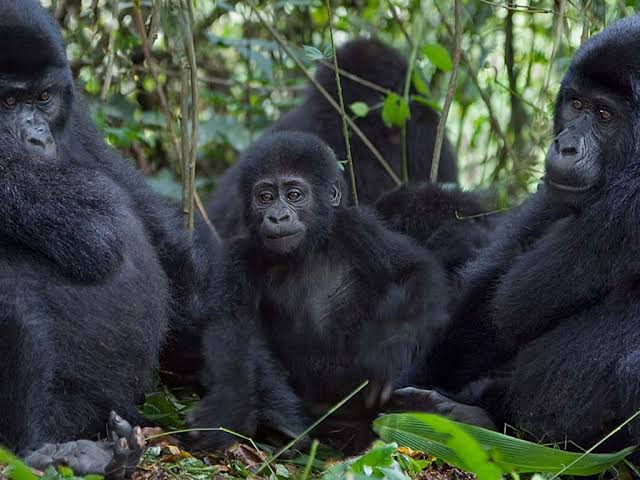
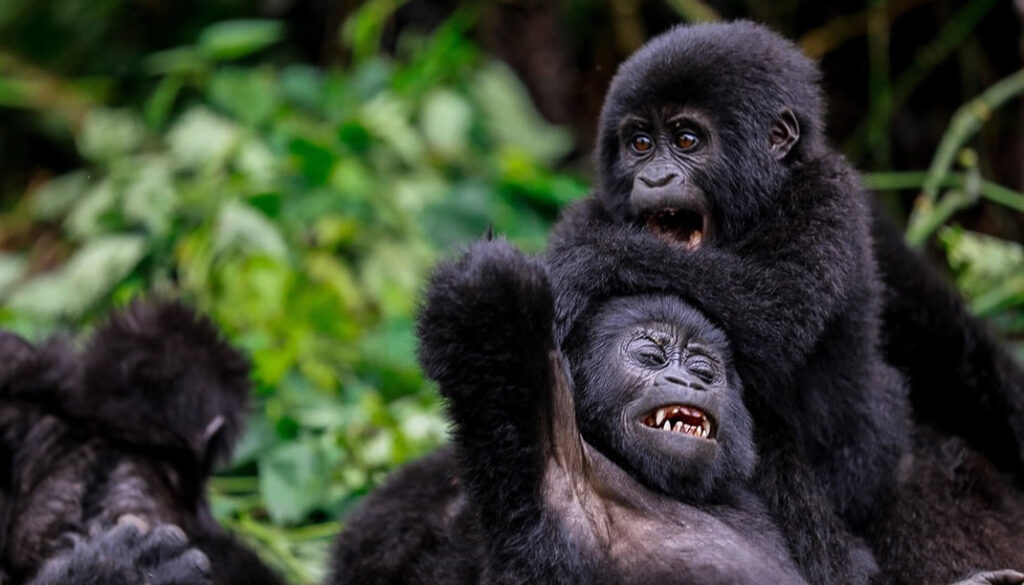
Mountain gorilla families at Bwindi typically consist of 10–20 individuals including a dominant silverback, several females, juveniles, and infants. The habituated groups are accustomed to human presence and largely ignore trekkers — they continue feeding, playing, nursing, and socialising as you observe.
- Your one hour passes extremely quickly — savour every second
- Take photos, but spend at least half your time simply observing with your own eyes
- If a gorilla charges or moves toward you: crouch down, avert your eyes, do not run
- Your guide will manage any encounters that feel uncomfortable
| 💡 Porter Hire — Worth Every Shilling
Hiring a local porter is one of the best budget decisions you can make. At USD 5–8, it makes your trek significantly more comfortable on steep terrain, and 100% of the porter fee goes directly to the local community. Many porters are extremely knowledgeable about the forest. |
Afternoon: Optional Village Walk
After the morning trek, most visitors have the option of joining a guided community village walk. These walks typically visit local homesteads, traditional healers, Batwa cultural demonstrations, and women’s craft cooperatives. They cost USD 10–20 per person and directly support community tourism initiatives.
- Batwa Cultural Experience: The Batwa people were the original forest-dwelling inhabitants of Bwindi. Many community programmes share their history, forest knowledge, and traditional practices
- Women’s Craft Cooperative: Purchase directly from the makers — woven baskets, beaded jewellery, bark cloth items
Evening: Celebration Dinner
Return to your guesthouse for a well-earned rest. Many budget guesthouses serve a celebratory dinner for trekking groups — simple but satisfying local meals of matoke, groundnut stew, posho, beans, and chapati. Raise a Nile Special to your gorilla encounter.
DAY 3: Morning Activity + Return to Kampala
7:00 AM – 9:00 AM: Optional Morning Activity
Your shuttle or transport back to Kampala will typically depart around 8:00–9:00 AM, so the window for morning activities is limited. Options include:
- Waterfall Walk (Buhoma Sector): A short 1–2 hour walk to a beautiful waterfall inside the park boundary — entry fee applies (USD 10–20)
- Forest Walk / Birding: Bwindi is a world-class birding destination with over 350 species. A 2-hour birding walk with a guide costs approximately USD 15–25
- Morning Craft Market: Final chance to buy from community craft sellers near the gate
- Simple Relaxation: Many travellers use the morning to rest and process the previous day’s experience
9:00 AM: Departure for Kampala
Begin the return journey to Kampala. Plan to arrive back in Kampala around 6:00–8:00 PM. The drive back typically feels faster — partly because you are retracing familiar ground, partly because the anticipation has been replaced by deep satisfaction.
- Buy final supplies or fresh produce at Kabale market if passing through
- Mbarara is again a good lunch stop on the return leg
- If using a private vehicle, consider a detour to Lake Mburo National Park en route for a quick game drive — entry is USD 40 per person
Full Budget Breakdown — 3 Days Per Person
The following budget is calculated for a solo traveller or small independent group. Costs are in USD and represent typical budget options at time of writing.
Budget Saving Tips
- Travel in a group: Hiring a private vehicle for 3–5 people can reduce per-person transport costs significantly compared to individual shuttle bookings
- Self-cater where possible: Buy food supplies in Kabale (cheaper than at the park gate) and ask your guesthouse if you can prepare simple meals
- Eat local: Ugandan roadside restaurants (chapati and beans, rolex, street food) are excellent value — aim for USD 2–4 per meal
- Avoid add-on packages: Booking permits directly with UWA and accommodation separately is almost always cheaper than bundled operator packages
- Travel in shoulder season: March–May and October–November have fewer tourists, same gorilla experience, and sometimes lower accommodation rates
- Compare shuttle prices: Shuttle prices vary between operators — shop around and check Facebook groups (Uganda Backpackers & Budget Travel)
Gorilla Trekking Packing List
Packing the right gear is essential for a comfortable gorilla trek. The forest is wet, muddy, steep, and can change weather rapidly.
Clothing
- Long-sleeved shirt (lightweight; protects against nettles and insects)
- Long trousers (not shorts — nettles are painful on bare legs)
- Waterproof hiking boots with good ankle support — this is non-negotiable
- Thick hiking socks (at least 2 pairs)
- Lightweight waterproof/windproof jacket
- Warm fleece or mid-layer (mornings are cold at altitude)
- Hat or buff (for warmth and protection from dripping forest)
- Gardening or thin leather gloves (for pulling yourself up muddy slopes)
Essentials
- Daypack (20–30 litre; small enough to carry yourself or hand to your porter)
- 2–3 litres of water (minimum; more in hot weather)
- High-energy snacks: nuts, energy bars, dried fruit, chocolate
- Camera (fully charged; no flash permitted with gorillas)
- Spare camera batteries or portable charger
- Sunscreen (SPF 50+)
- Insect repellent (DEET-based; malarial region)
- Personal first aid kit (blister plasters, anti-diarrhoea tablets, antihistamine, pain relief)
- Malaria prophylaxis (consult your doctor before travel)
Optional but Recommended
- Trekking poles (available to hire at the gate — very useful on steep descents)
- Rain cover for your daypack
- Binoculars (for birdwatching on the way in and out of the forest)
| ⚠️ What NOT to Bring
Do not bring bright-coloured clothing — dark greens, browns, and khaki blend with the forest. Do not bring flash photography equipment. Do not bring food inside the park boundary near the gorilla group. |
Health, Safety & Practical Information
Health Precautions
- Malaria: Bwindi is in a malarial zone. Take anti-malarial prophylaxis (consult your doctor); use DEET repellent; sleep under a mosquito net
- Altitude: Bwindi sits at 1,600–2,600 metres. Some visitors experience mild altitude-related fatigue; stay hydrated and do not exert yourself on Day 1
- Respiratory illness: If you develop a cold, flu, or respiratory symptoms before your trek, you will not be permitted to enter the park. Contact UWA immediately — in some cases, permits can be rebooked
- Water safety: Drink only bottled or treated water. Do not drink tap water or river water without treatment
Safety in the Forest
- Never leave your ranger guide’s side — the forest is genuinely impenetrable without guidance
- Follow all ranger instructions immediately — this is a wildlife environment with real risks
- If a gorilla charges: crouch down, avert your gaze, do not run, do not make noise. Rangers manage this situation
- Forest nettles: Cause a temporary but painful sting on exposed skin — keep all skin covered
Practical Information
Currency: Ugandan Shillings (UGX). USD are widely accepted for major expenses but carry UGX for small purchases and porter fees
ATMs: Kabale town is the last reliable ATM location before Bwindi. Withdraw sufficient cash — there are no ATMs at the park gate
Mobile Network: MTN and Airtel Uganda have partial coverage near Bwindi. Do not rely on data connectivity during your trek
Electricity: Most budget guesthouses have unreliable power. Bring a portable power bank to charge devices
Weather: Bring warm layers regardless of season — night temperatures drop to 10–15°C. Rain is possible year-round
Visas: Uganda visa: USD 50 (single entry) available on arrival at Entebbe Airport or online via evisa.go.ug
Extending Your Trip — Combining Bwindi with Other Destinations
If you have additional days, Bwindi sits in one of Uganda’s most wildlife-rich regions. The following add-ons are popular with budget travellers:
Queen Elizabeth National Park (1–2 Extra Days)
Uganda’s most visited national park lies 3–4 hours north of Bwindi. Famous for its tree-climbing lions, boat safaris on the Kazinga Channel, and large herds of buffalo and elephant. Budget accommodation is available at USD 20–50/night; park entry is USD 40/day.
Lake Bunyonyi (1 Extra Day)
One of Africa’s most beautiful lakes, located 20 km from Kabale (en route between Kampala and Bwindi). The lake is dotted with 29 islands and offers a stunning highland setting for a rest day. Budget guesthouses on the shores start from USD 15/night; canoe hire costs USD 10–20.
Rwanda (Add-On Cross-Border Trip)
The Rwanda border at Cyanika/Kisoro is accessible from the Bwindi area. Volcanoes National Park in Rwanda also offers gorilla trekking — permits cost USD 1,500 per person. A cross-border combo offers an extraordinary East African safari experience.
Frequently Asked Questions
Is it really worth spending USD 800 on a gorilla permit?
Almost universally, yes. Every traveller who has trekked with mountain gorillas describes it as one of the most profound experiences of their life. The encounter is intimate, wild, and emotionally overwhelming in a way that photographs cannot capture. The permit fee directly funds gorilla conservation and community programmes. The question is not whether it is worth it, but whether you can find a way to afford it.
What if I cannot afford the USD 800 permit?
East African citizens pay approximately USD 80 — a fraction of the non-resident price. If you are a Ugandan, Kenyan, Tanzanian, Rwandan, or Burundian national, present your valid national ID. For non-residents, the USD 800 permit is the only legal route. There are no workarounds — anyone offering cheaper permits is likely running a scam.
How fit do I need to be?
Moderate fitness is sufficient for most treks. The terrain can be very steep and slippery. If you have knee problems or limited mobility, discuss this with UWA when booking. Easy sector allocations are sometimes available. Hiring a porter is strongly recommended for anyone concerned about fitness.
Can I do this trip independently without a tour operator?
Yes, completely. Book your permit directly with UWA, book accommodation directly with guesthouses, and use public transport or a shuttle bus. Many budget travellers do this successfully every year. This guide gives you everything you need for independent planning.
What is the best gorilla trekking sector for a first-timer?
Buhoma is typically recommended for first-timers — it has the best infrastructure, most reliable transport links, and a well-worn system for independent travellers. Rushaga has more gorilla groups and can be better for those with flexibility on dates.
Final Thoughts
A budget gorilla trek in Bwindi is not about deprivation — it is about smart planning. The gorilla permit is a fixed cost and an investment in one of the world’s most important conservation success stories. Everything else can be managed on a tight budget without compromising the core experience.
The gorillas do not care whether you stayed in a USD 15 banda or a USD 500 lodge. When a silverback holds your gaze in that ancient forest, the question of budget becomes entirely irrelevant. What you will carry home is not an expense — it is a memory that lasts a lifetime.
Plan carefully. Book early. Pack smart. And go.