3 days Bwindi Gorillas trek
3 days Bwindi Gorillas trek, Bwindi Impenetrable National Park, a UNESCO World Heritage Site nestled in southwestern Uganda, is home to roughly half of the world’s remaining mountain gorillas. This 3-day itinerary is designed to deliver an unforgettable gorilla trekking experience, combining jungle exploration, cultural encounters, and breathtaking Albertine Rift scenery.
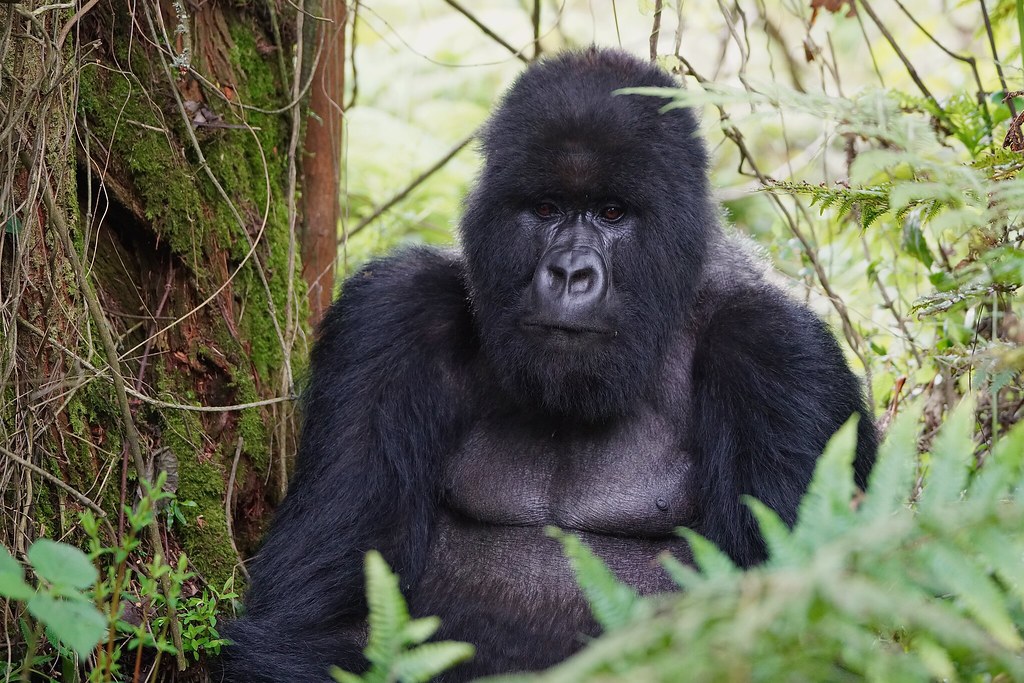
The park covers 331 km² of ancient montane and lowland forest, with elevations ranging from 1,160 m to 2,607 m. Its rugged terrain and thick vegetation make every gorilla trek a genuine wilderness adventure. Whether you are a seasoned safari-goer or a first-time visitor, standing face-to-face with a silverback mountain gorilla in his natural habitat is a life-defining moment.
Safari at a Glance
| Duration | 3 Days / 2 Nights |
| Location | Bwindi Impenetrable Forest, Kigezi Region, SW Uganda |
| Sectors | Buhoma, Ruhija, Rushaga, Nkuringo |
| Permit Cost | USD 800 per person per trek (foreign non-residents) |
| Best Time | June–September & December–February (dry seasons) |
| Difficulty | Moderate to Strenuous (varies by gorilla group) |
| Gorilla Families | 21+ habituated gorilla families across 4 sectors |
Day 1: Arrival & Bwindi Orientation
Kampala / Entebbe → Bwindi Impenetrable National Park | Approx. 8–9 hrs drive
Morning: Departure from Kampala or Entebbe
Begin your journey early — ideally departing by 6:00 AM — to make the most of travel time and arrive at Bwindi before dark. The drive from Kampala or Entebbe to Bwindi takes approximately 8 to 9 hours depending on road conditions and traffic through Masaka. The route passes through rolling savannah, banana plantations, and the dramatic hills of Uganda’s southwestern highlands.
If flying, Uganda Airlines and charter operators offer flights from Entebbe to Kisoro or Kihihi airstrips, cutting travel time to around 1–1.5 hours in the air. Ground transfer from Kisoro to Bwindi’s Rushaga or Nkuringo sector takes a further 45–60 minutes; from Kihihi to Buhoma, approximately 30 minutes.
En-Route Highlights
- Lake Mburo Viewpoint — a brief roadside stop to scan for zebra, impala, and waterbirds
- Equator Crossing at Kayabwe — the famous ceremonial equator monument on the Kampala–Mbarara highway
- Kabale Town — the last major town before Bwindi; ideal lunch stop and final opportunity to withdraw Ugandan shillings
- Kigezi Highlands Viewpoint — sweeping panoramas over the “Switzerland of Africa,” with terraced hillsides and deep valleys
Afternoon: Arrival & Lodge Check-In
Arrive at your chosen lodge or camp in the late afternoon. Take time to settle in, freshen up, and absorb the extraordinary atmosphere of the forest edge. Most lodges at Bwindi offer rooms with views directly into the impenetrable forest canopy — it is not uncommon to hear chimpanzees, colobus monkeys, or birds from your veranda before you have even unpacked.
Late afternoon is a good time for a short nature walk around the lodge grounds. Many properties have resident bird guides who can help you identify species such as the African green broadbill, Shelley’s crimsonwing, and various sunbirds — all Bwindi specialities.
Evening: Trek Briefing & Preparation
Before dinner, your guide or lodge ranger will conduct a gorilla trek orientation briefing. This essential pre-trek session covers safety protocols, gorilla etiquette, what to expect in the forest, and how permits and gorilla group assignments work.
Key points covered in the briefing include:
- Maintaining a minimum 7-metre distance from gorillas at all times
- No flash photography; cameras must be set to silent mode
- Persons with colds, flu, or infectious illness may not trek (gorillas share 98% of human DNA)
- Maximum 1 hour of gorilla observation time per group per day
- Children under 15 years are not permitted to participate in gorilla trekking
After the briefing, enjoy a 3-course dinner at the lodge. The evening is also an ideal time to pack your day bag for tomorrow’s trek, lay out appropriate clothing, and charge all camera equipment. Rest early — gorilla tracking begins at 7:30 AM.
Day 2: Gorilla Trekking — The Main Event
Bwindi Impenetrable National Park | Full Day
Early Morning: Briefing & Group Assignment
Wake up early and enjoy a hot breakfast from 6:00 AM. By 7:00 AM, you will be transported to the Uganda Wildlife Authority (UWA) trailhead — usually 10 to 20 minutes from the lodge. At the trailhead, all trekkers present their gorilla permits, receive final briefings from UWA rangers, and are assigned to specific gorilla families.
Each gorilla family has a team of habituators and trackers who set out into the forest at dawn to locate where the group slept the night before. By the time trekkers start walking, the trackers are already deep in the forest, radioing back coordinates to guide the group towards the gorillas.
What to Pack for the Trek
- Waterproof hiking boots with ankle support (the forest floor is often muddy)
- Long-sleeved shirt and long trousers (protects against nettles, insects, and cold)
- Light rain jacket or poncho (rain can arrive without warning)
- 1–2 litres of drinking water and energy snacks (granola bars, nuts, fruit)
- Insect repellent and sunscreen
- Camera with extra batteries (no flash; go for a camera with good low-light performance)
- Walking stick (can be rented from porters at the trailhead — highly recommended)
Morning–Afternoon: The Gorilla Trek
Trekking time varies enormously — from as little as 30 minutes to as long as 8 hours depending on where the gorilla family has moved. The average trek takes 2 to 5 hours of walking through one of the oldest and most biodiverse forests in Africa. Rangers use machetes to cut paths through the undergrowth while trackers guide the group towards the gorilla family’s current position.
The forest itself is extraordinary — ancient fig trees draped in moss, rare orchids clinging to bark, the flicker of rare birds in the canopy. Listen for the distinctive chest-beating of a silverback, the shrieking of black-and-white colobus monkeys, and the haunting calls of Grauer’s broadbill. Even before you reach the gorillas, the forest rewards deeply.
The Gorilla Encounter (1 Hour)
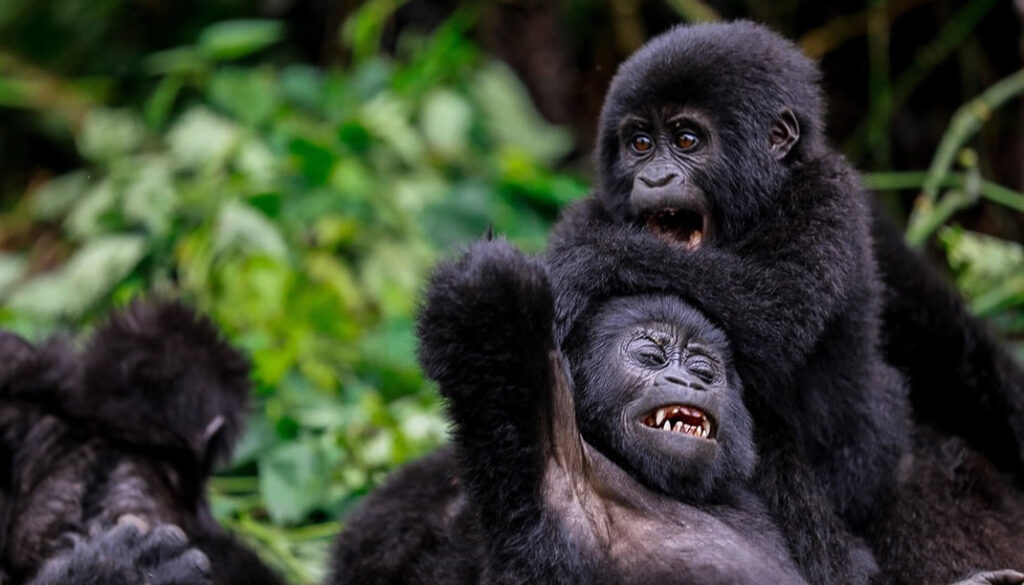
When the trackers locate the gorilla family, your ranger guide will lead you into the group’s proximity. You are permitted exactly 60 minutes in the presence of the gorillas. During this time, you may observe the silverback as he rests, feeds, or moves through the undergrowth; watch juvenile gorillas wrestling playfully; and see mothers nursing infants clinging to their backs.
Some of Bwindi’s most visited gorilla families include the Mubare family in Buhoma sector (the first to be habituated in 1991), the Nshongi family in Rushaga (one of the largest at over 25 members), and the Christmas family in Nkuringo (known for dramatic ridge-top settings and spectacular views). Your UWA permit will specify your assigned family.
Rangers are trained to interpret gorilla body language and will position you safely. If a silverback charges — a bluff charge is common — stay calm, crouch, and avoid direct eye contact. These are wild animals, and each encounter is unique and entirely unscripted.
Afternoon: Return Trek & Celebratory Lunch
After your hour with the gorillas, trek back to the trailhead. Many operators arrange a celebratory picnic lunch at a scenic forest viewpoint — a wonderful way to decompress and share stories from the encounter.
Return to your lodge by early afternoon. A warm shower, afternoon tea, and a good rest are well deserved after what will likely be one of the most physically and emotionally powerful experiences of your life.
Optional Afternoon Activity: Batwa Cultural Trail
For those with energy remaining, the Batwa Cultural Experience is a deeply moving and highly recommended add-on. The Batwa are the indigenous “Forest People” who lived in Bwindi for thousands of years before the park’s gazettal in 1991. This guided experience — led by Batwa community members — includes a forest walk demonstrating traditional hunting techniques, fire-making, medicinal plant use, and honey collection.
The trail ends at a traditional Batwa settlement where you will witness song, dance, and storytelling. The experience is both educational and profoundly human — a reminder of the complex relationship between conservation and community.
Evening: Sundowner & Dinner
As the sun descends behind the Virunga Volcanoes (visible from several Bwindi lodges), join your fellow trekkers for sundowner drinks on the veranda. This is a natural time to share photographs, compare gorilla encounters, and simply sit with the wonder of the day’s experience.
Dinner is a 3-course affair at the lodge restaurant. Many lodges feature traditional Ugandan dishes alongside international cuisine — look for matoke (steamed green bananas), groundnut stew, posho (maize meal), and fresh tilapia. After dinner, enjoy a campfire and the sounds of the night forest before an early night.
Day 3: Forest Walk, Birding & Departure
Bwindi Impenetrable National Park → Kampala / Onward Destination
Morning: Guided Forest Nature Walk
Rise early for a guided community forest walk along the edge of the impenetrable forest. Unlike the gorilla trek, this 2–3 hour walk is lighter in pace, with an emphasis on birdwatching, plant identification, and the subtle details of forest ecology that are easily missed during the more intense gorilla pursuit.
Bwindi is considered one of Africa’s top birding destinations, with over 350 species recorded — 23 of which are Albertine Rift endemics. Your local guide will help locate sought-after species including the African green broadbill, Shelley’s crimsonwing, Handsome francolin, Ruwenzori turaco, black bee-eater, and the stunning African paradise flycatcher.
This walk also offers a chance to explore the community buffer zone — a mosaic of small farms, banana gardens, and forest patches where wildlife and local communities intersect. Many communities have established craft cooperatives and community tourism initiatives that provide sustainable income tied to conservation.
Optional: Gorilla Habituation Experience (GHEX)
For those seeking a more in-depth gorilla encounter, Bwindi offers the Gorilla Habituation Experience (GHEX) — available only in Rushaga sector. Unlike the standard gorilla trek, the GHEX allows up to 4 hours with a gorilla family that is still being habituated to human presence. This extended time provides a richer behavioural window and extraordinary photographic opportunities.
GHEX permits cost USD 1,500 per person (foreign non-residents) and must be booked in advance through the Uganda Wildlife Authority or a licensed tour operator. Groups are limited to 4 participants per habituation family per day.
Mid-Morning: Lodge Checkout & Final Breakfast
Return to the lodge for a final hearty breakfast, checkout formalities, and time to browse the lodge’s craft shop. Many lodges stock locally made gorilla wood carvings, handwoven baskets, Batwa beadwork, and coffee sourced from Kigezi cooperative farms — quality souvenirs that directly support local livelihoods.
Afternoon: Departure
Depart Bwindi by 10:00–11:00 AM for the return drive to Kampala or Entebbe (arriving approximately 7:00–8:00 PM), or proceed to your next destination. Popular onwards routes from Bwindi include:
- Kisoro → Mgahinga Gorilla National Park (30 min) — golden monkey tracking and volcano hikes
- Kisoro → Virunga National Park, DRC (60 min) — advanced adventure; requires separate DRC visa
- Kabale → Lake Bunyonyi (45 min) — Africa’s second deepest lake; perfect for relaxation and canoeing
- Fly from Kisoro / Kihihi airstrip to Entebbe or Queen Elizabeth National Park (charter available)
Essential Practical Information
Gorilla Permits
Gorilla trekking permits for Bwindi Impenetrable National Park cost USD 800 per person for foreign non-residents and must be secured well in advance — peak season permits can sell out 6 to 12 months ahead. Permits are issued by the Uganda Wildlife Authority (UWA) and are non-refundable, though they may be transferable with advance notice.
- Foreign non-residents: USD 800 per person per trek
- Foreign residents: USD 700 per person per trek
- East African citizens (Ugandan/Kenyan/Rwandan/Tanzanian): USD 250 per person per trek
Getting to Bwindi
By Road:
Kampala/Entebbe → Mbarara → Kabale → Bwindi (Buhoma or Ruhija sectors): 8–9 hours. Kampala/Entebbe → Mbarara → Kisoro → Bwindi (Rushaga or Nkuringo sectors): 9–10 hours. A 4WD vehicle is strongly recommended — roads improve as you approach the park, but the final stretch can be steep and unpaved.
By Air:
Charter flights operate from Entebbe International Airport to Kihihi Airstrip (for Buhoma/Ruhija) and Kisoro Airstrip (for Rushaga/Nkuringo). Flight time: 1–1.5 hours. Operators include Aerolink Uganda and Eagle Air Uganda.
Where to Stay
Luxury / Premier:
- Bwindi Lodge (Buhoma) — 8 cottages with forest views; acclaimed cuisine and service
- Clouds Mountain Gorilla Lodge (Nkuringo) — dramatic ridge-top setting with panoramic views to the Virunga Volcanoes
- Mahogany Springs (Buhoma) — boutique eco-lodge with heated pool and forest-edge suites
Mid-Range:
- Ruhija Gorilla Safari Camp (Ruhija) — good value; central location for Ruhija trekkers
- Gorilla Mist Camp (Rushaga) — forest-edge camp with comfortable banda accommodation
Budget:
- Buhoma Community Rest Camp (Buhoma) — community-run bandas and camping; excellent value; proceeds fund local community projects
Health & Safety
- Malaria prophylaxis is strongly recommended (consult your travel health clinic before departure)
- Yellow fever vaccination is required for entry to Uganda
- Altitude sickness is unlikely but possible; Bwindi sits at 1,160–2,607 m above sea level
- Porter hire is mandatory for trekkers over 65; strongly recommended for all due to steep terrain (USD 15–20/day)