3-Day Gorilla Trekking Safari in Uganda
3-Day Gorilla Trekking Safari in Uganda, Uganda is home to more than half of the world’s remaining mountain gorillas, making it one of the most extraordinary wildlife destinations on Earth. This 3-day gorilla trekking itinerary takes you deep into the ancient rainforests of Bwindi Impenetrable National Park — a UNESCO World Heritage Site — where you will come face to face with these magnificent great apes in their natural habitat. With expert guides, comfortable lodges, and seamless logistics, this safari offers an intimate and life-changing wildlife experience.
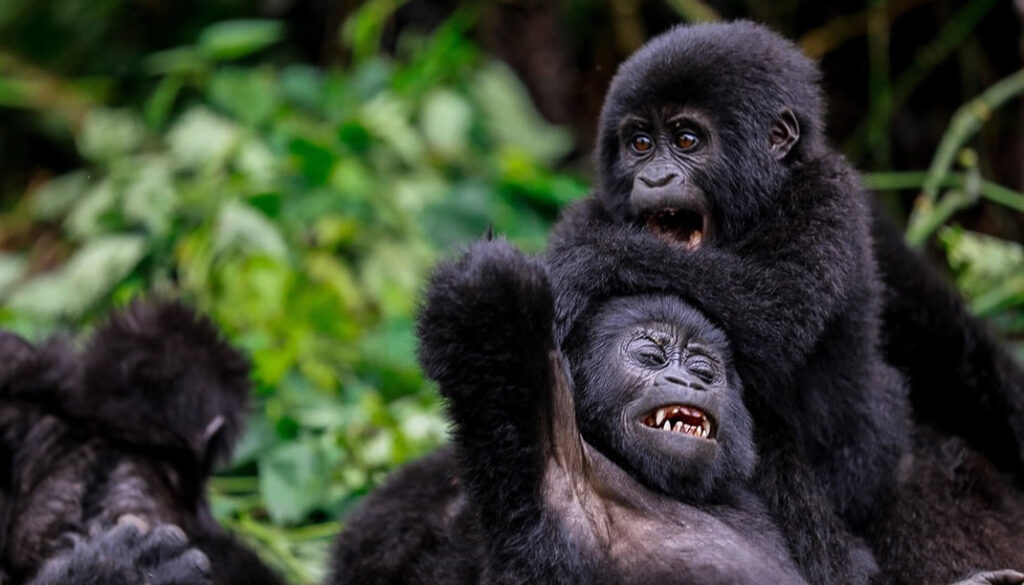
This itinerary is designed for travellers flying into Entebbe International Airport and travelling overland or by chartered flight to the gorilla sector of their choice. It includes one gorilla trekking permit per person, accommodation, meals, and guided forest activities.
Quick Facts
- Duration: 3 days / 2 nights
- Destination: Bwindi Impenetrable National Park, Uganda
- Best Time to Trek: June–August and December–February (dry seasons)
- Difficulty: Moderate to Strenuous (terrain varies by gorilla sector)
- Gorilla Permit Cost: USD 800 per person per trek (Uganda Wildlife Authority)
- Minimum Age: 15 years
- Group Size: Maximum 8 people per gorilla family per day
- Physical Requirement: Reasonable fitness; treks can last 2–8 hours depending on gorilla location
Day 1: Arrival & Transfer to Bwindi
Morning – Entebbe / Kampala Departure
Your gorilla trekking adventure begins with an early departure from Entebbe or Kampala. Depending on your preference and budget, you may travel by chartered flight or private road transfer.
Option A: Scheduled Charter Flight (Recommended)
Aerolink Uganda and Fly Uganda operate regular scheduled charter flights from Entebbe to the Kihihi or Kisoro airstrips, both of which serve the Bwindi area. Flight time is approximately 1 hour, offering spectacular aerial views of the Rift Valley, Lake Victoria, and the Virunga volcanoes. A safari vehicle will collect you at the airstrip and transfer you to your lodge — usually a 45-minute to 1.5-hour drive depending on the sector.
Option B: Overland Road Transfer
For travellers preferring a scenic overland journey, the drive from Kampala to Bwindi takes approximately 8–10 hours via the Mbarara–Kabale route (or 9–10 hours to the Rushaga/Nkuringo sectors in the south). The road passes through rolling green hills, tea plantations, crater lakes near Fort Portal, and the Kigezi highlands — often called the ‘Switzerland of Africa.’ Depart no later than 6:00 AM to arrive before dark.
Afternoon – Lodge Check-In & Orientation
Upon arrival at your lodge, you will be welcomed with a refreshment and given an orientation briefing by your host. Accommodation options range from mid-range forest lodges to exclusive luxury camps perched on the forest edge, all offering stunning views of the Bwindi canopy and surrounding hills.
Recommended Accommodation by Sector:
- Buhoma Sector (North): Mahogany Springs, Buhoma Lodge, Trackers Safari Lodge
- Ruhija Sector: Gorilla Mist Camp, Rushaga Gorilla Camp
- Rushaga Sector (South): Ichumbi Gorilla Lodge, Gorilla Safari Lodge
- Nkuringo Sector: Clouds Mountain Gorilla Lodge, Nkuringo Bwindi Gorilla Lodge
Evening – Pre-Trek Briefing & Dinner
In the evening, your lead guide will conduct a detailed pre-trek briefing covering Uganda Wildlife Authority (UWA) gorilla trekking rules and etiquette, what to expect during the trek, health and safety precautions, packing guidelines for the following morning, and an introduction to the gorilla family you have been assigned to track.

Enjoy a candlelit dinner featuring fresh local cuisine before an early night in preparation for your gorilla encounter. Fall asleep to the sounds of the Bwindi rainforest — the call of the African wood owl, the chorus of tree frogs, and the distant rustling of the canopy.
Day 2: Gorilla Trekking in Bwindi Impenetrable Forest
Early Morning – Breakfast & Park Briefing
Rise early for a hearty breakfast — typically served from 6:30 AM. By 7:30–8:00 AM, your group will transfer to the Uganda Wildlife Authority ranger station at the trail head for the official trekking briefing. Here, UWA rangers divide trekkers into groups of eight (maximum) and assign each group to a specific habituated gorilla family.
Available Habituated Gorilla Families by Sector:
- Buhoma Sector: Mubare, Habinyanja, Rushegura families
- Ruhija Sector: Bitukura, Oruzogo, Kyaguriro (research group) families
- Rushaga Sector: Nshongi, Mishaya, Busingye, Kahungye, Bweza families
- Nkuringo Sector: Nkuringo family (challenging terrain, steep terrain)
Morning / Full Day – The Gorilla Trek
The gorilla trek begins at the forest boundary and can last anywhere from 2 to 8 hours depending on the daily location of the gorilla family. Expert trackers set out before dawn to locate the gorillas while your group prepares at the trail head. Your team will consist of an experienced UWA ranger guide, a tracker, and optional porter support.
What to Expect on the Trail
The trail takes you through one of Africa’s oldest rainforests — a dense, primordial jungle of towering Hagenia trees, wild celery clearings, ancient ferns, and twisted lianas. The terrain can be steep, muddy, and demanding, with elevation changes of 300–600 metres in some sectors. Proper hiking boots, long trousers, and garden gloves are strongly recommended.
The One-Hour Encounter
Upon locating the gorilla family, trekkers are permitted exactly one hour in their presence — a strict regulation enforced by UWA to minimise stress on the gorillas and reduce disease transmission risk. During this extraordinary hour you will observe the gorillas feeding, playing, nursing their young, and going about their daily social lives at close range, often as near as 7 metres.
What You Are Likely to Witness:
- The silverback — the dominant male — displaying his authority and protecting the group
- Mothers nursing and carrying their infants through the undergrowth
- Young gorillas playing, somersaulting, and swinging from tree branches
- Gorillas feeding on wild ginger, bamboo shoots, bark, and fruits
- Grooming behaviour between family members
- Chest-beating and vocalisation from the silverback
Important Gorilla Trekking Rules
- Maintain a minimum distance of 7 metres from the gorillas at all times
- Do not use flash photography — this can startle and stress the animals
- No eating, drinking, or smoking in the presence of the gorillas
- If a gorilla approaches or charges, do not run — crouch down, avert your eyes, and follow your guide’s instructions
- Keep your voice low and movements calm and slow
- If you feel unwell (cold, flu, diarrhoea), you must inform UWA staff — trekking while ill is not permitted to protect the gorillas from disease
- Children under 15 years are not permitted on gorilla treks
Afternoon – Return & Rest
After the trek, return to your lodge for a hot shower and a well-deserved lunch. The afternoon is free for relaxation, birdwatching on the lodge grounds, or an optional village community walk to interact with local Batwa pygmy communities or Bakiga farmers — a culturally enriching experience that provides context for the relationship between local communities and gorilla conservation.
Evening – Sundowner & Dinner
Watch the sunset over the Bwindi hills from your lodge terrace with a sundowner drink in hand. Share stories and photographs from the trek with fellow travellers over a memorable dinner. Many lodges offer a bonfire gathering in the evening, where guides and trackers share insights into the gorillas’ personalities, the habituation process, and conservation efforts in the region.
Day 3: Optional Activities & Departure
Morning – Optional Activities
Depending on your departure schedule, the final morning offers several enriching optional activities to extend your Bwindi experience before returning to Kampala or Entebbe:
1. Forest Nature Walk
Join a guided 2–3 hour forest nature walk along the Bwindi trail system to explore the remarkable biodiversity of this ancient ecosystem. Bwindi is home to over 350 species of birds (including 23 Albertine Rift endemics), more than 200 butterfly species, 310 species of trees, and an extraordinary array of amphibians, reptiles, and small mammals. Your guide will interpret the forest ecology, point out medicinal plants used by local communities, and help you spot forest birds such as the African green broadbill, Shelley’s crimsonwing, and the Ruwenzori batis.
2. Batwa Cultural Experience
The Batwa pygmies are the indigenous forest-dwelling people of Bwindi, who lived alongside the mountain gorillas for thousands of years before the forest was gazetted as a national park. A Batwa trail experience, led by Batwa community members, offers a rare window into their traditional forest lifestyle, including fire-making, honey gathering, medicinal plant use, traditional dance, and their profound spiritual connection to the forest. This experience directly supports Batwa community livelihoods through tourism revenue.
3. Gorilla Habituation Experience (GHEX) – Optional Upgrade
If you are visiting the Rushaga sector and wish for a more immersive encounter, the Gorilla Habituation Experience (GHEX) is a premium activity offered by UWA. Unlike standard gorilla trekking — which allows only one hour with the gorillas — the GHEX permits four hours with a semi-habituated gorilla family. This extended encounter is conducted alongside researchers and habituators and offers unprecedented insight into gorilla behaviour. The GHEX permit costs USD 1,500 per person and is available only in Rushaga.
4. Birdwatching Session
For birding enthusiasts, a dedicated early morning birdwatching session in and around the lodge grounds is a must. The forest edge is particularly productive at dawn, with active mixed-species flocks moving through the canopy. A specialist birding guide can be arranged in advance. Target species include the African emerald cuckoo, bar-tailed trogon, dusky crimsonwing, and numerous sunbird species.
Late Morning – Lodge Check-Out & Departure
After a final breakfast and lodge check-out (typically by 10:00–11:00 AM), your safari vehicle or charter flight will transfer you back toward Entebbe or Kampala. If travelling by road, the return journey follows the same scenic southwestern route. You will typically arrive in Kampala by late afternoon, connecting with your onward international flights.
Many travellers choose to extend their Uganda safari with a visit to Queen Elizabeth National Park for game drives, a boat cruise on the Kazinga Channel, or chimpanzee trekking in Kibale Forest National Park — both of which lie within comfortable driving distance of Bwindi and can be combined into a 5- or 7-day Uganda safari circuit.
Gorilla Trekking Packing List
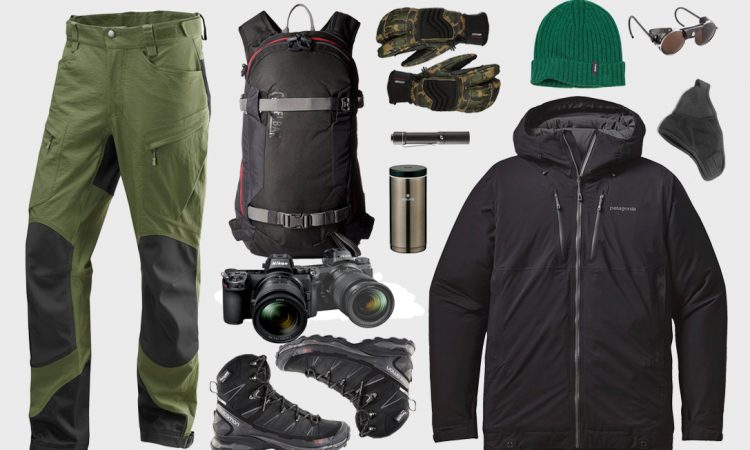
Clothing & Footwear
- Sturdy waterproof hiking boots with ankle support (broken in before the trip)
- Long-sleeved shirt and long trousers (neutral or dark colours — avoid bright colours)
- Lightweight waterproof or packable rain jacket
- Warm mid-layer fleece or jacket (the forest can be cold, especially at altitude)
- Moisture-wicking underlayers
- Thick gardening or work gloves (for gripping vegetation on steep climbs)
- Gaiters (optional but highly recommended for muddy sectors)
Equipment & Accessories
- Lightweight daypack (20–30 litres) for the trek
- 1–2 litres of water in a reusable bottle or hydration reservoir
- Energy snacks (granola bars, nuts, dried fruit, chocolate)
- DSLR camera or mirrorless camera — no flash photography near gorillas
- Binoculars for birdwatching and canopy observation
- Trekking poles (highly recommended for steep descents)
- Insect repellent (DEET-based recommended)
- Sunscreen and lip balm
- Small first-aid kit with blister plasters and antiseptic wipes
- Lightweight towel
Documents & Essentials
- Valid passport with Uganda tourist visa (eVisa available at visas.immigration.go.ug)
- Yellow fever vaccination certificate (required for entry into Uganda)
- Gorilla trekking permit confirmation (keep a printed copy)
- Travel insurance documentation including emergency evacuation cover
- Cash in Uganda Shillings or USD for tips, porter fees, and community levies
Practical Tips & Travel Advice
Booking Your Gorilla Permit
Gorilla trekking permits for Uganda must be booked well in advance — particularly during peak season (June–August and December–February), when permits can sell out 6–12 months ahead. Permits are issued by the Uganda Wildlife Authority (UWA) and can be booked directly through the UWA website or via a licensed Uganda tour operator. Each permit costs USD 800 and covers one person for one trek with one gorilla family.
Health & Vaccinations
- Yellow fever vaccination is mandatory for entry into Uganda
- Malaria prophylaxis is strongly recommended (consult your travel health clinic)
- Hepatitis A and B, typhoid, and meningitis vaccinations are advised
- Pack hand sanitiser and avoid contact with the gorillas under any circumstances
- If you develop cold or flu symptoms on the day of your trek, you must withdraw — your permit may be rescheduled by UWA
Tipping Guidelines
- UWA Ranger Guide: USD 20–30 per group
- Porter: USD 10–15 per porter per trek
- Lodge staff: Discretionary — usually USD 10–20 per couple per night
- Driver Guide: USD 15–20 per day
Why Uganda for Gorilla Trekking?
While gorilla trekking is also possible in Rwanda (Volcanoes National Park) and the Democratic Republic of Congo (Virunga National Park), Uganda offers the most affordable permit pricing at USD 800 — compared to USD 1,500 in Rwanda — combined with the highest number of habituated gorilla families, the greatest diversity of forest ecosystems, and an overall safari experience that can be seamlessly combined with Big Five game viewing in Queen Elizabeth or Murchison Falls National Parks.
Bwindi Impenetrable National Park alone is home to over 20 habituated gorilla families, spread across four distinct trekking sectors. This diversity ensures that even if one sector has trail closures or challenging conditions, your safari can be redirected without compromising the core experience.
A gorilla trek in Uganda is not merely a wildlife encounter — it is a deeply human experience. To sit within metres of a 200-kilogram silverback and lock eyes with an animal that shares 98.3% of its DNA with us, in the quiet of an ancient rainforest, is to feel simultaneously humbled and profoundly connected to the wild world. It is, without question, one of the great wildlife experiences on Earth.