
Attractions in Chobe National Park
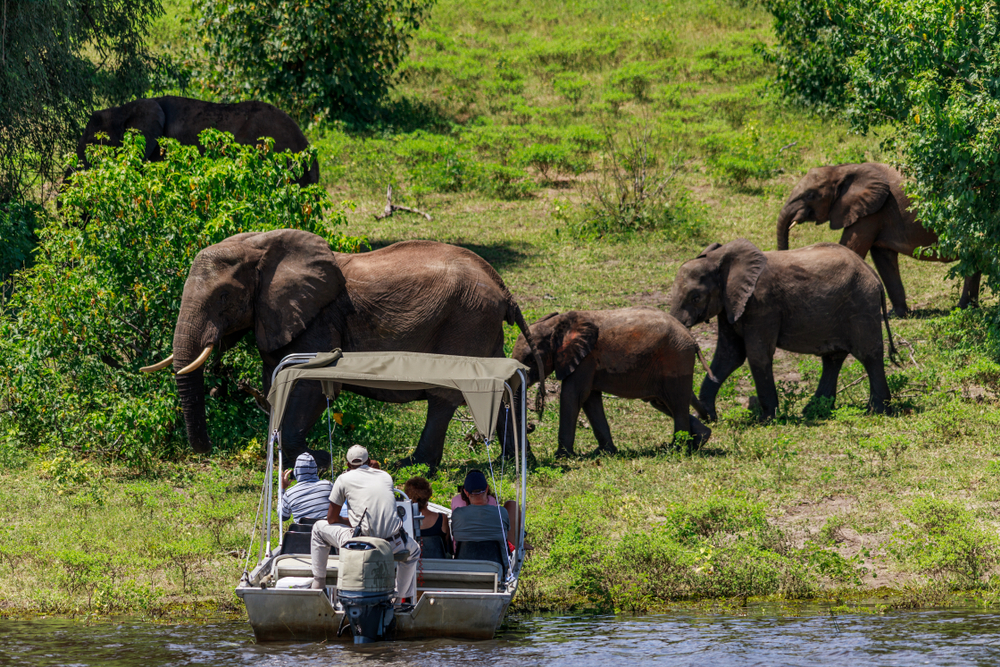
Attractions in Chobe National Park, Chobe National Park is Botswana’s first national park and one of the most rewarding wildlife destinations on the African continent. Proclaimed in 1967 and covering roughly 11,700 square kilometres of northern Botswana, the park is best known for its staggering elephant population. The wider Chobe region supports the largest concentration of African elephants anywhere on Earth, with estimates commonly placed at around 120,000 animals across northern Botswana.
But Chobe is far more than an elephant park. Its attractions range from sunset boat cruises on the Chobe River and the predator-rich Savuti Marsh to ancient San rock paintings, the remote Linyanti wetlands and the quiet, game-filled pans of Nogatsaa. Because the park sits just 80 kilometres from Victoria Falls and close to the point where four countries almost meet, it is also one of the easiest Southern African safari destinations to reach and combine with other highlights.
This guide walks you through every major attraction in Chobe National Park, region by region, with practical details on wildlife, activities, the best time to visit, park fees, accommodation and a sample itinerary to help you plan.
Understanding Chobe’s Four Regions
Chobe’s attractions are spread across four distinct ecosystems. Knowing the differences between them is the key to planning a trip that matches your interests, budget and travel time.
| Region | Landscape | Highlights | Access |
| Chobe Riverfront | Floodplains, riverine woodland, river channels | Boat cruises, huge elephant herds, puku, hippos, birdlife | Easiest; minutes from Kasane |
| Savuti | Marsh, dry channel, rocky hills, Kalahari sand | Lions, hyenas, cheetah, rock art, migration of zebra | Remote; 4×4 or light aircraft |
| Linyanti | Wetlands, lagoons, riverine forest | Wild dogs, elephants, exclusive low-density safaris | Very remote; mostly fly-in |
| Nogatsaa / Tchinga | Mopane woodland, clay pans, waterholes | Roan, sable, eland, quiet game viewing | Moderate; 4×4 self-drive |
The Top Attractions in Chobe National Park
1. The Chobe Riverfront
The Chobe Riverfront, sometimes called the Serondela area, is the park’s most visited and most accessible attraction. It stretches roughly 50 kilometres west from Kasane along the southern bank of the Chobe River, where lush floodplains meet dense riverine woodland and teak forest.
During the dry season the riverfront becomes one of the greatest wildlife spectacles in Africa. As inland waterholes dry up, tens of thousands of elephants and large herds of buffalo move down to the river every afternoon to drink, bathe and cross to the islands. Lions follow the buffalo, and leopards hunt in the thickets along the riverbank road.
The riverfront is also the only place in Botswana where you can reliably see the puku, a rare golden-coated antelope, along with the Chobe bushbuck, sable and roan antelope. Morning and afternoon game drives along the sandy riverfront track are the classic way to explore, and self-drivers can do it easily in a high-clearance 4×4.
| Insider Tip
Plan your riverfront game drive for the late afternoon, between 15:00 and sunset. This is when elephant herds stream down to the water in their greatest numbers and the light is perfect for photography. |
2. Chobe River Boat Cruises
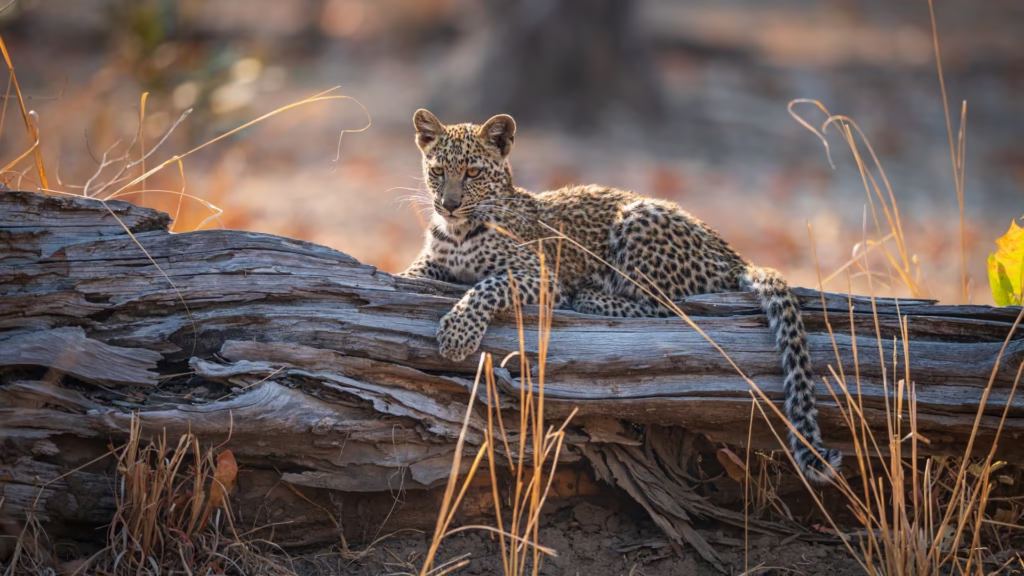
A boat safari on the Chobe River is the single most popular activity in the park, and for many travelers it is the highlight of their entire Botswana trip. From the water you see elephants swimming between the riverbank and the islands, pods of hippos wallowing in the shallows, Nile crocodiles sunning themselves on sandbanks and buffalo grazing on the floodplains.
Cruises leave from Kasane in the morning and afternoon. The sunset cruise is the most sought-after, as the sky turns gold behind the Namibian floodplains and the animals gather at the water’s edge. Options include large double-decker boats, small private motorboats, specialised photographic boats with swivel seats and camera mounts, and multi-night luxury houseboats such as the Zambezi Queen and Chobe Princess.
| Insider Tip
If photography matters to you, book a dedicated photographic boat. These carry fewer guests, sit lower on the water for eye-level shots, and their guides position the boat with the light in mind. |
3. The Elephant Herds of Chobe
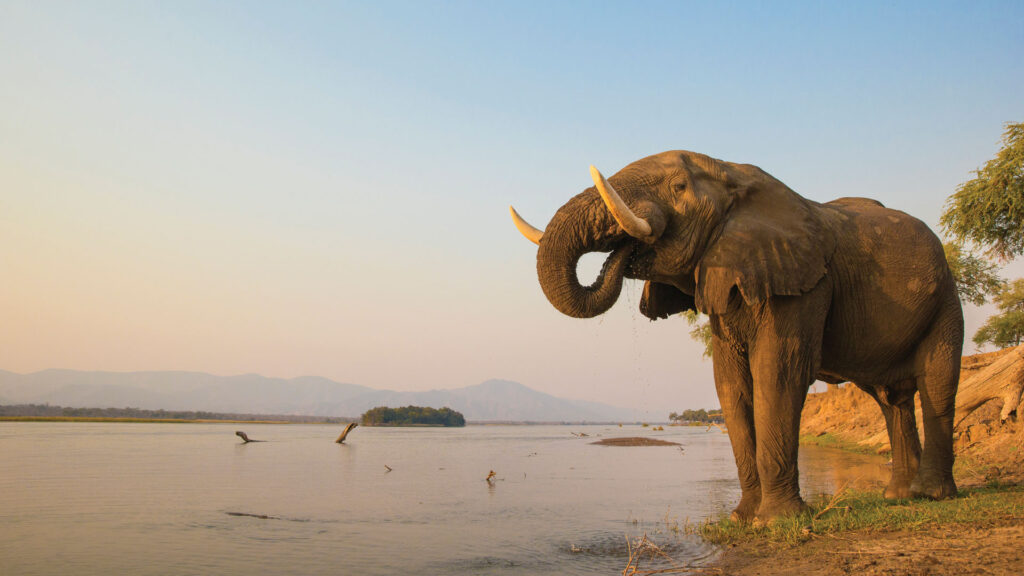
Elephants are not just a feature of Chobe; they define it. The park and the surrounding Kavango–Zambezi Transfrontier Conservation Area hold one of the largest free-roaming elephant populations on the planet. Chobe’s elephants are part of the Kalahari population, known for being among the largest-bodied elephants in Africa, though they typically carry relatively short, brittle tusks due to the area’s mineral-poor soils.
Between roughly June and October, herds of 50 to several hundred elephants are a common sight along the river. Watching a breeding herd cross the Chobe, with calves holding onto their mothers’ tails and adults raising trunks like snorkels, is an experience few visitors forget.
4. Sedudu Island
Sedudu Island (known in Namibia as Kasikili Island) is a low-lying, grassy island in the Chobe River just upstream from Kasane. It is one of the best places on the river to see elephants, buffalo, hippos and waterbirds feeding on the lush grass.
The island also has an interesting place in history. Botswana and Namibia both claimed it for years, and in 1999 the International Court of Justice ruled that the island belongs to Botswana. Today the Botswana flag flies over it and almost every Chobe boat cruise passes along its shores.
5. Savuti Marsh and the Savuti Channel
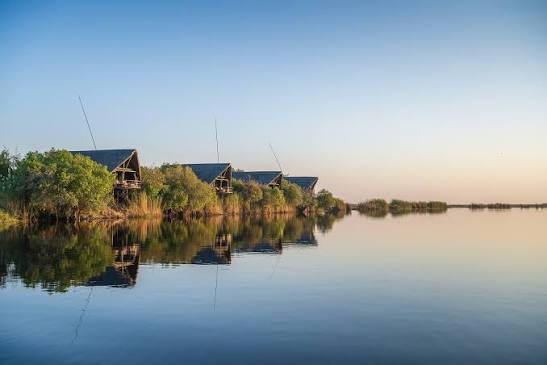
Savuti, in the south-west of the park, is a completely different world from the riverfront. It is a vast, open grassland plain bordered by rocky outcrops and the mysterious Savuti Channel, a waterway famous for flowing and drying up unpredictably. The channel stopped flowing in the early 1980s and then dramatically returned around 2008 to 2010, before drying again in later years, transforming the landscape each time.
Savuti is renowned as one of Africa’s finest predator destinations. Its lions became famous through wildlife documentaries for their ability to hunt elephants, and the area also supports spotted hyenas, cheetahs, leopards and wild dogs. During the rainy season, from about November to April, large herds of zebra and wildebeest migrate through Savuti, drawing predators with them.
Accommodation here ranges from public campsites to luxurious lodges, and Savuti makes an ideal stop on an overland route between Kasane and Maun or Moremi Game Reserve.
| Insider Tip
The road to Savuti involves long stretches of deep Kalahari sand. Self-drivers should travel in a well-equipped 4×4, lower tyre pressure on sandy sections, and allow most of a day for the drive from Kasane. |
6. The Gubatsa Hills and Savuti Rock Paintings
Among Savuti’s rocky outcrops are the Gubatsa Hills, home to ancient rock paintings created by the San people, the original hunter-gatherers of the Kalahari. Painted in red ochre and believed to be several thousand years old, the artworks depict animals such as eland and giraffe, as well as human figures.
A visit to the rock art adds a cultural and historical dimension to a wildlife safari. The hills also provide excellent viewpoints over the Savuti plains, and nearby outcrops such as Leopard Rock and Quarry Hill are good spots for spotting leopards, klipspringers and raptors.
7. The Linyanti Marshes
In the far north-west of the park, the Linyanti Marshes are formed by the Linyanti River, which meets the Kwando River system along the Namibian border. This is a wild and remote region of papyrus-lined channels, lagoons and riverine forest, with very few visitors.
Linyanti is one of the best areas in Botswana for African wild dogs, and it also supports large dry-season concentrations of elephants, as well as lion, leopard, hippo, red lechwe and sitatunga. Much of the finest game viewing happens in the private concessions bordering the park, where lodges can offer night drives, walking safaris and off-road tracking that are not permitted inside the national park itself.
8. Nogatsaa and Tchinga Pans
The Nogatsaa and Tchinga area lies in the park’s central interior, between the riverfront and Savuti. It is a region of mopane woodland dotted with clay pans and waterholes that fill during the rains and hold water well into the dry season.
Nogatsaa is ideal for travellers who want to escape the crowds of the riverfront. It is one of the best places in Chobe to look for eland, roan, sable, tsessebe and oribi, alongside elephants and buffalo. Birding around the pans can be excellent, especially in the green season.
9. Ihaha and the Serondela Area
About 30 kilometres west of Sedudu Gate, the Ihaha area offers some of the finest riverfront scenery in the park. Ihaha Campsite sits right on the bank of the Chobe River and is the only public campsite on the riverfront, making it highly sought after by self-drive travelers. Waking up to elephants and hippos a few metres from your tent is a quintessential Chobe experience.
Nearby Serondela was once the site of a timber-logging settlement in the early 20th century, and a few remnants of that history remain. Today it is a peaceful stretch of river with lovely picnic spots and frequent sightings of lions and elephants.
10. Birdwatching Along the Chobe River
With more than 450 recorded bird species, Chobe is a superb birding destination. The river and floodplains attract African fish eagles, African skimmers, open-billed storks, saddle-billed storks, goliath herons, pied and giant kingfishers, and thousands of waterbirds. Colourful southern carmine bee-eaters nest in riverbank colonies from around September to November.
The best birding season is the green season from November to April, when migratory species arrive from Europe and Asia and resident birds are in breeding plumage. Boat cruises offer excellent close-up views of waterbirds that are difficult to approach on land.
11. The Kasane Baobab “Prison” Tree
Just outside the park in Kasane town stands an enormous hollow baobab tree that, according to local history, was used as a temporary jail during the colonial era. It is a quick and quirky stop on the way into or out of the park, and a reminder of the area’s long human history.
12. Kazungula and the Four Corners
A short drive east of Kasane, the Chobe and Zambezi rivers meet near Kazungula, close to the point where Botswana, Namibia, Zambia and Zimbabwe come together. It is one of the few places in the world where four countries almost touch.
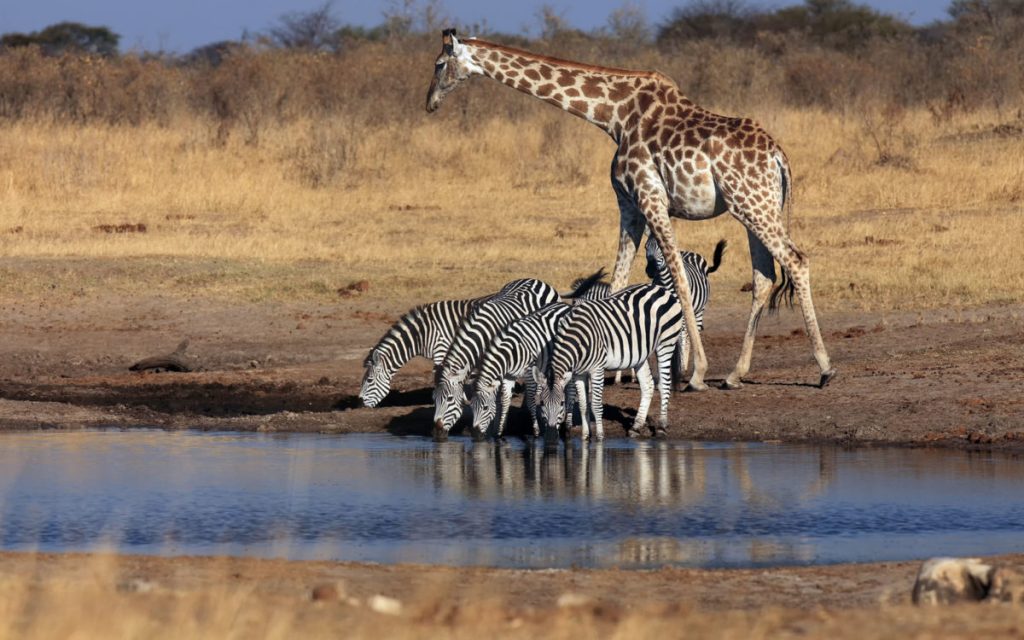
The Kazungula Bridge, opened in 2021, now links Botswana and Zambia across the Zambezi, replacing the old ferry crossing. The area is a convenient jumping-off point for combining Chobe with Victoria Falls, Livingstone or a Caprivi Strip extension in Namibia.
13. Chobe Enclave Villages and Cultural Encounters
The Chobe Enclave, a community area along the river between the park and the Namibian border, includes villages such as Kachikau, Kavimba and Parakarungu. Community-based tourism projects here offer insight into the daily life, crafts and traditions of the Basubiya people who have lived alongside the Chobe River for generations.
A cultural visit is a meaningful way to see how local communities coexist with wildlife and benefit from conservation-led tourism in the region.
14. Day Trip to Victoria Falls
Victoria Falls, one of the Seven Natural Wonders of the World, is only about 80 kilometres from Kasane. Many visitors base themselves in Chobe and take a full-day excursion across the border to Zimbabwe or Zambia to walk the rainforest trail, take a helicopter flight over the falls or enjoy a Zambezi sunset cruise. Equally, many travellers visiting Victoria Falls take a day trip into Chobe for a game drive and boat cruise.
| Insider Tip
The KAZA Univisa allows eligible travellers to move between Zimbabwe and Zambia and covers day trips into Botswana through the Kazungula border. Always confirm current visa rules and eligibility before you travel. |
Wildlife You Can See in Chobe
Chobe’s mix of river, marsh, woodland and grassland supports an exceptional diversity of animals. The table below summarizes the key species and where you are most likely to find them.
| Animal | Best Area | Notes |
| Elephant | Riverfront, Linyanti, Savuti | Largest concentrations from June to October |
| Buffalo | Riverfront, Linyanti | Herds can number in the hundreds |
| Lion | Savuti, Riverfront | Savuti prides famed for hunting large prey |
| Leopard | Riverfront woodlands, Savuti rocks | Most active at dawn and dusk |
| Cheetah | Savuti plains | Seen on open grassland |
| African wild dog | Linyanti, Savuti | Best chances in the private concessions |
| Hippo & crocodile | Chobe River | Easily seen on boat cruises |
| Puku | Chobe Riverfront | The only place in Botswana to see them |
| Sable & roan | Riverfront, Nogatsaa | Uncommon antelope worth looking for |
| Zebra & wildebeest | Savuti | Seasonal migration in the rains |
| Birds (450+ species) | Riverfront, Linyanti | Peak birding November to April |
Top Activities and Indicative Prices
Prices below are indicative per-person rates for 2026 and vary by operator, season, group size and whether park fees are included. Always confirm the latest rates when booking.
| Activity | Duration | Indicative Price (USD) |
| Shared sunset boat cruise | About 3 hours | $45 – $80 |
| Shared game drive (riverfront) | 3 – 4 hours | $45 – $80 |
| Full-day combo (drive + cruise + lunch) | About 8 hours | $120 – $200 |
| Private photographic boat safari | 3 hours | $150 – $350 |
| Houseboat safari (per night, all-inclusive) | Multi-night | $300 – $900+ |
| Day trip from Victoria Falls | Full day | $160 – $250 |
| Savuti fly-in safari (per night, lodge) | 2 – 3 nights recommended | $600 – $1,800+ |
Best Time to Visit Chobe National Park
Chobe is a year-round destination, but each season offers a different experience. For classic big-game viewing and the largest elephant herds, the dry season is unbeatable. For birding, lush landscapes, newborn animals and lower rates, the green season has much to offer.
| Season | Months | What to Expect |
| Early dry season | May – July | Cool mornings, green landscapes fading, game improving, comfortable temperatures |
| Peak dry season | August – October | Best game viewing, huge elephant herds on the river, hot days, highest demand |
| Early rains | November – December | First rains, migratory birds arrive, zebra move to Savuti, fewer visitors |
| Green season | January – April | Lush scenery, excellent birding, newborn animals, lower rates; some Savuti roads difficult |
How to Get to Chobe National Park
By Air
Kasane International Airport (BBK) is the main gateway to the Chobe Riverfront and lies only a few minutes from Sedudu Gate. There are scheduled flights from Johannesburg and Gaborone, as well as light-aircraft connections from Maun. Savuti and Linyanti lodges are usually reached by light aircraft from Kasane or Maun.
By Road
Kasane is well connected by tarred road. Victoria Falls in Zimbabwe is roughly a one-and-a-half-hour drive away via the Kazungula border, while Livingstone in Zambia connects via the Kazungula Bridge. From Maun, the overland route through Moremi and Savuti requires a fully equipped 4×4 and is one of Botswana’s great self-drive adventures. Alternatively, you can drive the tarred route from Maun via Nata to Kasane.
| Self-Drive Essentials
Use a high-clearance 4×4 with low-range gearing for all areas beyond the main riverfront track. Carry a tyre pressure gauge, compressor, recovery gear, extra fuel and plenty of water. Book public campsites such as Ihaha and Savuti well in advance, especially from June to October. Park gates generally open around sunrise and close around sunset; you must be inside your camp or out of the park before closing time. |
Chobe National Park Fees (2026)
Botswana revised its national park fees from 1 April 2026. The figures below are approximate and should be treated as a guide only, since rates and categories can change. Fees are paid per person per day at Sedudu Gate, other entry gates or Department of Wildlife and National Parks offices, and are often included in safari packages.
| Category | Approximate Daily Fee |
| International (non-resident) visitor | About BWP 270 per person |
| SADC resident | About BWP 205 per person |
| Botswana citizen | About BWP 30 per person |
| Foreign-registered vehicle | Roughly BWP 115 per vehicle (varies by vehicle type) |
| Public campsites (e.g. Ihaha, Savuti) | Charged separately by the campsite operator |
| Good to Know
Fee information published online is not always consistent, and older sources still quote pre-2026 rates. Confirm the current fee schedule with the Department of Wildlife and National Parks or your safari operator before you travel. |
Where to Stay Near Chobe’s Attractions
Accommodation options range from riverfront campsites to five-star lodges. Your choice of base will largely determine which attractions you can easily reach.
| Tier | Property | Area |
| Luxury | Chobe Game Lodge | Inside the park on the riverfront |
| Luxury | Chobe Chilwero | Hillside above Kasane with river views |
| Luxury | Savute Elephant Lodge | Savuti Channel |
| Luxury | Linyanti and Kwando concession camps | Linyanti region |
| Mid-range | Chobe Safari Lodge | Kasane riverfront |
| Mid-range | Chobe Marina Lodge | Kasane riverfront |
| Mid-range | Muchenje Safari Lodge | Near the western Ngoma side of the park |
| Budget / Camping | Ihaha Campsite | Inside the park on the riverfront |
| Budget / Camping | Savuti Campsite | Savuti |
| Budget / Camping | Kasane lodge campsites (e.g. Thebe River) | Kasane |
Sample 4-Day Chobe Attractions Itinerary
Day 1: Arrival in Kasane and Sunset Cruise
Arrive at Kasane International Airport or by road from Victoria Falls. Check into your lodge, visit the Kasane baobab prison tree, and enjoy an afternoon sunset boat cruise past Sedudu Island to see elephants, hippos and crocodiles.
Day 2: Chobe Riverfront Game Drives
Take an early-morning game drive along the riverfront towards Ihaha and Serondela to look for lions, leopards, puku and sable. Return for lunch and rest, then head out again in the afternoon when elephant herds gather at the river.
Day 3: Fly or Drive to Savuti
Transfer to Savuti by light aircraft or a full-day 4×4 drive. Enjoy an afternoon game drive across the Savuti Marsh in search of lions, hyenas and cheetahs.
Day 4: Gubatsa Hills Rock Art and Departure
Explore the Gubatsa Hills to view the ancient San rock paintings, followed by a final game drive. Fly back to Kasane or Maun, or continue overland to Moremi Game Reserve and the Okavango Delta.
| Extend Your Trip
Add a day at Victoria Falls, two to three nights in the Okavango Delta, or a houseboat safari on the Chobe River to create a complete Southern Africa adventure. |
Practical Tips for Visiting Chobe
- Malaria: Chobe is in a malaria area. Consult a travel health professional about prophylaxis and use repellent, especially in the rainy season.
- Clothing: Pack neutral-coloured clothing, a warm jacket for early-morning drives from May to August, a wide-brimmed hat and sunscreen.
- Binoculars and cameras: Bring binoculars and a zoom lens of at least 300mm for wildlife and bird photography.
- Respect wildlife: Keep a safe distance from elephants, never get out of your vehicle except at designated spots, and never feed animals.
- Cash: Carry some Botswana pula or US dollars for park fees, tips and small purchases, as card facilities at gates can be unreliable.
- Book early: Lodges, riverfront campsites and photographic boats fill quickly in the peak months of July to October.
Frequently Asked Questions
What is Chobe National Park best known for?
Chobe is best known for having one of the largest elephant populations in Africa, along with superb Chobe River boat cruises and excellent predator viewing in the Savuti region.
What are the main attractions in Chobe National Park?
The main attractions are the Chobe Riverfront, Chobe River boat cruises, Sedudu Island, the Savuti Marsh and Channel, the Gubatsa Hills rock paintings, the Linyanti Marshes, the Nogatsaa and Tchinga pans, Ihaha and Serondela, and the park’s outstanding birdlife.
How many days do I need in Chobe?
Two to three nights on the riverfront is enough to enjoy boat cruises and game drives. Add two to three nights in Savuti or Linyanti for a deeper, more remote safari experience.
Can I visit Chobe on a day trip from Victoria Falls?
Yes. Day trips from Victoria Falls typically include a morning boat cruise, lunch in Kasane and an afternoon game drive, with border formalities handled by your operator.
Can I self-drive in Chobe National Park?
Yes. The riverfront can be explored in a high-clearance 4×4, and experienced self-drivers can continue to Savuti and Nogatsaa. Deep sand and remote conditions mean good preparation and recovery equipment are essential.
When is the best time to see elephants in Chobe?
The best time is during the dry season from about June to October, when elephants gather in vast numbers along the Chobe River.
Is Chobe suitable for families?
Yes. The riverfront is very family-friendly, especially boat cruises, which suit young children well. Some lodges have minimum age limits for game drives, so check before booking.
| Plan Your Chobe Safari with Marriott Safaris Africa
From sunset cruises on the Chobe River to fly-in safaris in Savuti and self-drive adventures with fully equipped 4×4 vehicles, our team can design a Chobe itinerary that matches your interests, travel style and budget. Contact us today to start planning. Perfection Anytime. |