Ruhija Sector
Ruhija Sector , Nestled in the eastern reaches of Bwindi Impenetrable National Park, the Ruhija Sector stands as one of Uganda’s most remarkable wildlife destinations. Perched at an elevation of approximately 2,350 metres above sea level — making it one of the highest and coldest areas within the park — Ruhija offers visitors a unique blend of dramatic highland scenery, pristine Afromontane forest, rare mountain gorillas, and an extraordinary concentration of Albertine Rift endemic bird species. For those seeking an off-the-beaten-path gorilla trekking experience with far fewer crowds than more established sectors, Ruhija delivers a deeply authentic encounter with the wild heart of southwestern Uganda.
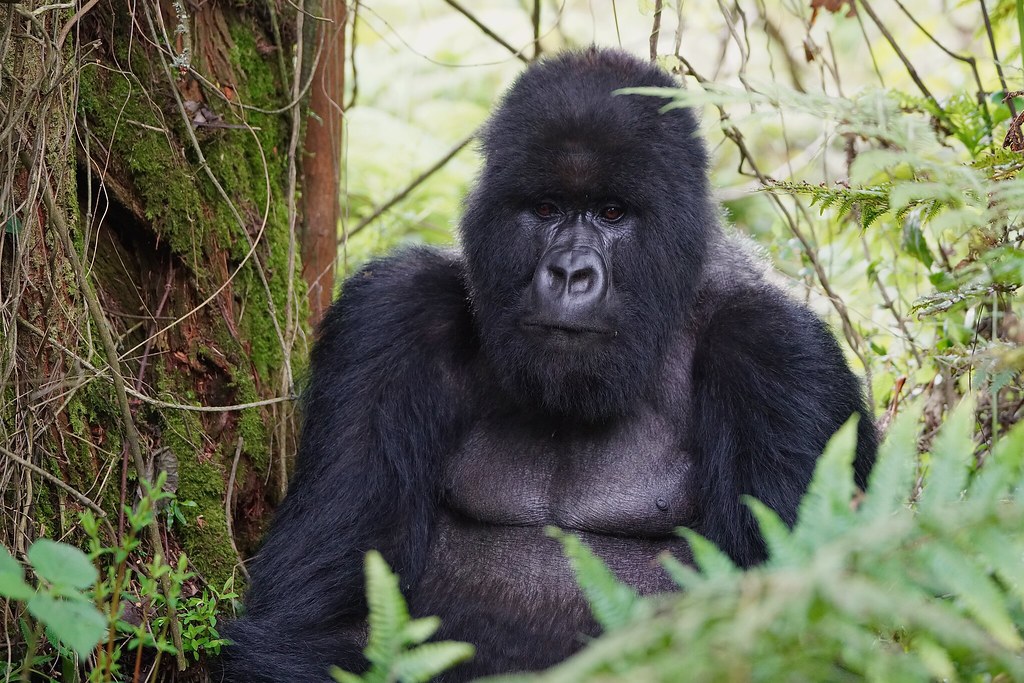
Located in Rubanda District, the Ruhija Sector forms part of the UNESCO World Heritage Site that is Bwindi Impenetrable Forest. The park spans approximately 321 square kilometers of steep, densely tangled forest, ranging in elevation from 1,160 to 2,607 meters above sea level. Ruhija sits in the upper reaches of this altitude range, giving it a cool, misty character that is distinctly different from the lower, warmer sectors of the park.
Whether you are a seasoned gorilla tracker, an avid birdwatcher, a cultural enthusiast, or simply someone in search of unspoiled African wilderness, the Ruhija Sector has something extraordinary to offer.
Location and How to Get There
The Ruhija Sector is situated in the eastern part of Bwindi Impenetrable National Park and is accessed primarily through the town of Kabale, the nearest significant urban centre. The park’s Ndego Gate serves as the main entry point for Ruhija, and from here the forest headquarters is a short drive.
Key Distances
- Kabale to Ruhija: approximately 36 km
- Kabale/Kisoro junction to Ndego Gate: approximately 13 km
- Ndego Gate to Ruhija Headquarters: approximately 13 km
- Buhoma Sector to Ruhija: approximately 59 km (approximately 2 hours by road)
- Kampala to Ruhija: approximately 530 km (8–9 hours by road)
- Kigali (Rwanda) to Ruhija: approximately 4–5 hours via Katuna/Gatuna border crossing
By Road from Kampala/Entebbe
The most common route is to drive from Kampala or Entebbe via Masaka and Mbarara, turning south towards Kabale. From Kabale, you follow the road through the Kabale/Kisoro junction and head towards Ndego Gate. The road leading into Ruhija is mountainous and can be challenging, particularly during rainy seasons, so a 4WD vehicle is strongly recommended. Many visitors choose to self-drive to Kabale and then arrange onward transport through their lodge or tour operator.
By Air
Visitors can take a domestic charter flight from Entebbe International Airport or Kajjansi Airstrip to Kisoro Airstrip, which is the closest airstrip to the Ruhija Sector. From Kisoro, it is approximately a 1.5–2 hour drive to Ruhija. Charter flights are available through several Ugandan domestic aviation companies and can be arranged through tour operators.
From Rwanda (Kigali)
Travellers arriving from Kigali use the same Katuna/Gatuna border crossing as those visiting the Buhoma Sector. However, additional drive time should be factored in when continuing from the border to Ruhija. This cross-border route makes Ruhija an attractive option for regional safari circuits that combine gorilla trekking in Uganda with visits to Rwanda’s Volcanoes National Park.
Gorilla Trekking in Ruhija
Gorilla trekking is unquestionably the star attraction of the Ruhija Sector. The sector is home to four habituated mountain gorilla families, each offering a distinct and unforgettable experience. With a total of up to 32 permits available daily across all families, Ruhija provides a more intimate trekking environment compared to the busier Rushaga Sector in the south.
The Habituated Gorilla Families
1. Bitukura Gorilla Family
The Bitukura family is arguably the most popular gorilla group in the Ruhija Sector, and for good reason. What sets this group apart is its unusually swift habituation — the family adapted to human presence in just 15 months, far faster than the typical two-year process. The group is composed of approximately 14 members, including an impressive four silverbacks who coexist remarkably peacefully within the same family unit.
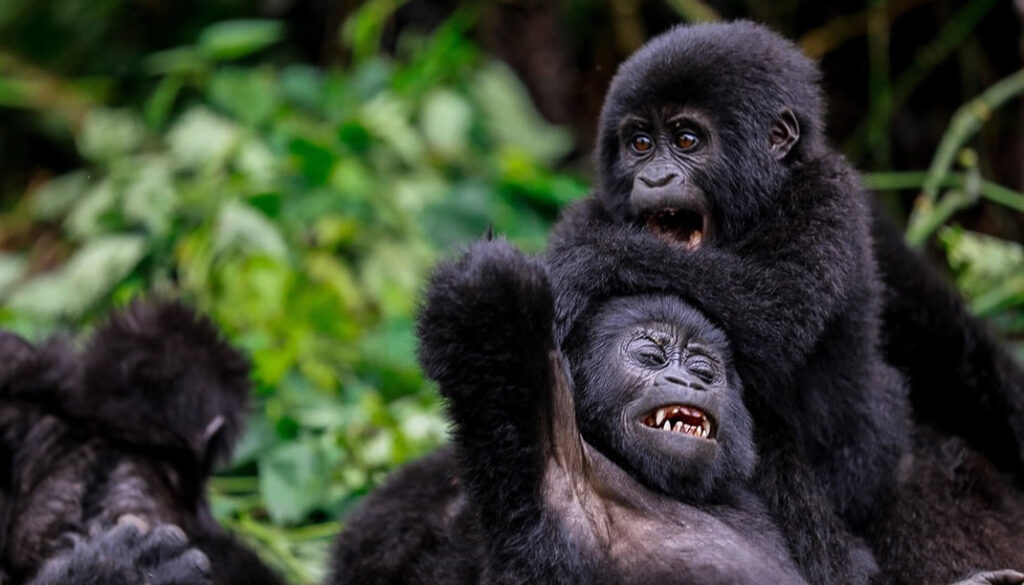
The Bitukura family is celebrated for its calm, gentle demeanour around human visitors, making it a favourite among photographers and first-time gorilla trekkers. The gorillas often engage in relaxed feeding, play, and social grooming activities during the one-hour visit, providing incredible photographic opportunities. The family’s close bond and relaxed nature make every encounter feel natural and deeply moving.
2. Oruzogo Gorilla Family
Named after a plant species found near the group’s home range, the Oruzogo family consists of approximately 15 members. This family inhabits terrain that can be accessed from both the Ruhija Sector and the Buhoma Sector — a unique characteristic that makes it accessible to visitors staying at lodges in either area.
Trekking to the Oruzogo group can be physically demanding, as the family tends to roam through steeper sections of forest. Visitors are advised to be reasonably physically fit before attempting this trek. The reward, however, is a wilderness experience that feels more remote and adventurous than treks to some other families.
3. Kyaguriro Gorilla Family
The Kyaguriro family has a fascinating history that sets it apart from other gorilla groups in Ruhija. Habituated in 1999, the group was originally used primarily for scientific research by the Max Planck Institute for Evolutionary Anthropology. The family is named after a stream within its home range.
The Kyaguriro family is known for its playful and active behaviour. The group shares a close historical connection with the Bitukura family — the oldest female from Bitukura famously left to join the Kyaguriro group, an event that fascinated researchers and park staff alike. Today, the Kyaguriro family is open to tourism and continues to delight visitors with its lively interactions.
4. Mukiza Gorilla Family
The Mukiza family is the newest habituated group in the Ruhija Sector, having been habituated in 2016. The group is named after one of its dominant silverbacks. With approximately 13 members, the Mukiza family represents an exciting addition to Ruhija’s gorilla trekking offering, providing visitors with an opportunity to encounter a group whose dynamics and social structures are still being closely observed by researchers and rangers.
As a relatively recently habituated group, treks to the Mukiza family can feel particularly raw and adventurous, as the family’s ranging patterns remain less predictable than those of longer-established groups.
Gorilla Permits
Gorilla trekking permits for the Ruhija Sector are issued by the Uganda Wildlife Authority (UWA) at a cost of USD 800 per person per trek. Each permit grants the holder access to one designated gorilla family for a single day’s trekking, with a maximum of one hour spent in the presence of the gorillas once located.
Trekking groups are limited to a maximum of 8 visitors per gorilla family per day. Only a single trek is conducted on each habituated gorilla group daily, ensuring the animals are not over-exposed to human presence. It is essential to book permits well in advance, particularly during peak season, as availability can be limited.
Permits can be booked directly through the UWA or through a registered tour operator. All trekkers must be at least 15 years of age and are required to maintain a safe distance of at least 7 metres from the gorillas at all times.
What to Expect on a Gorilla Trek
The gorilla trekking experience begins with a morning briefing at the Ruhija trekking headquarters, which typically starts at 7:00 AM. At the briefing, visitors are assigned to their designated gorilla family, introduced to their guide and ranger team, and given essential guidelines for behaviour in the presence of gorillas.
The trek itself varies in duration depending on where the gorillas have ranged overnight. Treks can last anywhere from one to six hours or more, traversing dense forest, steep hillsides, and muddy trails. At Ruhija’s high elevation, the air can feel thin and the terrain is demanding — visitors are strongly encouraged to arrive in reasonable physical condition.
Once the gorilla family is located, visitors spend one hour in their presence, observing and photographing the animals as they go about their daily activities — feeding, grooming, playing, and resting. It is an experience that virtually every visitor describes as one of the most profound encounters of their lives.
What to bring on a gorilla trek in Ruhija:
- Sturdy, waterproof hiking boots with ankle support
- Long-sleeved shirt and long trousers (to protect against stinging nettles and insects)
- Lightweight rain jacket or poncho
- Garden gloves (optional but useful for grabbing vegetation on steep slopes)
- Insect repellent
- Sunscreen
- Sufficient drinking water (at least 2 litres)
- Energy snacks
- Camera (no flash photography allowed near gorillas)
- Porter hire is available and strongly recommended — porters assist with the terrain and provide valuable income to local communities
Birdwatching in Ruhija
While mountain gorilla trekking draws the majority of visitors to Bwindi, those in the know come to Ruhija with an equal passion for birdwatching. The Ruhija Sector is widely regarded as the premier birdwatching destination within Bwindi Impenetrable National Park, and indeed one of the finest birding sites in the entire Albertine Rift.
Bwindi as a whole is home to over 400 bird species, including 23 Albertine Rift endemics — species found nowhere else on earth. Ruhija’s higher elevation and montane forest character make it particularly rich in these rare endemics, drawing birders from across the globe to tick off some of Africa’s most sought-after avian treasures.
Notable Bird Species in Ruhija
Some of the most celebrated bird species to look for in Ruhija include:
- African Green Broadbill — a stunning Albertine Rift endemic and one of the most prized sightings in Bwindi
- Shelley’s Crimsonwing — a highly sought-after endemic found in Ruhija’s dense undergrowth
- Red-faced Woodland Warbler — found in the mid-altitude forests of Ruhija
- Snowy-crowned Robin-Chat — a beautiful and melodious species of forest interior
- Handsome Francolin — an elusive endemic skulking in montane forest floor
- African Hill Babbler — frequently encountered in Ruhija’s thickets
- Black-faced Apalis — a small, active Albertine Rift endemic warbler
- Grey-throated Barbet — a colourful species of the forest canopy
- Doherty’s Bush-Shrike — a striking, scarce endemic of highland forest
- Black Bee-Eater — a dazzling species found along forest edges
- Grey Crowned Crane — Uganda’s national bird, seen in open areas around Ruhija
- Common Buzzard — a raptor frequently observed soaring above the forest canopy
- Various sunbirds, flycatchers, weavers, and forest robins endemic to the Albertine Rift
The best months for birdwatching in Ruhija are March, April, May, October, and November — during and around the rainy seasons when migratory species are present and birds are most active and vocal. Dedicated birding guided walks can be arranged through lodge management or at the park headquarters.
Other Activities and Experiences
Nature Walks and Forest Hikes
Beyond gorilla trekking and birdwatching, Ruhija offers rewarding nature walks and guided forest hikes through the dense Bwindi Impenetrable Forest. These walks provide an opportunity to discover the forest’s extraordinary biodiversity at a slower pace — observing plant species, insects, primates, and smaller mammals that are easily missed on a gorilla trek.
One of the most ambitious hikes available from Ruhija is the ascent to Rwamunyonyi, the highest point in Bwindi Impenetrable National Park, which sits at approximately 2,607 metres above sea level. The hike offers panoramic views across the forest canopy and into the valley below — a genuinely spectacular reward for those willing to make the climb.
Canopy Walk
Visitors to Ruhija can enjoy a thrilling canopy walk through the adjacent Bwindi Impenetrable Forest. Suspended high above the forest floor, the canopy walk offers a rare bird’s-eye perspective of the forest interior and is an excellent vantage point for spotting canopy-dwelling birds and primates. It is a highlight for families and adventure seekers alike.
Batwa Cultural Experience
No visit to Ruhija would be complete without engaging with the indigenous Batwa community. The Batwa were the original forest-dwelling inhabitants of Bwindi long before the area was gazetted as a national park, and their intimate knowledge of the forest is unparalleled.
Batwa cultural experiences allow visitors to accompany Batwa guides into the forest, learning about traditional hunting and gathering techniques, forest medicine, honey collection, storytelling, and the ancient spiritual relationship between the Batwa people and their forest home. These experiences are both profoundly educational and deeply moving, offering insight into a way of life that has persisted for thousands of years.
Engaging with Batwa experiences is an important form of community tourism that provides direct income to Batwa families and helps preserve their cultural heritage. Most lodges in Ruhija can arrange Batwa cultural visits as part of a broader safari itinerary.
Wildlife Spotting
Ruhija is notable among Bwindi’s sectors for its wildlife beyond gorillas. It is the only sector in the park where forest elephants and antelopes — particularly the bush duiker and other small antelope species — are regularly spotted. The higher elevation of Ruhija seems to concentrate these larger mammals in a way not seen elsewhere in Bwindi.
Black and white colobus monkeys, red-tailed monkeys, and L’Hoest’s monkeys are also regularly observed in the forest around Ruhija, adding to the richness of the wildlife experience.
Accommodation in and Around Ruhija
Accommodation options in the Ruhija Sector are more limited than in the busier Buhoma or Rushaga sectors, but the range of lodges available caters to different budgets and preferences, from budget-friendly community camps to comfortable mid-range safari lodges. The intimate character of Ruhija’s accommodation adds to the sense of being truly immersed in an untouched wilderness.
Some visitors choose to stay in the Buhoma Sector and drive approximately two hours to Ruhija for their early morning briefing — a viable option for those seeking access to Buhoma’s wider range of luxury lodges while trekking in Ruhija.
Key Lodges in Ruhija Sector
Bakiga Lodge
Situated atop a picturesque valley with breathtaking views of the Bwindi Impenetrable Forest, Bakiga Lodge is one of Ruhija’s most celebrated accommodation options. Constructed using locally sourced timber from environmentally responsible suppliers, it exemplifies the ethos of eco-lodge tourism. The lodge is positioned close to all four Ruhija gorilla families — Bitukura, Oruzogo, Mukiza, and Kyaguriro — making it ideally located for trekkers. It offers a warm, authentic atmosphere and is a favourite among birdwatchers.
Ruhija Gorilla Safari Lodge
A comfortable mid-range option nestled within the Ruhija Sector, Ruhija Gorilla Safari Lodge provides accommodation for both middle and upper-class travellers. The lodge offers good access to three of the main gorilla families — Oruzogo, Kyaguriro, and Bitukura — and is well positioned for birding activities.
Gorilla Mist Camp
As its name suggests, Gorilla Mist Camp captures the mystical, cloud-wreathed atmosphere of Ruhija perfectly. This lodge offers a memorable highland forest experience with comfortable accommodation and easy access to the gorilla trekking departure point. Its position within the forest gives it a truly wild ambiance.
Broadbill Forest Camp
Named after one of Bwindi’s most prized avian residents — the African Green Broadbill — Broadbill Forest Camp is a particular favourite among birding enthusiasts. The camp’s setting within the forest and its knowledgeable guides make it an excellent base for dedicated birding expeditions in Ruhija.
Other Accommodation Options
- Bwindi Trekkers Tavern Cottages — a budget-friendly option with a welcoming atmosphere
- Agandi Lodge — a comfortable eco-lodge option popular with independent travellers
- Bwindi Panorama Resort — offering scenic views across the Bwindi landscape
- Cuckoo Land Tented Lodge — a tented camp option for those seeking a more immersive bush experience
- Ruhija Community Rest Camp — a budget community-run camp that supports local livelihoods
- Chameleon Hill Lodge — a mid-range option with beautiful views of the surrounding hills
Best Time to Visit Ruhija
Gorilla trekking in Ruhija is possible throughout the year, as the gorillas are present year-round and permits are available every day. However, season and weather conditions significantly affect the trekking experience, trail conditions, and overall comfort of your visit.
Dry Season — Best for Trekking
The dry months of January, February, June, July, and August into early September are generally considered the best time for gorilla trekking in Ruhija. During these months:
- Forest trails are drier and less muddy, making the trek less physically challenging
- Morning briefings begin in clearer conditions
- Photography is generally better due to improved light conditions
- Demand for permits is at its highest — book well in advance
- Accommodation rates are typically at their peak
Wet/Green Season — Good for Birding and Value
The rainy seasons (March–May and October–November) bring their own advantages, particularly for birdwatchers and budget-conscious travellers:
- Migratory bird species are present, maximising birdwatching opportunities
- The forest is lushly green and visually stunning
- Lodges frequently offer steep discounts during the low season
- Permits are more readily available with less advance booking required
- Fewer visitors create an even more intimate wilderness experience
- Note: Trails can be very muddy and slippery; appropriate footwear and clothing are essential
Essential Tips for Visiting Ruhija
Physical Fitness and Preparation
Ruhija’s high elevation and challenging terrain mean that physical fitness is an important consideration. Visitors should be comfortable with multi-hour hikes on steep, uneven ground and be prepared for the effects of altitude. If you have any health concerns, consult your physician before travelling.
Porter Hire
Hiring a porter at Ruhija is highly recommended. Local community porters are available for hire at the trekking headquarters and will carry your day pack, provide physical support on difficult terrain, and share their knowledge of the forest. Porter hire is an important source of income for local communities and directly supports the livelihoods of families living around the park.
Health and Safety
- All visitors must be free from communicable diseases, including the common cold and flu, as gorillas are highly susceptible to human respiratory infections
- Wearing a face mask in the presence of gorillas is now standard practice and is enforced by park rangers
- Visitors who feel unwell on the morning of their trek should inform their ranger — a permit may be rescheduled under certain circumstances
- Yellow fever vaccination is required for entry into Uganda
- Malaria prophylaxis is recommended, though the risk at Ruhija’s altitude is relatively low
- Travel insurance that covers emergency evacuation is strongly advised
Responsible Tourism
Ruhija’s gorillas and forest are irreplaceable treasures that belong to both Uganda and the world. Visitors play a vital role in conservation by adhering to park guidelines, supporting community tourism initiatives, buying locally produced crafts and products, and choosing responsible, eco-conscious lodges and tour operators. The revenue generated from gorilla permits directly funds UWA’s conservation efforts, anti-poaching patrols, and community development programmes.
Combining Ruhija with Other Destinations
Ruhija’s location in southwestern Uganda makes it an excellent component of a broader East African safari circuit. Popular combinations include:
- Queen Elizabeth National Park: Drive north from Kabale for a classic game drive experience featuring hippos, elephants, lions, and the famous tree-climbing lions of Ishasha sector
- Bwindi Buhoma Sector: Combine treks in Ruhija and Buhoma for two distinct gorilla family encounters in contrasting forest environments
- Lake Bunyonyi: Relax and recover at this stunning highland lake near Kabale, one of Africa’s deepest and most scenic lakes, before or after trekking
- Mgahinga Gorilla National Park: Visit Uganda’s other gorilla park, home to both mountain gorillas and endangered golden monkeys among the Virunga Volcanoes
- Rwanda’s Volcanoes National Park: Cross the border into Rwanda to compare gorilla trekking experiences at Volcanoes National Park, located a few hours from Ruhija via the Katuna/Gatuna border
- Kibale Forest National Park: Head north for the world’s best chimpanzee trekking experience, complementing your primate encounters in Bwindi
Conclusion
The Ruhija Sector of Bwindi Impenetrable National Park is a destination that rewards those willing to venture slightly further from the well-trodden tourist trail. With four habituated mountain gorilla families, some of Africa’s rarest birds, extraordinary highland forest, and a genuinely wild, uncrowded atmosphere, Ruhija offers an African safari experience that is both deeply immersive and profoundly memorable.
Its challenging terrain and limited accommodation options are not drawbacks but rather features — they are what preserve Ruhija’s intimate, authentic character and ensure that every visitor feels like a true explorer rather than a tourist on a conveyor belt.
For gorilla trackers, birdwatchers, hikers, photographers, and culture seekers alike, the Ruhija Sector stands as one of East Africa’s most compelling safari destinations — a place where the ancient, misty forests of Bwindi reveal their secrets to those who come seeking them.
For bookings, gorilla permit assistance, and tailored safari itineraries in the Ruhija Sector and across East Africa, contact your trusted safari specialist.