Serengeti Visitor Centre
The Complete Guide to the Seronera Information Centre, Its Kopje Trail, the 2026 Reconstruction and How to Fit It Into Your Safari
In the middle of the Serengeti, where the Seronera Valley’s acacia-lined rivers draw leopards, lions and cheetahs, sits one of the most underrated stops on any Tanzania safari: the Serengeti Visitor Centre. Most travellers arrive simply to stretch their legs or eat a picnic lunch after a morning game drive. Those who take an hour to explore leave with something far more valuable: a real understanding of why the Serengeti works the way it does, from the rains that steer the Great Migration to the granite kopjes that shelter predators.
In October 2026 the centre reopened after a major German-funded reconstruction, turning a well-loved but dated facility into a modern, solar-powered conservation education hub. This guide covers everything you need to know: what to see, how to get there, fees, opening hours, the best time to visit, nearby attractions, self-drive tips and answers to the questions our safari planners hear most often.
What Is the Serengeti Visitor Centre?
The Serengeti Visitor Centre is the main interpretation and information facility inside Serengeti National Park. It is located at Seronera, the administrative heart of the park, close to the park headquarters, the Seronera airstrip, the public campsites and several of the park’s best-known lodges.
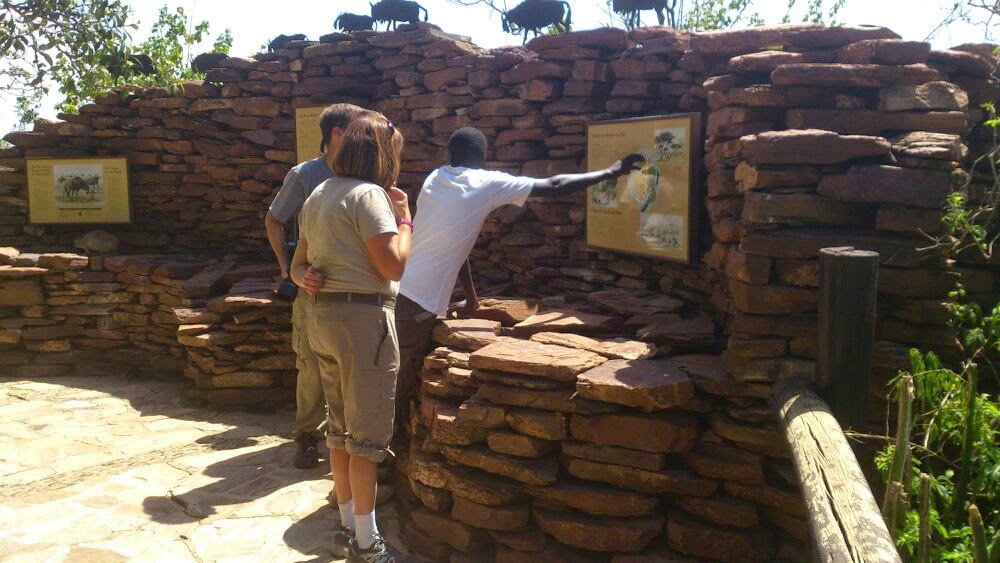
Think of it as the Serengeti’s open-air museum. Instead of glass cases in a closed building, the centre uses thatched pavilions, interpretive panels, wildlife skeletons and a self-guided trail that winds up and around a granite kopje (rocky outcrop). Along the way, you learn how the ecosystem functions: why the wildebeest move, how grass, rain and soil shape the plains, how predators and prey depend on each other, and what it takes to protect a landscape this vast.
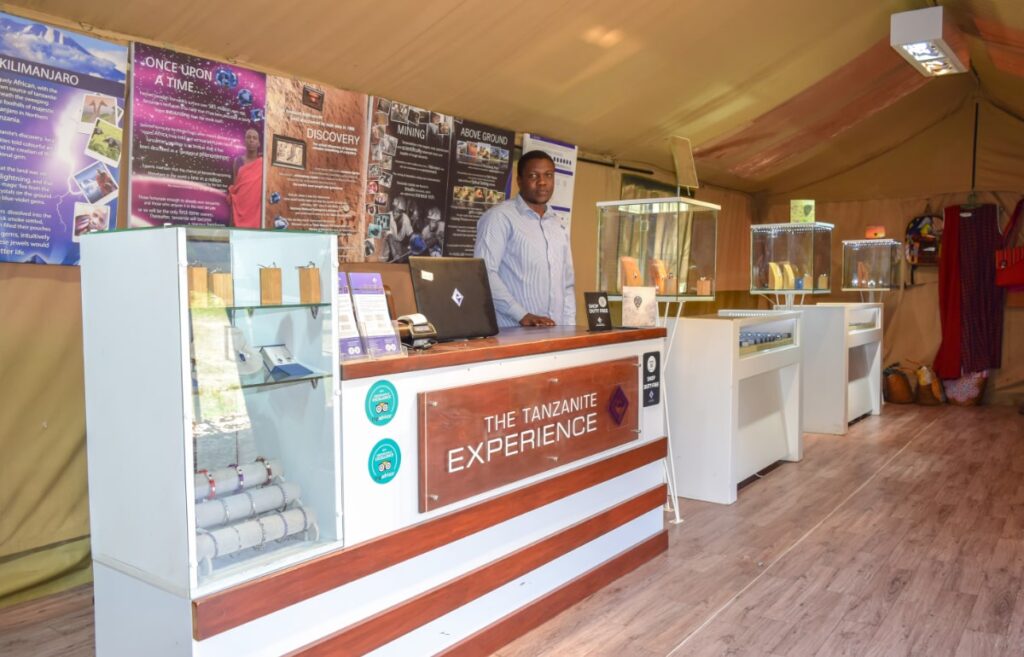
It also serves practical needs. The centre is a favourite lunch and rest stop for safari vehicles working the Central Serengeti, with shaded picnic tables, clean toilets, a café for coffee and cold drinks, and a curio shop for books, maps and souvenirs.
Why It Is Worth Your Time
- Context for everything you see. A game drive shows you the animals; the centre explains the system behind them. Guests who stop here early in their safari consistently say their later game drives became more meaningful.
- A safe place to walk. Inside the Serengeti you must normally stay in your vehicle. The centre’s designated trail is one of the few places where you can stretch your legs on foot.
- Wildlife at close range. Rock hyraxes, colourful agama lizards and a variety of birds live on the kopje and are used to visitors, making for easy close-up photography.
- Perfect midday break. When animals rest in the heat of the day, the centre offers shade, food and facilities before the afternoon game drive.
History and the 2026 Reconstruction
The Original Centre
Seronera has long been the scientific and administrative hub of the Serengeti. The Serengeti Research Institute, today part of the Tanzania Wildlife Research Institute (TAWIRI), was established nearby in the 1960s and made the area a global centre for research on lions and large grazing animals. The original visitor centre was built in the 1990s with support from conservation partners, introducing open thatched pavilions, interpretive displays and the kopje trail that thousands of safari-goers have walked since.
Over the years the facility became a fixture on Central Serengeti itineraries, but its displays aged and it lacked the modern interpretation that today’s visitors expect.
The New Serengeti Visitor Centre (Opened October 2026)
On 7 October 2026, the reconstructed and upgraded Serengeti Visitor Centre was officially inaugurated by Tanzania’s Deputy Minister for Natural Resources and Tourism, Hamad Hassan Chande, together with Germany’s Ambassador-designate to Tanzania, Annett Günther.
| Project detail | Information |
| Funding | German Government via the Federal Ministry for Economic Cooperation and Development (BMZ) and KfW Development Bank |
| Programme | Serengeti Ecosystem Development and Conservation Project (SEDCP) |
| Implemented by | Tanzania National Parks (TANAPA), with support from the Frankfurt Zoological Society |
| Investment | Approximately €1.3 million (about TSh 3.9 billion) |
| Site | Three acres with several hundred metres of walking trails |
| Green design | Solar power and rainwater harvesting systems |
| Local input | Tanzanian artists and young people from villages within the Serengeti ecosystem contributed; sculptures by Tanzanian artists feature on site |
The goal, in TANAPA’s words, is for every visitor to leave the Serengeti with a deeper understanding of the wildlife they have seen and the ecosystem that sustains it. The new centre also introduces visitors to Tanzania’s wider network of national parks and game reserves, encouraging travellers to explore beyond the northern circuit.
| Good to Know
The reopening coincides with continued international recognition for the park: in 2026 the Serengeti was named Africa’s Leading National Park at the World Travel Awards for the eighth consecutive year, according to TANAPA. The park has been a UNESCO World Heritage Site since 1981. |
What to See and Do at the Visitor Centre
1. Interpretive Exhibits and Pavilions
The heart of the centre is a series of open-sided, thatched pavilions with interpretive displays. Expect clear, visual explanations of the Serengeti ecosystem, including:
- The Great Migration: the annual circuit of roughly 1.5 million wildebeest, plus hundreds of thousands of zebras and gazelles, and how rainfall patterns drive it.
- Habitats of the park: the southern short-grass plains, the acacia woodlands of the centre, the Western Corridor and the northern hills along the Mara River.
- Predator–prey relationships and the role of scavengers such as hyenas and vultures.
- The geology of the kopjes and volcanic soils that make the plains so nutritious.
- Conservation challenges: poaching, disease, human–wildlife conflict and climate pressures, and how communities around the park are involved in solutions.
2. Skeletons, Skulls and Natural History Displays
One of the most popular features with families is the collection of animal bones and skulls. Guides often turn it into a game, asking guests to identify which animal a skull or bone came from. Comparing a lion’s teeth with a wildebeest’s, or seeing the size of an elephant’s skull up close, is a memorable way to understand how each species is adapted to its role.
3. The Kopje Nature Trail
The centre’s signature experience is a self-guided walking trail that loops up and around a granite kopje. Interpretive panels along the route explain the plants, animals and stories of the Serengeti. Look out for:
- Rock hyraxes: small, furry animals that sunbathe on the boulders. Surprisingly, their closest living relatives include elephants.
- Agama lizards: males flash bright orange-pink heads and blue bodies while doing push-ups on the rocks.
- Birdlife: superb starlings, weavers, waxbills, hornbills and mousebirds are common around the trail and picnic area.
- Wild sisal (oldupai): the plant that gave its name to nearby Olduvai Gorge, one of the world’s most important early human sites.
- Views: from higher points on the kopje you get wide views over the Seronera plains.
| Safety on the Trail
The trail is a designated walking area, but you are still in an unfenced national park. Stay on marked paths, keep children close, do not climb into rock crevices, and follow any instructions from rangers or your guide. Do not feed hyraxes, birds or monkeys. |
4. Sculptures and Tanzanian Artwork
A new feature of the reconstructed centre is the use of sculpture and artwork by Tanzanian artists to tell the Serengeti’s story. Young people from villages within the Serengeti ecosystem also contributed to the project, linking conservation storytelling with local talent and community participation.
5. Picnic Site, Café and Curio Shop
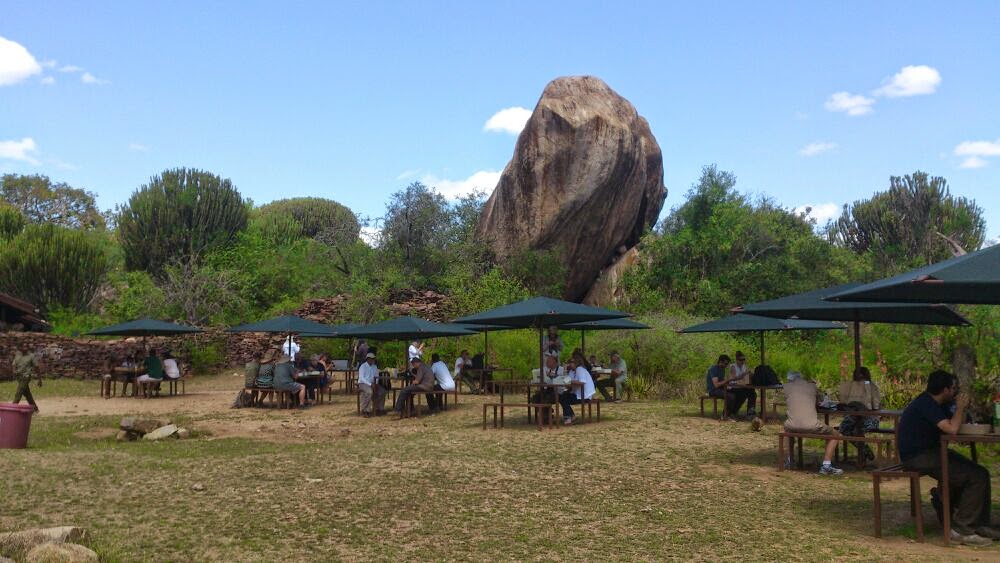
The picnic site is one of the most pleasant lunch spots in the Central Serengeti, with shaded tables and a constant soundtrack of birdsong. Most safari camps and lodges supply boxed lunches for exactly this kind of stop. The café sells coffee, tea, cold drinks and snacks, while the curio shop stocks field guides, maps, postcards, Tanzanian crafts and souvenirs.
| Picnic Tip
Superb starlings and other birds can be bold around food. Keep your lunch box closed when you are not eating, and never leave food unattended on tables. |
6. Visitor Information and Park Updates
The centre is a useful place to ask about recent wildlife sightings, road conditions after rain, and rules for the park. Information on Tanzania’s other national parks and game reserves is also available, which is handy if you are planning onward travel to places such as Ruaha, Nyerere, Katavi or Mahale.
Location and How to Get There
The Serengeti Visitor Centre is in Seronera, Central Serengeti. It lies close to the Seronera airstrip (about one kilometre to the south), the park headquarters, the public campsites and Seronera Wildlife Lodge, so it slots naturally into almost any Serengeti itinerary.
Approximate Driving Distances
| From | Approx. distance | Approx. drive time* |
| Seronera airstrip | 1 km | 5 minutes |
| Naabi Hill Gate (south) | 45–50 km | 1–1.5 hours |
| Ikoma Gate (north-west) | 35–40 km | 1 hour |
| Ndabaka Gate (Western Corridor) | 140–150 km | 3.5–4 hours |
| Ngorongoro Crater rim | 140–150 km | 3.5–4 hours |
| Karatu | 180–190 km | 4.5–5 hours |
| Arusha | 320–330 km | 8–9 hours |
*Drive times are pure driving estimates. Inside the park you will stop often for wildlife, so allow far more time.
By Road
Most visitors arrive by safari vehicle from Arusha or Karatu, passing through the Ngorongoro Conservation Area and entering the Serengeti at Naabi Hill Gate. From Naabi, the main road runs north across the southern plains to Seronera. Travellers coming from Lake Victoria or Mwanza enter through Ndabaka Gate and drive east through the Western Corridor.
By Air
Scheduled and charter light aircraft from Arusha, Kilimanjaro, Manyara and Zanzibar land at the Seronera airstrip. If you fly in, ask your guide or lodge to include the visitor centre on your first game drive; it is only minutes from the airstrip.
By Self-Drive
The centre is clearly signposted from the main Seronera roads and is easy to find with a GPS or offline map app. Self-drive travellers will find it an ideal first stop to orient themselves, use the facilities and get updates on road conditions before exploring further.
Opening Hours and Fees
Opening Hours
The centre is open daily during daylight hours, in line with Serengeti game-drive hours (roughly 06:00 to 18:00). The café and curio shop typically keep shorter hours, opening mid-morning and closing late afternoon. Since the centre has only recently reopened, confirm current hours with TANAPA or your safari operator before your visit.
Fees
There is no separate admission charge for the visitor centre. Access is covered by your Serengeti National Park entry fee. For budgeting, these are the commonly quoted TANAPA conservation fees for foreign non-resident visitors (VAT inclusive):
| Fee type (non-resident) | Adult (16+) | Child (5–15) | Notes |
| Park entry / conservation fee | US$82.60 | US$23.60 | Per person, per 24 hours; under-5s free |
| Concession fee (lodges and permanent camps inside the park) | US$70.80 | Reduced rate | Per person, per night |
| Transit fee (crossing without stopping) | US$70.80 | US$23.60 | Per crossing |
| Visitor Centre admission | Free | Free | Included in park entry |
| Payment and Tariff Changes
TANAPA park fees are paid electronically (card or approved payment channels), not in cash at the gate. Tanzanian national park tariffs are revised periodically, often on a 1 July cycle, so always confirm the current rates with TANAPA or your operator before you travel. Most Marriott Safaris Africa packages include park fees in the quoted price. |
Best Time to Visit
The visitor centre is worth visiting year-round, but the experience in the surrounding Seronera area changes with the seasons.
| Season | Months | What to expect around Seronera |
| Long dry season | June – October | Excellent general game viewing; resident lions, leopards and cheetahs concentrate along the Seronera River. Busiest months, so arrive at the centre early or after 14:00 to avoid lunch crowds. |
| Short rains | November – December | Green landscapes and fewer vehicles. Herds begin moving south through the central plains towards Ndutu. |
| Calving season | January – March | Migration herds on the southern plains between Ndutu and Naabi; Seronera is a convenient base or stop on drives south. |
| Long rains | April – May | Quietest time with lush scenery and low-season rates. Some roads can be muddy; the centre makes a useful dry break. |
Best time of day: Late morning to early afternoon is ideal. Spend the cooler, more active early hours on a game drive, then use the centre for lunch, a walk on the kopje trail and a rest before heading out again around 15:30.
Top Attractions Near the Visitor Centre
Seronera is one of the richest wildlife areas in Africa, thanks to the permanent water of the Seronera River. Combine your visit with these nearby highlights:
| Attraction | Why go |
| Seronera River Valley | Year-round water and sausage trees make this one of Africa’s best places to spot leopards resting in branches, as well as lions and cheetahs. |
| Retima Hippo Pool | Dozens of hippos packed into a river pool, plus crocodiles and waterbirds. A short drive north of Seronera. |
| Simba Kopjes | Granite outcrops on the road towards Naabi where lion prides often lie in the sun. |
| Maasai Kopjes | Rock formations east of Seronera, known for lions and the occasional leopard. |
| Moru Kopjes | South-west of Seronera; home to the Gong Rock and ancient Maasai rock paintings, and part of the Serengeti’s rhino conservation area. |
| Hot-air balloon safaris | Sunrise balloon flights over the Seronera plains, followed by a bush breakfast. |
Self-Drive Tips for Visiting the Centre
For travellers exploring Tanzania in a rented 4×4, the visitor centre is a natural anchor point in the Central Serengeti.
- Use it as your orientation stop. Ask about recent sightings and road closures, and pick up a park map before you head out.
- Plan fuel carefully. Fuel supply inside the park is limited and not guaranteed. Fill up fully in Karatu or Mugumu before entering, and carry a spare jerrycan if your route is long.
- Respect game-drive hours. Driving is permitted only during daylight hours. Be back at your lodge or campsite before dark.
- Stay on designated roads. Off-road driving is prohibited in most areas and attracts heavy fines.
- Watch your speed. Park speed limits are low (typically 50 km/h on main roads), and animals cross unexpectedly.
- Carry digital payment options. Park fees and many services are cashless.
| Marriott Safaris Africa Tip
Our 4×4 rentals with rooftop or ground tents are ideal for the Seronera public campsites, which sit just a few minutes from the visitor centre. Ask our team about a Serengeti self-drive package that includes vehicle, camping gear and park fee guidance. |
Where to Stay Near the Serengeti Visitor Centre
| Tier | Option | Approx. distance from the centre |
| Budget | Seronera public and special campsites (bring your own tent or rooftop tent) | A few minutes’ drive |
| Mid-range | Seronera Wildlife Lodge, built into a kopje in the heart of Seronera | About 2–3 km |
| Mid-range to upscale | Tented camps around Central Serengeti, many with mobile and seasonal options | Varies; often 10–25 km |
| Luxury | Four Seasons Safari Lodge Serengeti and high-end camps in the Banagi area | About 13–20 km |
Staying at Seronera puts you at the centre of the park’s road network, giving you fast access to the Seronera River, the kopjes and, depending on the season, the migration herds.
Sample Half-Day Itinerary Including the Visitor Centre
| Time | Activity |
| 06:00 | Early morning game drive along the Seronera River, looking for leopards and lions while the light is soft. |
| 09:30 | Continue to the Retima Hippo Pool or Simba Kopjes, depending on recent sightings. |
| 11:30 | Arrive at the Serengeti Visitor Centre. Explore the exhibits and skeleton displays. |
| 12:15 | Walk the kopje nature trail and photograph hyraxes, agamas and birds. |
| 13:00 | Picnic lunch at the visitor centre; coffee at the café and a browse in the curio shop. |
| 14:00 | Rest in the shade or return to your lodge during the hottest part of the day. |
| 15:30 | Afternoon game drive, then back to camp before dark. |
Practical Tips for Your Visit
- Visit early in your Serengeti stay so the information shapes the rest of your game drives.
- Wear comfortable closed shoes for the rocky kopje trail.
- Bring sun protection: hat, sunglasses and sunscreen, as parts of the trail are exposed.
- Carry a camera with a moderate zoom; the hyraxes and birds are close, but lizards move fast.
- Bring your binoculars to scan the plains from the higher parts of the kopje.
- Keep noise low and leave no litter; use the bins provided.
- Ask your guide to walk the trail with you for extra stories and identification help.
- Respect staff, artwork and displays; do not climb on sculptures.
Frequently Asked Questions
Where exactly is the Serengeti Visitor Centre?
It is in Seronera, in the Central Serengeti, close to the park headquarters, about one kilometre north of the Seronera airstrip and a few minutes’ drive from the public campsites and Seronera Wildlife Lodge.
Is there an entrance fee for the visitor centre?
No separate fee is charged. Entry is covered by your Serengeti National Park entry fee. You will pay for any food, drinks or souvenirs you buy at the café and curio shop.
How long should I spend there?
Plan on 45 minutes to an hour for the exhibits and kopje trail, or up to two hours if you are also having a picnic lunch and visiting the café and shop.
Is it suitable for children?
Yes. The skeleton displays, hyraxes and lizards make it one of the most child-friendly stops in the park. Keep young children close on the kopje trail.
Can I walk around on foot?
Yes, on the designated trail and grounds of the centre. It is one of the few places in the Serengeti where visitors can safely leave their vehicle. Always follow ranger instructions.
What changed in the 2026 reconstruction?
The centre was rebuilt with German Government funding through BMZ and KfW and implemented by TANAPA with the Frankfurt Zoological Society. It now covers three acres with upgraded interpretation, several hundred metres of trails, sculptures by Tanzanian artists, solar power and rainwater harvesting, plus information on Tanzania’s other parks.
Can I buy food at the centre?
The café sells drinks and light snacks. For a full lunch, most visitors bring a packed lunch from their lodge or camp and eat at the picnic site.
Is the visitor centre open during the rainy season?
Yes, it is open year-round. During the long rains (April to May) some roads around Seronera can be muddy, so allow extra travel time.
Can self-drive travellers visit?
Absolutely. The centre is signposted from the main Seronera roads and is a convenient orientation stop for self-drivers. Make sure you have paid the required park and vehicle fees before entering the Serengeti.
What else is near the visitor centre?
The Seronera River Valley (excellent for leopards), Retima Hippo Pool, Simba Kopjes, Maasai Kopjes, Moru Kopjes and hot-air balloon launch sites are all within easy reach.
Plan Your Visit with Marriott Safaris Africa
The Serengeti Visitor Centre turns a safari from a series of sightings into a story you understand. With its newly reconstructed exhibits, kopje trail, Tanzanian artwork and peaceful picnic site, it deserves a place on every Central Serengeti itinerary, whether you are on a guided safari or exploring on your own in a 4×4.
Marriott Safaris Africa can build the visitor centre into a guided Tanzania safari, or set you up with a fully equipped self-drive 4×4 with camping gear for the Seronera campsites. Contact our team to start planning your Serengeti adventure.
Marriott Safaris Africa — Perfection Anytime