Gonarezhou National Park
Gonarezhou National Park, Tucked into the remote south-eastern corner of Zimbabwe, where the country meets Mozambique and South Africa, Gonarezhou National Park is one of Africa’s last truly wild safari destinations. Its name comes from the Shangaan (Tsonga) words for “place of elephants” — and with some of the largest tuskers in southern Africa roaming its river valleys, it lives up to that name.
Covering about 5,053 square kilometres (roughly 1.25 million acres), Gonarezhou is Zimbabwe’s second-largest national park after Hwange. It stretches from the Save River in the north to the Mwenezi River in the south, and it shares a 100 km boundary with Mozambique. The park forms the Zimbabwean component of the Great Limpopo Transfrontier Park, which links it with Kruger National Park in South Africa and Limpopo National Park in Mozambique.
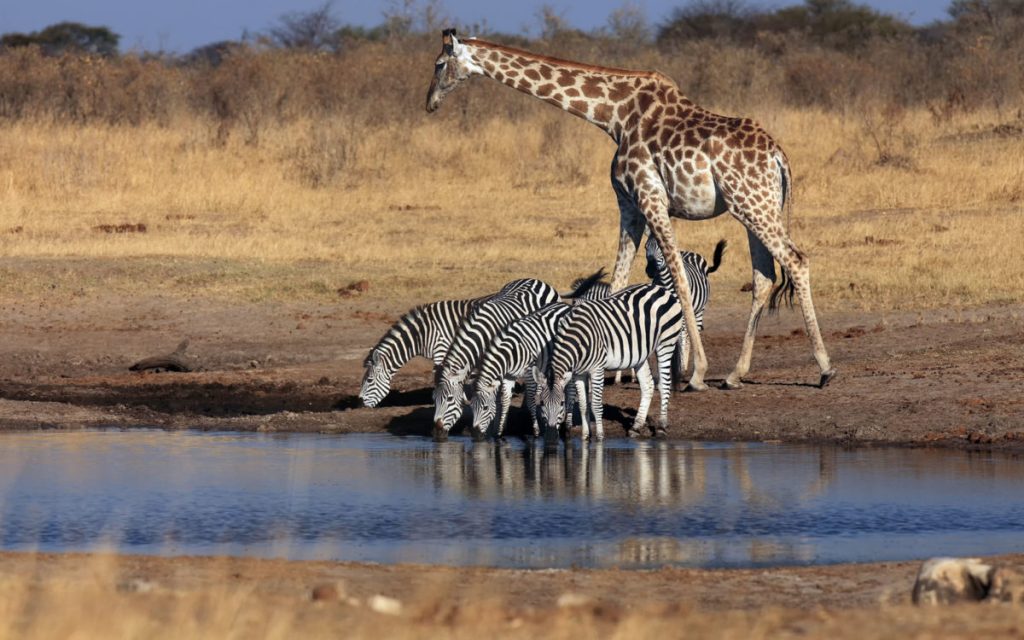
Gonarezhou was first set aside as a game reserve in 1935 and proclaimed a national park in 1975. Since 2017 it has been managed by the Gonarezhou Conservation Trust (GCT), a partnership between the Zimbabwe Parks and Wildlife Management Authority (ZimParks) and the Frankfurt Zoological Society. That partnership has transformed the park: poaching has dropped sharply, wildlife numbers are recovering, and visitor facilities — from wild campsites to comfortable bush camps — have been rebuilt with conservation at their core.
Gonarezhou at a Glance
| Fact | Details |
| Location | South-eastern Zimbabwe, Masvingo Province, on the Mozambique border |
| Size | About 5,053 km² (1.25 million acres) — Zimbabwe’s 2nd-largest park |
| Established | Game reserve 1935; national park 1975 |
| Managed by | Gonarezhou Conservation Trust (ZimParks + Frankfurt Zoological Society) |
| Main rivers | Save, Runde and Mwenezi |
| Signature landmark | Chilojo Cliffs — red sandstone cliffs rising about 180 m above the Runde |
| Gateway town | Chiredzi (about 55 km / 1–1.5 hours to Chipinda Pools Gate) |
| Nearest airport | Buffalo Range Airport (BFO), Chiredzi |
| Best time to visit | May to October (dry season) |
| Annual closure | 10 January to 1 March |
Why Visit Gonarezhou?
- Genuine wilderness: Gonarezhou receives a tiny fraction of the visitors seen in Kruger or Hwange. You can drive for hours without seeing another vehicle.
- Big elephants: The park is famous for its large elephant population, including impressive big-tusked bulls.
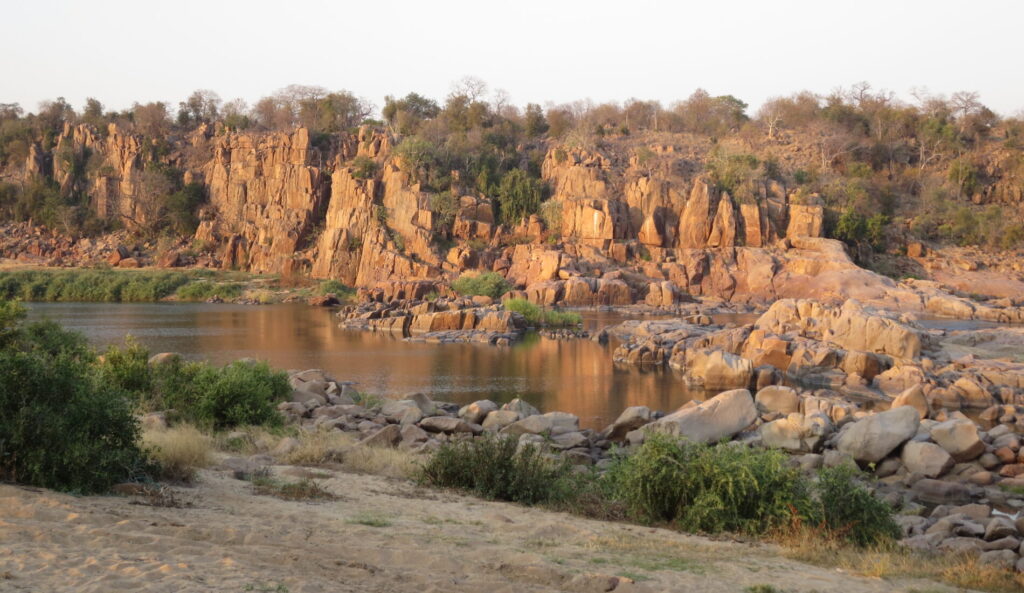
- Spectacular scenery: The Chilojo Cliffs glowing red at sunset are one of southern Africa’s most iconic safari views.
- Self-drive paradise: Wild campsites, starbed platforms and river-view camps make it a dream for overlanders and 4×4 enthusiasts.
- Conservation you can support: Most accommodation is run by the Conservation Trust, so your money flows straight into ranger patrols and park operations.
How to Get to Gonarezhou National Park
Gonarezhou is remote by design, and getting there is part of the adventure. Nearly every road route funnels through the sugar-farming town of Chiredzi, which is your last reliable stop for fuel, groceries and mobile signal. Travellers can arrive by road (self-drive or transfer), by scheduled or charter flight to Buffalo Range Airport, or by charter flight directly into the park.
By Road: Chiredzi to Chipinda Pools Gate
The main and easiest entry point is Chipinda Pools Gate in the north. From Chiredzi, follow the tarred road towards Mutare for about 21 km, then turn south at the signposted Chipinda Pools junction and continue for roughly 34 km on gravel. The full trip is about 55 km and takes one to one and a half hours. Chipinda Pools is the natural gateway to the Runde River and the Chilojo Cliffs.
Coming from Harare, Masvingo or Bulawayo, plan the drive to Chiredzi as a separate day, then treat the last hour to the gate as its own leg. Arrive at the gate with full fuel tanks, full water containers and all your food — there are no shops inside the park.
Park Entry Gates
| Gate | Area Served | Access Notes |
| Chipinda Pools | North — Runde River, Chilojo Cliffs | Main gate, about 55 km from Chiredzi; easiest access |
| Save-Runde Basecamp | North-east | Reached via a sand crossing of the Save River; true 4×4 essential |
| Boli Gate | South-west | From Mwenezi via the Boli–Sango road; report to Mabalauta office first |
| Sango Gate | South (from Mozambique) | Direct from the Sango border post; report to Mabalauta office first |
| Malipati Gate | Far south | Via the Sengwe corridor country, near Manjinji Pan |
By Air
Buffalo Range Airport (BFO), just outside Chiredzi, is the regional airport and handles scheduled and charter traffic. From there, most visitors take a road transfer into the park — around an hour to the northern gate, and up to about three hours to the more remote sections. For a faster arrival, pre-authorised charter flights can land at the Chipinda Pools airstrip inside the park. Chilo Gorge Safari Lodge and private operators can arrange fly-in packages from Harare, Victoria Falls or Johannesburg.
From South Africa and Mozambique
Travellers from South Africa usually cross at Beitbridge and drive north-east to Chiredzi via Rutenga, or enter the southern section through Boli. From Mozambique, the Sango Gate is directly accessible from the Sango border post. The long-term vision of the Great Limpopo Transfrontier Park is seamless cross-border travel between Kruger, Limpopo and Gonarezhou, but for now normal border formalities apply.
What Vehicle Do You Need?
- A high-clearance vehicle is recommended everywhere in the park.
- A true 4×4 is essential for the Save River sand crossing and the tracks to remote and wilderness campsites.
- A 2WD sedan is not a realistic way to see Gonarezhou — do not plan around one.
- Vehicles over 3 tonnes pay an extra fee and have limited road access; over 5 tonnes needs advance notice to the Trust. Motorbikes are not permitted.
Self-Drive Survival Tips
|
Best Time to Visit Gonarezhou National Park
Gonarezhou has a hot, semi-arid climate. The dry winter months are by far the best for game viewing, as animals gather along the rivers and at the remaining pans, and the thinning bush makes wildlife easier to spot.
| Season | Months | What to Expect |
| Early dry season | April – June | Cool, pleasant days; bush still green; remote camps reopen; good all-round conditions |
| Peak dry season | July – October | Best game viewing; animals concentrate on the Runde, Save and Mwenezi rivers; hot by October |
| Early rains | November – December | Very hot, first storms, lush growth, excellent birding; remote camps begin closing late November |
| Park closed | 10 January – 1 March | The park closes to tourists every year during the peak rains |
| Late rains | March | Green landscapes, newborn animals; some roads may still be impassable |
Top Attractions in Gonarezhou National Park
1. Chilojo Cliffs
Gonarezhou’s crown jewel. These towering red and cream sandstone cliffs rise about 180 metres above the Runde River and stretch for several kilometres. At sunrise and sunset they glow a fiery orange, often with elephants wandering the riverbed below. You can view them from the riverbank, from Chilojo Bush Camp directly opposite, or from the clifftop viewpoint — one of the most breathtaking lookouts in southern Africa.
2. The Runde River
The Runde is the lifeblood of northern Gonarezhou. Its wide sandy bed, pools and fringing riverine forest attract elephants, buffalo, nyala, kudu and predators, particularly in the dry season. The river drive between Chipinda Pools and the Chilojo Cliffs is the park’s most popular game-viewing route.
3. Save–Runde Confluence
Where the Runde meets the mighty Save River lies the lowest point in Zimbabwe, at around 162 metres above sea level. This remote, beautiful area has rich riverine forest and is one of the few places in Zimbabwe where bull sharks (known locally as Zambezi sharks) have been recorded far inland.
4. Chivilila Falls
A set of rapids and small cascades on the Runde River, where the water tumbles through a rocky gorge. It is a lovely picnic and photography stop, and a good place to watch for fish eagles and crocodiles.
5. Tembohata and Machiniwa Pans
These natural pans on the Runde floodplain are magnets for wildlife in the dry season. Park your vehicle with a view and wait — elephants, buffalo, waterbuck and a steady stream of antelope come to drink, with predators often not far behind.
6. Chipinda Pools
Deep, permanent pools on the Runde near the main gate and park headquarters. Hippos and crocodiles are resident, and the area is a great introduction to the park on your first afternoon.
7. Mwenezi River and Samalema Gorge
The quieter southern section of the park follows the Mwenezi River. Samalema Gorge, where the river cuts through rocky hills, is scenic and peaceful, while the area around Swimuwini and Mabalauta offers excellent elephant viewing with hardly another visitor in sight.
8. Manjinji Pan Bird Sanctuary
Near Malipati in the far south, Manjinji Pan is a seasonal wetland famous with birders. When full, it hosts waterfowl, storks, herons and waders, and is one of the best birding spots in the region.
9. Baobab Forests and Ironwood Woodlands
Gonarezhou’s landscapes are as memorable as its wildlife: giant baobabs, dense ironwood (mopane) woodland, sandveld, and ancient leadwood trees make every drive visually striking.
Wildlife in Gonarezhou National Park
Gonarezhou is home to more than 450 species of wildlife, including over 400 bird species. The park’s wildlife has recovered strongly under the Conservation Trust, and predator sightings have become increasingly reliable.
| Group | Key Species |
| Big game | African elephant (the park’s headline species), buffalo, lion, leopard, hippo, giraffe |
| Predators | Lion, leopard, African wild dog (painted wolf), cheetah, spotted hyena |
| Special antelope | Nyala, suni, Lichtenstein’s hartebeest, sable, roan, eland, kudu, klipspringer |
| Other mammals | Zebra, wildebeest, waterbuck, impala, bushbuck, warthog, baboon |
| Reptiles | Nile crocodile, monitor lizards, various snakes |
| Birds | 400+ species including Pel’s fishing owl, racket-tailed roller, Böhm’s spinetail, crested guineafowl, ground hornbill |
| Elephant Etiquette
Gonarezhou’s elephants were heavily poached in past decades and some herds can still be nervous. Always give elephants plenty of space, switch off your engine when they are close, never block their path to water, and back away quietly if they show signs of agitation (head shaking, ears spread, mock charging). |
Things to Do in Gonarezhou National Park
1. Game Drives
The number-one activity — whether self-drive or guided. See the dedicated section below for routes and tips.
2. Sunset at the Chilojo Cliffs
Time your afternoon to end at the cliffs as the sun sets. Few safari moments compare to watching the sandstone turn gold, then crimson, while elephants cross the river below.
3. Guided Walking Safaris
Walking with an armed, professional guide lets you experience the bush up close: reading tracks, learning about plants and insects, and approaching wildlife on foot. Walks are offered by Chilo Gorge Safari Lodge and registered third-party operators.
4. Wild Camping and Starbed Sleep-Outs
Spend a night on an elevated starbed platform over a water pan — at Bhenji Weir, Malugwe (built into an ancient leadwood tree) or Gorwe — and listen to animals drinking beneath you under a sky full of stars. For the adventurous, the 11 wilderness campsites offer nothing but a firepit, a bush loo and total solitude.
5. Birdwatching
With over 400 species, Gonarezhou is excellent for birders. The riverine forests along the Runde and Save hold specials such as Pel’s fishing owl, while Manjinji Pan is superb for waterbirds. November and December bring migrants and breeding plumage.
6. Catch-and-Release Fishing
Overnight visitors can fish at designated sites on a strictly catch-and-release basis with a permit. Tigerfish, bream and catfish are among the species found in the rivers.
7. Photography
Dramatic cliffs, big-tusked elephants, baobab silhouettes and empty landscapes make Gonarezhou a photographer’s dream. Early mornings and late afternoons offer the best light.
8. Cultural Visits
The Shangaan communities bordering the park have deep ties to the land. Chilo Gorge Safari Lodge arranges visits to Mahenye village, and staying at Bosman’s Community Camp directly supports the Malipati community.
9. Picnics at Scenic Spots
Designated picnic sites along the rivers, such as Chivilila Falls and the Runde viewpoints, are perfect for a mid-day break between game drives.
Game Drives in Gonarezhou National Park
Gonarezhou is above all a self-drive park, and exploring it in your own 4×4 is one of the great safari experiences in Africa. Guided game drives are also available for those who prefer an expert behind the wheel.
Self-Drive Game Drives
Self-drive game viewing is included in your conservation and vehicle fees. With a well-equipped 4×4, a good map and plenty of supplies, you can set your own pace and linger at sightings for as long as you like. Roads range from reasonable gravel to deep sand and rocky tracks, so drive slowly and allow more time than you think you need.
Guided Game Drives
Guided open-vehicle game drives can be arranged through the Conservation Trust (minimum group size applies — typically six people) and are included in most packages at Chilo Gorge Safari Lodge and the Trust’s serviced bush camps. A local guide will know where predators have been seen and will greatly enrich your understanding of the ecosystem.
Best Game Drive Routes
| Route | Section | Highlights |
| Chipinda Pools – Chilojo Cliffs | North (Runde) | Riverine forest, elephants, nyala, buffalo, the cliffs at sunset |
| Runde Floodplain Pans Loop | North (Runde) | Tembohata and Machiniwa Pans, big herds in dry season, predators |
| Chilojo Cliffs Top Road | North | Panoramic clifftop views over the Runde valley |
| Save–Runde Confluence | North-east | Remote wilderness, lowest point in Zimbabwe, lush riverine forest |
| Mwenezi River Drive | South | Swimuwini, Samalema Gorge, peaceful elephant viewing, few vehicles |
| Manjinji Pan | Far south | Birding hotspot, waterbirds and wetland species |
Game Drive Tips
- Start early — the first three hours after dawn are the most productive, before the heat sets in.
- Drive slowly (under 30 km/h) and stop frequently to scan the riverbeds and treelines.
- Spend time at water — in the dry season, patience at a pan often pays off more than covering distance.
- Stay on designated roads; off-road driving is not permitted.
- Be back at camp before dark; night driving is not allowed for self-drivers.
- Carry binoculars, a field guide, water and snacks on every drive.
Where to Stay in Gonarezhou National Park
Almost all accommodation inside Gonarezhou is run by the Gonarezhou Conservation Trust, which means your stay directly funds park operations. Options range from wild, unfenced campsites to serviced bush camps with a chef, plus a full-service private lodge on the park boundary.
Luxury and High-End
- Chilo Gorge Safari Lodge: A thatched, full-service lodge perched on a clifftop above the Save River at the Runde Gorge, on the park boundary. It offers game drives, guided walks, fly-camping and cultural visits to Mahenye village. All-inclusive, open April to November.
- Chilojo Bush Camp: The Trust’s flagship camp on the Runde, directly opposite the Chilojo Cliffs. Six en-suite Meru tents with an in-house chef and attendant — catered comfort in a genuinely remote setting.
- Mahove Bush Camp: Sister camp to Chilojo on the Runde floodplain, surrounded by natural pans that draw wildlife past camp. Same six-tent, chef-and-attendant formula.
- Singita Pamushana Lodge: Ultra-luxury lodge in the private Malilangwe Wildlife Reserve, which borders Gonarezhou (it is not inside the park). Ideal if you want the region’s grandest base, with spa, boat cruises and rock-art excursions.
Mid-Range
- Bosman’s Community Camp: Six Meru tents on the Mwenezi River near Manjinji Pan, built with the Malipati Development Trust so neighbouring Shangaan communities benefit directly.
- Mananga Camps (Masasani & Mathuli): Four-bedroom self-catering camps with an attendant — ideal for families and groups. Masasani is near Chipinda Pools; Mathuli is on the quiet Mwenezi River.
Budget and Self-Catering
- Chipinda Pools Tented Camp: Self-catering en-suite tents on the Runde, ten minutes from the main gate. A practical first-night base.
- Chipale Tented Camp: Self-catering tents within reach of the Chilojo Cliffs — the signature view at a fraction of the bush-camp price.
- Swimuwini Rest Camp: Eight self-catering lodges above the Mwenezi River in the south; the best-value beds in the park.
Camping
- Developed campsites: Chipinda Pools, Chinguli and Mabalauta, with shared ablutions and running water.
- Starbed platforms: Bhenji Weir, Malugwe and Gorwe — raised open-air sleeping decks over water pans.
- Wilderness, exclusive and transit campsites: Undeveloped sites with a firepit and bush loo; exclusive sites are booked by a single group in the most sought-after areas.
Accommodation Price Guide (2026)
| Accommodation | Type | Approx. Rate from (USD) |
| Singita Pamushana | Ultra-luxury (adjacent private reserve) | Rates on request |
| Chilo Gorge Safari Lodge | Full-service lodge, all-inclusive | About $580 pppn |
| Chilojo / Mahove Bush Camps | Serviced tented bush camp | $600 pppn (local rate) |
| Bosman’s Community Camp | Serviced community tented camp | $240 pppn (local rate) |
| Mananga Camps | Self-catering group camp | $220 pppn (local rate) |
| Chipale / Chipinda Pools Tented | Self-catering tents | $130–$150 pppn (local rate) |
| Swimuwini Rest Camp | Self-catering lodge | $90 per unit (local rate) |
| Campsites & starbeds | Camping | $100–$180 pppn (international rate) |
Gonarezhou National Park Entrance Fees (2027)
Gonarezhou runs on two parallel fee systems: ZimParks sets the daily conservation (entry) fee, while the Conservation Trust charges separately for accommodation and camping. All fees are in US dollars.
Daily Conservation Fee (per person, per day)
| Visitor Category | Staying in a Park Camp | Day Visit / Staying Outside |
| International visitors | $15 | $25 |
| SADC residents | $10 | $20 |
| Zimbabwe residents | $5 | $10 |
| Children | Confirm with the Trust | Confirm with the Trust |
Vehicle Fees
| Vehicle Type | Fee | Notes |
| Standard car / 4×4 | Budget about $5–$10 per day | No officially published figure; confirm at the gate |
| Vehicle over 3 tonnes | Entry fee applies | Limited road access inside the park |
| Vehicle over 5 tonnes | Special fee | Advance notice to the Trust required |
| Motorbikes | Not permitted | Motorbikes are banned from the park |
Camping Rates (per person, per night — international rate)
| Campsite Type | International | SADC / Local |
| Transit campsites (max 2 nights) | $100 | $60 / $50 |
| Developed campsites (Chipinda Pools, Chinguli, Mabalauta) | $104 | $66 / $55 |
| Starbed platforms (Bhenji Weir, Malugwe, Gorwe) | $120 | $80 / $60 |
| Wilderness campsites (11 sites) | $120 | $80 / $63 |
| Exclusive campsites (7 sites) | $180 | $120 / $95 |
| Important Fee Notes
• Fees can change without notice — always verify with the Conservation Trust before travel. • Bring US dollars in cash, in small denominations; do not rely on card facilities at the gates. • Day visitors are welcome without prior booking, but all overnight stays must be pre-booked. • Guided activities (game drives, walks, fishing permits) are priced separately — ask the Trust or your operator. |
Sample Daily Budget
| Travel Style | Estimated Cost per Person per Day |
| Budget self-drive camper | $150 – $200 (fees, camping, food, fuel) |
| Mid-range self-catering | $250 – $350 |
| Serviced bush camp | $650 – $800 |
| Luxury lodge / fly-in | $800+ |
Sample 4-Day Gonarezhou Safari Itinerary
| Day | Plan | Overnight |
| Day 1 | Drive to Chiredzi, stock up on fuel, water and food; enter via Chipinda Pools Gate; afternoon drive around Chipinda Pools | Chipinda Pools Tented Camp or campsite |
| Day 2 | Morning drive along the Runde to Chivilila Falls; afternoon at the Chilojo Cliffs for sunset | Chipale Tented Camp or Chilojo Bush Camp |
| Day 3 | Full day on the Runde floodplain: Tembohata and Machiniwa Pans; clifftop viewpoint | Starbed platform or wilderness campsite |
| Day 4 | Early game drive, then exit via Chipinda Pools and return to Chiredzi (or continue south to the Mwenezi) | — |
Have more time? Add two to three days in the southern Mwenezi section (Swimuwini, Samalema Gorge and Manjinji Pan), or combine Gonarezhou with Kruger National Park in South Africa or a Zimbabwe circuit including Great Zimbabwe, Matobo, Hwange and Victoria Falls.
Packing List and Safety Tips
What to Pack
- Neutral-coloured, lightweight clothing plus a warm fleece for cold winter mornings (June–August)
- Wide-brimmed hat, sunglasses, high-SPF sunscreen and insect repellent
- Binoculars, camera with a zoom lens, spare batteries and power bank
- At least 5 litres of drinking water per person per day, plus cooler box and all food
- First-aid kit and malaria prophylaxis (Gonarezhou is a malaria area — consult your doctor)
- Headlamp/torch, camping gear, firewood (where allowed) and rubbish bags for the carry-in, carry-out policy
- Printed maps and offline GPS maps; copies of passport, driving licence and bookings
Safety Tips
- Camps are unfenced — never walk around at night without a torch, and keep children close.
- Arrive at camp in daylight so you have time to set up safely.
- Store food securely in your vehicle; elephants and baboons are attracted to fruit and food smells.
- Do not swim in rivers or pools — crocodiles and hippos are present.
- Let the Trust or your operator know your route and expected arrival times.
- Consider travelling with a second vehicle if exploring the remote wilderness areas.
Frequently Asked Questions
Where is Gonarezhou National Park?
In the south-eastern corner of Zimbabwe, in Masvingo Province, bordering Mozambique. It is part of the Great Limpopo Transfrontier Park with Kruger (South Africa) and Limpopo (Mozambique).
What does Gonarezhou mean?
It means “place of elephants” in the local Shangaan (Tsonga) language, a reference to the park’s large elephant population.
Does Gonarezhou have the Big Five?
Four of the Big Five — elephant, buffalo, lion and leopard — are well established. Rhino are not something to plan a Gonarezhou visit around, so check current status with the Trust if they matter to you. Elephants and buffalo are the most reliably seen.
How much is the entrance fee to Gonarezhou?
International visitors pay $15 per person per day if staying in a park camp, or $25 for day visits and those staying outside the park. SADC and Zimbabwean residents pay lower rates.
Can I visit Gonarezhou in a normal car?
A 2WD car is not recommended. High clearance is needed throughout and a proper 4×4 is essential for many routes, river crossings and remote campsites.
What is the best time to visit Gonarezhou?
May to October, during the dry season, when wildlife concentrates along the rivers. The park is closed from 10 January to 1 March.
How far is Gonarezhou from Chiredzi?
About 55 km to Chipinda Pools Gate, which takes roughly one to one and a half hours.
Can I combine Gonarezhou with Kruger National Park?
Yes. Many travellers combine the two, crossing via Beitbridge or through Mozambique. Allow a full day of driving between the parks.
Is Gonarezhou safe to visit?
Yes, with sensible precautions. Follow park rules, respect wildlife, carry enough supplies and travel with a capable vehicle or a reputable operator.
Plan Your Gonarezhou Safari
Gonarezhou National Park rewards travellers who seek something beyond the ordinary safari. Towering cliffs, vast elephant herds, empty roads and nights under the stars make it one of Africa’s most memorable wilderness experiences — and every visit helps protect a conservation success story in the making.
| Book with Marriott Safaris Africa
Whether you want a fully equipped 4×4 with rooftop tent for a self-drive adventure, a guided Zimbabwe safari combining Gonarezhou with Great Zimbabwe, Hwange and Victoria Falls, or a seamless cross-border trip linking Kruger and Gonarezhou, our team can plan every detail. Contact us today to start planning — Perfection Anytime. |